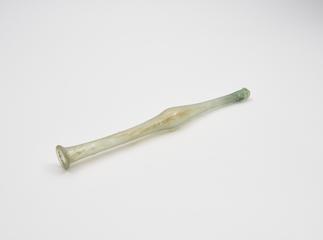
Two cardboard boxes, one contains 10 ampoules and a decapping file; and one contains 6 glass ampoules of morphine hydrochloride

Made:
Germany

Two cardboard boxes, each with folding lid: one contains 10 ampoules, plus a file for decapping; and one contains 6 glass ampoules of morphine hydrochloride. The boxes are inscribed with the content and manufacturer details and a stamp 'feile im der meaning 'File in Box'. This item was manufactured in Germany during the First World War and is believed to have been issued for military use. Morphine hydrochloride is powerful analgesic and narcotic but it also has central stimulant actions. The uses of morphine are for the relief of pain, the procuring of sleep where sleeplessness is due to pain, the arrest of haemorrhage, the supression of cough and the relief of anxiety and apprehension.

Cardboard box, with folding lid, made to contain 10 ampoules, plus a file for decapping, Germany, 1912-1917

Cardboard box, containing 10 ampoules, plus a decapping file

1912-1917

Glass ampoule containing morphine, Germany, 1912-1917

Glass ampoule containing controlled drug

1912-1917

Glass ampoule containing morphine, Germany, 1912-1917

Glass ampoule containing controlled drug

1912-1917

Glass ampoule containing morphine, Germany, 1912-1917

Glass ampoule containing controlled drug

1912-1917

Glass ampoule containing morphine, Germany, 1912-1917

Glass ampoule containing controlled drug

1912-1917

Glass ampoule containing morphine, Germany, 1912-1917

Glass ampoule containing controlled drug

1912-1917

Glass ampoule containing morphine, Germany, 1912-1917

Glass ampoule containing controlled drug

1912-1917

Glass ampoule containing morphine, Germany, 1912-1917

Glass ampoule containing controlled drug

1912-1917

Glass ampoule containing morphine, Germany, 1912-1917

Glass ampoule containing controlled drug

1912-1917

Glass ampoule containing morphine, Germany, 1912-1917

Glass ampoule containing controlled drug

1912-1917

Glass ampoule containing morphine, Germany, 1912-1917

Glass ampoule containing controlled drug

1912-1917

Steel file, for decapping morphine ampoules, Germany, 1912-1917

Steel file

1912-1917

Cardboard box, with folding lid, made to contain six glass ampoules of morphine hydrochloride, Germany, 1912-1917. The box is inscribed with the content and manufacturer details and a stamp 'feile im der" meaning 'File in Box'. This item was manufactured in Germany during the First World War and is believed to have been issued for military use. Morphine hydrochloride is powerful analgesic and narcotic but it also has central stimulant actions. The uses of morphine are for the relief of pain, the procuring of sleep where sleeplessness is due to pain, the arrest of haemorrhage, the supression of cough and the relief of anxiety and apprehension.

Cardboard box, sealed, containing six ampoules of morphine hydrochloride

1912-1917

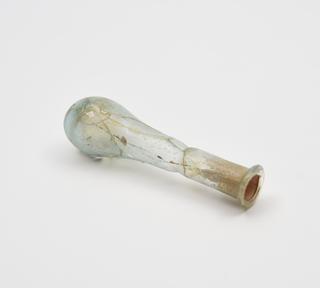
One glass ampoule of morphine hydrochloride. This item was manufactured in Germany during the First World War and is believed to have been issued for military use. Morphine hydrochloride is powerful analgesic and narcotic but it also has central stimulant actions. The uses of morphine are for the relief of pain, the procuring of sleep where sleeplessness is due to pain, the arrest of haemorrhage, the supression of cough and the relief of anxiety and apprehension.

Ampoule containing morphine hydrochloride

1912-1917

One glass ampoule of morphine hydrochloride. This item was manufactured in Germany during the First World War and is believed to have been issued for military use. Morphine hydrochloride is powerful analgesic and narcotic but it also has central stimulant actions. The uses of morphine are for the relief of pain, the procuring of sleep where sleeplessness is due to pain, the arrest of haemorrhage, the supression of cough and the relief of anxiety and apprehension.

Ampoule containing morphine hydrochloride

1912-1917

One glass ampoule of morphine hydrochloride. This item was manufactured in Germany during the First World War and is believed to have been issued for military use. Morphine hydrochloride is powerful analgesic and narcotic but it also has central stimulant actions. The uses of morphine are for the relief of pain, the procuring of sleep where sleeplessness is due to pain, the arrest of haemorrhage, the supression of cough and the relief of anxiety and apprehension.

Ampoule containing morphine hydrochloride

1912-1917

One glass ampoule of morphine hydrochloride. This item was manufactured in Germany during the First World War and is believed to have been issued for military use. Morphine hydrochloride is powerful analgesic and narcotic but it also has central stimulant actions. The uses of morphine are for the relief of pain, the procuring of sleep where sleeplessness is due to pain, the arrest of haemorrhage, the supression of cough and the relief of anxiety and apprehension.

Ampoule containing morphine hydrochloride

1912-1917

One glass ampoule of morphine hydrochloride. This item was manufactured in Germany during the First World War and is believed to have been issued for military use. Morphine hydrochloride is powerful analgesic and narcotic but it also has central stimulant actions. The uses of morphine are for the relief of pain, the procuring of sleep where sleeplessness is due to pain, the arrest of haemorrhage, the supression of cough and the relief of anxiety and apprehension.

Ampoule containing morphine hydrochloride

1912-1917

One glass ampoule of morphine hydrochloride. This item was manufactured in Germany during the First World War and is believed to have been issued for military use. Morphine hydrochloride is powerful analgesic and narcotic but it also has central stimulant actions. The uses of morphine are for the relief of pain, the procuring of sleep where sleeplessness is due to pain, the arrest of haemorrhage, the supression of cough and the relief of anxiety and apprehension.

Ampoule containing morphine hydrochloride

1912-1917

Details

Category:
Materia Medica & Pharmacology
Collection:
Sir Henry Wellcome's Museum Collection
Object Number:
A653586
type:
box
credit:
Wellcome Trust