
 This image is released under a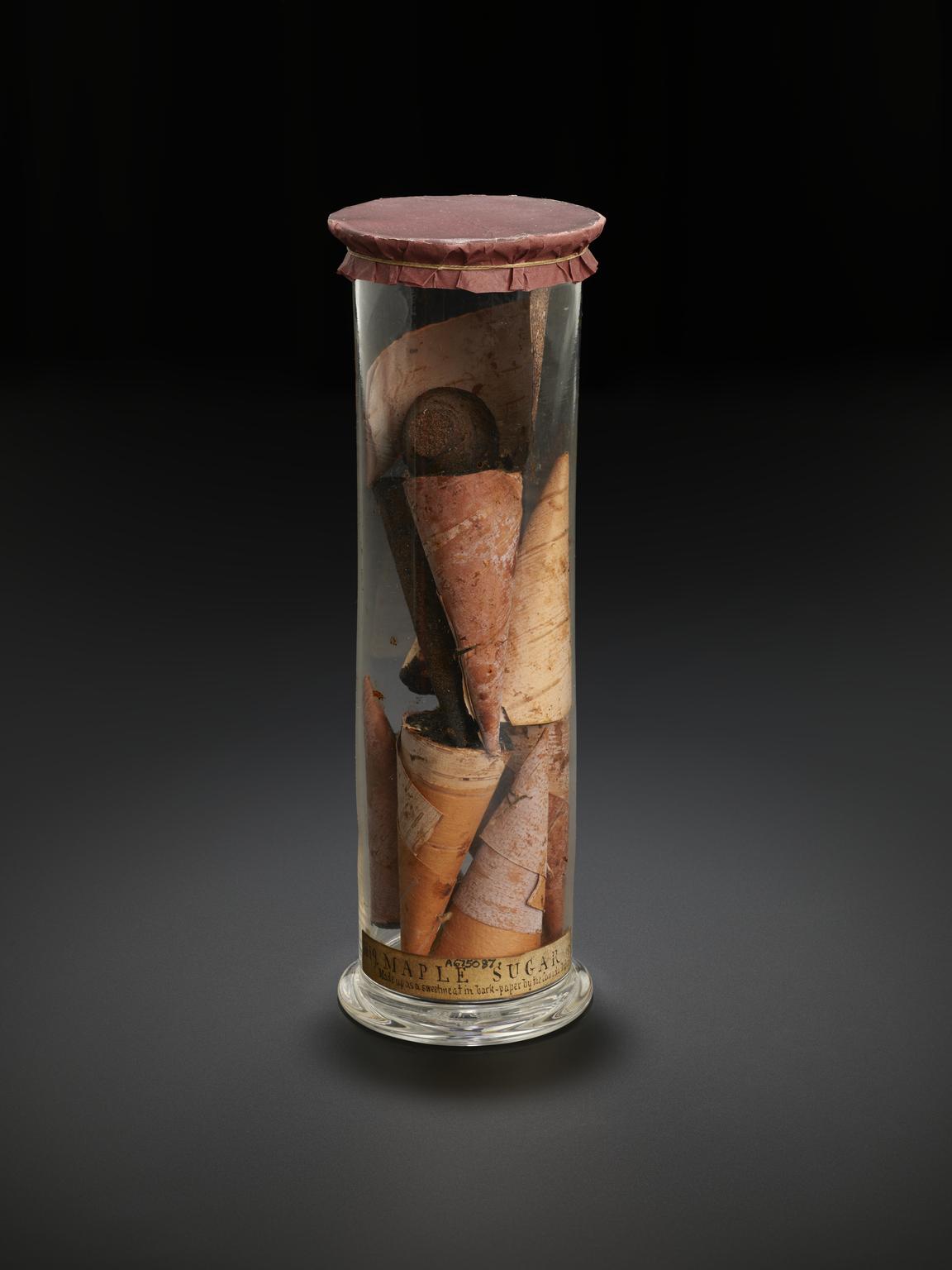
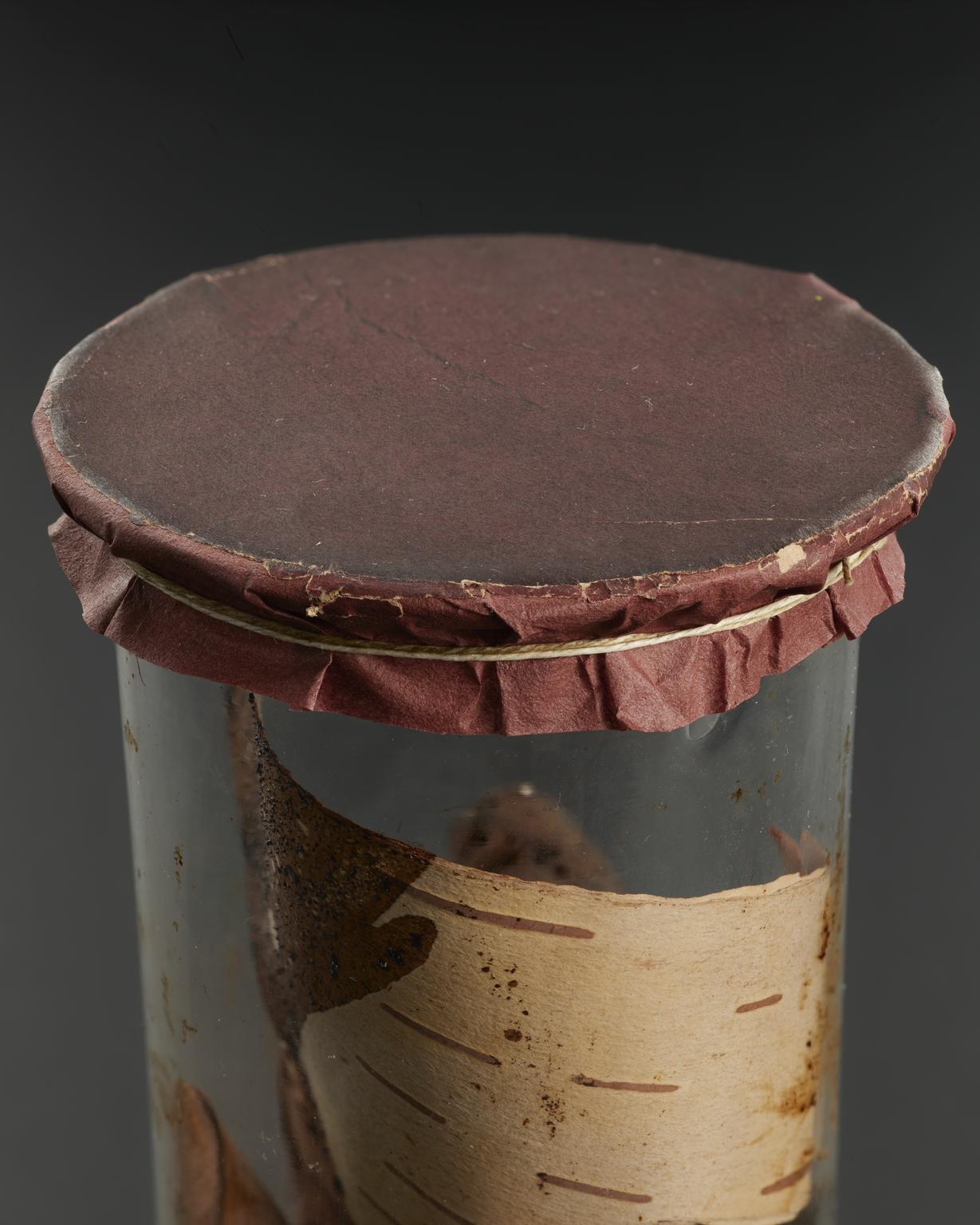
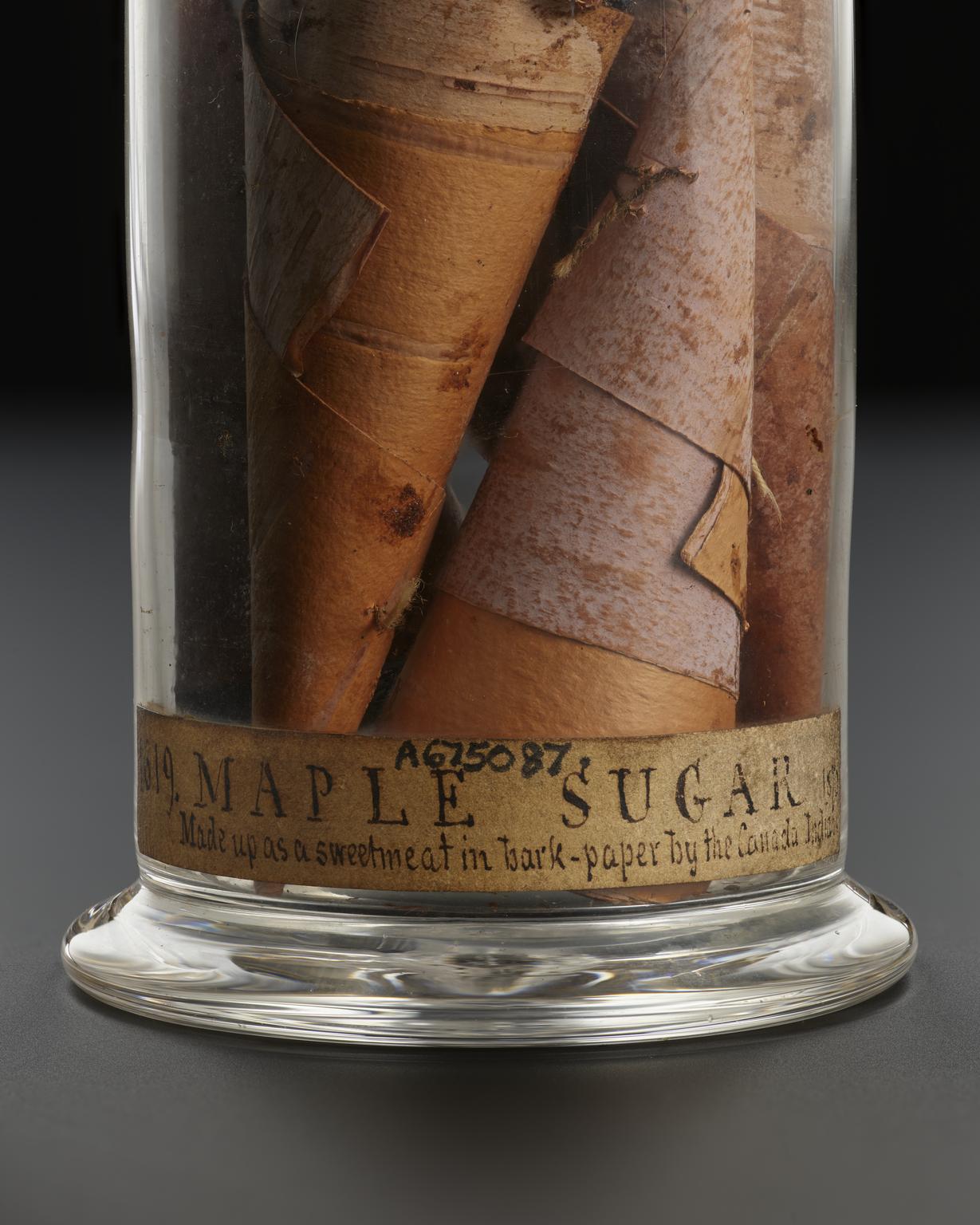
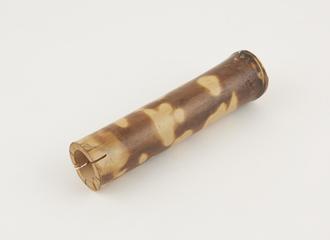
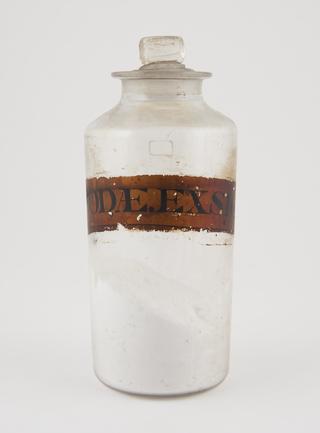
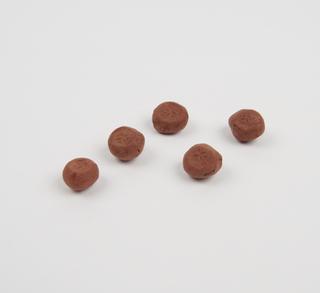
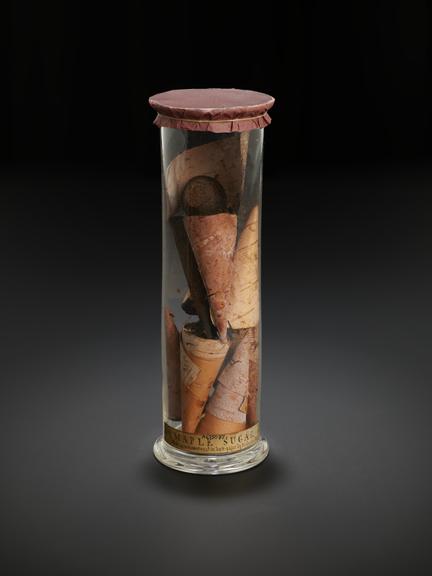
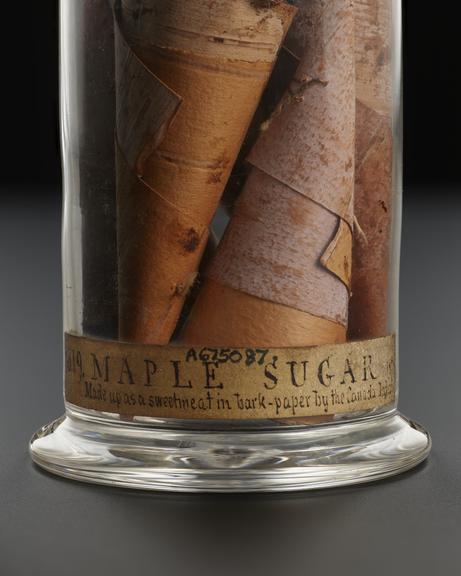
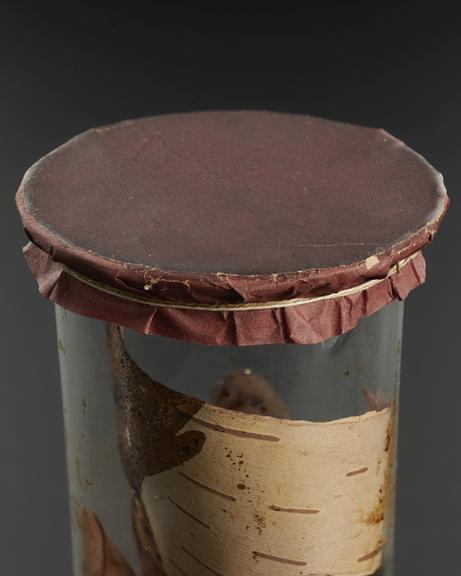
Jar of maple sugar in birchbark cones perhaps prepared by unidentified Indigenous peoples from today Canada
Jar of maple sugar in birchbark cones perhaps prepared by unidentified Indigenous peoples from today Canada, about 1860-1880
More
Maple sugar is produced when maple syrup dries. The gathering of syrup from maple trees is a thousand-year-old practice of many Indigenous peoples across the woodlands of Canada and the northeastern United States and it continues to this day. Birchbark is lightweight and can be easily manipulated allowing the maple sugar to be transported and used.
Both maple sugar and birch have medicinal properties. Indigenous people have used maple sugar for coughs and intestinal issues, as well as a kidney cleanser and liver tonic; birch has been used for joint pain, kidney and bladder stones. Other uses of maple syrup and sugar have included curing meats, seasoning food, sweetening bitter medicines, and serving as an anaesthetic.
The annual collection of maple syrup and its processing have been important gathering events for Indigenous communities accompanied by social rituals and ceremonies. Strating in the 1600s, European colonists were taught from Indigenous people how to turn the sap into sweet and medicinal products and maple syrup became a trade commodity.
- Measurements:
-
overall: 225 mm 67 mm,
- Materials:
- glass , paper (fibre product) and plant extract
- Object Number:
- A675087/1
- type:
- jars
- Image ©
- The Board of Trustees of the Science Museum