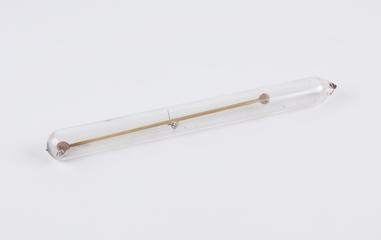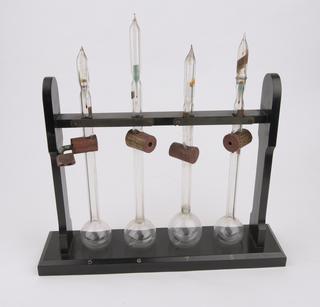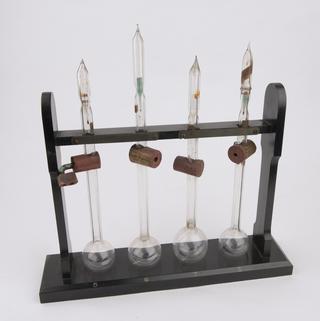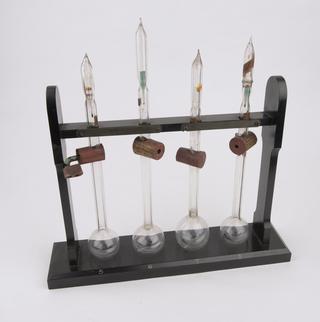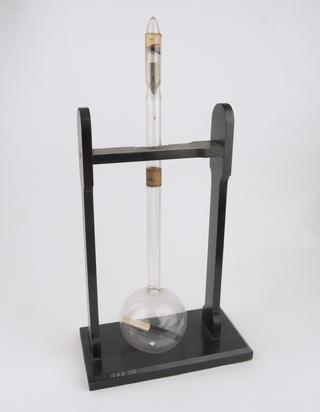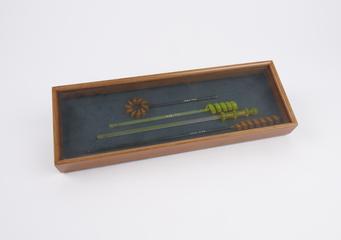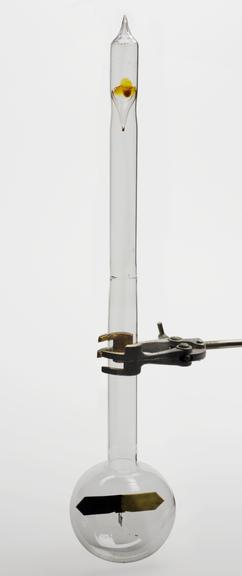
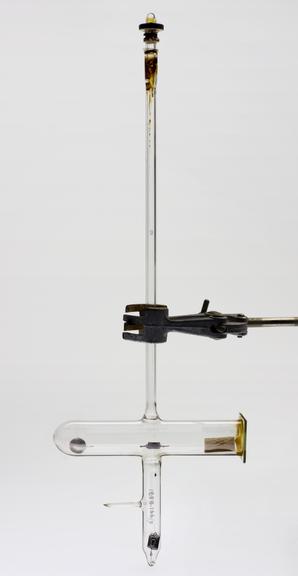
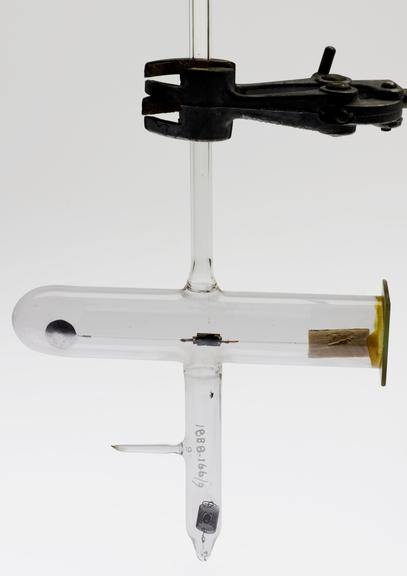
Forty-five radiometers used to illustrate Sir W. Crookes' researches on the radiation of heat in high vacua

Forty-five radiometers used to illustrate Sir W. Crookes' researches on the radiation of heat in high vacua Forty-five radiometers used to illustrate Sir W. Crookes' researches on the radiation of heat in high vacua Forty-five radiometers used to illustrate Sir W. Crookes' researches on the radiation of heat in high vacua

Creative Commons LicenseThis image is released under a CC BY-NC-SA 4.0 Licence

License this image for commercial use at Science and Society Picture Library

License

Creative Commons LicenseThis image is released under a CC BY-NC-SA 4.0 Licence

License this image for commercial use at Science and Society Picture Library

License

Creative Commons LicenseThis image is released under a CC BY-NC-SA 4.0 Licence

License this image for commercial use at Science and Society Picture Library

License

Science Museum Group Collection
© The Board of Trustees of the Science Museum

Science Museum Group Collection
© The Board of Trustees of the Science Museum

Science Museum Group Collection
© The Board of Trustees of the Science Museum

Forty-five radiometers used to illustrate Sir W. Crookes' researches on the radiation of heat in high vacua. (Forty-six at the time of donation, but No. 41 borken in 1903 and written off.)

Radiometer used to illustrate Sir William Crookes' researches on the radiation of heat in high vacua: pith-ball balance in air (the balls are attracted if a flame is brought near), 1872-79.

Crookes' Radiometer, 1872-79

1872-1879
Crookes' Radiometer, 1872-1879

Crookes' Radiometer, 1872-1879

1872-1879

Crookes' Radiometer, 1872-1879

Crookes' Radiometer, 1872-1879

1872-1879

Crookes' Radiometer, 1872-1879

Crookes' Radiometer, 1872-1879

1872-1879

Radiometer used to illustrate Sir W. Crooke's research

Radiometer used to illustrate Sir W. Crooke's research

1872-1879

Radiometer used to illustrate Sir W. Crooke's research

Radiometer used to illustrate Sir W. Crooke's research

1872-1879

Radiometer used to illustrate Sir W. Crooke's researches on the radiation of heat in high vacua

Radiometer used to illustrate Sir W. Crooke's researches on the radiation of heat in high vacua

1872-1879

Radiometer used to illustrate Sir W. Crooke's research

Radiometer used to illustrate Sir W. Crooke's research

1872-1879

Crookes' Radiometer, 1872-1879

Crookes' Radiometer, 1872-1879

1872-1879

Radiometer used to illustrate Sir W. Crooke's researches on the radiation of heat in high vacua

Radiometer used to illustrate Sir W. Crooke's researches on the radiation of heat in high vacua

1872-1879

Crookes' Radiometer, 1872-1879

Crookes' Radiometer, 1872-1879

1872-1879

Crookes' Radiometer, 1872-1879

Crookes' Radiometer, 1872-1879

1872-1879

Radiometer used to illustrate Sir W. Crooke's researches on the radiation of heat in high vacua: early form of radiometer

Radiometer used to illustrate Sir W. Crooke's research

1872-1879

Radiometer used to illustrate Sir W. Crooke's researches on the radiation of heat in high vacua: early form of radiometer

Radiometer used to illustrate Sir W. Crooke's research

1872-1879

Radiometer used to illustrate Sir W. Crooke's researches on the radiation of heat in high vacua: early form of radiometer

Radiometer used to illustrate Sir W. Crooke's research

1872-1879

Radiometer used to illustrate Sir W. Crooke's researches on the radiation of heat in high vacua: early form of radiometer

Radiometer used to illustrate Sir William Crookes' research

1872-1879

Radiometer used to illustrate Sir W. Crooke's researches on the radiation of heat in high vacua: lecture form of radiometer

Radiometer used to illustrate Sir William Crookes' research

1872-1879

Radiometer used to illustrate Sir W. Crooke's researches on the radiation of heat in high vacua: radiometer in which the source of heat is a platinum spiral inside the tube heated by an electric current

Radiometer used to illustrate Sir W. Crooke's research

1872-1879

Radiometer used to illustrate Sir W. Crooke's researches on the radiation of heat in high vacua: radiometer in which the vanes are coated with persulphocyanogen and copper oxalate

Radiometer used to illustrate Sir W. Crooke's research

1872-1879

Radiometer used to illustrate Sir W. Crooke's researches on the radiation of heat in high vacua: radiometer in which the vanes are coated with chromic acid and copper tungstate

Radiometer used to illustrate Sir W. Crooke's research

1872-1879

Crookes' Radiometer, 1872-1879

Crookes' Radiometer, 1872-1879

1872-1879

Radiometer used to illustrate Sir W. Crooke's researches on the radiation of heat in high vacua

Radiometer used to illustrate Sir W. Crooke's researches on the radiation of heat in high vacua

1872-1879

Radiometer used to illustrate Sir W. Crooke's researches on the radiation of heat in high vacua: radiometer in which the vanes are inclined to the arms

Radiometer used to illustrate Sir W. Crooke's research

1872-1879

Radiometer used to illustrate Sir W. Crooke's researches on the radiation of heat in high vacua: radiometer with very thin mica vanes

Radiometer used to illustrate Sir W. Crooke's research

1872-1879

Radiometer used to illustrate Sir W. Crooke's researches on the radiation of heat in high vacua: radiometer with thicker mica vanes

Radiometer used to illustrate Sir W. Crooke's research

1872-1879

See more

Details

Category:
Heat
Object Number:
1888-166
type:
crookes radiometer
credit:
Sir William Crookes