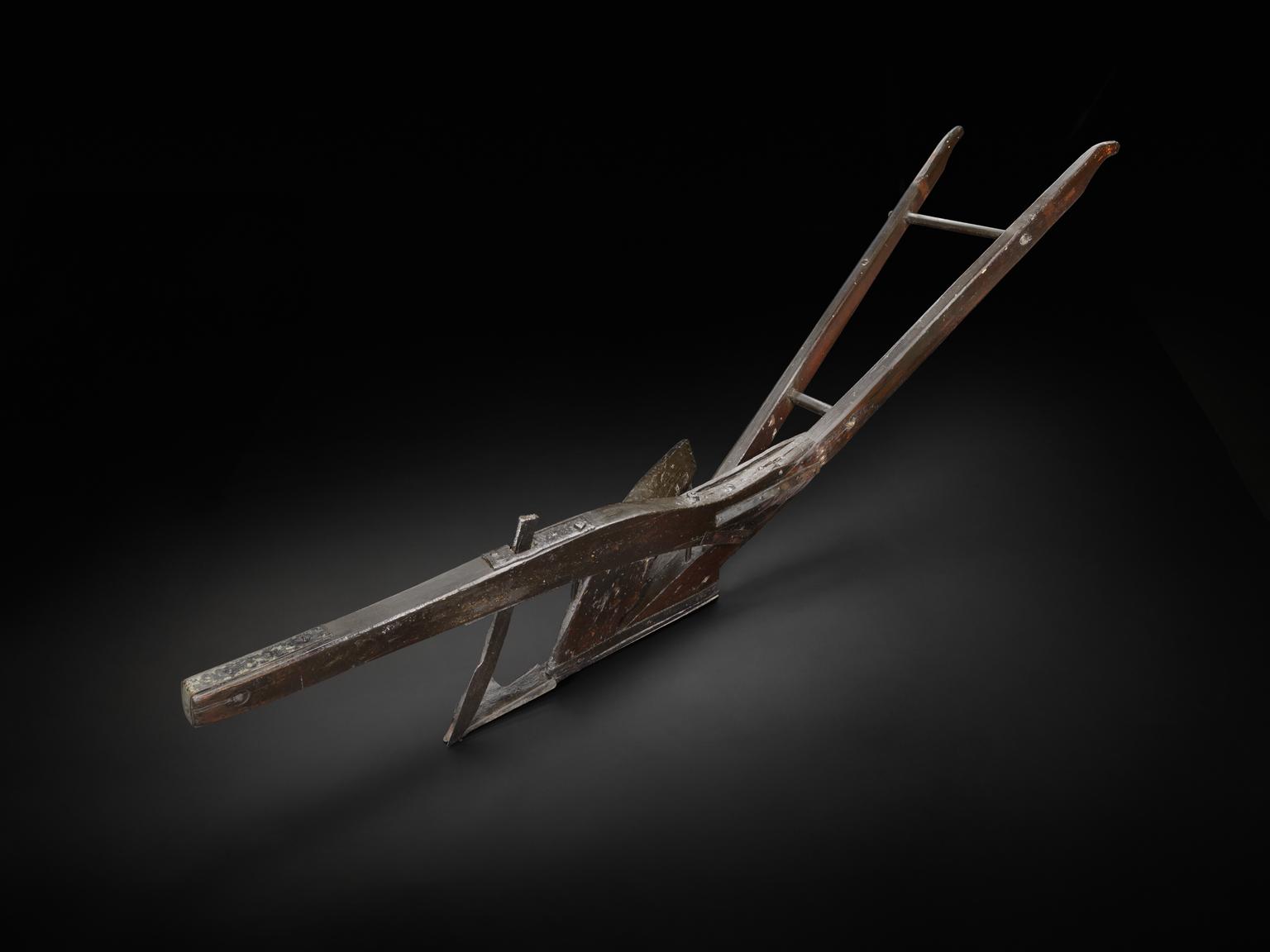
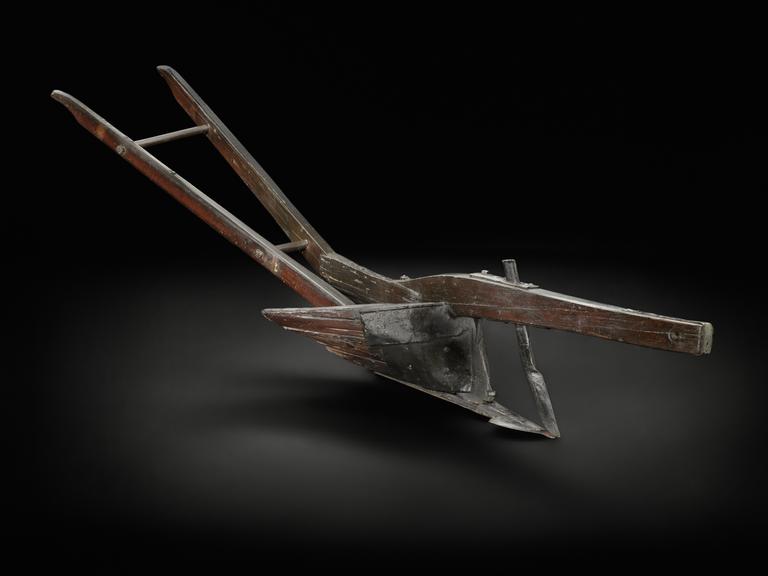
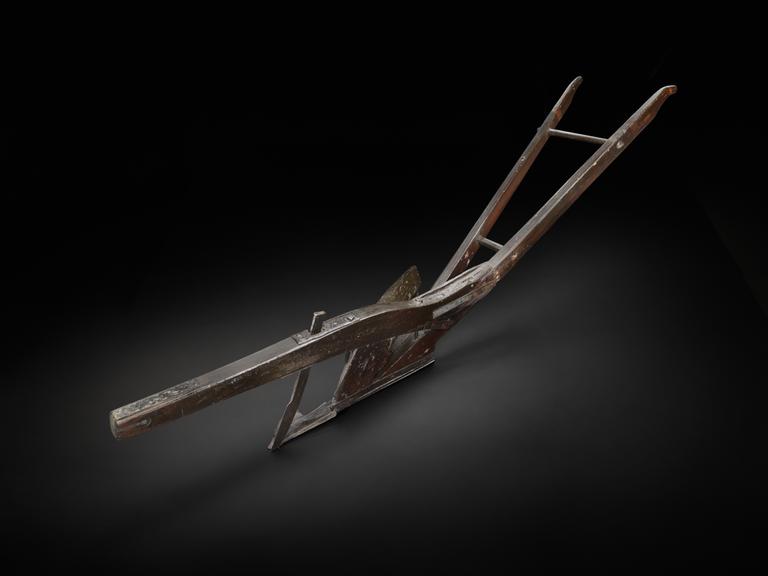
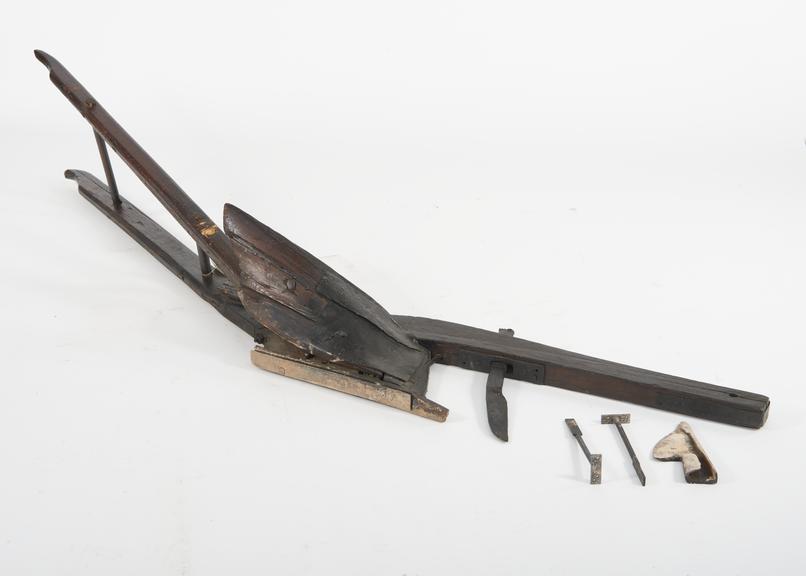

Wooden Rotherham Plough and Fragments

Made:
1730-1913 in Hebrides
maker:
Unknown
Wooden Rotherham Plough and Fragments Wooden Rotherham Plough and Fragments Wooden Rotherham Plough and Fragments Wooden Rotherham Plough and Fragments Wooden Rotherham Plough and Fragments Wooden Rotherham Plough and Fragments

Creative Commons LicenseThis image is released under a CC BY-NC-SA 4.0 Licence

License this image for commercial use at Science and Society Picture Library

License

Creative Commons LicenseThis image is released under a CC BY-NC-SA 4.0 Licence

License this image for commercial use at Science and Society Picture Library

License

Creative Commons LicenseThis image is released under a CC BY-NC-SA 4.0 Licence

License this image for commercial use at Science and Society Picture Library

License

Creative Commons LicenseThis image is released under a CC BY-NC-SA 4.0 Licence

License this image for commercial use at Science and Society Picture Library

License

Creative Commons LicenseThis image is released under a CC BY-NC-SA 4.0 Licence

License this image for commercial use at Science and Society Picture Library

License

Creative Commons LicenseThis image is released under a CC BY-NC-SA 4.0 Licence

License this image for commercial use at Science and Society Picture Library

License

Science Museum Group
© The Board of Trustees of the Science Museum

Science Museum Group
© The Board of Trustees of the Science Museum

Science Museum Group
© The Board of Trustees of the Science Museum

Science Museum Group
© The Board of Trustees of the Science Museum

Science Museum Group
© The Board of Trustees of the Science Museum

Science Museum Group
© The Board of Trustees of the Science Museum

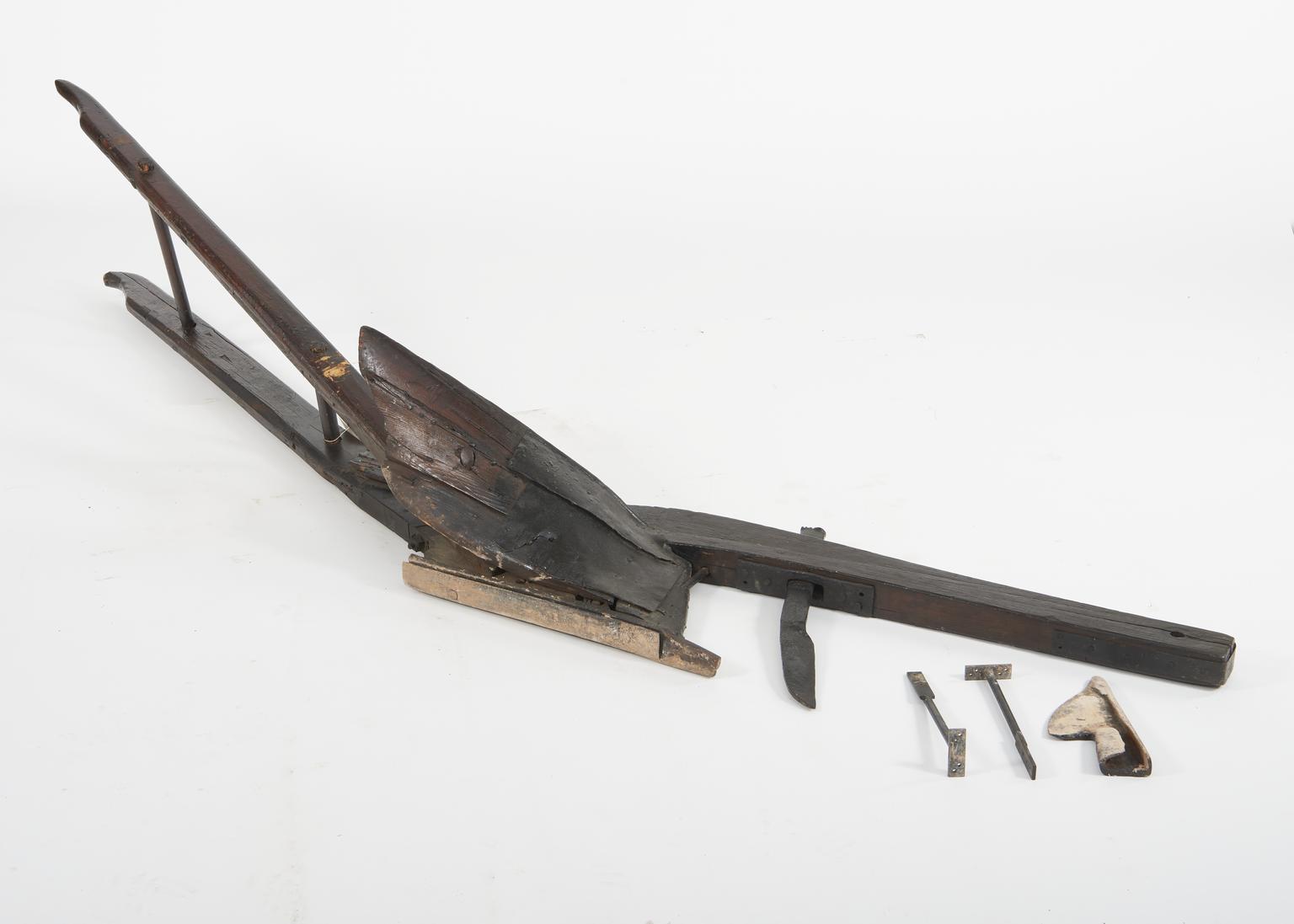
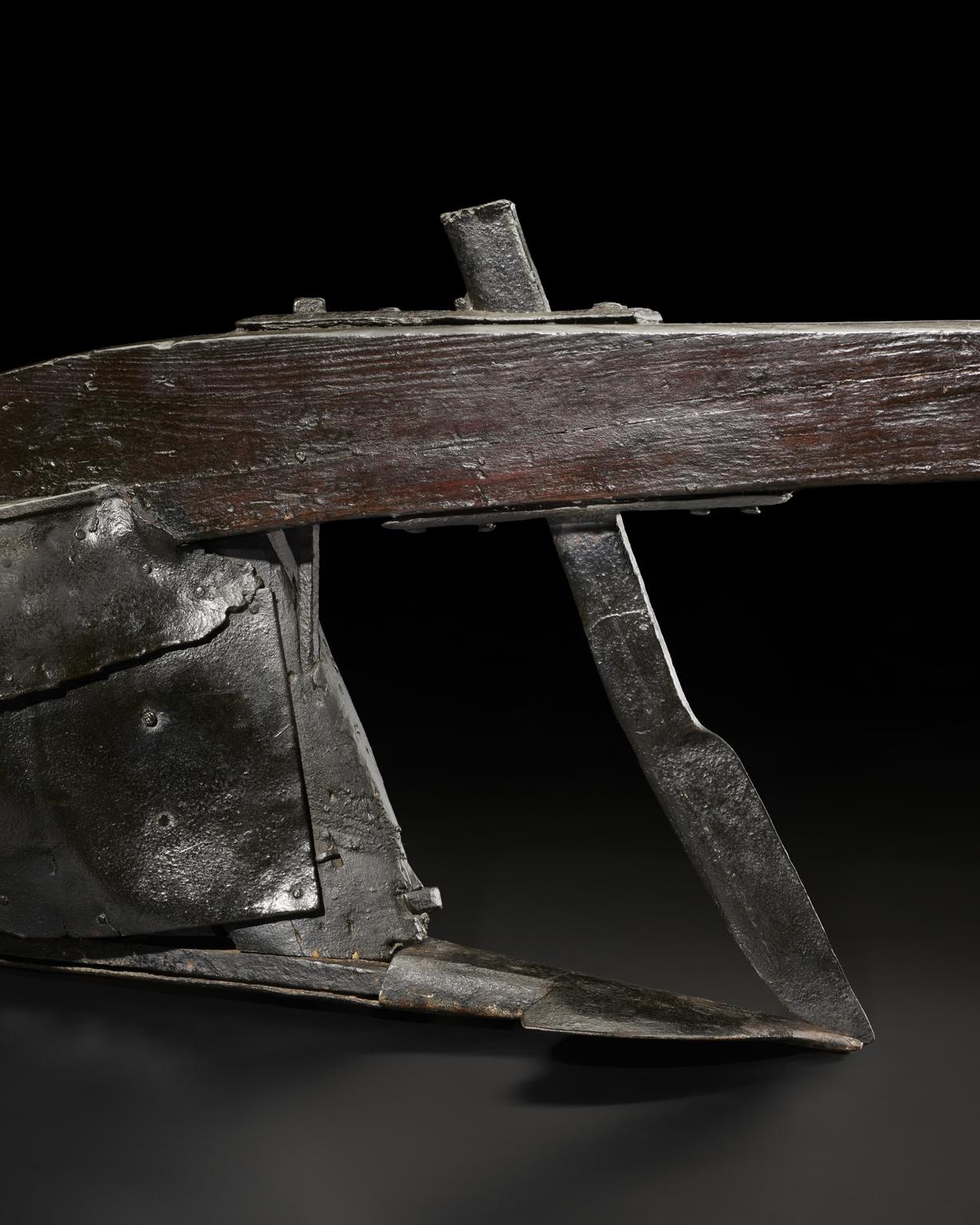
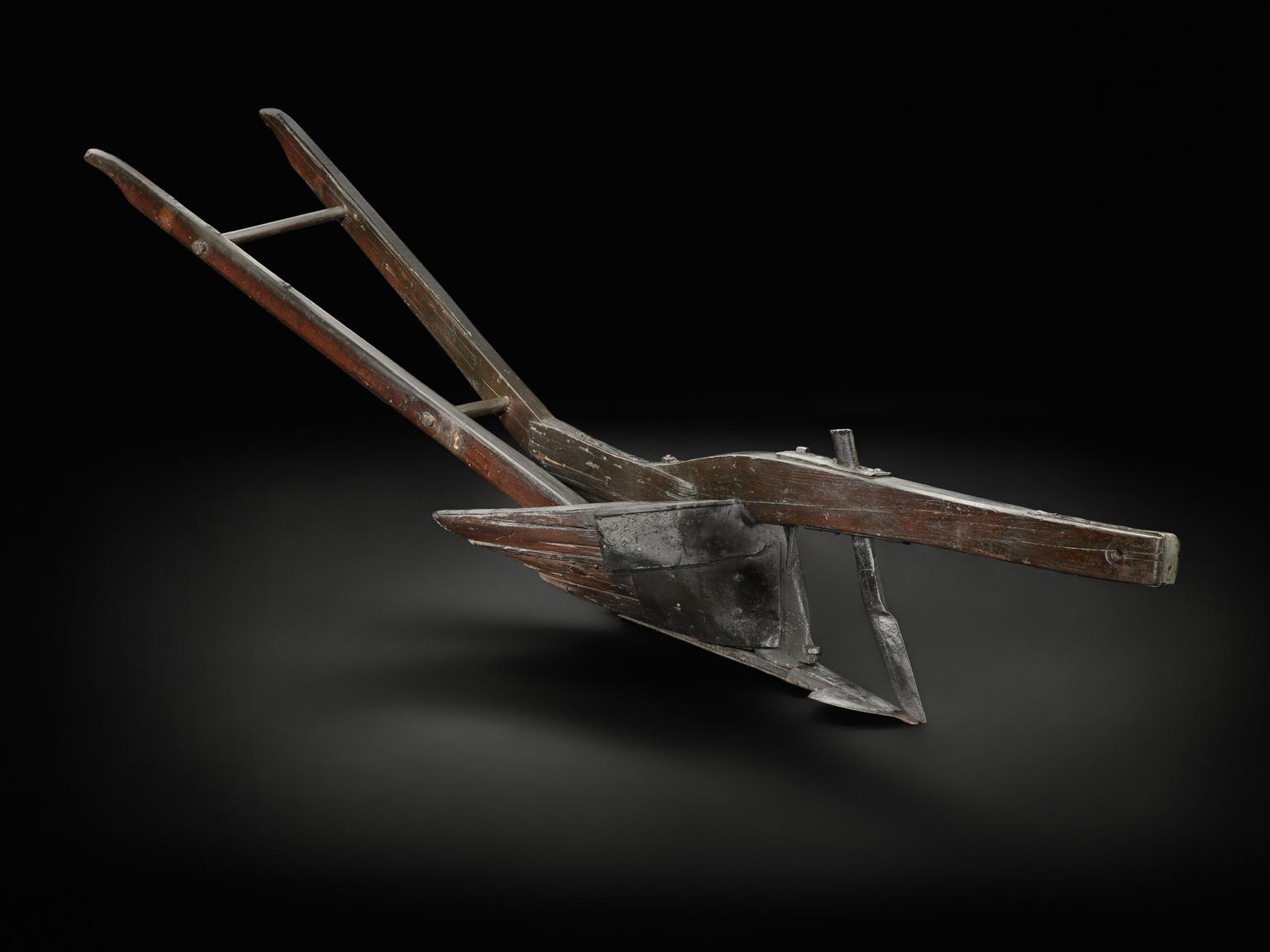
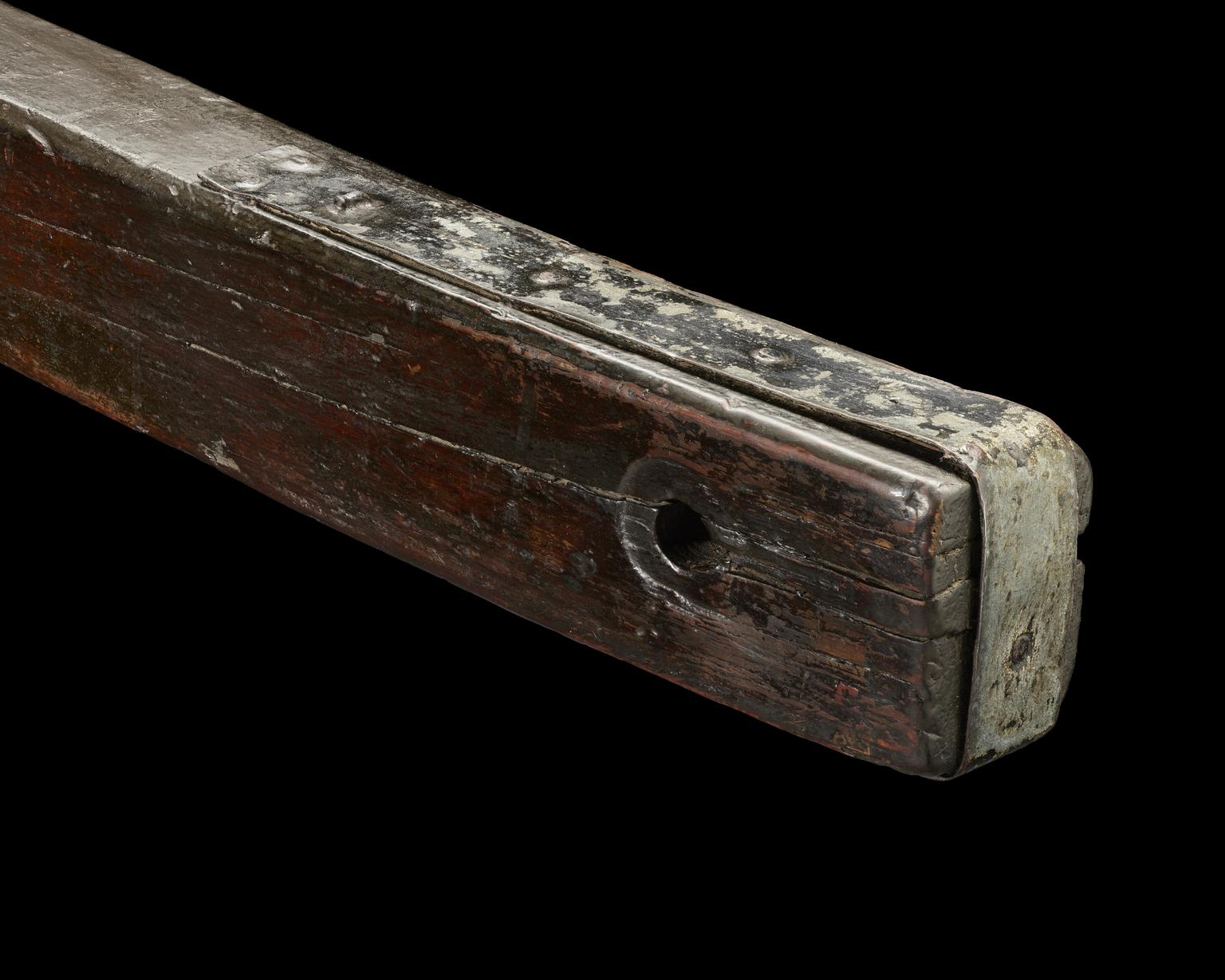
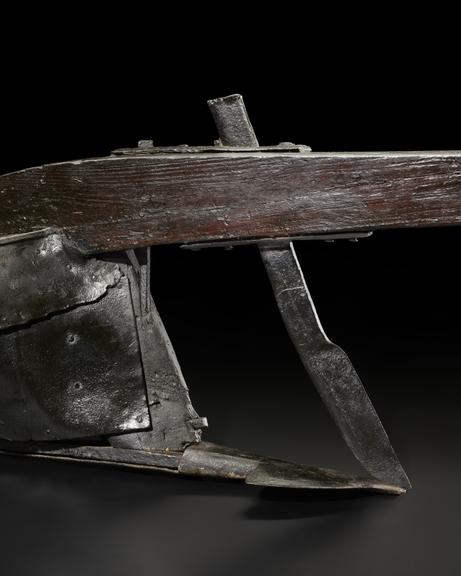
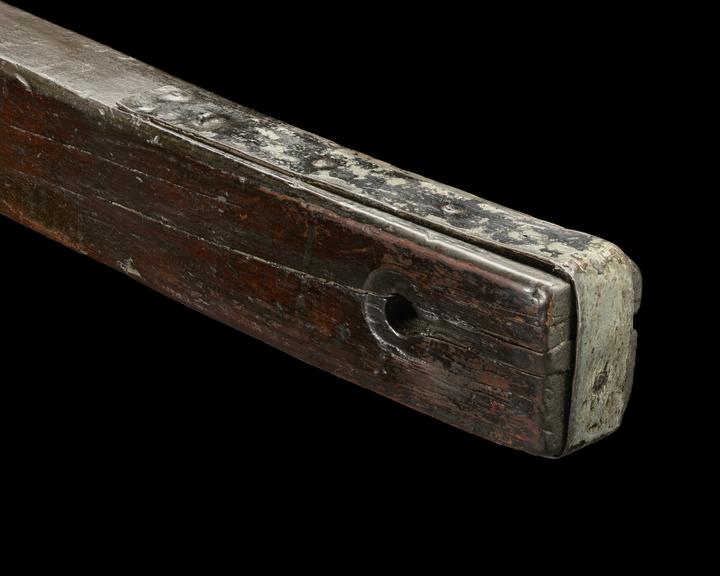
Wooden Rotherham plough from the Outer Hebrides. Made from metal and wood, this specific plough also features some 19th century modifications.

A patent for what became known as the Rotherham plough was taken out in 1730 by Disney Stanyforth and Joseph Foljambe. However, there have been some who contested whether the design was simply imported from the Netherlands. Notable features of the Rotherham plough include its use of iron plating and its curved mouldboard, which improved turning of the soil. The Rotherham plough’s design made it light, fast and robust. Compared with other ploughs of its time, it was also easier to use as it could be comfortably pulled by two horses and only needed one man to drive the horses and handle the plough.

The Rotherham plough was popular in the 18th century, and a modified version was even imported to North America by George Washington for use on his plantation, Mount Vernon, in Virginia.

While it is unclear when exactly this specific plough was in use, it features some 19th century modifications, suggesting it was in use beyond 1800. These modifications include a detachable share, patented in 1808 and a steel slade, a long metal plate attached to the bottom of the plough, first introduced in 1800.

Details

Category:
Agricultural Engineering
Object Number:
1913-496
Materials:
wood (unidentified) and metal (unknown)
Measurements:
overall: 900 mm x 550 mm x 2800 mm,
type:
plows
credit:
McInnes, J.

Parts

Wooden Rotherham plough from the Outer Hebrides

Wooden Rotherham plough from the Outer Hebrides. Made from metal and wood, this specific plough also features some 19th century modifications.

More

A patent for what became known as the Rotherham plough was taken out in 1730 by Disney Stanyforth and Joseph Foljambe. However, there have been some who contested whether the design was simply imported from the Netherlands. Notable features of the Rotherham plough include its use of iron plating and its curved mouldboard, which improved turning of the soil. The Rotherham plough’s design made it light, fast and robust. Compared with other ploughs of its time, it was also easier to use as it could be comfortably pulled by two horses and only needed one man to drive the horses and handle the plough.

The Rotherham plough was popular in the 18th century, and a modified version was even imported to North America by George Washington for use on his plantation, Mount Vernon, in Virginia.

While it is unclear when exactly this specific plough was in use, it features some 19th century modifications, suggesting it was in use beyond 1800. These modifications include a detachable share, patented in 1808 and a steel slade, a long metal plate attached to the bottom of the plough, first introduced in 1800.

Measurements:
overall: 900 mm x 550 mm x 2800 mm,
Materials:
wood (unidentified) and metal (unknown)
Object Number:
1913-496/1
type:
plows
Image ©
The Board of Trustees of the Science Museum
Fragments from the Wooden Rotherham plough from the Outer Hebrides

Fragments from the Wooden Rotherham Plough

Fragments from the Wooden Rotherham plough from the Outer Hebrides

Materials:
wood (unidentified) and metal (unknown)
Object Number:
1913-496/2
type:
plows