



 This image is released under a
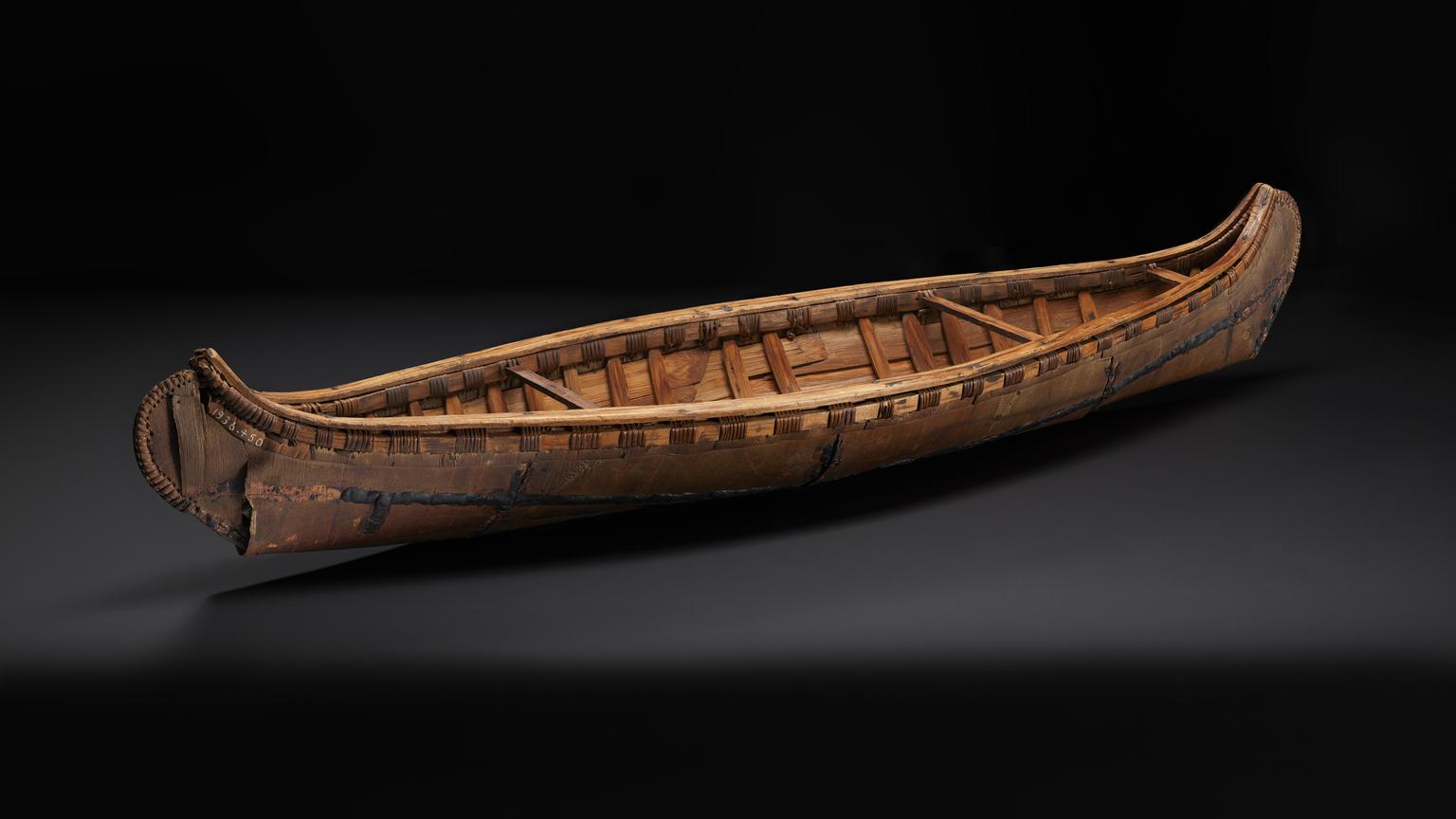
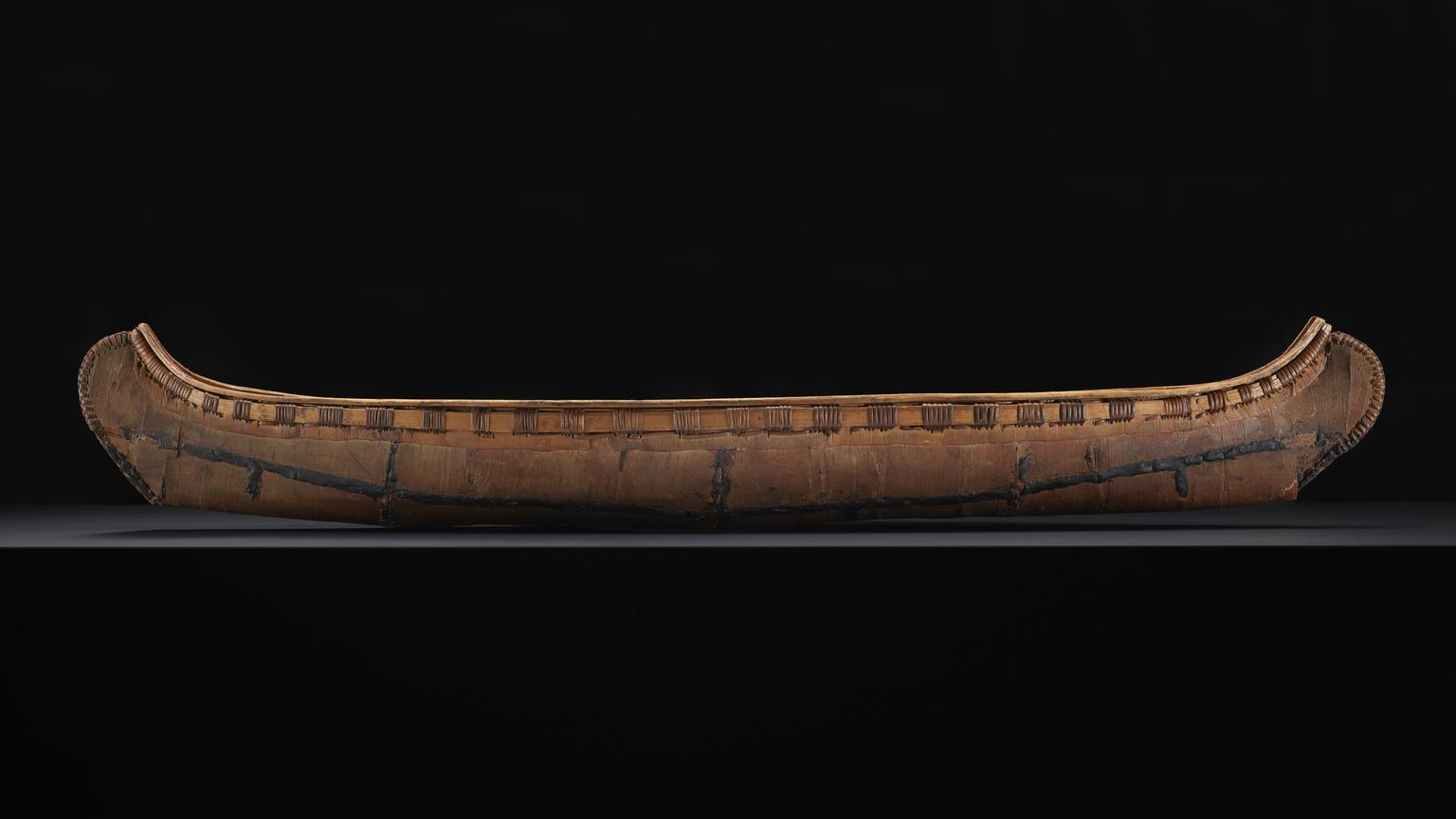
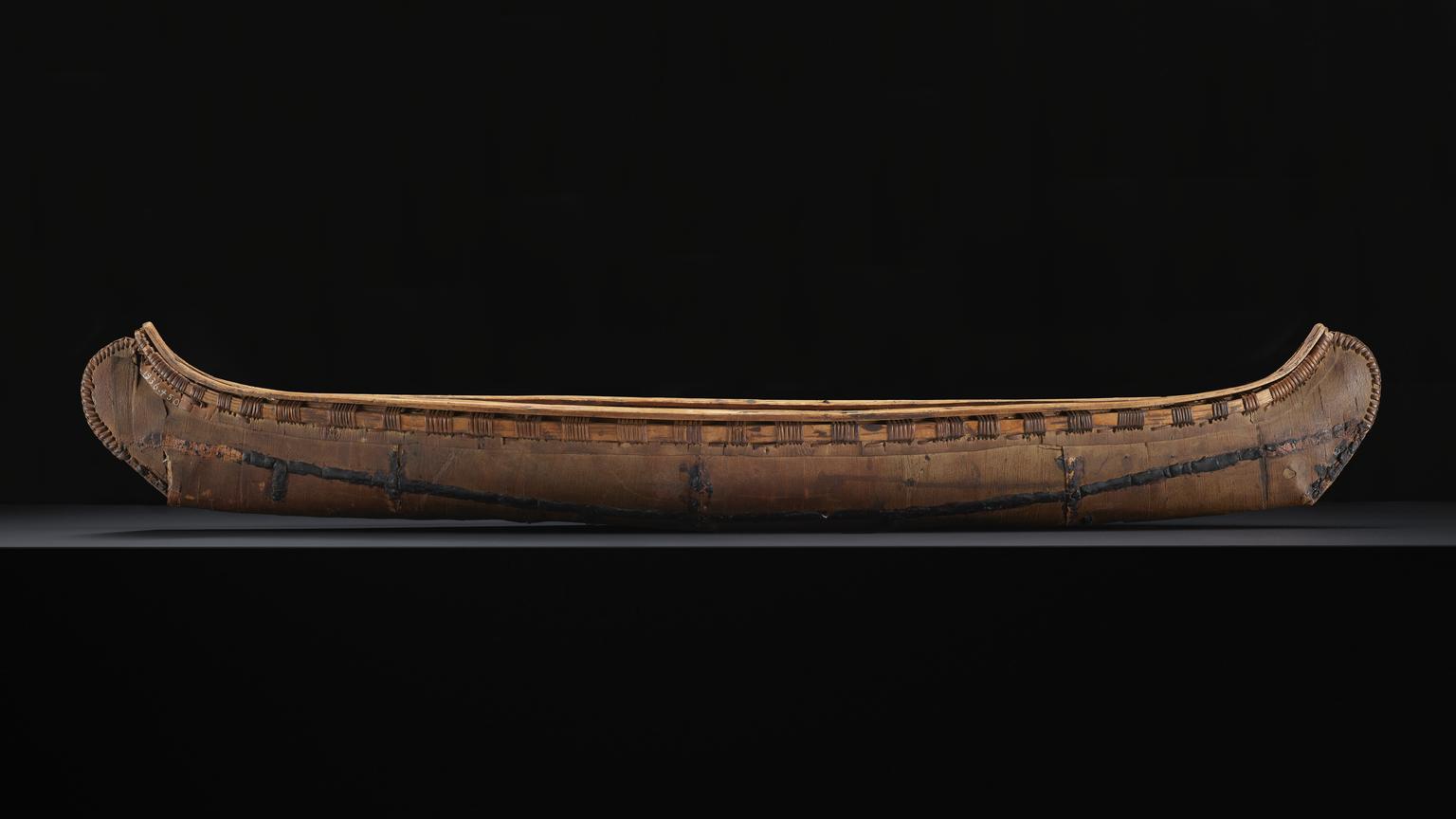
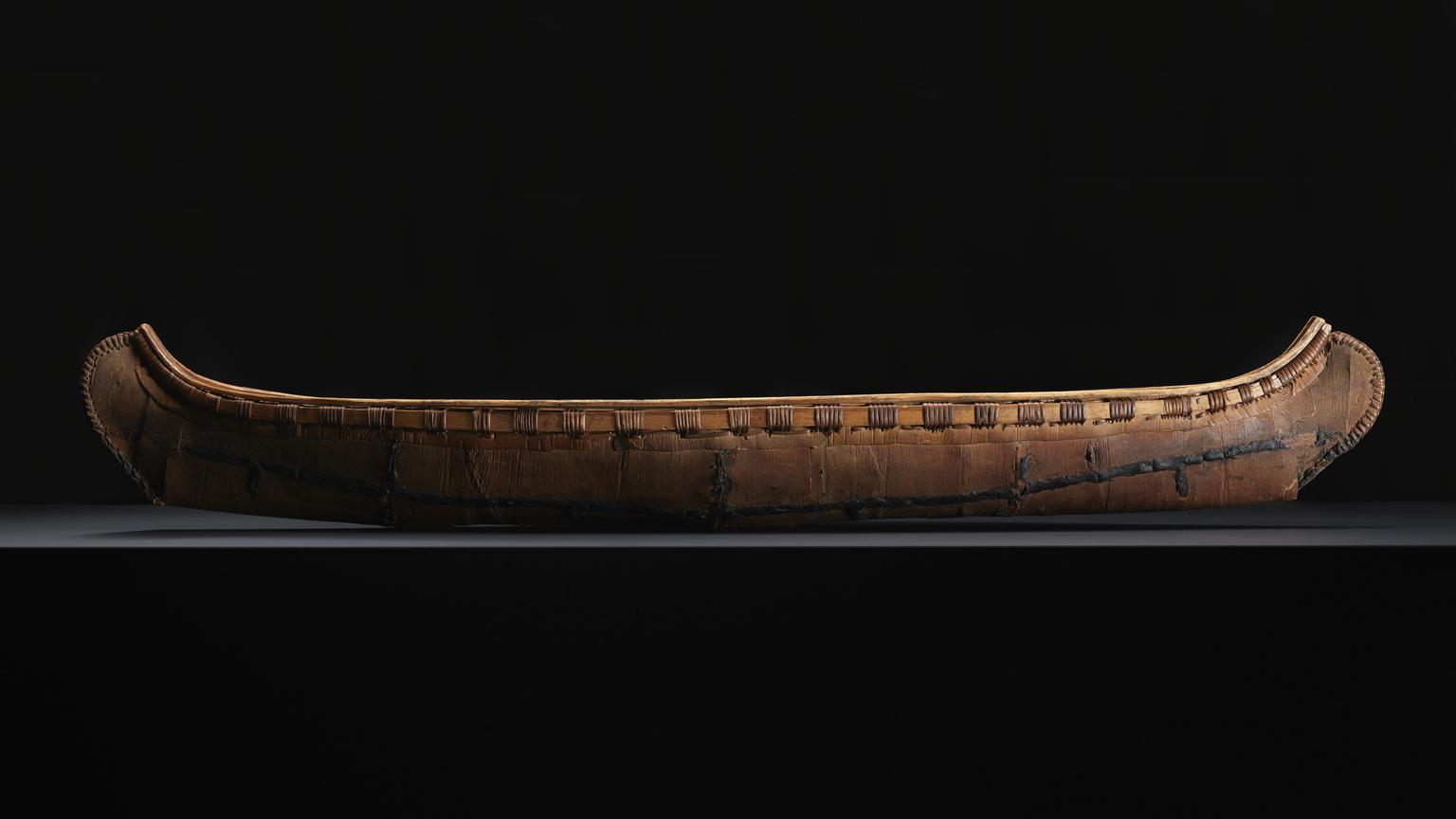
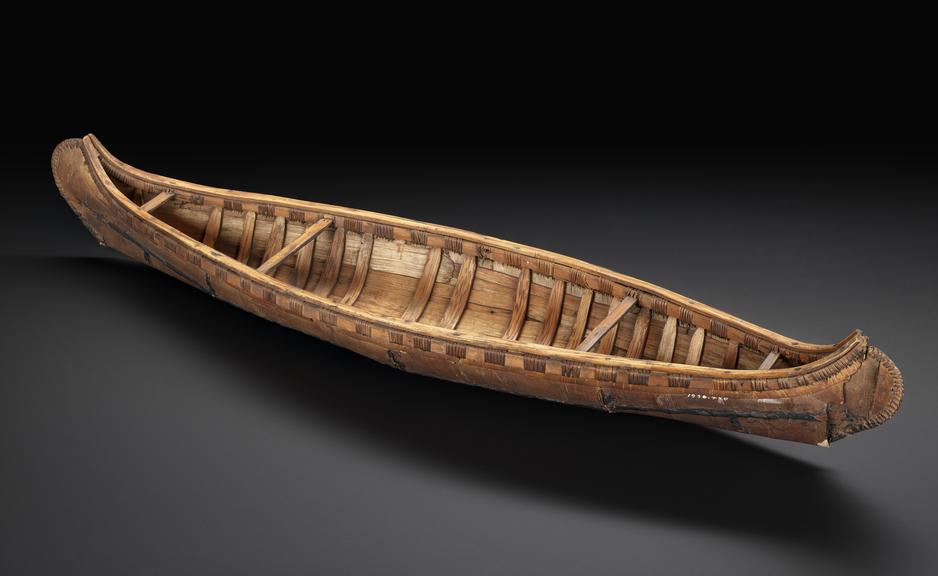
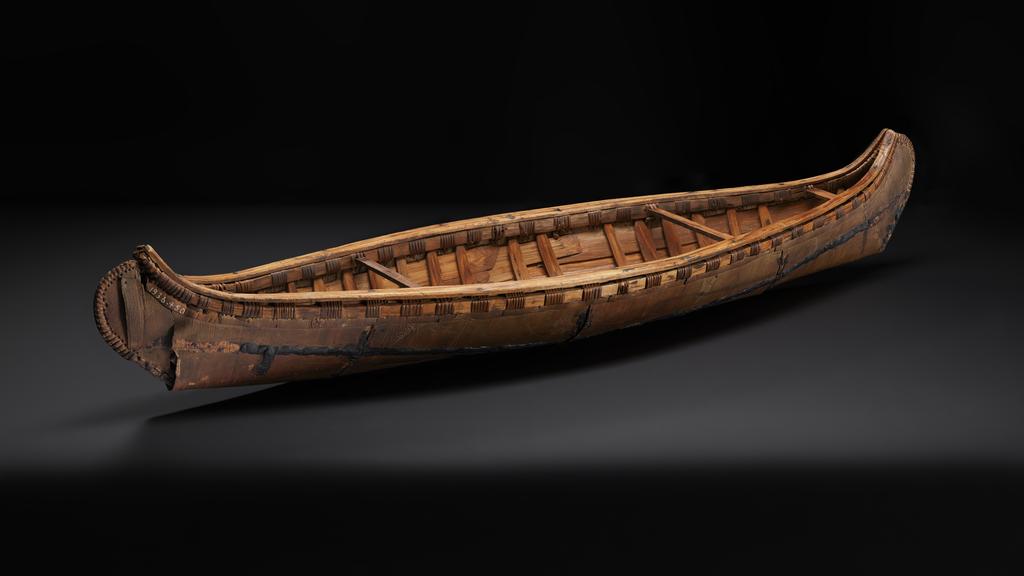
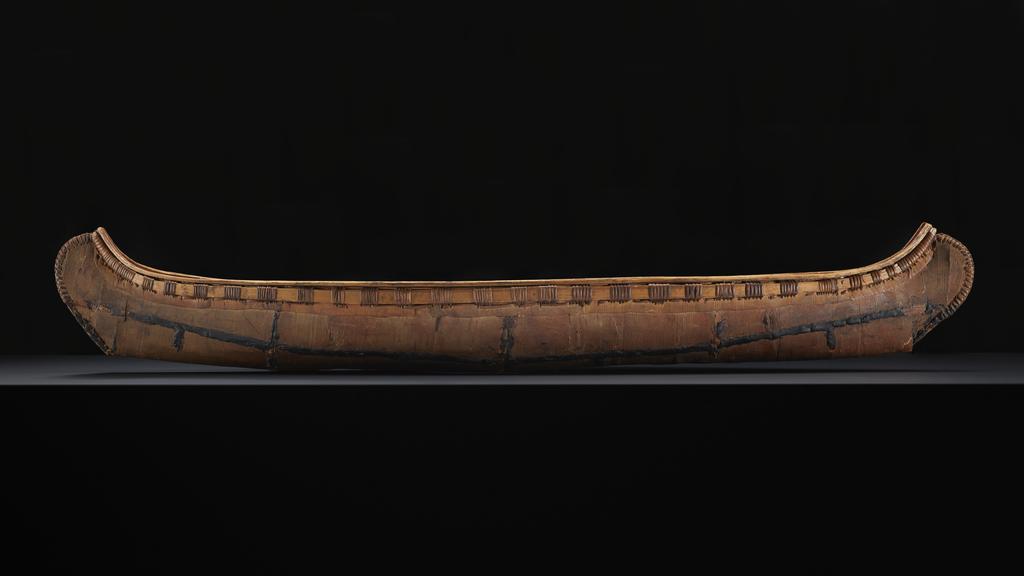
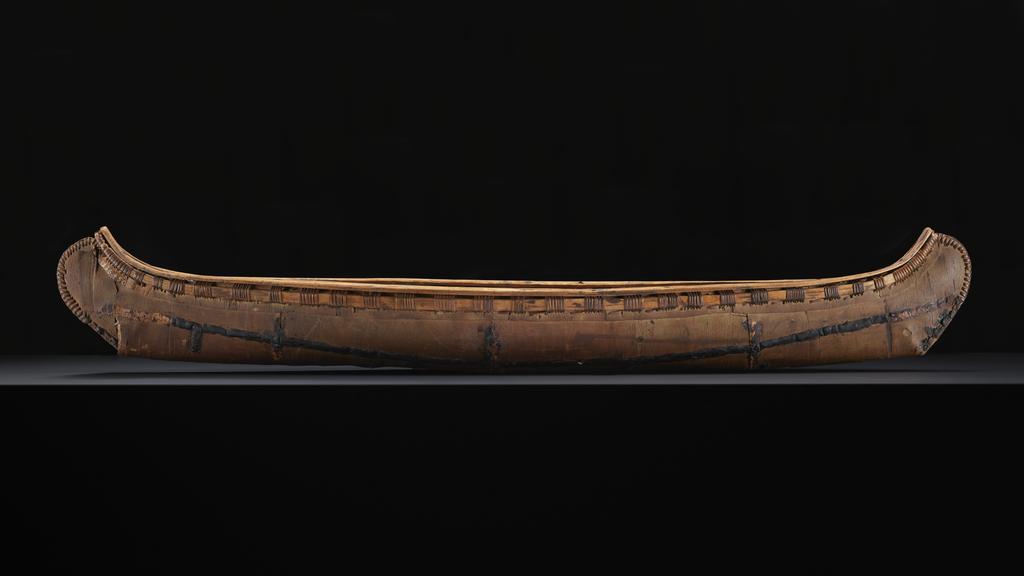
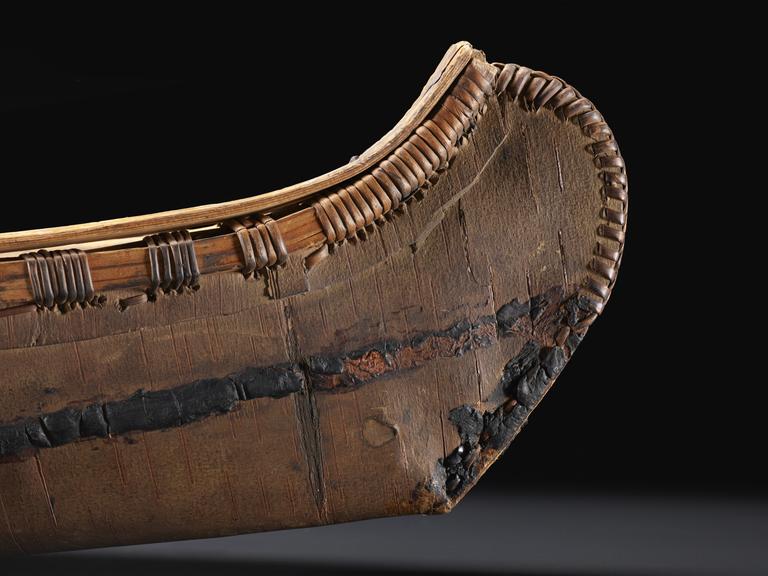
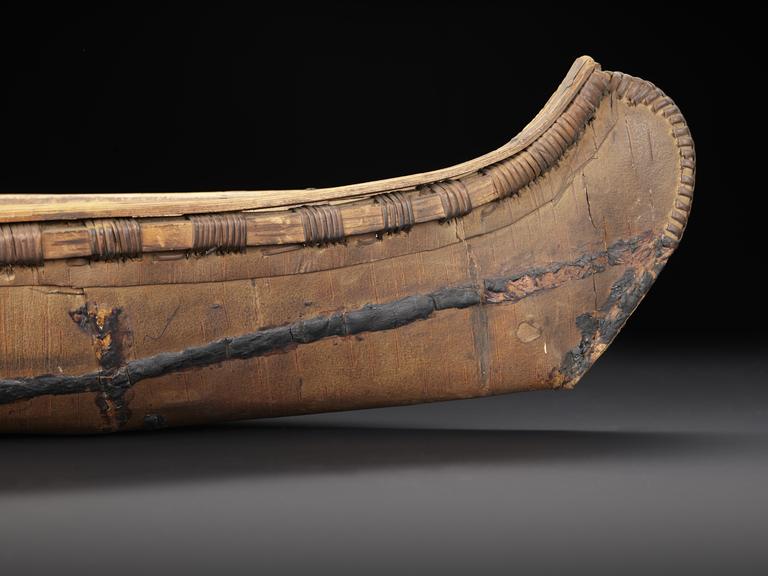
Model of a birch bark canoe from North America
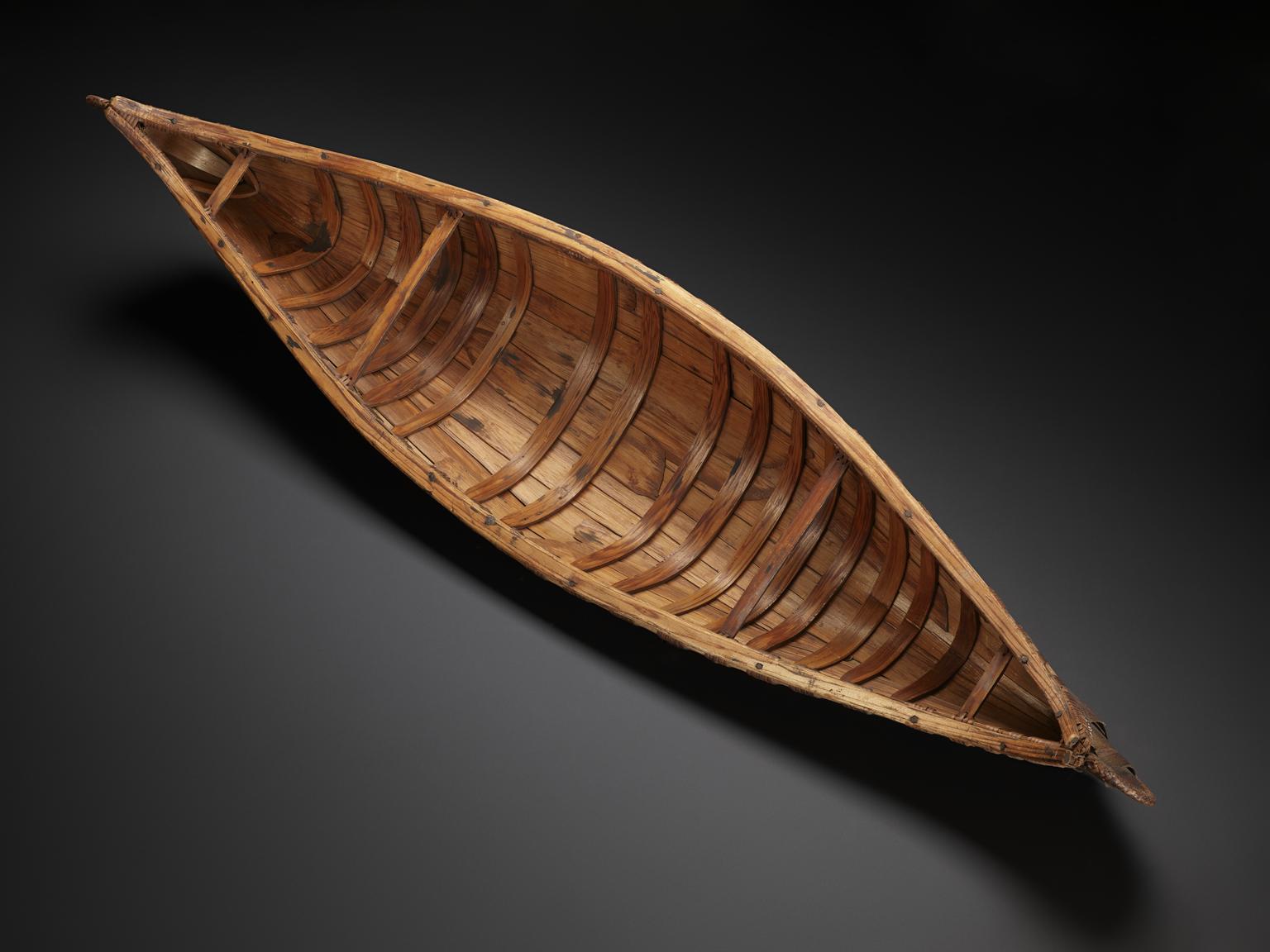
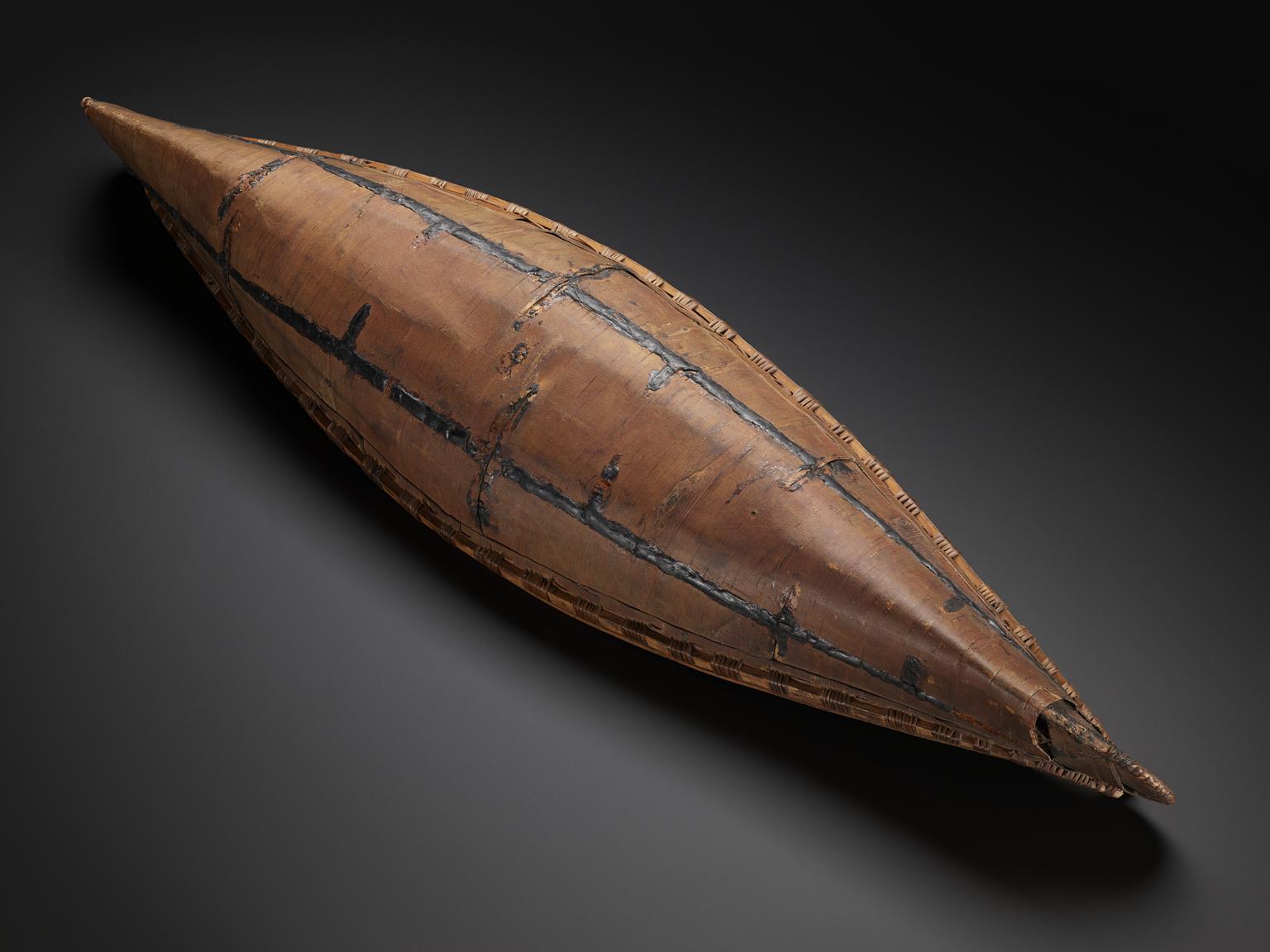
Model of a birch bark canoe from North America, 1926-1936
More
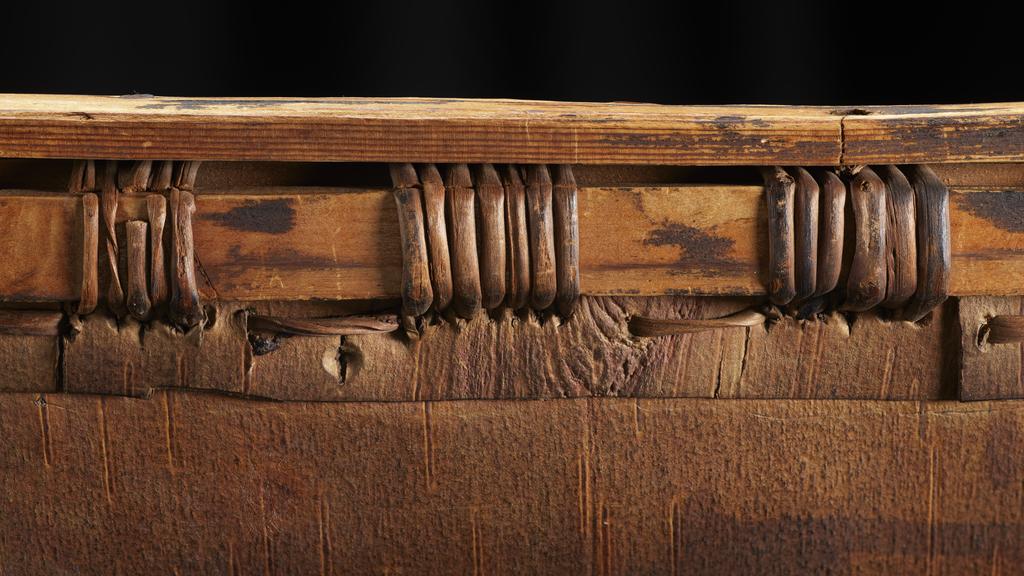
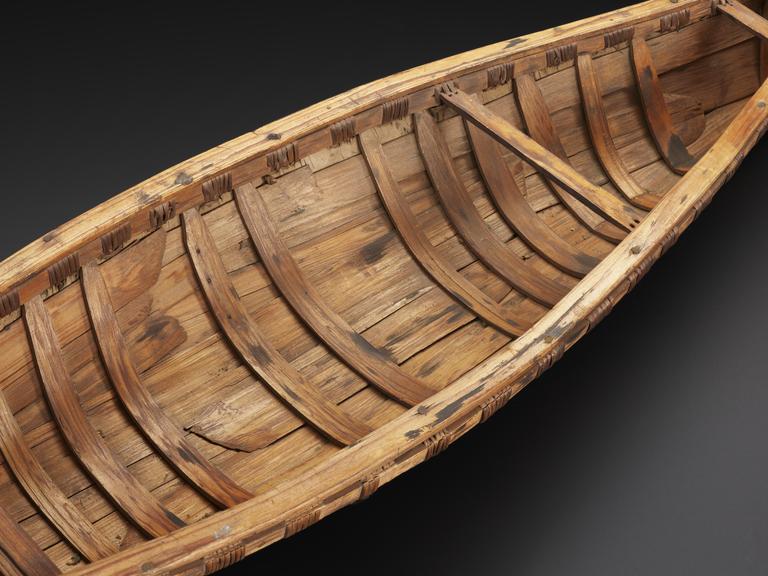
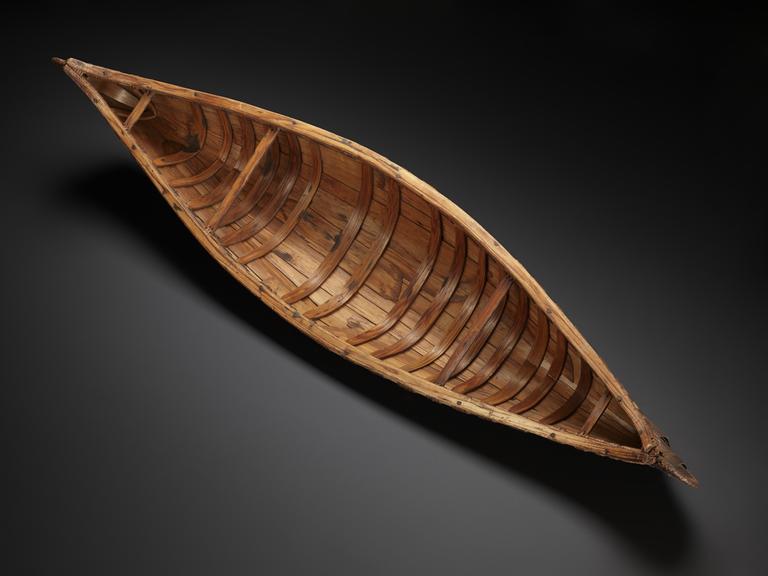
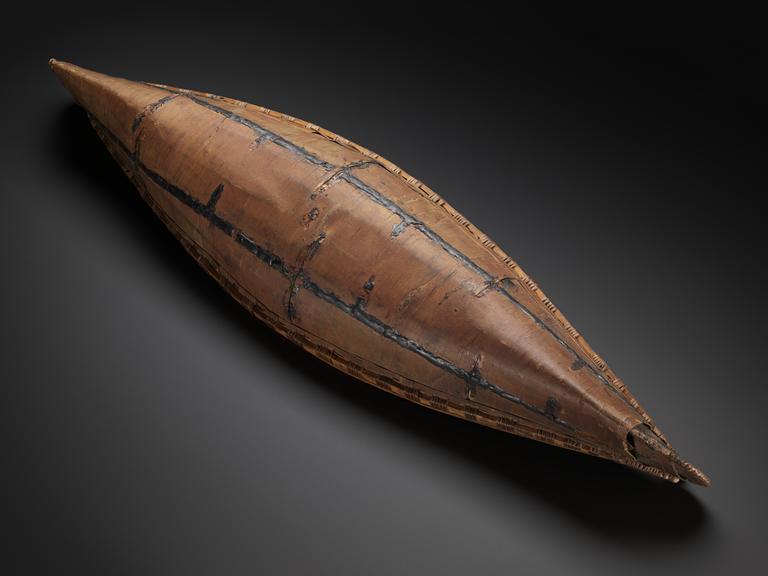
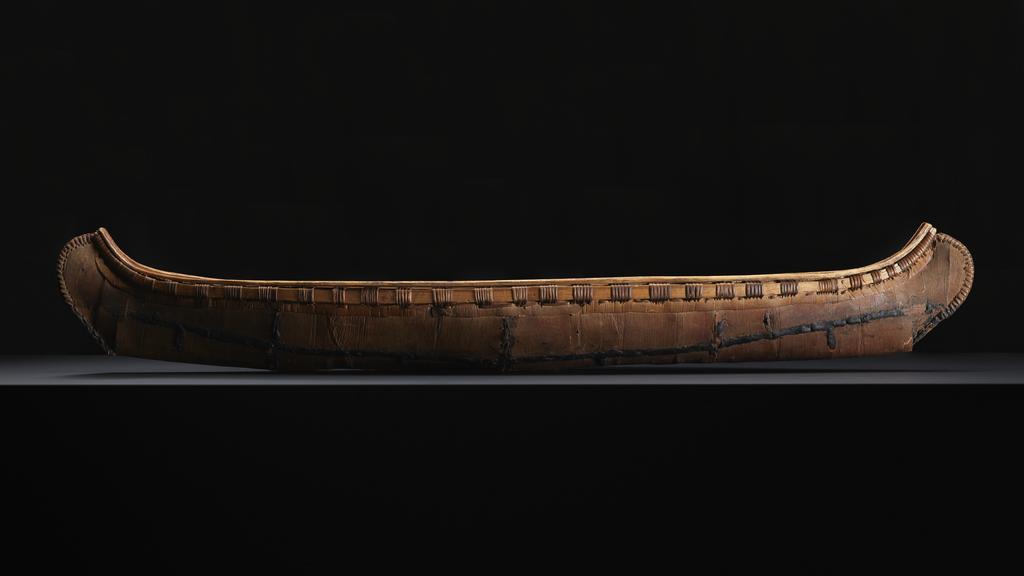
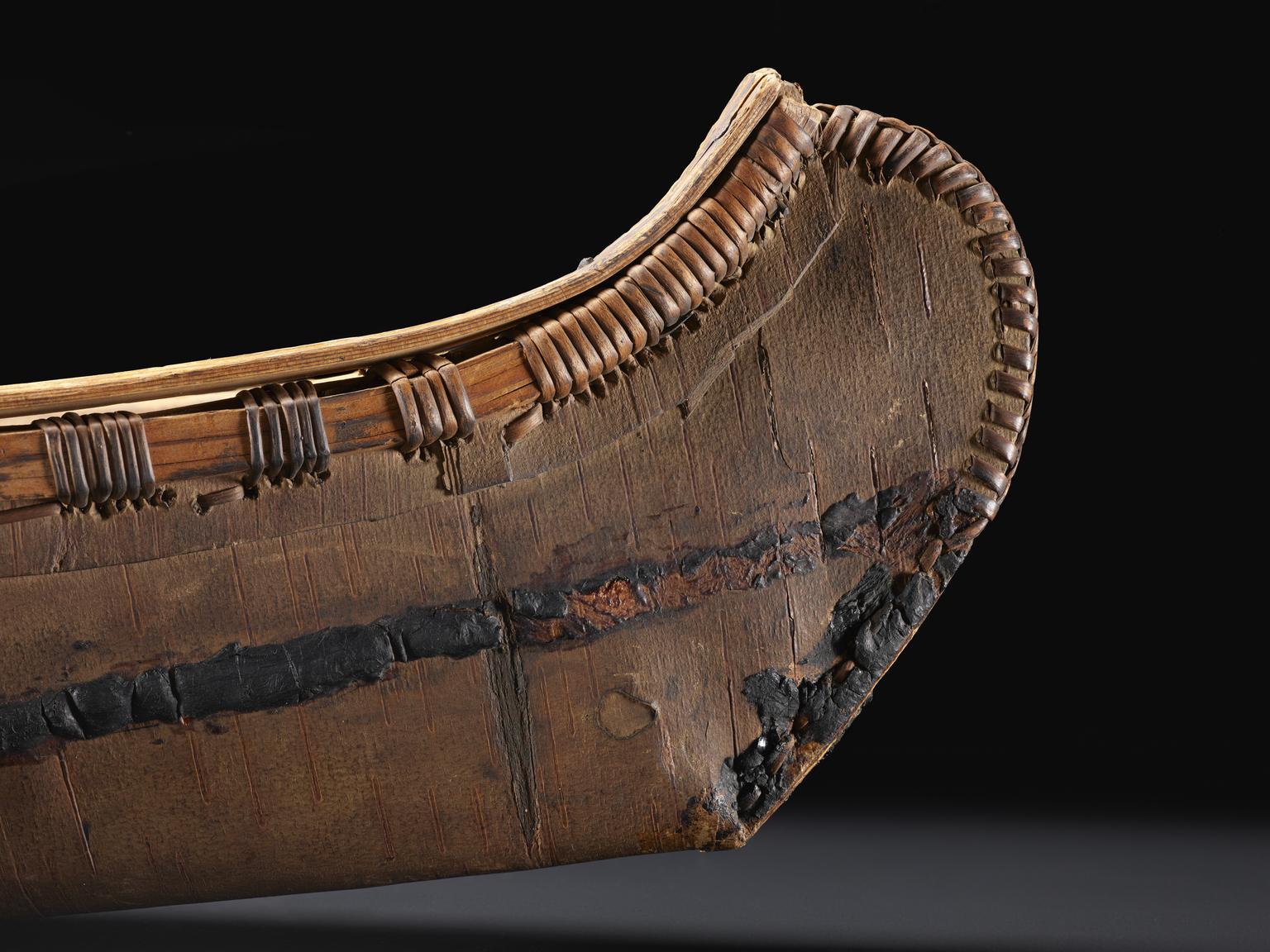
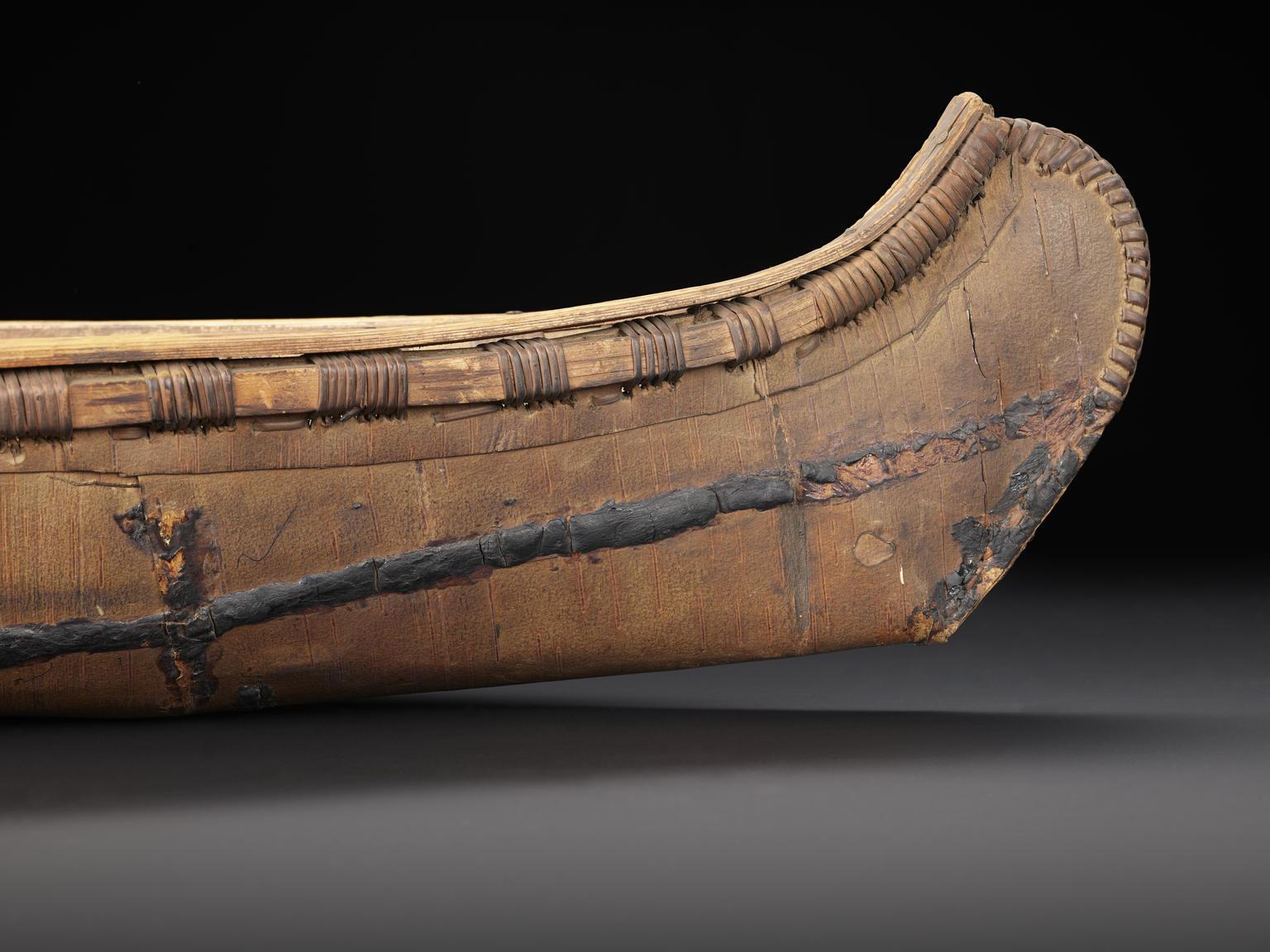
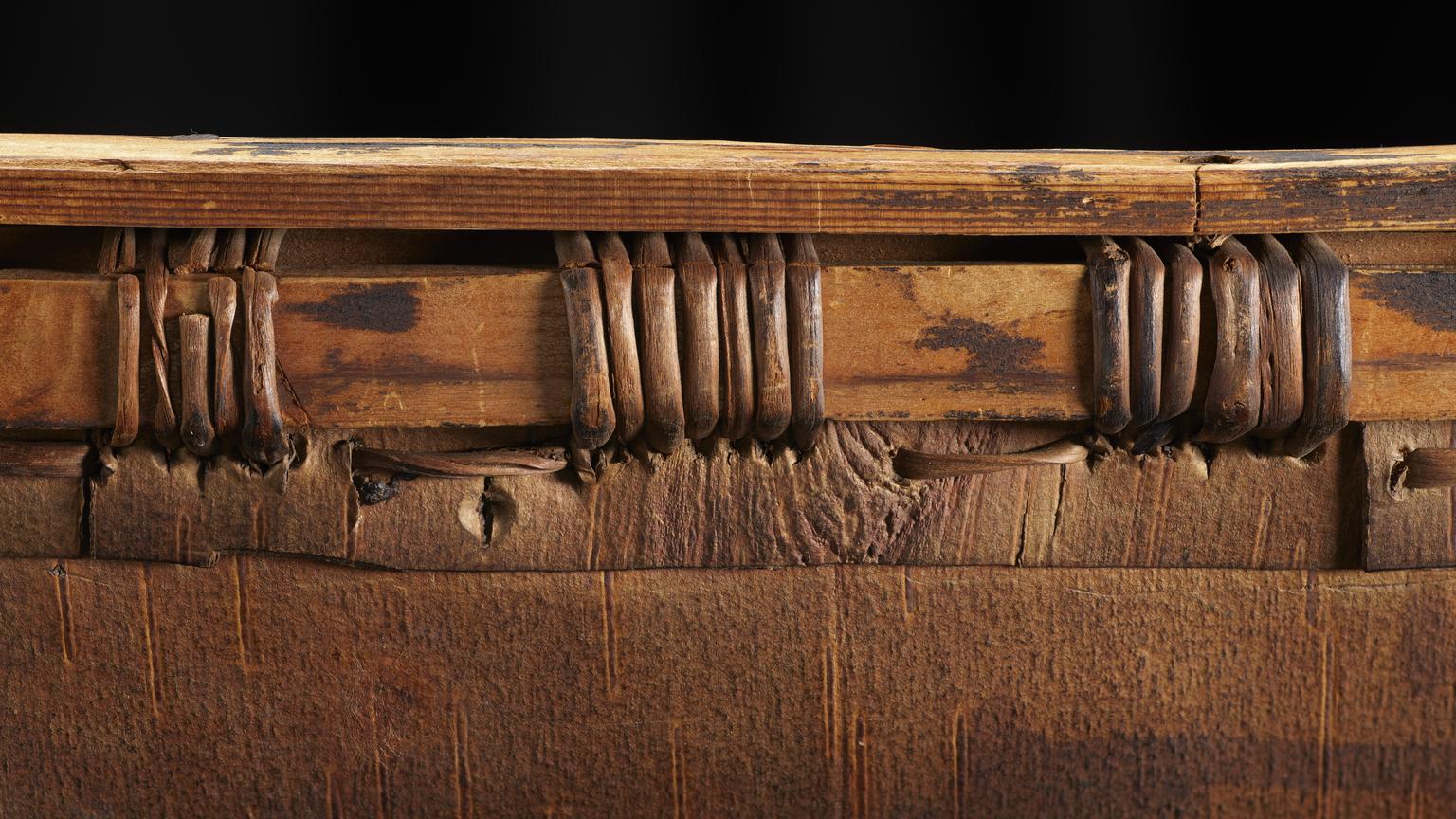
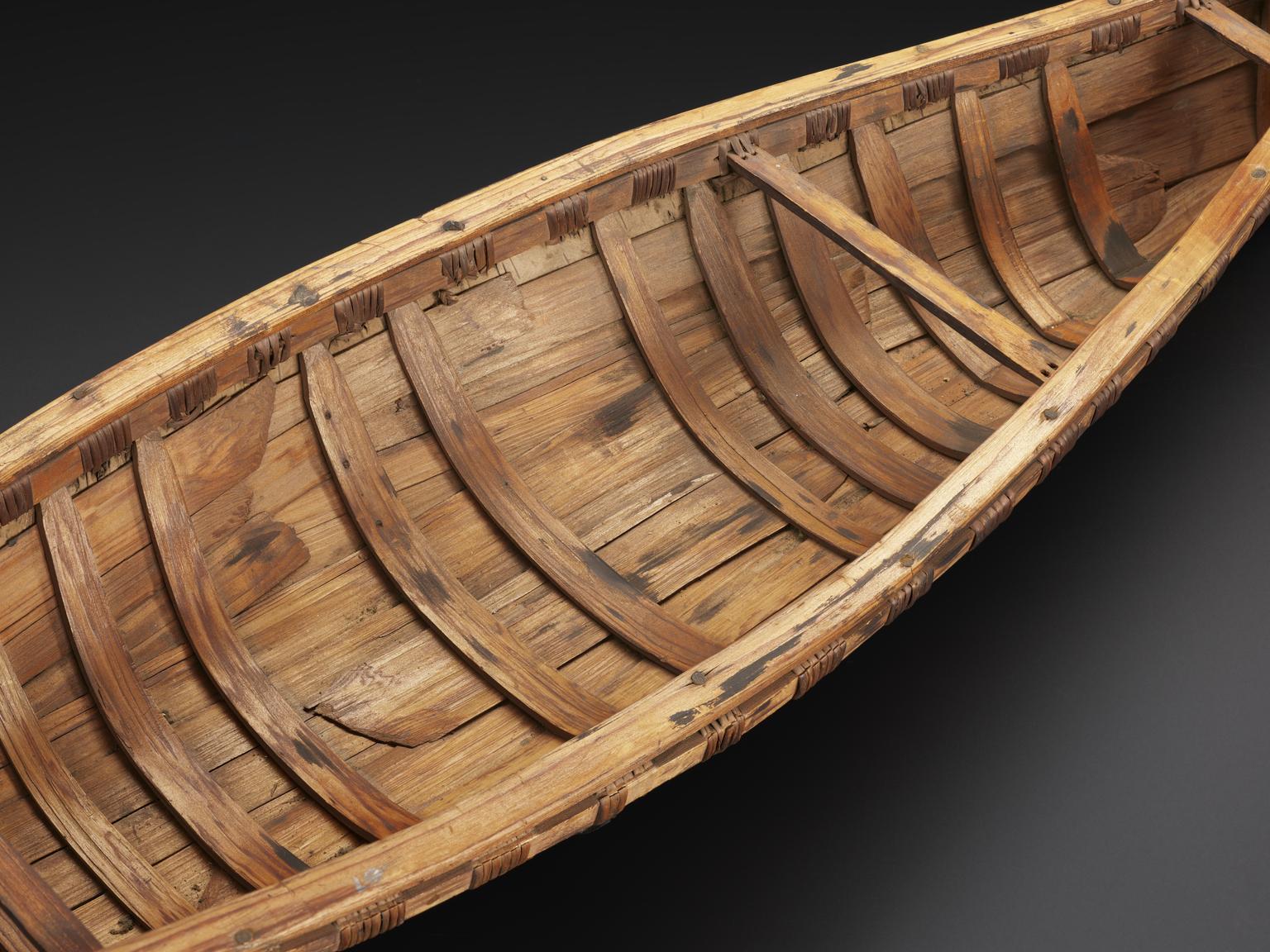
This model of a birchbark canoe contains all the details of a full-sized vessel. According to cultural consultant Hartman Deetz (Mashpee Wampanoag), this may indicate that it was made as "a teaching tool to pass on knowledge for the making of the full-sized vessels."
Canoes were an essential Indigenous North American transport technology, used for fishing, trade, and maintaining kinship connections. They were also adopted and used by European colonists. Different Indigenous groups developed distinct styles and construction methods suited to their local environments and the natural resources available to them.
This model’s construction bears resemblance to both Algonquin and Ojibwe styles. Algonquins’ traditional territories include parts of western Quebec and Ontario. Ojibwe territories extend across present-day Canada, from Quebec to Saskatchewan, and the present-day United States, from the Niagara region to North Dakota, including parts of the Great Lakes. Lightweight birchbark canoes for rivers and lakes that could glide around bends and be carried over land, when necessary, while remaining strong enough to withstand collisions with rocks and submerged logs. They drew on their extensive knowledge of local materials, including cedar, spruce roots, and pine pitch, in addition to birchbark, to construct these vessels.
These qualities made the birchbark canoe a key transportation technology in the fur trade across northeastern North America from the sixteenth to the nineteenth century.
- Measurements:
-
overall: 171 mm x 1045 mm x 236 mm, .64 kg
- Materials:
- wood (unidentified) , fibre (unidentified) , pitch and birch (wood)
- Object Number:
- 1936-450/1
- type:
- watercraft , model - representation and canoe
- Image ©
- The Board of Trustees of the Science Museum
