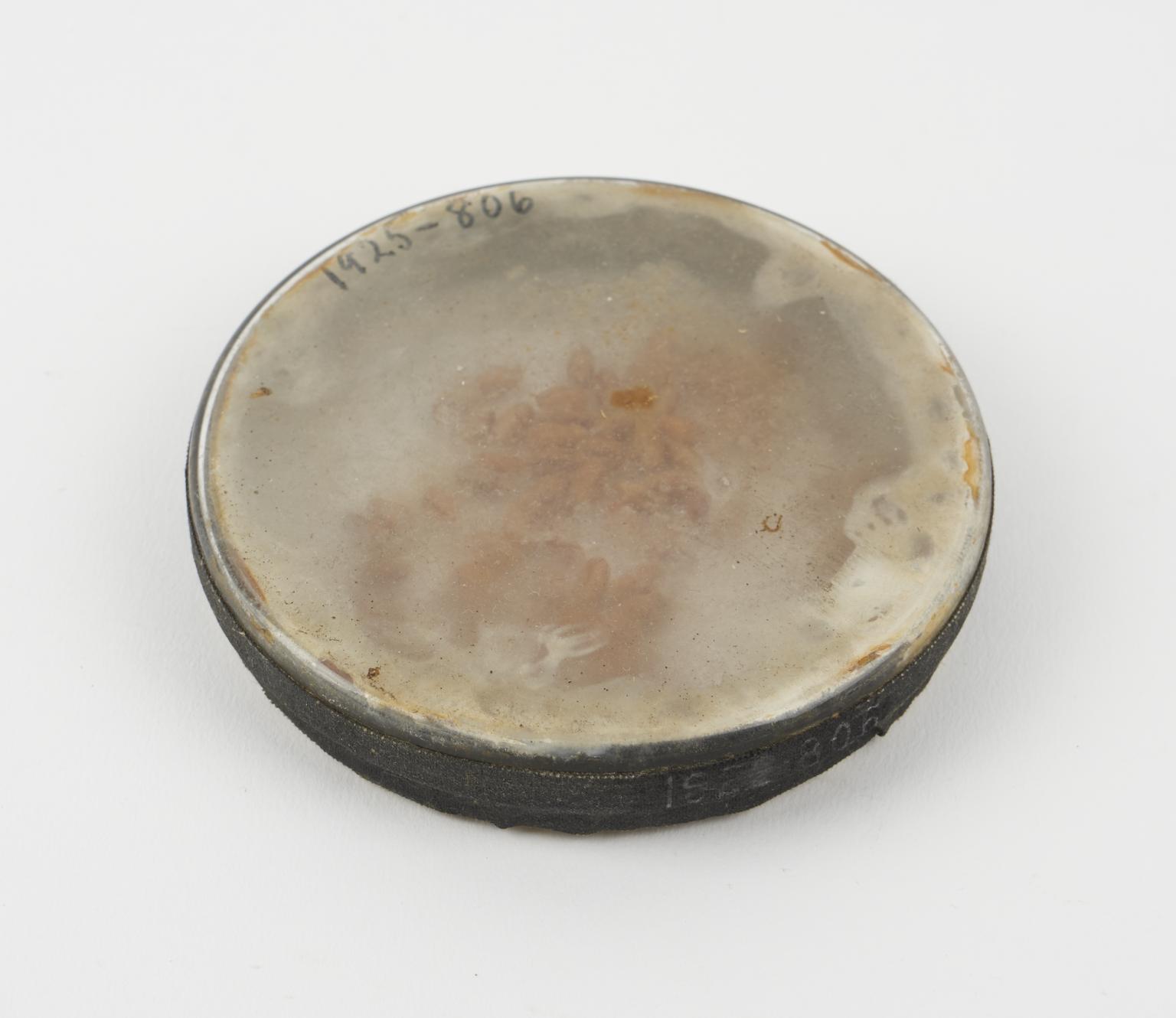
Specimens relating to Vitamin A research made by Sir Jack Cecil Drummond, c.1920

Made:
circa 1920 in United Kingdom
maker:
Jack Cecil Drummond

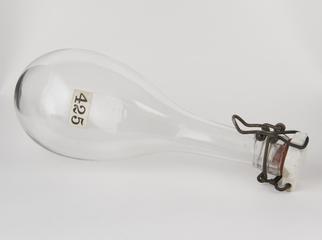
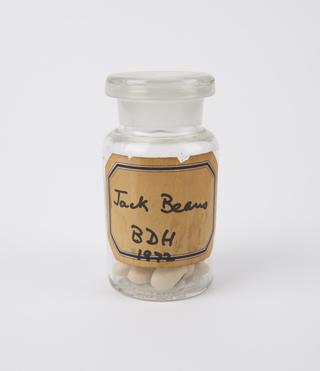
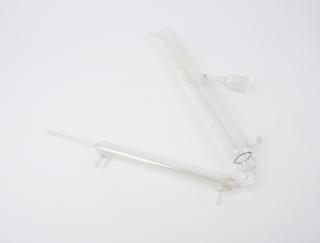
Five specimens and two labels illustrating the formation of Vitamin A in seedlings and butter, made by Sir Jack Cecil Drummond (1891-1952) biochemist known for research into nutrition, made at University College London, United Kingdom, c.1920.

This collection of specimens related to Vitamin A research were made by Sir Jack Cecil Drummond FRIC, FRS (1891 – 1952), a biochemist, who applied his research on nutrition to the British diet under rationing during the Second World War.

Having studied chemistry in 1912 at the East London College (now Queen Mary University of London), Jack Drummond became a research assistant in the department of physiology at King's College London, working under Otto Rosenheim and the professor W.D. Halliburton. In 1914 he moved to the Cancer Hospital Research Institute where he worked with Casimir Funk who had coined the word vitamine (from vital amine). Drummond went onto work on substitutes for butter and margarine. It also led him to the study of practical problems of human nutrition and, in 1918, he published a paper in The Lancet on infant feeding.

In 1919, he moved to University College London (UCL) to work on physiological chemistry, the precursor to modern biochemistry. In 1920, he proposed that the "vital substances" discovered by Elmer Verner McCollum and by Casimir Funk should be called Vitamins A and B respectively, to contrast them with his proposed anti-scurvy factor, Vitamin C. He also dropped the final "e" from Funk's designation, because not all vitamins contain an amine group. In 1922 at the early age of 31, he became the first Professor of Biochemistry at UCL and held that position until 1945.

In the 1930s, he succeeded in isolating pure vitamin A with the assistance of M. B. Donald. His interest in the science of nutrition and in gastronomy, led him to study the English diet over the previous 500 years, publishing ‘The Englishman's Food: A History of Five Centuries of English Diet’ in 1939.

In 1940, Drummond was appointed a scientific adviser to the Ministry of Food and used his nutritional research to guide the planning of wartime rationing.

In 1952 Drummond was murdered, together with his wife and 10-year-old daughter, in what became known as the Dominici affair, in Southern France.
Details

Category:
Biochemistry
Object Number:
1925-806
type:
specimens
credit:
Drummond, Prof. J.C.

Parts

Seed specimen relating to Vitamin A research, made by Sir Jack Cecil Drummond, c.1920

Seed specimen relating to Vitamin A research, made by Sir Jack Cecil Drummond, c.1920

Seeds in petri dish sealed container, associated with research into the formation of Vitamin A in seedlings and butter, made by Sir Jack Cecil Drummond (1891-1952) biochemist known for research into nutrition, made at University College London, United Kingdom, c.1920.

More

This seed specimen is associated with Vitamin A research carried out by Sir Jack Cecil Drummond FRIC, FRS (1891 – 1952), a biochemist, who applied his research on nutrition to the British diet under rationing during the Second World War.

Having studied chemistry in 1912 at the East London College (now Queen Mary University of London), Jack Drummond became a research assistant in the department of physiology at King's College London, working under Otto Rosenheim and the professor W.D. Halliburton. In 1914 he moved to the Cancer Hospital Research Institute where he worked with Casimir Funk who had coined the word vitamine (from vital amine). Drummond went onto work on substitutes for butter and margarine. It also led him to the study of practical problems of human nutrition and, in 1918, he published a paper in The Lancet on infant feeding.

In 1919, he moved to University College London (UCL) to work on physiological chemistry, the precursor to modern biochemistry. In 1920, he proposed that the "vital substances" discovered by Elmer Verner McCollum and by Casimir Funk should be called Vitamins A and B respectively, to contrast them with his proposed anti-scurvy factor, Vitamin C. He also dropped the final "e" from Funk's designation, because not all vitamins contain an amine group. In 1922 at the early age of 31, he became the first Professor of Biochemistry at UCL and held that position until 1945.

In the 1930s, he succeeded in isolating pure vitamin A with the assistance of M. B. Donald. His interest in the science of nutrition and in gastronomy, led him to study the English diet over the previous 500 years, publishing ‘The Englishman's Food: A History of Five Centuries of English Diet’ in 1939.

In 1940, Drummond was appointed a scientific adviser to the Ministry of Food and used his nutritional research to guide the planning of wartime rationing.

In 1952 Drummond was murdered, together with his wife and 10-year-old daughter, in what became known as the Dominici affair, in Southern France.
Materials:
glass
Object Number:
1925-806/1
type:
specimen
Image ©
The Board of Trustees of the Science Museum
Specimen relating to Vitamin A research, made by Sir Jack Cecil Drummond, c.1920

Specimen relating to Vitamin A research, made by Sir Jack Cecil Drummond, c.1920

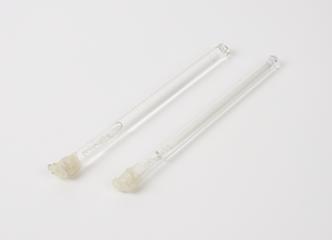
Specimen associated with research into the formation of Vitamin A in seedlings and butter, made by Sir Jack Cecil Drummond (1891-1952) biochemist known for research into nutrition, made at University College London, United Kingdom, c.1920.

More

This specimen is associated with Vitamin A research carried out by Sir Jack Cecil Drummond FRIC, FRS (1891 – 1952), a biochemist, who applied his research on nutrition to the British diet under rationing during the Second World War.

Having studied chemistry in 1912 at the East London College (now Queen Mary University of London), Jack Drummond became a research assistant in the department of physiology at King's College London, working under Otto Rosenheim and the professor W.D. Halliburton. In 1914 he moved to the Cancer Hospital Research Institute where he worked with Casimir Funk who had coined the word vitamine (from vital amine). Drummond went onto work on substitutes for butter and margarine. It also led him to the study of practical problems of human nutrition and, in 1918, he published a paper in The Lancet on infant feeding.

In 1919, he moved to University College London (UCL) to work on physiological chemistry, the precursor to modern biochemistry. In 1920, he proposed that the "vital substances" discovered by Elmer Verner McCollum and by Casimir Funk should be called Vitamins A and B respectively, to contrast them with his proposed anti-scurvy factor, Vitamin C. He also dropped the final "e" from Funk's designation, because not all vitamins contain an amine group. In 1922 at the early age of 31, he became the first Professor of Biochemistry at UCL and held that position until 1945.

In the 1930s, he succeeded in isolating pure vitamin A with the assistance of M. B. Donald. His interest in the science of nutrition and in gastronomy, led him to study the English diet over the previous 500 years, publishing ‘The Englishman's Food: A History of Five Centuries of English Diet’ in 1939.

In 1940, Drummond was appointed a scientific adviser to the Ministry of Food and used his nutritional research to guide the planning of wartime rationing.

In 1952 Drummond was murdered, together with his wife and 10-year-old daughter, in what became known as the Dominici affair, in Southern France.
Object Number:
1925-806/2
type:
specimen
Specimen relating to Vitamin A research, made by Sir Jack Cecil Drummond, c.1920

Specimen relating to Vitamin A research, made by Sir Jack Cecil Drummond, c.1920

Specimen associated with research into the formation of Vitamin A in seedlings and butter, made by Sir Jack Cecil Drummond (1891-1952) biochemist known for research into nutrition, made at University College London, United Kingdom, c.1920.

More

This specimen is associated with Vitamin A research carried out by Sir Jack Cecil Drummond FRIC, FRS (1891 – 1952), a biochemist, who applied his research on nutrition to the British diet under rationing during the Second World War.

Having studied chemistry in 1912 at the East London College (now Queen Mary University of London), Jack Drummond became a research assistant in the department of physiology at King's College London, working under Otto Rosenheim and the professor W.D. Halliburton. In 1914 he moved to the Cancer Hospital Research Institute where he worked with Casimir Funk who had coined the word vitamine (from vital amine). Drummond went onto work on substitutes for butter and margarine. It also led him to the study of practical problems of human nutrition and, in 1918, he published a paper in The Lancet on infant feeding.

In 1919, he moved to University College London (UCL) to work on physiological chemistry, the precursor to modern biochemistry. In 1920, he proposed that the "vital substances" discovered by Elmer Verner McCollum and by Casimir Funk should be called Vitamins A and B respectively, to contrast them with his proposed anti-scurvy factor, Vitamin C. He also dropped the final "e" from Funk's designation, because not all vitamins contain an amine group. In 1922 at the early age of 31, he became the first Professor of Biochemistry at UCL and held that position until 1945.

In the 1930s, he succeeded in isolating pure vitamin A with the assistance of M. B. Donald. His interest in the science of nutrition and in gastronomy, led him to study the English diet over the previous 500 years, publishing ‘The Englishman's Food: A History of Five Centuries of English Diet’ in 1939.

In 1940, Drummond was appointed a scientific adviser to the Ministry of Food and used his nutritional research to guide the planning of wartime rationing.

In 1952 Drummond was murdered, together with his wife and 10-year-old daughter, in what became known as the Dominici affair, in Southern France.

Object Number:
1925-806/3
type:
specimen
Specimen relating to Vitamin A research, made by Sir Jack Cecil Drummond, c.1920

Specimen relating to Vitamin A research, made by Sir Jack Cecil Drummond, c.1920

Specimen associated with research into the formation of Vitamin A in seedlings and butter, made by Sir Jack Cecil Drummond (1891-1952) biochemist known for research into nutrition, made at University College London, United Kingdom, c.1920.

More

This specimen is associated with Vitamin A research carried out by Sir Jack Cecil Drummond FRIC, FRS (1891 – 1952), a biochemist, who applied his research on nutrition to the British diet under rationing during the Second World War.

Having studied chemistry in 1912 at the East London College (now Queen Mary University of London), Jack Drummond became a research assistant in the department of physiology at King's College London, working under Otto Rosenheim and the professor W.D. Halliburton. In 1914 he moved to the Cancer Hospital Research Institute where he worked with Casimir Funk who had coined the word vitamine (from vital amine). Drummond went onto work on substitutes for butter and margarine. It also led him to the study of practical problems of human nutrition and, in 1918, he published a paper in The Lancet on infant feeding.

In 1919, he moved to University College London (UCL) to work on physiological chemistry, the precursor to modern biochemistry. In 1920, he proposed that the "vital substances" discovered by Elmer Verner McCollum and by Casimir Funk should be called Vitamins A and B respectively, to contrast them with his proposed anti-scurvy factor, Vitamin C. He also dropped the final "e" from Funk's designation, because not all vitamins contain an amine group. In 1922 at the early age of 31, he became the first Professor of Biochemistry at UCL and held that position until 1945.

In the 1930s, he succeeded in isolating pure vitamin A with the assistance of M. B. Donald. His interest in the science of nutrition and in gastronomy, led him to study the English diet over the previous 500 years, publishing ‘The Englishman's Food: A History of Five Centuries of English Diet’ in 1939.

In 1940, Drummond was appointed a scientific adviser to the Ministry of Food and used his nutritional research to guide the planning of wartime rationing.

In 1952 Drummond was murdered, together with his wife and 10-year-old daughter, in what became known as the Dominici affair, in Southern France.

Object Number:
1925-806/4
type:
specimen
Specimen relating to Vitamin A research, made by Sir Jack Cecil Drummond, c.1920

Specimen relating to Vitamin A research, made by Sir Jack Cecil Drummond, c.1920

Specimen associated with research into the formation of Vitamin A in seedlings and butter, made by Sir Jack Cecil Drummond (1891-1952) biochemist known for research into nutrition, made at University College London, United Kingdom, c.1920.

More

This specimen is associated with Vitamin A research carried out by Sir Jack Cecil Drummond FRIC, FRS (1891 – 1952), a biochemist, who applied his research on nutrition to the British diet under rationing during the Second World War.

Having studied chemistry in 1912 at the East London College (now Queen Mary University of London), Jack Drummond became a research assistant in the department of physiology at King's College London, working under Otto Rosenheim and the professor W.D. Halliburton. In 1914 he moved to the Cancer Hospital Research Institute where he worked with Casimir Funk who had coined the word vitamine (from vital amine). Drummond went onto work on substitutes for butter and margarine. It also led him to the study of practical problems of human nutrition and, in 1918, he published a paper in The Lancet on infant feeding.

In 1919, he moved to University College London (UCL) to work on physiological chemistry, the precursor to modern biochemistry. In 1920, he proposed that the "vital substances" discovered by Elmer Verner McCollum and by Casimir Funk should be called Vitamins A and B respectively, to contrast them with his proposed anti-scurvy factor, Vitamin C. He also dropped the final "e" from Funk's designation, because not all vitamins contain an amine group. In 1922 at the early age of 31, he became the first Professor of Biochemistry at UCL and held that position until 1945.

In the 1930s, he succeeded in isolating pure vitamin A with the assistance of M. B. Donald. His interest in the science of nutrition and in gastronomy, led him to study the English diet over the previous 500 years, publishing ‘The Englishman's Food: A History of Five Centuries of English Diet’ in 1939.

In 1940, Drummond was appointed a scientific adviser to the Ministry of Food and used his nutritional research to guide the planning of wartime rationing.

In 1952 Drummond was murdered, together with his wife and 10-year-old daughter, in what became known as the Dominici affair, in Southern France.

Object Number:
1925-806/5
type:
specimen
Specimen relating to Vitamin A research, made by Sir Jack Cecil Drummond, c.1920

Specimen relating to Vitamin A research, made by Sir Jack Cecil Drummond, c.1920

Specimen associated with research into the formation of Vitamin A in seedlings and butter, made by Sir Jack Cecil Drummond (1891-1952) biochemist known for research into nutrition, made at University College London, United Kingdom, c.1920.

More

This specimen is associated with Vitamin A research carried out by Sir Jack Cecil Drummond FRIC, FRS (1891 – 1952), a biochemist, who applied his research on nutrition to the British diet under rationing during the Second World War.

Having studied chemistry in 1912 at the East London College (now Queen Mary University of London), Jack Drummond became a research assistant in the department of physiology at King's College London, working under Otto Rosenheim and the professor W.D. Halliburton. In 1914 he moved to the Cancer Hospital Research Institute where he worked with Casimir Funk who had coined the word vitamine (from vital amine). Drummond went onto work on substitutes for butter and margarine. It also led him to the study of practical problems of human nutrition and, in 1918, he published a paper in The Lancet on infant feeding.

In 1919, he moved to University College London (UCL) to work on physiological chemistry, the precursor to modern biochemistry. In 1920, he proposed that the "vital substances" discovered by Elmer Verner McCollum and by Casimir Funk should be called Vitamins A and B respectively, to contrast them with his proposed anti-scurvy factor, Vitamin C. He also dropped the final "e" from Funk's designation, because not all vitamins contain an amine group. In 1922 at the early age of 31, he became the first Professor of Biochemistry at UCL and held that position until 1945.

In the 1930s, he succeeded in isolating pure vitamin A with the assistance of M. B. Donald. His interest in the science of nutrition and in gastronomy, led him to study the English diet over the previous 500 years, publishing ‘The Englishman's Food: A History of Five Centuries of English Diet’ in 1939.

In 1940, Drummond was appointed a scientific adviser to the Ministry of Food and used his nutritional research to guide the planning of wartime rationing.

In 1952 Drummond was murdered, together with his wife and 10-year-old daughter, in what became known as the Dominici affair, in Southern France.

Object Number:
1925-806/6
type:
specimen