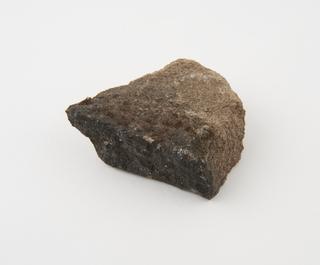
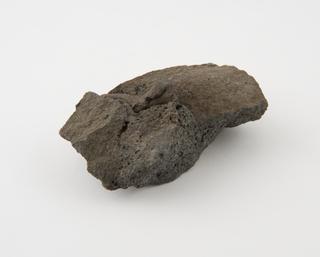
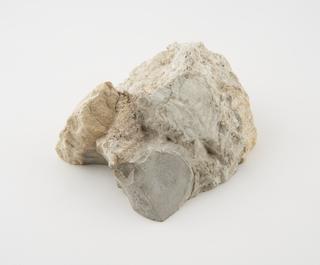
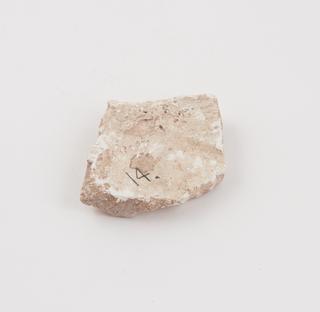
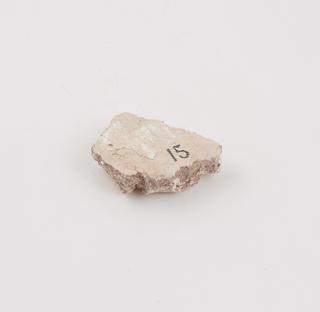
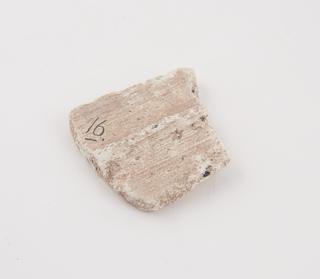
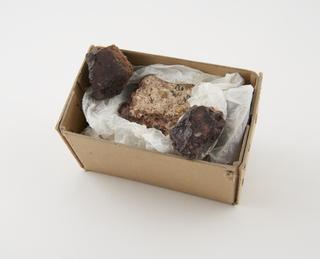
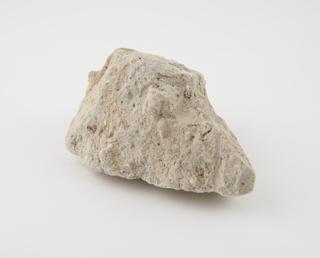
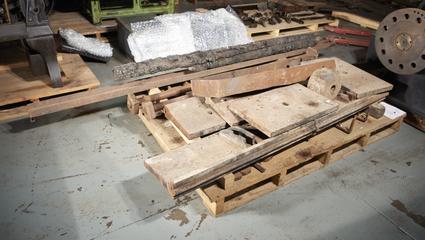
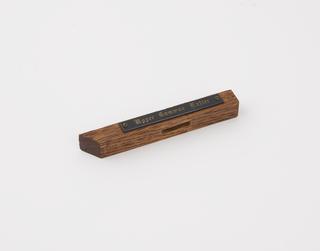
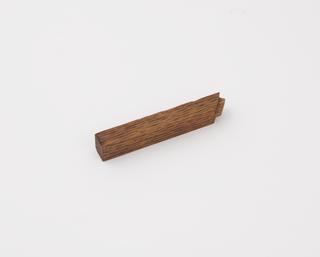
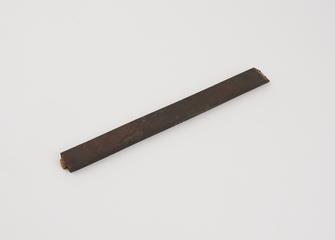
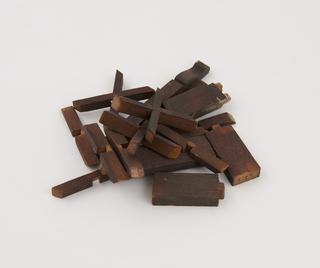
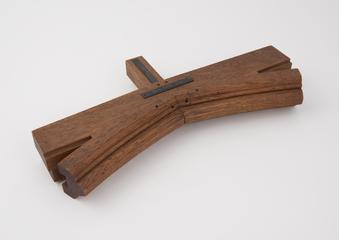
Collection of samples of building materials used at the Building Research Station, Watford in the 1940s and '50s.

Collection of samples of building materials used at the Building Research Station, Watford in the 1940s and '50s.

License this image for commercial use at Science and Society Picture Library

License

Ministry of Technology (Watford)
© The Board of Trustees of the Science Museum, London

Collection of samples of building materials made by Dr. S.B. Hamilton and Dr. N. Davey of the Building Research Station, Watford

This collection of samples of building materials were used by Dr S.B. Hamilton and Dr Norman Davey of the Building Research Station (BRS), Watford. The collection of specimens were collected from all over Britain (and some further afield) in the 1940s and ‘50s, mainly from archaeological digs, and brought to the BRS so they could be materials tested in different ways.

Some samples were cut open and analysed, some were broken down with acid, some were coated in resin to bring out their features and photographed under a microscope.

Two pieces of Wattle and Daub panel, originally set in a hard wood frame, 14th century, from " Salmans", Penshurst, Kent

Sample of wattle and daub, from Penshurst, Kent, 14th century

1301-1400
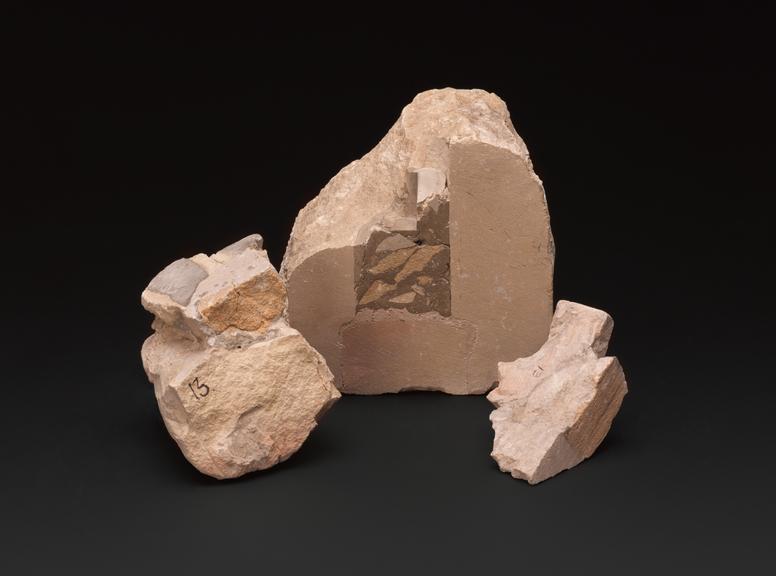
Stone from "vitrified fort" at Finavon, Scotland

Stone from "vitrified fort" at Finavon, Scotland

Stone from "vitrified fort" at Finavon, Scotland

Stone from "vitrified fort" at Finavon, Scotland

Yellow half brick (3 pieces). Made in Holland and exported to U.S.A. in the 17th century

Yellow half brick

Four pieces of 12th century concrete. These are fragment from a cast stone lintel at Carcassone

Four pieces of 12th century concrete

1101-1200

Specimen of Roman slaking pit concrete

Specimen of Roman slaking pit concrete

Small pieces (10) of wattle and daub panel, 14th century, from "Salmans", Penshurst, Kent

Ten pieces of wattle and daub panel

1301-1400

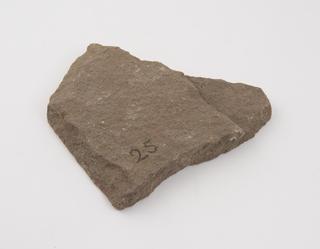
Stone from St. Pauls Cathedral, (pink discolouration caused by the Great Fire, 1666)

Stone from St. Pauls Cathedral, (pink discolouration caused by the Great Fire, 1666)

Stone samples from old St. Paul’s Cathedral, maker unknown, before 1666. Pink discolouration is a result of damage sustained during the Great Fire of London in 1666.

Stone from St. Paul's Cathedral

Pink stone taken from old St. Paul’s Cathedral

Pink stone taken from old St. Paul’s Cathedral

Specimen of stone from old St. Pauls Cathedral

Specimen of stone from old St. Pauls Cathedral

Stone from old St. Paul’s Cathedral (built from 1087 to 1314)

Stone from old St. Paul’s Cathedral (built from 1087 to 1314)

Three fragments of stone from St. Pauls Cathedral

Three fragments of stone from St. Pauls Cathedral

Sample of wall plaster, Exeter, 1500-1599

Sample of wall plaster, Exeter, 1500-1599

Sample of wall plaster, Exeter, 1500-1599

Sample of wall plaster, Exeter, 1500-1599

Sample of wall plaster, Exeter, 1500-1599

Sample of wall plaster, Exeter, 1500-1599

Sample of wall plaster, Exeter, 1500-1599

Sample of wall plaster, Exeter, 1500-1599

Seventeen samples of floor structure, 1838, Leicestershire

Seventeen samples of floor structure, 1838, Leicestershire

Concrete from Sassanian Dam, ostensibly c.600 A.D, Persia

Concrete from Sassanian Dam, ostensibly c.600 A.D, Persia

Sample of concrete, from Sassanian Dam, 600 A.D

Sample of concrete, from Sassanian Dam, 600 A.D

Concrete from Sassanian Dam, c.600 A.D.?, from Khalafabad, Persia

Concrete from Sassanian Dam, ostensibly c.600 A.D, Persia

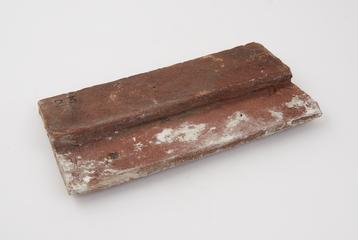
Mathematical Tile, from Sussex

Mathematical Tile, from Sussex

Mathematical Tile, from Sussex

Mathematical Tile, from Sussex

Lime Concrete Floor Specimen, early 19th century, Leicestershire

Lime Concrete Floor Specimen, early 19th century, Leicestershire

Part of Roman villa roofing tile, Cirencester

Part of Roman villa roofing tile, Cirencester

See more

Details

Category:
Building Construction
Object Number:
1966-376
type:
samples of building materials
credit:
Ministry of Technology (Watford)