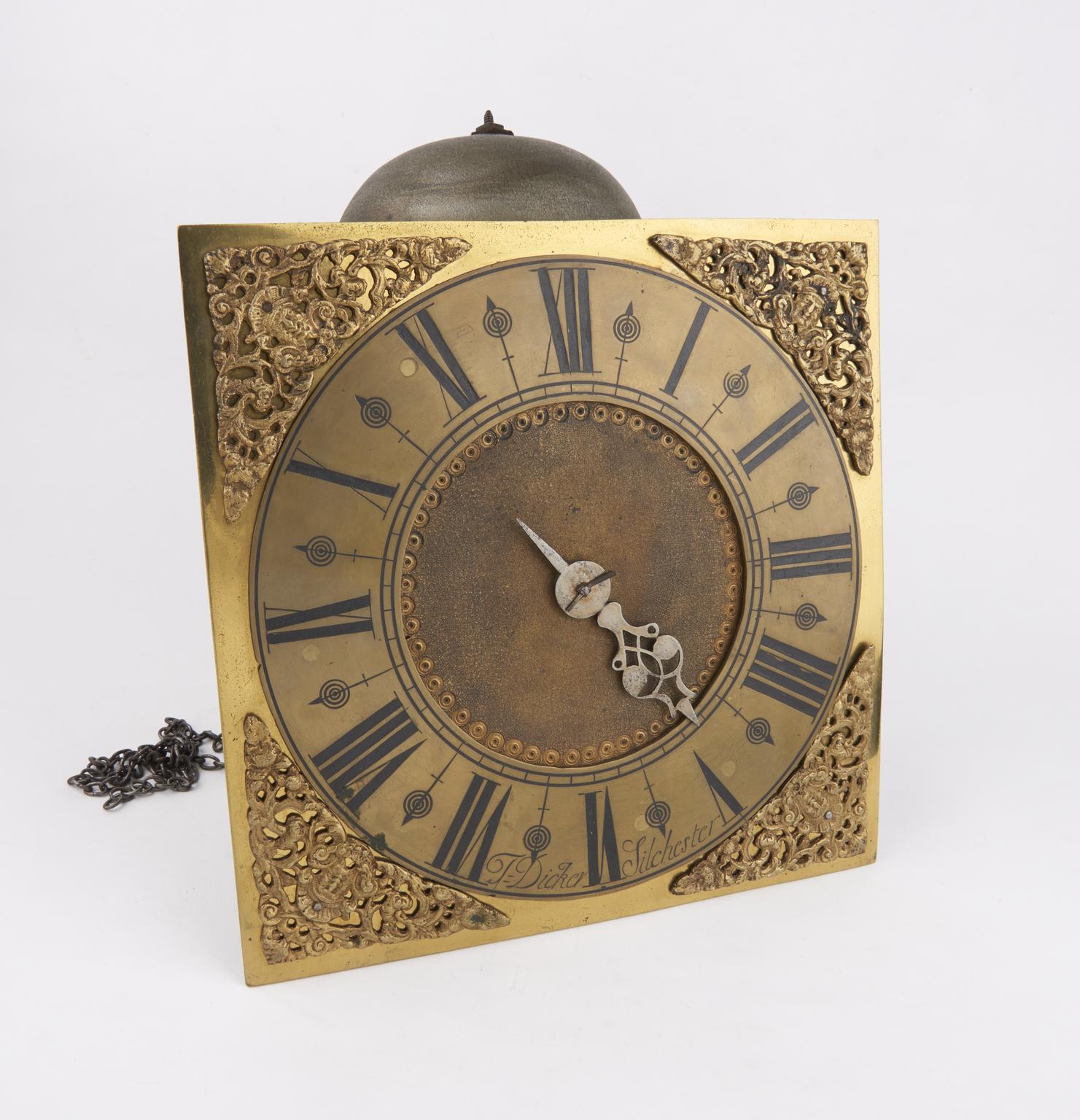
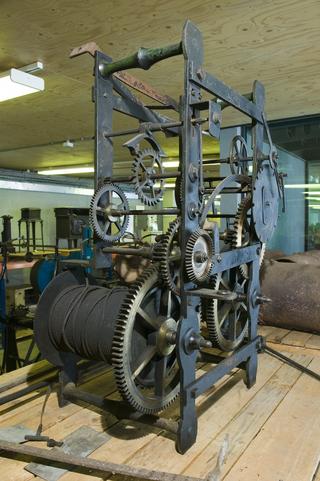
Long-Case Clock Movement Long-case clock movement, by Thomas Dicker of Silchester, Hampshire, England, 1700-1730. Materials: brass (copper, zinc alloy) and steel (metal) Object Number: 1935-264/1 type: clock Image © The Board of Trustees of the Science Museum
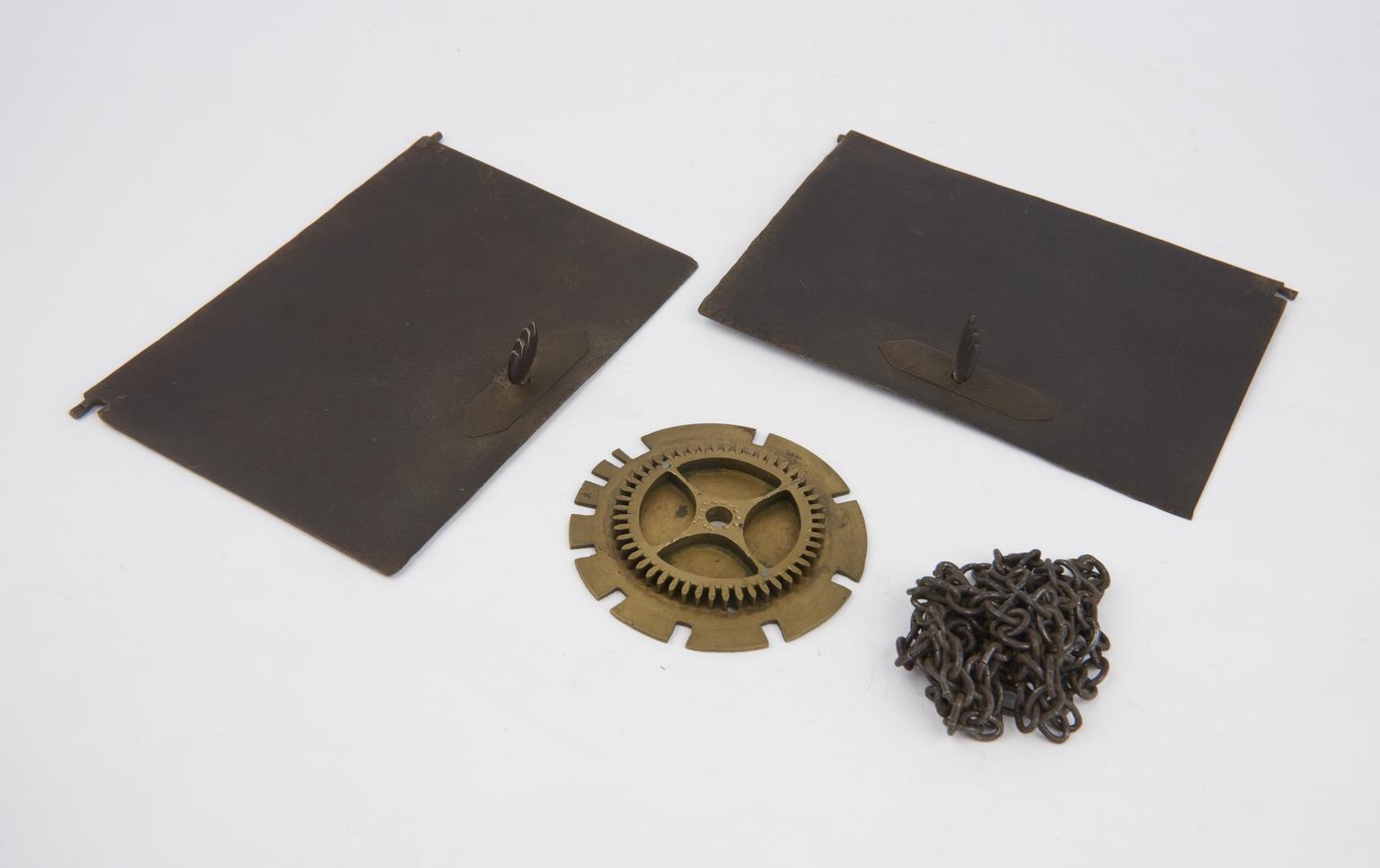
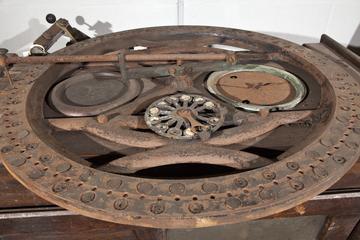
Long-Case Clock Movement Components Components of long-case clock movement, by Thomas Dicker of Silchester, Hampshire, England, 1700-1730. Includes two sheets of metal with handles, a disc, and a length of chain. Object Number: 1935-264/2 type: component Image © The Board of Trustees of the Science Museum
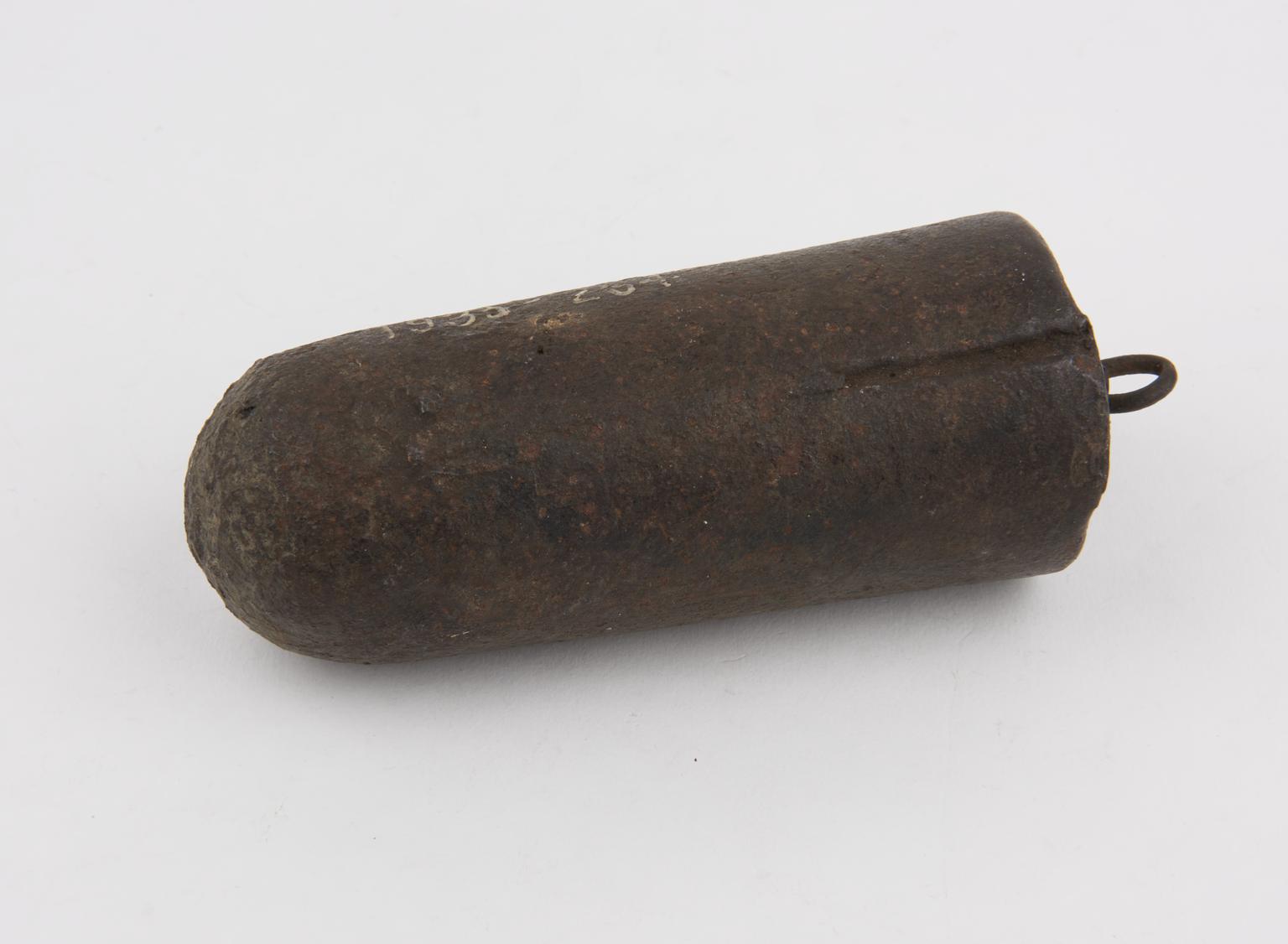
Pendulum Bob from Long-Case Clock Movement Pendulum bob from long-case clock movement, by Thomas Dicker of Silchester, Hampshire, England, 1700-1730. Materials: metal (unknown) Object Number: 1935-264/3 type: pendulum bob Image © The Board of Trustees of the Science Museum
Double glass cone filled with red sand, mounted in double ended cylindrical wood stand. Egg time, sandglass. Egg timer
Synchromatic time system; rectangular box, with a glass door that shows the mechanism. Manufacturer unknown synchromatic time system