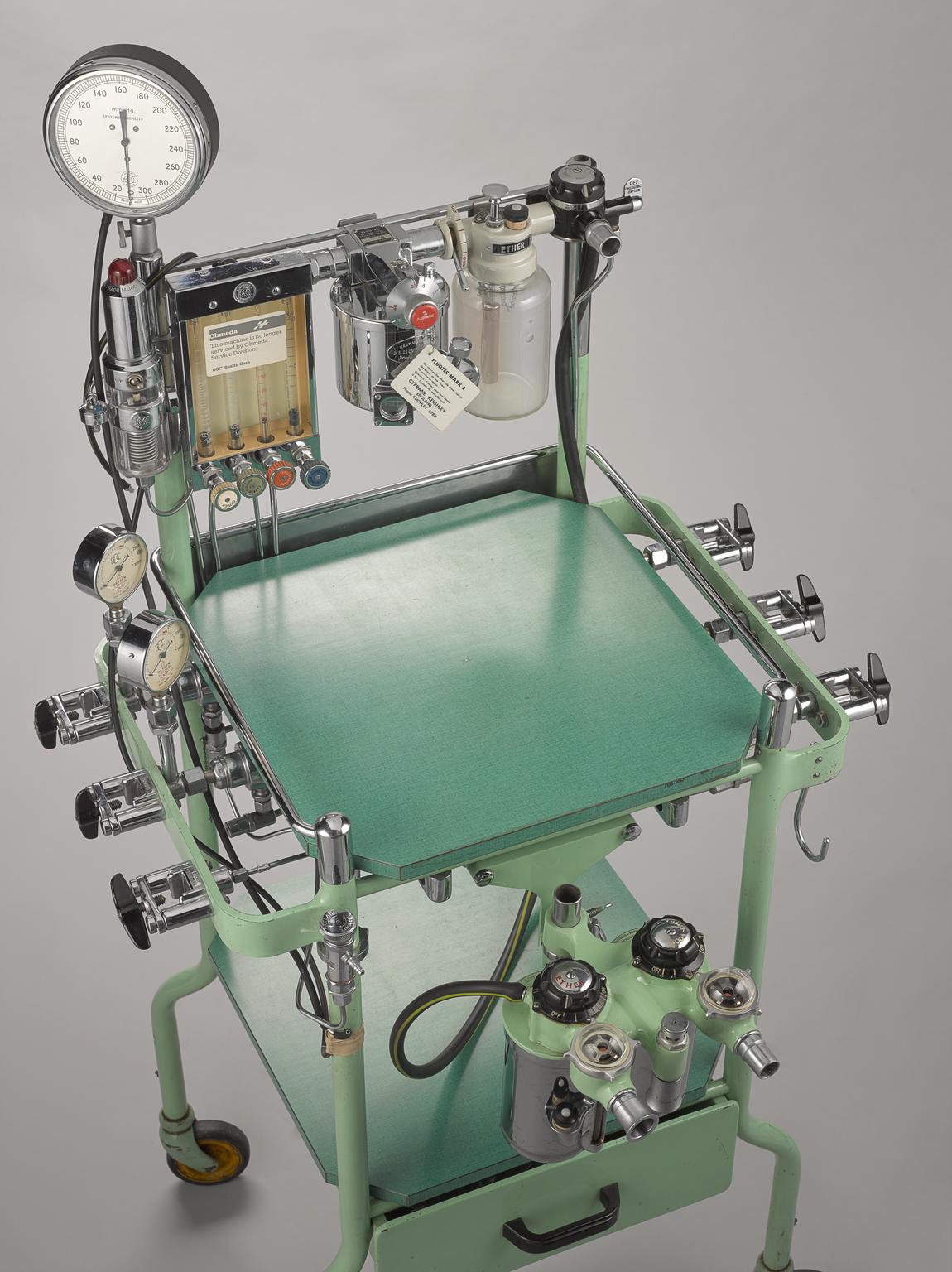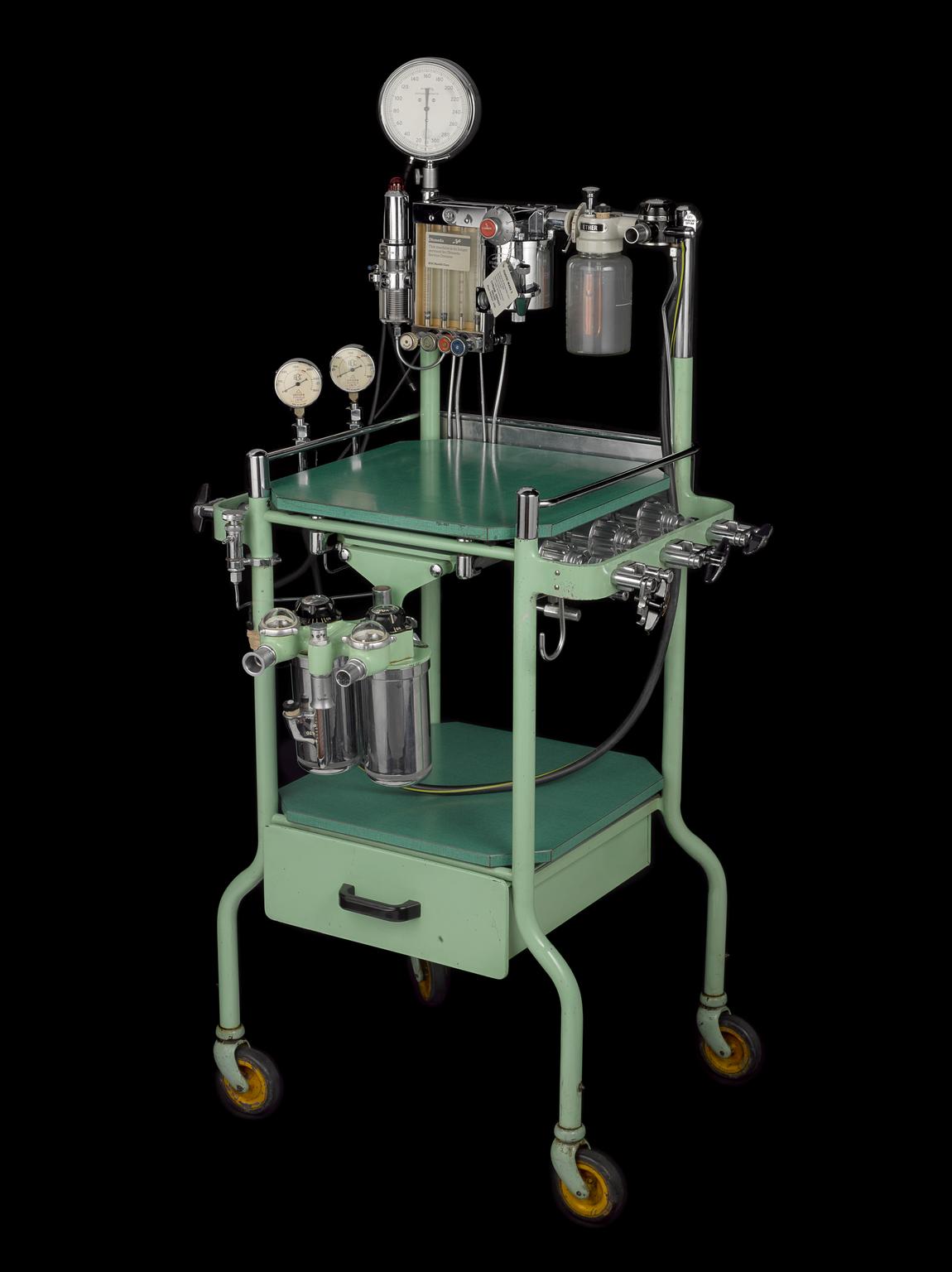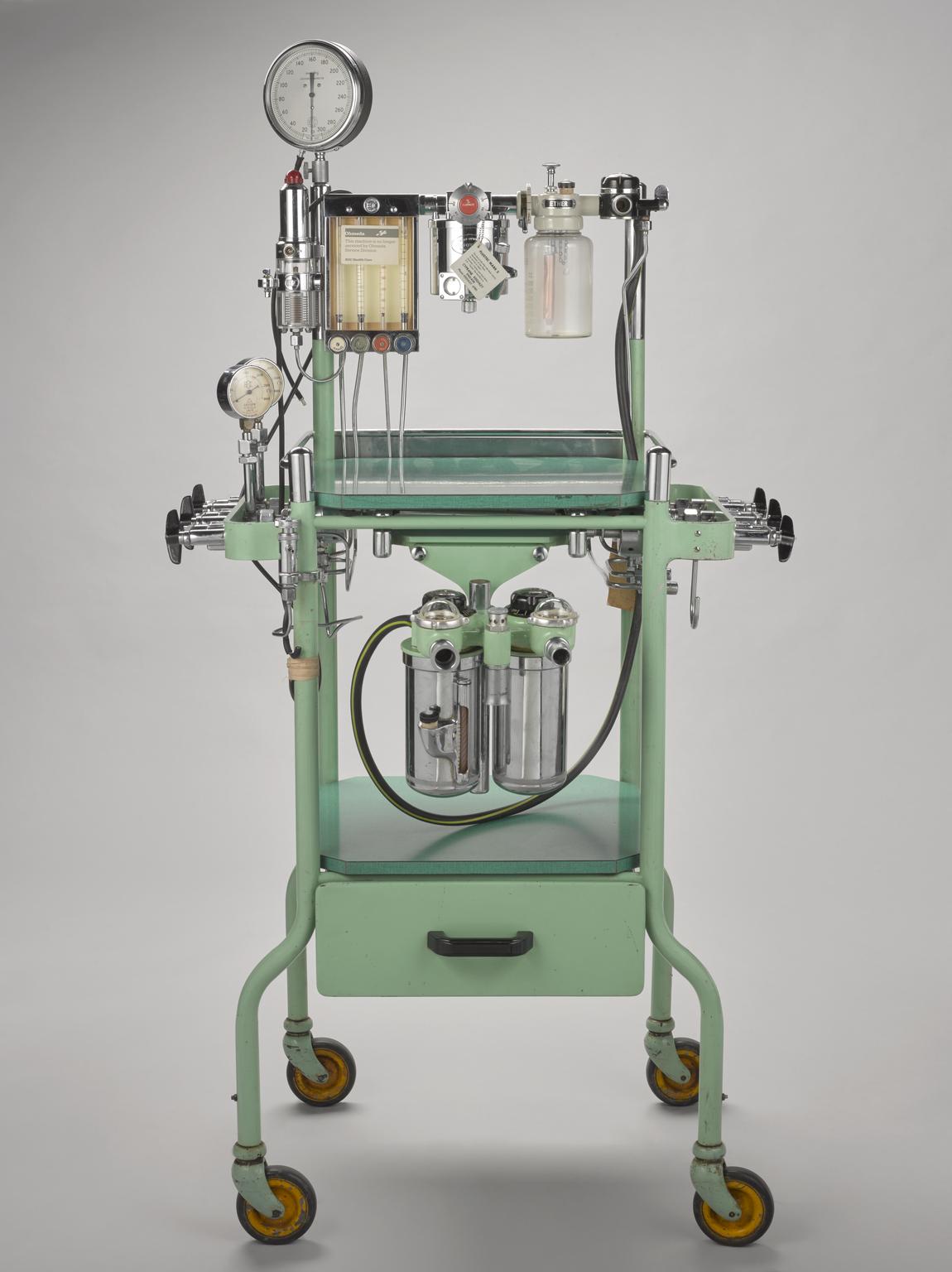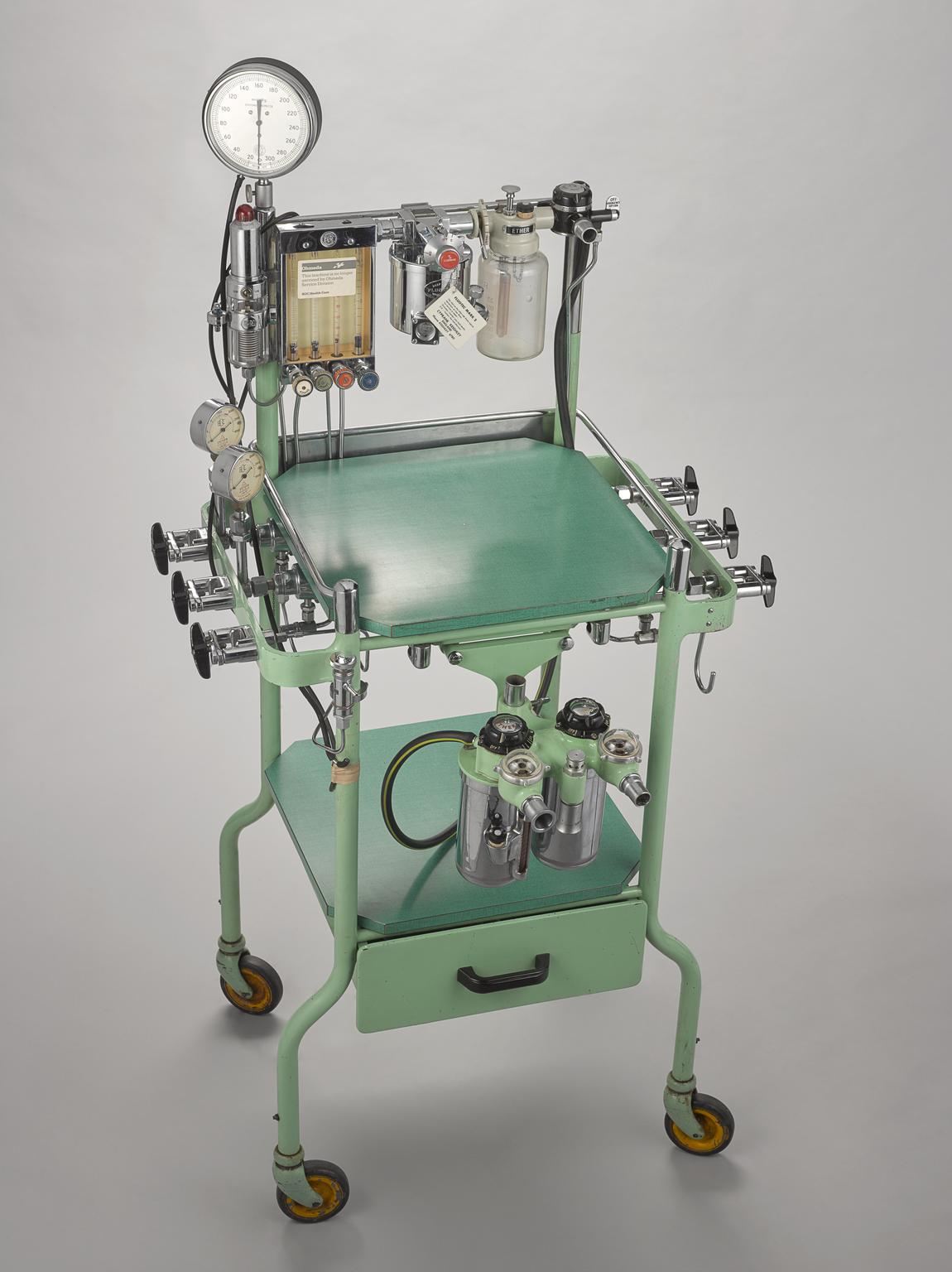
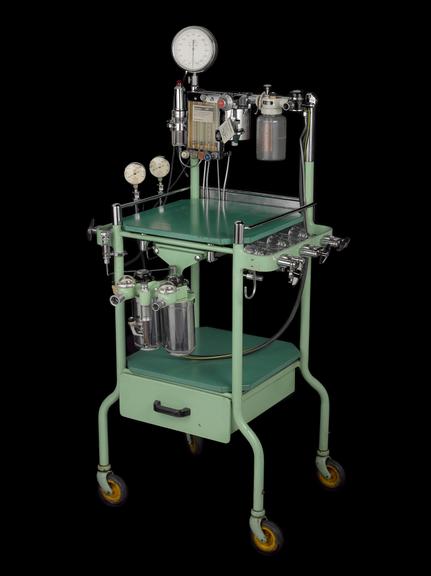
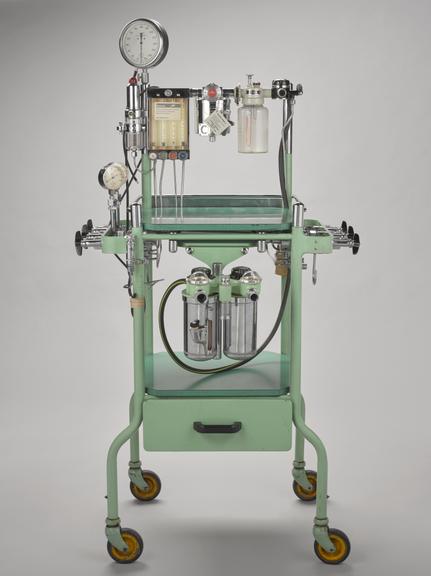
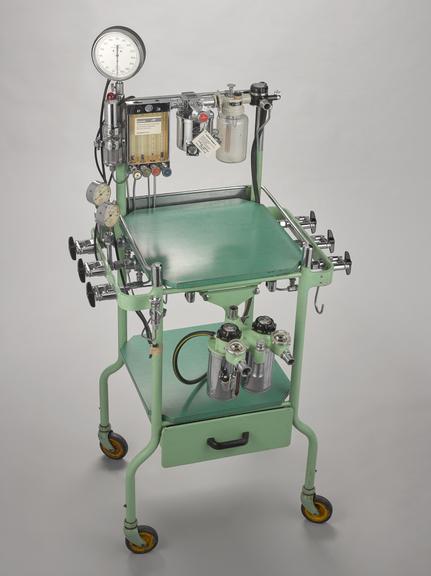
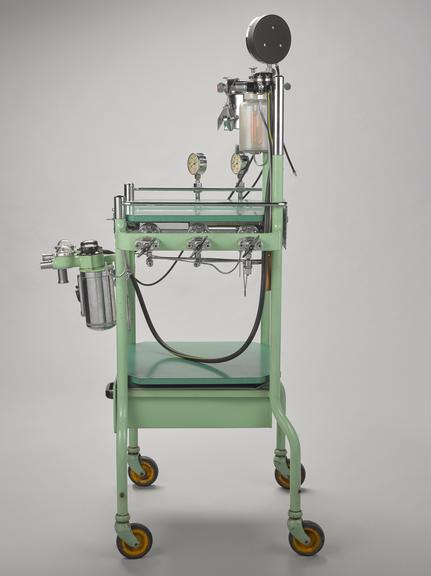

Boyle-type anaesthetic machine, England, 1955-1965

Boyle-type anaesthetic machine, England, 1955-1965 Boyle-type anaesthetic machine, England, 1955-1965 Boyle-type anaesthetic machine, England, 1955-1965 Boyle-type anaesthetic machine, England, 1955-1965 Boyle-type anaesthetic machine, England, 1955-1965 Boyle-type anaesthetic machine, England, 1955-1965 Boyle-type anaesthetic machine, England, 1955-1965 Boyle-type anaesthetic machine, England, 1955-1965 Boyle-type anaesthetic machine, England, 1955-1965 Boyle-type anaesthetic machine, England, 1955-1965 Boyle-type anaesthetic machine, England, 1955-1965 Boyle-type anaesthetic machine, England, 1955-1965 Boyle-type anaesthetic machine, England, 1955-1965

Creative Commons LicenseThis image is released under a CC BY-NC-SA 4.0 Licence

License this image for commercial use at Science and Society Picture Library

License

Creative Commons LicenseThis image is released under a CC BY-NC-SA 4.0 Licence

License this image for commercial use at Science and Society Picture Library

License

Creative Commons LicenseThis image is released under a CC BY-NC-SA 4.0 Licence

License this image for commercial use at Science and Society Picture Library

License

Creative Commons LicenseThis image is released under a CC BY-NC-SA 4.0 Licence

License this image for commercial use at Science and Society Picture Library

License

Creative Commons LicenseThis image is released under a CC BY-NC-SA 4.0 Licence

License this image for commercial use at Science and Society Picture Library

License

Creative Commons LicenseThis image is released under a CC BY-NC-SA 4.0 Licence

License this image for commercial use at Science and Society Picture Library

License

Creative Commons LicenseThis image is released under a CC BY-NC-SA 4.0 Licence

License this image for commercial use at Science and Society Picture Library

License

Creative Commons LicenseThis image is released under a CC BY-NC-SA 4.0 Licence

License this image for commercial use at Science and Society Picture Library

License

Creative Commons LicenseThis image is released under a CC BY-NC-SA 4.0 Licence

License this image for commercial use at Science and Society Picture Library

License

Creative Commons LicenseThis image is released under a CC BY-NC-SA 4.0 Licence

License this image for commercial use at Science and Society Picture Library

License

Creative Commons LicenseThis image is released under a CC BY-NC-SA 4.0 Licence

License this image for commercial use at Science and Society Picture Library

License

Creative Commons LicenseThis image is released under a CC BY-NC-SA 4.0 Licence

License this image for commercial use at Science and Society Picture Library

License

Creative Commons LicenseThis image is released under a CC BY-NC-SA 4.0 Licence

License this image for commercial use at Science and Society Picture Library

License

Science Museum Group
© The Board of Trustees of the Science Museum
Science Museum Group
© The Board of Trustees of the Science Museum
Science Museum Group
© The Board of Trustees of the Science Museum
Science Museum Group
© The Board of Trustees of the Science Museum
Science Museum Group
© The Board of Trustees of the Science Museum
Science Museum Group
© The Board of Trustees of the Science Museum
Science Museum Group
© The Board of Trustees of the Science Museum
Science Museum Group
© The Board of Trustees of the Science Museum

Science Museum Group
© The Board of Trustees of the Science Museum

Science Museum Group
© The Board of Trustees of the Science Museum

Science Museum Group
© The Board of Trustees of the Science Museum

Science Museum Group
© The Board of Trustees of the Science Museum

Science Museum Group Collection
© The Board of Trustees of the Science Museum

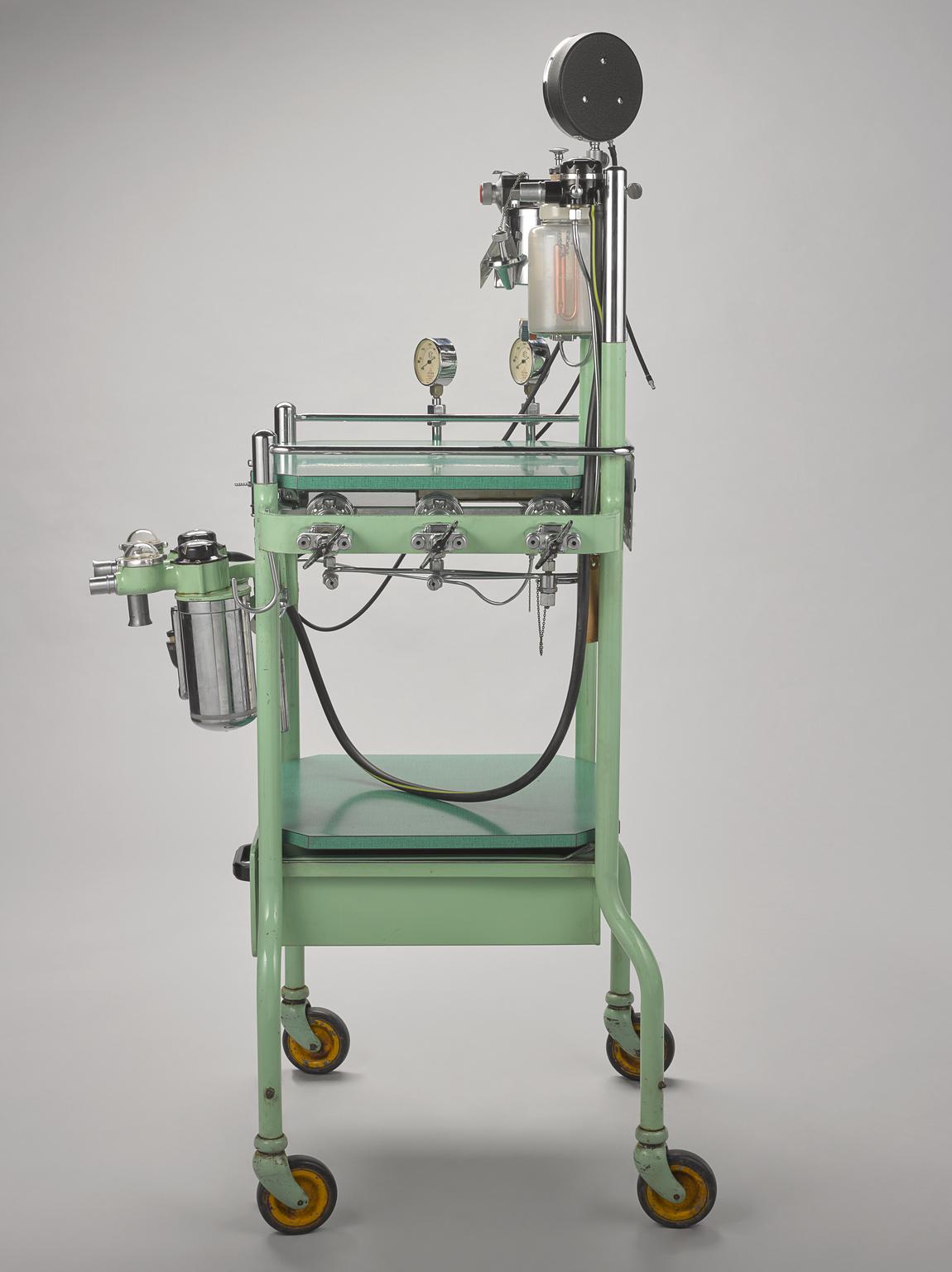
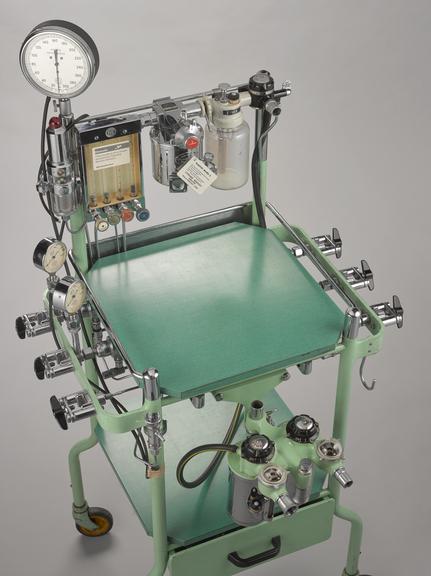
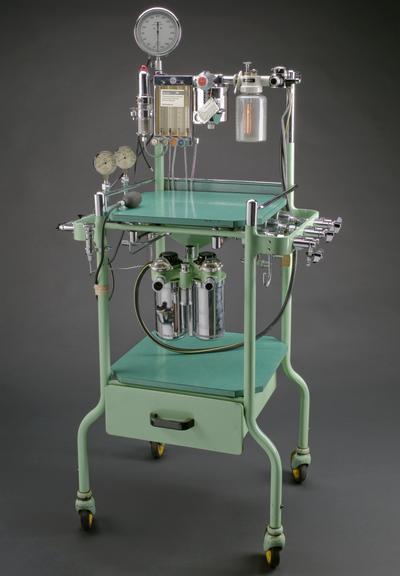
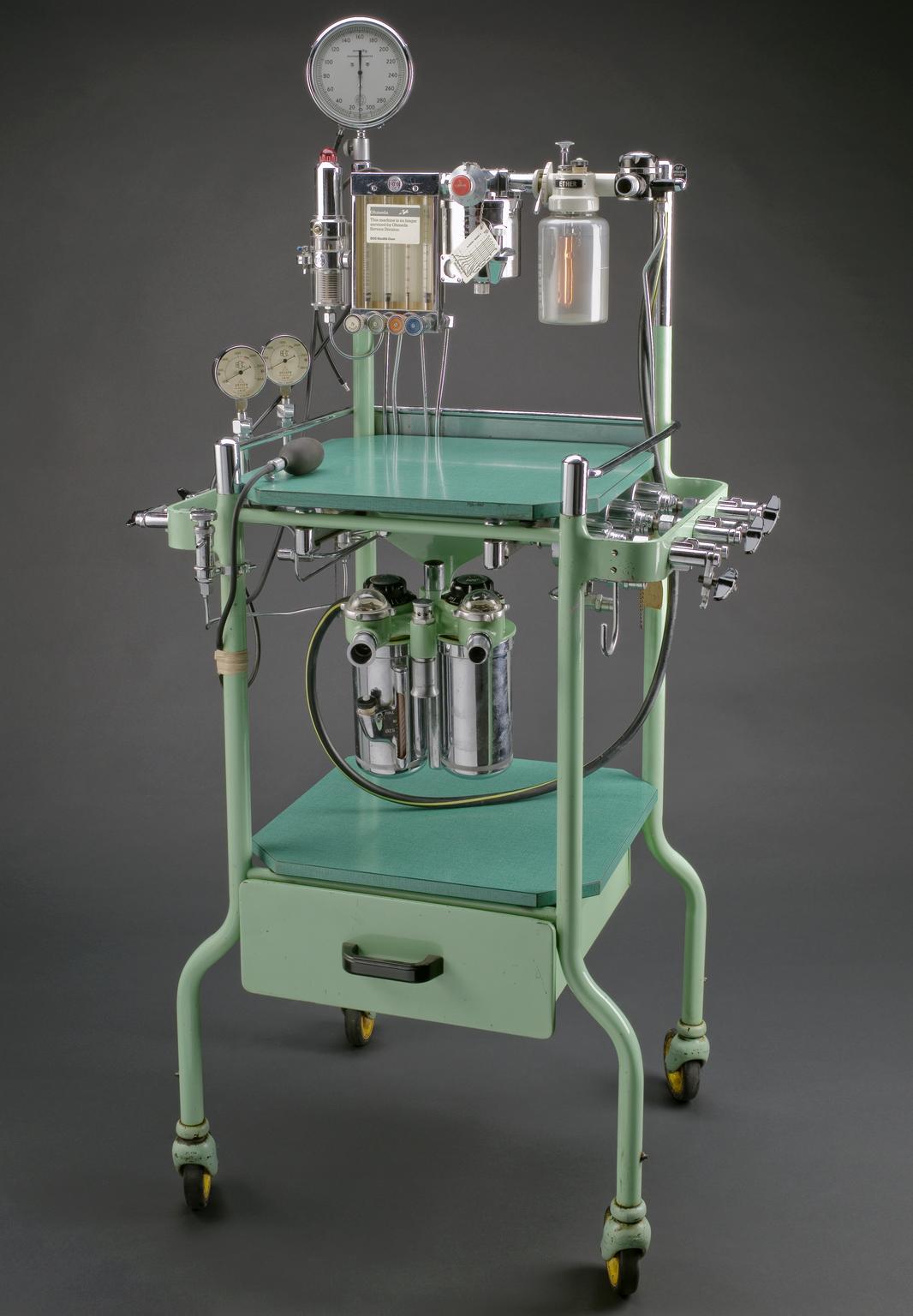
Boyle's-type anaesthetic machine, with sphygmomanometer, "Bosun" oxygen failure warning device, flowmeters, fluotec vaporizer, Boyle's-type ether vaporizer, absorber, and accessories, by British Oxygen Company Ltd., 1955-1965

Henry Gaskin Boyle’s 1917 anaesthetic machine was the basis for a range of British anaesthetic machines. This example has meters for measuring gas flow, an oxygen failure warning device and a sphygmomanometer to measure blood pressure. Made by The British Oxygen Co Ltd, the machine was used at Airedale General Hospital, West Yorkshire, England.

Details

Category:
Anaesthesiology
Object Number:
1986-1067
Materials:
steel and table tops, formica
Measurements:
overall: 1470 mm x 760 mm x 720 mm, 55 kg
base (wheels): 640 mm x 565 mm,
type:
anaesthetic machine
credit:
Airedale General Hospital

Parts

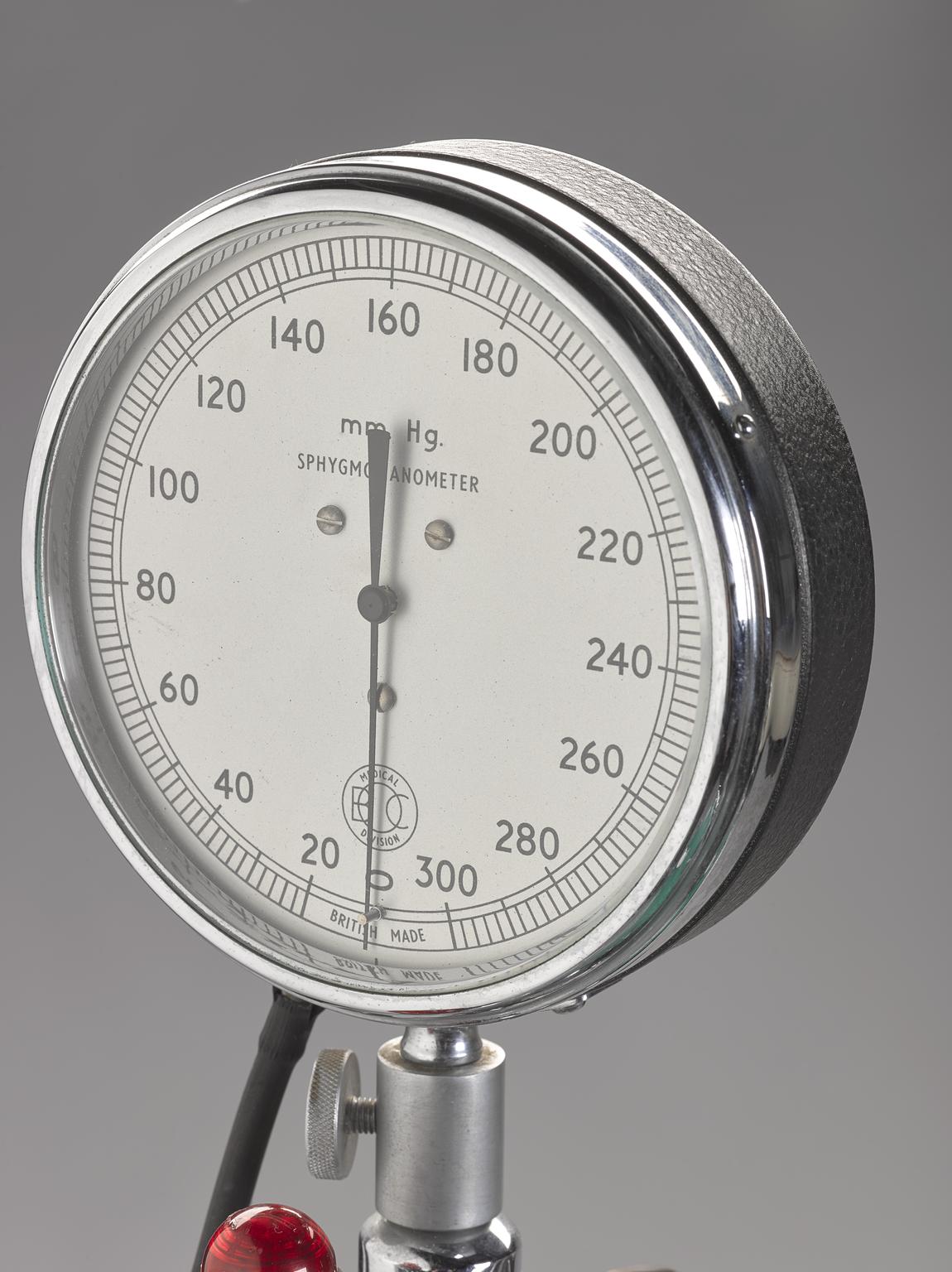
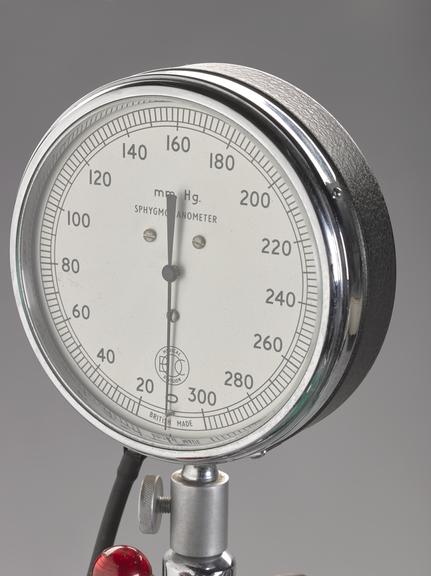
Sphygmomanometer for Boyle's anaesthetic machine

Sphygmomanometer for use on a Boyle's anaesthetic machine, by British Oxygen Company Ltd., 1955-1965

More

A sphygmomanometer measures blood pressure. An inflatable cuff is placed around a person's arm. It is inflated to cut off the blood flow and then deflated to release it. Measurements are taken to record the pressure at each point, giving a numerical reading.

Measurements:
diameter 150 mm
depth 45 mm
Materials:
dial, steel , dial, glass and tube, rubber
Object Number:
1986-1067 Pt1
type:
sphygmomanometer
Image ©
The Board of Trustees of the Science Museum

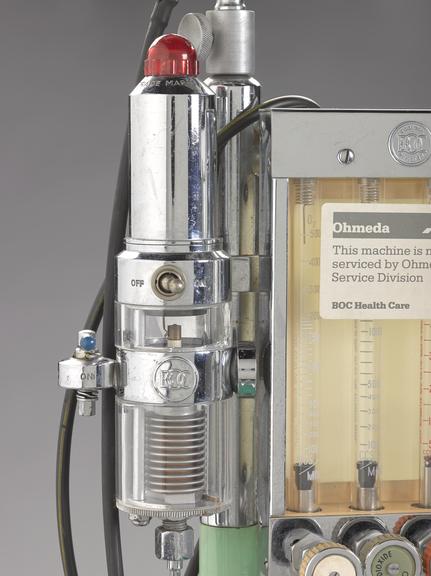
Oxygen failure warning device for use with anaesthetic machine

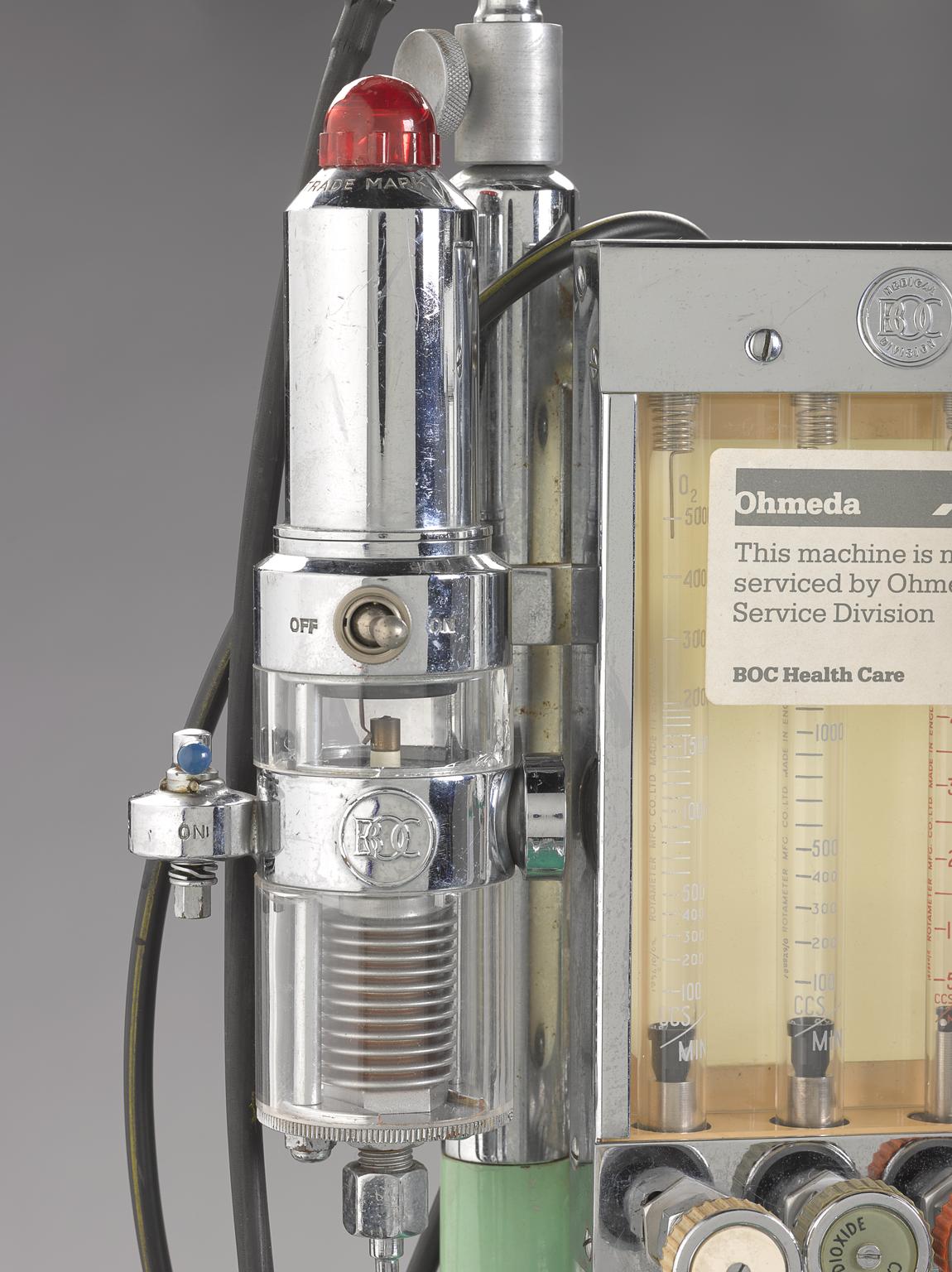
"Bosun" oxygen failure warning device, by British Oxygen Company Ltd., 1955-1965

More

When the oxygen levels being provided by cylinders dropped below a certain pressure, a battery powered red light came on. If nitrous oxide gas was impacted, an audible whistle sounded. Original designs of the ‘Bosun’ oxygen warning device could be turned off accidentally, so many users were advised to remove the tap lever to prevent this from happening.

When first introduced warning devices, critics thought the devices might lull anaesthetists into a false sense of security, relying on machines rather than their observations and clinical knowledge.

Measurements:
height 230 mm
diameter 60 mm
Materials:
steel and glass
Object Number:
1986-1067 Pt2
type:
anaesthetic machines
Image ©
The Board of Trustees of the Science Museum

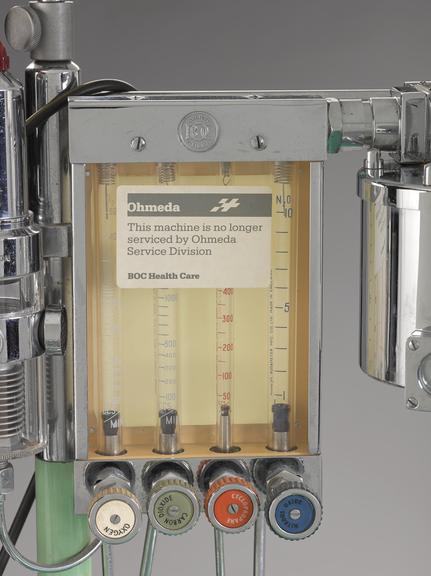
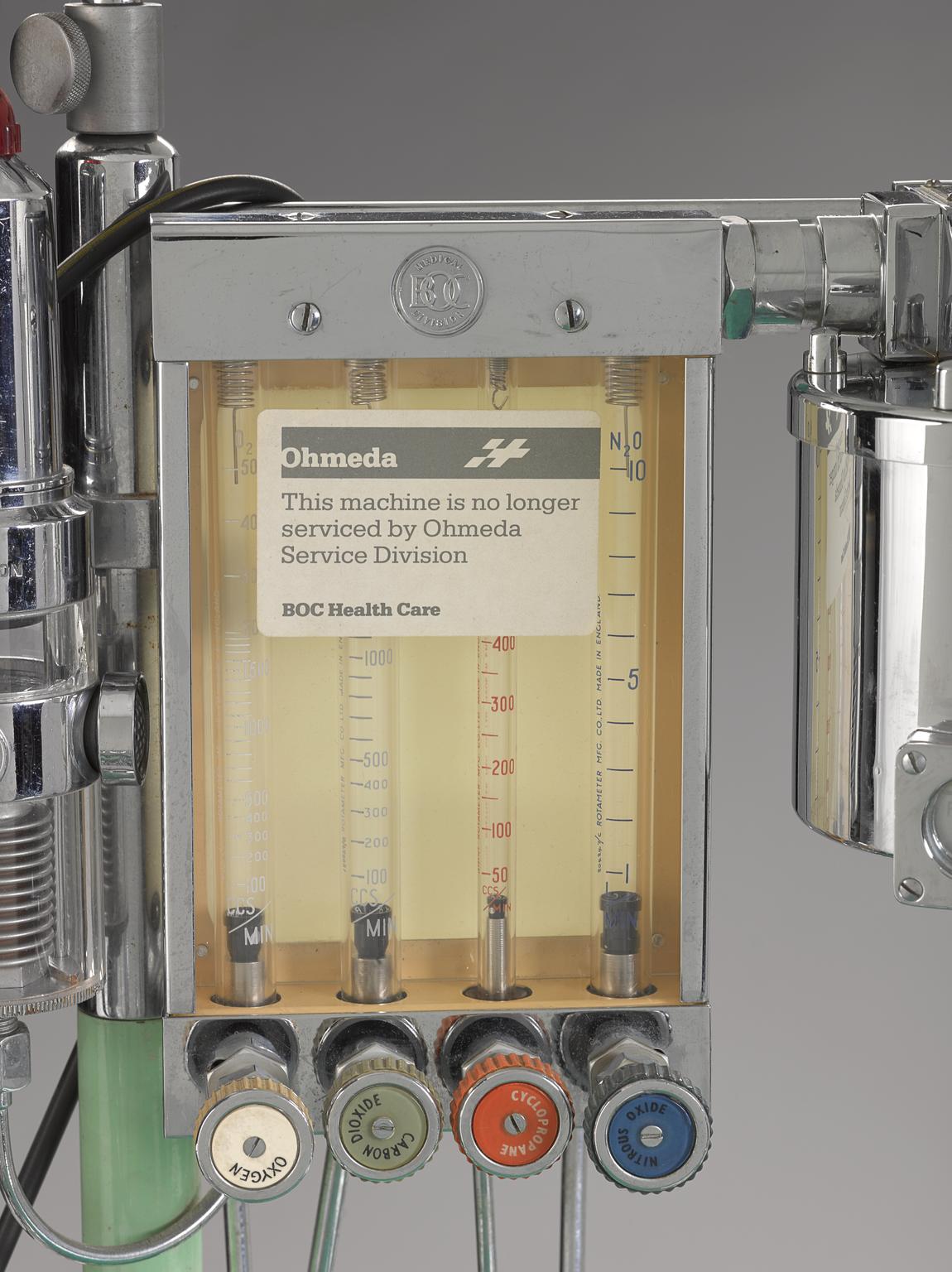
Flowmeter for use with Boyle's anaesthetic machine

Rotameter-type flowmeter, for oxygen, carbon dioxide, cyclopropane and nitrous oxide, by British Oxygen Company Ltd., 1955-1965

More

Rotameters are also known as 'a float in a tube.' On the outisde is a scale. Inside is a float, which is denser than the liquid or gas it is measuring.

Measurements:
height 210 mm
width 130 mm
depth 130 mm
Materials:
steel and plastic
Object Number:
1986-1067 Pt3
type:
anaesthetic machines
Image ©
The Board of Trustees of the Science Museum

Fluotec vaporizer for use with Boyle's anaesthetic machine

Fluotec mark 2 vaporizer, by Cyprane Ltd, 1955-1965 (still contains some fluothane)

More

Known by brand name Flutothane, this device converted a liquid anaesthetic called halothane into a gas that could be inhaled.

Measurements:
height 180 mm
diameter 120 mm
Materials:
steel and plastic
Object Number:
1986-1067 Pt4
type:
anaesthetic machines
Image ©
The Board of Trustees of the Science Museum

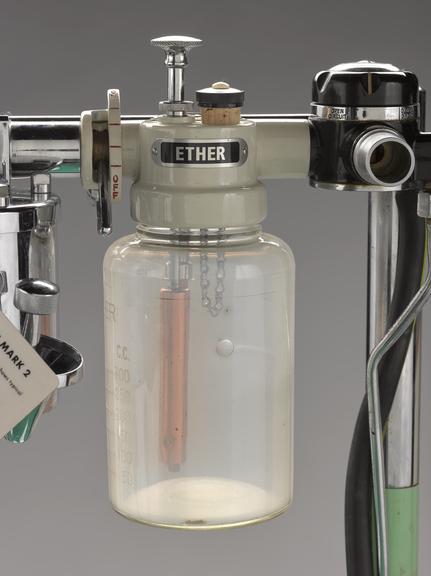
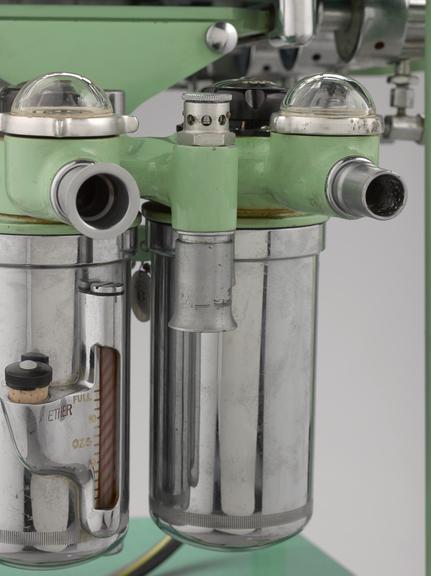
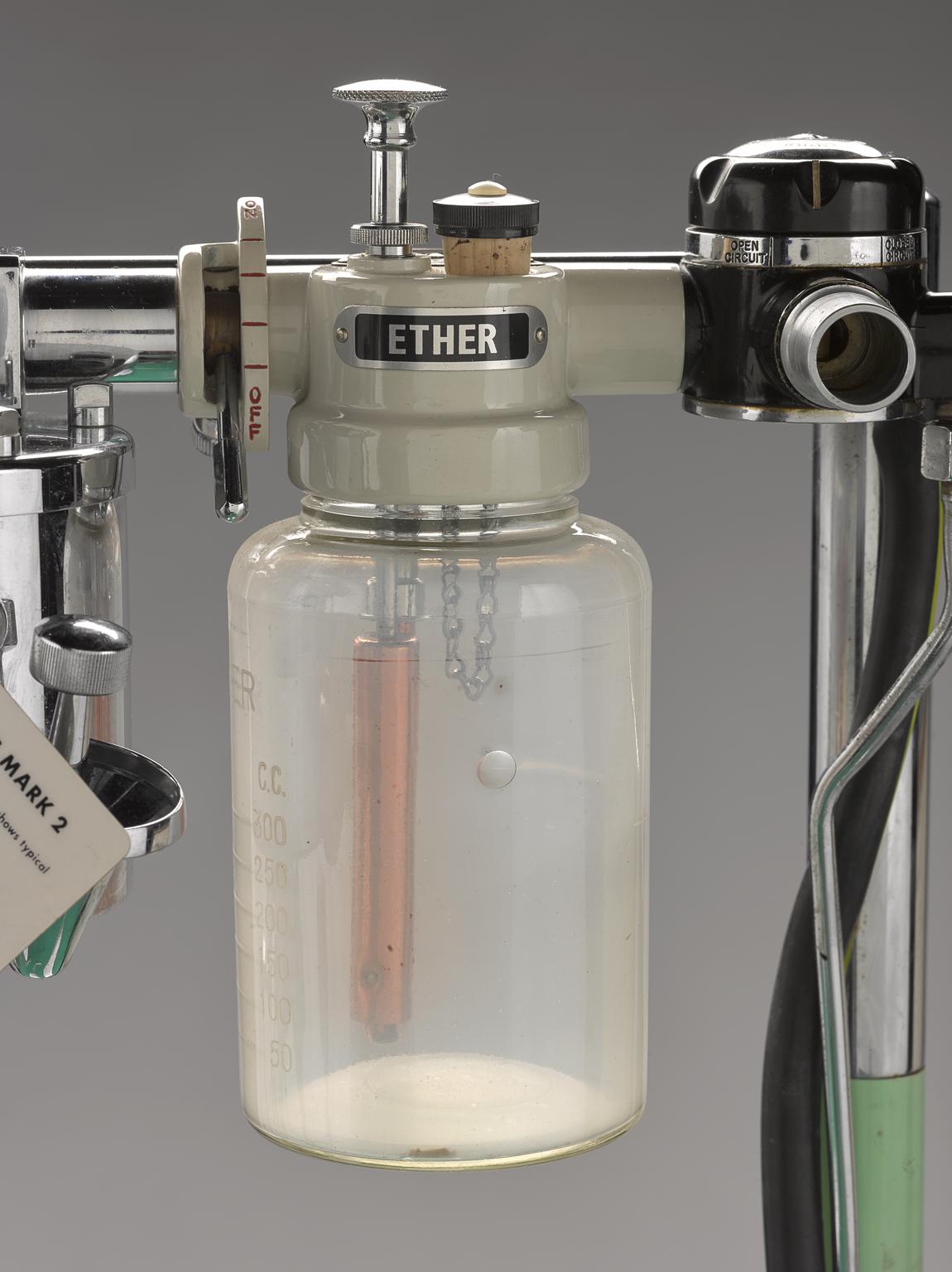
Ether vaporizer for use with Boyle's anaesthetic machine

Boyle's-bottle type ether vaporizer, by the British Oxygen Company Ltd., 19-- - 19-

More

Vaporising liquids into gases is one way that they can be given to patients. Ether was first used as an anaesthetic in 1846 during the removal of a tooth. By the 1960s it was replaced by more efficient anaesthetics.

Measurements:
height 265 mm
diameter 90 mm
Materials:
glass , steel and u-tube, copper
Object Number:
1986-1067 Pt5
type:
anaesthetic machines
Image ©
The Board of Trustees of the Science Museum

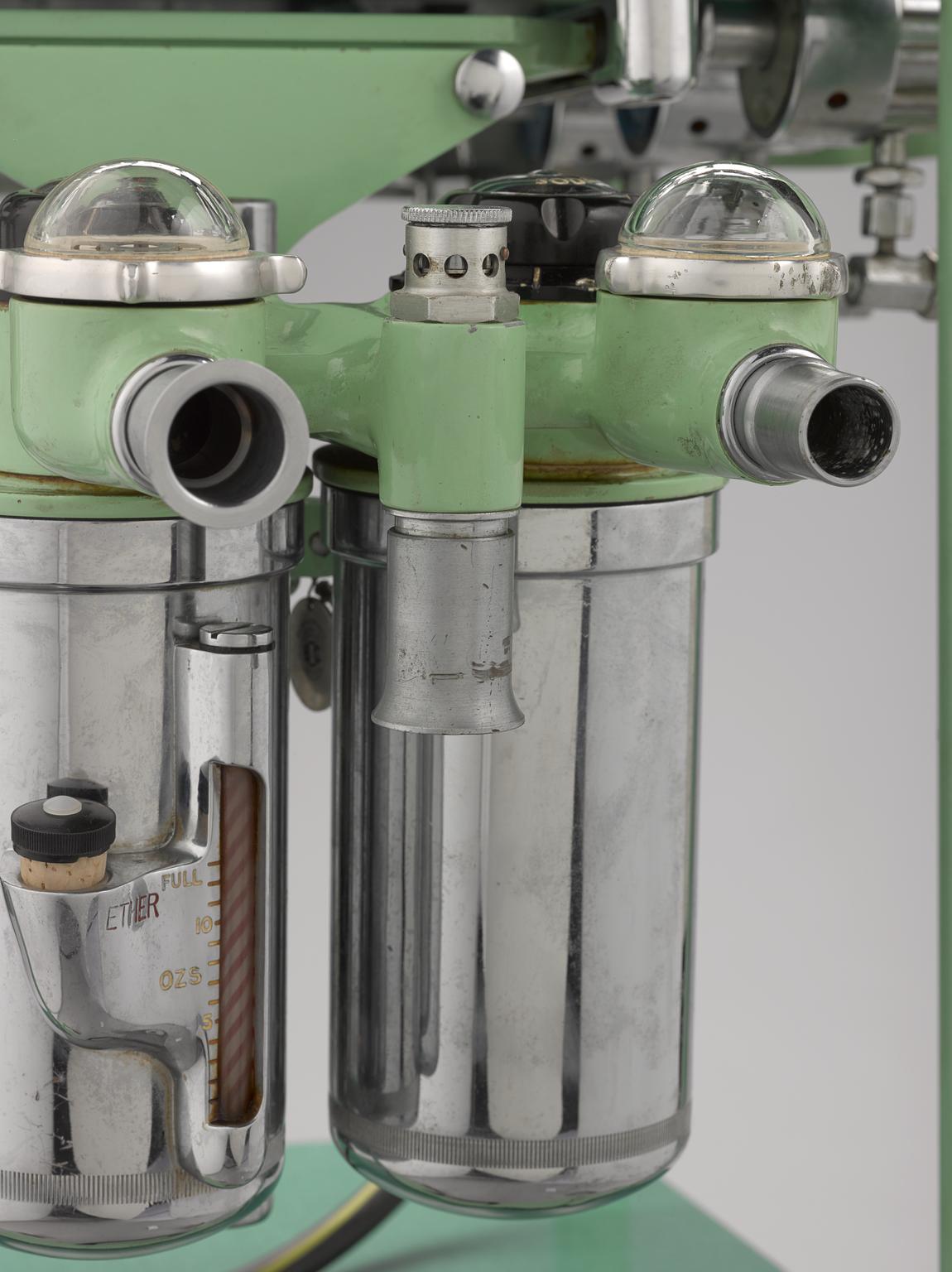
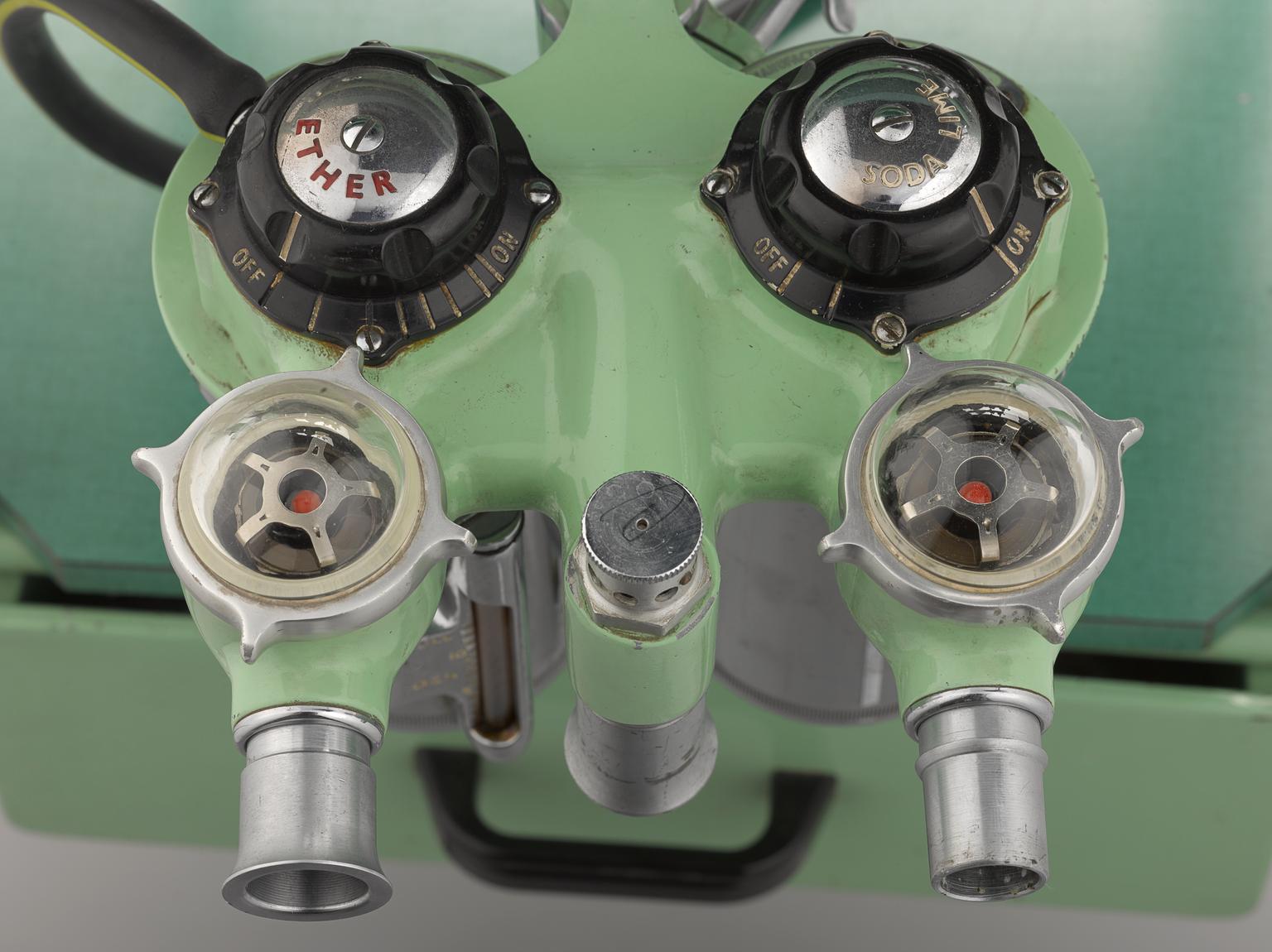
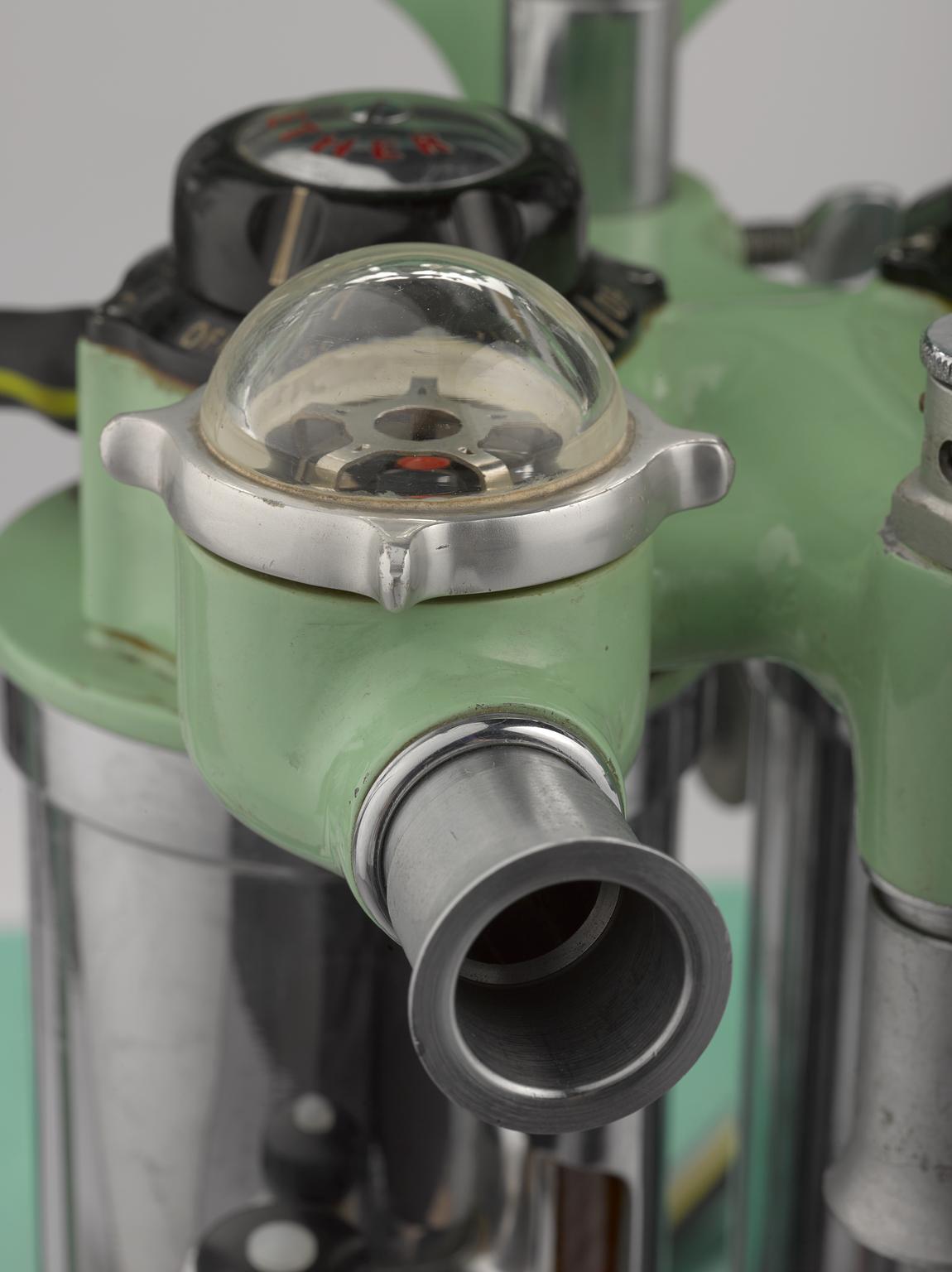
Circle absorber for use with anaesthetic machine

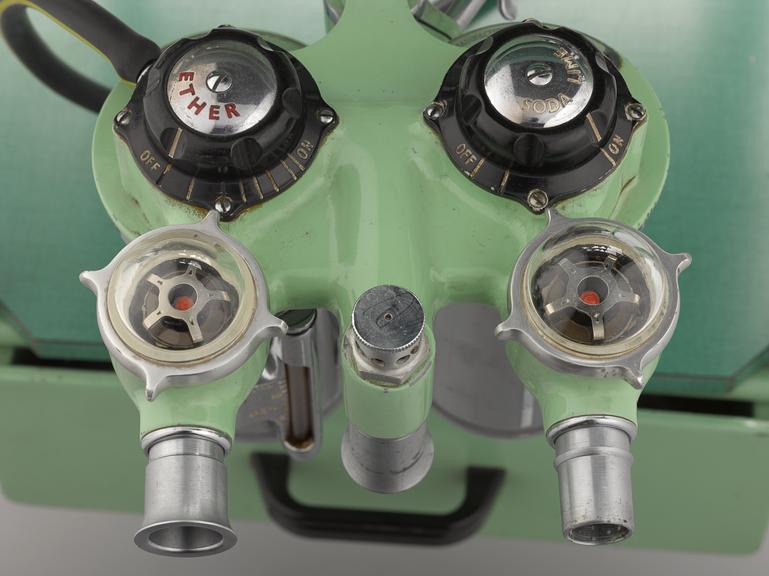
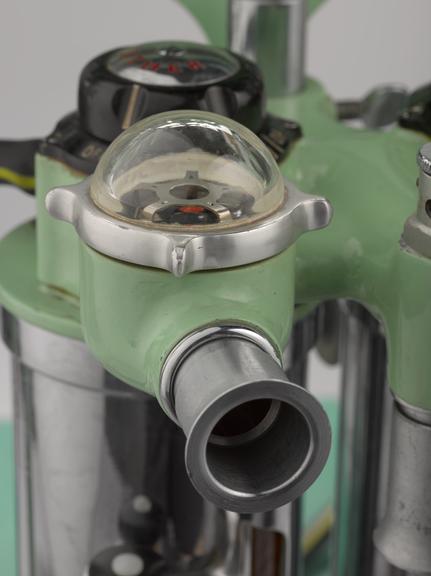
Boyle's-type circle absorber, one canister for ether, one canister for soda lime, by British Oxygen Engineering Ltd., 1955-1965

More

An absorber made from soda lime removes carbon dioxide from a closed or semi-closed breathing system.

Measurements:
height 290 mm
width 100 mm
depth 280 mm
Materials:
steel and glass
Object Number:
1986-1067 Pt6
type:
anaesthetic machines
Image ©
The Board of Trustees of the Science Museum

Boyle-type anaesthetic machine

Trolley with drawer for Boyle's-type anaesthetic machine, with sphygmomanometer, "Bosun" oxygen failure warning device, flowmeters, fluotec vaporizer, Boyle's-type ether vaporizer, absorber, and accessories, by British Oxygen Company Ltd., 1955-1965

More

Henry Gaskin Boyle’s 1917 anaesthetic machine was the basis for a range of British anaesthetic machines. This example has meters for measuring gas flow, an oxygen failure warning device and a sphygmomanometer to measure blood pressure. Made by The British Oxygen Co Ltd, the machine was used at Airedale General Hospital, West Yorkshire, England.

Measurements:
base (wheels): 640 mm x 565 mm,
overall: 1470 mm x 760 mm x 720 mm, 55 kg
Materials:
steel and table tops, formica
Object Number:
1986-1067/7
type:
anaesthetic machine
Image ©
The Board of Trustees of the Science Museum