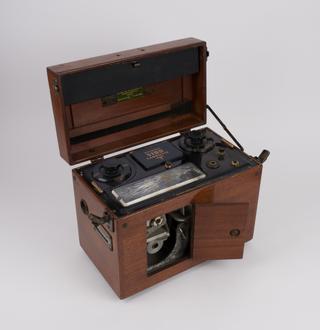
Counting chamber
Counting chamber
- Measurements:
-
length 57 mm
width 19 mm
- Materials:
- whole, glass
- Object Number:
- A600268 Pt1
- type:
- counting chambers
 This image is released under a CC BY-NC-SA 4.0
Licence
This image is released under a CC BY-NC-SA 4.0
Licence
License this image for commercial use at Science and Society Picture Library
LicenseThe first haemacytometer with leather case, described by L.C
Science Museum Group Collection
© The Board of Trustees of the Science Museum
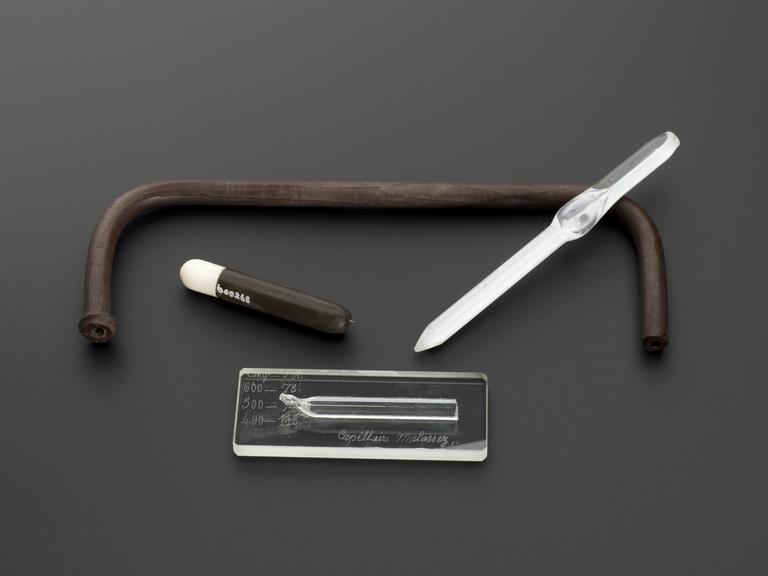
The first haemacytometer with leather case, described by L.C. Malassez, in 1874, French
This early haemacytometer is a simple device. It consists of a microscope slide marked into squares. A blood sample was diluted and placed on the slide. The red cells in the squares are then counted through a microscope. An increase or decrease in blood cells in the blood can indicate disease within the body. A low level of red blood cells is called anemia. A high level of red blood cells is called Polycythemia. The haemacytometer was devised by French physiologist Louis-Charles Malassez. This example is the original instrument described by Malassez. It was made by Verick in Paris.
Counting chamber
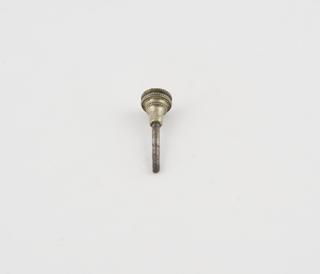
Pin with handle
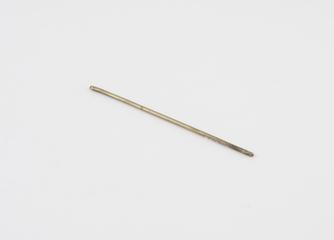
Capillary pipette and pipette
Tube
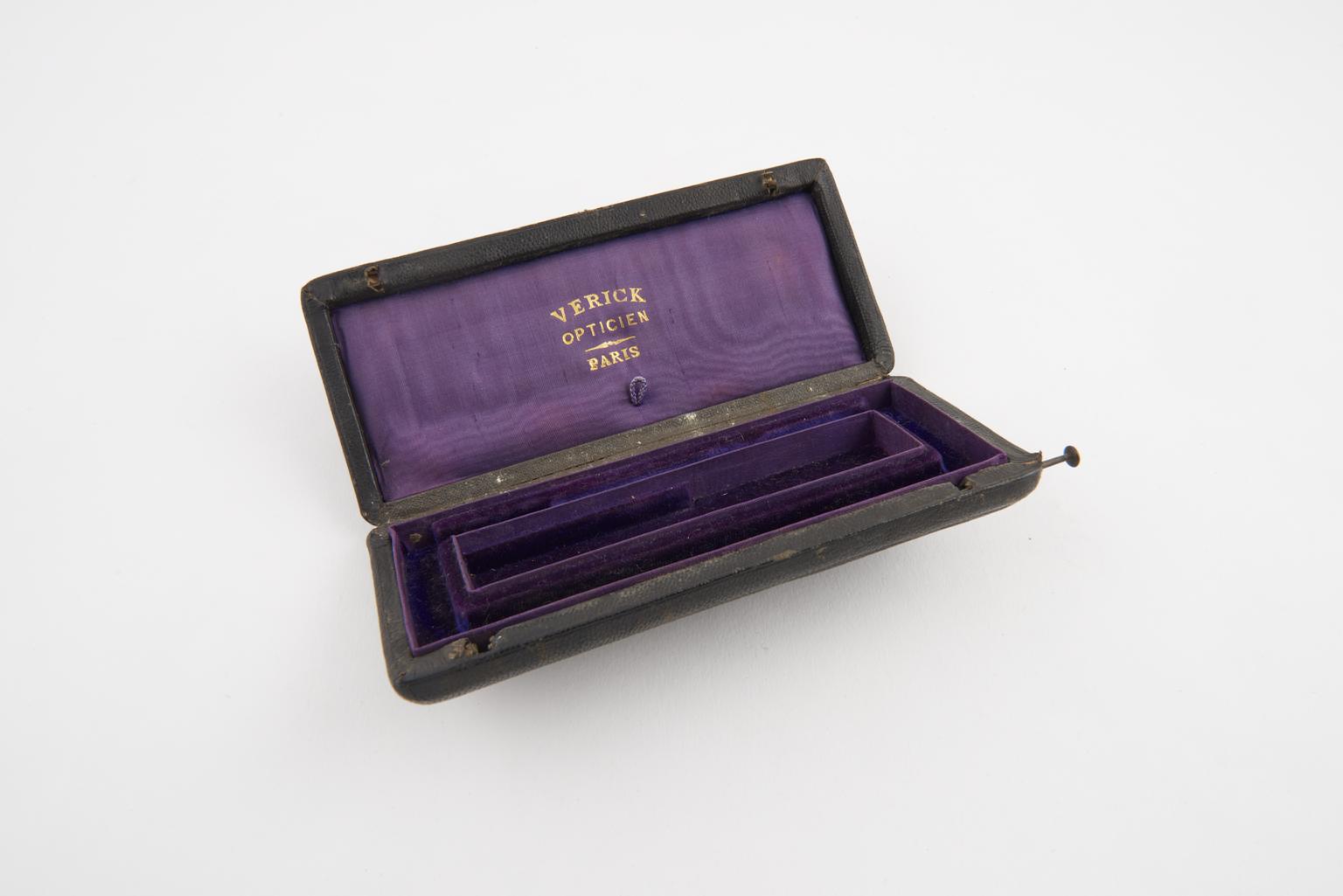
Leather case for the first haemacytometer, described by C.L. Malassez, in 1874, French