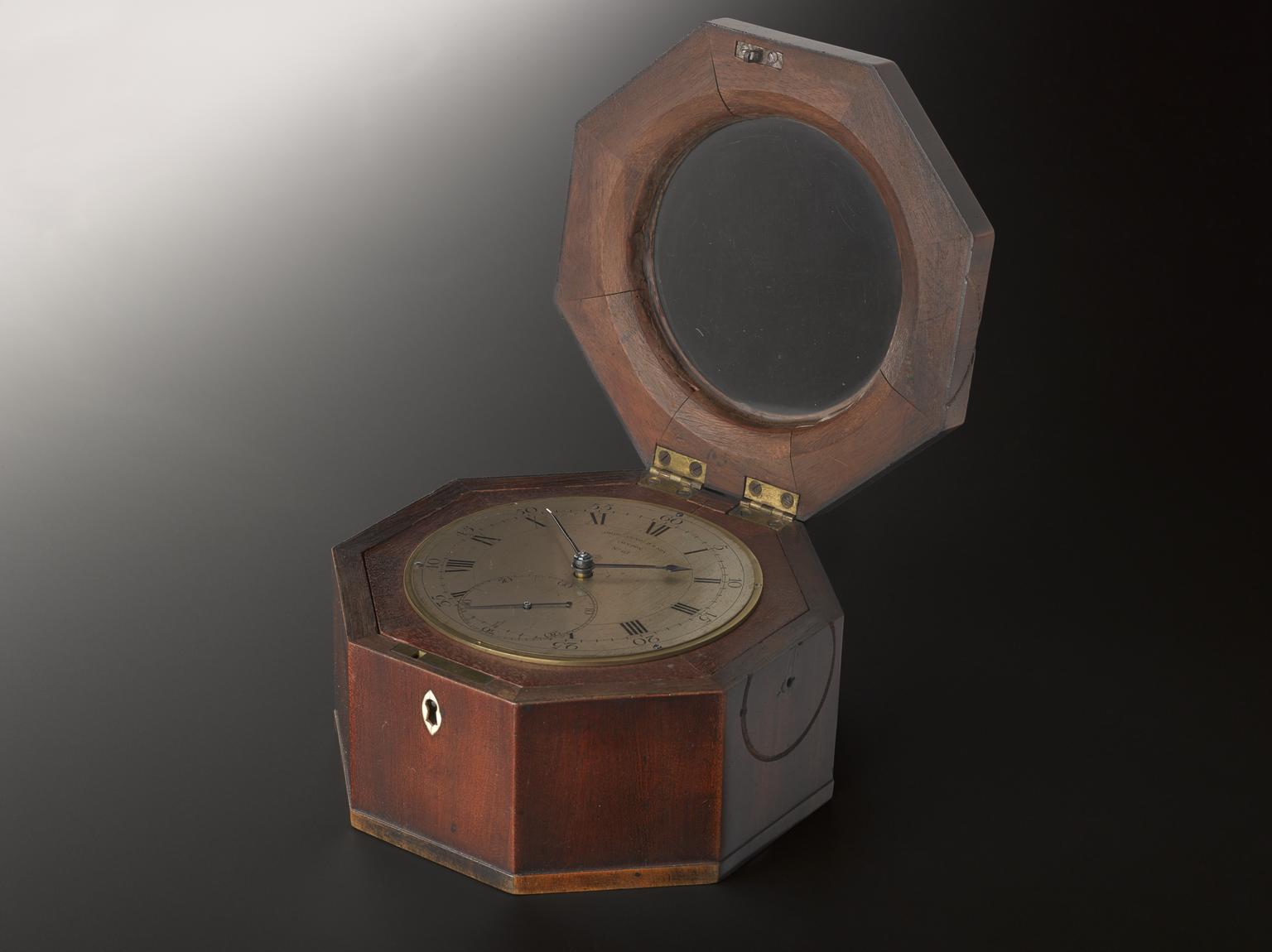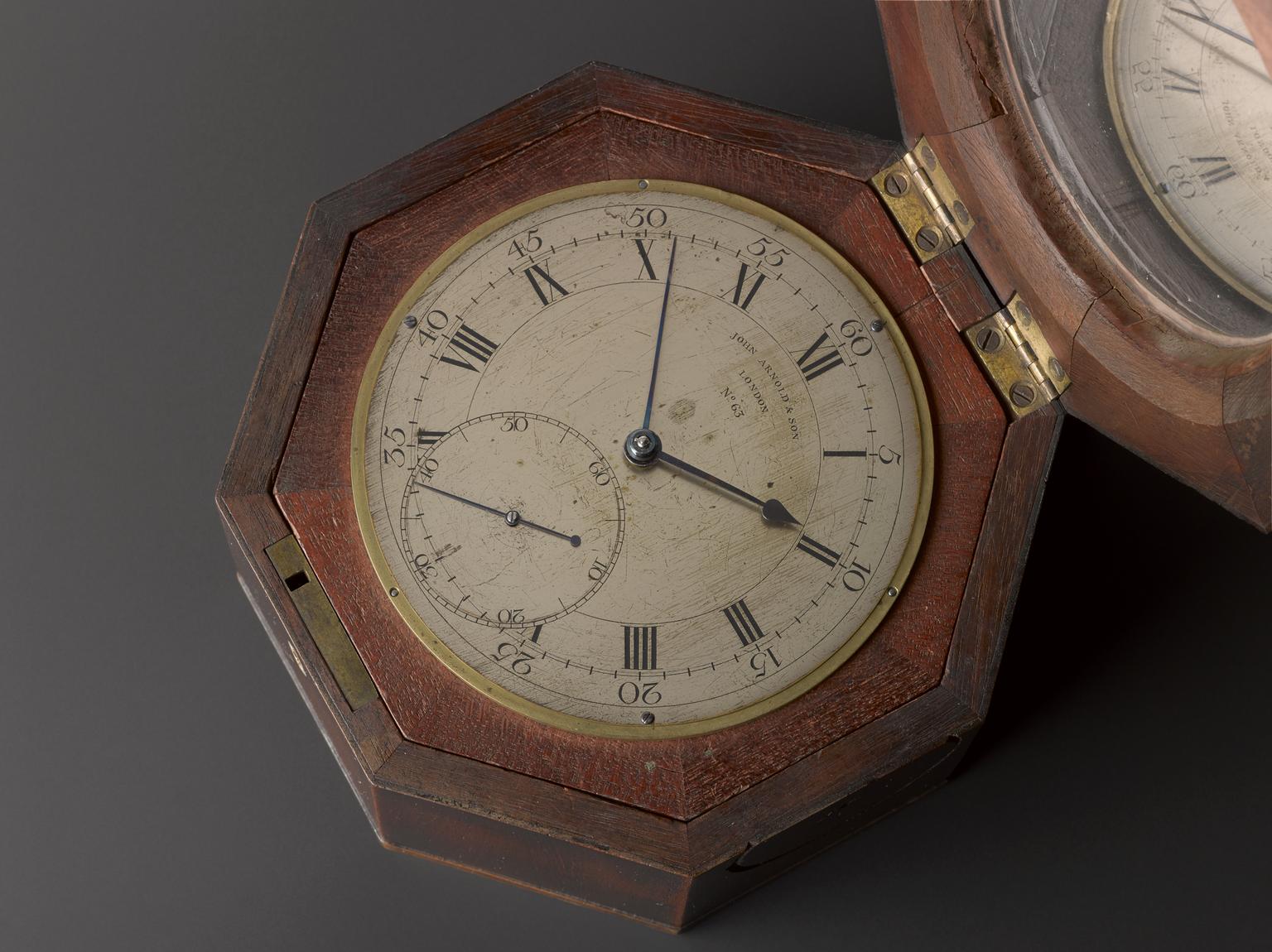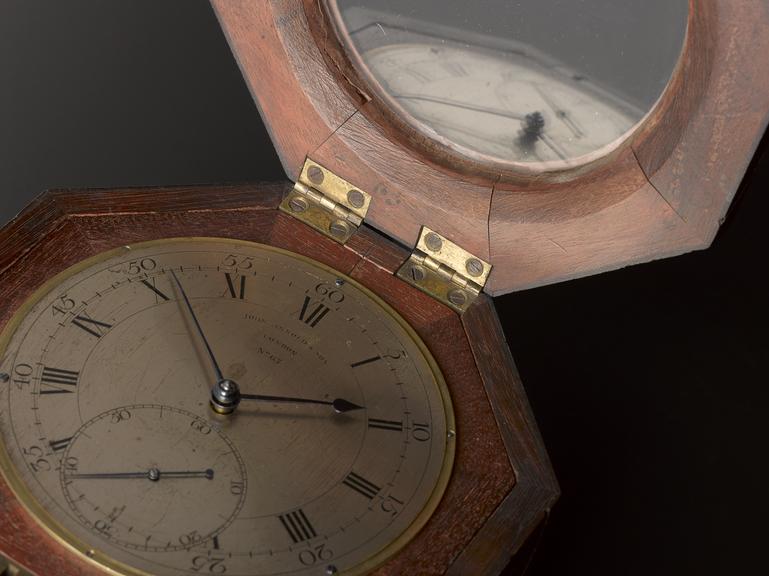
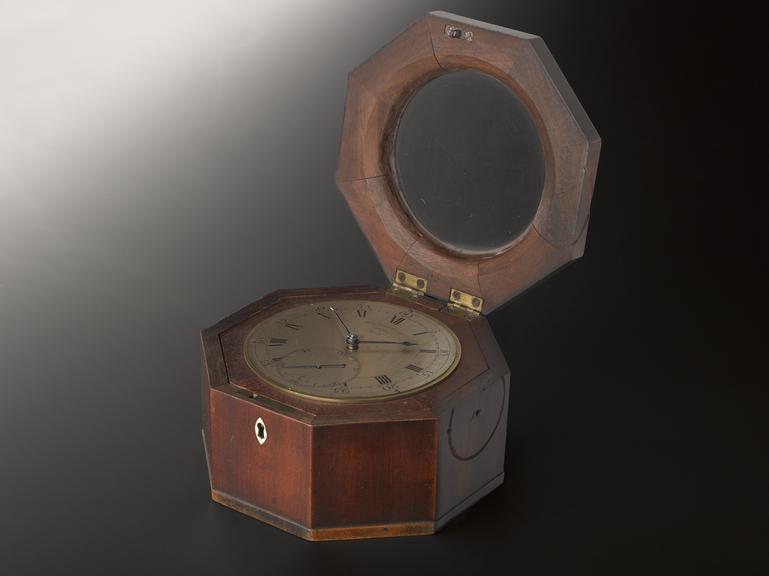
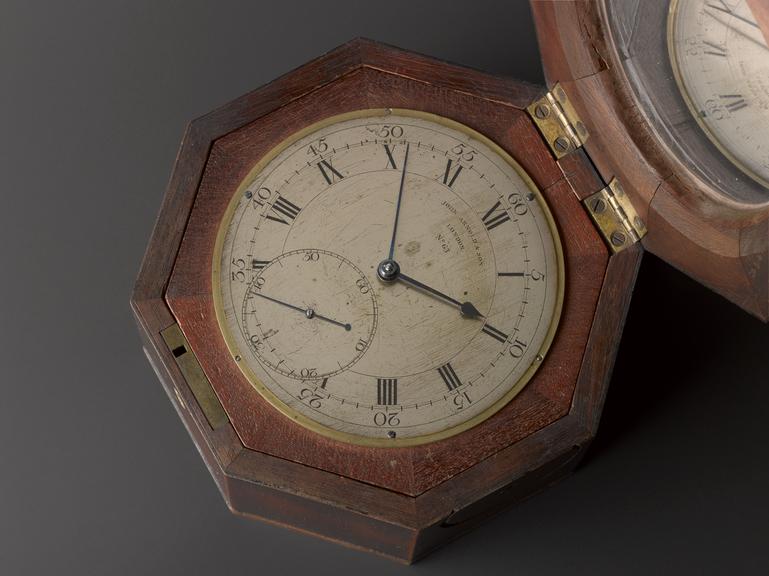
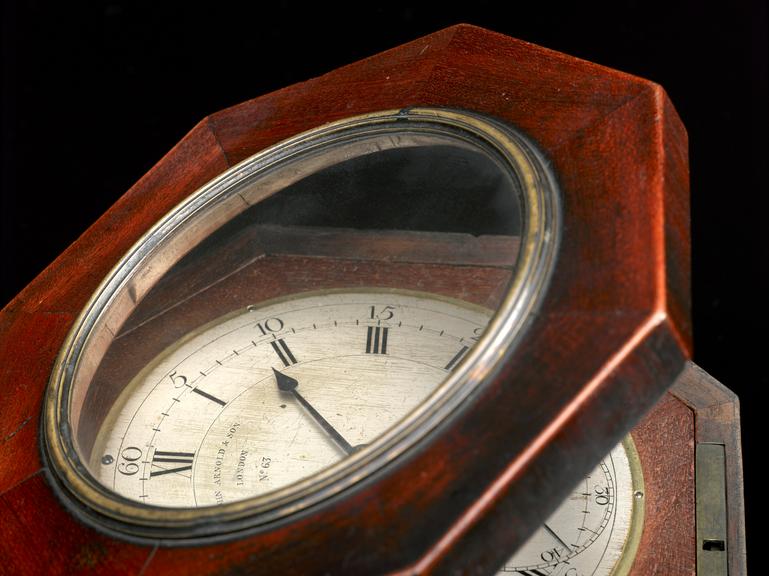
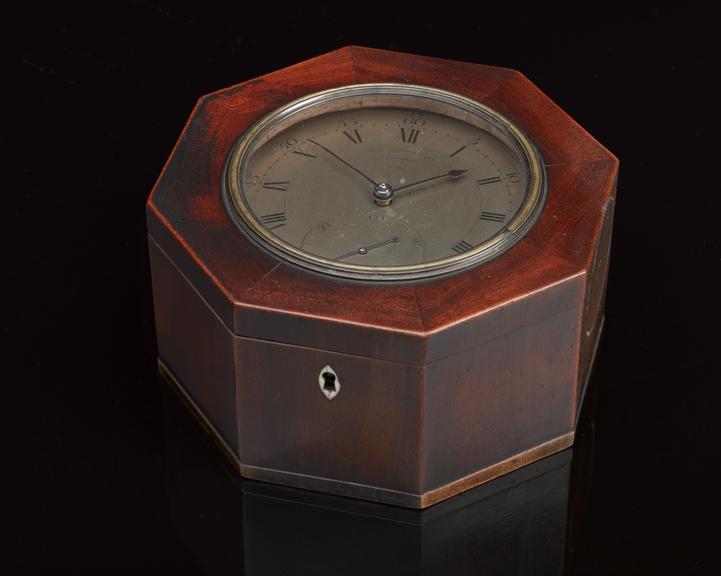

Two-day marine chronometer by John Arnold and Son (No 63)

Two-day marine chronometer by John Arnold and Son (No 63) Two-day marine chronometer by John Arnold and Son (No 63) Two-day marine chronometer by John Arnold and Son (No 63) Two-day marine chronometer by John Arnold and Son (No 63) Two-day marine chronometer by John Arnold and Son (No 63)

Creative Commons LicenseThis image is released under a CC BY-NC-SA 4.0 Licence

License this image for commercial use at Science and Society Picture Library

License

Creative Commons LicenseThis image is released under a CC BY-NC-SA 4.0 Licence

License this image for commercial use at Science and Society Picture Library

License

Creative Commons LicenseThis image is released under a CC BY-NC-SA 4.0 Licence

License this image for commercial use at Science and Society Picture Library

License

License this image for commercial use at Science and Society Picture Library

License

License this image for commercial use at Science and Society Picture Library

License

Science Museum Group Collection
© The Board of Trustees of the Science Museum, London

Science Museum Group Collection
© The Board of Trustees of the Science Museum, London
Science Museum Group Collection
© The Board of Trustees of the Science Museum, London
Science Museum Group Collection
© The Board of Trustees of the Science Museum, London
Science Museum Group Collection
© The Board of Trustees of the Science Museum, London
Two-day marine chronometer by John Arnold and Son (No 63), with inner and outer cases

Details

Category:
Time Measurement
Object Number:
1879-31
Materials:
gold, coil (spiral object), chronological, springs (elastic objects), timer, regulating and equilibrium
type:
marine chronometer
credit:
On loan from Charles Frodsham & Co. Ltd, London.

Parts

Marine chronometer by John Arnold and Son, 1787-1799

Two-day marine chronometer (No 63) by John Arnold and Son, Cornhill, London, 1787-1799.

More

Finding longitude at sea had long been a concern for navigators. Chronometers, first devised by John Harrison in the mid-1700s, kept a record of time at the Royal Observatory, Greenwich. When navigators compared this with local time at sea, determined from observations of the Sun or stars, they were able to find their longitude. John Arnold was one of Britain’s leading makers of chronometers at the end of the 1700s.

Measurements:
diameter: 120mm
height: 75mm
weight: 1.095kg
weight: 2.41407lbs
overall (in case, as displayed): 85 mm x 162 mm x 162 mm, 1.813 kg
Materials:
brass (copper, zinc alloy) , steel (metal) , glass and wood (unidentified)
Object Number:
1879-31 Pt1
type:
marine chronometer
Image ©
The Board of Trustees of the Science Museum, London
Marine chronometer by John Arnold and Son, 1787-1799

Marine chronometer by John Arnold and Son, 1787-1799

Outer case for two-day marine chronometer (No 63) by John Arnold and Son, Cornhill, London, 1787-1799.

More

Finding longitude at sea had long been a concern for navigators. Chronometers, first devised by John Harrison in the mid-1700s, kept a record of time at the Royal Observatory, Greenwich. When navigators compared this with local time at sea, determined from observations of the Sun or stars, they were able to find their longitude. John Arnold was one of Britain’s leading makers of chronometers at the end of the 1700s.

Measurements:
overall: 230 x 235 x 235 mm
Materials:
leather
Object Number:
1879-31 Pt3
type:
instrument component and chronometer