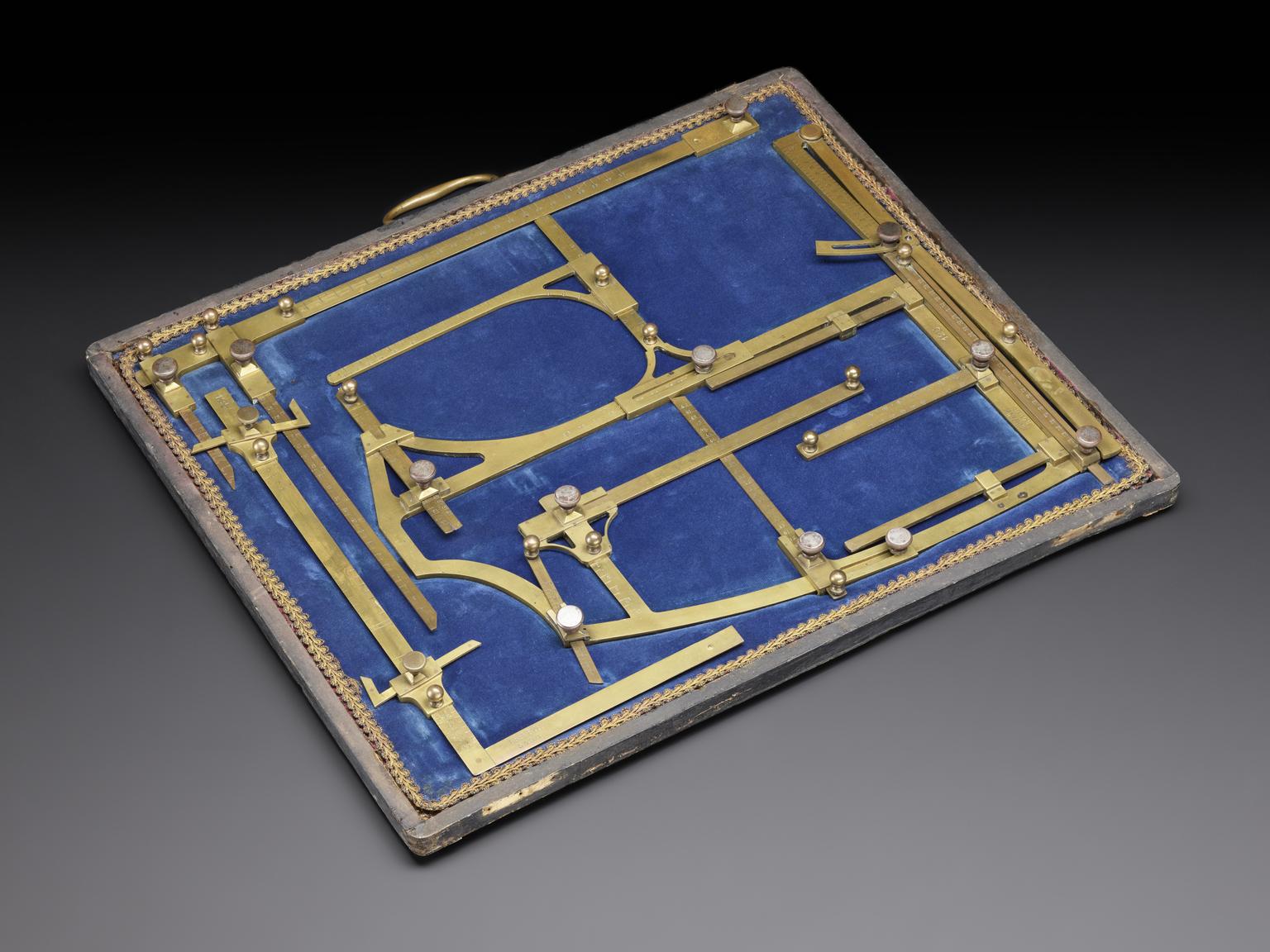
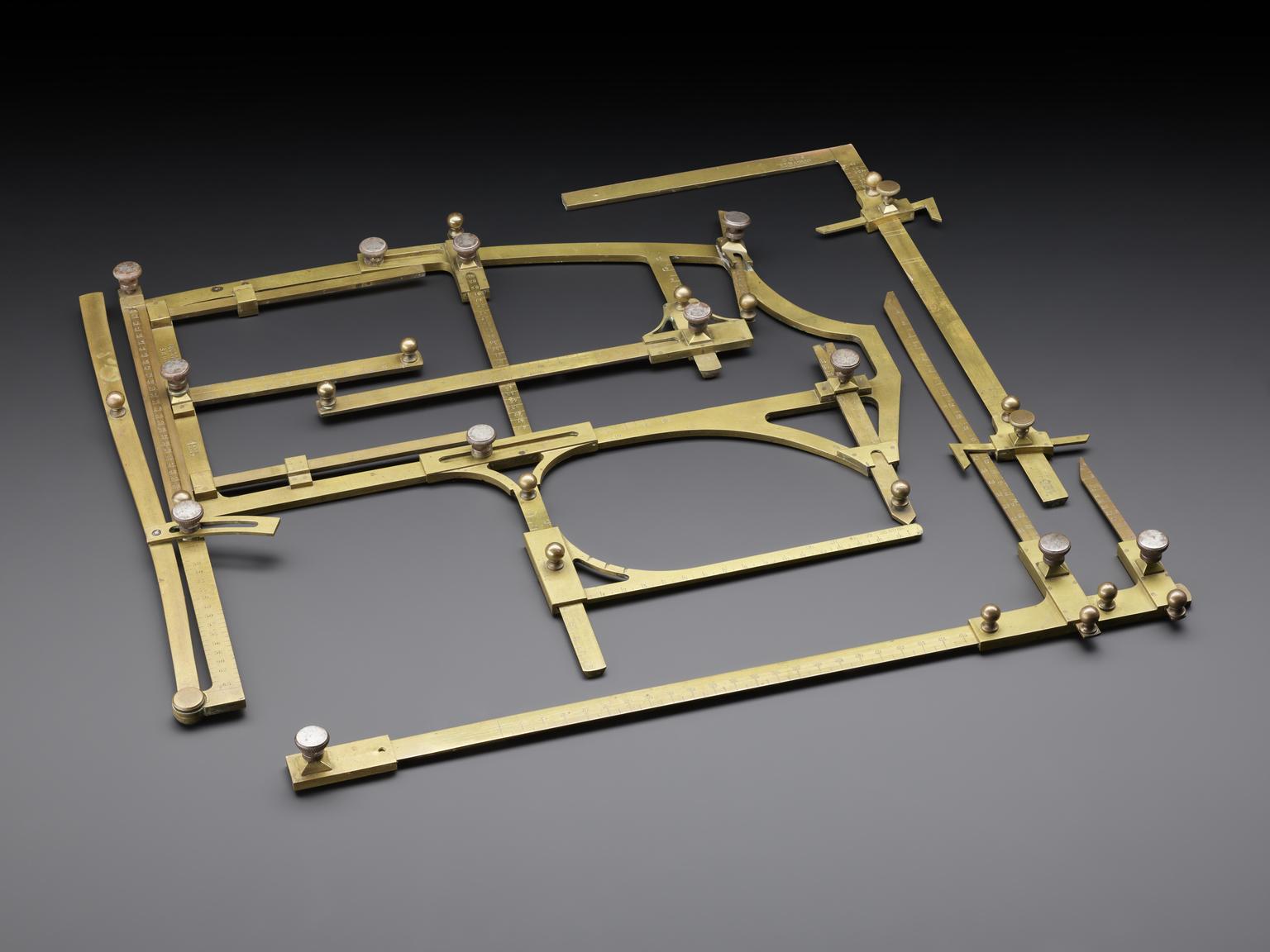
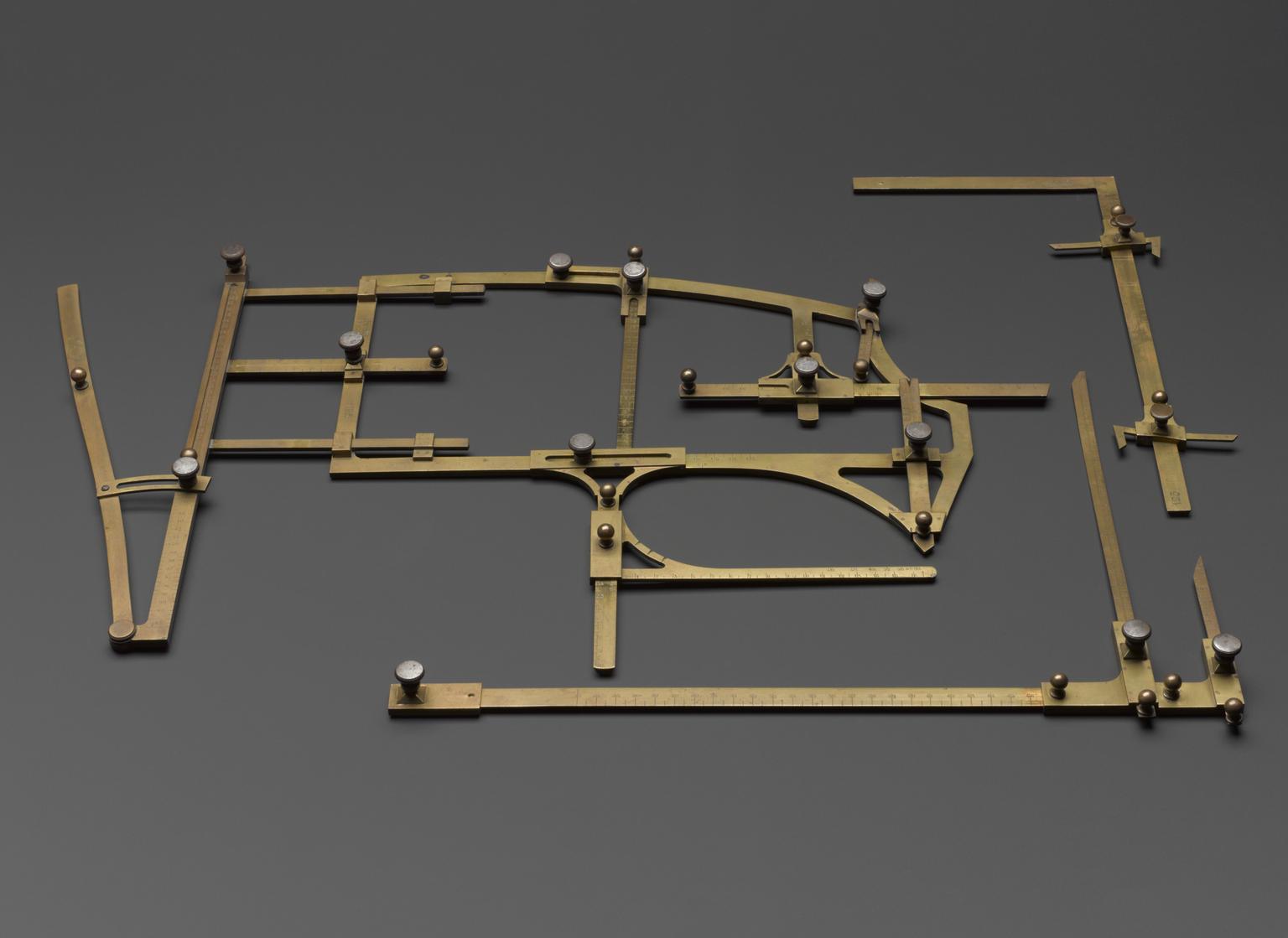
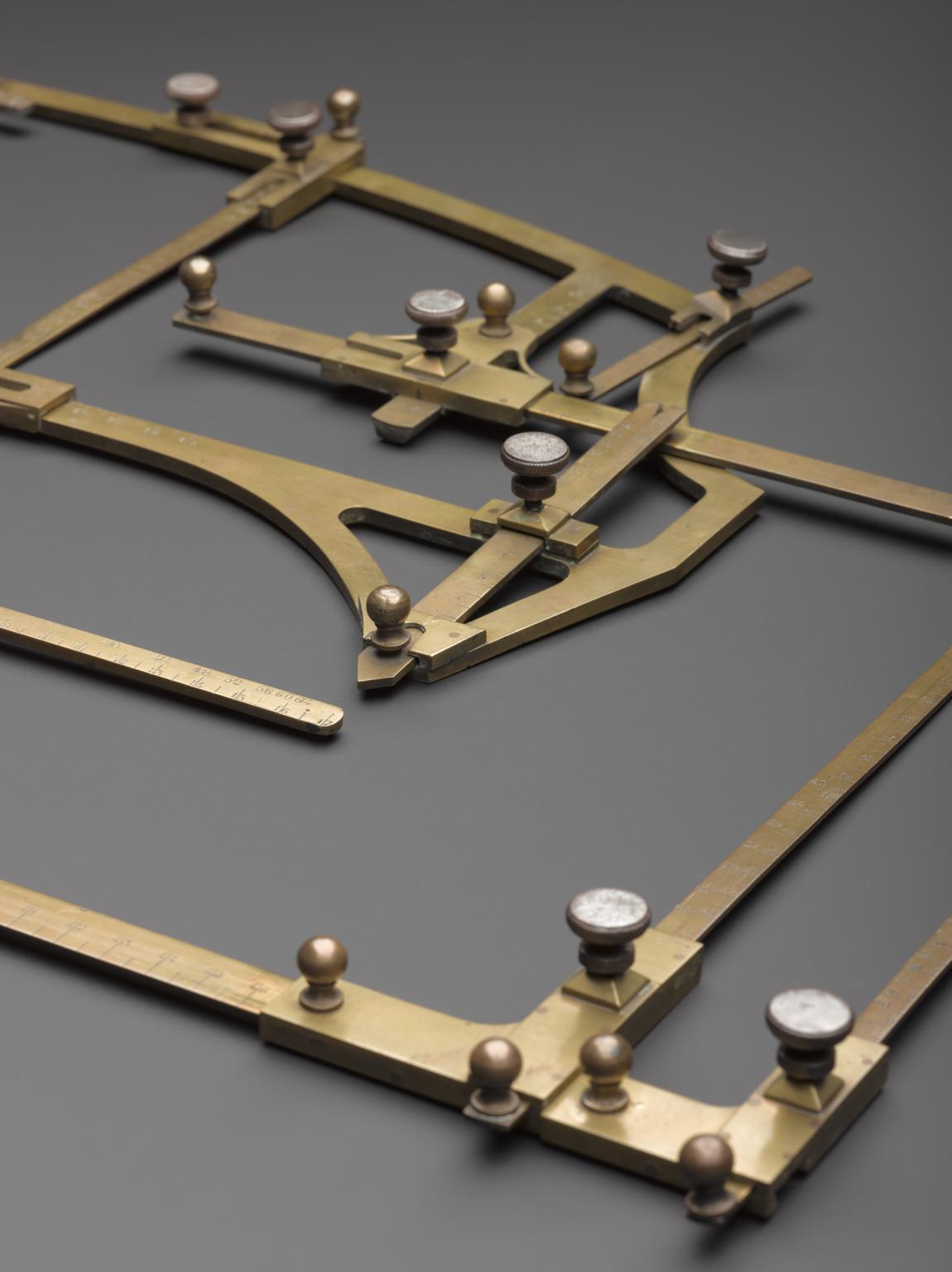
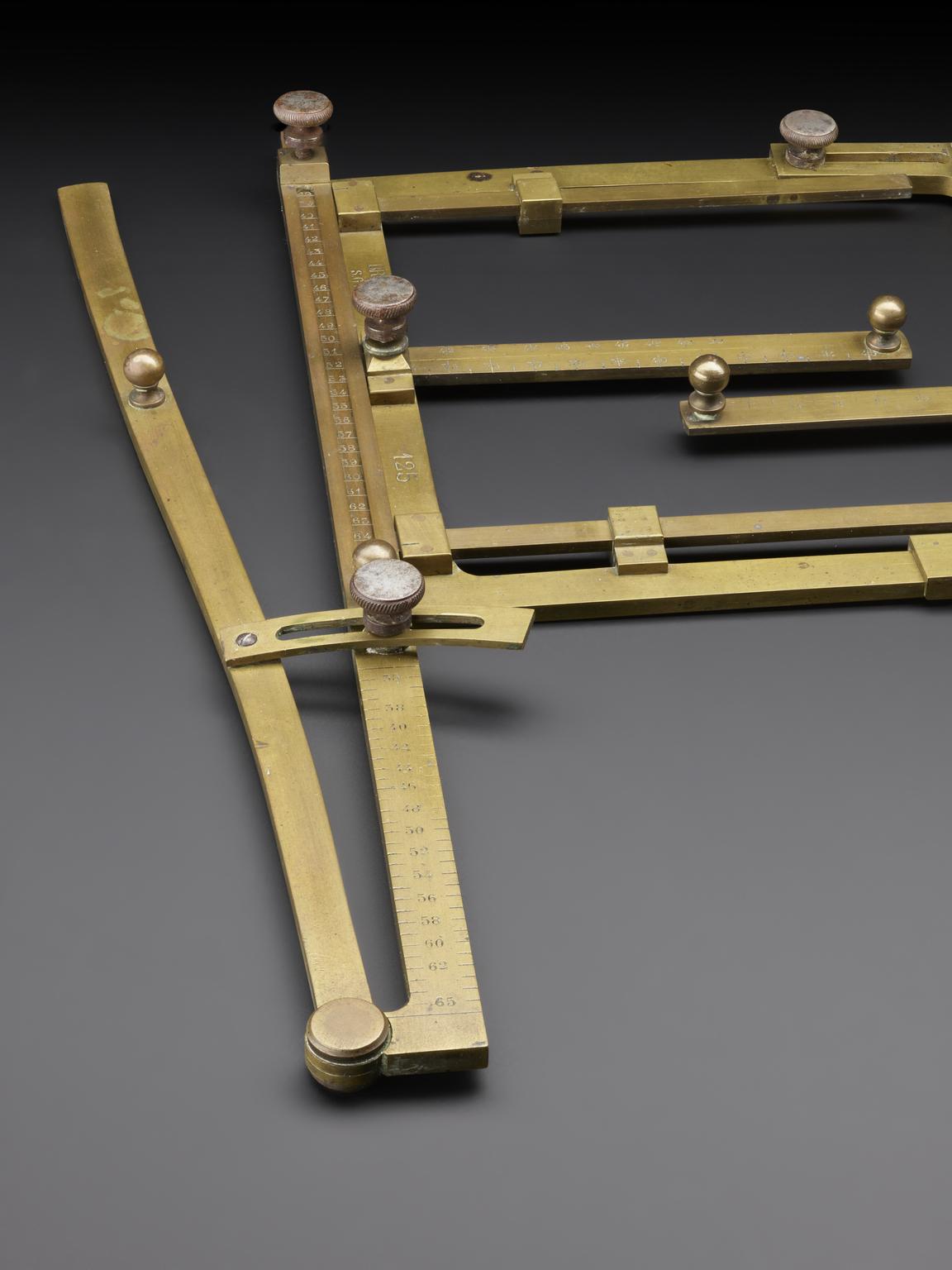
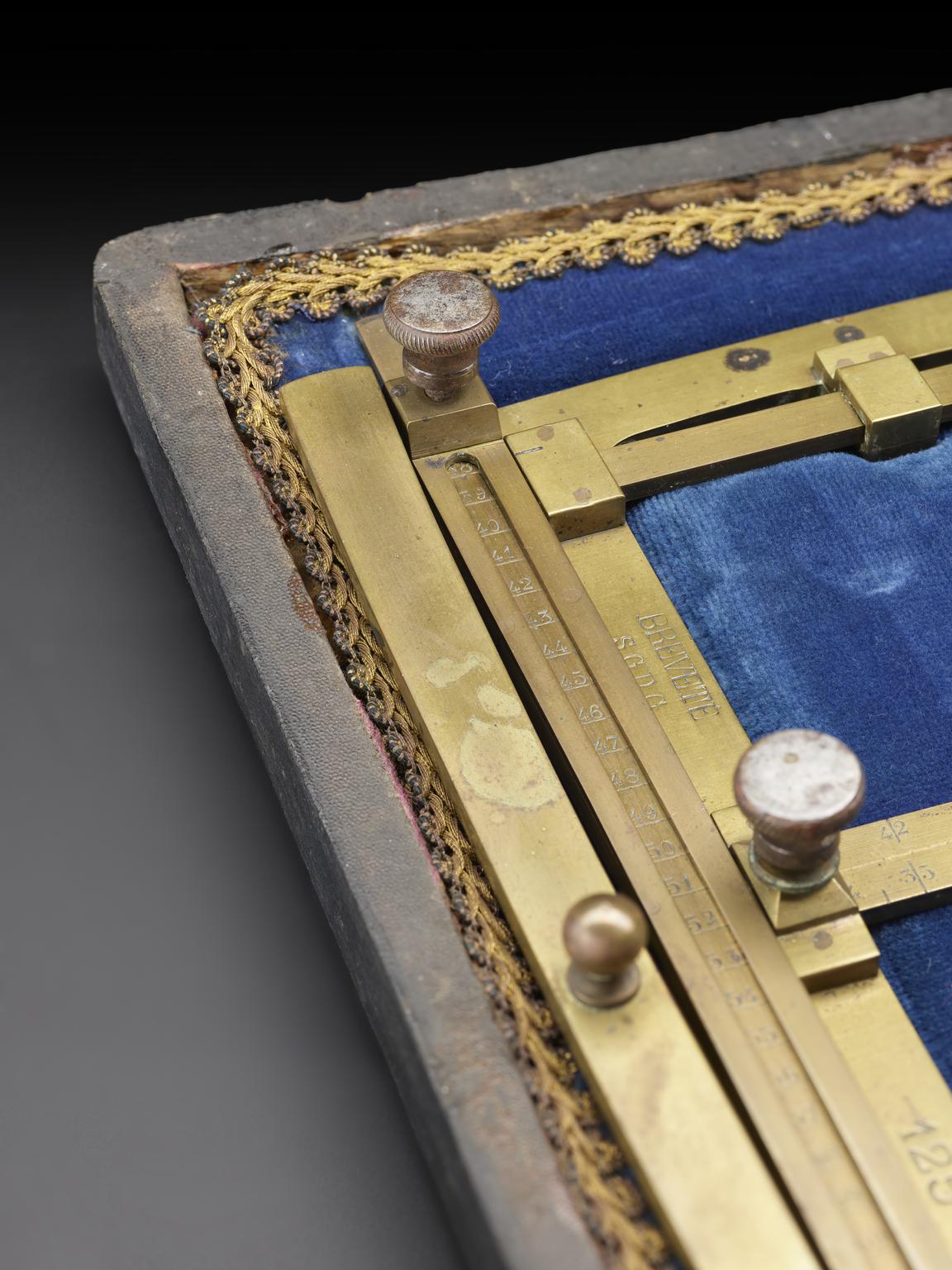
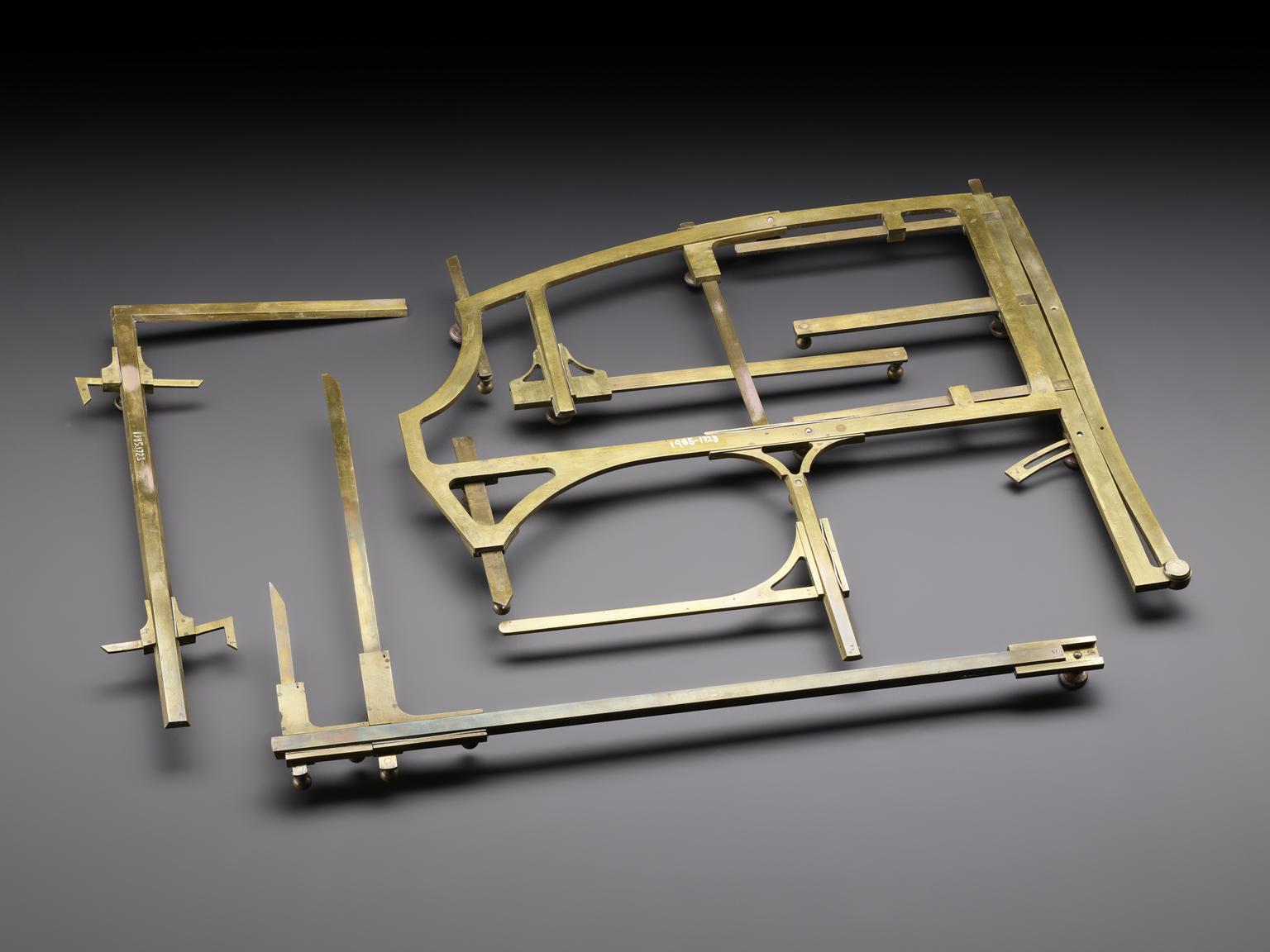
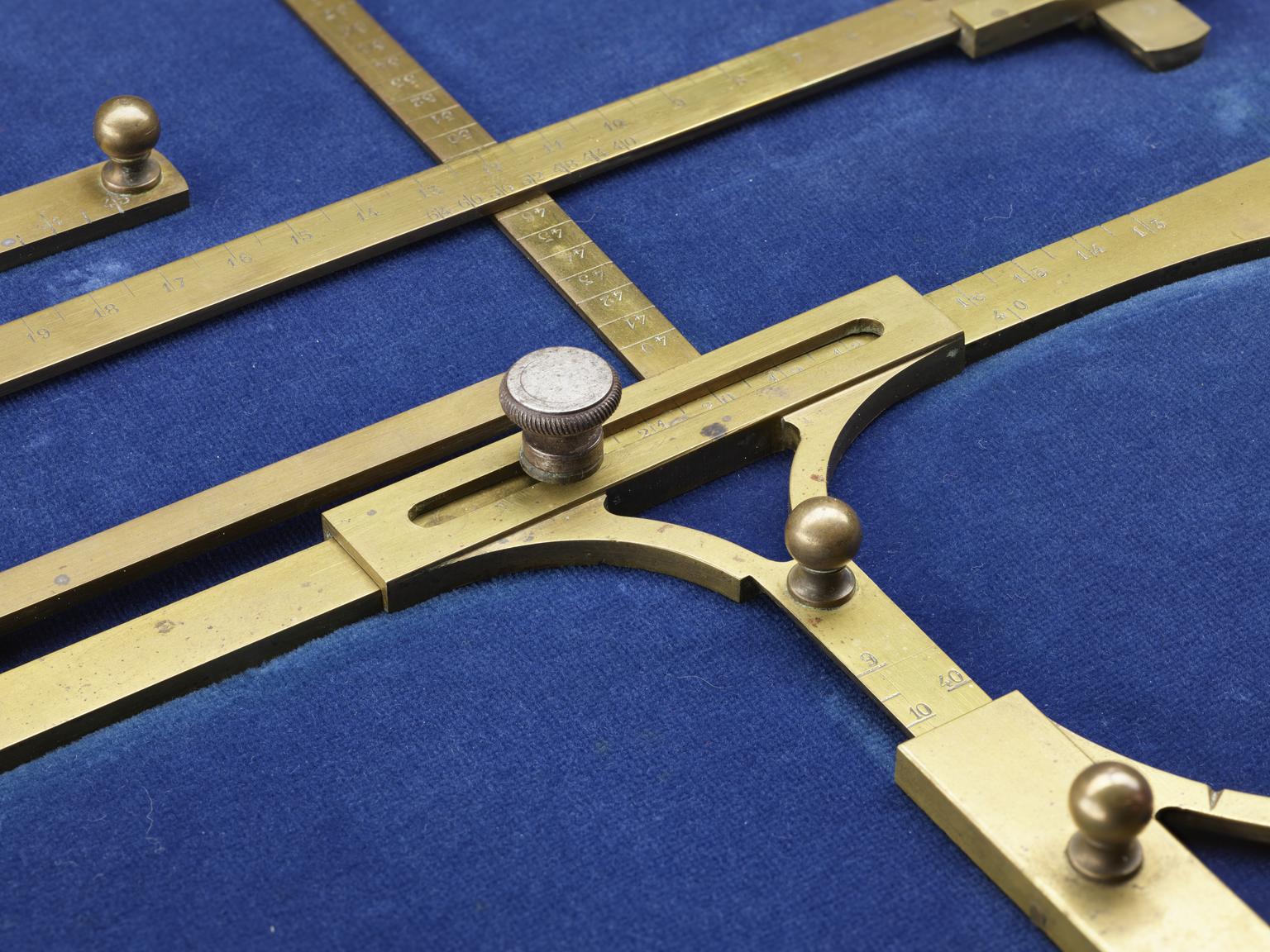
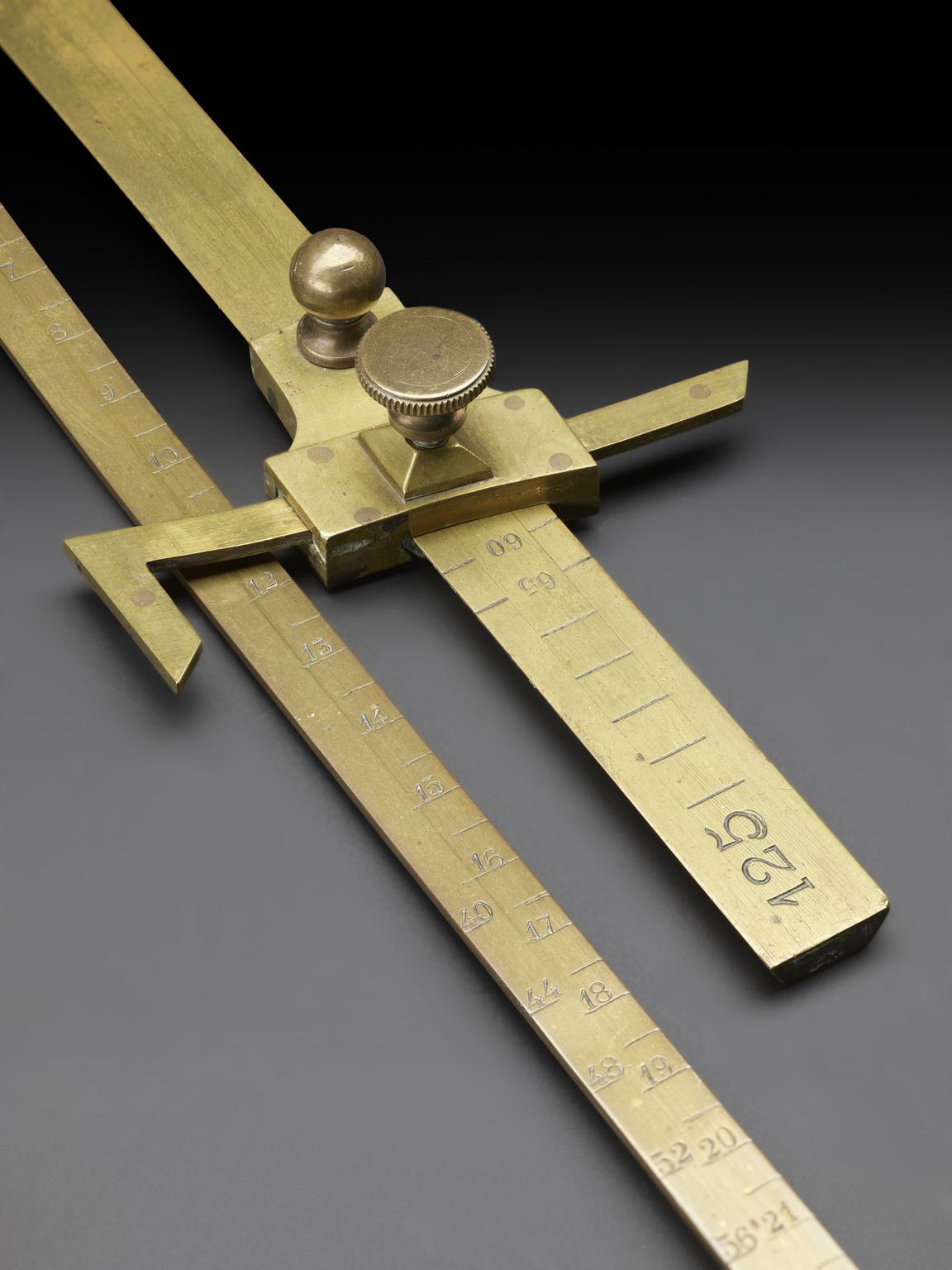
'Orthometre', eye measuring device for criminal identification system, Paris, France, 1895

Made:
1895 in Paris
designer:
Alphonse Bertillon
'Orthometre', eye measuring device for criminal identification system, Paris, France, 1895 'Orthometre', eye measuring device for criminal identification system, Paris, France, 1895 'Orthometre', eye measuring device for criminal identification system, Paris, France, 1895 'Orthometre', eye measuring device for criminal identification system, Paris, France, 1895

Creative Commons LicenseThis image is released under a CC BY-NC-SA 4.0 Licence
License this image for commercial use at Science and Society Picture Library

License

Creative Commons LicenseThis image is released under a CC BY-NC-SA 4.0 Licence
License this image for commercial use at Science and Society Picture Library

License

Creative Commons LicenseThis image is released under a CC BY-NC-SA 4.0 Licence

License this image for commercial use at Science and Society Picture Library

License

Creative Commons LicenseThis image is released under a CC BY-NC-SA 4.0 Licence

License this image for commercial use at Science and Society Picture Library

License

Science Museum Group
© The Board of Trustees of the Science Museum
Science Museum Group
© The Board of Trustees of the Science Museum

Science Museum Group Collection
© The Board of Trustees of the Science Museum
Science Museum Group Collection
© The Board of Trustees of the Science Museum

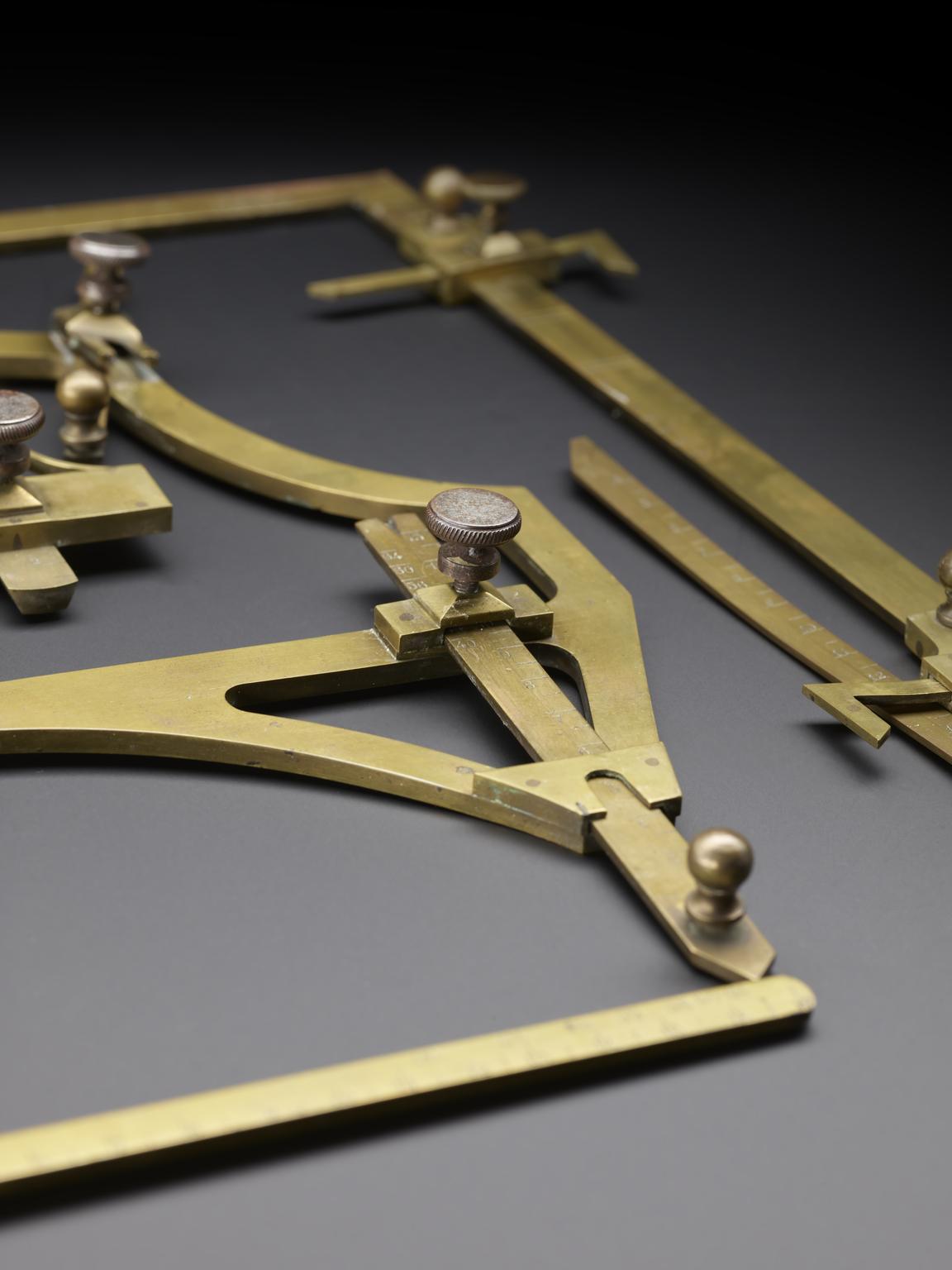
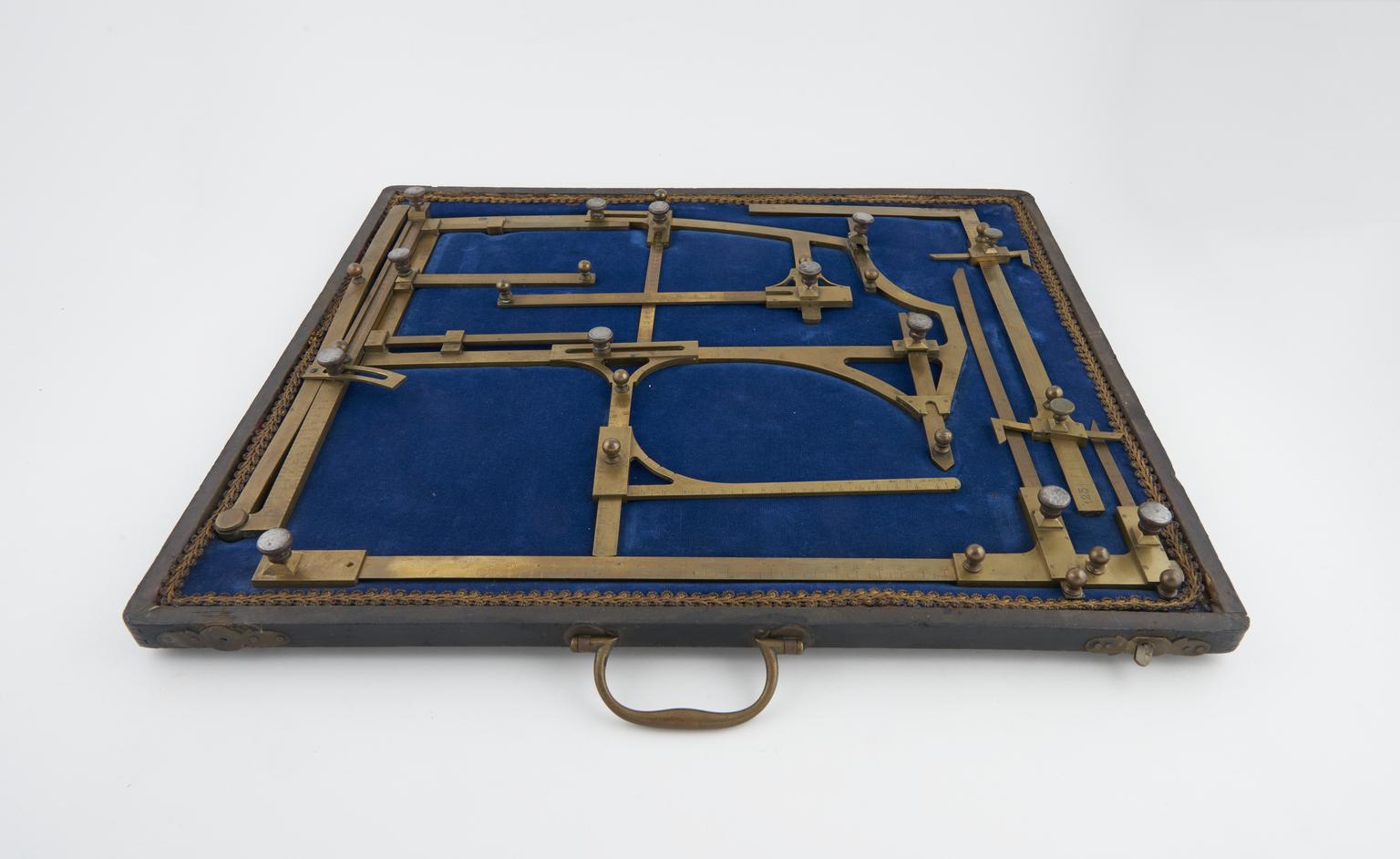
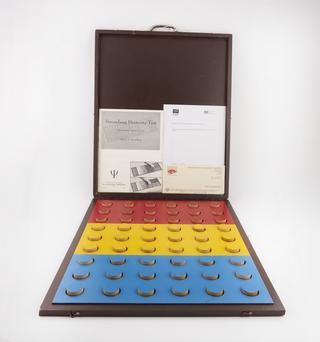
Orthometre brass eye measuring instrument in velvet lined wooden case, 1895. Designed by Alphonse Bertillon in Paris, France as a criminal identification tool.

The protrusion or retraction of the eyeballs is measured by an Orthometre. It was designed by French criminologist Alphonse Bertillon (1853–1914) for his ‘anthropometrics’ system. This recorded detailed physical measurements to identify individuals. Bertillon used various tools to measure height, head circumference, arm length, leg length, finger lengths and eyeball protrusion. His system was used to identify suspects in criminal cases. The system was extremely popular in France, leading to many convictions. It was superseded by more accurate and less labour-intensive fingerprinting. Bertillon pioneered many modern forensics techniques such as the ‘mug shot’, which is the standardised photography of criminals.

Details

Category:
Psychology, Psychiatry & Anthropometry
Object Number:
1985-1723
Materials:
brass (copper, zinc alloy), wood (unidentified) and velvet
Measurements:
case open: 450 mm x 500 mm x 430 mm,
overall (closed): 55 mm x 500 mm x 430 mm, 2.76 kg
type:
anthropometrical measure
credit:
Brieux, Alain

Parts

'Orthometre', eye measuring device for criminal identification system, Paris, France, 1895

Orthometre brass eye measuring instrument in velvet lined wooden case (without lid), 1895.

More

Alphonse Bertillon invented a system of measuring or photographing every part of a person, from the shape of their earlobes to the length of their arms. Police forces around the world adopted his complicated method. However, a simpler version that focused on collecting fingerprints and taking ‘mugshot’ photographs of suspected criminals’ faces eventually became more common.

The 'orthometre' is a set of tools Bertillon designed for measuring how far a subject’s eyes stuck out from or sunk into the head.

Measurements:
overall (lid removed): 50 mm x 500 mm x 425 mm, 3.465 kg
overall (instruments removed): 1.315 kg
Materials:
brass (copper, zinc alloy) , textile , wood (unidentified) and metal (unknown)
Object Number:
1985-1723/1
type:
anthropometrical measure
Image ©
The Board of Trustees of the Science Museum
Lid from case for Orthometre

Lid from case for Orthometre

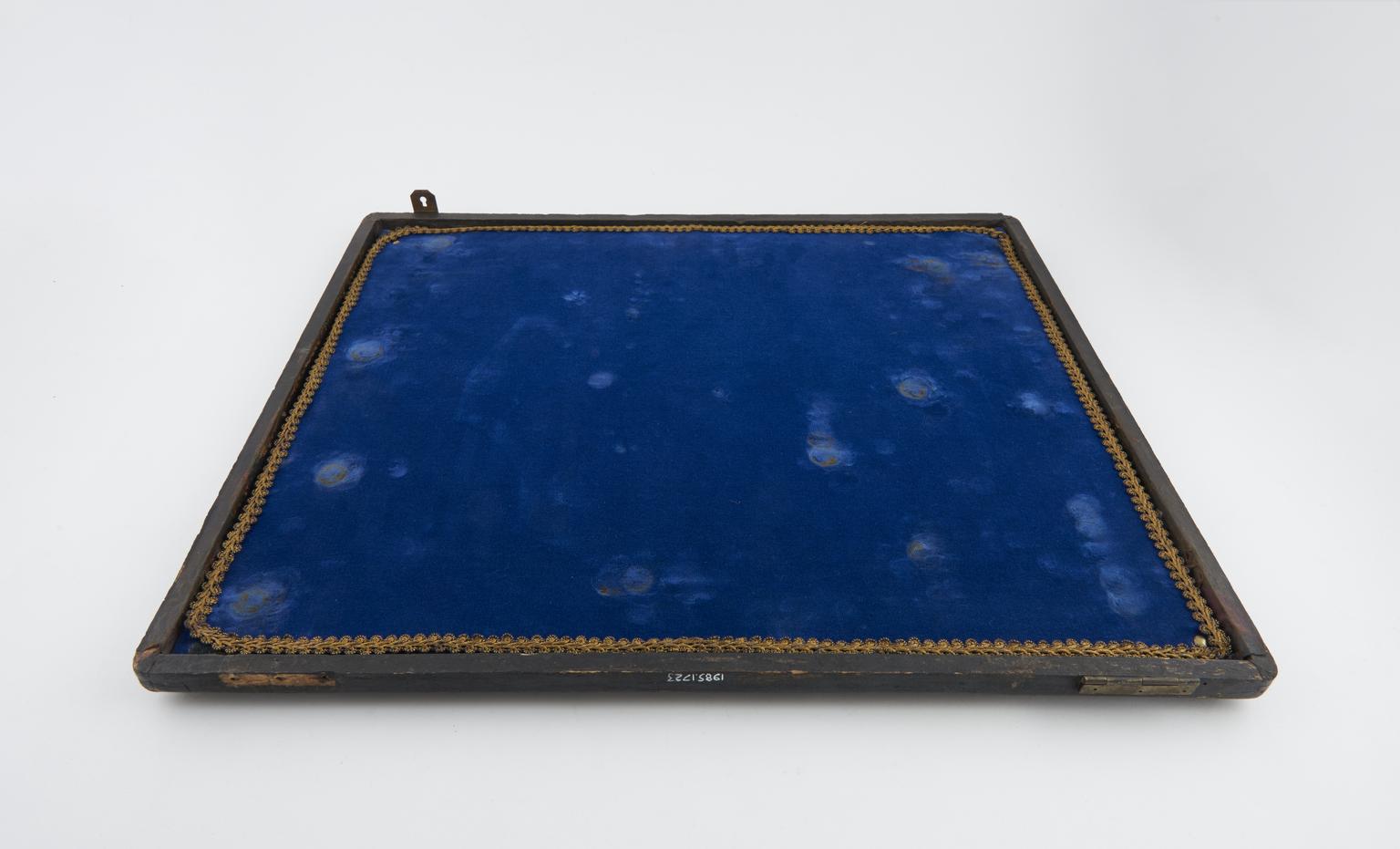
Lid from case for Orthometre, brass eye measuring instrument, 1895.

More

Alphonse Bertillon invented a system of measuring or photographing every part of a person, from the shape of their earlobes to the length of their arms. Police forces around the world adopted his complicated method. However, a simpler version that focused on collecting fingerprints and taking ‘mugshot’ photographs of suspected criminals’ faces eventually became more common.

The 'orthometre' is a set of tools Bertillon designed for measuring how far a subject’s eyes stuck out from or sunk into the head.

Measurements:
overall: 25 mm x 500 mm x 425 mm, 1.16 kg
Materials:
textile , wood (unidentified) and metal (unknown)
Object Number:
1985-1723/2
type:
lids
Image ©
The Board of Trustees of the Science Museum
Hinge for Orthometre eye measuring device case

Hinge for Orthometre eye measuring device case

Rectangular metal hinge with six circular holes, from back edge of case for Orthometre, brass eye measuring instrument, 1895.

Measurements:
overall: 10 mm x 50 mm x 20 mm,
Materials:
metal (unknown)
Object Number:
1985-1723/3
type:
hinge