EM2/1 electron microscope
- Made:
- circa 1947 in Trafford Park




 This image is released under a CC BY-NC-SA 4.0
Licence
This image is released under a CC BY-NC-SA 4.0
Licence
License this image for commercial use at Science and Society Picture Library
LicenseThis image is released under a CC BY-NC-SA 4.0
Licence
License this image for commercial use at Science and Society Picture Library
LicenseThis image is released under a CC BY-NC-SA 4.0
Licence
License this image for commercial use at Science and Society Picture Library
LicenseThis image is released under a CC BY-NC-SA 4.0
Licence
License this image for commercial use at Science and Society Picture Library
LicenseThis image is released under a CC BY-NC-SA 4.0
Licence
License this image for commercial use at Science and Society Picture Library
LicenseEM2/1 electron microscope
Science Museum Group Collection
© The Board of Trustees of the Science Museum
EM2/1 electron microscope
Science Museum Group Collection
© The Board of Trustees of the Science Museum
EM2/1 electron microscope
Science Museum Group Collection
© The Board of Trustees of the Science Museum
EM2/1 electron microscope
Science Museum Group Collection
© The Board of Trustees of the Science Museum
EM2/1 electron microscope
Science Museum Group Collection
© The Board of Trustees of the Science Museum
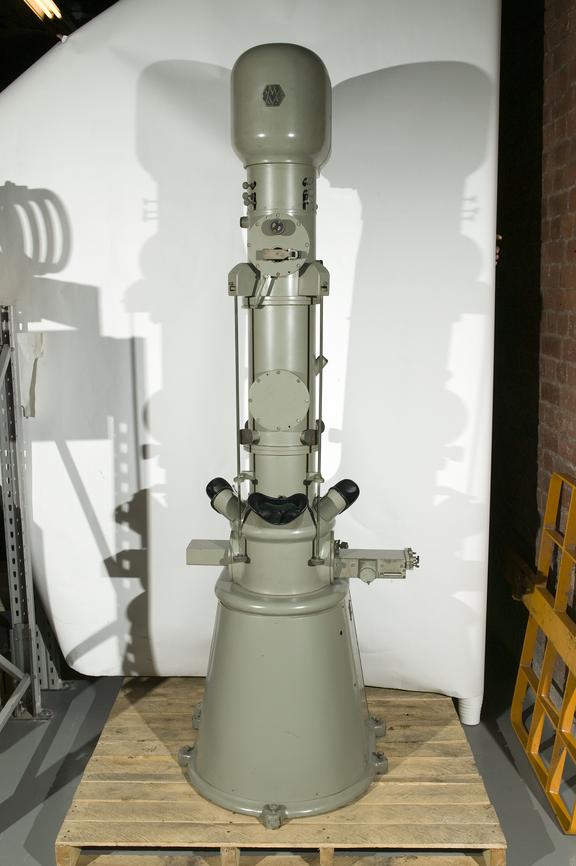
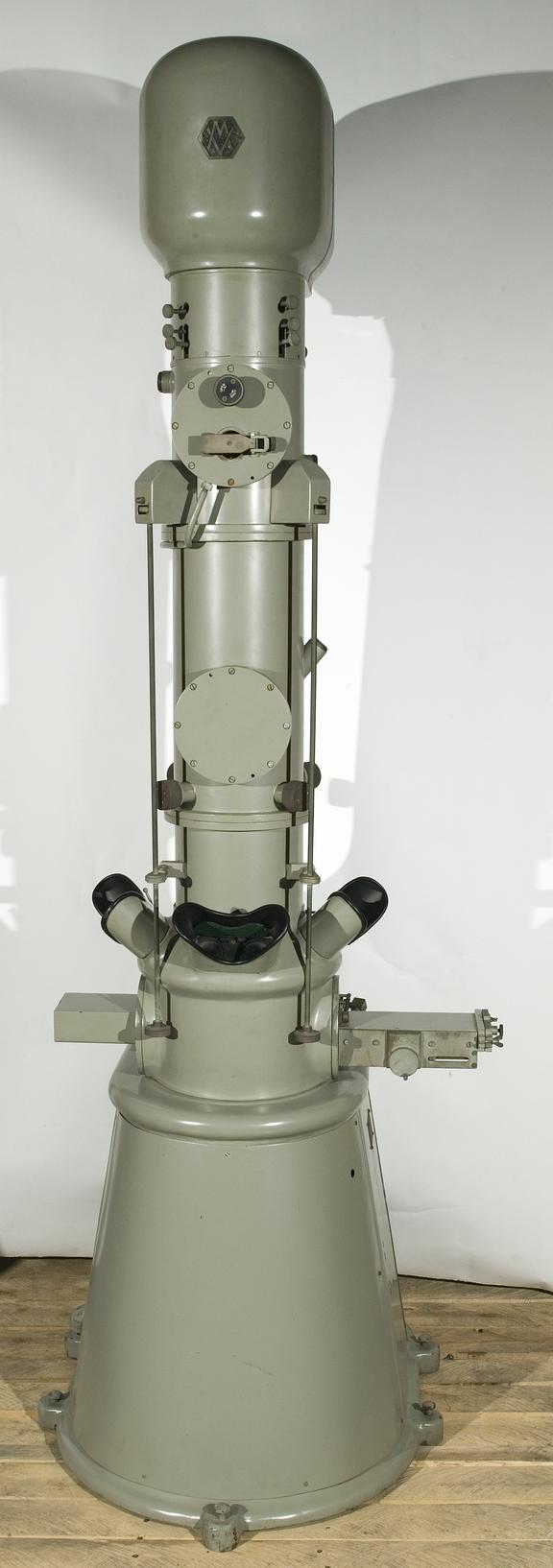
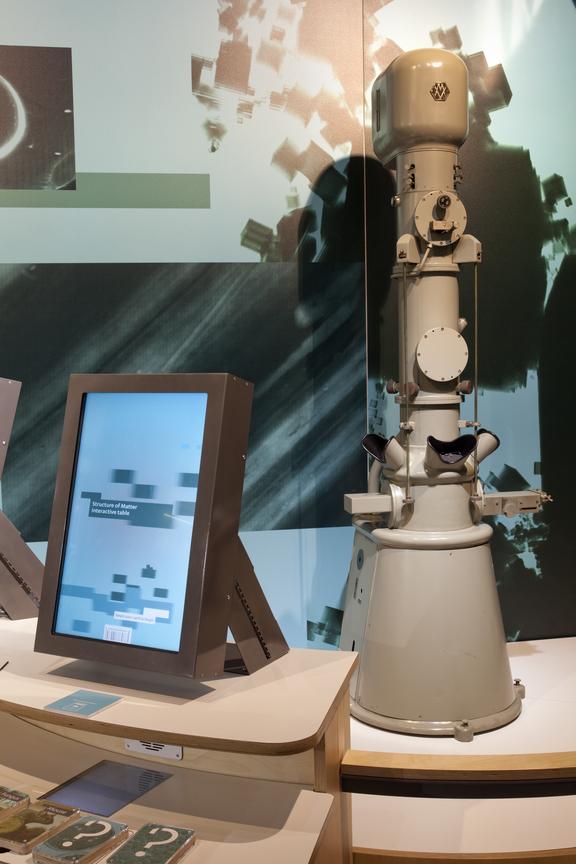
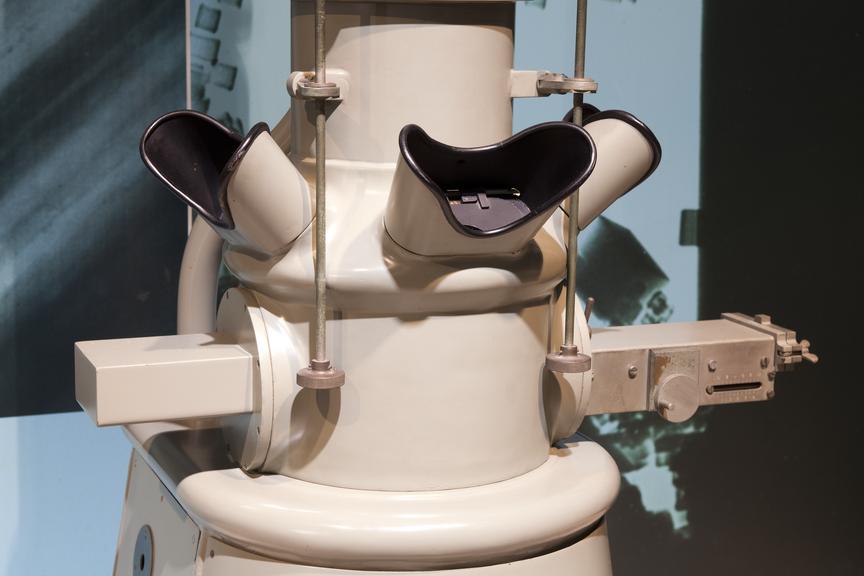
EM2/1 electron microscope, made by Metropolitan-Vickers Electrical Co. Ltd, made in the Westinghouse Works, Trafford Park, c.1947.
Electron microscopes use fast-moving beams of electrons to produce images that reveal the structure of tiny samples. This microscope could magnify things by up to 20,000 times. Today, electron microscopes can magnify by up to 1 million times. They are used all over the world by people working in hospitals, universities, laboratories and factories.
The first electron microscopes were built in the early 1930s. Shortly afterward, Metropolitan-Vickers in Manchester and Imperial College in London began developing the EM1 electron microscope, which was installed in London in 1936. The EM1 was not very successful and further development paused due to the Second World War.
Around 1944, Metropolitan-Vickers scientist Michael Haine borrowed the EM1 from London and began working to improve it during long, boring nights on wartime fire-watch duties at the factory. The result was the much-improved EM2 electron microscope, of which six were in built at Trafford Park in 1946 – 1947, before production switched to the improved EM3 microscope. EM2 customers included Dunlop, who used it to research improved car tyres, and chemical researchers at ICI.
Details
- Category:
- Scientific Instruments & Research
- Object Number:
- Y1986.549.1
- Materials:
- metal (unknown)
- Measurements:
-
2080 mm x 700 mm x 850 mm, 216.5 kg
- type:
- electron microscope
Related Objects
Calorimeter used by James Joule for the more accurate determination of the mechanical equivalent of heat

Sample of concrete enhanced with graphene

Tape dispenser and Scotch sticky tape