Equipment used for maintaining the Greenwich Time Service, 1965.

Representative sample of the equipment used for maintaining the Greenwich Time Service from about 1965 to 1990 comprising six racks of electronic equipment, two end doors, five rear doors, three covers, printer and sign.

This equipment was used for maintaining the Greenwich Time Service at the Royal Greenwich Observatory at Herstmonceux from about 1965 to 1990. It also provided the six pips time signal which was broadcast by the BBC. The frequency standard was provided by the Observatory's Hewlett-Packard caesium beam atomic clocks and manipulated in this equipment to produce the desired output. In 1990 it was replaced by a time service obtained from radio navigation systems.

Details

Category:
Time Measurement
Object Number:
1990-303
type:
time signal apparatus
credit:
Royal Greenwich Observatory, Herstmonceux

Parts

Representative sample of the equipment used for maintaining the Greenwich Time Service from about 1965 to 1990 comprising six racks of electronic equipment, two end doors, five rear doors, three covers, printer and sign

Greenwich Time Service equipment (C1,C2, C3, C4, C5 & C6)

Representative sample of the equipment used for maintaining the Greenwich Time Service from about 1965 to 1990 comprising six racks of electronic equipment, two end doors, five rear doors, three covers, printer and sign

More

Ever since 1924, the BBC has been broadcasting six short audio tones nicknamed 'the pips' to act as a time check.

This equipment for generating the BBC time signal employed an internal atomic clock, and the means to compare it electronically with other, remotely-sited, atomic clocks. Installed at the Royal Greenwich Observatory at Herstmonceaux in 1970, it had a working life of 20 years, feeding its precise signals by wire to Broadcasting House in London.

The BBC's first broadcast of the 'pips', on 5 February 1924, was encouraged by Frank Dyson, the Astronomer Royal, and Frank Hope-Jones, inventor of the 'Synchronome' electrically driven pendulum clock. Hope-Jones was an advocate of William Hamilton Shortt's 'free pendulum' clocks which were installed at Greenwich in 1924 and provided the signal for the 'pips'. These were replaced in 1949 by two quartz oscillators, and then by this atomic clock. The BBC now has its own compact system of atomic clocks, linked by radio to international atomic time standards.

These developments were part of a long term drive to supply the British public with a precise time reference. From the mid-nineteenth century, standardised 'railway time' was first disseminated by telegraph, replacing a system of 'local times' where, for example, Bristol time was ten minutes behind London. From 1880, Greenwich time was made the standard for Britain and increasingly accurate clocks were employed for this.

Measurements:
overall: 1885 mm x 3140 mm x 790 mm, 723 kg
Materials:
metal (unknown) , plastic (unidentified) , paper (fibre product) , glass and textile
Object Number:
1990-303 Pt1
type:
time signal apparatus
Part of the representative sample of the Greenwich Time Service equipment comprising of cabinets C1 and C2.

Part of Greenwich Time Service Equipment, one of three (C1 & C2)

Part of the representative sample of the Greenwich Time Service equipment comprising of cabinets C1 and C2.

More

Ever since 1924, the BBC has been broadcasting six short audio tones nicknamed 'the pips' to act as a time check.

This equipment for generating the BBC time signal employed an internal atomic clock, and the means to compare it electronically with other, remotely-sited, atomic clocks. Installed at the Royal Greenwich Observatory at Herstmonceaux in 1970, it had a working life of 20 years, feeding its precise signals by wire to Broadcasting House in London.

The BBC's first broadcast of the 'pips', on 5 February 1924, was encouraged by Frank Dyson, the Astronomer Royal, and Frank Hope-Jones, inventor of the 'Synchronome' electrically driven pendulum clock. Hope-Jones was an advocate of William Hamilton Shortt's 'free pendulum' clocks which were installed at Greenwich in 1924 and provided the signal for the 'pips'. These were replaced in 1949 by two quartz oscillators, and then by this atomic clock. The BBC now has its own compact system of atomic clocks, linked by radio to international atomic time standards.

These developments were part of a long term drive to supply the British public with a precise time reference. From the mid-nineteenth century, standardised 'railway time' was first disseminated by telegraph, replacing a system of 'local times' where, for example, Bristol time was ten minutes behind London. From 1880, Greenwich time was made the standard for Britain and increasingly accurate clocks were employed for this.

Measurements:
overall: 1885 mm x 1056 mm x 775 mm, 234 kg
Materials:
metal (unknown) , plastic (unidentified) , paper (fibre product) , glass and textile
Object Number:
1990-303 Pt1/1
type:
time signal apparatus
Part of:
1990-303 Pt1
Part of the representative sample of the Greenwich Time Service equipment comprising of cabinets C3 and C4.

Part of Greenwich Time Service Equipment, one of three (C3 & C4)

Part of the representative sample of the Greenwich Time Service equipment comprising of cabinets C3 and C4.

More

Ever since 1924, the BBC has been broadcasting six short audio tones nicknamed 'the pips' to act as a time check.

This equipment for generating the BBC time signal employed an internal atomic clock, and the means to compare it electronically with other, remotely-sited, atomic clocks. Installed at the Royal Greenwich Observatory at Herstmonceaux in 1970, it had a working life of 20 years, feeding its precise signals by wire to Broadcasting House in London.

The BBC's first broadcast of the 'pips', on 5 February 1924, was encouraged by Frank Dyson, the Astronomer Royal, and Frank Hope-Jones, inventor of the 'Synchronome' electrically driven pendulum clock. Hope-Jones was an advocate of William Hamilton Shortt's 'free pendulum' clocks which were installed at Greenwich in 1924 and provided the signal for the 'pips'. These were replaced in 1949 by two quartz oscillators, and then by this atomic clock. The BBC now has its own compact system of atomic clocks, linked by radio to international atomic time standards.

These developments were part of a long term drive to supply the British public with a precise time reference. From the mid-nineteenth century, standardised 'railway time' was first disseminated by telegraph, replacing a system of 'local times' where, for example, Bristol time was ten minutes behind London. From 1880, Greenwich time was made the standard for Britain and increasingly accurate clocks were employed for this.

Measurements:
overall: 1885 mm x 997 mm x 790 mm, 203 kg
Materials:
metal (unknown) , plastic (unidentified) , glass , textile and paper (fibre product)
Object Number:
1990-303 Pt1/2
type:
time signal apparatus
Part of:
1990-303 Pt1
Part of the representative sample of the Greenwich Time Service equipment comprising of cabinets C5 and C6.

Part of Greenwich Time Service Equipment, one of three (C5 & C6)

Part of the representative sample of the Greenwich Time Service equipment comprising of cabinets C5 and C6.

More

Ever since 1924, the BBC has been broadcasting six short audio tones nicknamed 'the pips' to act as a time check.

This equipment for generating the BBC time signal employed an internal atomic clock, and the means to compare it electronically with other, remotely-sited, atomic clocks. Installed at the Royal Greenwich Observatory at Herstmonceaux in 1970, it had a working life of 20 years, feeding its precise signals by wire to Broadcasting House in London.

The BBC's first broadcast of the 'pips', on 5 February 1924, was encouraged by Frank Dyson, the Astronomer Royal, and Frank Hope-Jones, inventor of the 'Synchronome' electrically driven pendulum clock. Hope-Jones was an advocate of William Hamilton Shortt's 'free pendulum' clocks which were installed at Greenwich in 1924 and provided the signal for the 'pips'. These were replaced in 1949 by two quartz oscillators, and then by this atomic clock. The BBC now has its own compact system of atomic clocks, linked by radio to international atomic time standards.

These developments were part of a long term drive to supply the British public with a precise time reference. From the mid-nineteenth century, standardised 'railway time' was first disseminated by telegraph, replacing a system of 'local times' where, for example, Bristol time was ten minutes behind London. From 1880, Greenwich time was made the standard for Britain and increasingly accurate clocks were employed for this.

Measurements:
overall: 1885 mm x 1075 mm x 520 mm, 286 kg
Materials:
metal (unknown) , plastic (unidentified) , glass and textile
Object Number:
1990-303 Pt1/3
type:
time signal apparatus
Part of:
1990-303 Pt1
Accessories for Greenwich Time Service equipment from the Royal Greenwich Observatory at Herstmonceux, comprising door C5, earth strap, printer, dust covers, two lids, antenna and other items.

Accessories for Greenwich Time Service equipment

Accessories for Greenwich Time Service equipment from the Royal Greenwich Observatory at Herstmonceux, comprising door C5, earth strap, printer, dust covers, two lids, antenna and other items.

Object Number:
1990-303 Pt2
type:
time signal apparatus
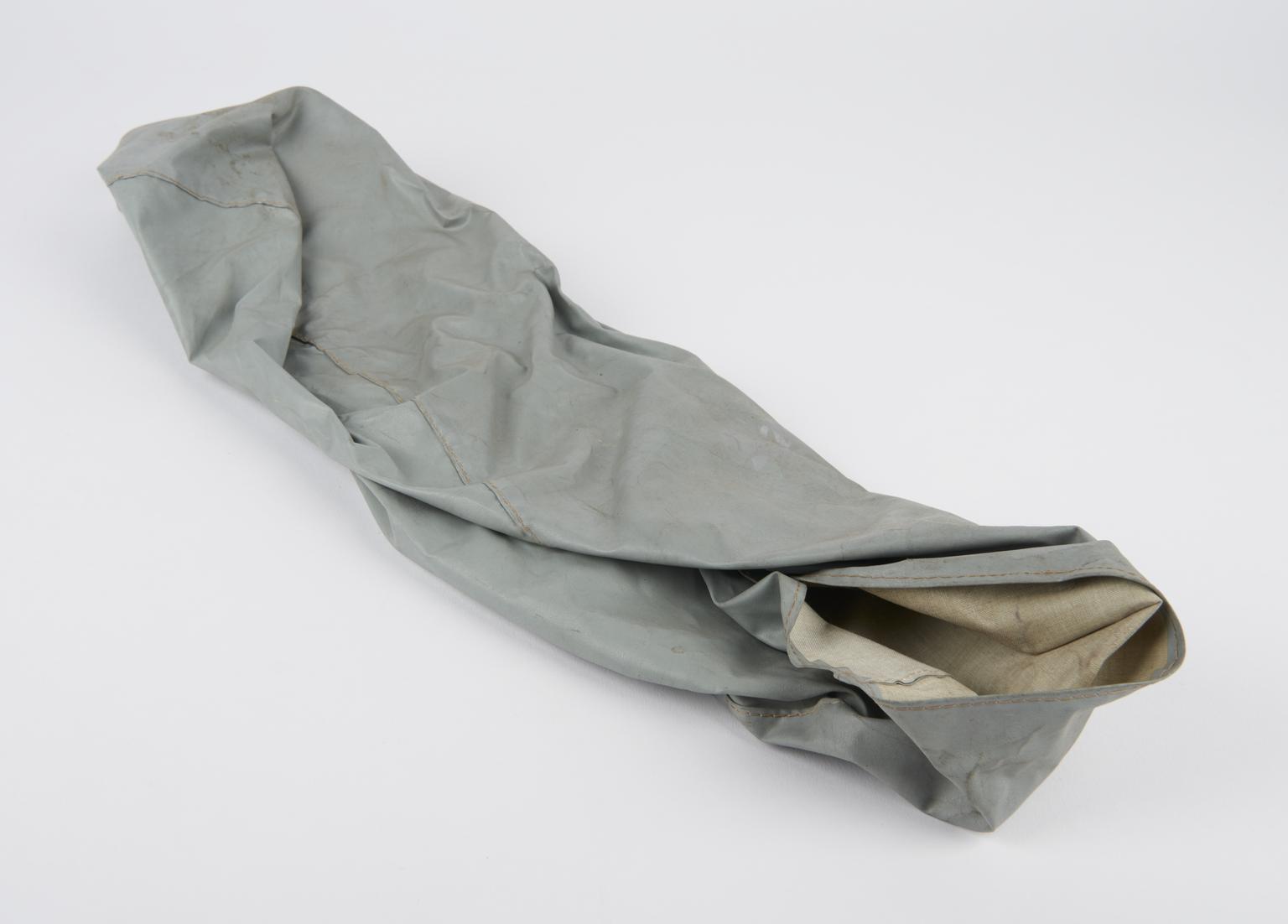
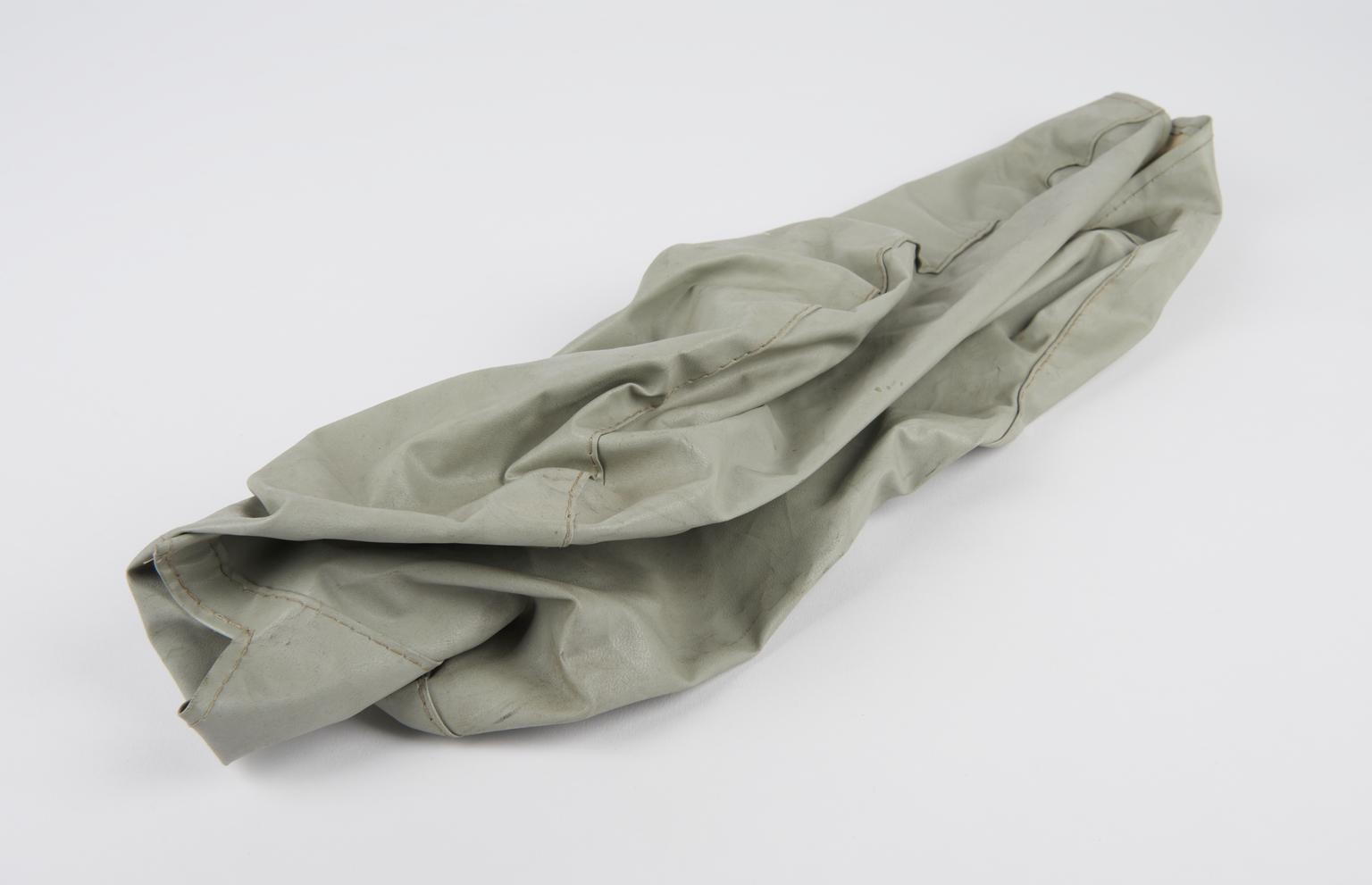
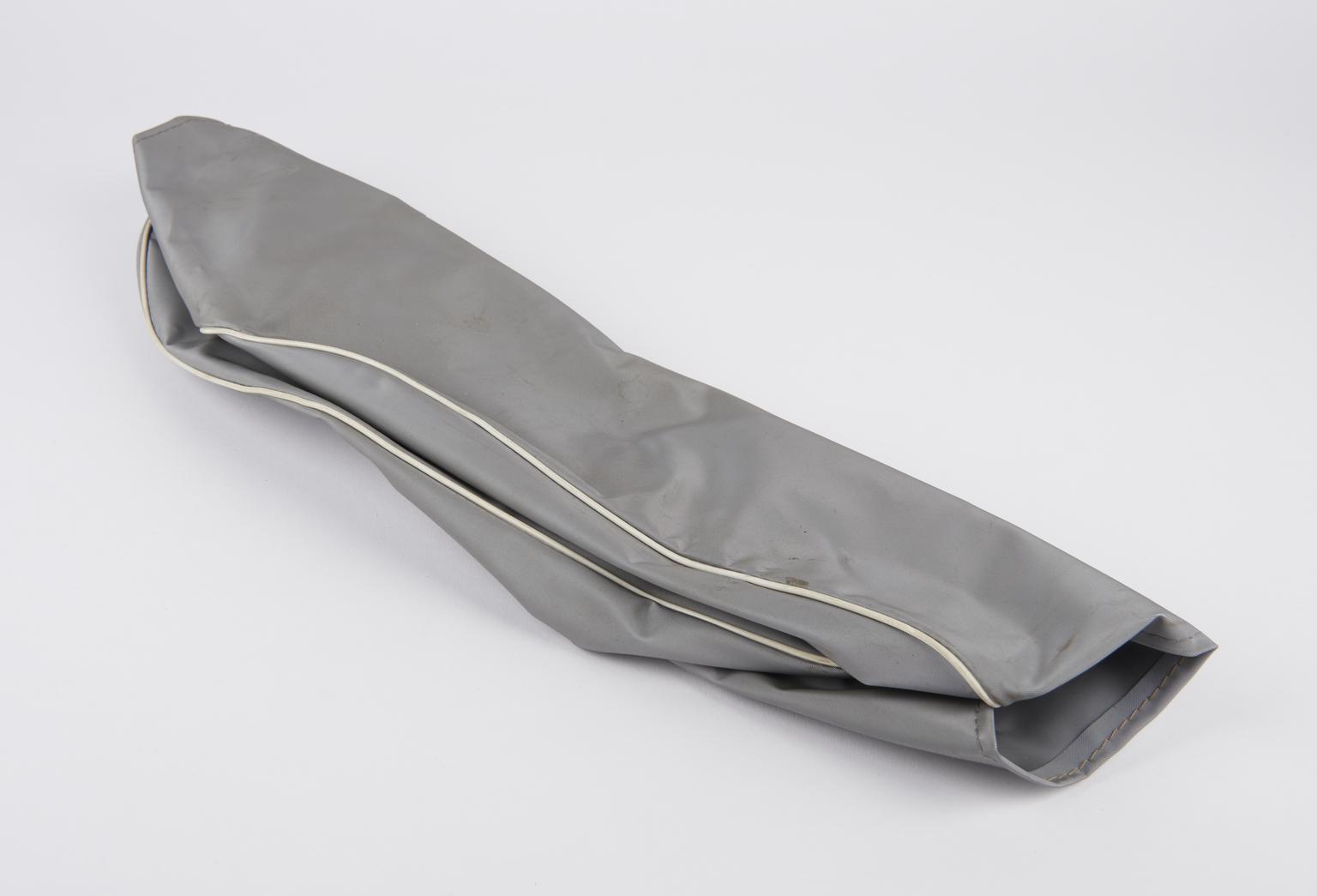
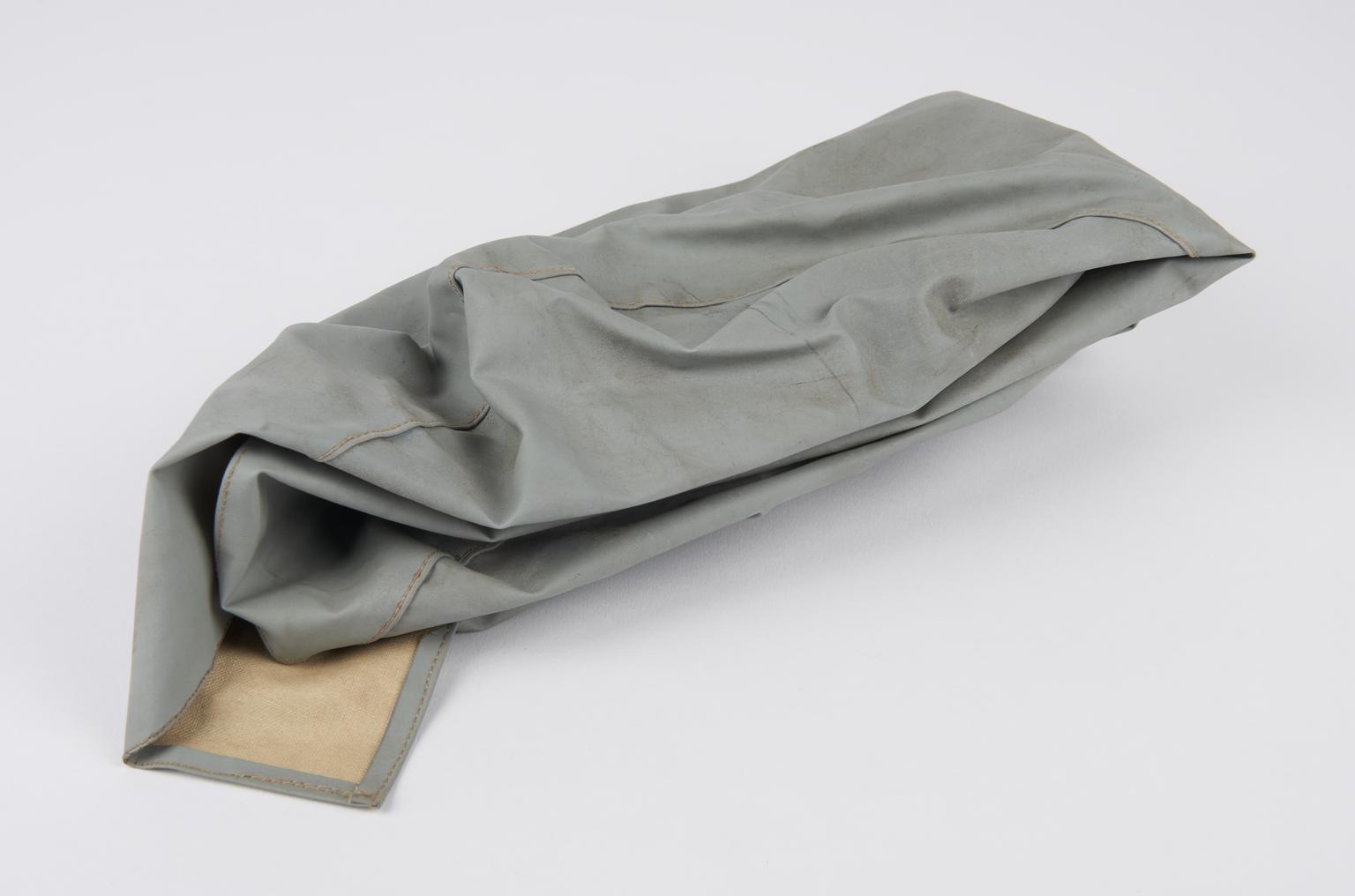
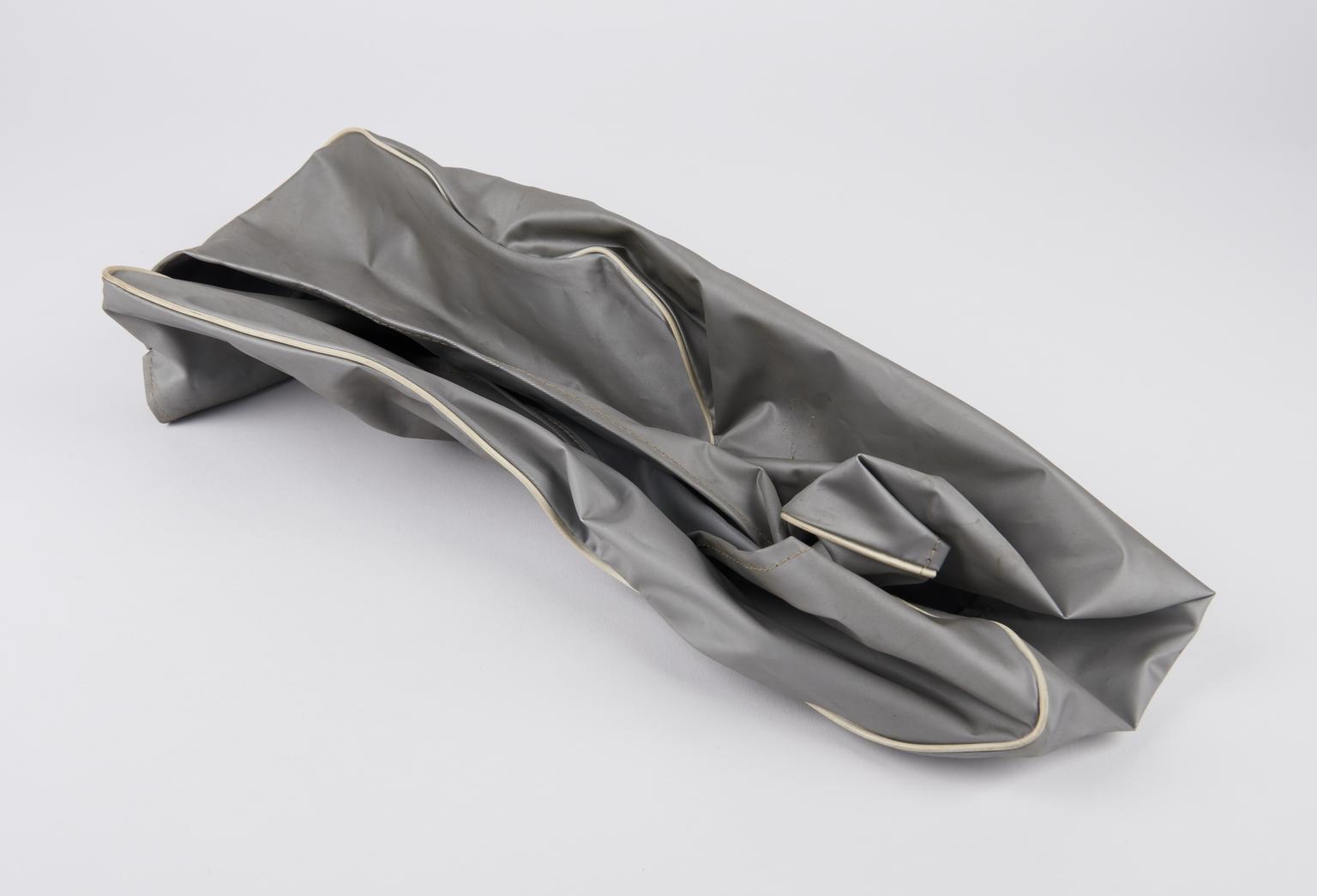
Dust cover

Dust cover

Dust cover, an accessory for Greenwich Time Service equipment from the Royal Greenwich Observatory at Herstmonceux

Object Number:
1990-303 Pt2/3
type:
cover
Image ©
The Board of Trustees of the Science Museum
Part of:
1990-303 Pt2
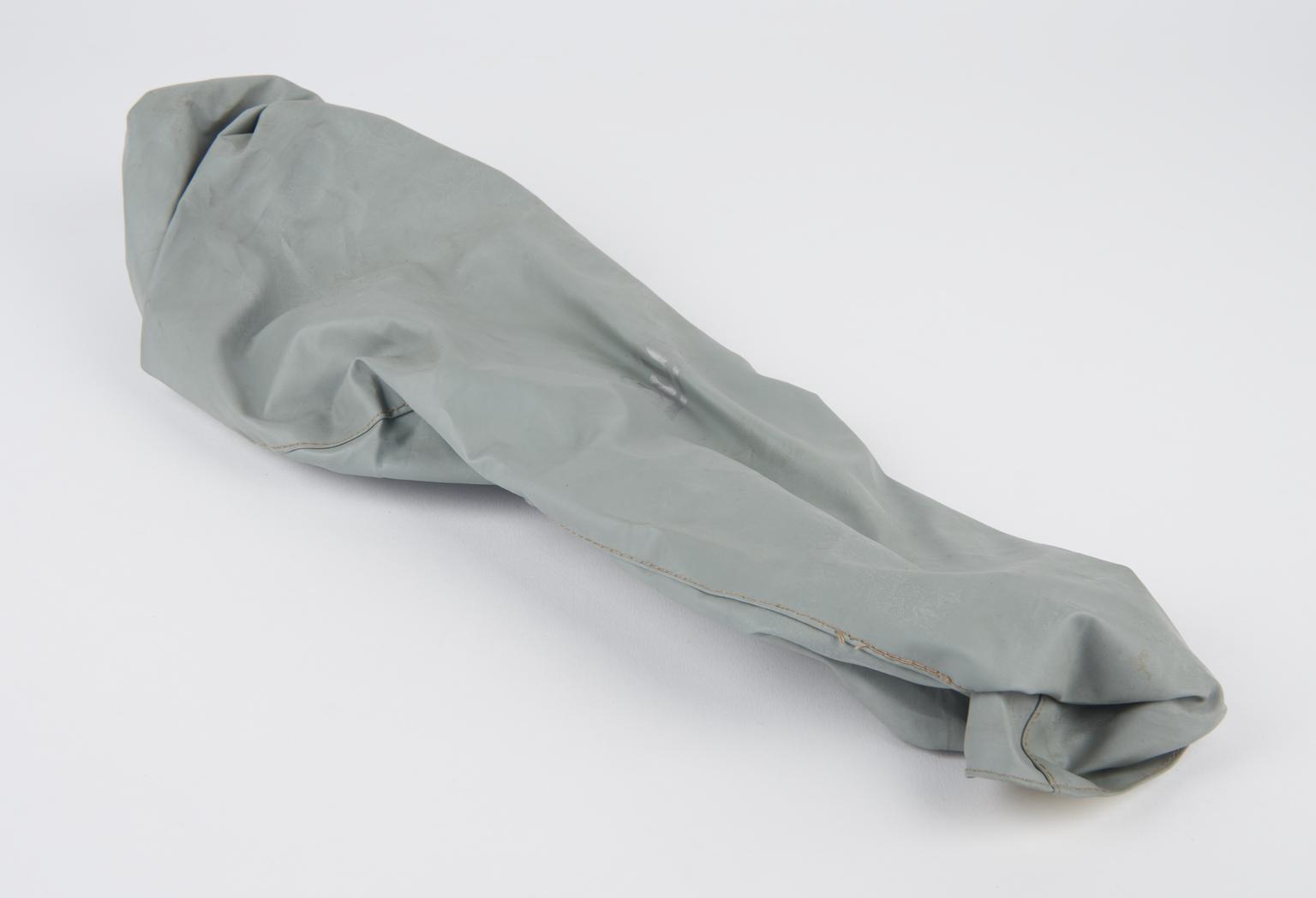
Dust cover

Dust cover

Dust cover, an accessory for Greenwich Time Service equipment from the Royal Greenwich Observatory at Herstmonceux

Object Number:
1990-303 Pt2/4
type:
cover
Image ©
The Board of Trustees of the Science Museum
Part of:
1990-303 Pt2
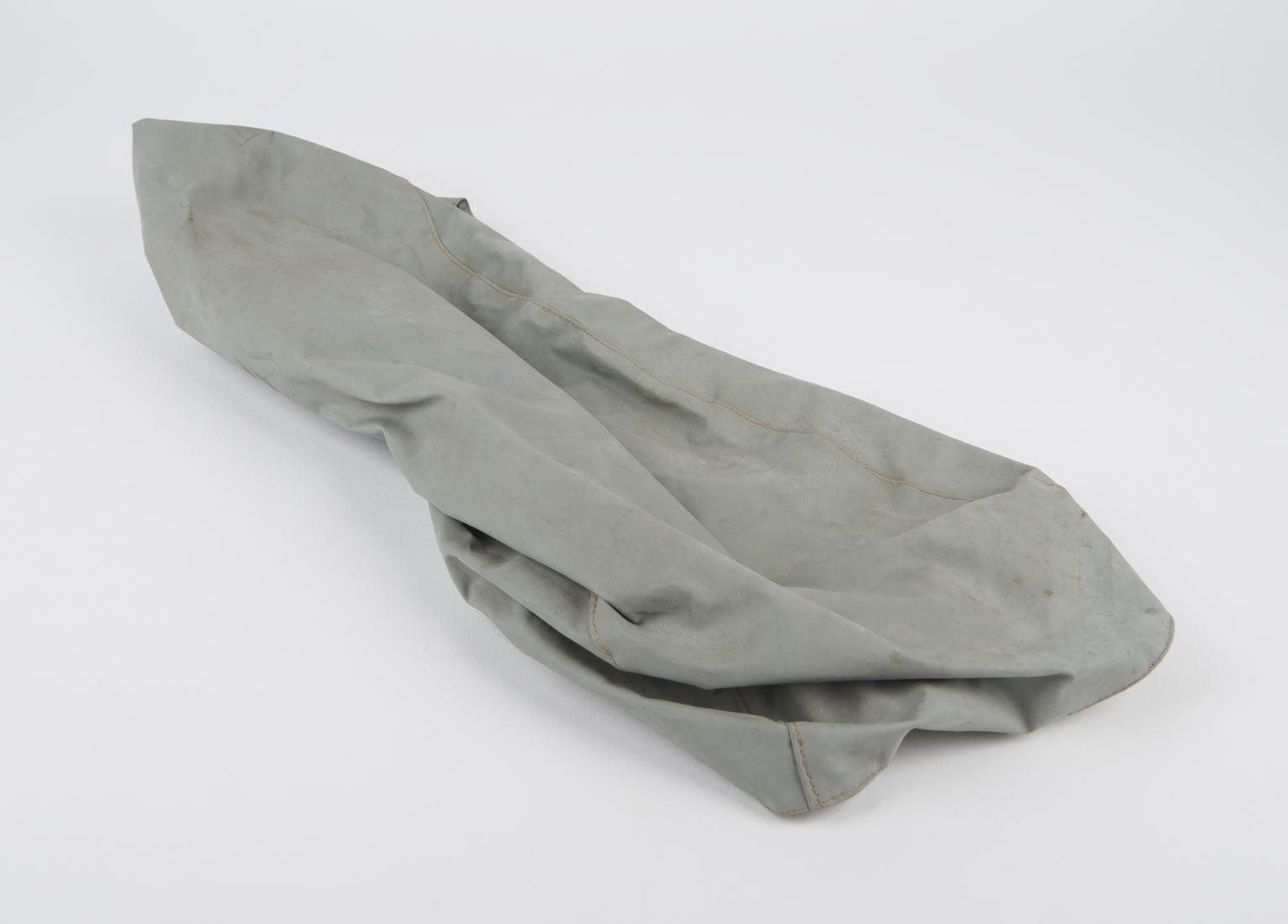
Dust cover

Dust cover

Dust cover, an accessory for Greenwich Time Service equipment from the Royal Greenwich Observatory at Herstmonceux

Object Number:
1990-303 Pt2/5
type:
cover
Image ©
The Board of Trustees of the Science Museum
Part of:
1990-303 Pt2
Dust cover

Dust cover

Dust cover, an accessory for Greenwich Time Service equipment from the Royal Greenwich Observatory at Herstmonceux

Object Number:
1990-303 Pt2/7
type:
cover
Image ©
The Board of Trustees of the Science Museum
Part of:
1990-303 Pt2
Dust cover

Dust cover

Dust cover, an accessory for Greenwich Time Service equipment from the Royal Greenwich Observatory at Herstmonceux

Object Number:
1990-303 Pt2/8
type:
cover
Image ©
The Board of Trustees of the Science Museum
Part of:
1990-303 Pt2
Dust cover

Dust cover

Dust cover, an accessory for Greenwich Time Service equipment from the Royal Greenwich Observatory at Herstmonceux

Object Number:
1990-303 Pt2/9
type:
cover
Image ©
The Board of Trustees of the Science Museum
Part of:
1990-303 Pt2
Dust cover

Dust cover

Dust cover, an accessory for Greenwich Time Service equipment from the Royal Greenwich Observatory at Herstmonceux

Object Number:
1990-303 Pt2/10
type:
cover
Image ©
The Board of Trustees of the Science Museum
Part of:
1990-303 Pt2
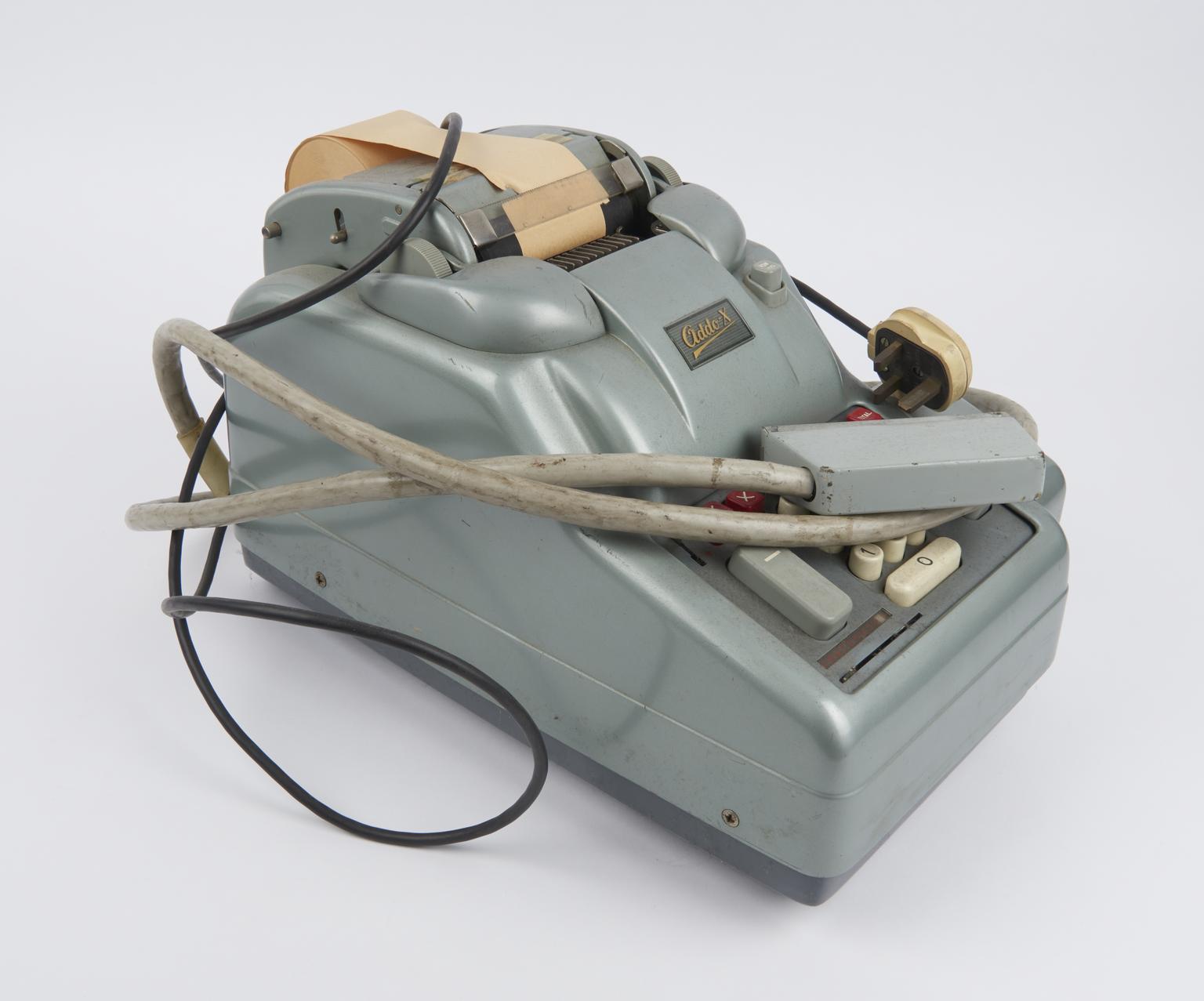
Addo-X Mini Printer

Addo-X Mini Printer

Accessory for Greenwich Time Service equipment from the Royal Greenwich Observatory at Herstmonceux: Small grey printer with printer paper in it

Object Number:
1990-303 Pt2/11
type:
printer
Image ©
The Board of Trustees of the Science Museum
Part of:
1990-303 Pt2
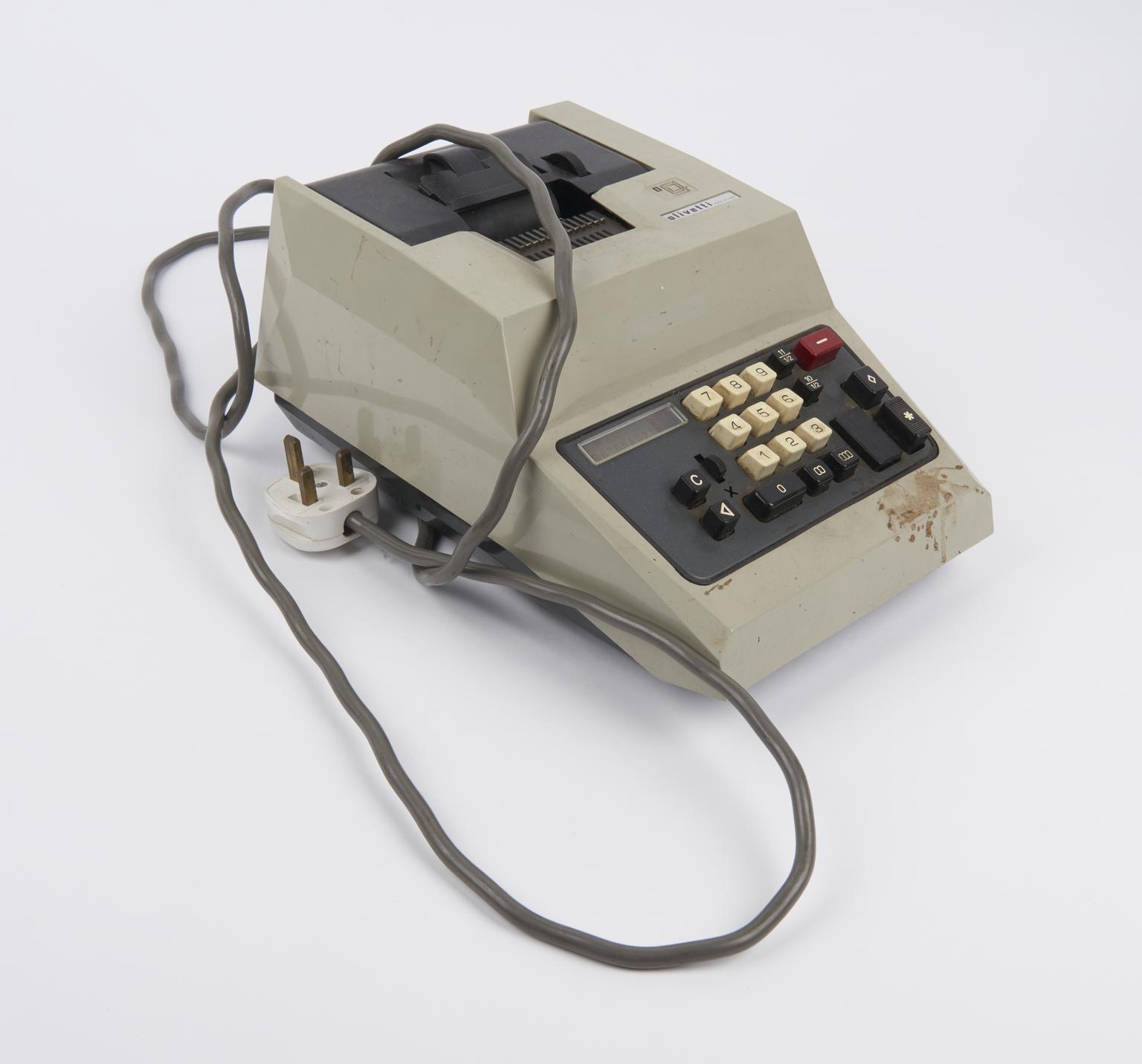
Olivetti Mini Printer

Olivetti Mini Printer

Accessory for Greenwich Time Service equipment from the Royal Greenwich Observatory at Herstmonceux: Small beige Olivetti Printer

Object Number:
1990-303 Pt2/12
type:
printer
Image ©
The Board of Trustees of the Science Museum
Part of:
1990-303 Pt2
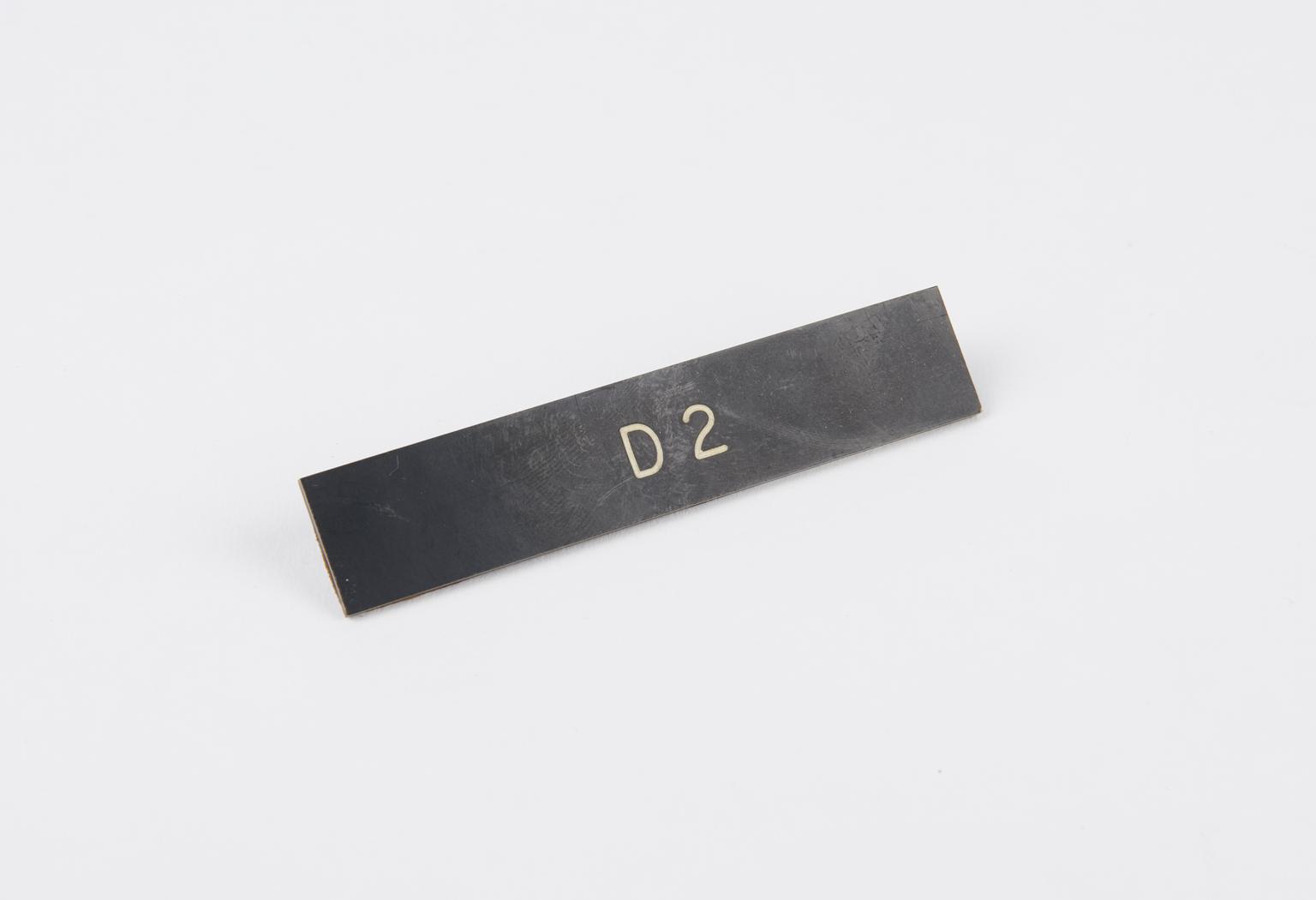
Small black label 'D2'

Small black label 'D2'

Small black label 'D2', an accessory for Greenwich Time Service equipment from the Royal Greenwich Observatory at Herstmonceux

Object Number:
1990-303 Pt2/13
type:
label
Image ©
The Board of Trustees of the Science Museum
Part of:
1990-303 Pt2
Two lids, labelled 'D1 and 'D2', trim panel, nuts and bolts, accessories for Greenwich Time Service equipment from the Royal Greenwich Observatory at Herstmonceux, comprising door C5, earth strap, printer, dust covers, two lids, antenna and other items.

Two lids, labelled 'D1 and 'D2'

Two lids, labelled 'D1 and 'D2', trim panel, nuts and bolts, accessories for Greenwich Time Service equipment from the Royal Greenwich Observatory at Herstmonceux, comprising door C5, earth strap, printer, dust covers, two lids, antenna and other items.

Object Number:
1990-303 Pt2/14
type:
time signal apparatus
Part of:
1990-303 Pt2
Sign for the representative sample of the Greenwich Time Service equipment.

Sign for Greenwich Time Service Equipment

Sign for the representative sample of the Greenwich Time Service equipment.

More

Ever since 1924, the BBC has been broadcasting six short audio tones nicknamed 'the pips' to act as a time check.

This equipment for generating the BBC time signal employed an internal atomic clock, and the means to compare it electronically with other, remotely-sited, atomic clocks. Installed at the Royal Greenwich Observatory at Herstmonceaux in 1970, it had a working life of 20 years, feeding its precise signals by wire to Broadcasting House in London.

The BBC's first broadcast of the 'pips', on 5 February 1924, was encouraged by Frank Dyson, the Astronomer Royal, and Frank Hope-Jones, inventor of the 'Synchronome' electrically driven pendulum clock. Hope-Jones was an advocate of William Hamilton Shortt's 'free pendulum' clocks which were installed at Greenwich in 1924 and provided the signal for the 'pips'. These were replaced in 1949 by two quartz oscillators, and then by this atomic clock. The BBC now has its own compact system of atomic clocks, linked by radio to international atomic time standards.

These developments were part of a long term drive to supply the British public with a precise time reference. From the mid-nineteenth century, standardised 'railway time' was first disseminated by telegraph, replacing a system of 'local times' where, for example, Bristol time was ten minutes behind London. From 1880, Greenwich time was made the standard for Britain and increasingly accurate clocks were employed for this.

Measurements:
overall: 385 mm x 2774 mm x 440 mm,
Materials:
wood (unidentified) , metal (unknown) and plastic (unidentified)
Object Number:
1990-303 Pt3
type:
time signal apparatus