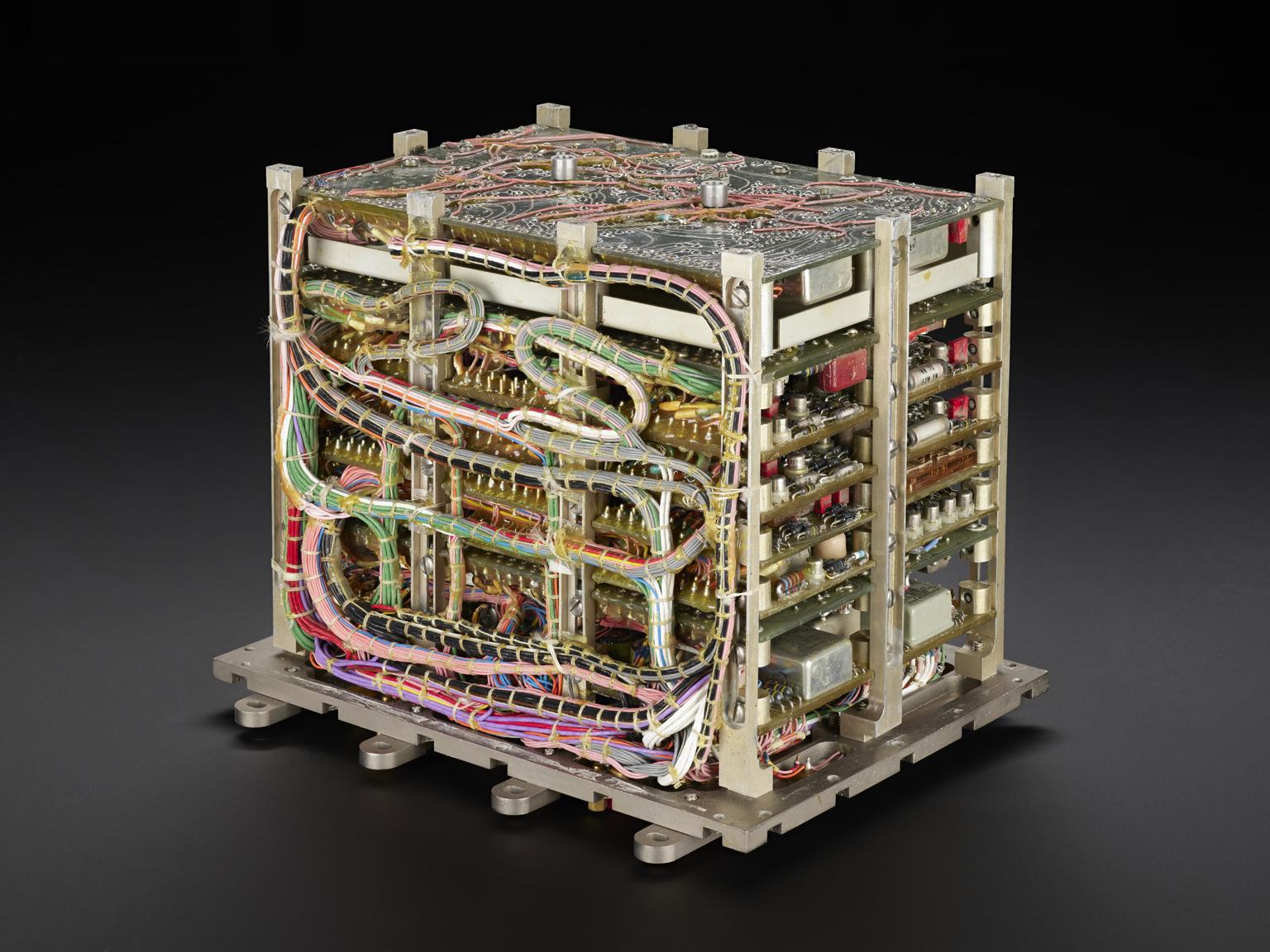
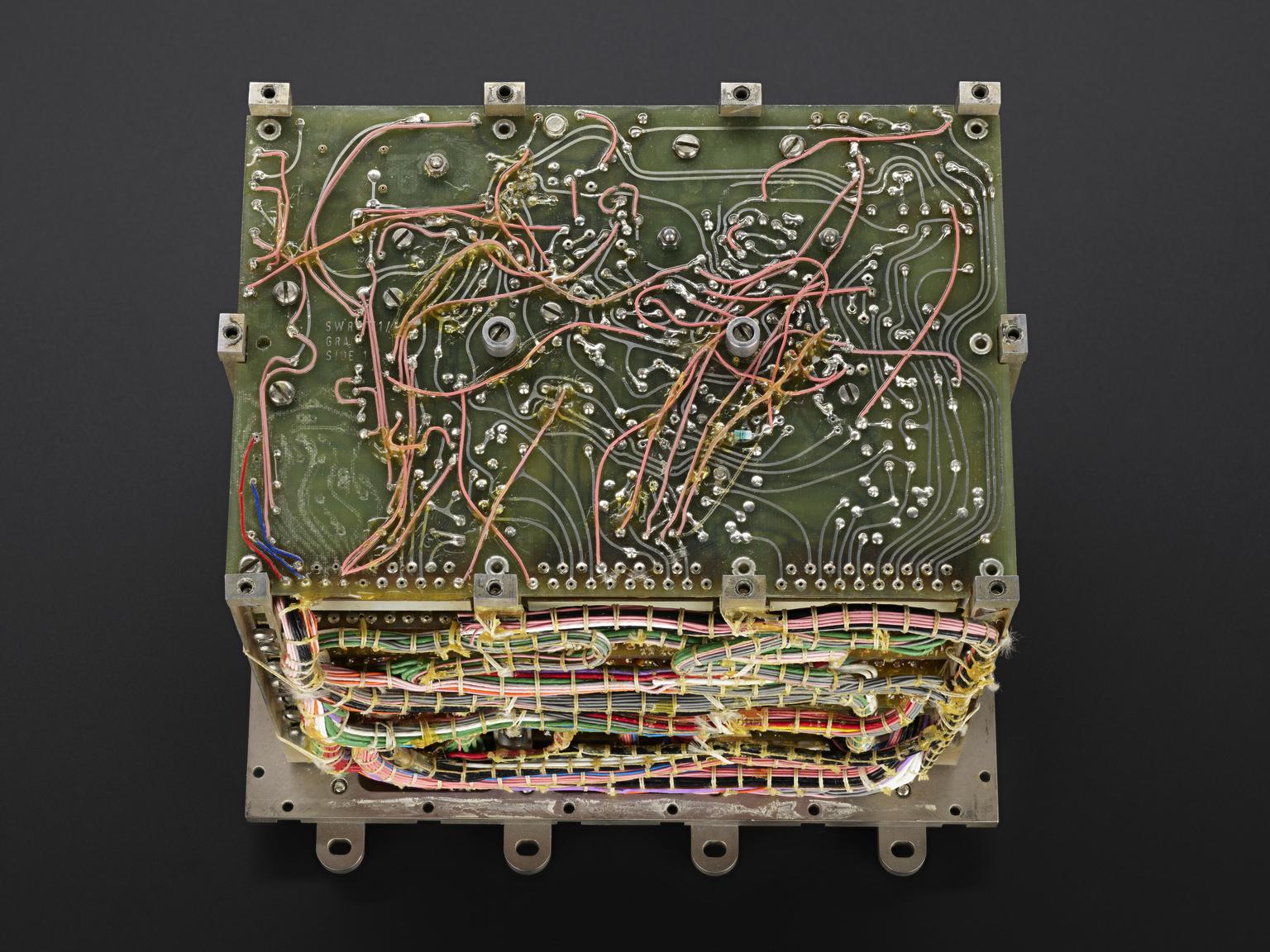
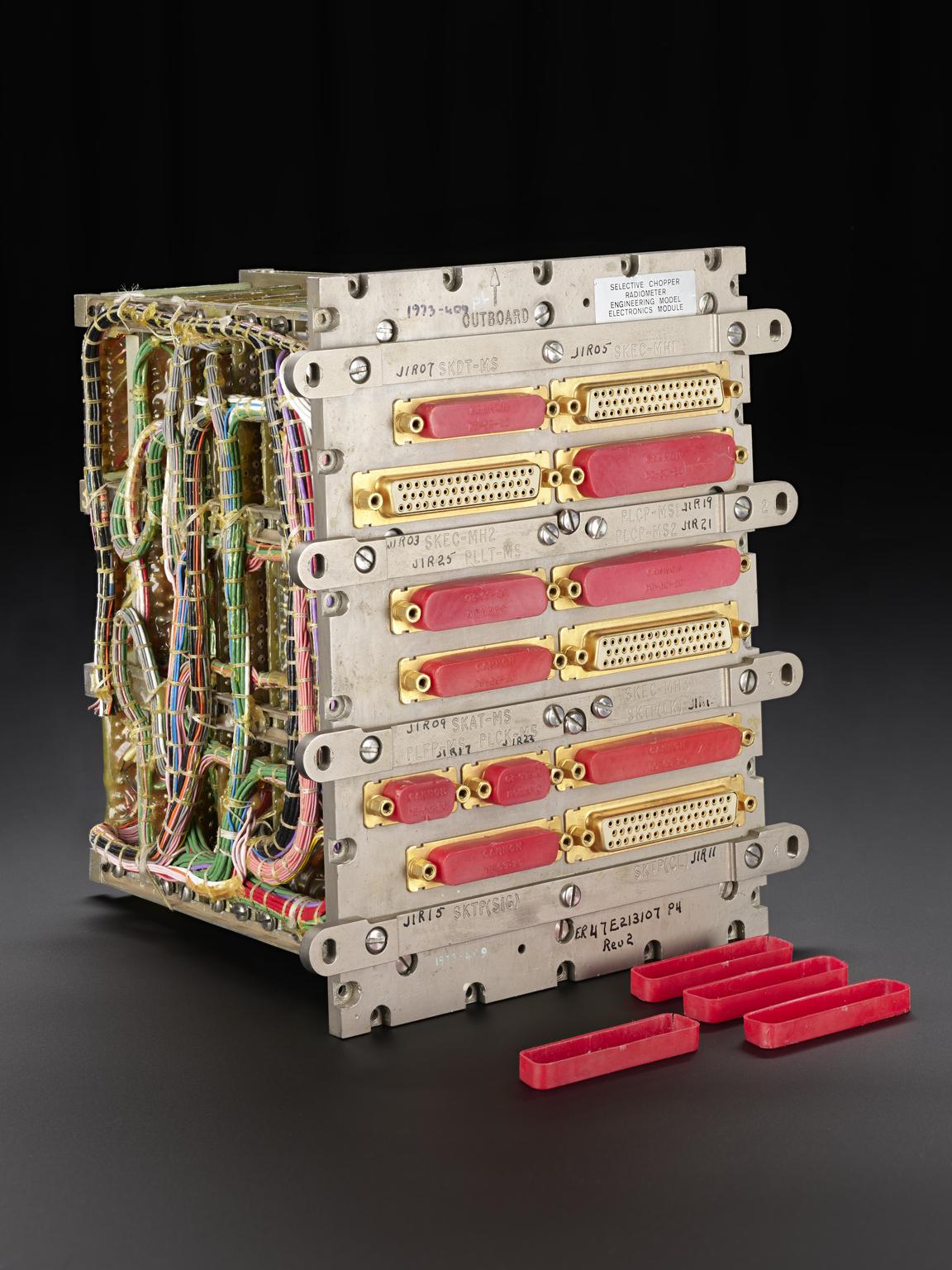
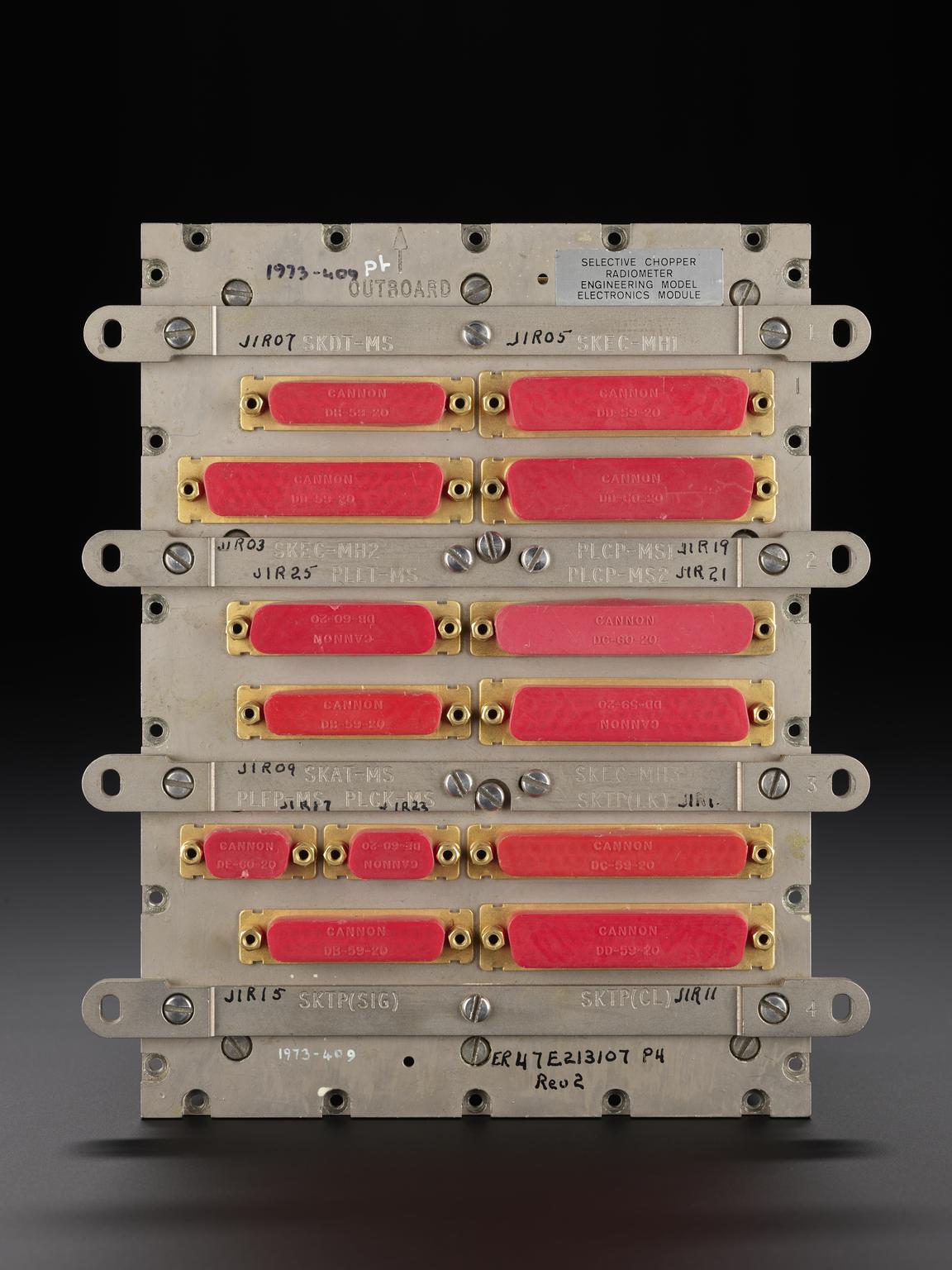
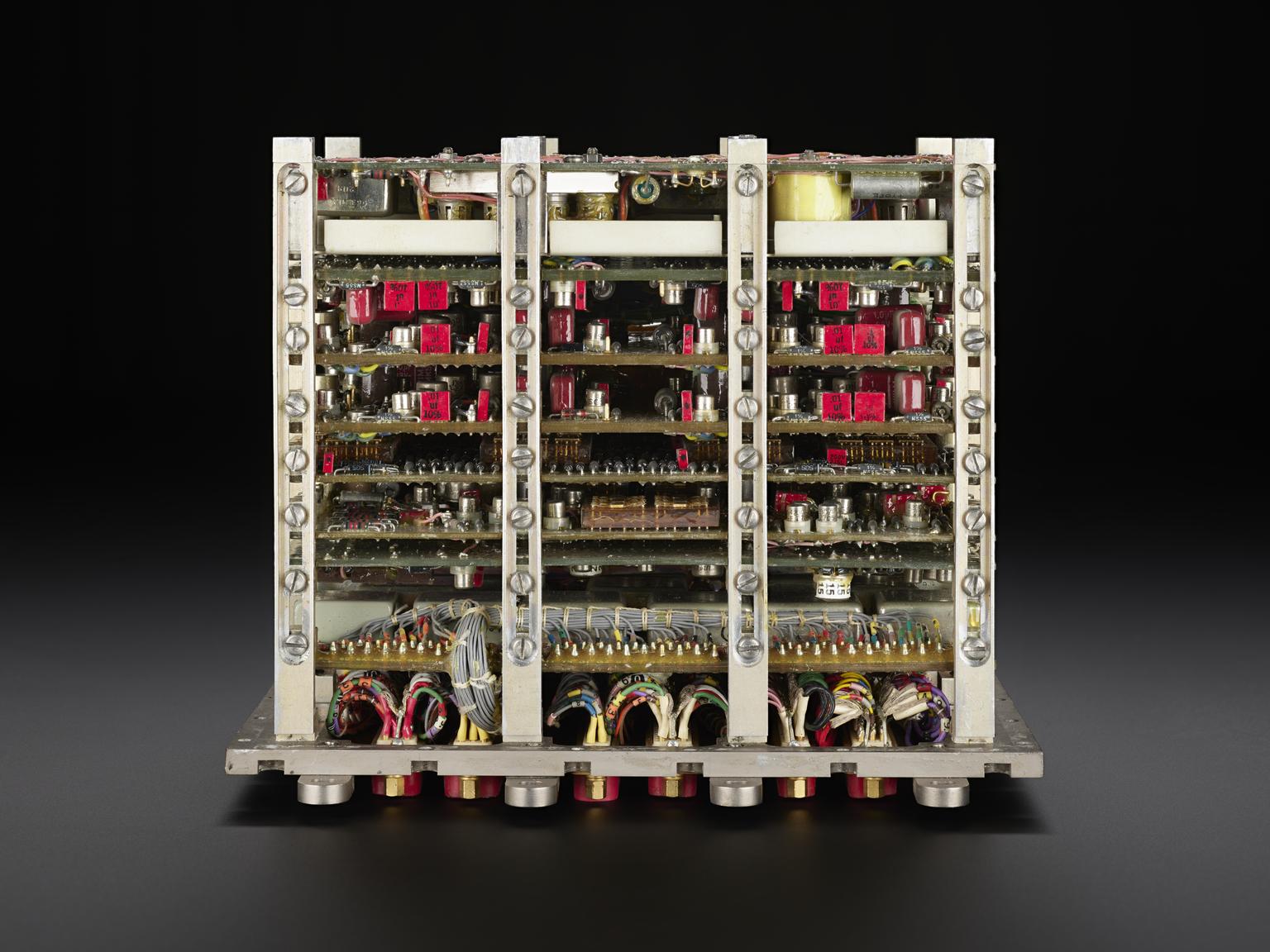
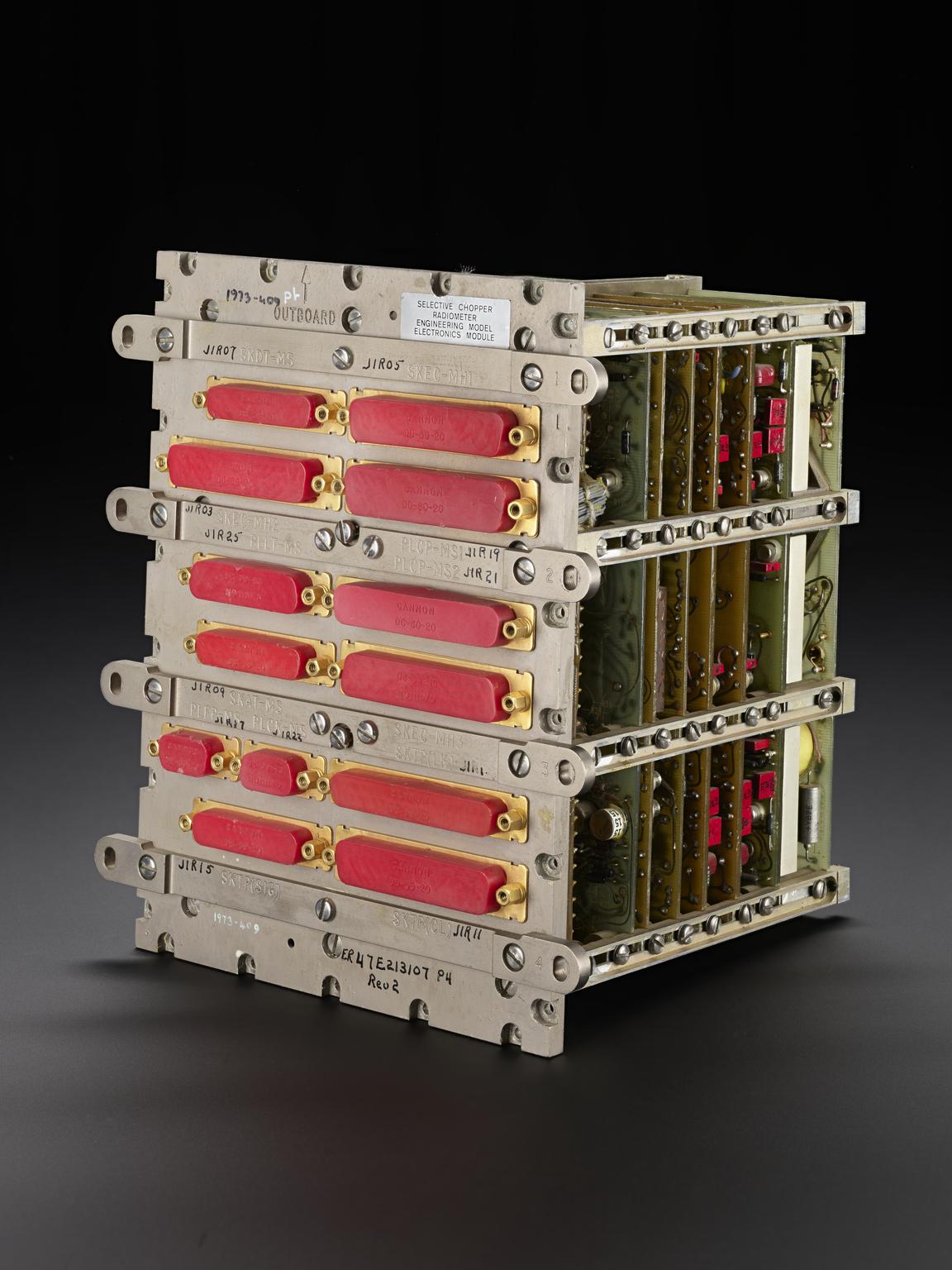
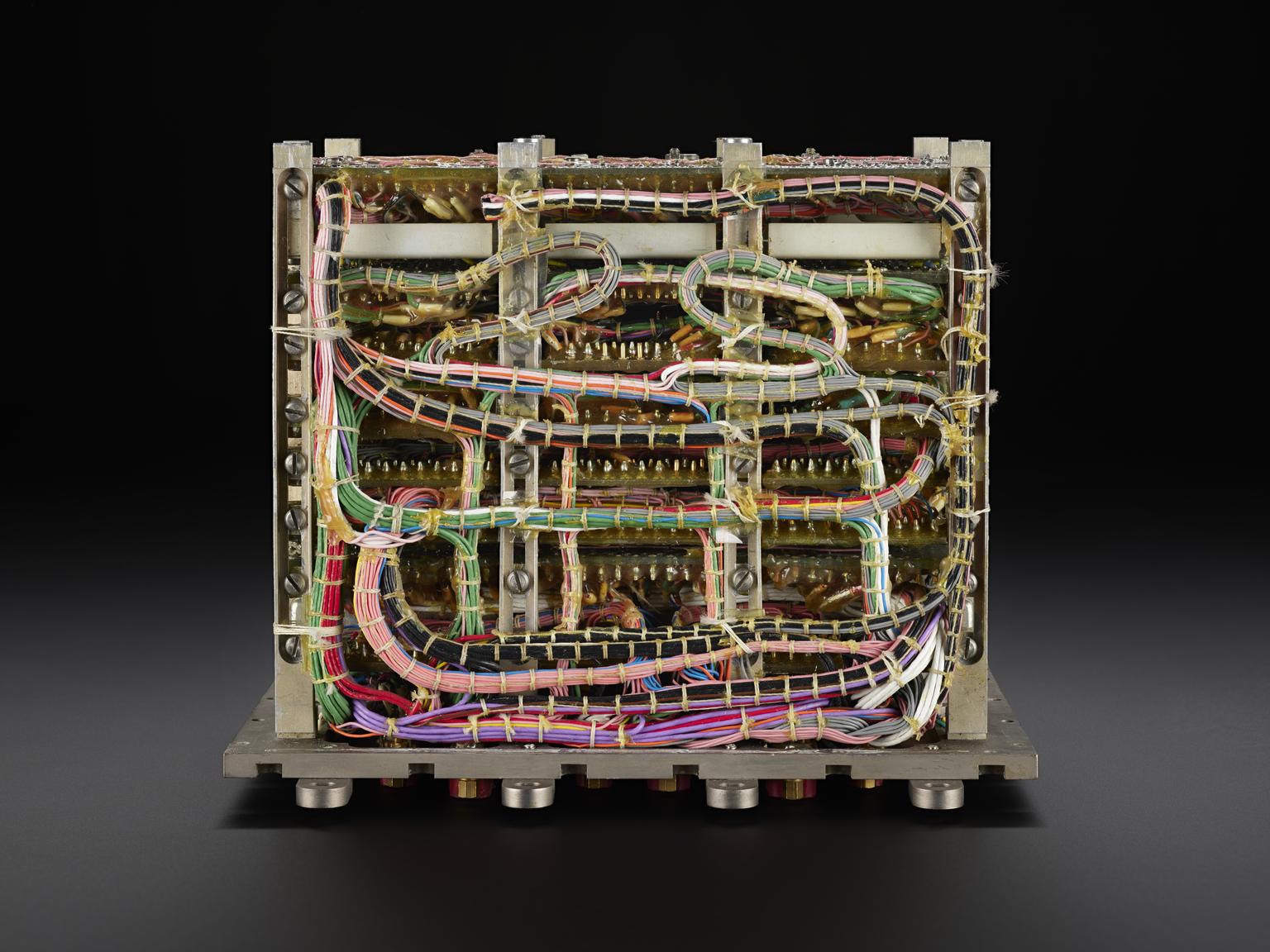
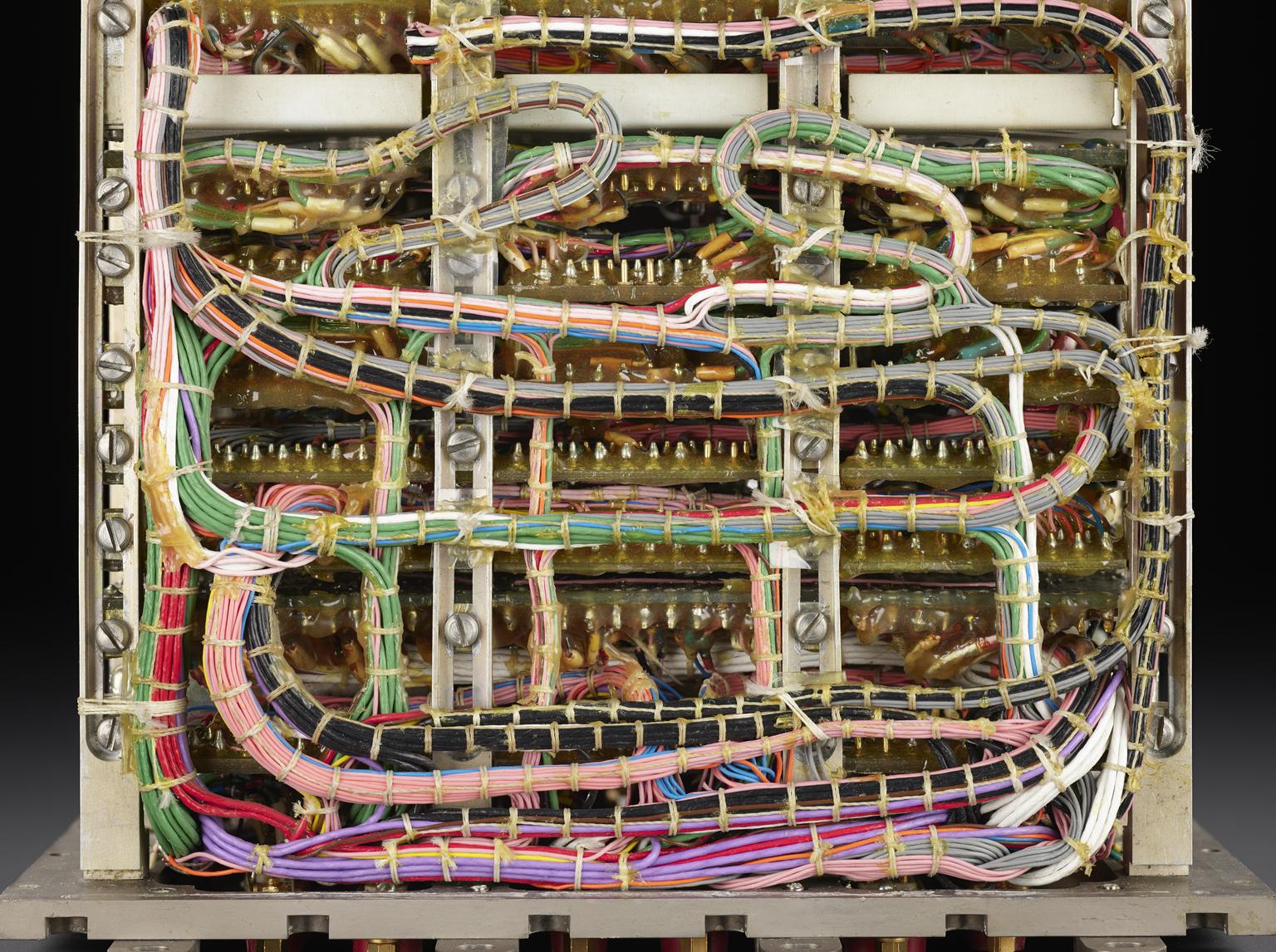
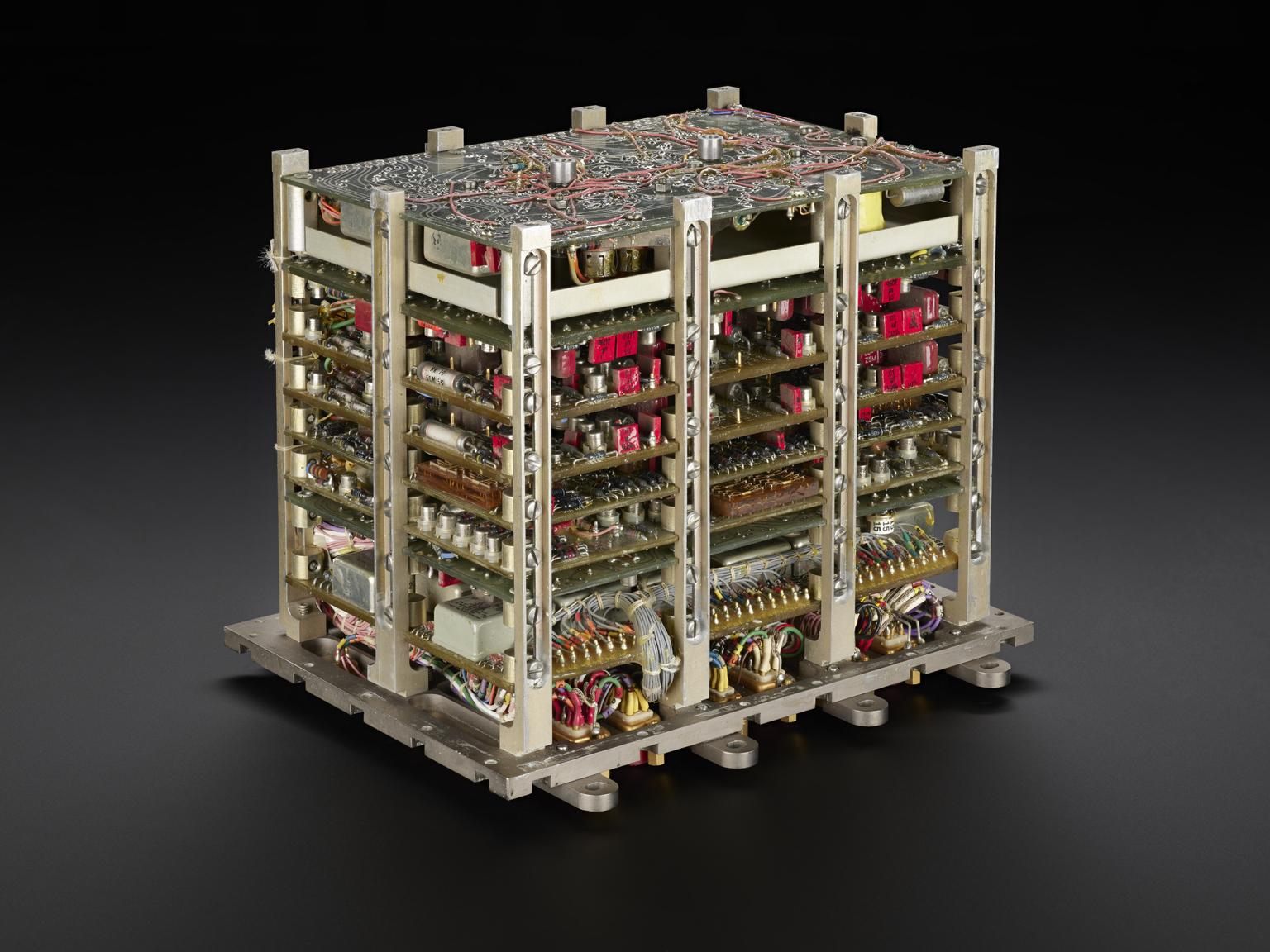
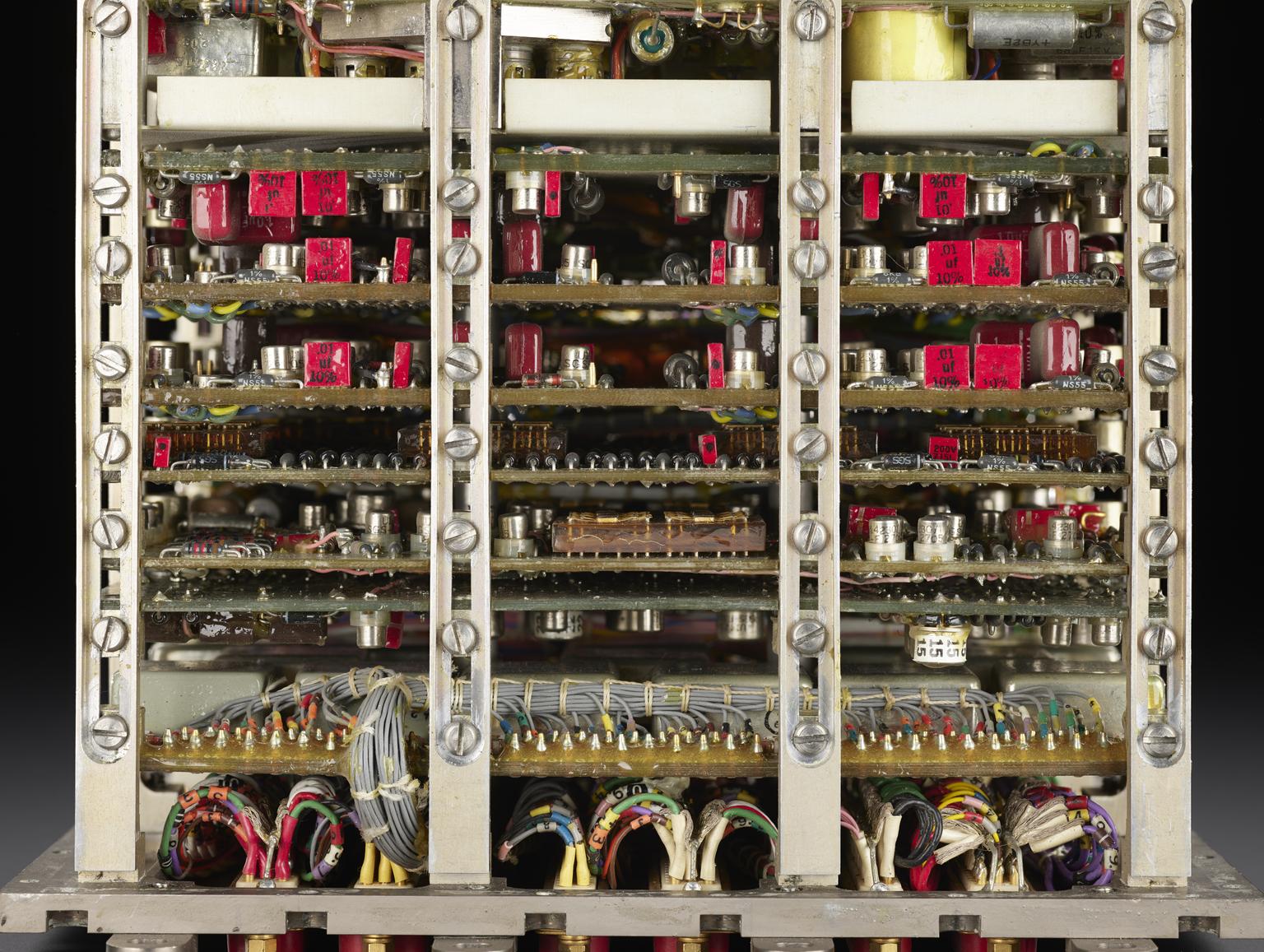
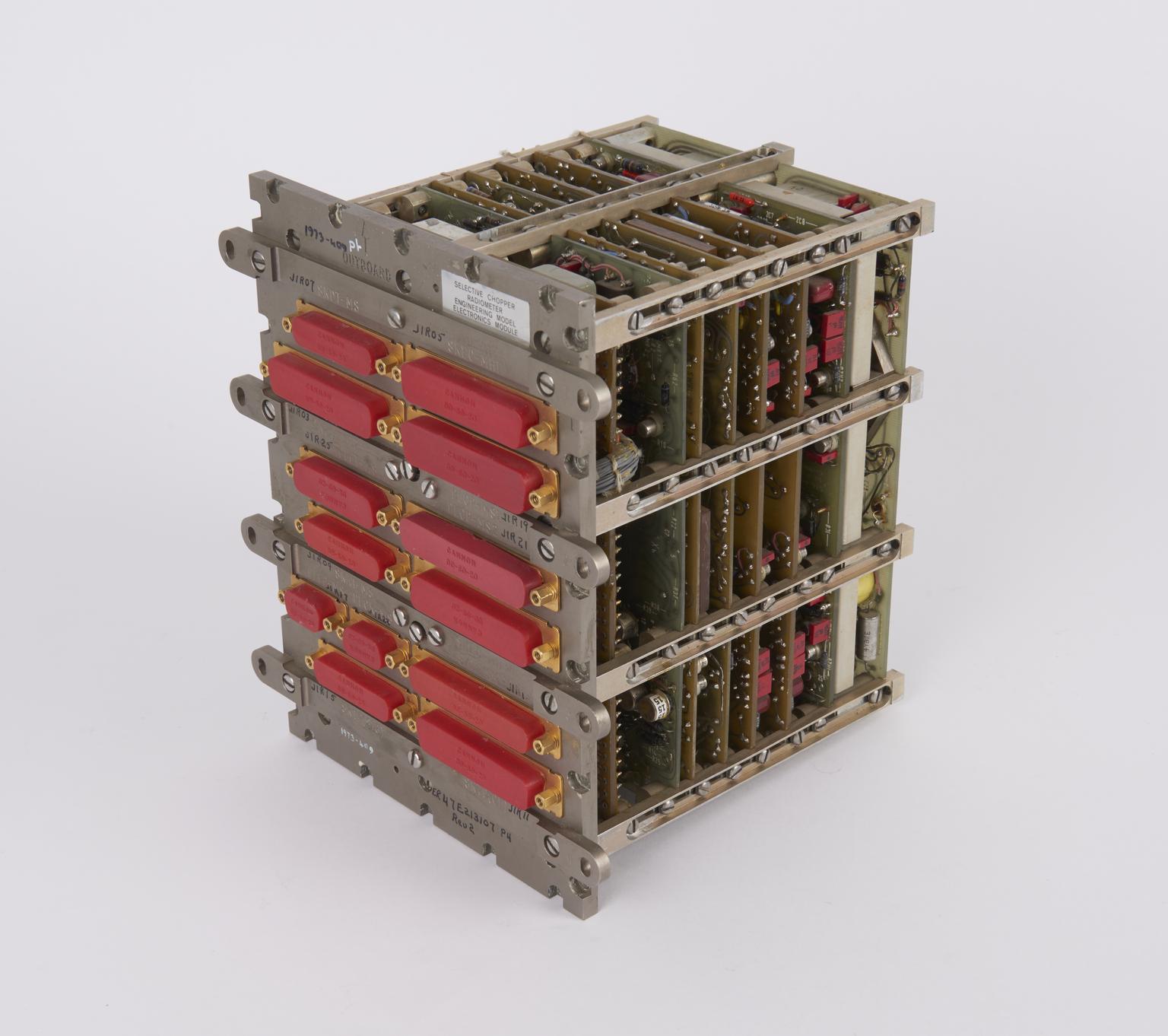
Nimbus 4 Selective Chopper Radiometer, optics housing plus electronics module (flight spare), 1968-1970

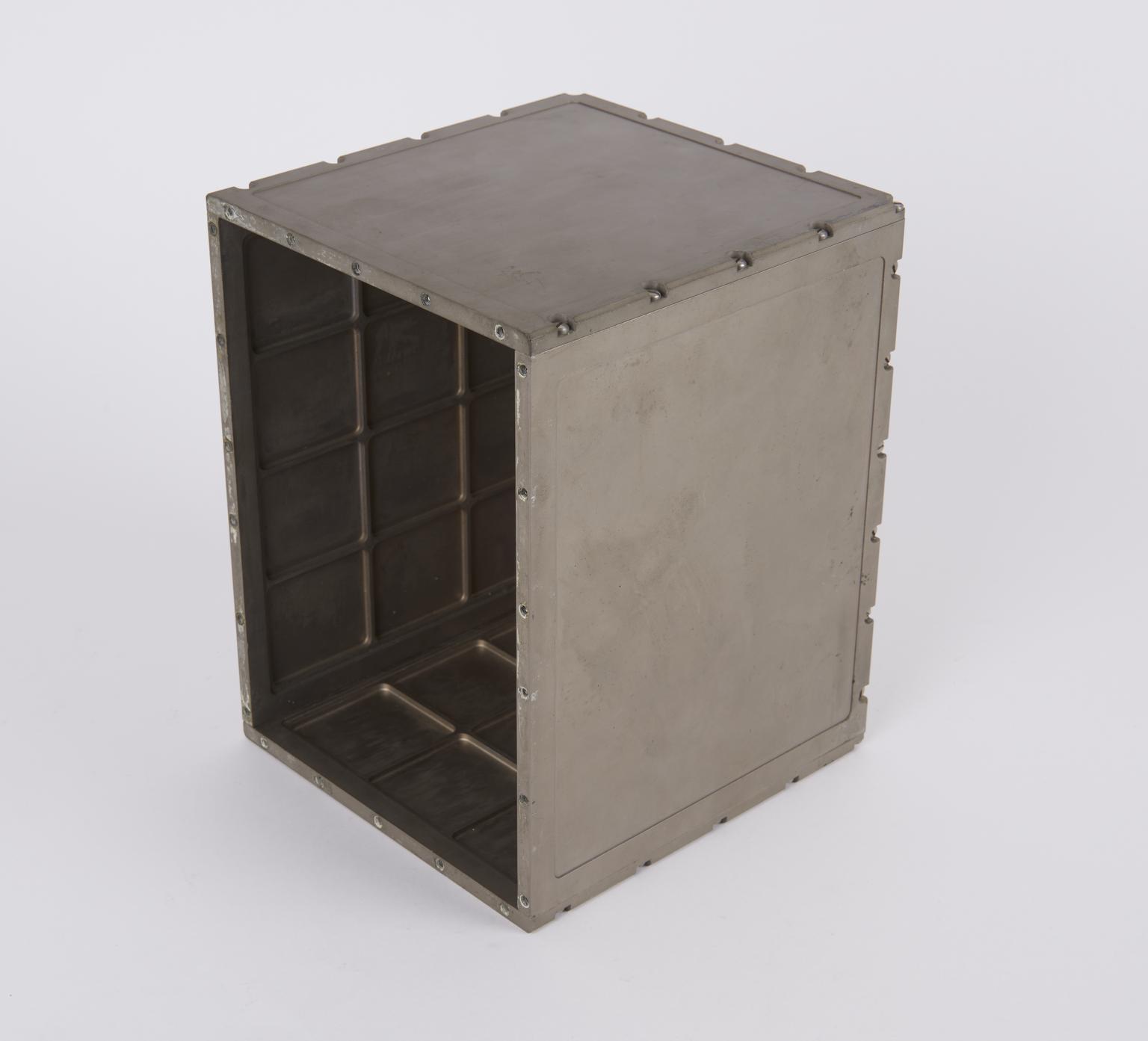
Nimbus 4 Selective Chopper Radiometer (SCR), optics housing, plus electronics module (flight spare), 1968-1970, developed in partnership between Oxford University (Clarendon Laboratory) and the University of Reading, to measure atmospheric temperatures from space. The SCR measured infrared radiation emitted by carbon dioxide. The SCR was flown on the Nimbus 4 satellite as well as the Nimbus 5. It was the first instrument of its kind to provide global measurements of atmospheric temperature without interference from clouds. Nimbus 4 launched on 8 April 1970 by a Thor-Agena rocket from Vandenberg AIr Force Base in California, USA. The spacecraft operated until September 1980.

NASA's Nimbus programme was a pioneering satellite programme for meteorological research and development. The seven satellites launched during a 14-year period tested sensors and collected data on Earth's atmosphere for 30 years. It served as the basis for modern Earth-observing satellites. One of the most significant contributions of the Nimbus programme was - for the first time - providing scientsits with direct observations of the amount of solar radiation entering and exiting the Earth system. This helped to verify and refine early climate models.

Details

Category:
Space Technology
Object Number:
1973-409
Materials:
metal (unknown), aluminium alloy, steel (metal), plastic (unidentified) and electrical components
Measurements:
overall: 640 mm x 390 mm x 850 mm, ,
type:
radiometer and component
credit:
Heriot Watt University & Clarendon Laboratory.

Parts

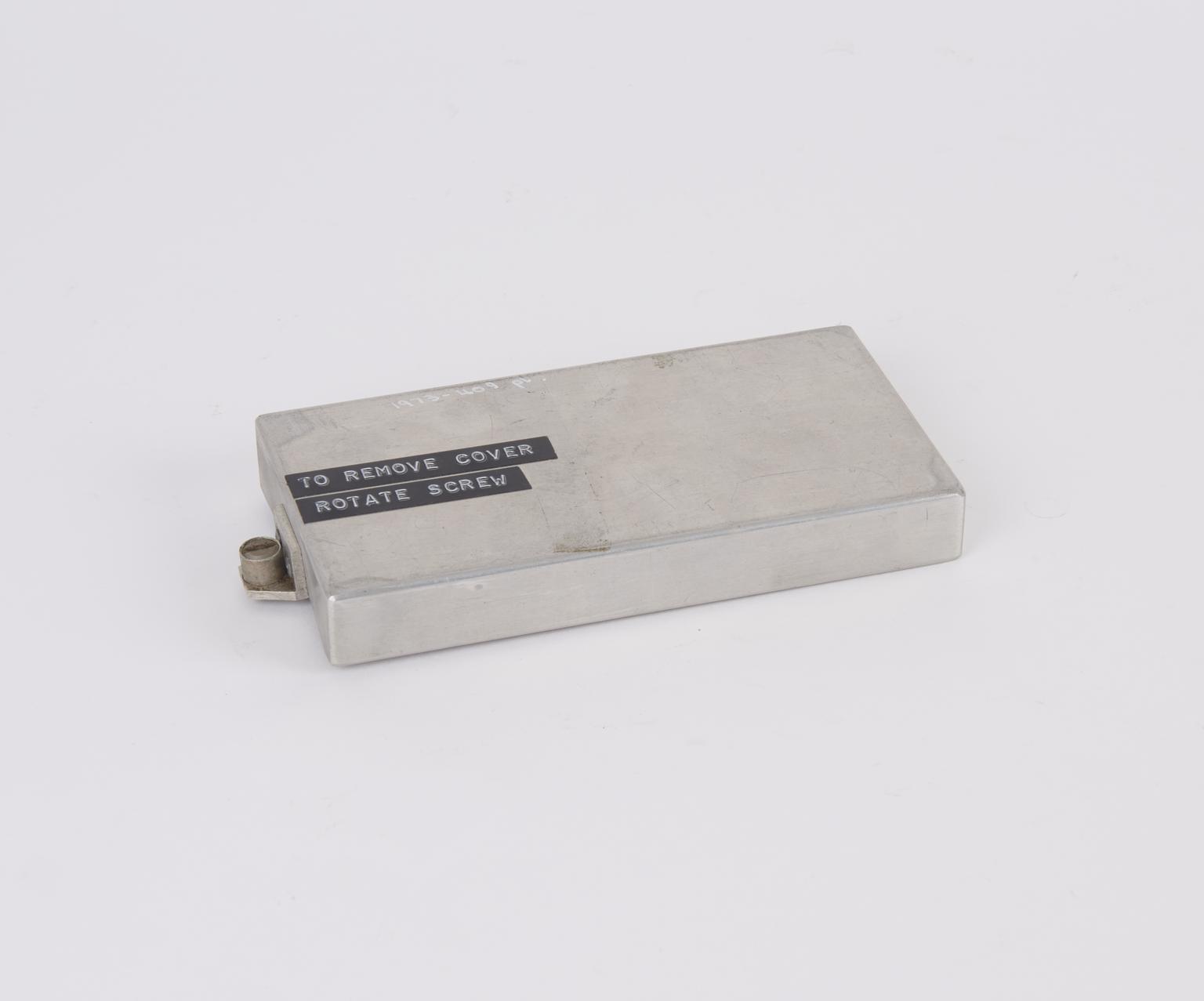
Nimbus 4 Selective Chopper Radiometer electronics module (flight spare)

Nimbus 4 Selective Chopper Radiometer electronics module (flight spare)

A flight spare of the electronics module for Nimbus 4's Selective Chopper Radiometer (SCR) instrument, developed in partnership between Oxford University (Clarendon Laboratory) and the University of Reading, to measure atmospheric temperatures from space.

More

NASA's Nimbus programme was a pioneering satellite programme for meteorological research and development. The seven satellites launched during a 14-year period tested sensors and collected data on Earth's atmosphere for 30 years. It served as the basis for modern Earth-observing satellites. One of the most significant contributions of the Nimbus programme was - for the first time - providing scientsits with direct observations of the amount of solar radiation entering and exiting the Earth system. This helped to verify and refine early climate models.

Measurements:
overall: 3.4 kg
Object Number:
1973-409/1
type:
flight spare
Image ©
The Board of Trustees of the Science Museum
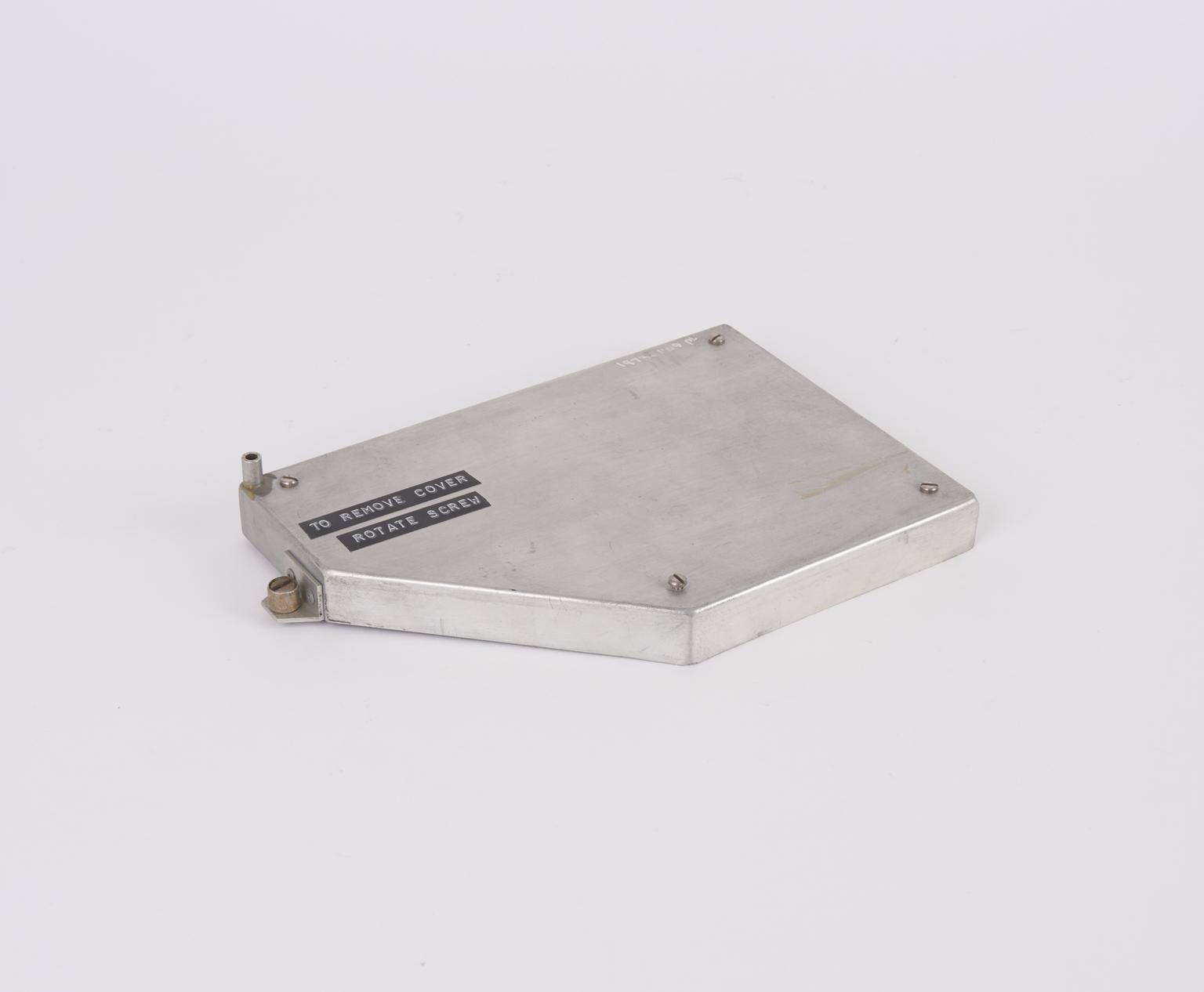
Nimbus 4 Radiometer.

Nimbus 4 Radiometer.

Nimbus 4 Radiometer, 1968-1970

Measurements:
overall: 660 mm x 860 mm x 470 mm,
Object Number:
1973-409/5
type:
radiometer and component