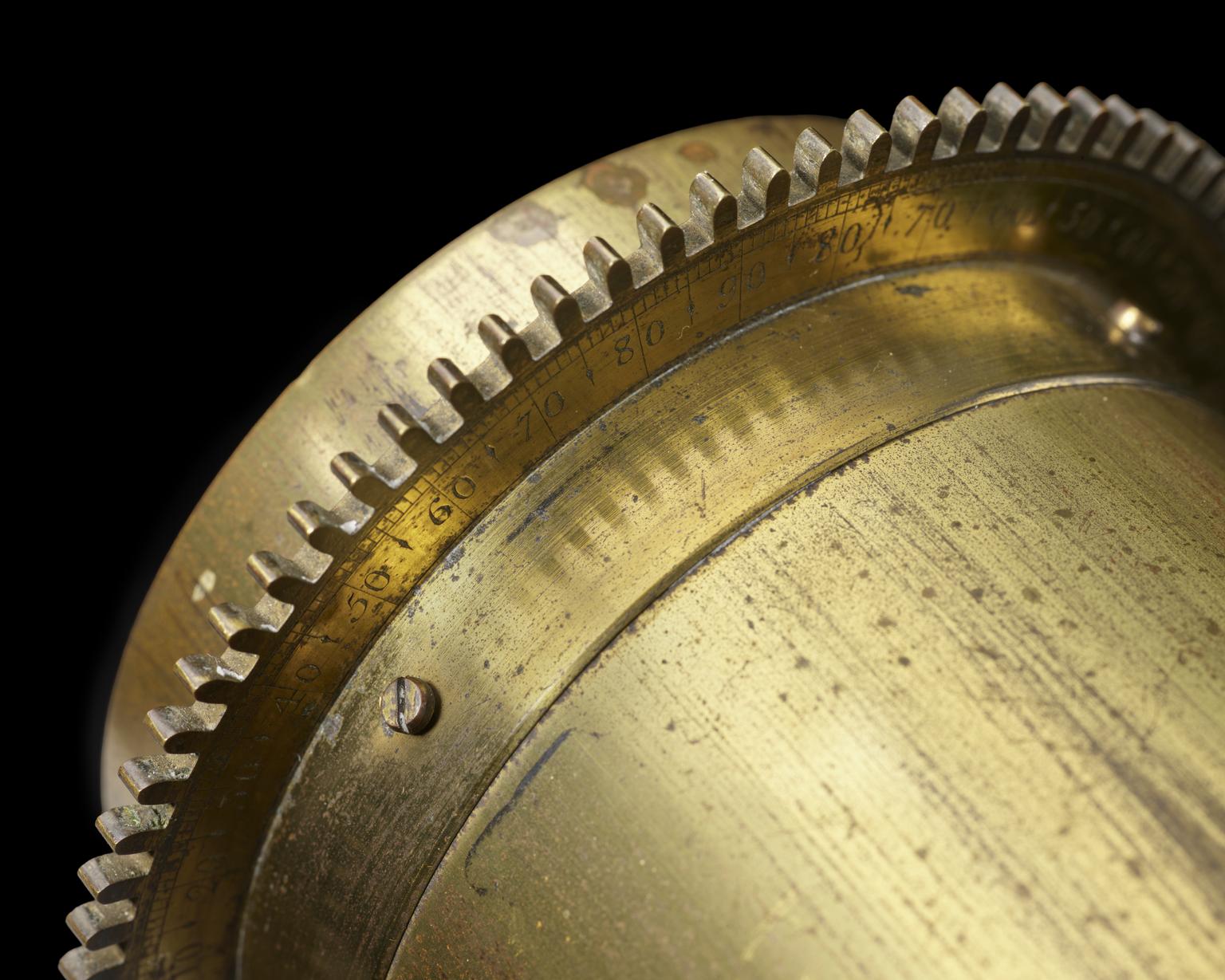
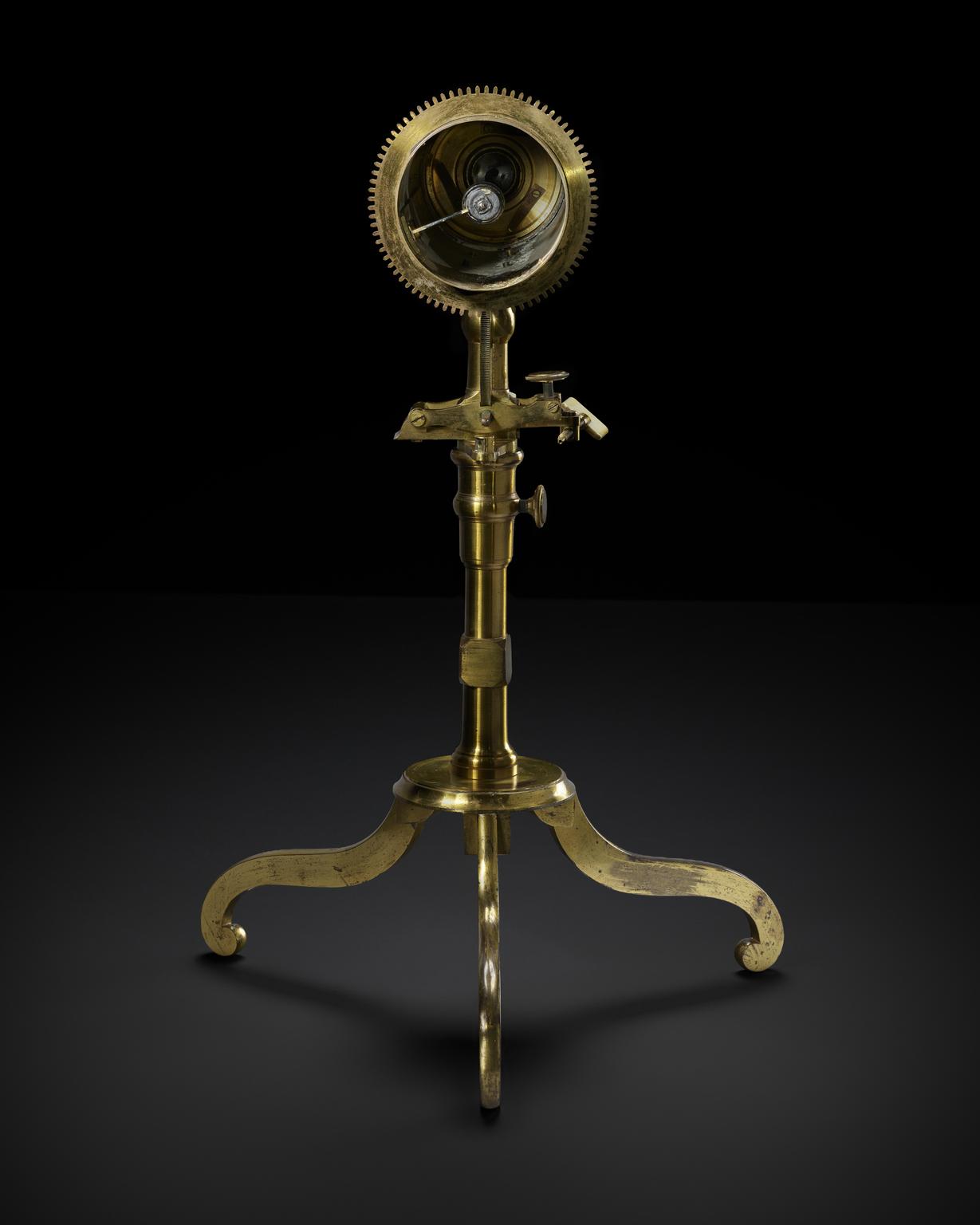
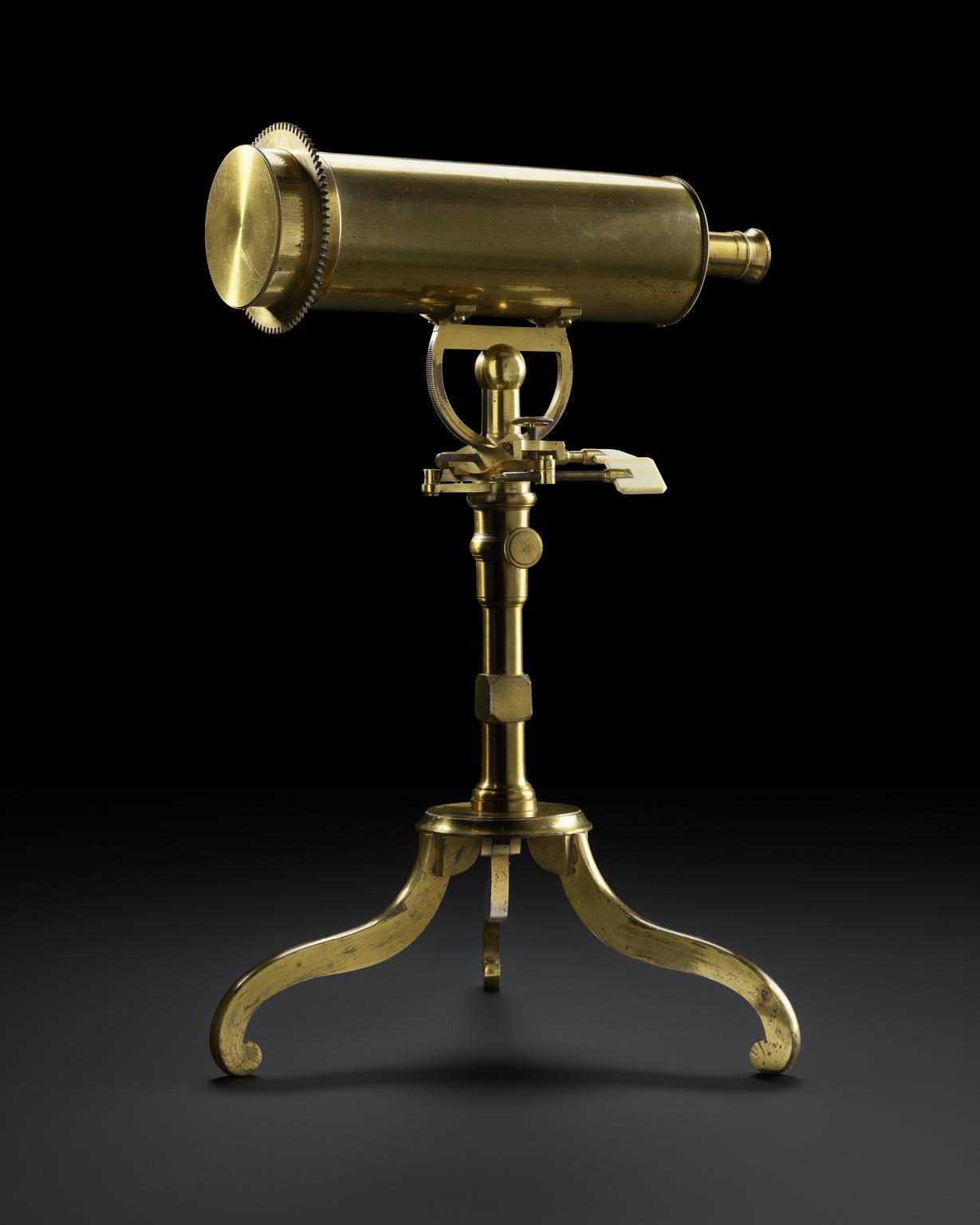
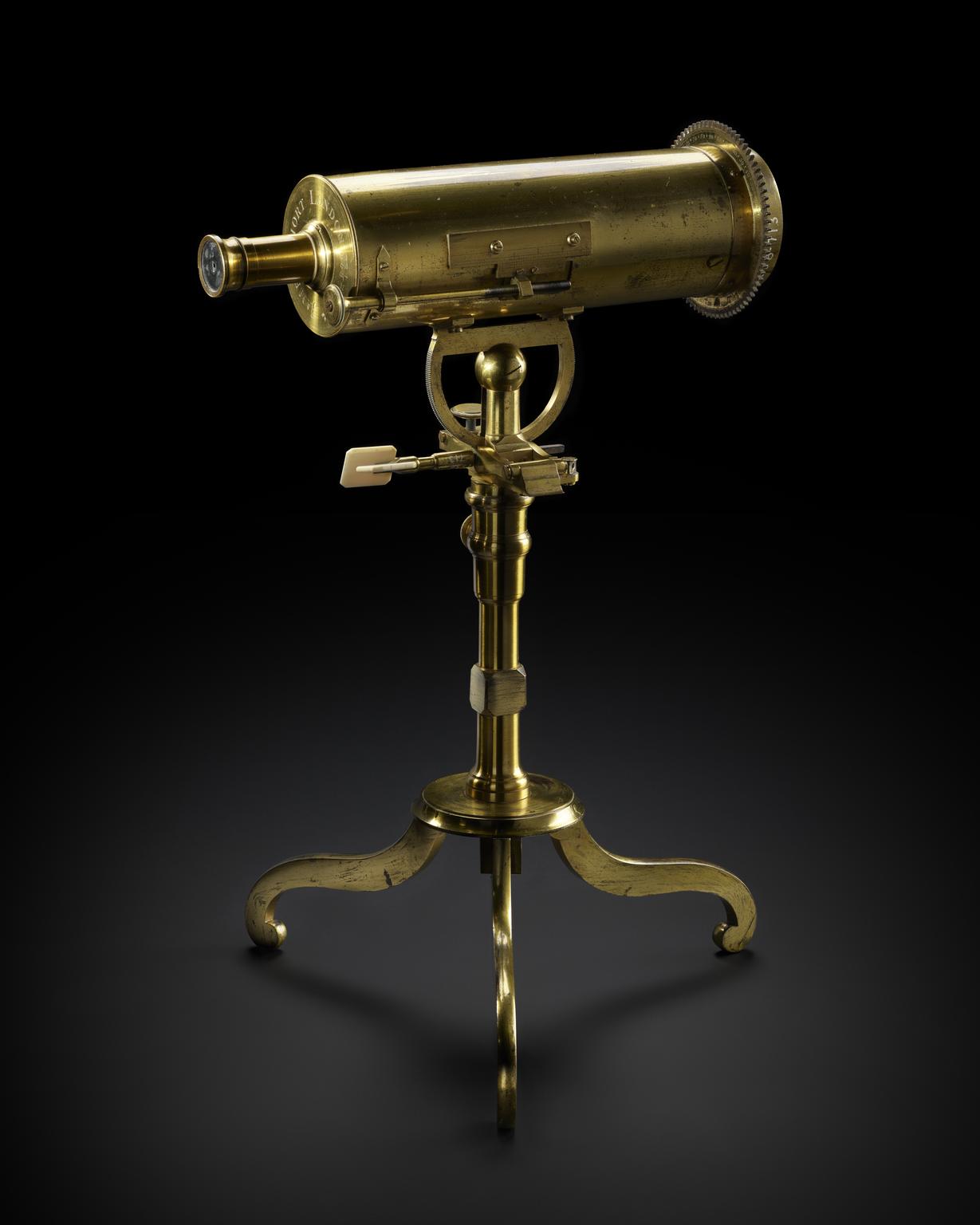
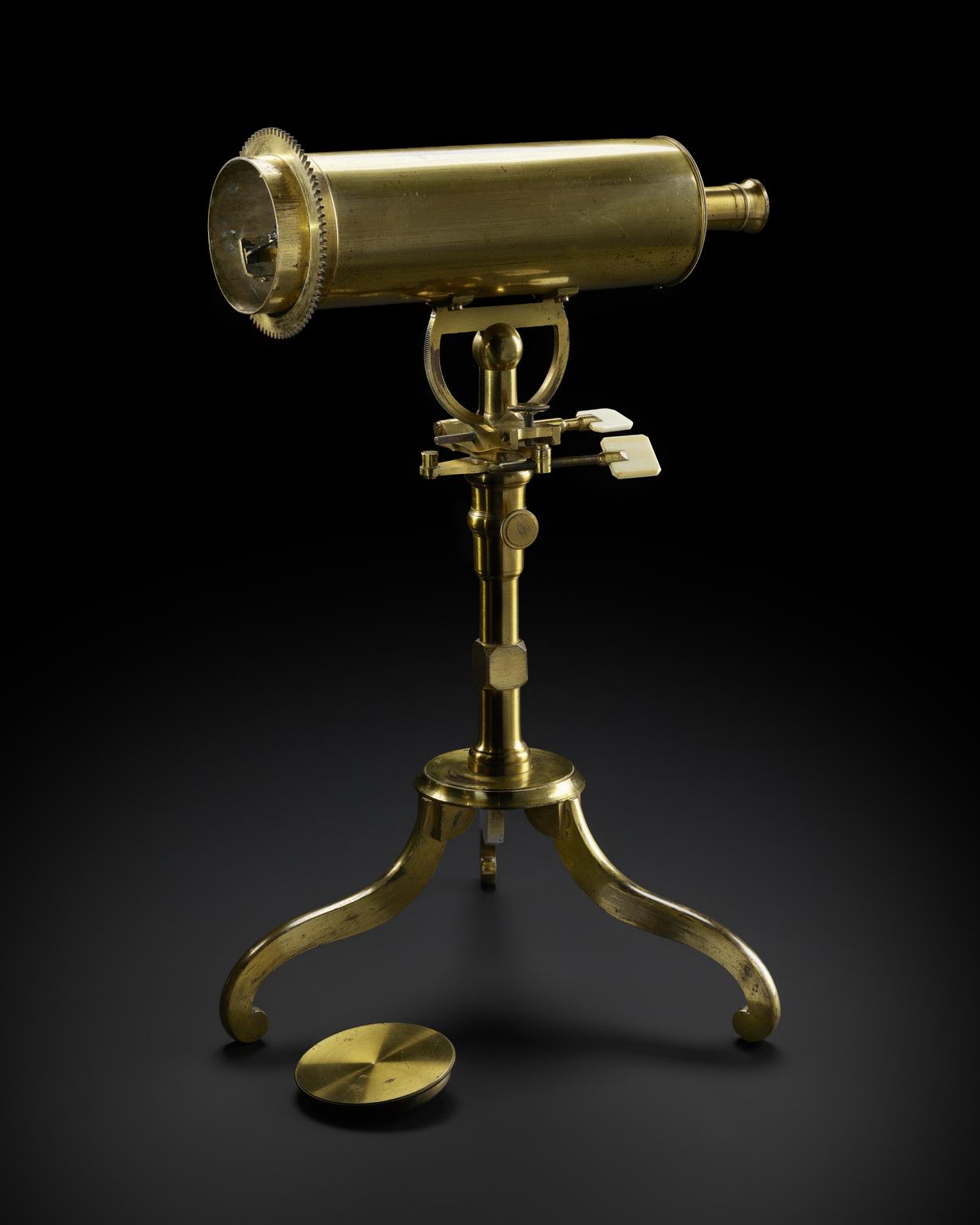
Cassegrain reflecting Telescope of 2 1/2-inch aperture

Cassegrain reflecting Telescope of 2 1/2-inch aperture Cassegrain reflecting Telescope of 2 1/2-inch aperture Cassegrain reflecting Telescope of 2 1/2-inch aperture Cassegrain reflecting Telescope of 2 1/2-inch aperture

Creative Commons LicenseThis image is released under a CC BY-NC-SA 4.0 Licence
License this image for commercial use at Science and Society Picture Library

License

Creative Commons LicenseThis image is released under a CC BY-NC-SA 4.0 Licence
License this image for commercial use at Science and Society Picture Library

License

Creative Commons LicenseThis image is released under a CC BY-NC-SA 4.0 Licence
License this image for commercial use at Science and Society Picture Library

License

Creative Commons LicenseThis image is released under a CC BY-NC-SA 4.0 Licence

License this image for commercial use at Science and Society Picture Library

License

Science Museum Group Collection
© The Board of Trustees of the Science Museum
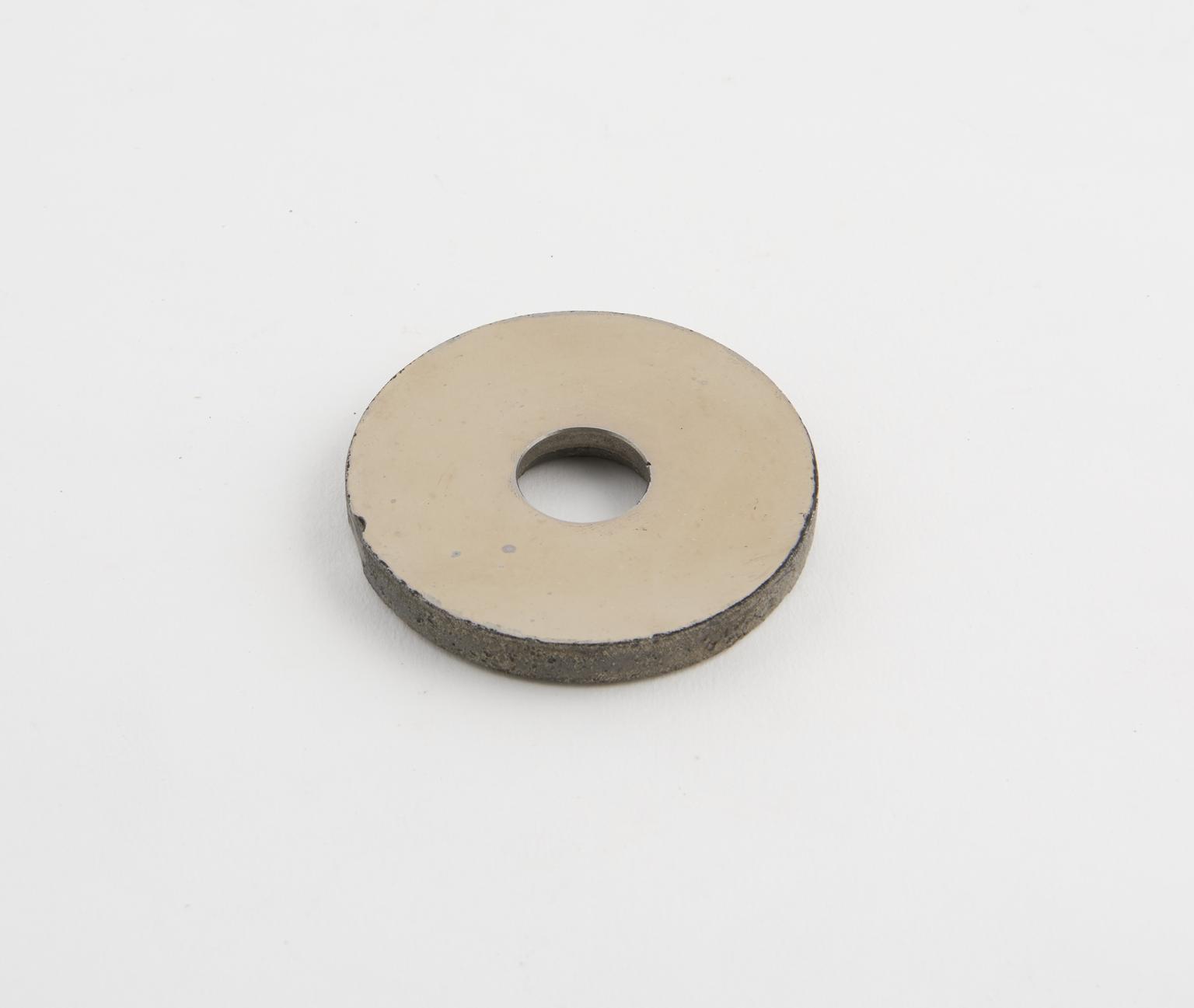
Science Museum Group Collection
© The Board of Trustees of the Science Museum

Science Museum Group Collection
© The Board of Trustees of the Science Museum
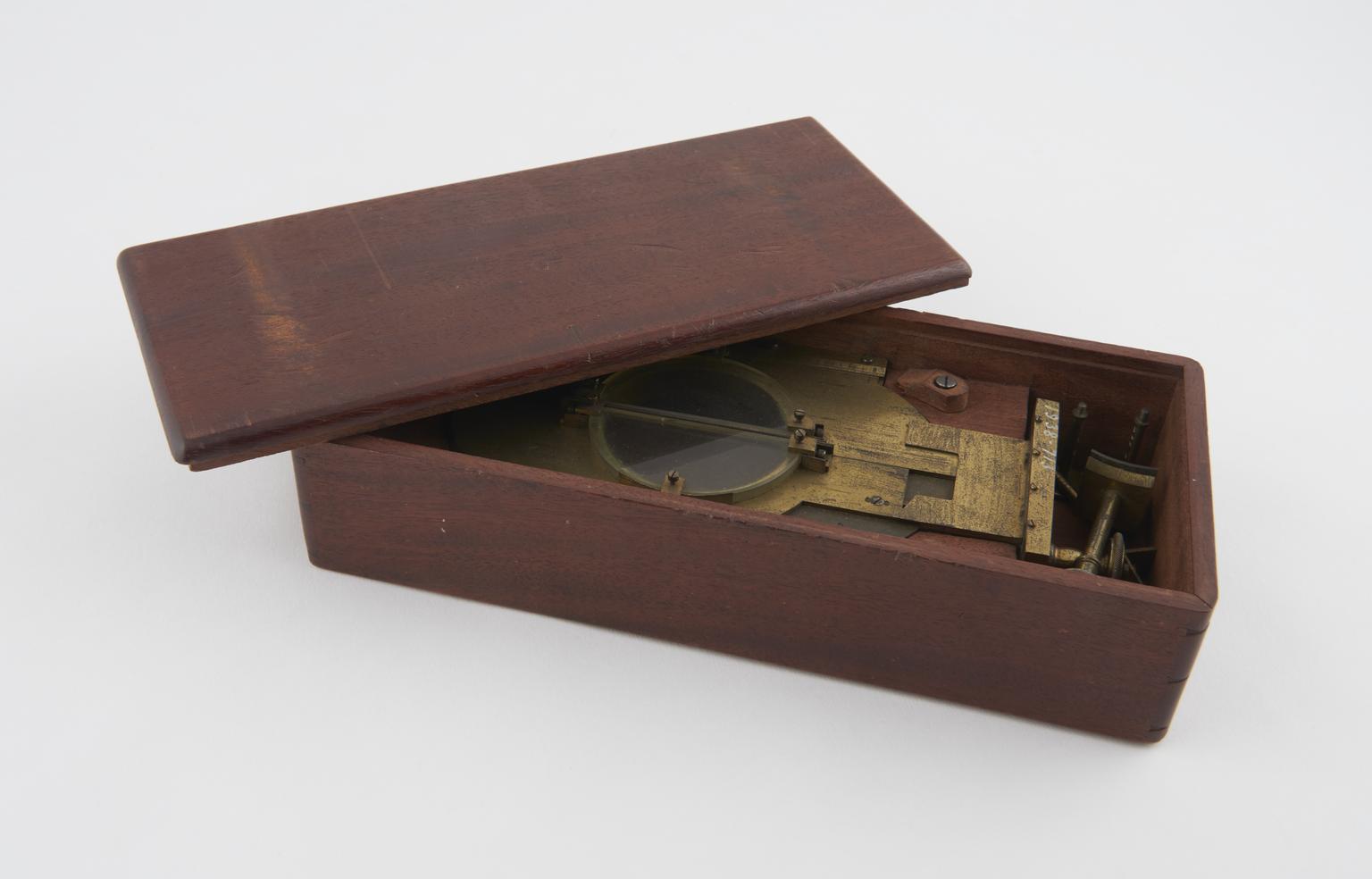
Science Museum Group Collection
© The Board of Trustees of the Science Museum

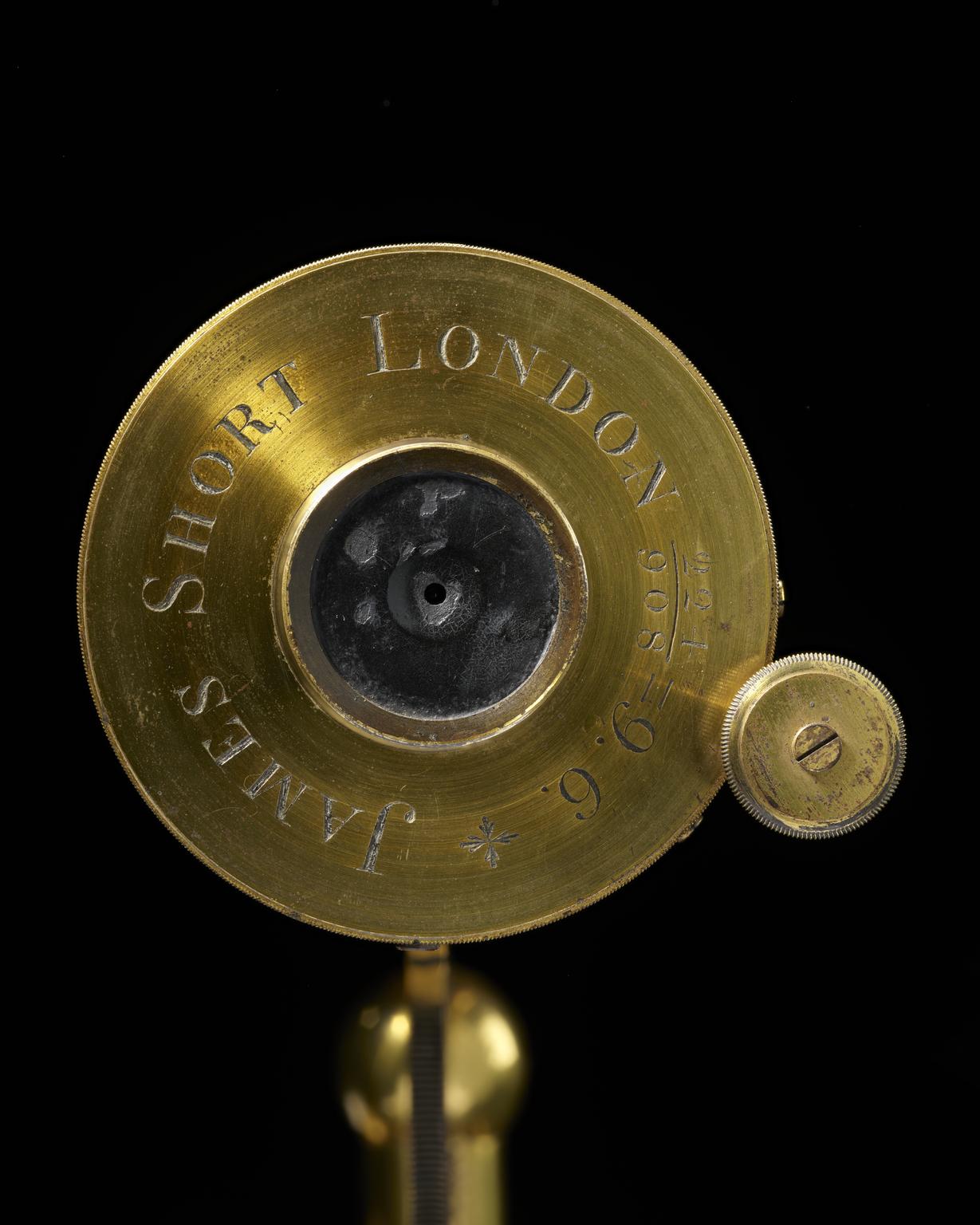
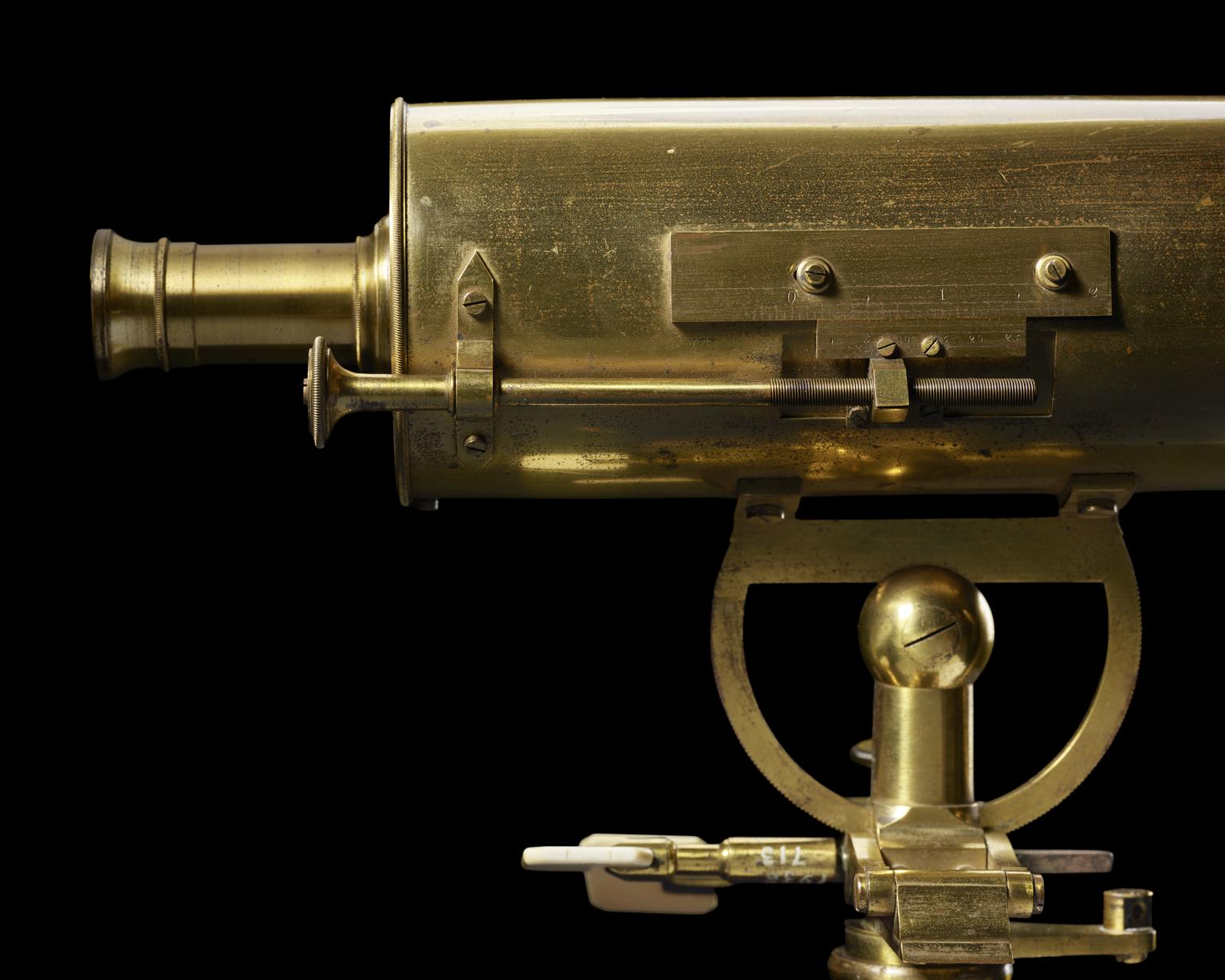
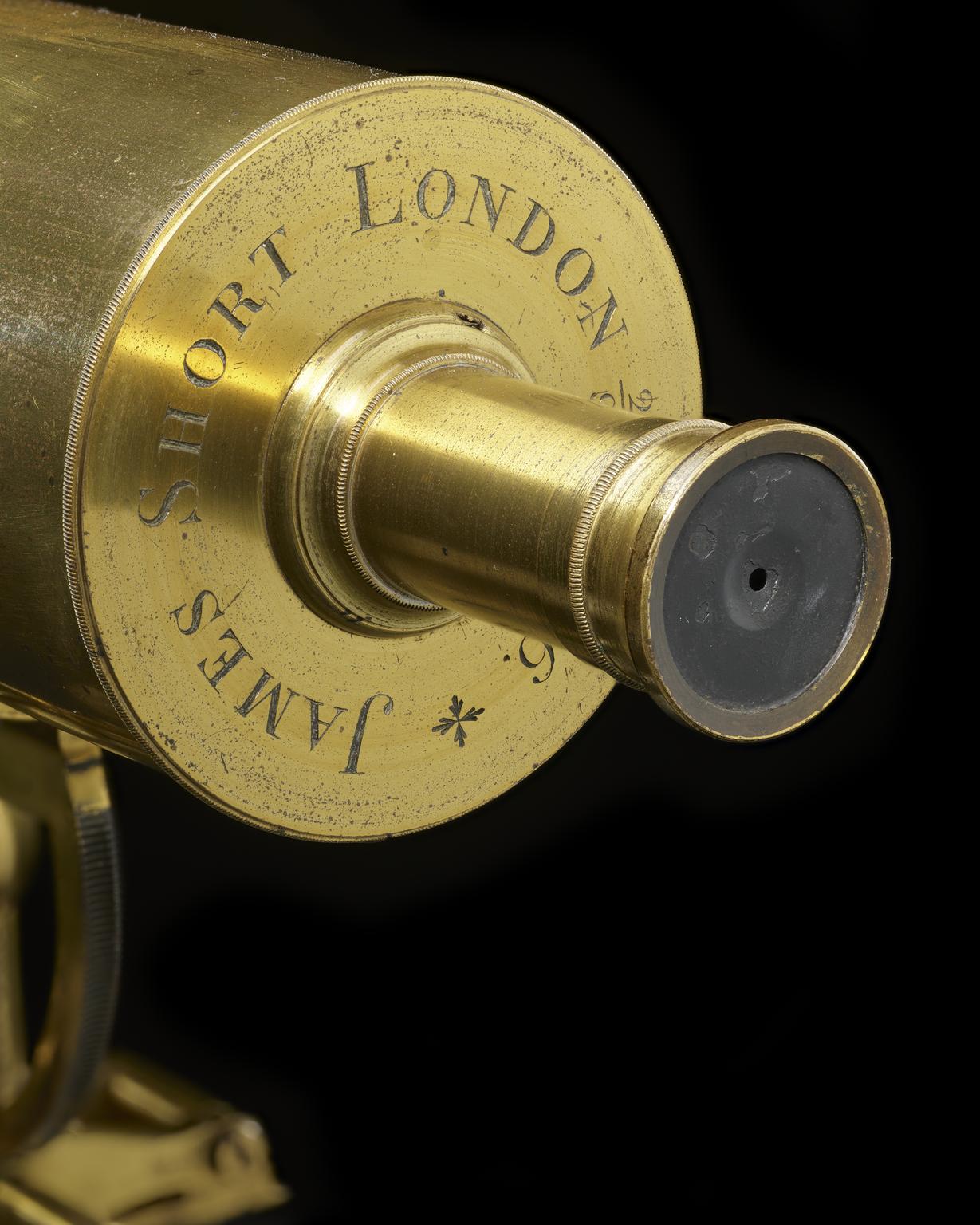
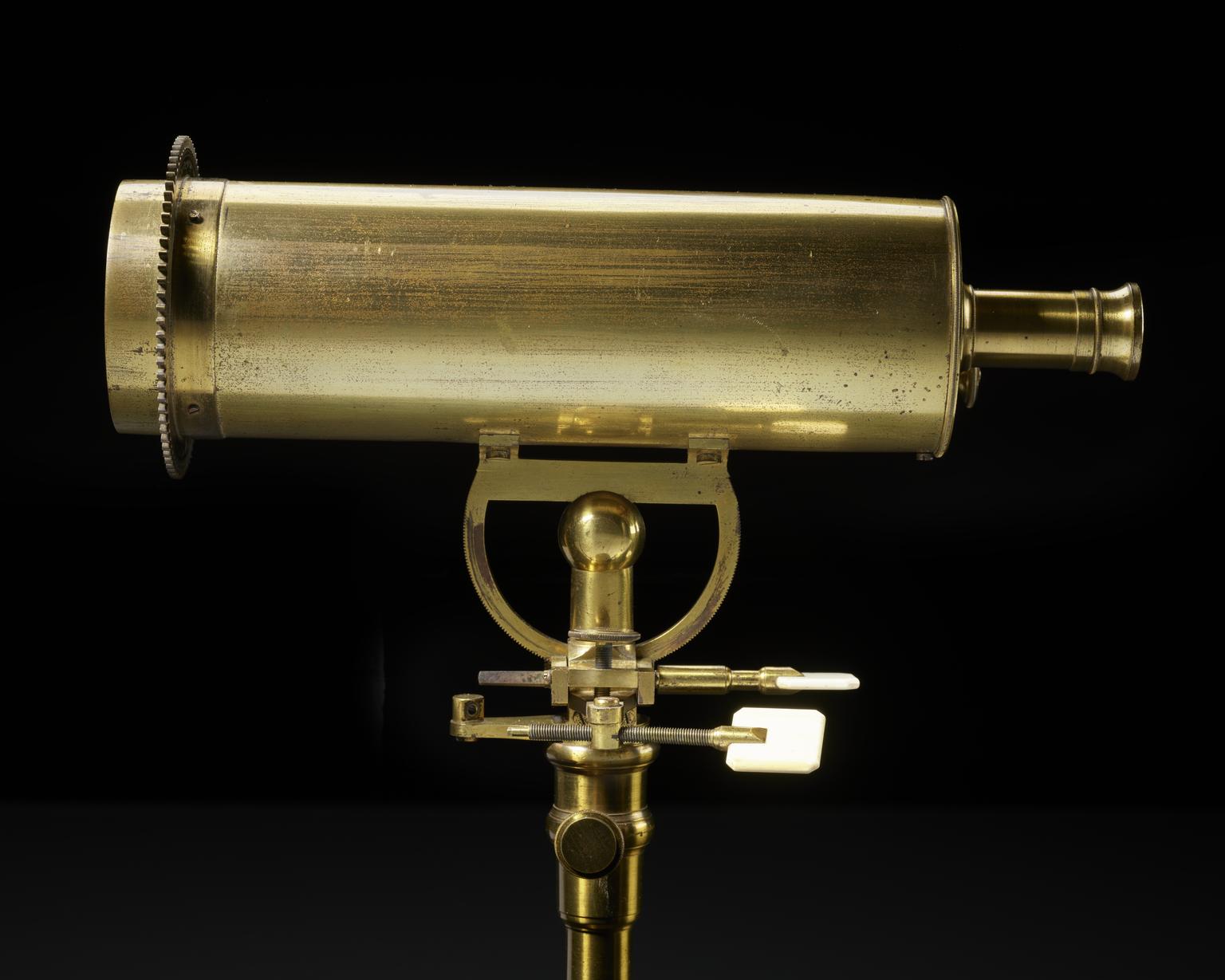
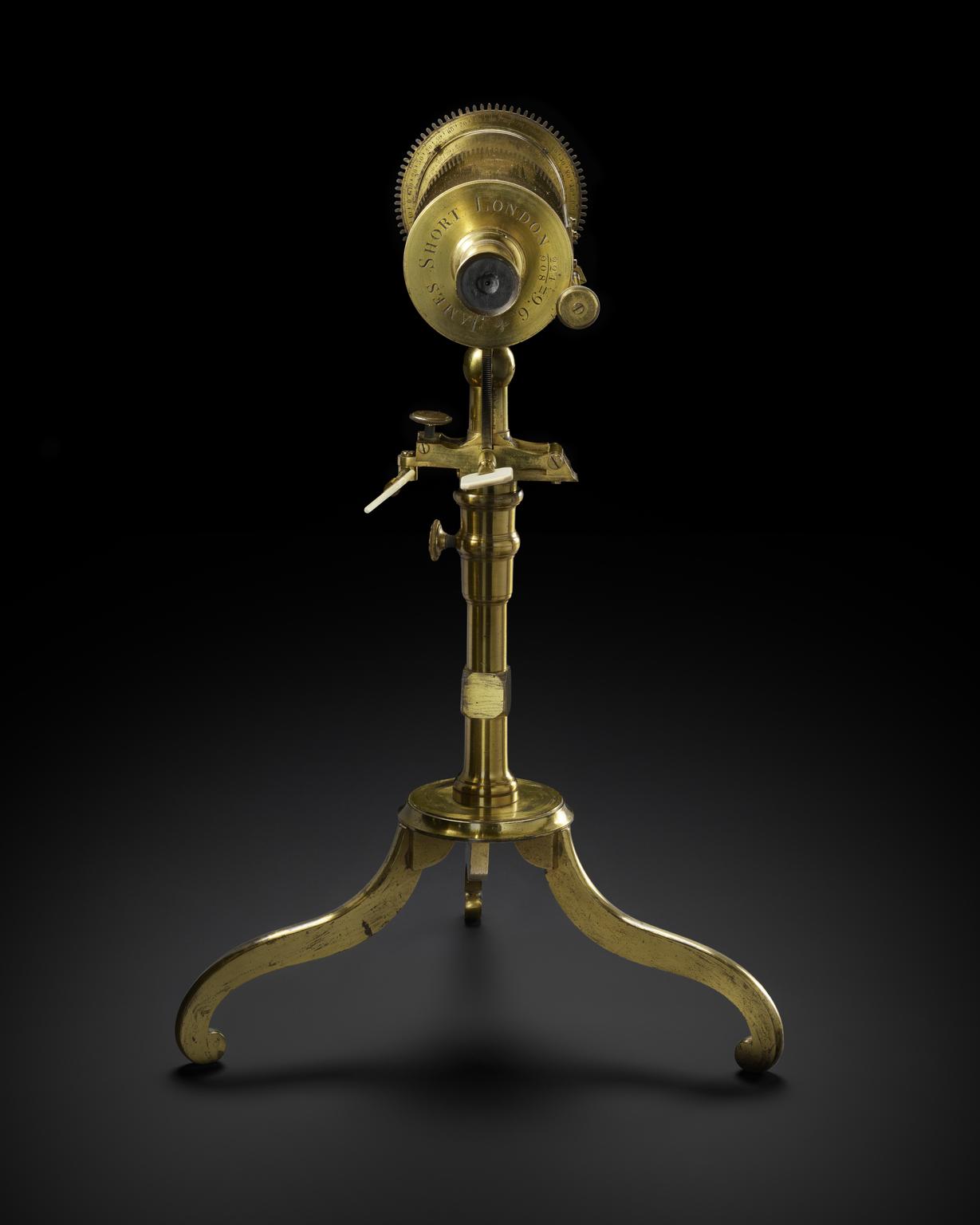
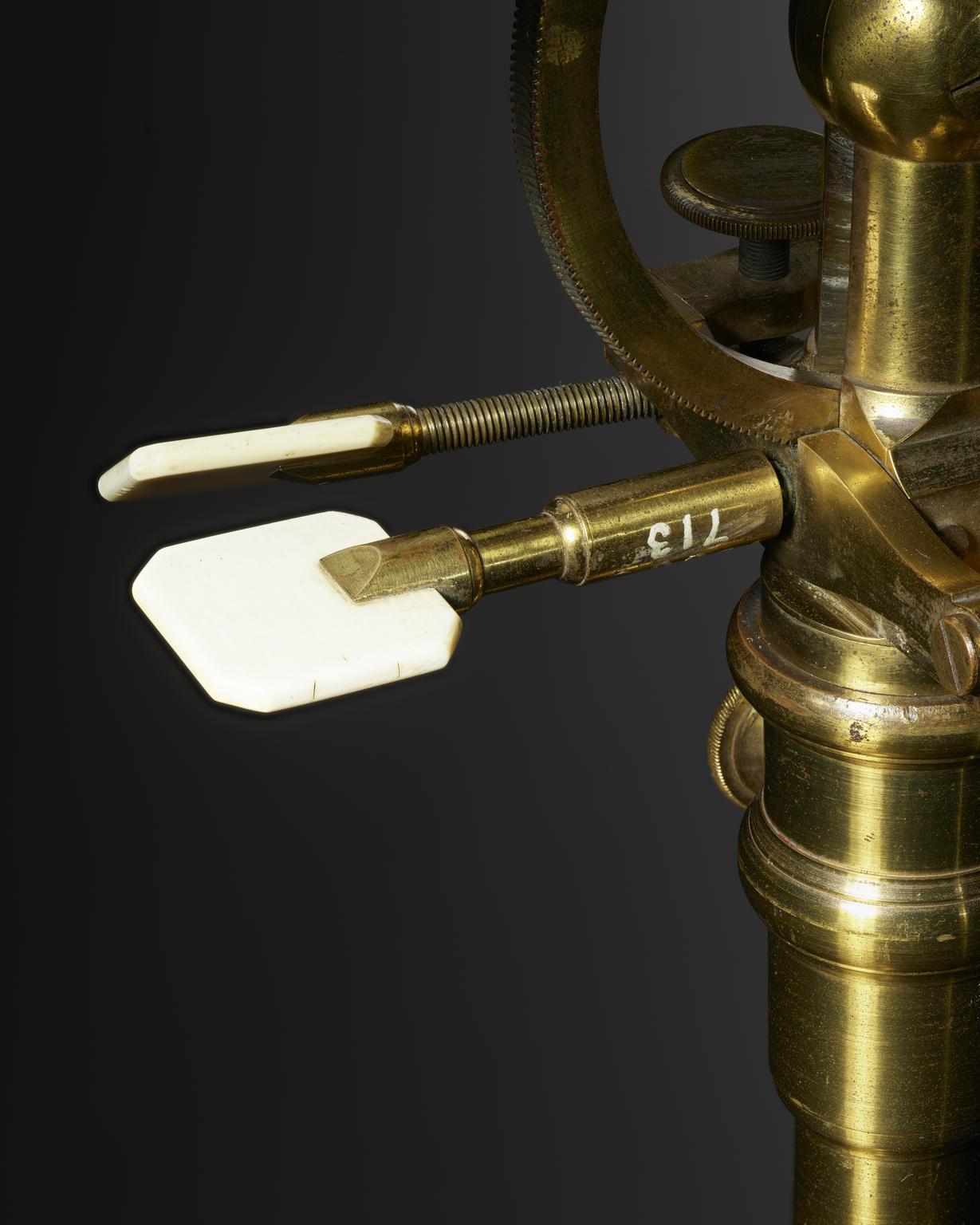
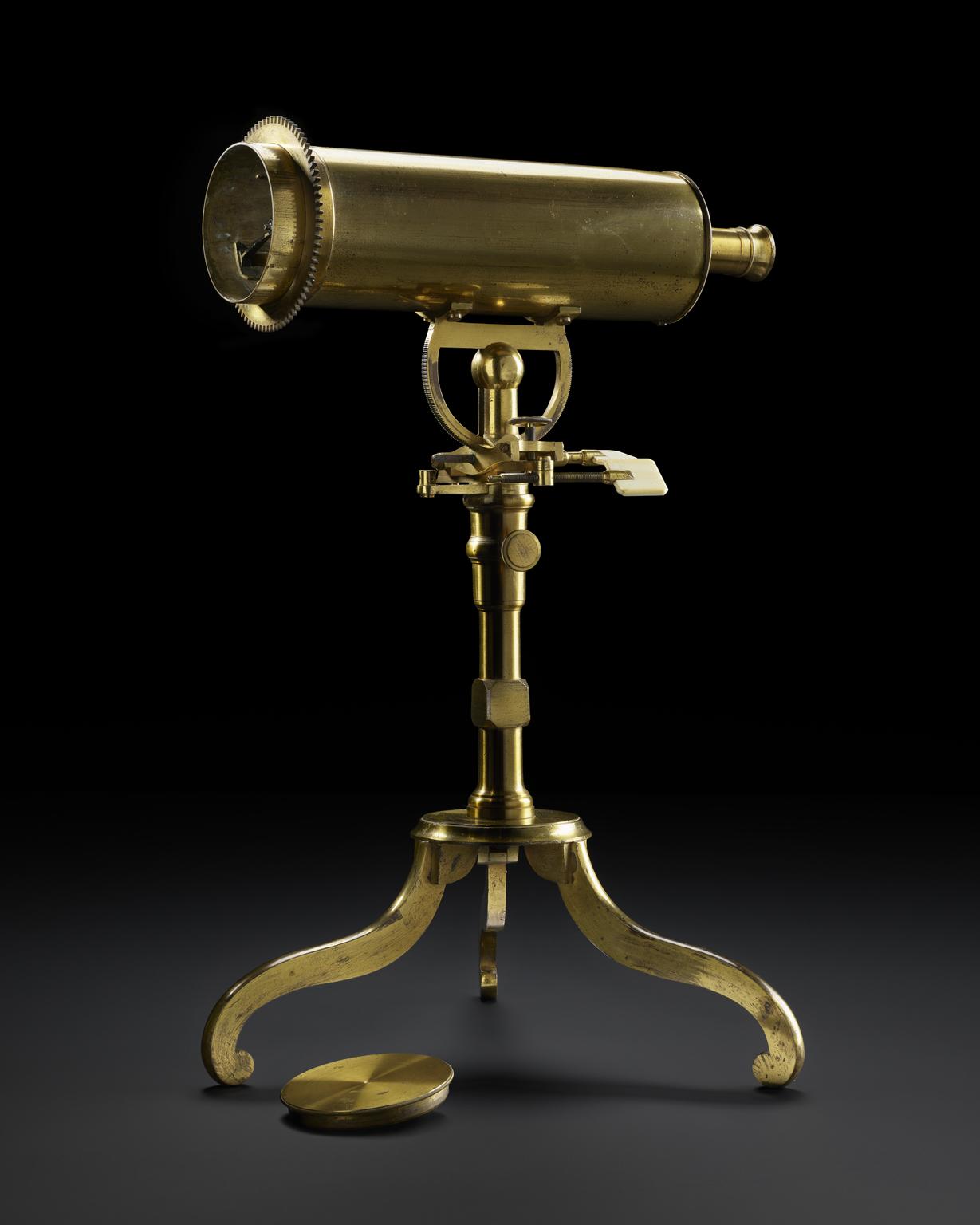
Cassegrain reflecting brass telescope, 2½-inch aperture, with claw-foot pillar stand and divided object-lens micrometer, in original wooden case. Made by James Short, London, 1756–1758. Engraved "James Short London 224/908 = 9.6".

This reflecting telescope uses the Cassegrain optical configuration. Light is gathered by a large concave mirror and reflected onto a smaller convex mirror, which sends it back through a hole in the concave mirror to reach the eyepiece. Folding the light path this way allows a telescope with a long focal length to fit into a relatively short tube, making it ideal for observing the night sky.

James Short was a Scottish mathematician and manufacturer of optical instruments, specialising mainly in telescopes. His telescopes were sold across Britain, Europe and North America. They accompanied Captain Cook’s expedition to Tahiti for the observation of the 1769 Transit of Venus which was pivotal in the study of the solar system. A very similar Short telescope was also used by John Winthrop, professor of mathematics and philosophy at Harvard, to observe from North America the earlier Transit of Venus in 1761.

The numbers engraved on this example, 224/908 = 9.6, are part of James Short’s numbering system. They indicate that the telescope has a focal length of 9.6 inches, and that this example was the 224th of this type out of a total of 908 produced by Short.

Details

Category:
Astronomy
Object Number:
1938-713
Materials:
brass and speculum metal
type:
telescope - cassegrain, telescope - reflecting and heliometer
credit:
Mr Thomas H. Court

Parts

Cassegrain reflecting Telescope of 2 1/2-inch aperture with claw foot pillar stand

Cassegrain reflecting brass Telescope, 2 1/2-inch aperture, with claw foot pillar stand. Made by James Short, London, 1756-1758. Engraved "James Short London 224/908 = 9.6".

More

This reflecting telescope uses the Cassegrain optical configuration. Light is gathered by a large concave mirror and reflected onto a smaller convex mirror, which sends it back through a hole in the concave mirror to reach the eyepiece. Folding the light path this way allows a telescope with a long focal length to fit into a relatively short tube, making it ideal for observing the night sky.

James Short was a Scottish mathematician and manufacturer of optical instruments, specialising mainly in telescopes. His telescopes were sold across Britain, Europe and North America. They accompanied Captain Cook’s expedition to Tahiti for the observation of the 1769 Transit of Venus which was pivotal in the study of the solar system. A very similar Short telescope was also used by John Winthrop, professor of mathematics and philosophy at Harvard, to observe from North America the earlier Transit of Venus in 1761.

The numbers engraved on this example, 224/908 = 9.6, are part of James Short’s numbering system. They indicate that the telescope has a focal length of 9.6 inches, and that this example was the 224th of this type out of a total of 908 produced by Short.

Measurements:
overall: 422 mm x 250 mm x 280 mm, 2.75 kg
Materials:
complete , brass , steel , ivory and glass
Object Number:
1938-713 Pt1
type:
instrument component , telescope - cassegrain and telescope - reflecting
Image ©
The Board of Trustees of the Science Museum

Divided object-lens micrometer by Peter Dollond for cassegrain reflecting Telescope of 2 1/2-inch aperture

Divided object-lens micrometer by Peter Dollond for cassegrain reflecting Telescope of 2 1/2-inch aperture

Divided object-lens micrometer by Peter Dollond for cassegrain reflecting Telescope of 2 1/2-inch aperture, by James Short, London [224/908 = 9.6].

Measurements:
overall (estimate): 45 x 180 x 80 mm
Materials:
brass , glass and complete
Object Number:
1938-713 Pt3
type:
instrument component and heliometer
Image ©
The Board of Trustees of the Science Museum
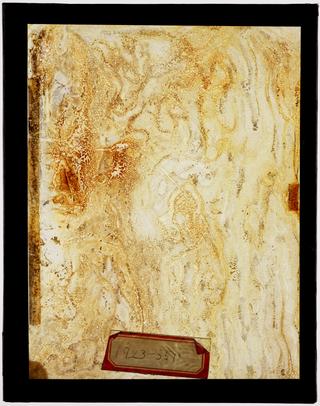
Case for Short's split-lens micrometer

Case for Short's split-lens micrometer

Wooden case for objective spilt-lens micrometer by James Short, London [224/908 = 9.6].

Measurements:
overall (estimate): 50 x 200 x 100 mm
Materials:
wood and complete
Object Number:
1938-713 Pt4
type:
instrument case
Image ©
The Board of Trustees of the Science Museum
Wooden box for Cassegrain reflecting Telescope of 2 1/2-inch aperture, by James Short, London

Wooden box for reflecting telescope

Wooden box for Cassegrain reflecting Telescope of 2 1/2-inch aperture, by James Short, London

Measurements:
overall: 110 mm x 400 mm x 270 mm,
Object Number:
1938-713 Pt5
type:
storage box