

 This image is released under a
 CRS WISARD
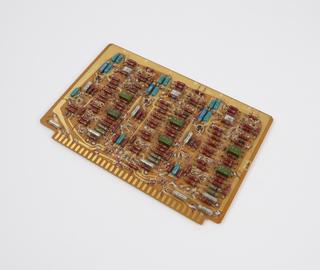
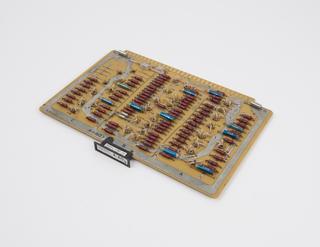
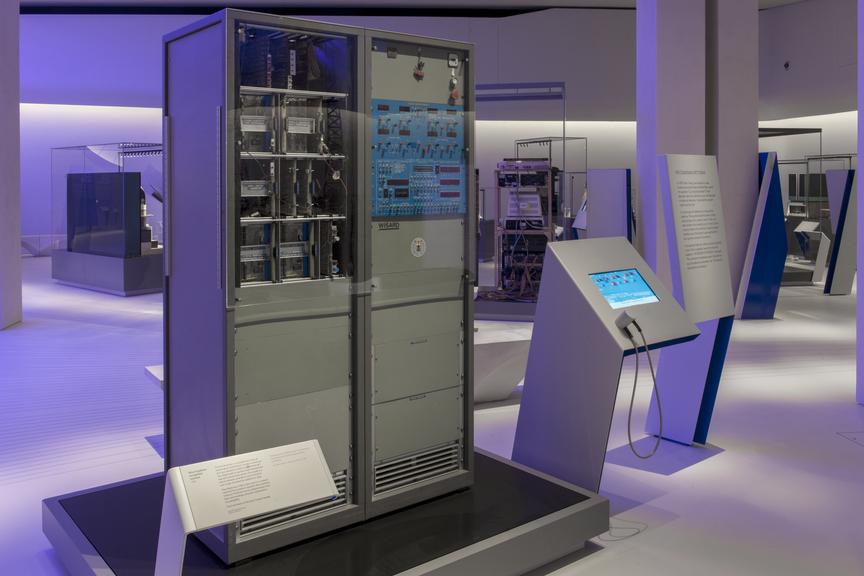
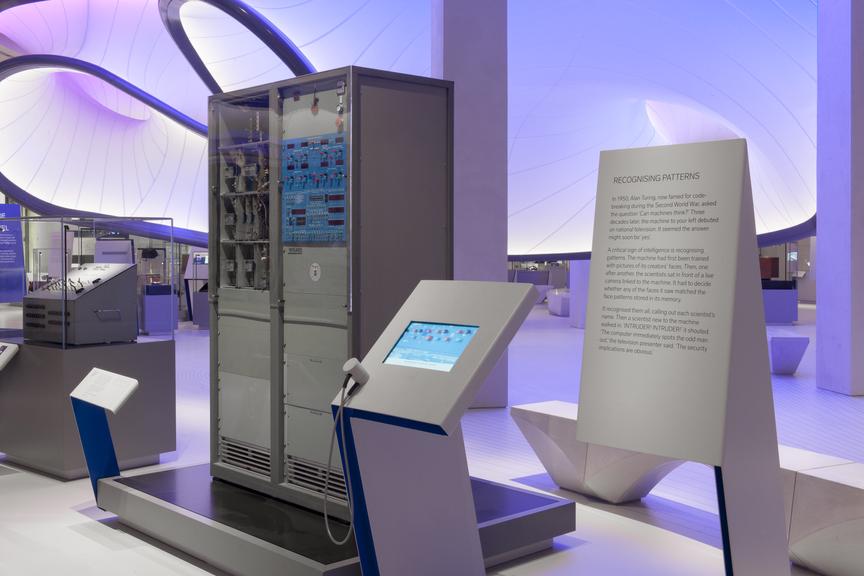
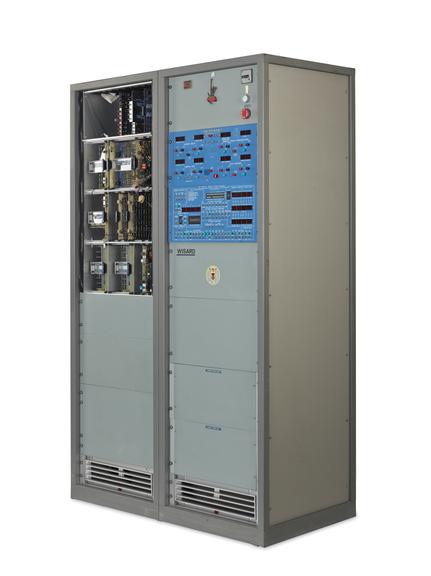
Artificial intelligence (neural network) computer built for pattern recognition 1981 (WISARD)
More
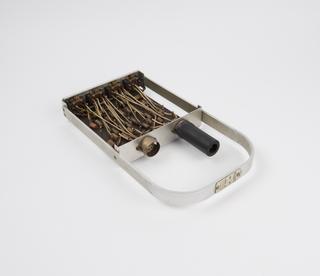
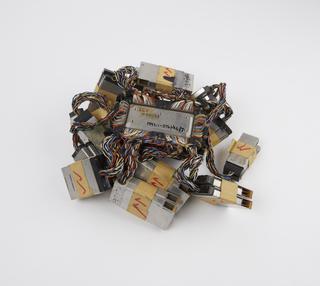
Wisard was a pattern-recognition machine that could recognise individual human faces. In 1981 it was one of the world’s first applications of an artificial neural network. It was completed by Igor Aleksander and his colleagues John Stonham, Bruce Wilkie and Eric Conant at Brunel University.
Wisard is an artificial neural network. These are computer models inspired by biological neural networks such as the human brain, which has around 11 million tiny cells called neurons. Everything the brain does, including recognising patterns, is the result of these neurons interacting. In Wisard, this network of neurons was simulated with computer parts called ‘random access memory', commonly known as RAM.
When Wisard’s camera is shown a face it sends an image to its artificial neural network. Each artificial neuron takes a sample of what the face is like and stores that information. Wisard compares subsequent faces to these stored samples. It then decides whether it has seen the face before.
Wisard was in use for over 20 years and undertook a range of tasks including banknote recognition and voice pattern recognition. The UK government’s Home Office was interested in Wisard’s potential for security applications, such as picking out faces in photographs of crime scenes.
- Measurements:
-
Overall: 1840 mm x 1110 mm x 584 mm, 302 kg
- Materials:
- metal (unknown) , electronic component and composites
- Object Number:
- 2002-297/1
- type:
- computer