 This image is released under a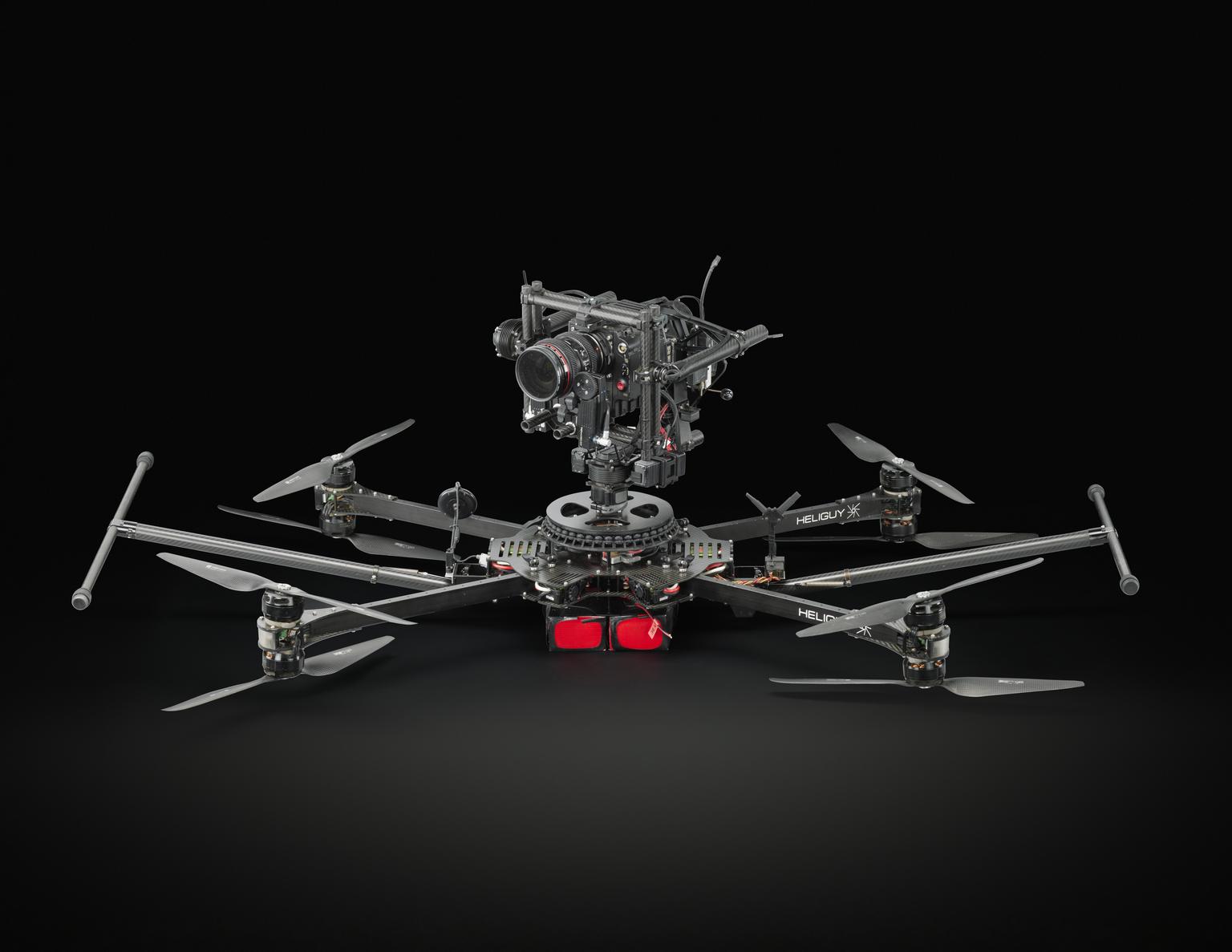
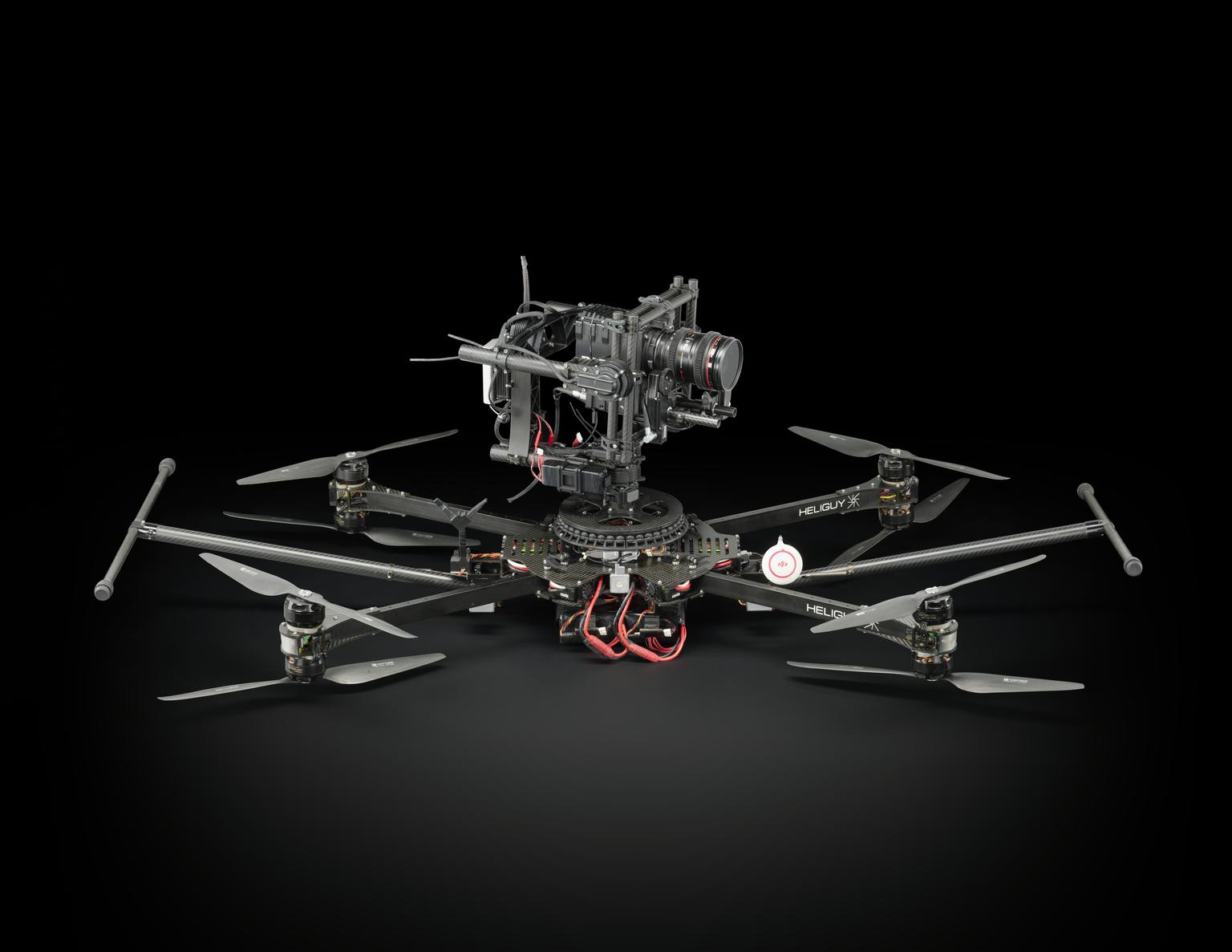
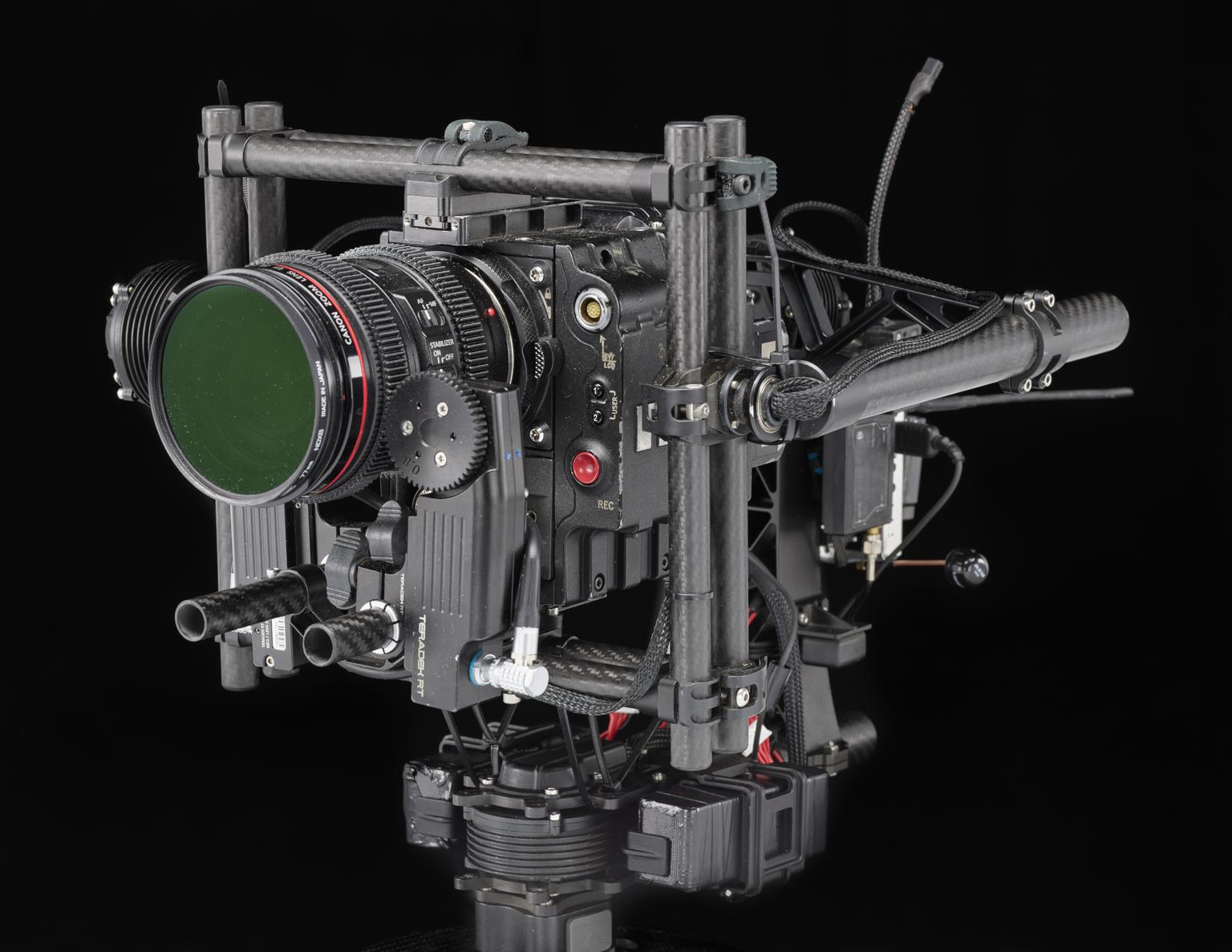
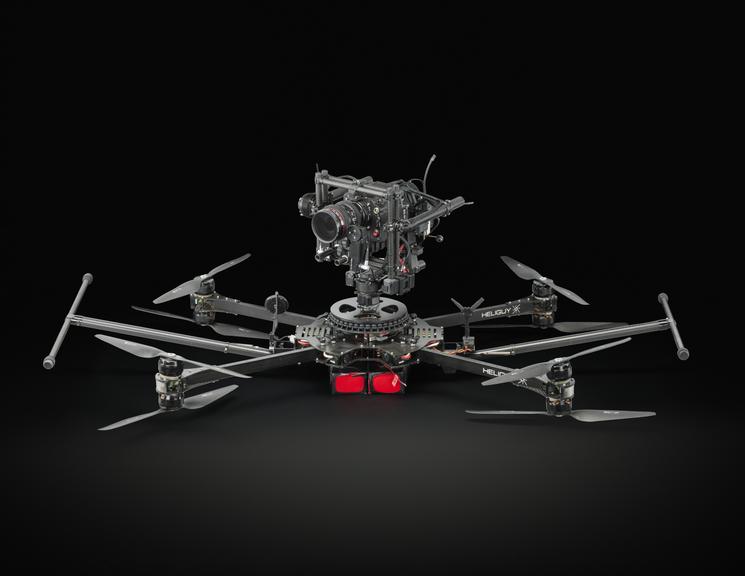
Octocopter drone with RED camera
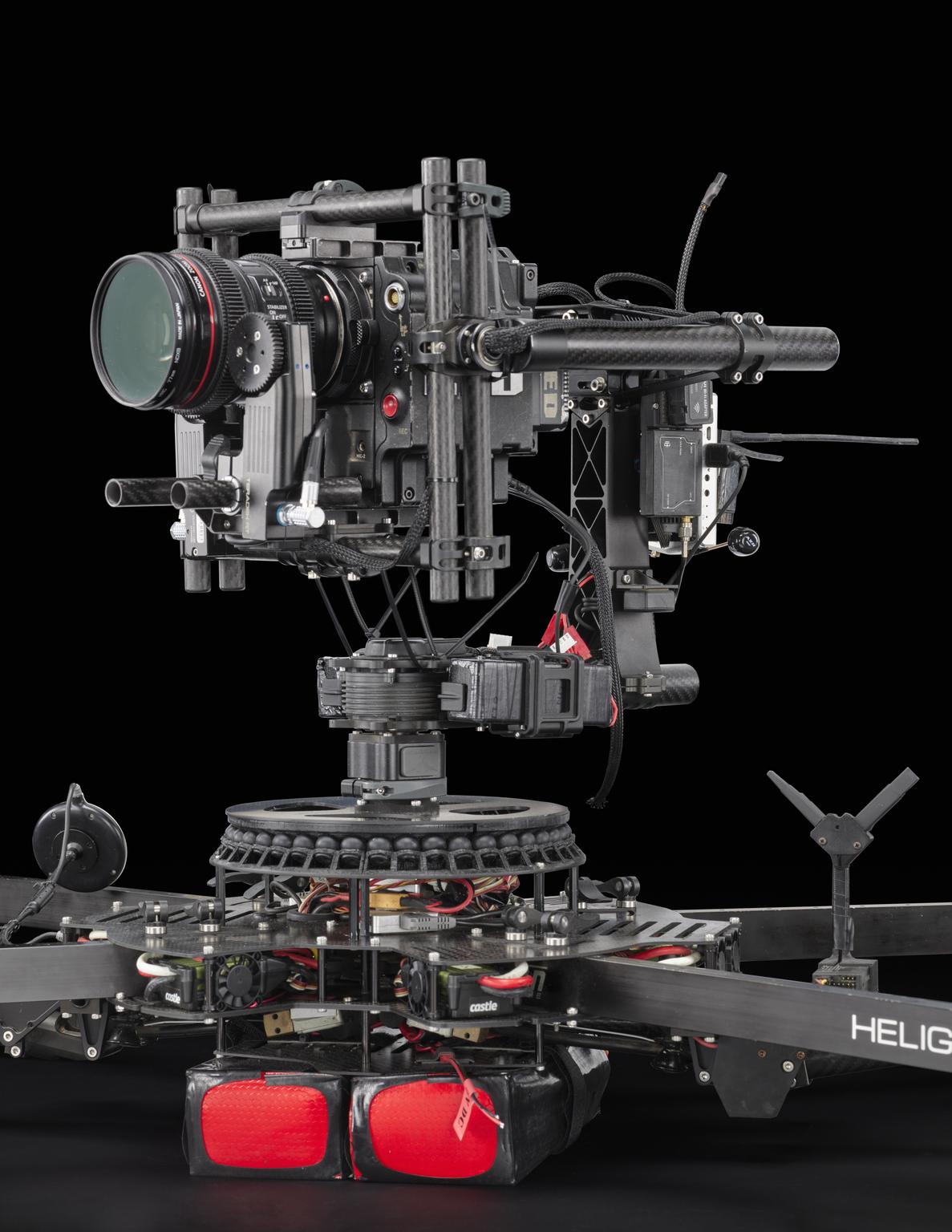
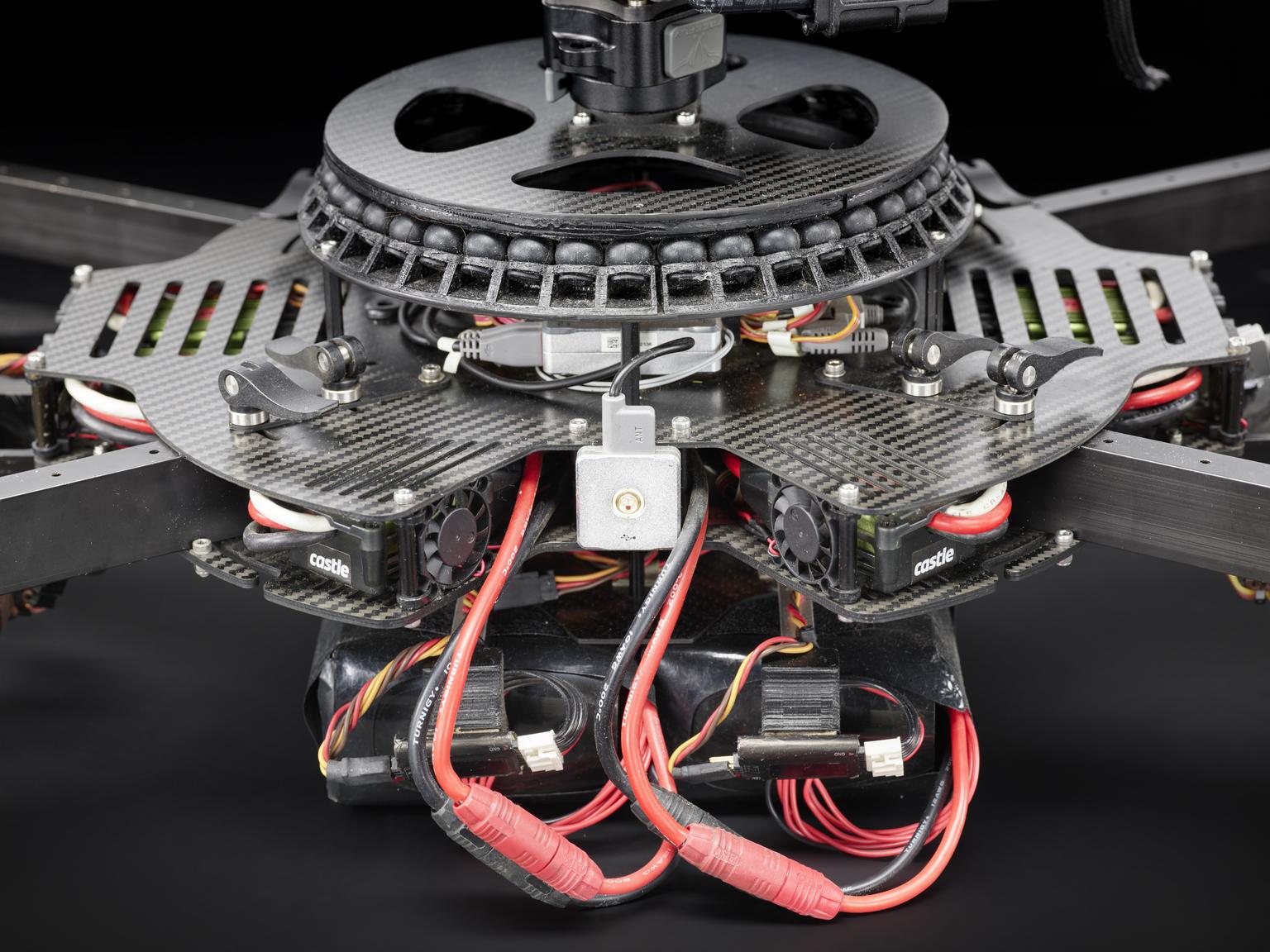
Octocopter drone designed and built by Heliguy in Australia, 2015, with on board RED epic-M S35 Digital Cinematography Camera with a resolution of 5K, Manufactured by RED, California c. 2011. Used in Costa Rica in 2015 to film “Jungles”, an episode of "Planet Earth II", a natural history programme made for the BBC.
More
In the 2010s, drone camera technology developed rapidly. The combination of improved small aircraft, more power-dense batteries and lighter weight but higher resolution camera technologies meant that professional quality films could be shot using uncrewed aerial vehicles known as drones by the filmmaking community, or UAV's by science communities. Heliguy were an early pioneer in this field, designing and building their own flying camera rigs for a range of industries including blockbuster cinematic productions. In an interview with Alastair Smith, the company's Technical Director and Chief Remote Pilot, he suggested that this camera marked a turning point in the viability of the technology. This particular drone and camera setup was used to film the Jungles episode of Planet Earth II, a flagship natural history programme for the BBC, themselves recognised as world leaders in natural history film making.
Alistair Smith wrote the following about the object:
"This drone was developed by Heliguy in Australia for the BBC 'Planet Earth 2' series, 'Jungles' episode. The story required a transitional shot which led the viewer from the forest floor, up through the layers of foliage, past dangling epiphytes and vines, finally emerging through the canopy and revealing the endless jungle from above. Cinema drone technology was fairly primitive at the time and hadn't been used for this kind of shot before. It required a top-mounted camera that could look upwards without seeing the drone's propellers, with remote iris and focus control. The drone was tested extensively prior to the first shoot in the Daintree Rainforest in Northern Australia. After the initial success, the team travelled to Costa Rica to film with the BBC crew. Battling the continuous heat and moisture while squeezing the drone through tight gaps in the canopy, the team successfully captured the beauty and scale of this unique environment from a fresh and exciting perspective. "
- Measurements:
-
overall: 650 mm x 1550 mm x 1250 mm, 25 kg
- Materials:
- plastic (unidentified) , glass , metal (unknown) and textile
- Object Number:
- 2024-462/1
- type:
- drone camera
- Image ©
- The Board of Trustees of the Science Museum