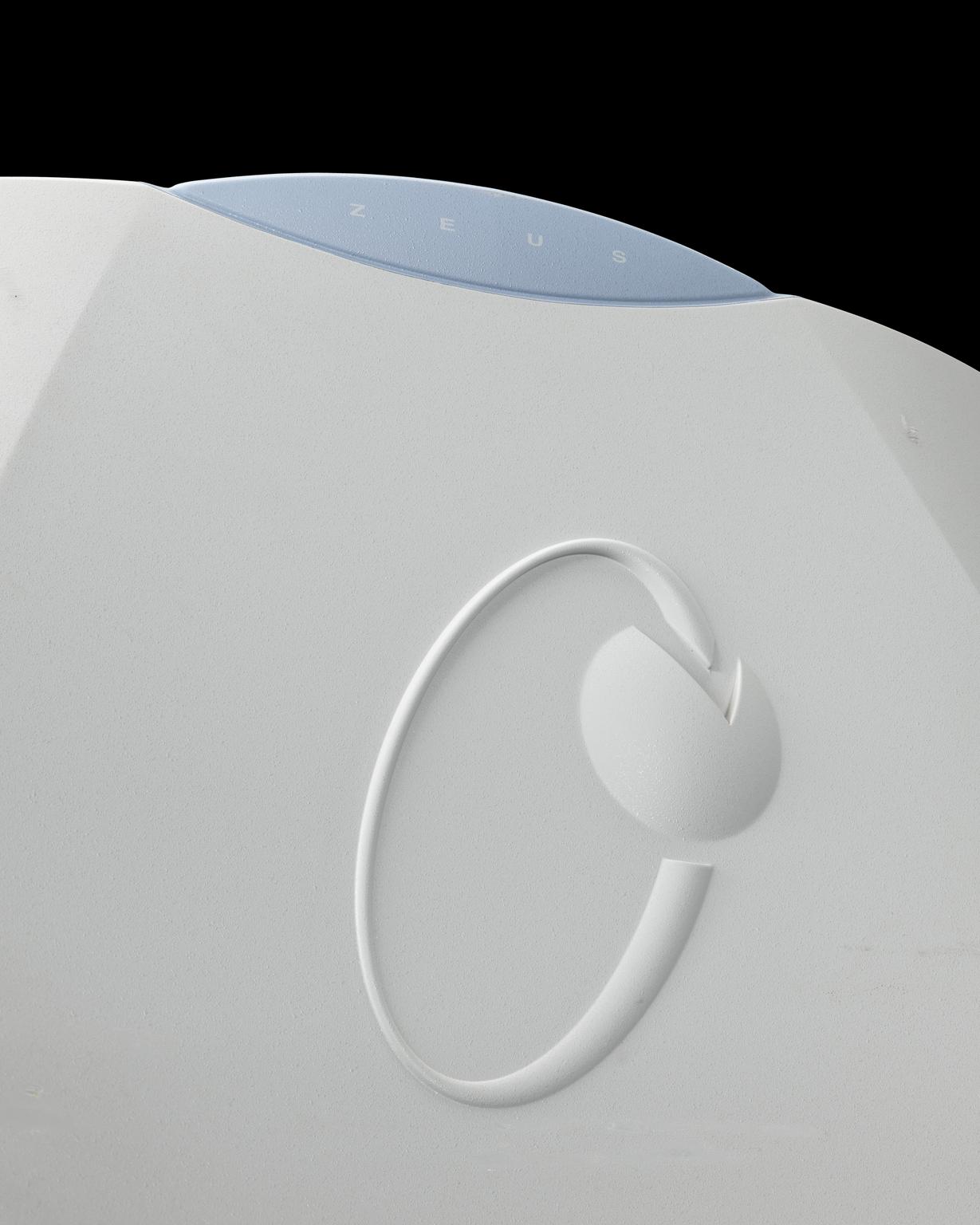
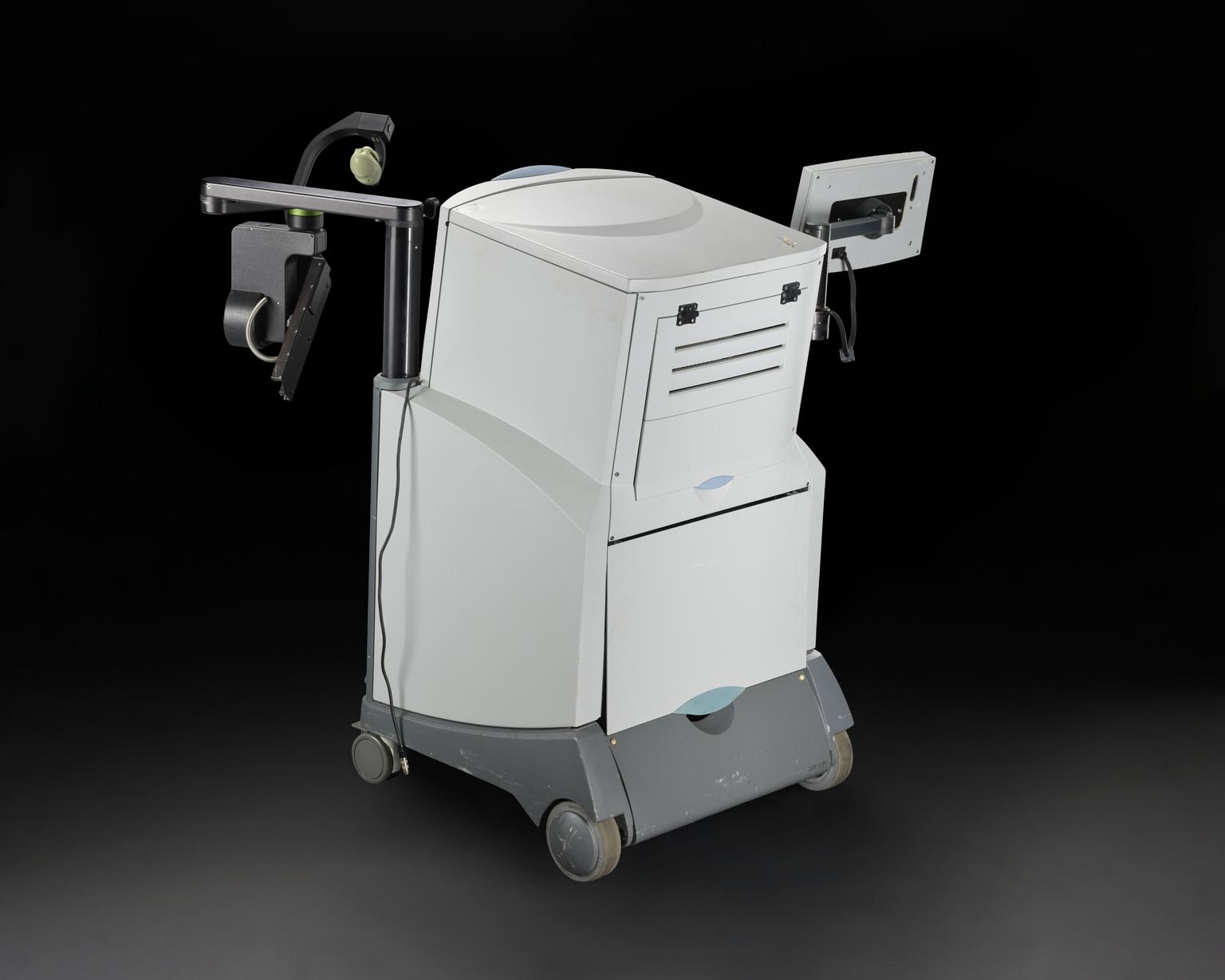
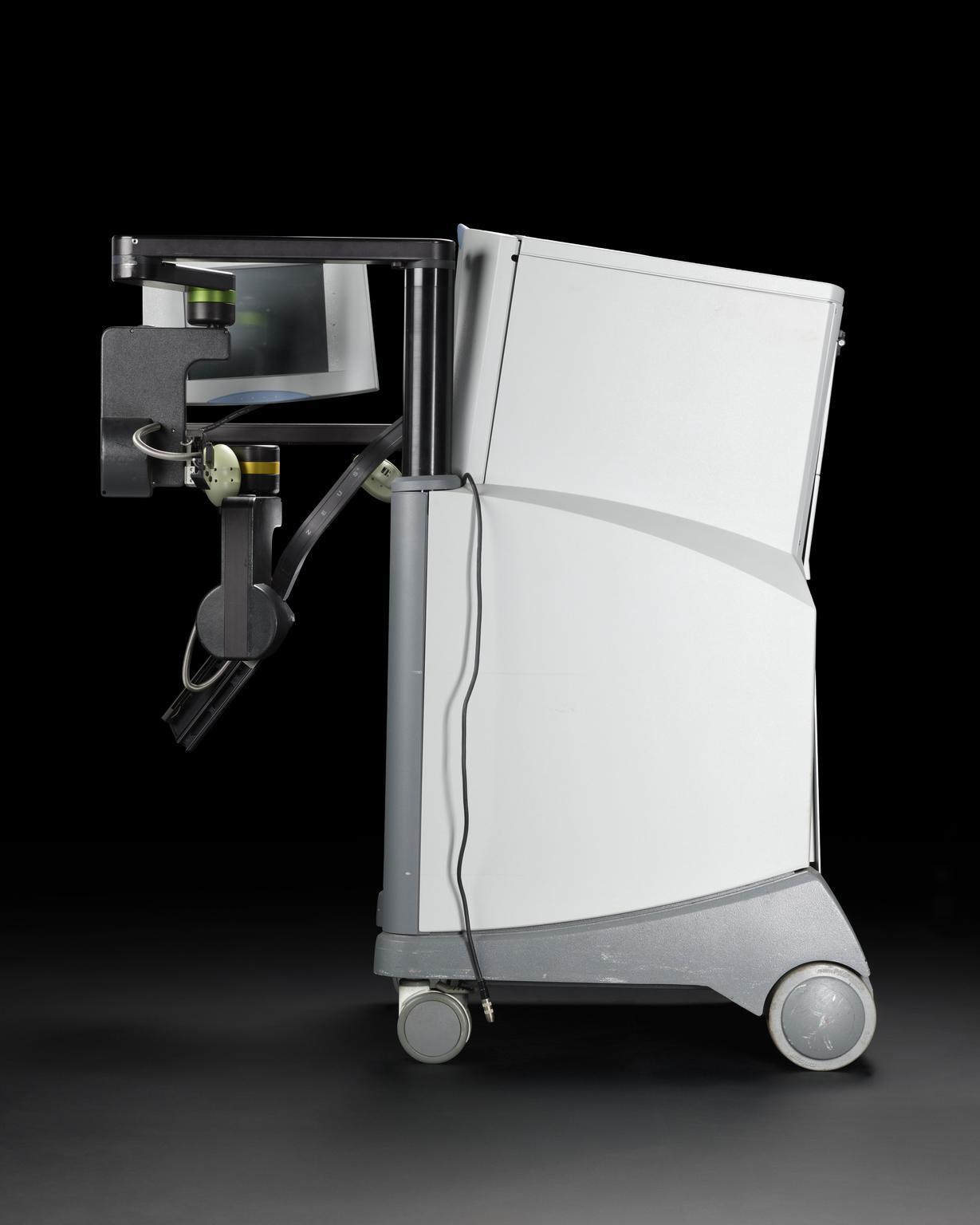
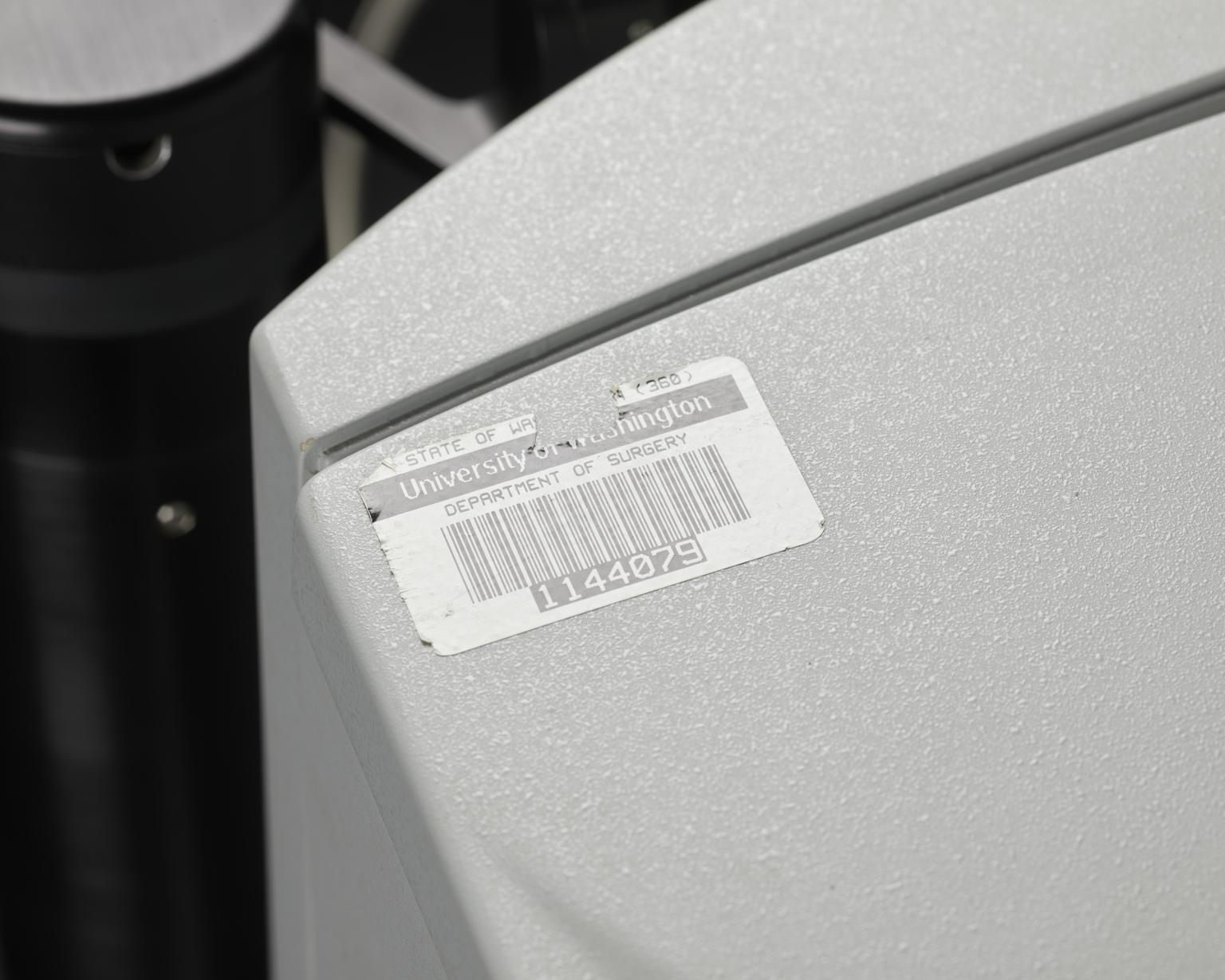
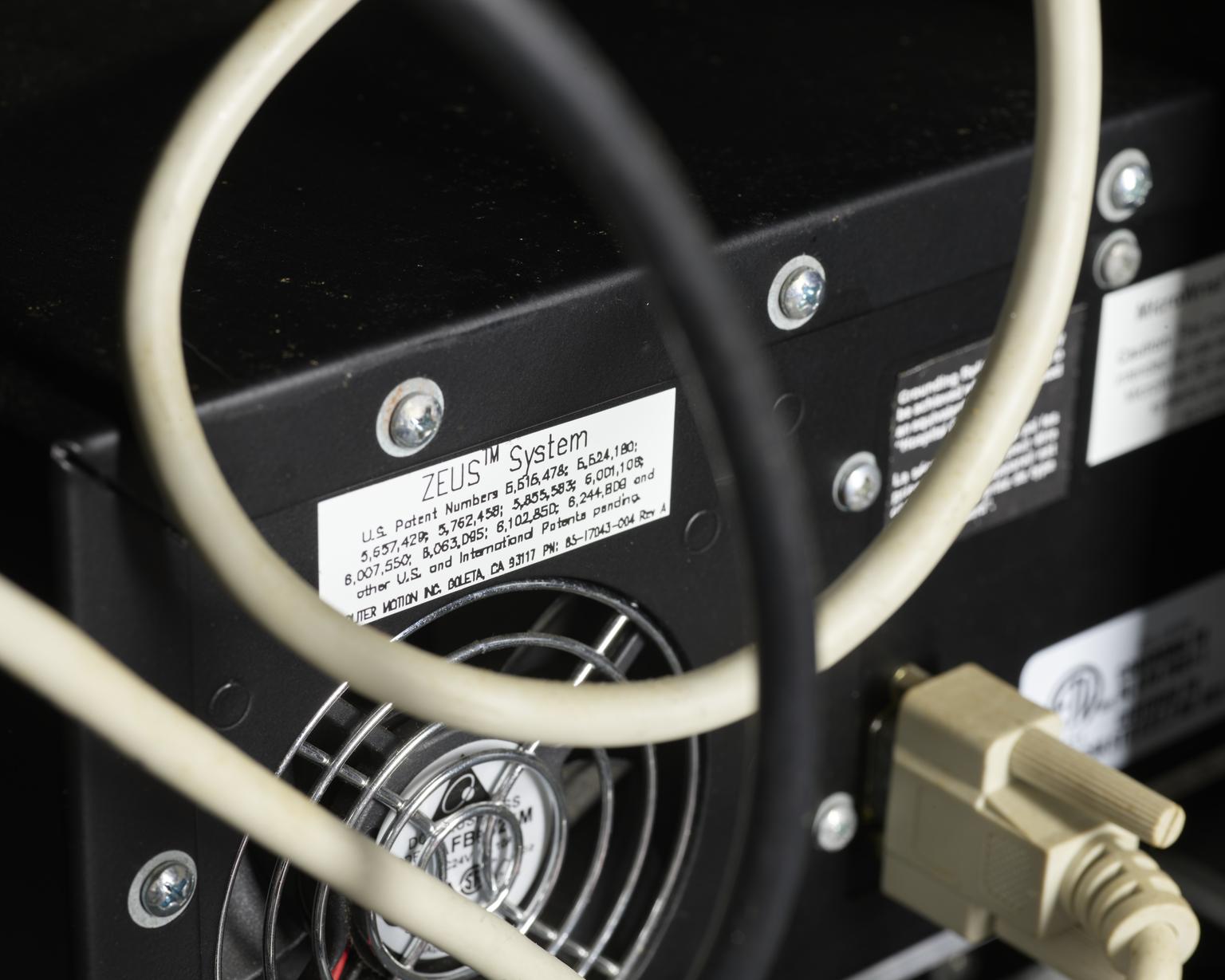
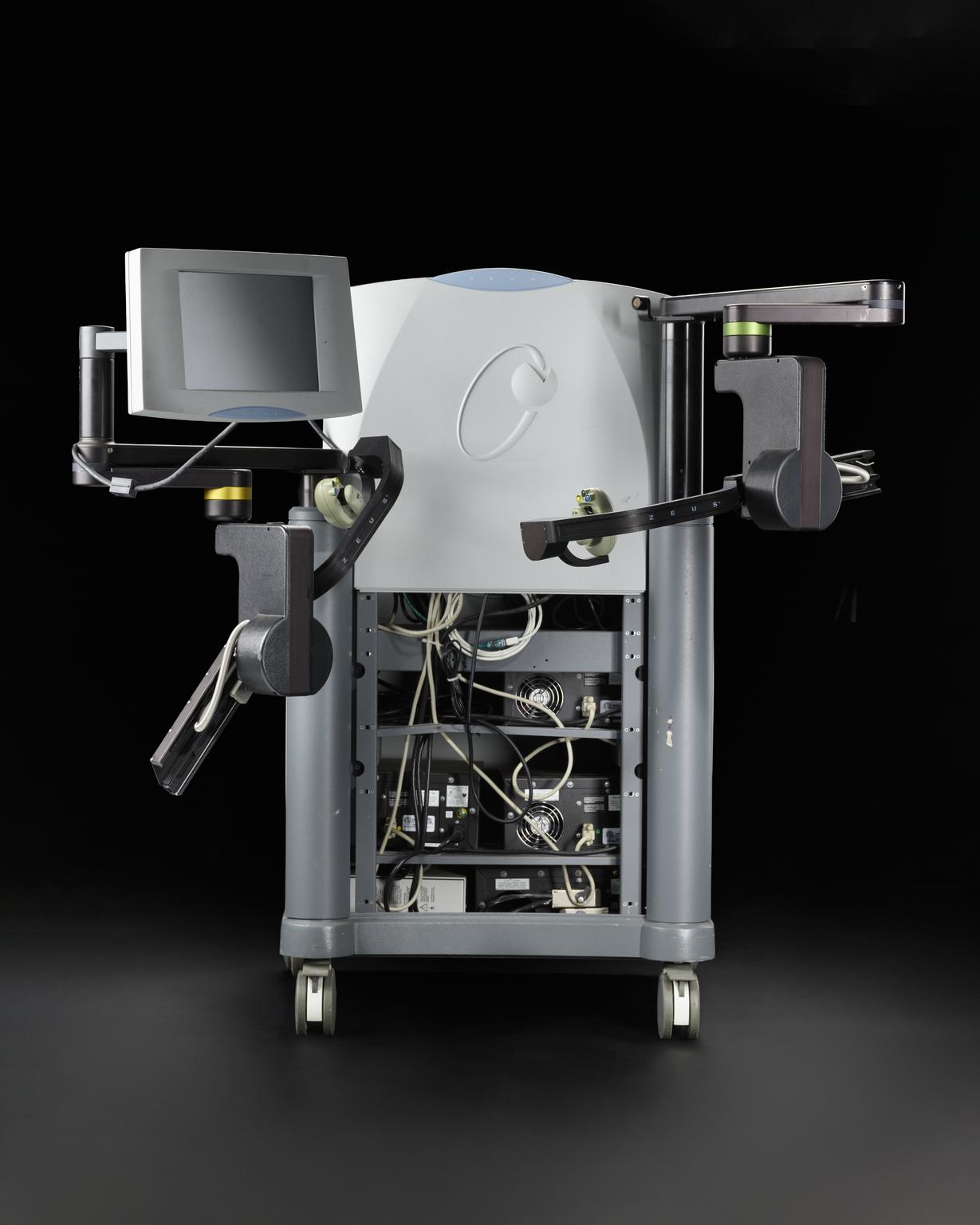
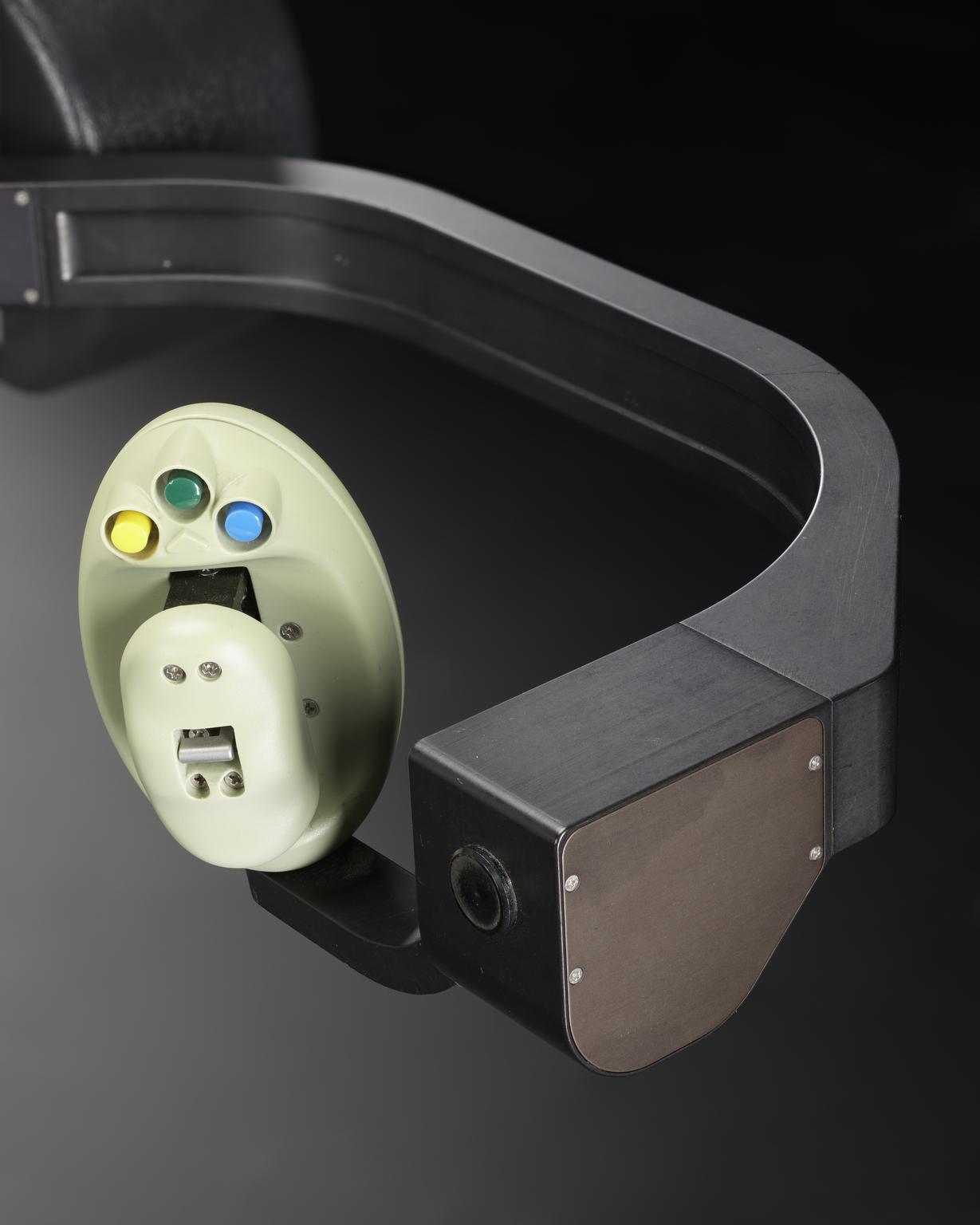
Surgeon control unit from a ZEUS surgical system

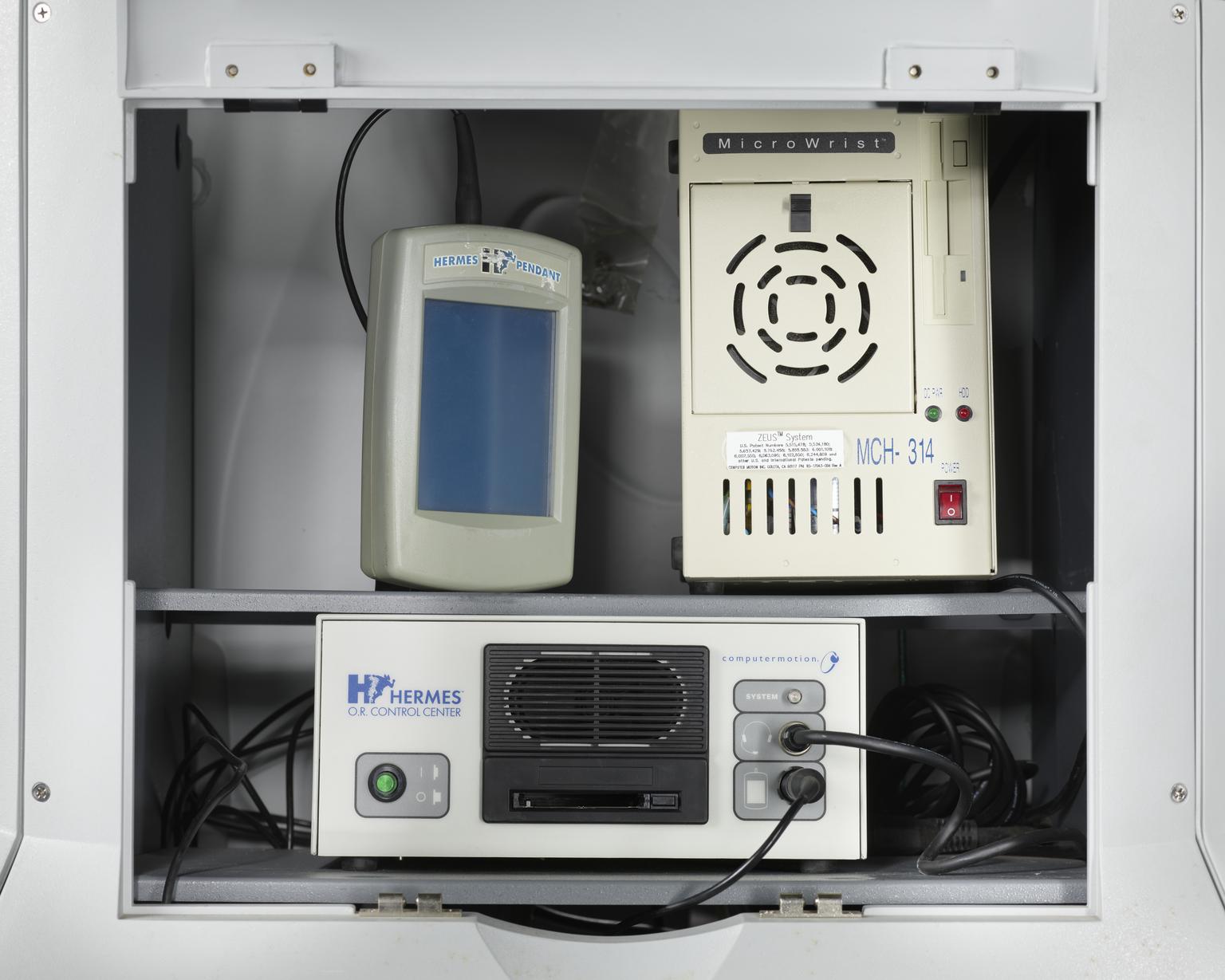
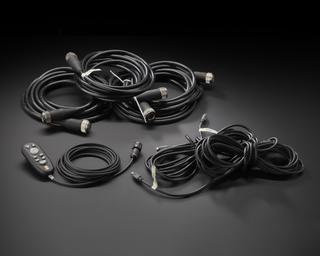
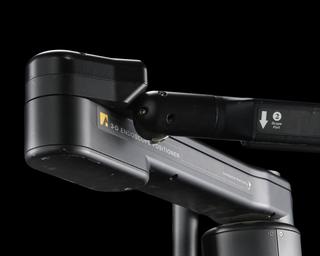
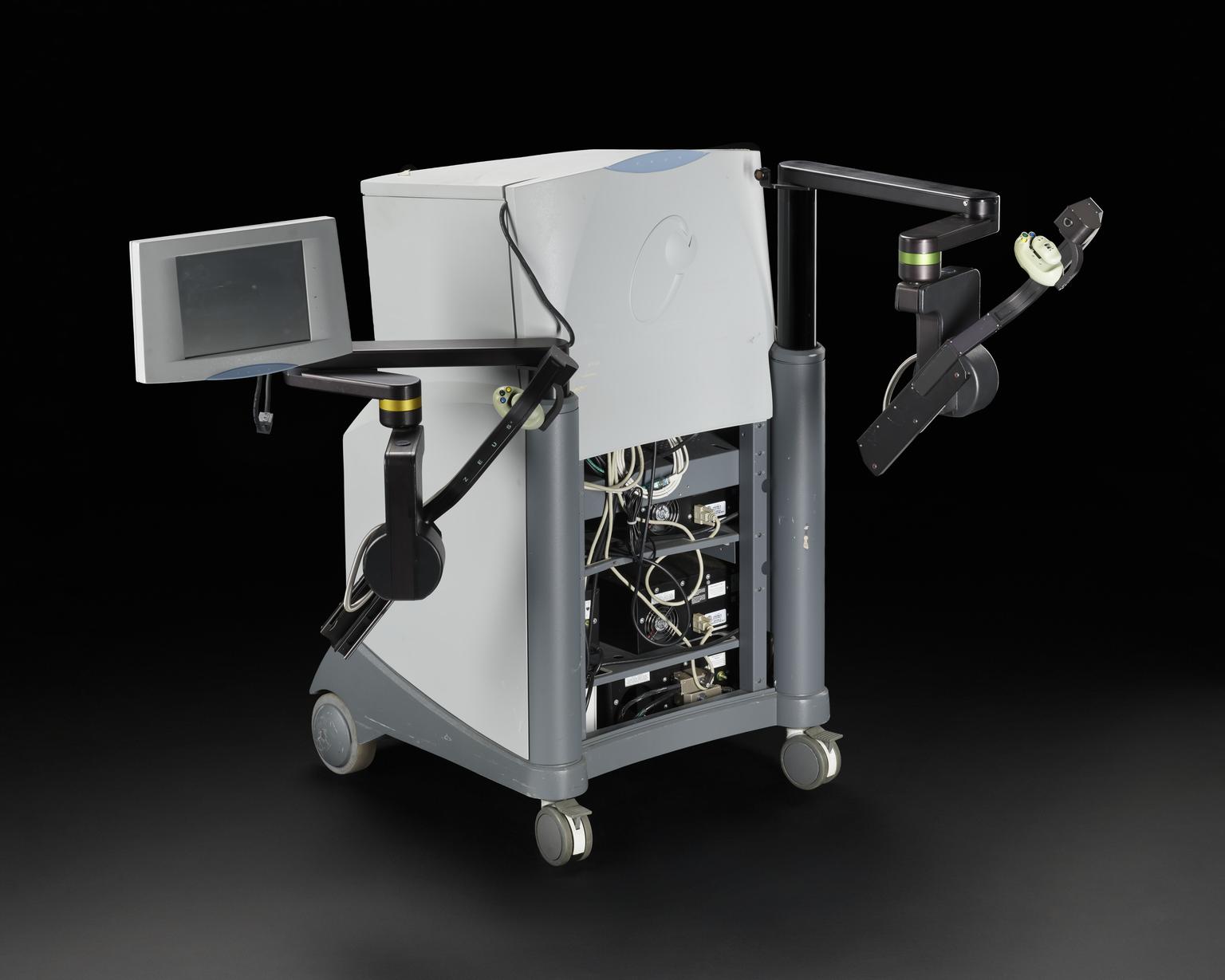
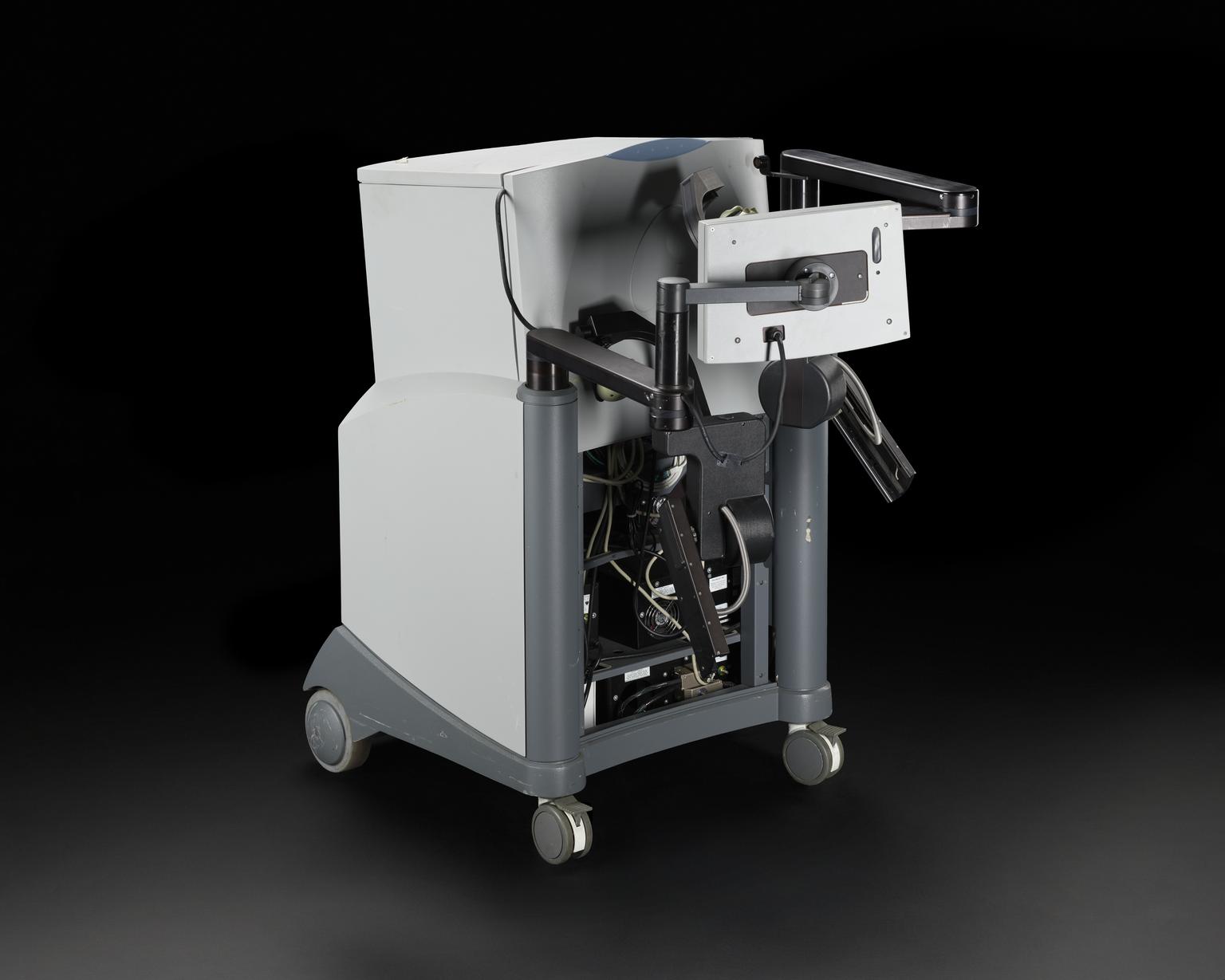
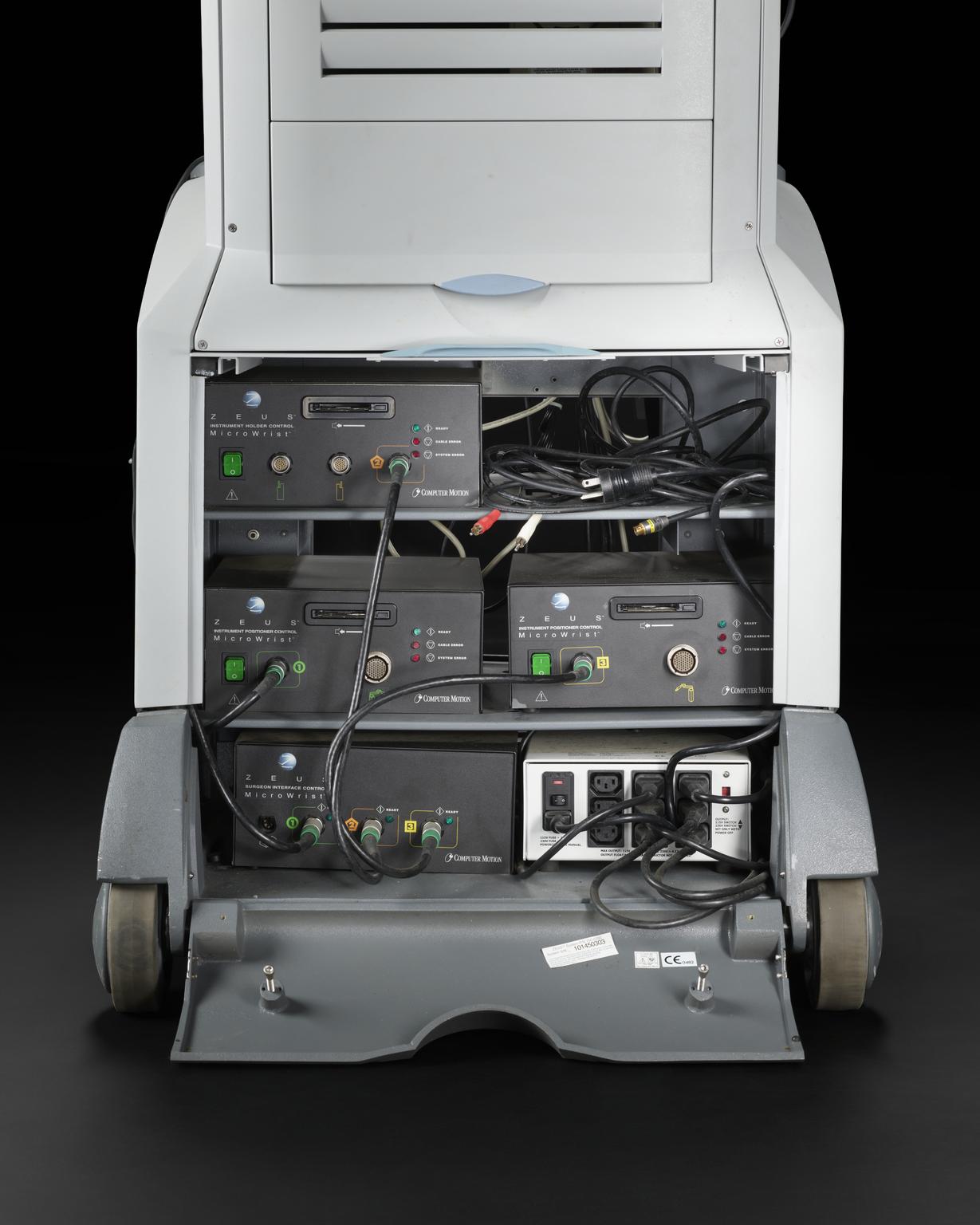
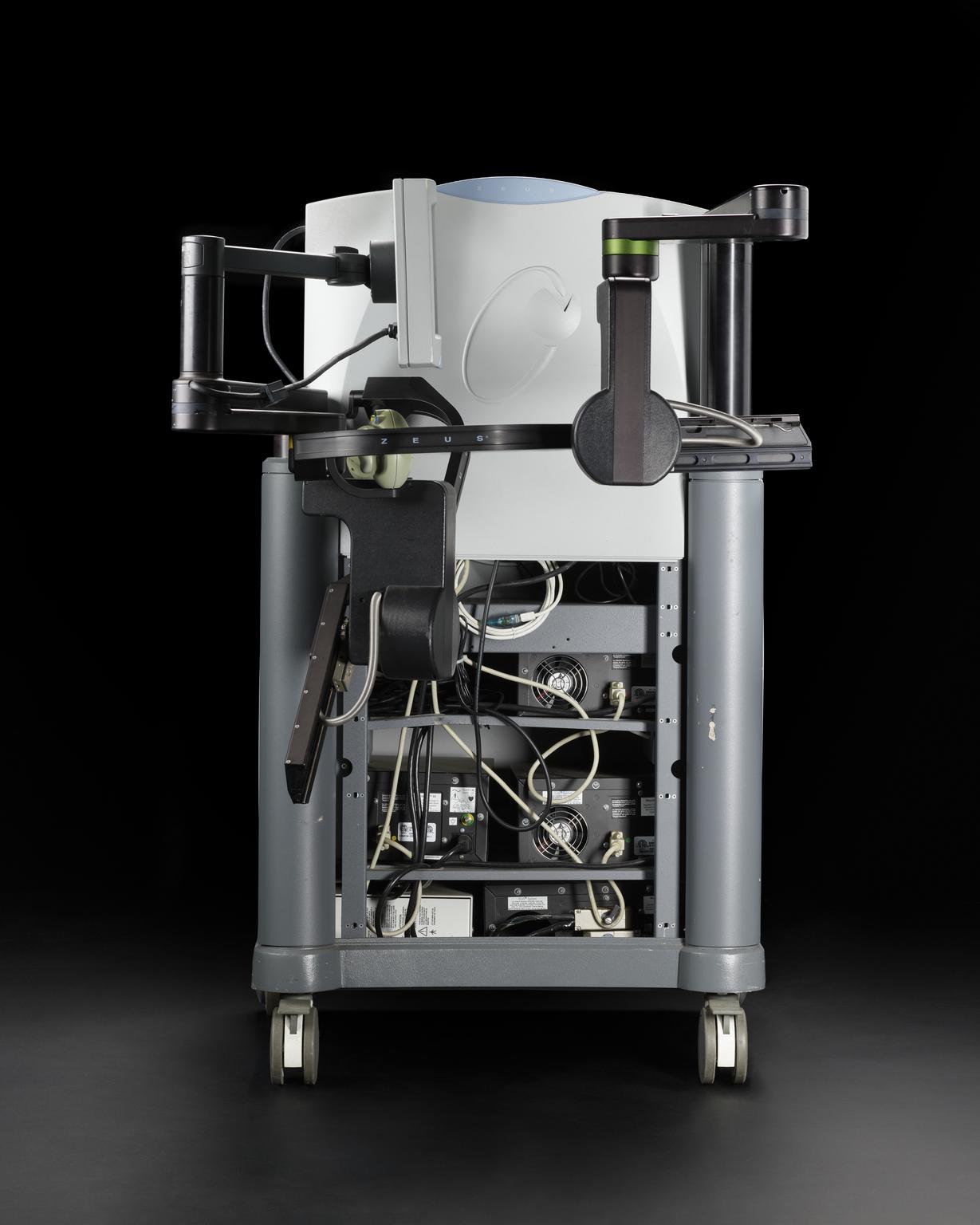
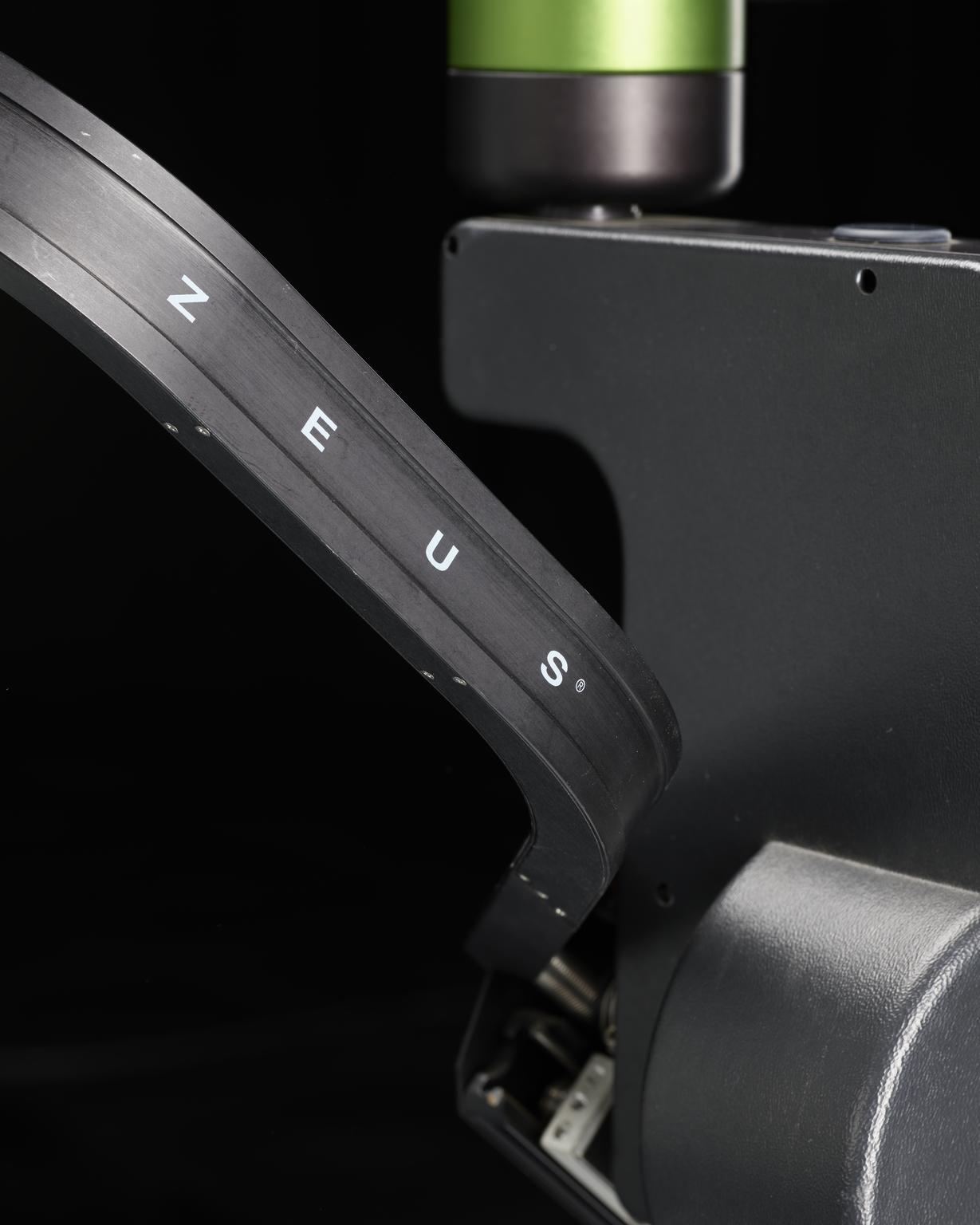
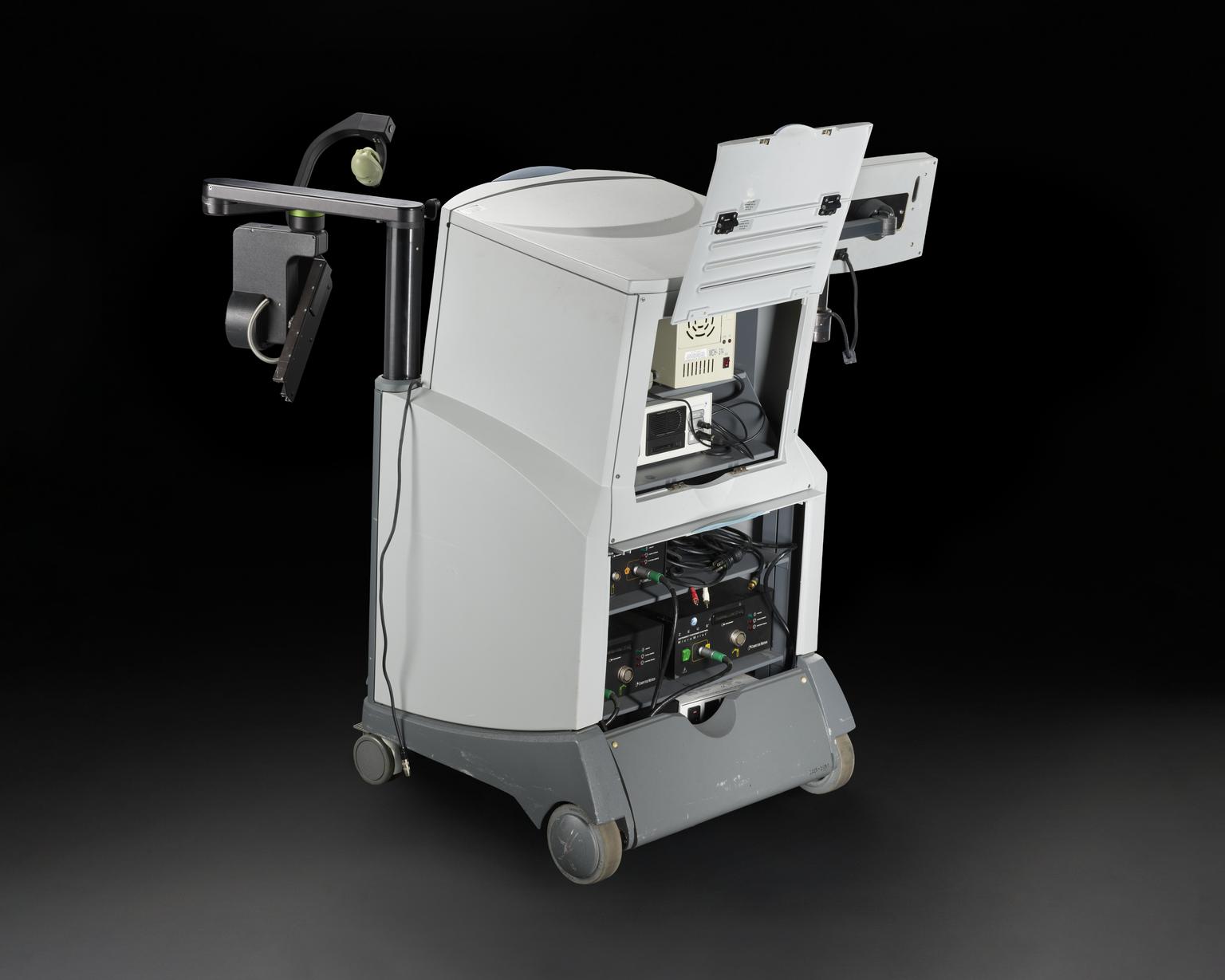
Surgeon unit from a ZEUS surgical system, serial number 101450303, including attached screen, attached hand controls, headset, floppy disc drive MCH-314, HERMES Operating Room Control centre, 3 Microwrist control units, 1 Microwrist surgeon interface control, 1 medical grade isolation transformer, 2 personal interface cards (1 named and 1 demonstration) and 1 HERMES pendant, made by Computer Motion, United States, c.2000

Instruments attached to two robotic arms and an endoscopic camera are controlled by a surgeon, sitting at the console, away from the operating table. A video monitor projects a 3D image that can be viewed through glasses mounted with a polarizing filter, giving the surgeon a view inside the body to carry out surgical procedures. The ZEUS system was one of the first robotic assistive keyhole surgery device.

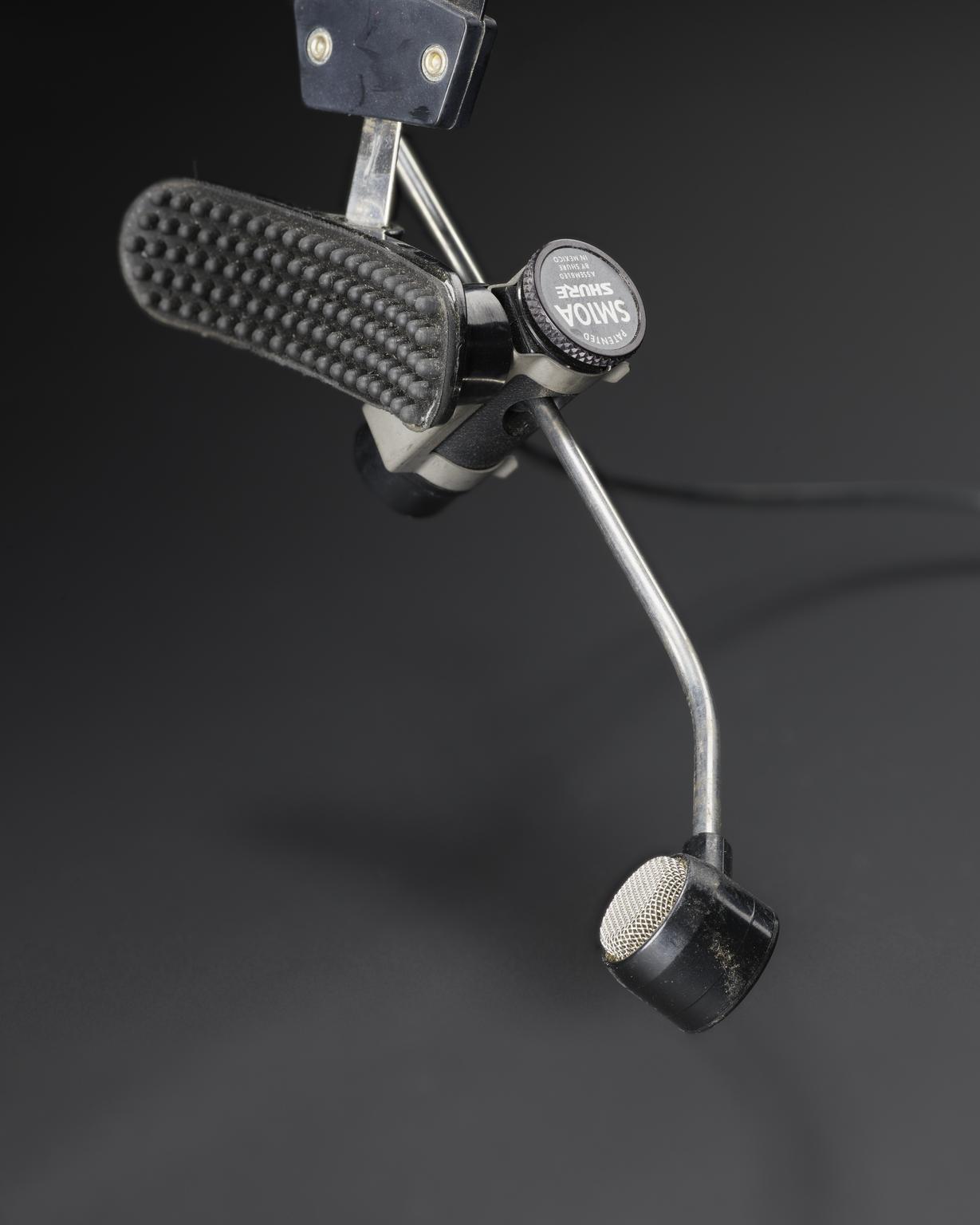
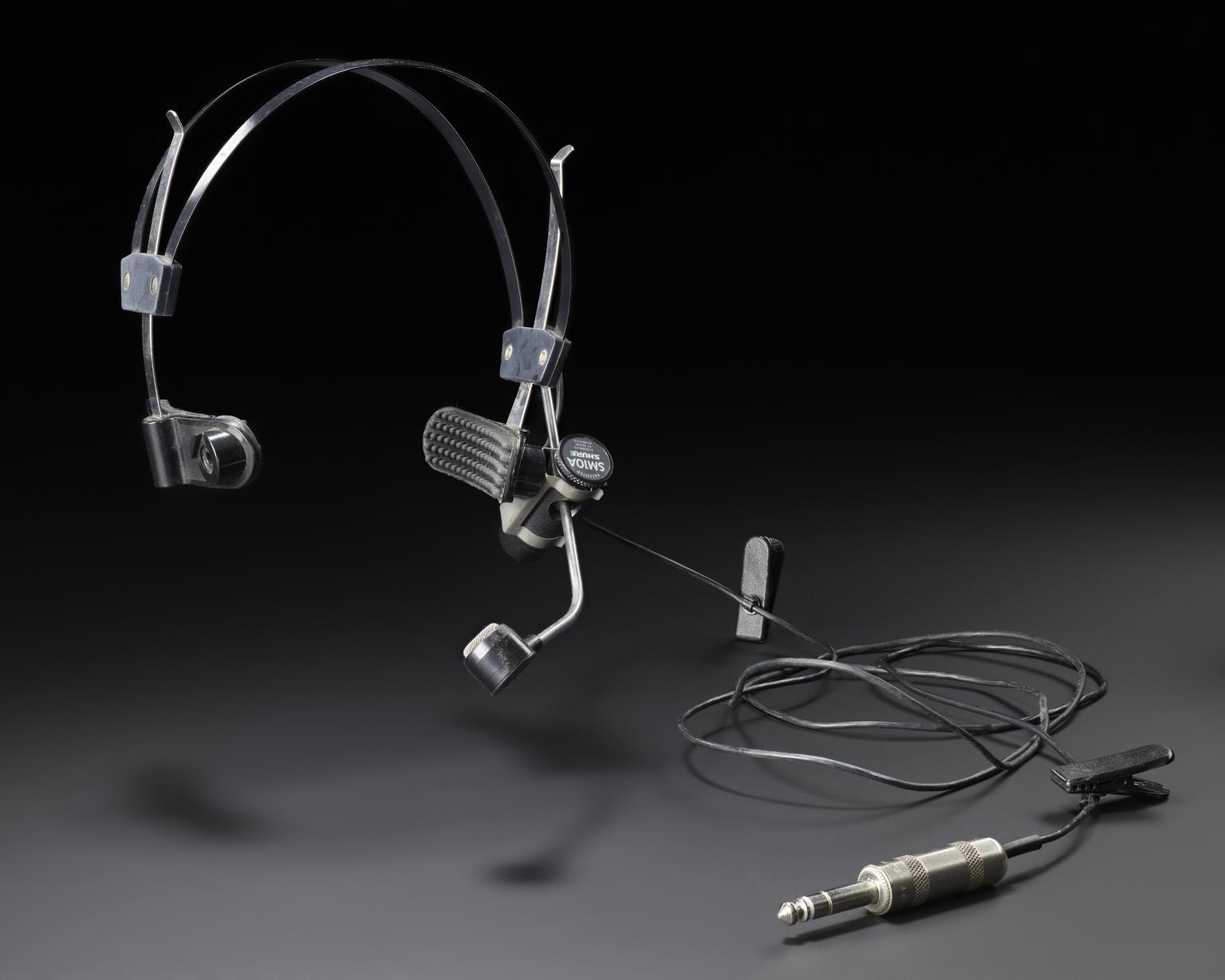
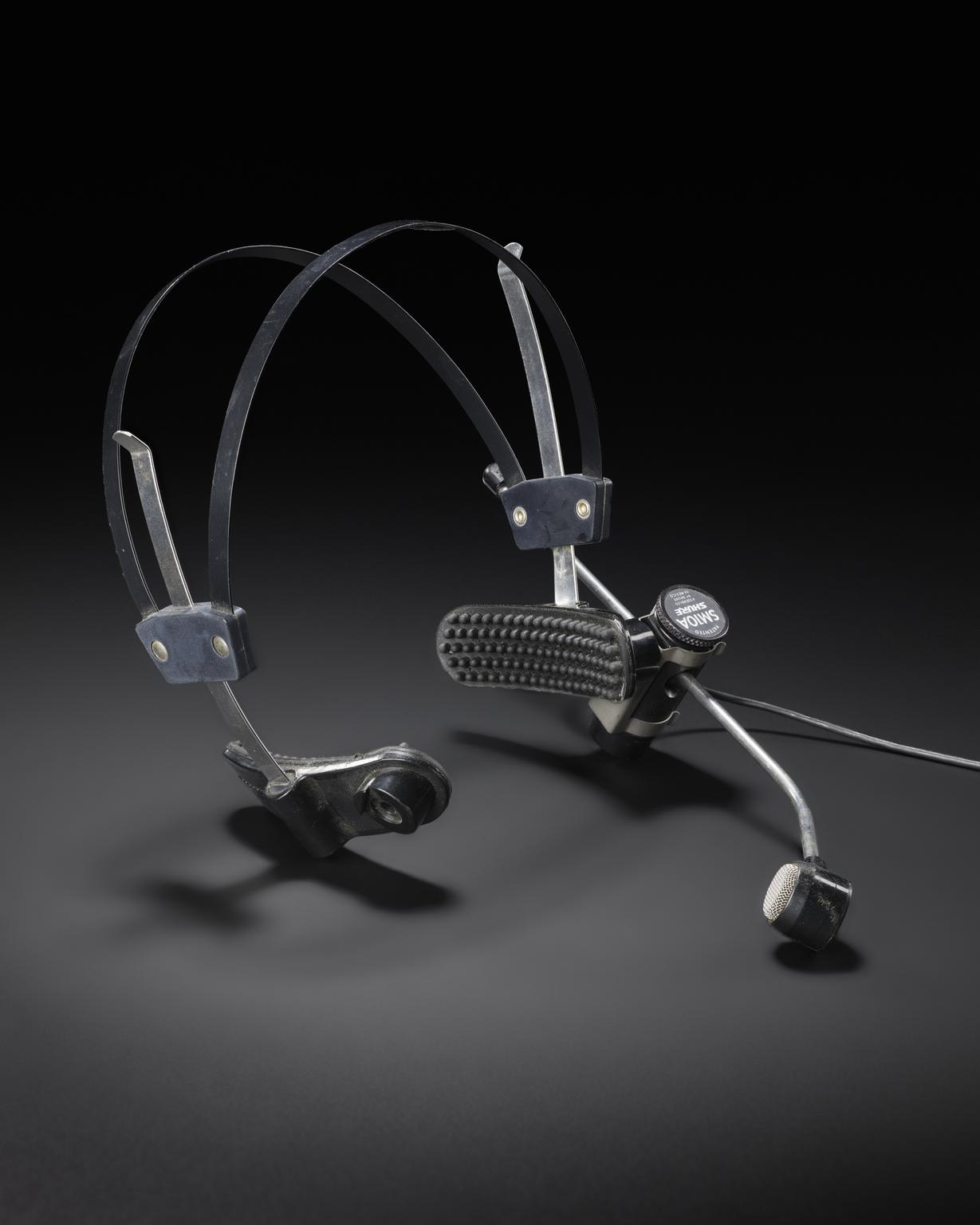
Founded in 1993 by Yulun Wang, Computer Motion had its origins in a NASA Small Business Innovation Research grant from the Jet Propulsion Lab. Wang developed a voice-controlled robotic arm equipped with an endoscope camera known as AESOP (Automated Endoscopic System for Optimal Positioning). Voice control was opted for over eye-tracking or head-tracking. A microphone allowed the surgeon to control 23 functions in the operating room using the HERMES voice control system. Voice recognition software is pre-recorded onto a voice card and inserted into the controller.

The introduction of the Microwrist system, approved in the United States in 2002, gave an additional degree of freedom during operations, allowing for enhanced dexterity, from four degrees to five degrees of motion.

The original impetus for robotic assisted surgery was for telesurgery – for astronauts in space but millions of procedures are carried out around the world, if there is access to the technology and trained surgical staff.

Details

Category:
Human Robotics
Object Number:
2025-2139
Materials:
plastic, metal and electronic components
Measurements:
overall: 1320 mm x 700 mm x 1300 mm,
type:
surgical system

Parts

Surgeon control unit from a ZEUS surgical system

Surgeon unit from a ZEUS surgical system, serial number 101450303, including attached screen, attached hand controls, floppy disc drive MCH-314, HERMES Operating Room Control centre 3 Microwrist control units, 1 Microwrist surgeon interface control, 1 medical grade isolation transformer, made by Computer Motion, United States, c.2000

More

Instruments attached to two robotic arms and an endoscopic camera are controlled by a surgeon, sitting at the console, away from the operating table. A video monitor projects a 3D image that can be viewed through glasses mounted with a polarizing filter, giving the surgeon a view inside the body to carry out surgical procedures. The ZEUS system was one of the first robotic assistive keyhole surgery device.

Founded in 1993 by Yulun Wang, Computer Motion had its origins in a NASA Small Business Innovation Research grant from the Jet Propulsion Lab. Wang developed a voice-controlled robotic arm equipped with an endoscope camera known as AESOP (Automated Endoscopic System for Optimal Positioning). Voice control was opted for over eye-tracking or head-tracking. A microphone allowed the surgeon to control 23 functions in the operating room using the HERMES voice control system. Voice recognition software is pre-recorded onto a voice card and inserted into the controller.

The introduction of the Microwrist system, approved in the United States in 2002, gave an additional degree of freedom during operations, allowing for enhanced dexterity, from four degrees to five degrees of motion.

The original impetus for robotic assisted surgery was for telesurgery – for astronauts in space but millions of procedures are carried out around the world, if there is access to the technology and trained surgical staff.

Measurements:
overall: 1320 mm x 700 mm x 1300 mm,
Materials:
plastic (unidentified) and electronic component
Object Number:
2025-2139/1
type:
surgical system
Image ©
The Board of Trustees of the Science Museum
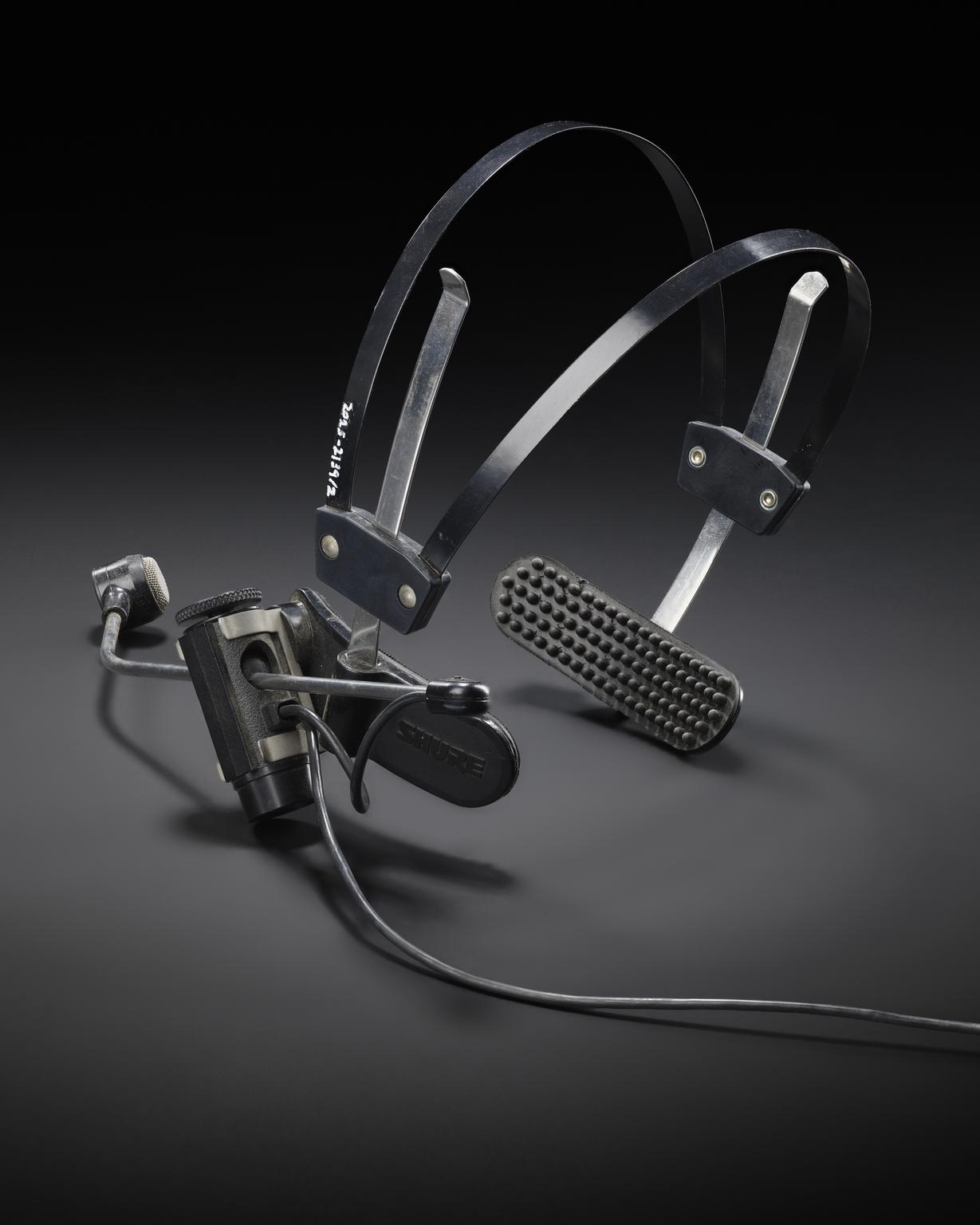
Headset from a ZEUS surgical system

Surgeon headset unit from a ZEUS surgical system, made by Computer Motion, United States, c.2000

More

Instruments attached to two robotic arms and an endoscopic camera are controlled by a surgeon, sitting at the console, away from the operating table. A video monitor projects a 3D image that can be viewed through glasses mounted with a polarizing filter, giving the surgeon a view inside the body to carry out surgical procedures. The ZEUS system was one of the first robotic assistive keyhole surgery device.

Founded in 1993 by Yulun Wang, Computer Motion had its origins in a NASA Small Business Innovation Research grant from the Jet Propulsion Lab. Wang developed a voice-controlled robotic arm equipped with an endoscope camera known as AESOP (Automated Endoscopic System for Optimal Positioning). Voice control was opted for over eye-tracking or head-tracking. A microphone allowed the surgeon to control 23 functions in the operating room using the HERMES voice control system. Voice recognition software is pre-recorded onto a voice card and inserted into the controller.

The introduction of the Microwrist system, approved in the United States in 2002, gave an additional degree of freedom during operations, allowing for enhanced dexterity, from four degrees to five degrees of motion.

The original impetus for robotic assisted surgery was for telesurgery – for astronauts in space but millions of procedures are carried out around the world, if there is access to the technology and trained surgical staff.

Materials:
plastic (unidentified) and electronic component
Object Number:
2025-2139/2
type:
headset
Image ©
The Board of Trustees of the Science Museum
HERMES pendance from a ZEUS surgical system

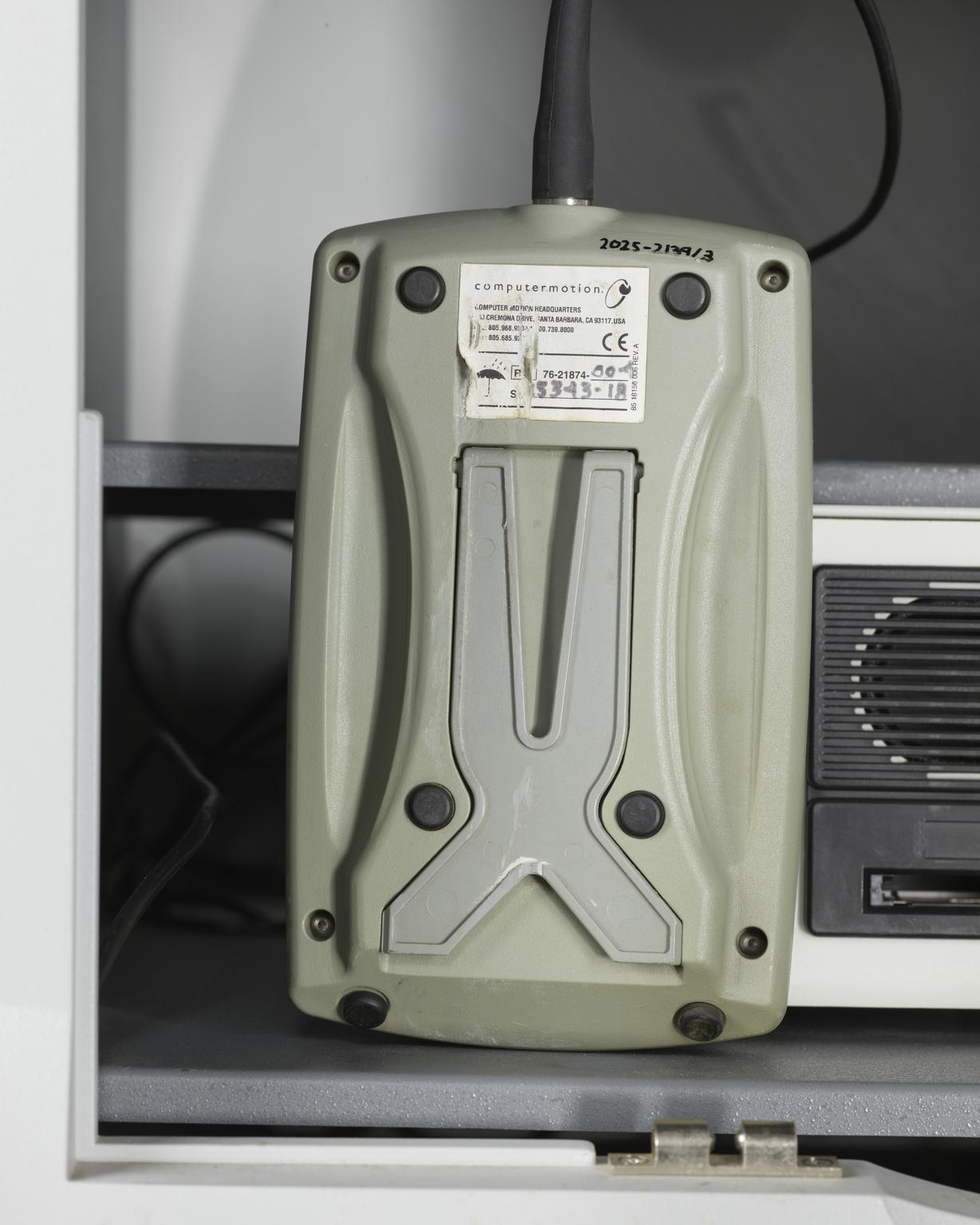
HERMES pendant from a ZEUS surgical system, made by Computer Motion, United States, c.2000

More

Instruments attached to two robotic arms and an endoscopic camera are controlled by a surgeon, sitting at the console, away from the operating table. A video monitor projects a 3D image that can be viewed through glasses mounted with a polarizing filter, giving the surgeon a view inside the body to carry out surgical procedures. The ZEUS system was one of the first robotic assistive keyhole surgery device.

Founded in 1993 by Yulun Wang, Computer Motion had its origins in a NASA Small Business Innovation Research grant from the Jet Propulsion Lab. Wang developed a voice-controlled robotic arm equipped with an endoscope camera known as AESOP (Automated Endoscopic System for Optimal Positioning). Voice control was opted for over eye-tracking or head-tracking. A microphone allowed the surgeon to control 23 functions in the operating room using the HERMES voice control system. Voice recognition software is pre-recorded onto a voice card and inserted into the controller.

The introduction of the Microwrist system, approved in the United States in 2002, gave an additional degree of freedom during operations, allowing for enhanced dexterity, from four degrees to five degrees of motion.

The original impetus for robotic assisted surgery was for telesurgery – for astronauts in space but millions of procedures are carried out around the world, if there is access to the technology and trained surgical staff.

Materials:
plastic (unidentified) and electronic component
Object Number:
2025-2139/3
type:
surgical system
Image ©
The Board of Trustees of the Science Museum
Demonstration interface card from a ZEUS surgical system

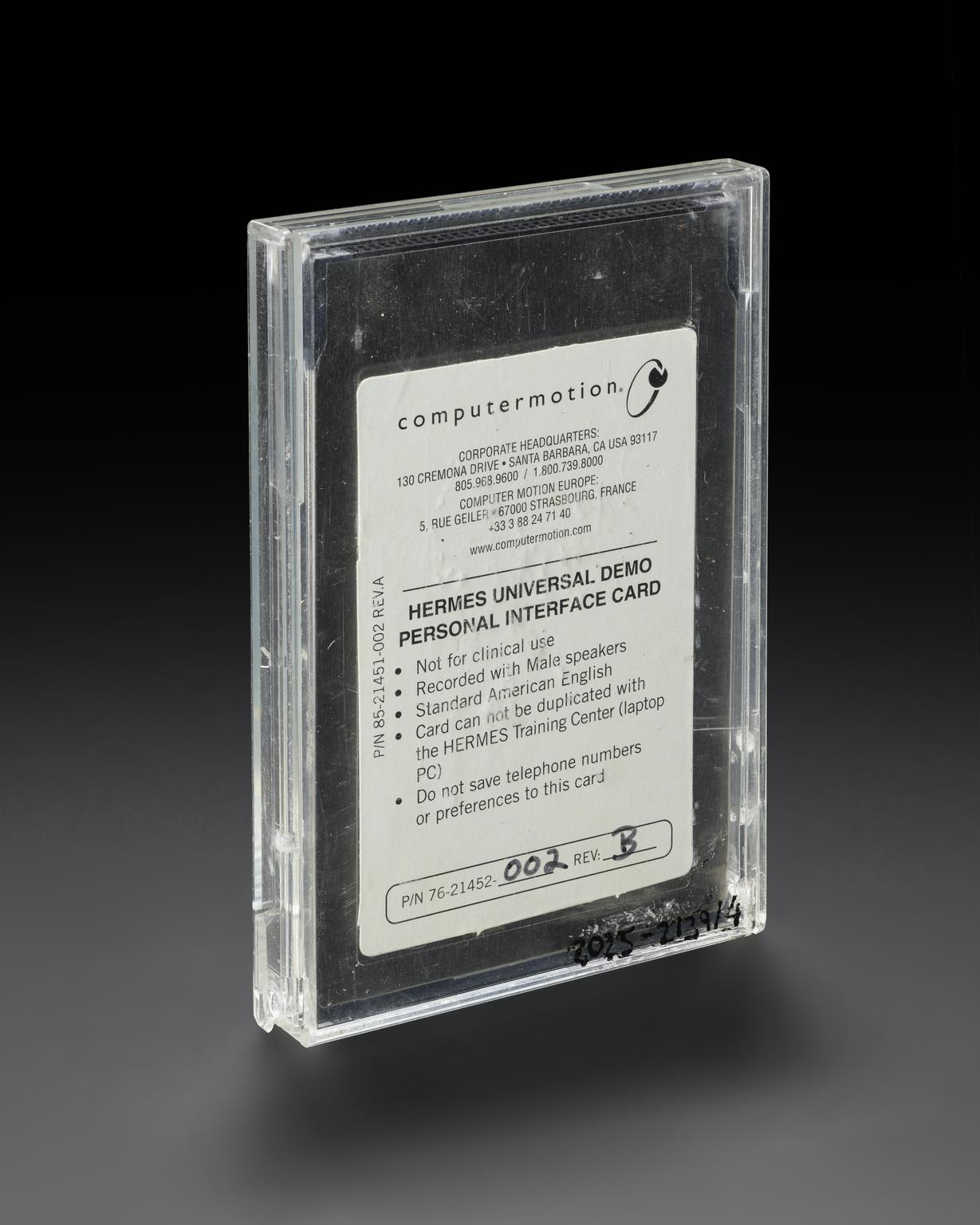
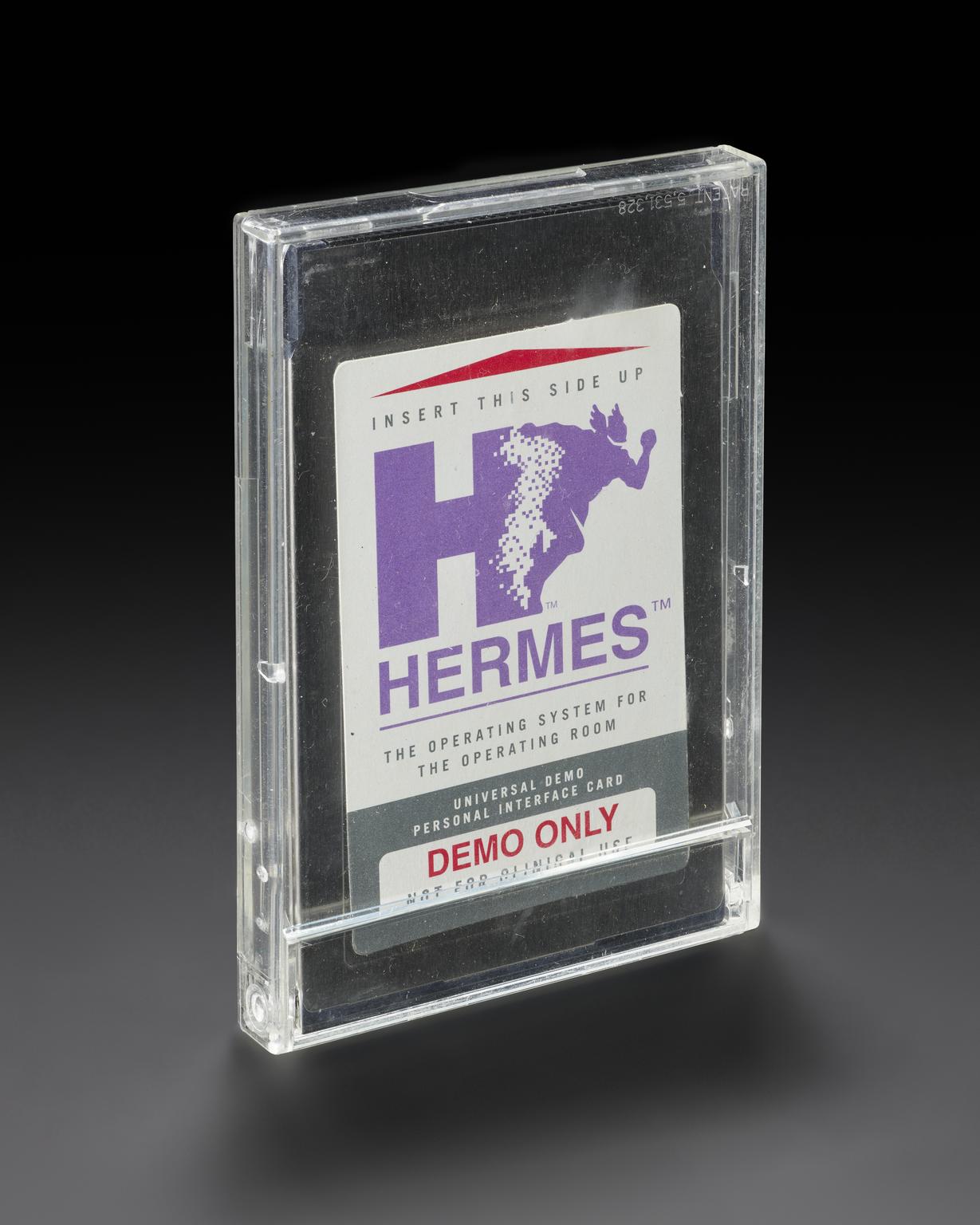
Demonstration personal interface card in plastic case from surgeon unit from a ZEUS surgical system, made by Computer Motion, United States, c.2000

More

Instruments attached to two robotic arms and an endoscopic camera are controlled by a surgeon, sitting at the console, away from the operating table. A video monitor projects a 3D image that can be viewed through glasses mounted with a polarizing filter, giving the surgeon a view inside the body to carry out surgical procedures. The ZEUS system was one of the first robotic assistive keyhole surgery device.

Founded in 1993 by Yulun Wang, Computer Motion had its origins in a NASA Small Business Innovation Research grant from the Jet Propulsion Lab. Wang developed a voice-controlled robotic arm equipped with an endoscope camera known as AESOP (Automated Endoscopic System for Optimal Positioning). Voice control was opted for over eye-tracking or head-tracking. A microphone allowed the surgeon to control 23 functions in the operating room using the HERMES voice control system. Voice recognition software is pre-recorded onto a voice card and inserted into the controller.

The introduction of the Microwrist system, approved in the United States in 2002, gave an additional degree of freedom during operations, allowing for enhanced dexterity, from four degrees to five degrees of motion.

The original impetus for robotic assisted surgery was for telesurgery – for astronauts in space but millions of procedures are carried out around the world, if there is access to the technology and trained surgical staff.

Materials:
plastic (unidentified) and electronic component
Object Number:
2025-2139/4
type:
surgical system
Image ©
The Board of Trustees of the Science Museum
Named personal interface card in plastic case from surgeon unit from a ZEUS surgical system, made by Computer Motion, United States, c.2000

Personal interface card from a ZEUS surgical system

Named personal interface card in plastic case from surgeon unit from a ZEUS surgical system, made by Computer Motion, United States, c.2000

More

Instruments attached to two robotic arms and an endoscopic camera are controlled by a surgeon, sitting at the console, away from the operating table. A video monitor projects a 3D image that can be viewed through glasses mounted with a polarizing filter, giving the surgeon a view inside the body to carry out surgical procedures. The ZEUS system was one of the first robotic assistive keyhole surgery device.

Founded in 1993 by Yulun Wang, Computer Motion had its origins in a NASA Small Business Innovation Research grant from the Jet Propulsion Lab. Wang developed a voice-controlled robotic arm equipped with an endoscope camera known as AESOP (Automated Endoscopic System for Optimal Positioning). Voice control was opted for over eye-tracking or head-tracking. A microphone allowed the surgeon to control 23 functions in the operating room using the HERMES voice control system. Voice recognition software is pre-recorded onto a voice card and inserted into the controller.

The introduction of the Microwrist system, approved in the United States in 2002, gave an additional degree of freedom during operations, allowing for enhanced dexterity, from four degrees to five degrees of motion.

The original impetus for robotic assisted surgery was for telesurgery – for astronauts in space but millions of procedures are carried out around the world, if there is access to the technology and trained surgical staff.

Materials:
plastic (unidentified) and electronic component
Object Number:
2025-2139/5
type:
surgical system