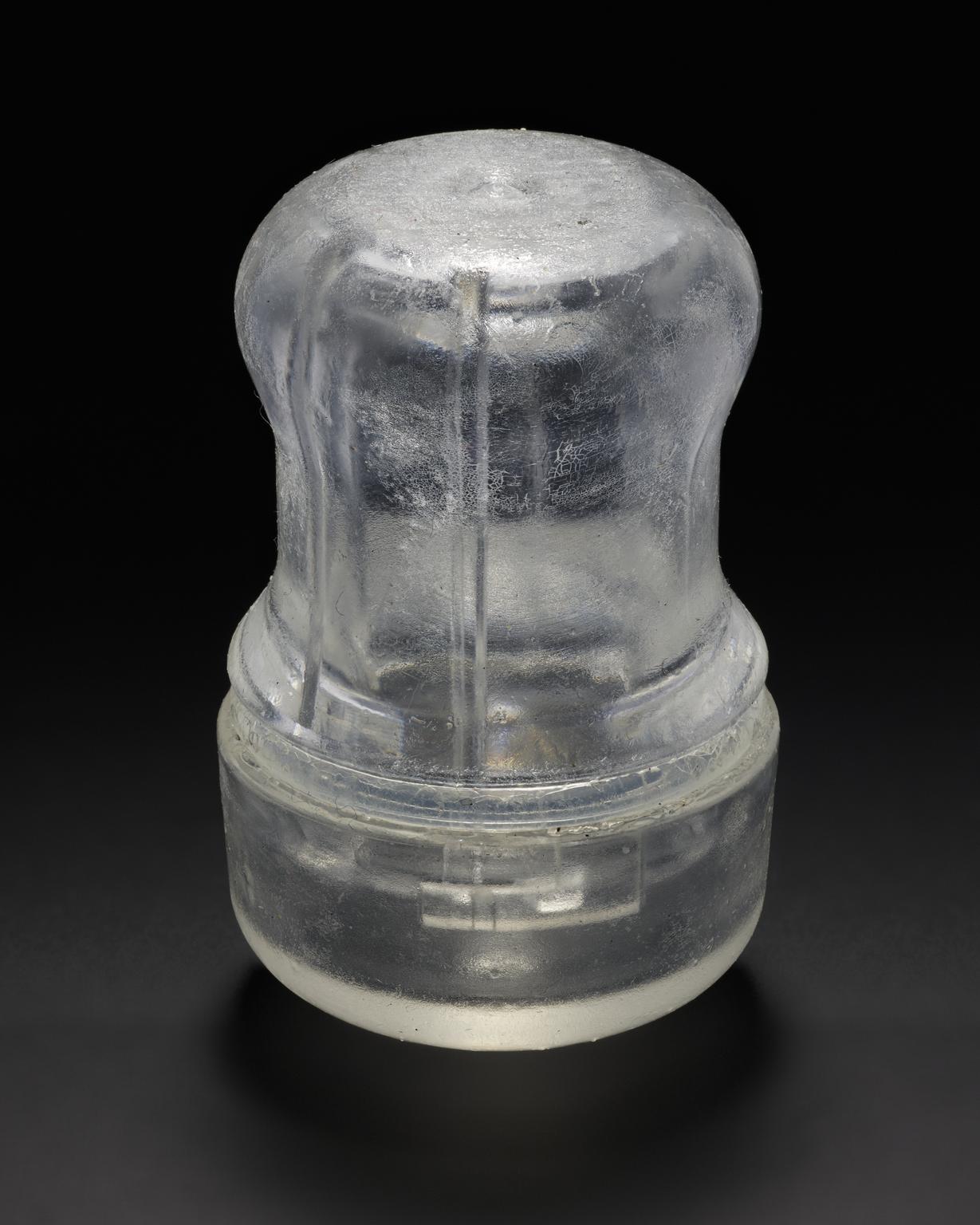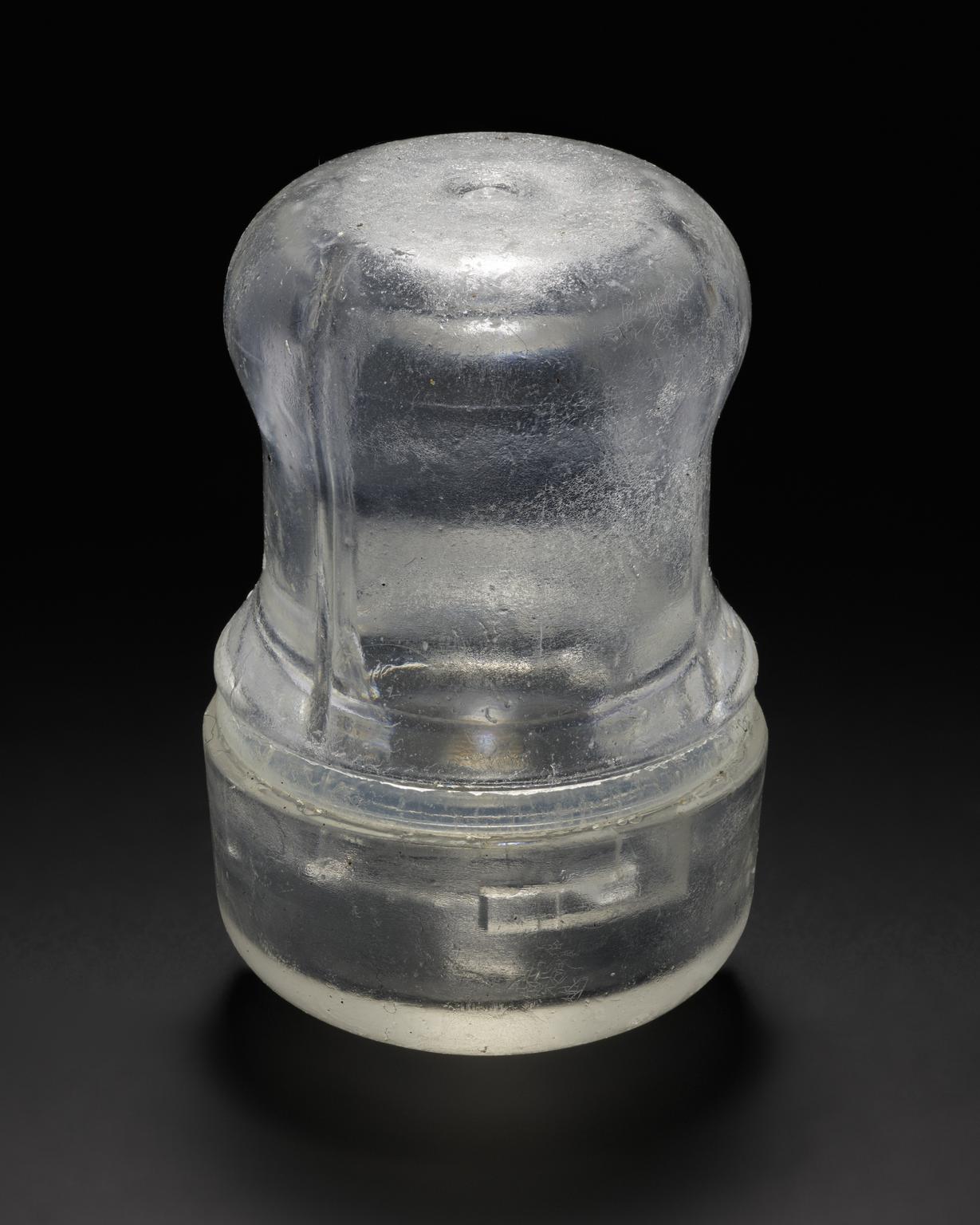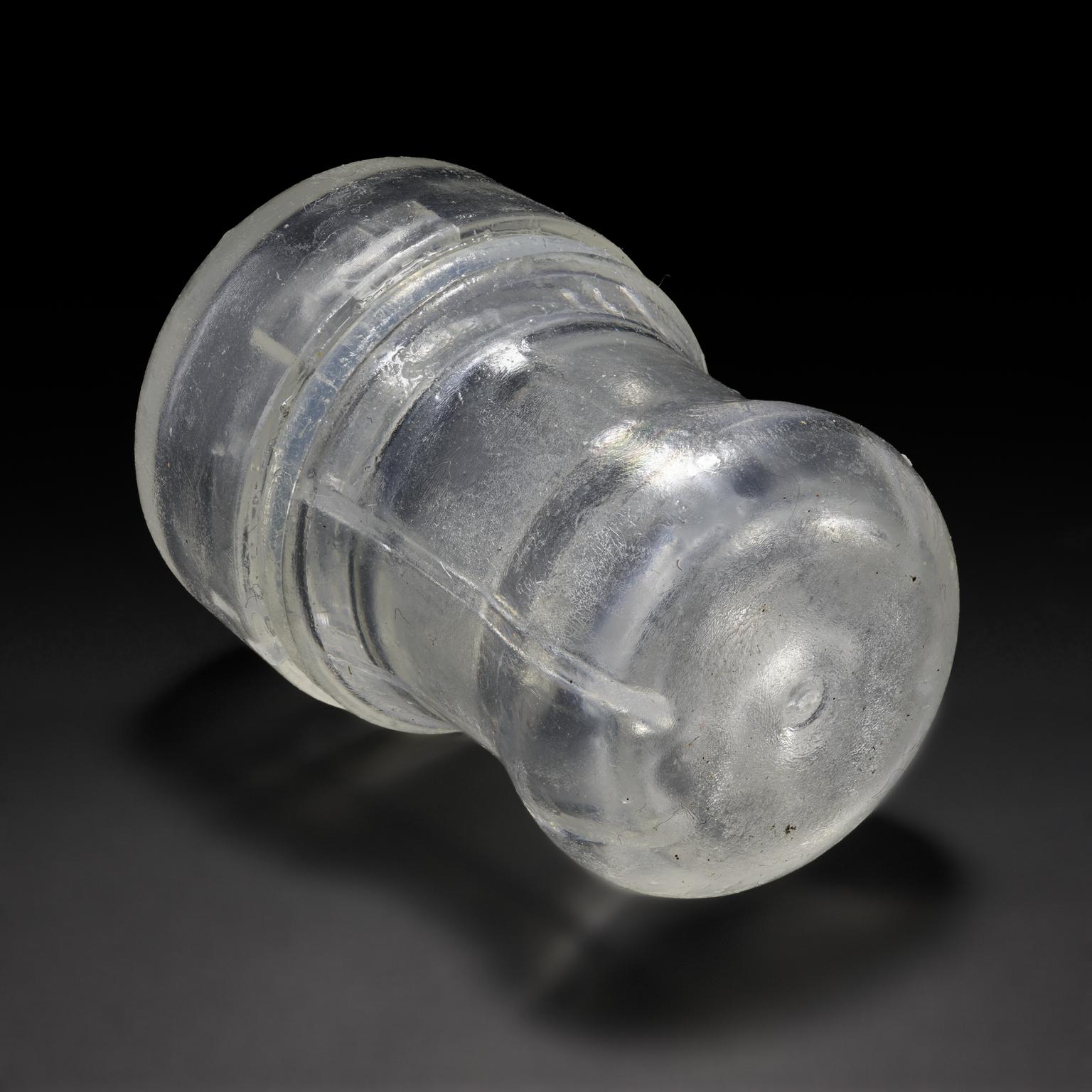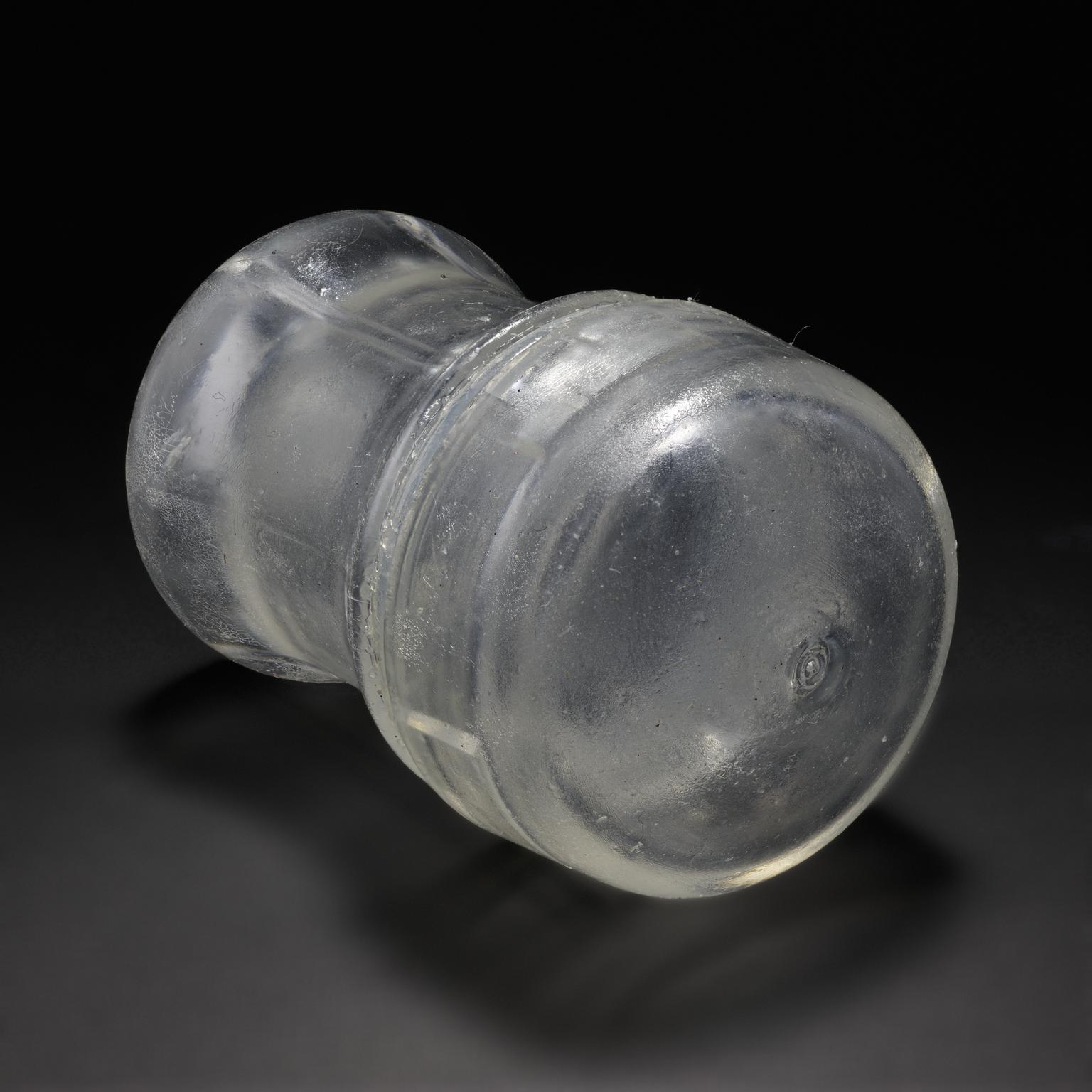
INVOcell embryo culture device for IVF

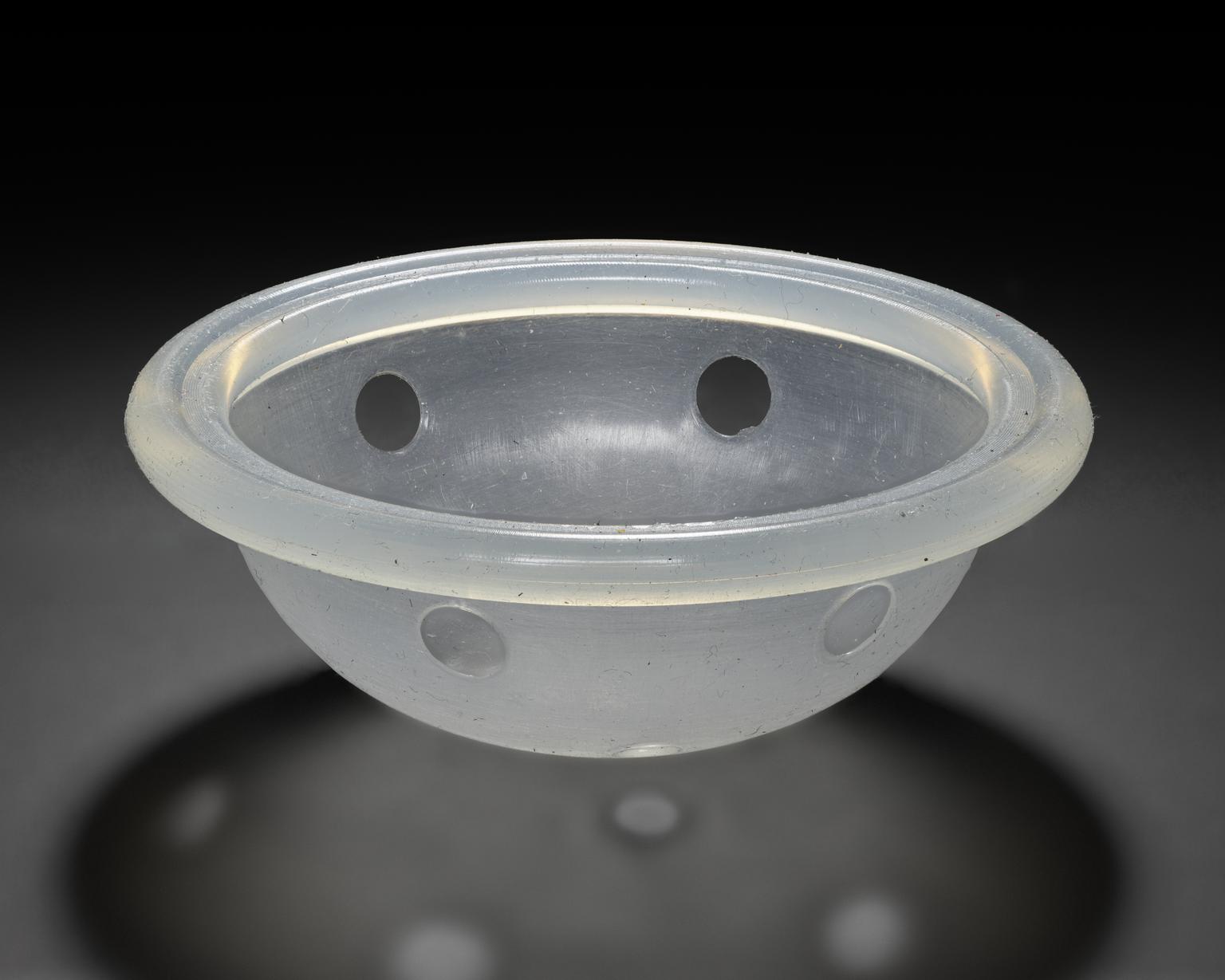
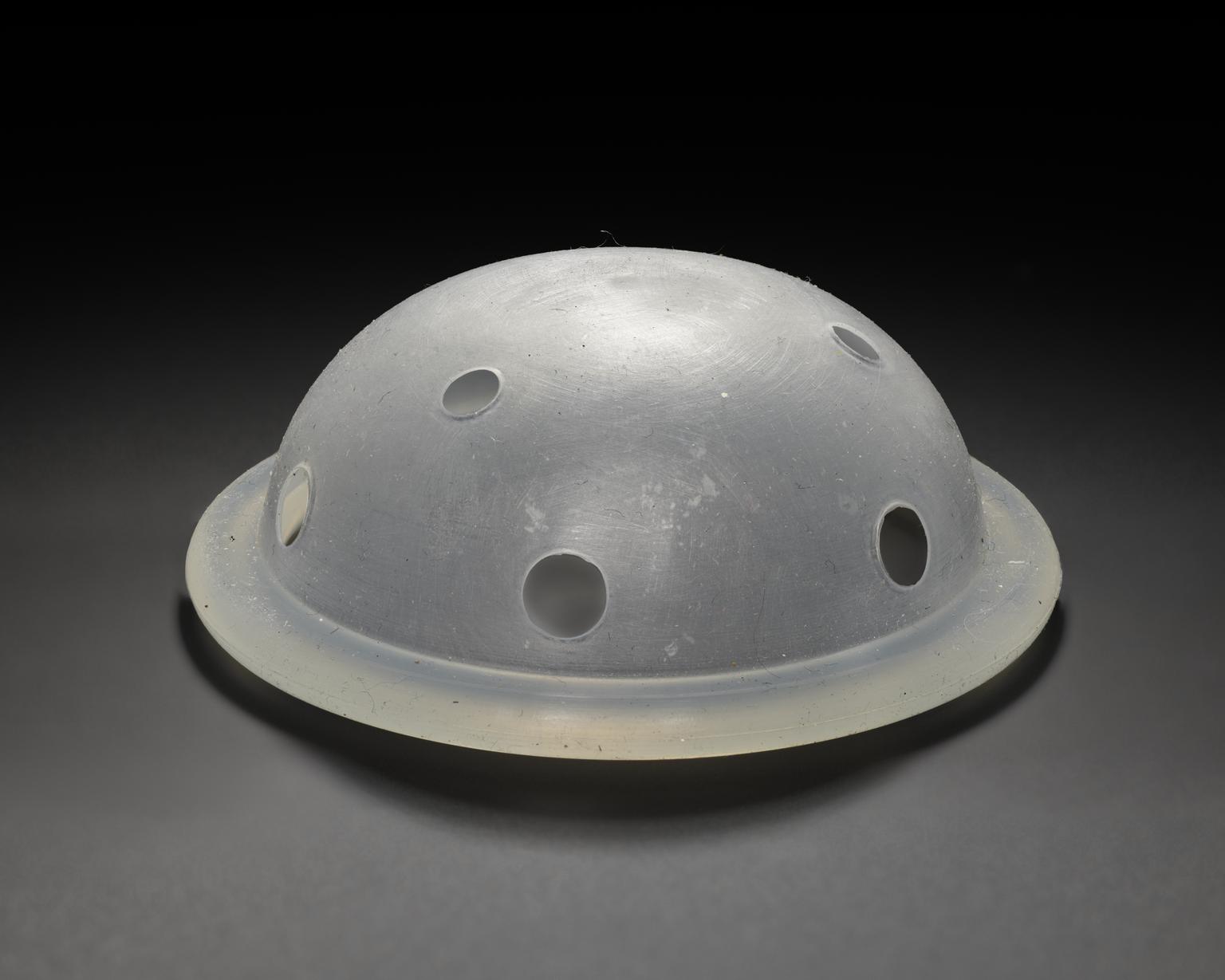
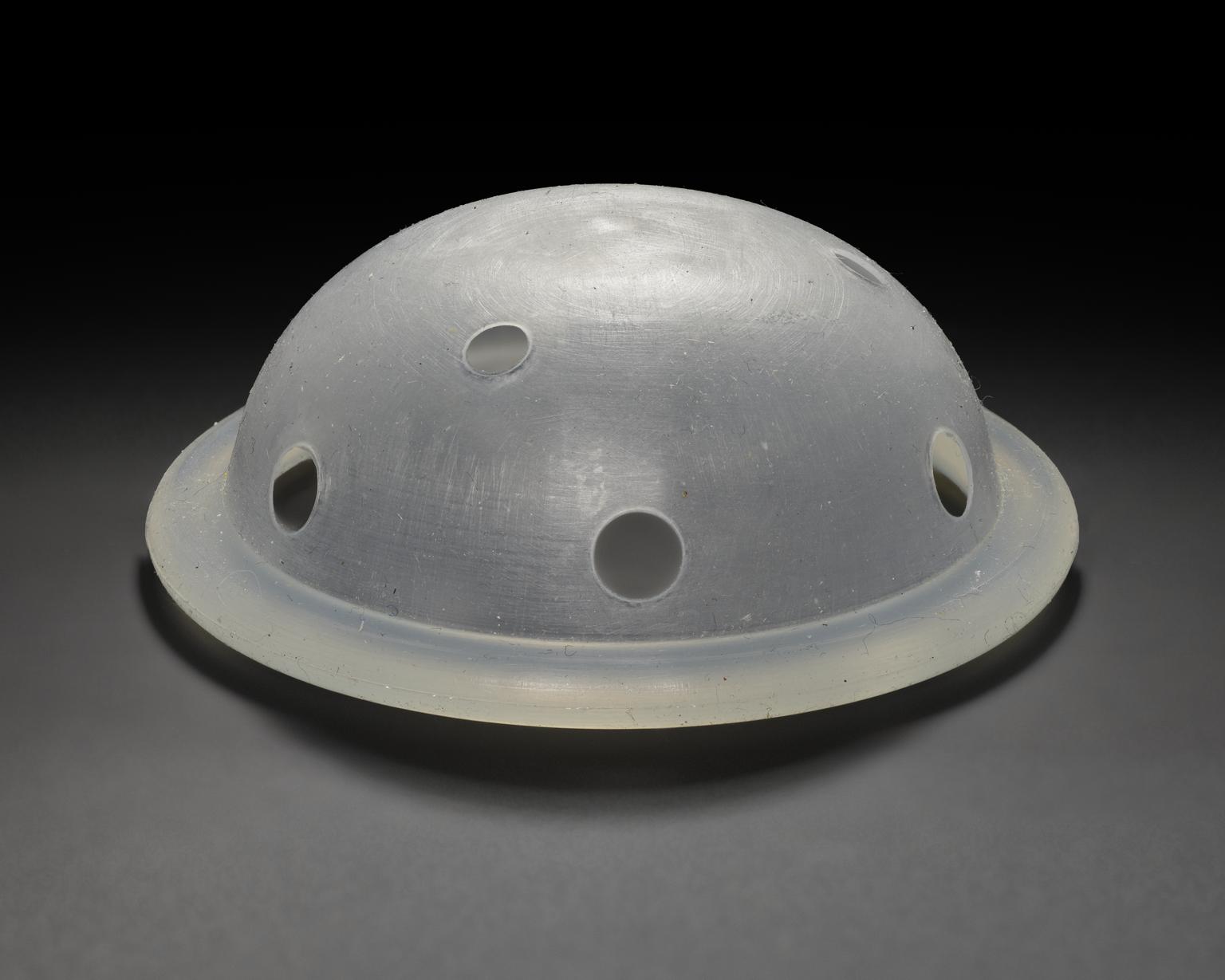
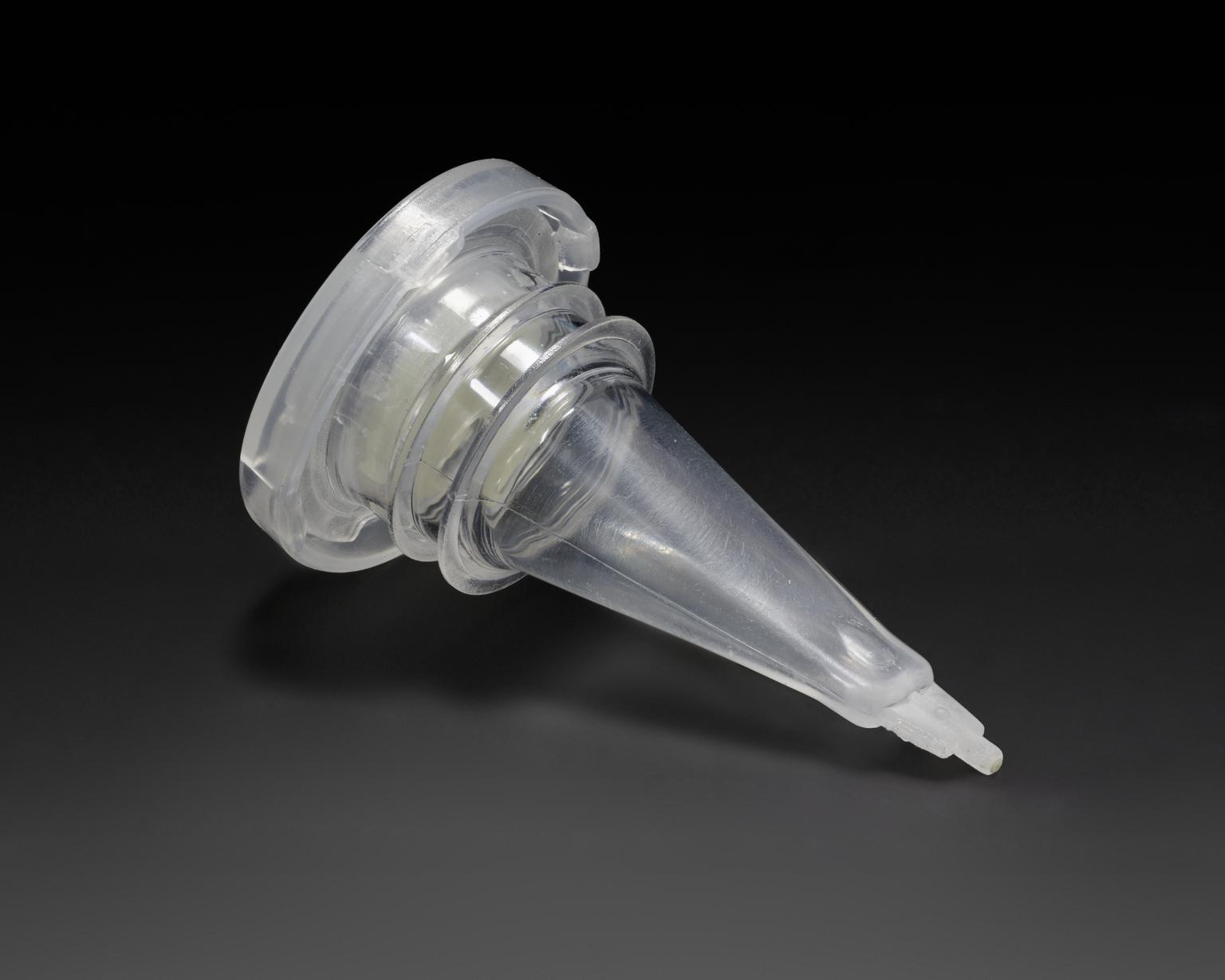
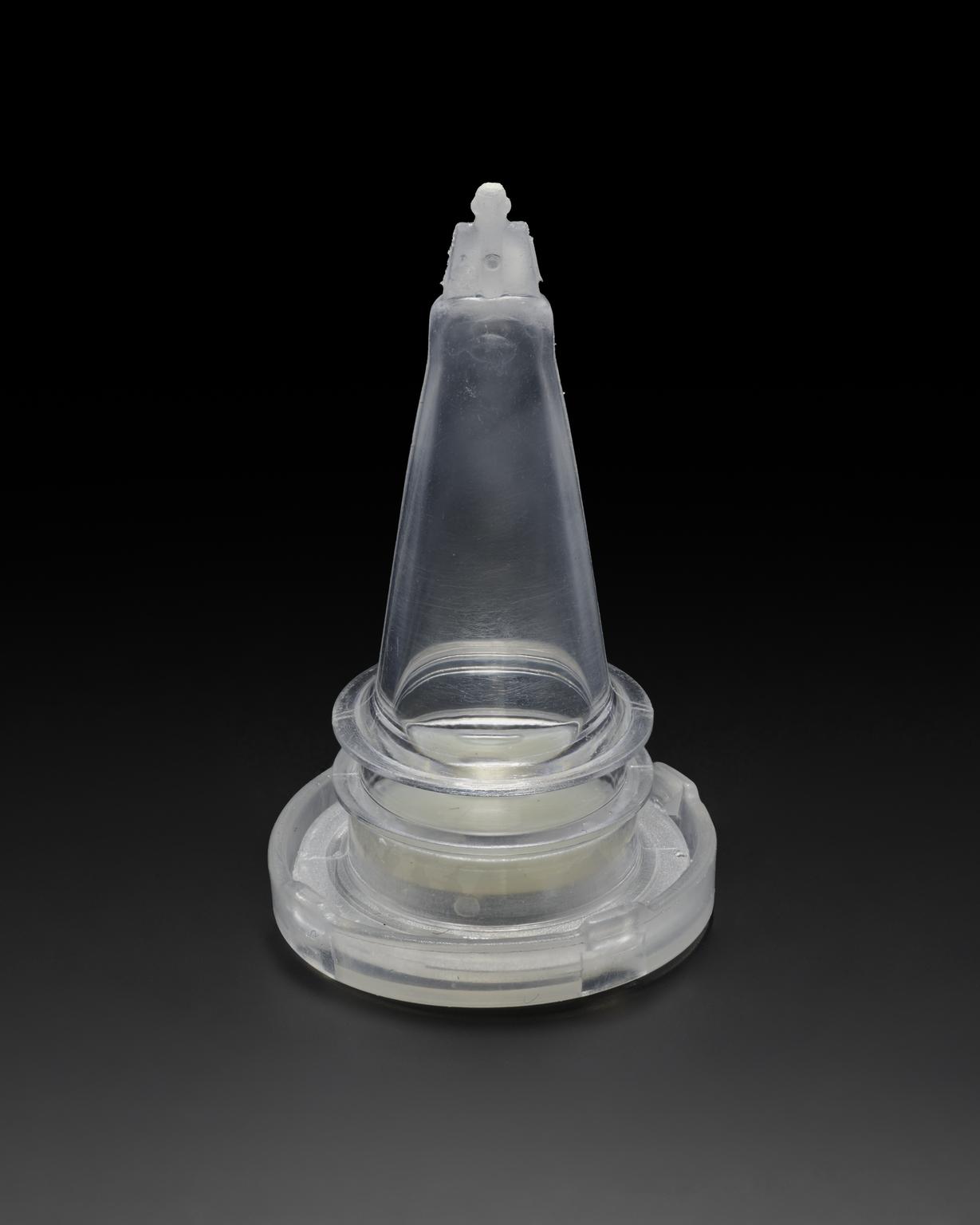
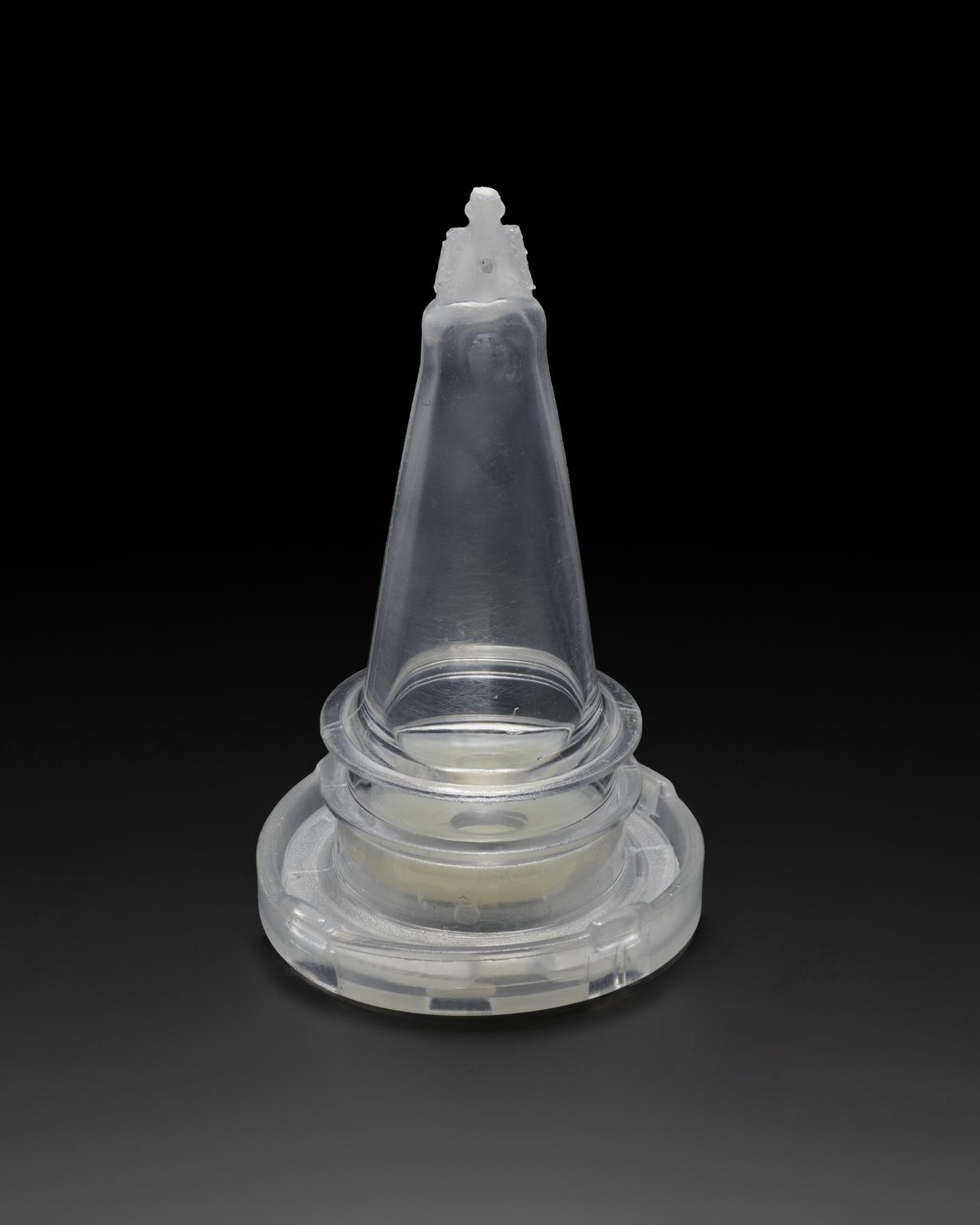
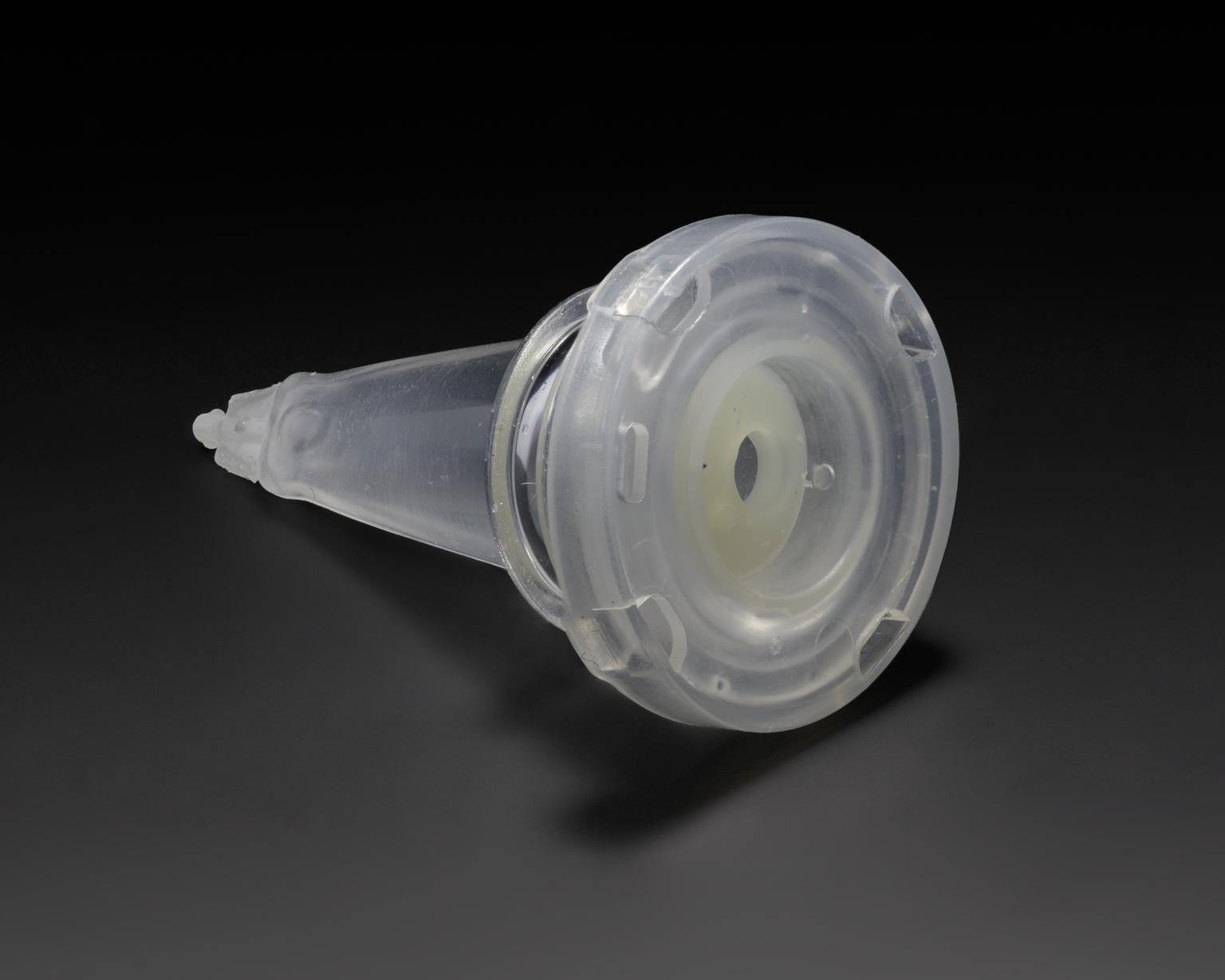
INVOcell device for intravaginal culture of eggs and sperm during fertility treatment, consisting of an inner chamber, an outer chamber and a retention device, made by INVO Bioscience, USA, 2016-2019

In 2016, INVOcell became the first intravaginal culture (IVC) device to be approved for use in fertility treatment in the USA by the US Food and Drug Administration. During conventional IVF, eggs are fertilised with sperm in a laboratory and then incubated in the lab for several days until the embryos are developed enough to be transferred or frozen for future fertility treatment. In contrast, the INVOcell device uses the body to create the ideal conditions for incubation during the critical first few days of development. After this incubation period, the embryos can again be transferred or frozen. IVC has the potential to help families feel more connected and involved during the early stages of fertility treatment. It also uses fewer laboratory resources than traditional IVF so could be cheaper. Around 1 in 6 people in the UK experience infertility in their lifetime and this device shows how fertility treatment has continued to evolve and innovate in the decades since Louise Brown became the first baby to be born as a result of IVF in 1978.

Details

Category:
Obstetrics, Gynaecology & Contraception
Object Number:
2025-2089
Materials:
plastic (unidentified) and silicone
Measurements:
overall (retention device): 20 mm 70 mm,
overall (outer chamber): 45 mm 25 mm,
type:
device
credit:
INVO Bioscience Inc.

Parts

Inner chamber for INVOcell embryo culture device for IVF

Inner chamber for INVOcell embryo culture device for IVF

Inner chamber from INVOcell device for intravaginal culture of eggs and sperm during fertility treatment, made by INVO Bioscience, USA, 2016-2019

More

In 2016, INVOcell became the first intravaginal culture (IVC) device to be approved for use in fertility treatment in the USA by the US Food and Drug Administration. During conventional IVF, eggs are fertilised with sperm in a laboratory and then incubated in the lab for several days until the embryos are developed enough to be transferred or frozen for future fertility treatment. In contrast, the INVOcell device uses the body to create the ideal conditions for incubation during the critical first few days of development. After this incubation period, the embryos can again be transferred or frozen. IVC has the potential to help families feel more connected and involved during the early stages of fertility treatment. It also uses fewer laboratory resources than traditional IVF so could be cheaper. Around 1 in 6 people in the UK experience infertility in their lifetime and this device shows how fertility treatment has continued to evolve and innovate in the decades since Louise Brown became the first baby to be born as a result of IVF in 1978.

Materials:
plastic (unidentified)
Object Number:
2025-2089/1
type:
device
Outer chamber for INVOcell embryo culture device for IVF

Outer chamber for INVOcell embryo culture device for IVF

Outer chamber from INVOcell device for intravaginal culture of eggs and sperm during fertility treatment, made by INVO Bioscience, USA, 2016-2019

More

In 2016, INVOcell became the first intravaginal culture (IVC) device to be approved for use in fertility treatment in the USA by the US Food and Drug Administration. During conventional IVF, eggs are fertilised with sperm in a laboratory and then incubated in the lab for several days until the embryos are developed enough to be transferred or frozen for future fertility treatment. In contrast, the INVOcell device uses the body to create the ideal conditions for incubation during the critical first few days of development. After this incubation period, the embryos can again be transferred or frozen. IVC has the potential to help families feel more connected and involved during the early stages of fertility treatment. It also uses fewer laboratory resources than traditional IVF so could be cheaper. Around 1 in 6 people in the UK experience infertility in their lifetime and this device shows how fertility treatment has continued to evolve and innovate in the decades since Louise Brown became the first baby to be born as a result of IVF in 1978.

Measurements:
overall: 45 mm 25 mm,
Materials:
plastic (unidentified)
Object Number:
2025-2089/2
type:
device
Retention device for INVOcell embryo culture device for IVF

Retention device for INVOcell embryo culture device for IVF

Retention device from INVOcell device for intravaginal culture of eggs and sperm during fertility treatment, made by INVO Bioscience, USA, 2016-2019

More

In 2016, INVOcell became the first intravaginal culture (IVC) device to be approved for use in fertility treatment in the USA by the US Food and Drug Administration. During conventional IVF, eggs are fertilised with sperm in a laboratory and then incubated in the lab for several days until the embryos are developed enough to be transferred or frozen for future fertility treatment. In contrast, the INVOcell device uses the body to create the ideal conditions for incubation during the critical first few days of development. After this incubation period, the embryos can again be transferred or frozen. IVC has the potential to help families feel more connected and involved during the early stages of fertility treatment. It also uses fewer laboratory resources than traditional IVF so could be cheaper. Around 1 in 6 people in the UK experience infertility in their lifetime and this device shows how fertility treatment has continued to evolve and innovate in the decades since Louise Brown became the first baby to be born as a result of IVF in 1978.

Measurements:
overall: 20 mm 70 mm,
Materials:
plastic (unidentified) and silicone
Object Number:
2025-2089/3
type:
device