Paterson Zochonis & Co. Ltd 1879
- industry:
- Pharmaceuticals, Textile Exporter
During the 1870s, George Henry Paterson, from Scotland, met George Basil Zochonis, a Greek. They worked together in the trading company of Fisher & Randall in Freetown, Sierra Leone. They became friends and in 1879 set up a trading post of their own. In 1884, their company was incorporated in Britain as Paterson Zochonis & Company. They had an office in Liverpool which dealt with West African exports to Europe – palm produce, groundnuts, coffee, hides, skins and timber – and imports of textiles and foods to Sierra Leone. Two years later they opened their head office in Manchester, at the heart of the Lancashire cotton trade. Paterson Zochonis prospered and opened several new branches in Sierra Leone. The business expanded rapidly and in 1896 it opened offices in Liberia and Guinea. Three years later it opened offices in Nigeria, which was to become very important for trade. In 1920, Paterson Zochonis began to trade in Cameroon.
The company's success was based on its intimate knowledge of the West African market, its network of trading contacts and the high reputation of its goods. Although Paterson Zochonis did not manufacture any of its export goods, these goods
were branded with its own trademarks. One of its major export commodities was wax printed cotton fabrics. The role that Paterson Zochonis played was that of a 'merchant converter'. This means that Paterson Zochonis took responsibility for acquiring supplies of 'greycloth', the term for unbleached cotton fabric, and commissioning cotton printing companies to produce finished fabrics using designs produced by its own designers. The fabrics were stored and packed for export in its own warehouse.
George Zochonis died in 1929, aged 77. George Paterson served on the Board of Directors until 1932 but he gradually sold his shares in the company to the Zochonis family. He died in 1939, aged 94. His role in the company had already been taken over by his nephew, Constantine P. Zochonis, who became Chief Executive in 1929. During the 1930s, under Constantine’s direction, the firm expanded into Ghana, then known as the Gold Coast.
Paterson Zochonis experienced a boom in trade after the Second World War. The West African countries were preparing for independence and the company made changes in its business accordingly. It deliberately tried to increase its industrial base, rather than acting solely as merchants. Accordingly, in 1948, Paterson Zochonis bought a soap factory in Aba, Nigeria. This proved to be a landmark in the company's history, as soap was to become a major part of its trade.
Constantine Zochonis died in 1951 and was succeeded by his cousin, Alexander H. Loupos. Two years later Paterson Zochonis & Company Limited became a public company in the United Kingdom, although the majority shareholding was kept by the Zochonis family. It continued to expand and in 1961 established a new factory at Aba to produce toiletries and pharmaceuticals. However, at the same time its traditional business began to decline. During the 1970s, it discontinued its trade in cotton fabrics.
A. H. Loupos retired in 1976. He was succeeded by John Basil Zochonis, son of C.P. Zochonis, as chairman and Basil Spoudeas as managing director.
In 1972, the company bought Roberts Laboratories Ltd of Bolton, who manufactured proprietary drugs. Then in 1975, it bought the Cussons Group Ltd, whose brand names included Imperial Leather.
By the 1990s, the company was shifting its emphasis and had established important trading links with Eastern Europe, China, South East Asia and Australia. It concentrated on the manufacture and marketing of their branded products. This shift was reflected in the company's decision to adopt Cussons (International) Ltd as the group name, although the name has since been changed to PZ Cussons plc.
Related Objects

Collection of textile hand-printing blocks, textile samples and pharmaceuticals
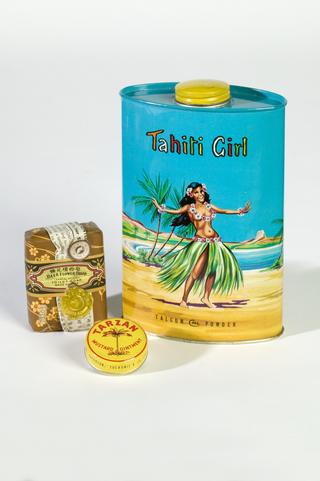
'Tarzan' mustard ointment No. 6 for lumbago
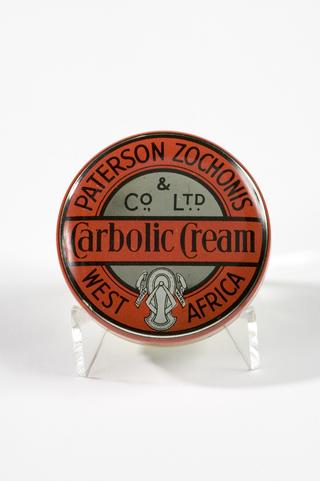
Paterson Zochonis carbolic cream
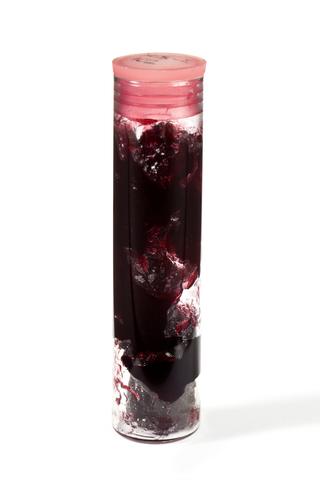
Packaging for Alagbon Balm for Rheumatism
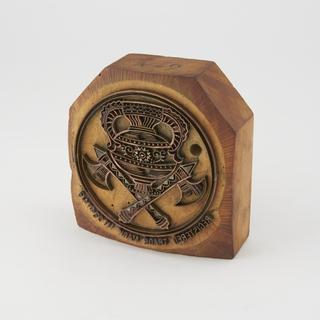
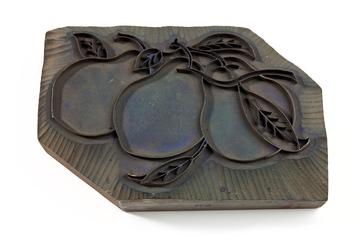
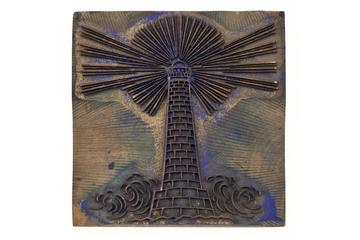
Textile printing block
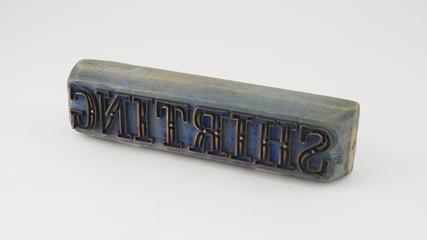
Textile printing block
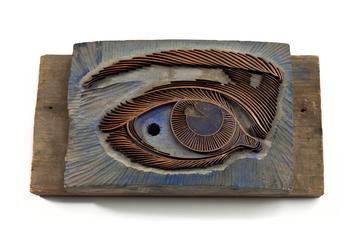
Fabric printing block
'Tahiti Girl' talcum powder
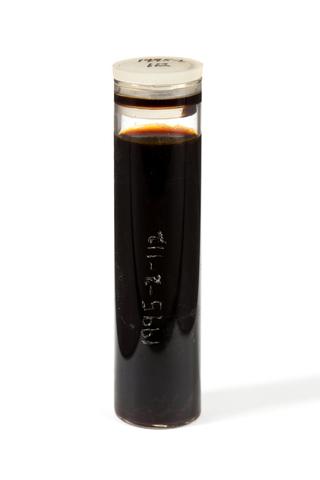
worm expeller elixr