Cecil Beaton 1904 - 1980
- occupation:
- Designer, Photographer, Writer
- Nationality:
- British
- born in:
- Hampstead, Camden, London, Greater London, England, United Kingdom
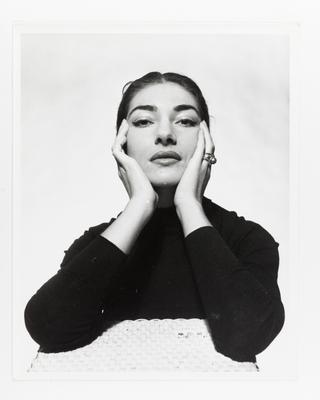
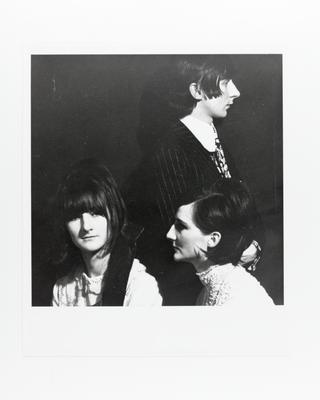
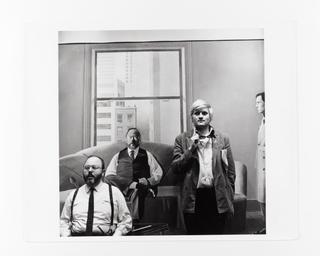
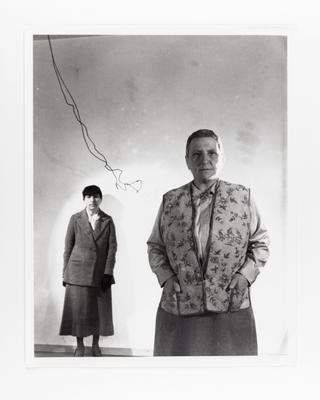
Cecil Beaton was interested in photography from an early age, which he developed by taking photos of his sisters using the Kodak 3A camera that belonged to his nanny. He built a name for himself in the 1920s, contributing photographs to Vogue magazine and opening his first solo exhibition in London.
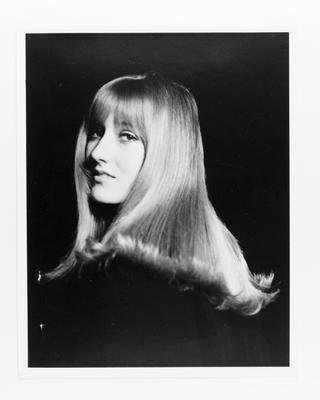
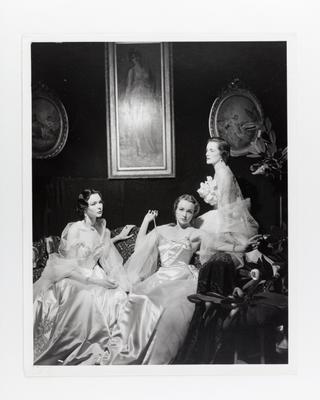
His career took off in the mid 1920s, when he began to contribute photographs and illustrations to Vogue magazine. His first solo exhibition in London in 1927 established him as one of the leading fashion photographers and portraitists of his generation. It was also in this decade that he received his first Royal commission, which led to a long and creative relationship with the British Royal family. Not known as a hugely technical photographer, Beaton was celebrated for the creativity and drama of his work. He became the leading portrait and fashion photographer of his day, in demand on both sides of the Atlantic.
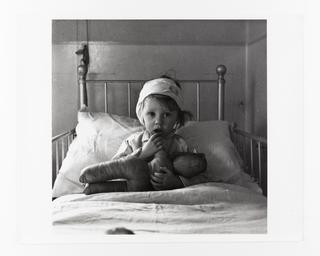
He was also a prolific war photographer during the Second World War, working as an official photographer for the British Ministry of Information and taking around 7000 photographs around the world and on the British Home Front.
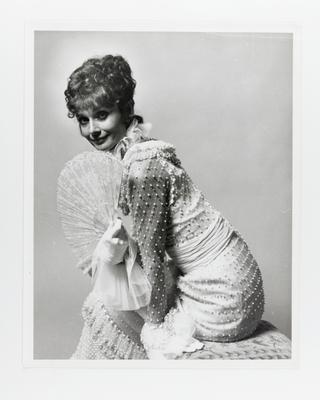
Though most famous for his photography, Beaton was also well-known as a writer and diarist and a designer of interiors, an artist, and for his work designing both costume and sets for stage and screen. Most famously he designed the costumes for My Fair Lady (1956), and Gigi (1958), winning three Oscars for costume and art direction. He curated a hugely influential exhibition at the V&A Museum in 1971 called Fashion: An anthology by Cecil Beaton.
Beaton was also a keen gardener, caring first for his garden at Ashcombe House near Berwick St John and later Reddish House, in Broad Chalke.