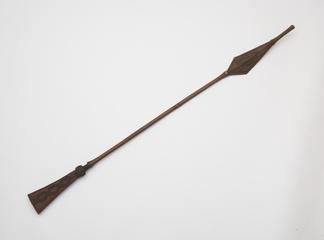
Tobacco pipe tomahawk blade
- Made:
- 1780-1850 in United Kingdom and Great Britain
- maker:
- Unknown


 This image is released under a CC BY-NC-SA 4.0
Licence
License this image for commercial use at Science and Society Picture Library
LicenseThis image is released under a CC BY-NC-SA 4.0
Licence
License this image for commercial use at Science and Society Picture Library
LicenseThis image is released under a CC BY-NC-SA 4.0
Licence
License this image for commercial use at Science and Society Picture Library
LicenseThis image is released under a CC BY-NC-SA 4.0
Licence
License this image for commercial use at Science and Society Picture Library
LicenseThis image is released under a CC BY-NC-SA 4.0
Licence
License this image for commercial use at Science and Society Picture Library
LicenseThis image is released under a CC BY-NC-SA 4.0
Licence
License this image for commercial use at Science and Society Picture Library
LicenseThis image is released under a CC BY-NC-SA 4.0
Licence
License this image for commercial use at Science and Society Picture Library
LicenseThis image is released under a CC BY-NC-SA 4.0
Licence
License this image for commercial use at Science and Society Picture Library
LicenseThis image is released under a CC BY-NC-SA 4.0
Licence
License this image for commercial use at Science and Society Picture Library
License
Science Museum Group
© The Board of Trustees of the Science Museum
Science Museum Group
© The Board of Trustees of the Science Museum
Science Museum Group
© The Board of Trustees of the Science Museum
Science Museum Group
© The Board of Trustees of the Science Museum
Science Museum Group
© The Board of Trustees of the Science Museum
Science Museum Group
© The Board of Trustees of the Science Museum
Tobacco pipe tomahawk, steel, haft missing
Science Museum Group Collection
© The Board of Trustees of the Science Museum, London
Tobacco pipe tomahawk, steel, haft missing
Science Museum Group Collection
© The Board of Trustees of the Science Museum, London
Tobacco pipe tomahawk, steel, haft missing
Science Museum Group Collection
© The Board of Trustees of the Science Museum, London
Tobacco pipe tomahawk steel blade, haft missing, probably made for trade between white settlers and Native Americans, of the type sold by Hudson's Bay Company, British manufacture, 1780-1850
This blade with a loop to fit a wooden haft, now missing, formed part of a pipe tomahawk, a combined axe and smoking pipe. While they have often been exclusively associated with Indigenous Americans, pipe tomahawks were a unique product of Euro-Indigenous interactions. Their dual features symbolise war (blade) and peace (pipe).
The Wellcome Historical Medical museum’s accession register recorded the blade as made in Britain, but the majority were made in North America by rural blacksmiths. Pipe tomahawks were used as tools and weapons, but they were also symbolic, prized as status symbols and exchanged as diplomatic gifts.
Tomahawks were Indigenous stone or bone axes pre-European contact. Indigenous Americans valued the durable metal blades that the white settlers introduced and traded them for beaver pelts in the North American fur trade which operated from the 16th to the 19th centuries. The fur trade was dominated for over two centuries by the Hudson’s Bay Company (HBC), the oldest corporation in North America. HBC was granted exclusive trading rights by the British Crown since 1670 in the territory known as Rupert’s Land, now northeastern Canada.
Details
- Category:
- Ethnography and Folk Medicine
- Collection:
- Sir Henry Wellcome's Museum Collection
- Object Number:
- A72423
- Materials:
- steel
- Measurements:
-
overall: 42 mm x 233 mm x 82 mm, .59 kg
- type:
- tobacco pipes
- credit:
- Wellcome Trust (Purchased from Stevens)
Related Objects
Amuletic pendant in form of red coral horn with silver mount and chain
Wooden ceremonial dance club
Baby carrier or cradle-board
Ring, blue glass with bare mount at front