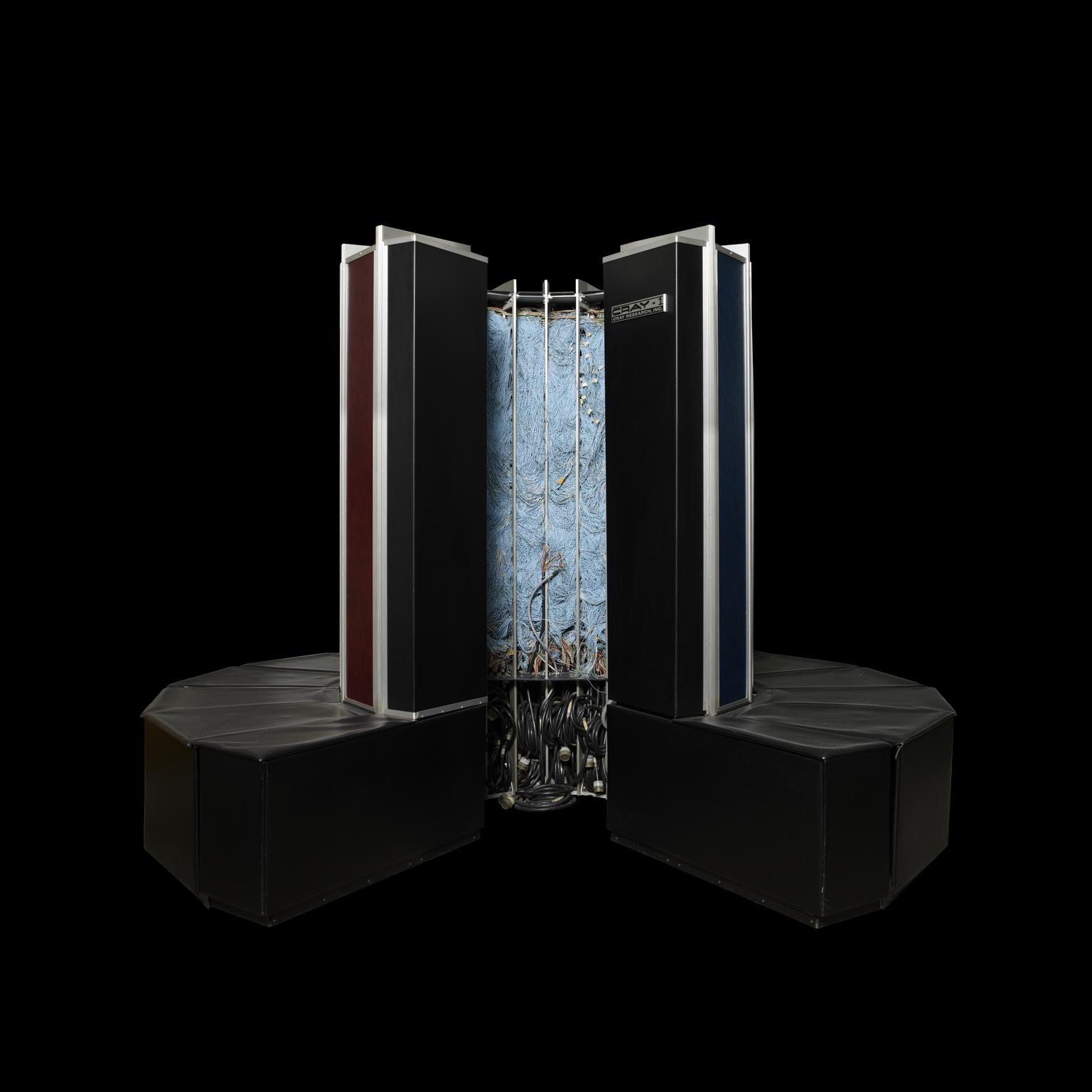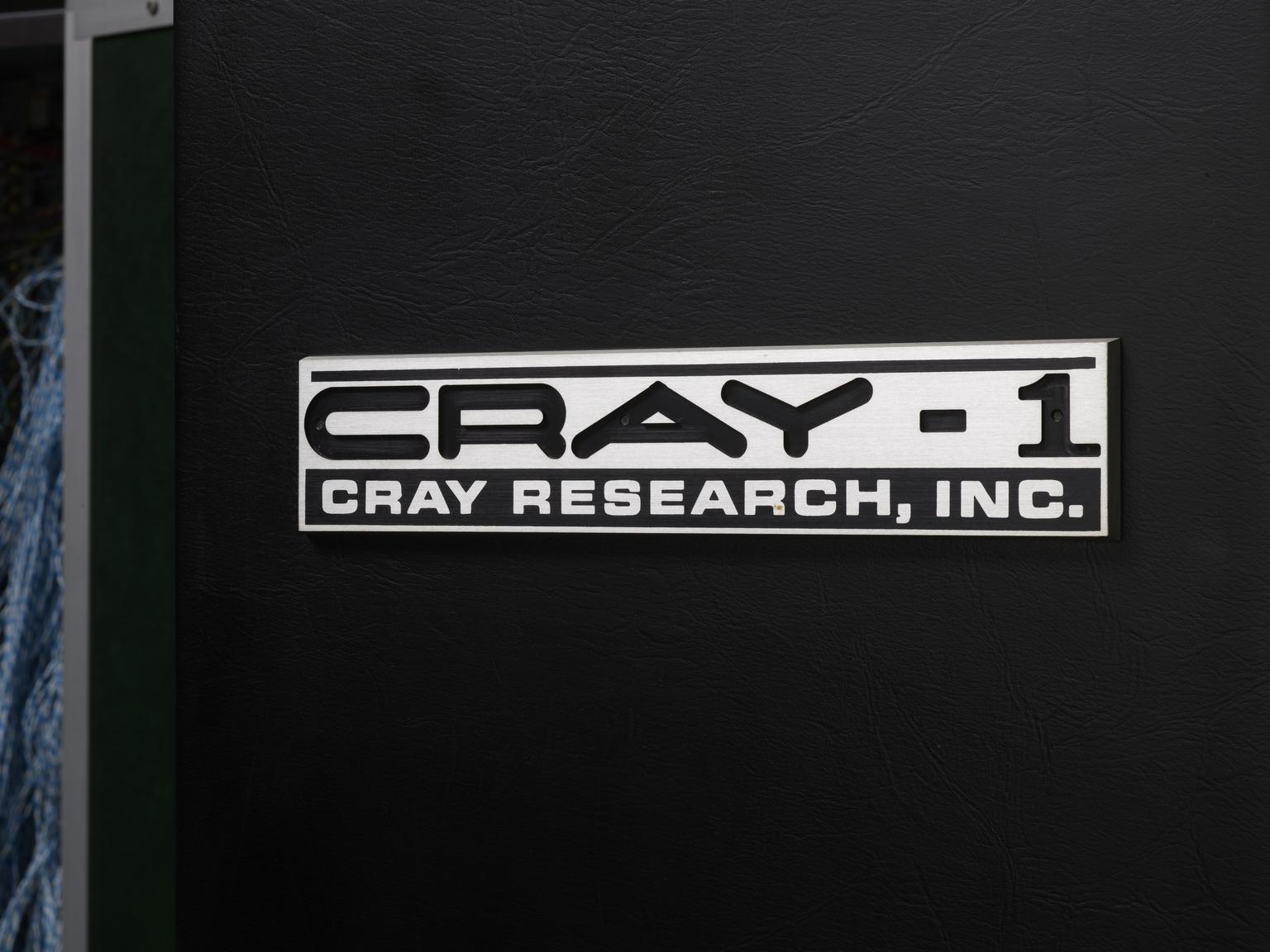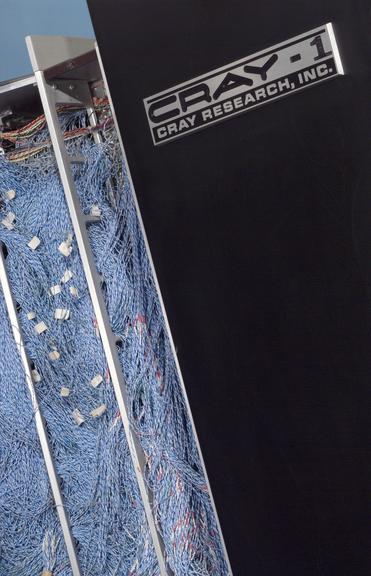

Cray-1A Supercomputer, serial number 11, by Cray Research

Cray-1A Supercomputer, serial number 11, by Cray Research Cray-1A Supercomputer, serial number 11, by Cray Research

Creative Commons LicenseThis image is released under a CC BY-NC-SA 4.0 Licence

License this image for commercial use at Science and Society Picture Library

License

Creative Commons LicenseThis image is released under a CC BY-NC-SA 4.0 Licence

License this image for commercial use at Science and Society Picture Library

License

Science Museum Group Collection
© The Board of Trustees of the Science Museum
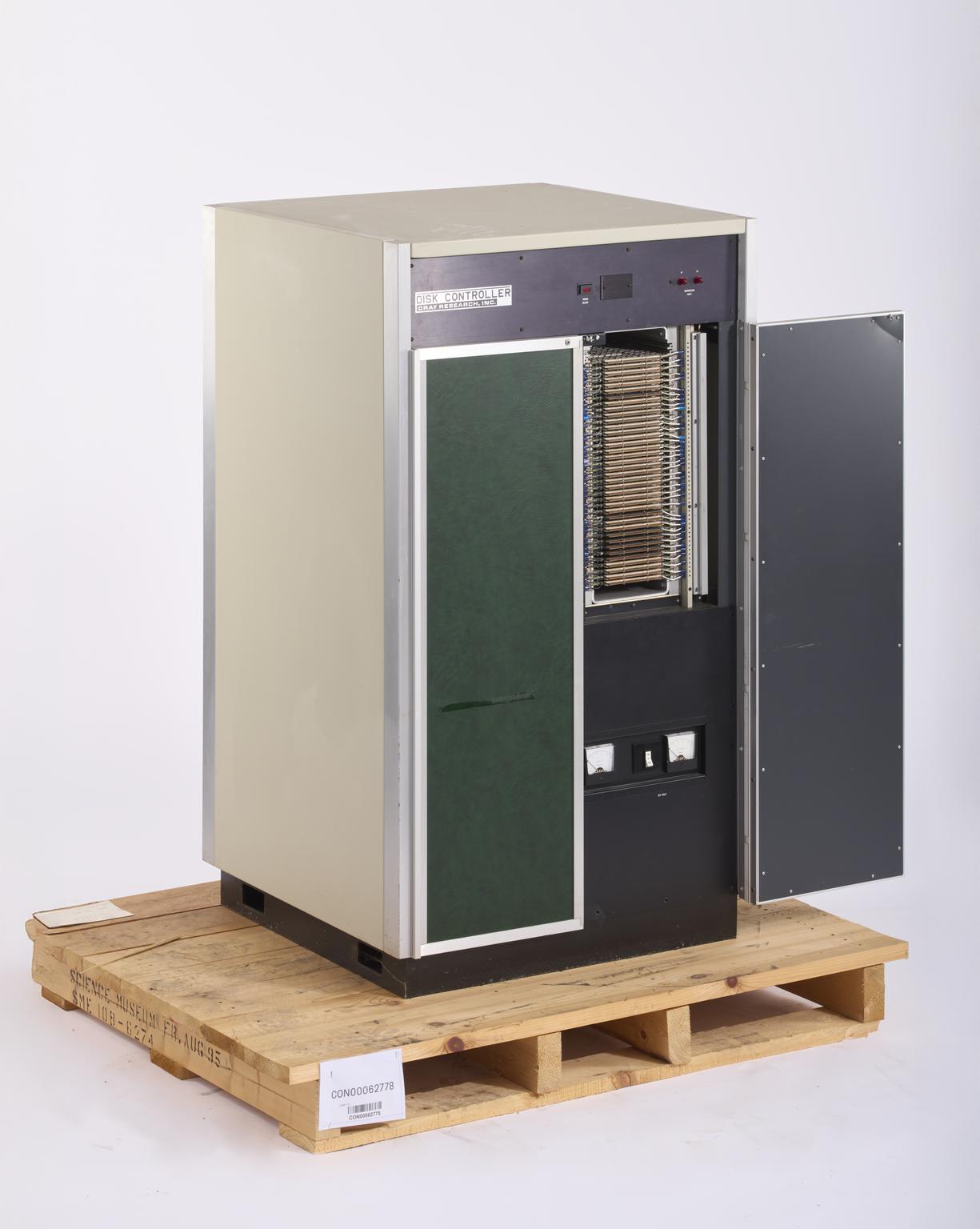
Science Museum Group Collection
© The Board of Trustees of the Science Museum
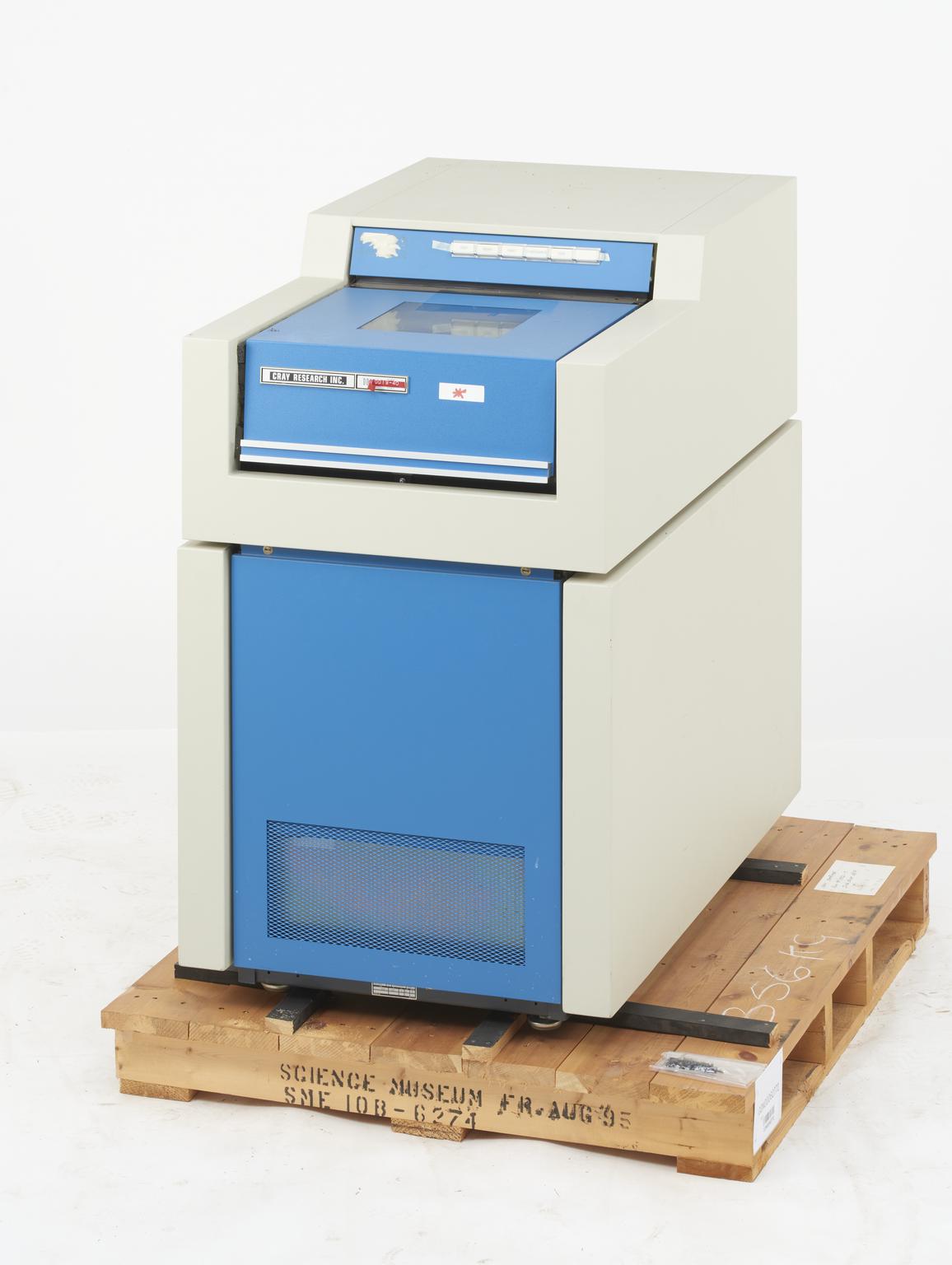
Cray-1A Supercomputer, serial number 11, with accessories, by Cray Research Inc, Chippewa Falls, Chippewa county, Wisconsin, United States, 1976-1978

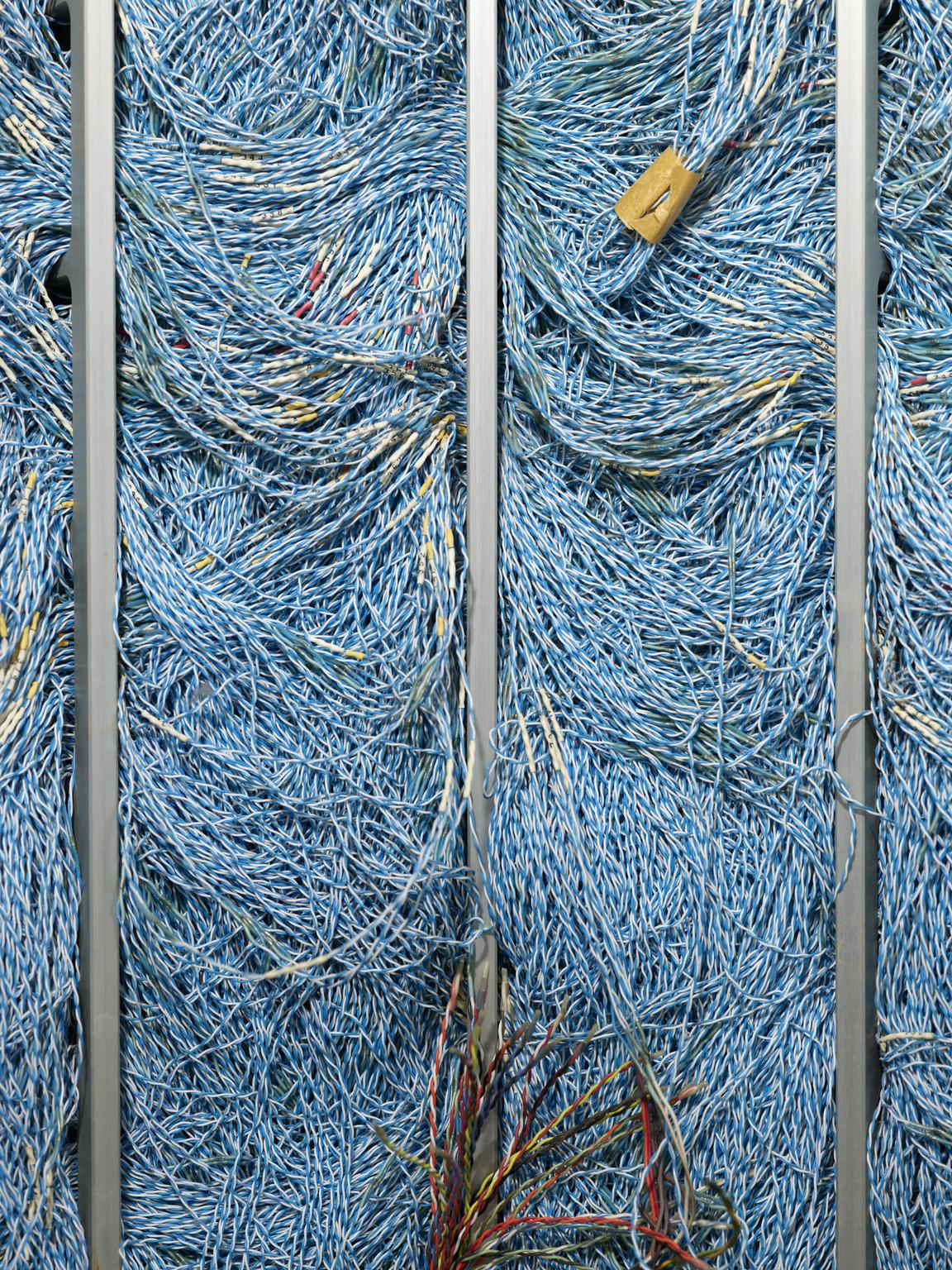
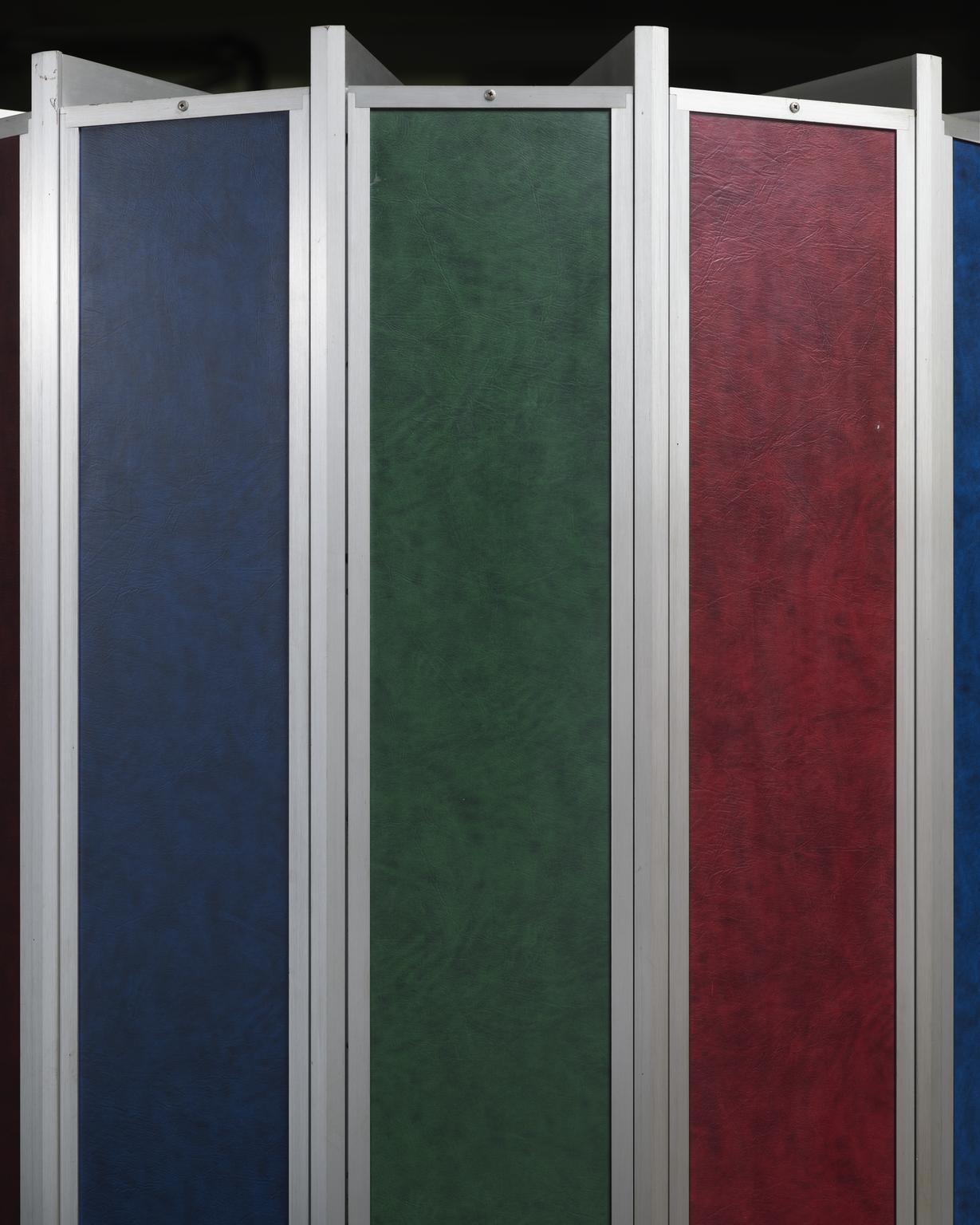
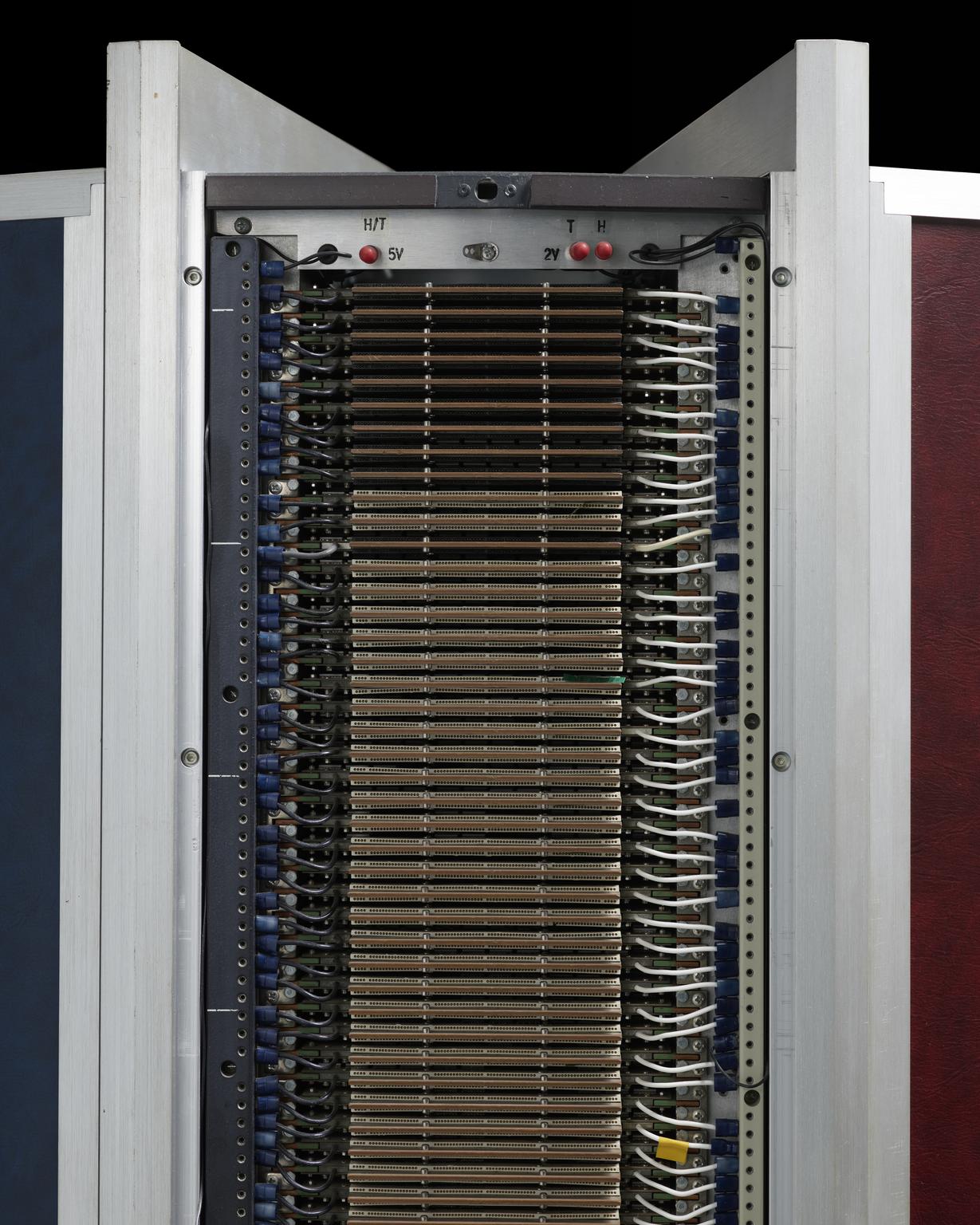
Seymour Cray founded the high-performance computing industry with machines like this 1976 Cray-1A. Each Cray-1 was hand wired and took nearly a year to assemble. Its cylindrical shape kept wires short, so signals arrived at their destination sooner, while the cushions ringing the unit covered the enormous power supplied at the base of each tower. With Freon cooling and pioneering processing systems, the machine achieved then-unrivalled operating speeds. The Cray-1 design suited it to many critical computational problems, such as cryptography, bomb simulation, and aircraft design. This Cray-1A cost £8 million in 1979 and operated at England’s Aldermaston Atomic Weapons Establishment.

Cray’s designs embodied innovative technology and a great aesthetic sense, but he like to work with simple tools – often a pencil and paper. It is said that when he was told that Apple had bought a Cray to simulate their next desktop machine he remarked, ‘Funny, I am using an Apple to simulate the Cray-3’.

Details

Category:
Computing & Data Processing
Object Number:
1991-159
Materials:
metal (unknown) and electronic components
Measurements:
overall: 1960 mm 2610 mm,
type:
supercomputer
credit:
Cray Research (UK) Ltd.

Parts

Cray- 1A supercomputer S/n 11

Cray- 1A supercomputer S/n 11

Cray-1A Supercomputer, serial number 11, manufactured by Cray Research Inc., Chippewa Falls, Chippewa county, Wisconsin, United States, 1976-1978

More

Seymour Cray founded the high-performance computing industry with machines like this 1976 Cray-1A. Each Cray-1 was hand wired and took nearly a year to assemble. Its cylindrical shape kept wires short, so signals arrived at their destination sooner, while the cushions ringing the unit covered the enormous power supplied at the base of each tower. With Freon cooling and pioneering processing systems, the machine achieved then-unrivalled operating speeds. The Cray-1 design suited it to many critical computational problems, such as cryptography, bomb simulation, and aircraft design. This Cray-1A cost £8 million in 1979 and operated at England’s Aldermaston Atomic Weapons Establishment.

Cray’s designs embodied innovative technology and a great aesthetic sense, but he like to work with simple tools – often a pencil and paper. It is said that when he was told that Apple had bought a Cray to simulate their next desktop machine he remarked, ‘Funny, I am using an Apple to simulate the Cray-3’.

Measurements:
overall (foot-print area) = 6.5 square Metres:
Materials:
aluminium alloy , metal (unknown) and electronic components
Object Number:
1991-159 Pt1
type:
supercomputer
Cray-1A Power Distribution Unit

Cray-1A Power Distribution Unit

Cray-1A Power Distribution Unit, manufactured by Cray Research Inc., Chippewa Falls, Chippewa county, Wisconsin, United States, 1976-1978

More

Seymour Cray founded the high-performance computing industry with machines like this 1976 Cray-1A. Each Cray-1 was hand wired and took nearly a year to assemble. Its cylindrical shape kept wires short, so signals arrived at their destination sooner, while the cushions ringing the unit covered the enormous power supplied at the base of each tower. With Freon cooling and pioneering processing systems, the machine achieved then-unrivalled operating speeds. The Cray-1 design suited it to many critical computational problems, such as cryptography, bomb simulation, and aircraft design. This Cray-1A cost £8 million in 1979 and operated at England’s Aldermaston Atomic Weapons Establishment.

Cray’s designs embodied innovative technology and a great aesthetic sense, but he like to work with simple tools – often a pencil and paper. It is said that when he was told that Apple had bought a Cray to simulate their next desktop machine he remarked, ‘Funny, I am using an Apple to simulate the Cray-3’.

Measurements:
overall: 1820 mm x 1270 mm x 892 mm,
Object Number:
1991-159 Pt2
type:
supercomputer
Cray-1A Power Distribution Unit

Cray-1A Power Distribution Unit

Cray-1A Power Distribution Unit, manufactured by Cray Research Inc., Chippewa Falls, Chippewa county, Wisconsin, United States, 1976-1978.

More

Seymour Cray founded the high-performance computing industry with machines like this 1976 Cray-1A. Each Cray-1 was hand wired and took nearly a year to assemble. Its cylindrical shape kept wires short, so signals arrived at their destination sooner, while the cushions ringing the unit covered the enormous power supplied at the base of each tower. With Freon cooling and pioneering processing systems, the machine achieved then-unrivalled operating speeds. The Cray-1 design suited it to many critical computational problems, such as cryptography, bomb simulation, and aircraft design. This Cray-1A cost £8 million in 1979 and operated at England’s Aldermaston Atomic Weapons Establishment.

Cray’s designs embodied innovative technology and a great aesthetic sense, but he like to work with simple tools – often a pencil and paper. It is said that when he was told that Apple had bought a Cray to simulate their next desktop machine he remarked, ‘Funny, I am using an Apple to simulate the Cray-3’.

Measurements:
overall: 1250 mm x 710 mm x 720 mm,
Object Number:
1991-159 Pt3
type:
supercomputer
Image ©
The Board of Trustees of the Science Museum
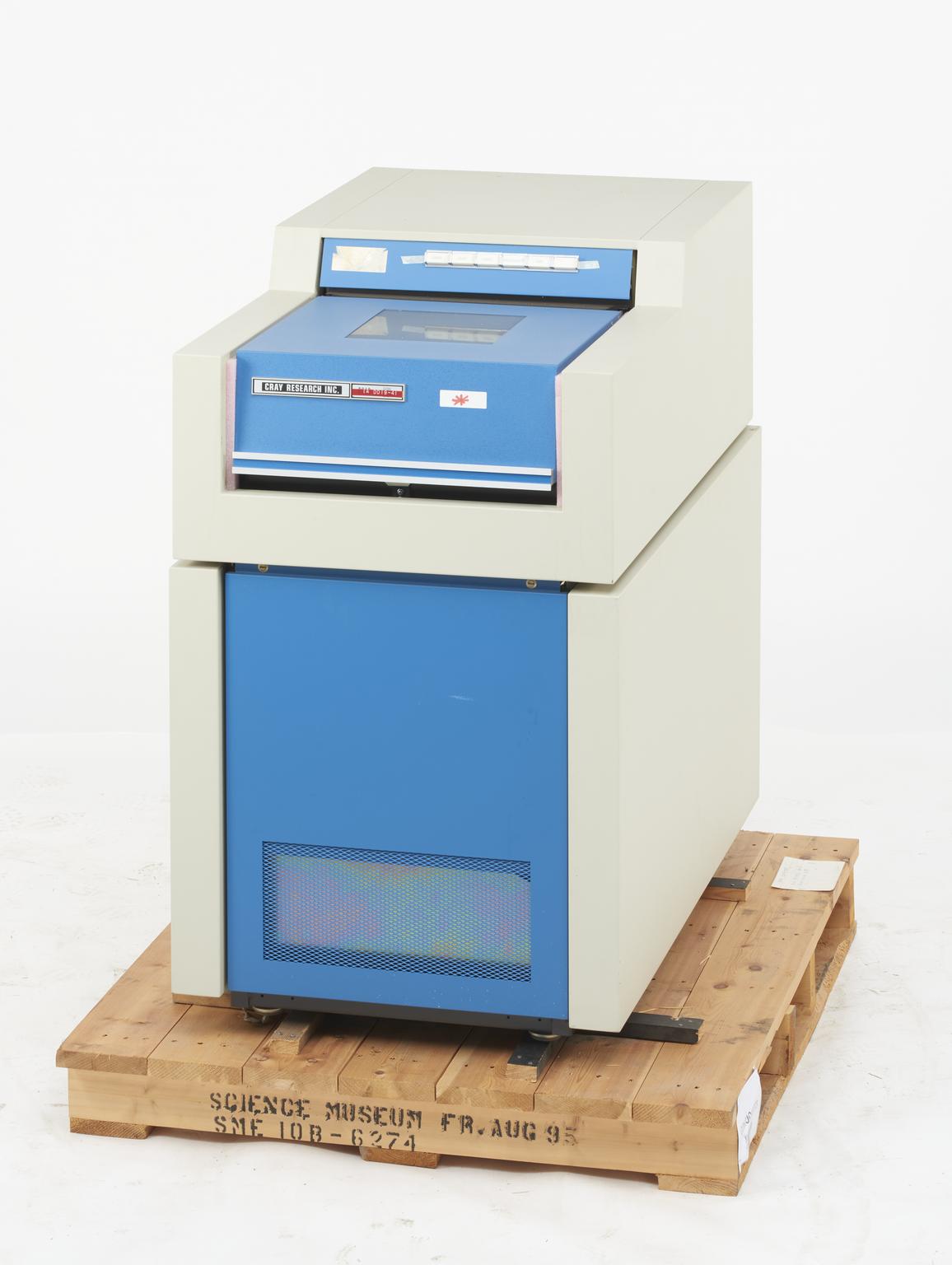
Cray-1A Supercomputer disk drives

Cray-1A Supercomputer disk drives

Four Cray-1A Disk Drives manufactured by Control Data Corporation

More

Seymour Cray founded the high-performance computing industry with machines like this 1976 Cray-1A. Each Cray-1 was hand wired and took nearly a year to assemble. Its cylindrical shape kept wires short, so signals arrived at their destination sooner, while the cushions ringing the unit covered the enormous power supplied at the base of each tower. With Freon cooling and pioneering processing systems, the machine achieved then-unrivalled operating speeds. The Cray-1 design suited it to many critical computational problems, such as cryptography, bomb simulation, and aircraft design. This Cray-1A cost £8 million in 1979 and operated at England’s Aldermaston Atomic Weapons Establishment.

Cray’s designs embodied innovative technology and a great aesthetic sense, but he like to work with simple tools – often a pencil and paper. It is said that when he was told that Apple had bought a Cray to simulate their next desktop machine he remarked, ‘Funny, I am using an Apple to simulate the Cray-3’.

Object Number:
1991-159 Pt4
type:
disk drives
Cray-1A Supercomputer Disk Drive

Cray-1A Supercomputer Disk Drive

One of four Cray-1A Disk Drives manufactured by Control Data Corporation. This disk drive has serial number 439.

More

Seymour Cray founded the high-performance computing industry with machines like this 1976 Cray-1A. Each Cray-1 was hand wired and took nearly a year to assemble. Its cylindrical shape kept wires short, so signals arrived at their destination sooner, while the cushions ringing the unit covered the enormous power supplied at the base of each tower. With Freon cooling and pioneering processing systems, the machine achieved then-unrivalled operating speeds. The Cray-1 design suited it to many critical computational problems, such as cryptography, bomb simulation, and aircraft design. This Cray-1A cost £8 million in 1979 and operated at England’s Aldermaston Atomic Weapons Establishment.

Cray’s designs embodied innovative technology and a great aesthetic sense, but he like to work with simple tools – often a pencil and paper. It is said that when he was told that Apple had bought a Cray to simulate their next desktop machine he remarked, ‘Funny, I am using an Apple to simulate the Cray-3’.

Measurements:
overall: 1110 mm x 680 mm x 1130 mm,
Object Number:
1991-159 Pt4/1
type:
disk drive
Part of:
1991-159 Pt4
Cray-1A Supercomputer disk drive

Cray-1A Supercomputer disk drive

One of four Cray-1A Disk Drives manufactured by Control Data Corporation. This disk drive has the serial number 484.

More

Seymour Cray founded the high-performance computing industry with machines like this 1976 Cray-1A. Each Cray-1 was hand wired and took nearly a year to assemble. Its cylindrical shape kept wires short, so signals arrived at their destination sooner, while the cushions ringing the unit covered the enormous power supplied at the base of each tower. With Freon cooling and pioneering processing systems, the machine achieved then-unrivalled operating speeds. The Cray-1 design suited it to many critical computational problems, such as cryptography, bomb simulation, and aircraft design. This Cray-1A cost £8 million in 1979 and operated at England’s Aldermaston Atomic Weapons Establishment.

Cray’s designs embodied innovative technology and a great aesthetic sense, but he like to work with simple tools – often a pencil and paper. It is said that when he was told that Apple had bought a Cray to simulate their next desktop machine he remarked, ‘Funny, I am using an Apple to simulate the Cray-3’.

Measurements:
overall: 1110 mm x 680 mm x 1130 mm,
Object Number:
1991-159 Pt4/2
type:
disk drive
Image ©
The Board of Trustees of the Science Museum
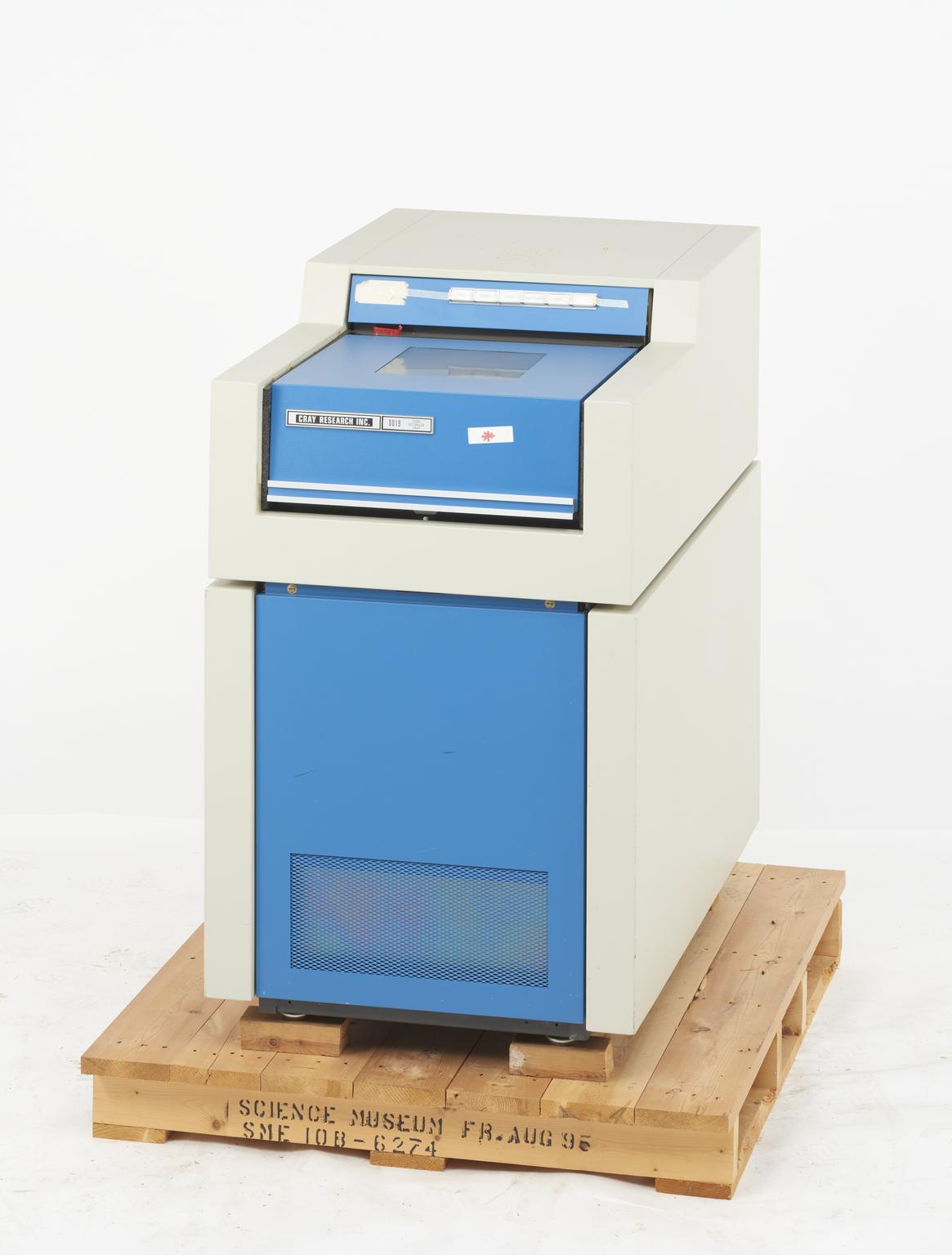
Part of:
1991-159 Pt4
Cray-1A Supercomputer disk drive

Cray-1A Supercomputer disk drive

One of four Cray-1A Disk Drives manufactured by Control Data Corporation

More

Seymour Cray founded the high-performance computing industry with machines like this 1976 Cray-1A. Each Cray-1 was hand wired and took nearly a year to assemble. Its cylindrical shape kept wires short, so signals arrived at their destination sooner, while the cushions ringing the unit covered the enormous power supplied at the base of each tower. With Freon cooling and pioneering processing systems, the machine achieved then-unrivalled operating speeds. The Cray-1 design suited it to many critical computational problems, such as cryptography, bomb simulation, and aircraft design. This Cray-1A cost £8 million in 1979 and operated at England’s Aldermaston Atomic Weapons Establishment.

Cray’s designs embodied innovative technology and a great aesthetic sense, but he like to work with simple tools – often a pencil and paper. It is said that when he was told that Apple had bought a Cray to simulate their next desktop machine he remarked, ‘Funny, I am using an Apple to simulate the Cray-3’.

Measurements:
overall: 1110 mm x 680 mm x 1130 mm,
Object Number:
1991-159 Pt4/3
type:
disk drive
Image ©
The Board of Trustees of the Science Museum
Part of:
1991-159 Pt4
Cray-1A Supercomputer Disk Drive

Cray-1A Supercomputer Disk Drive

One of four Cray-1A Disk Drives manufactured by Control Data Corporation

More

Seymour Cray founded the high-performance computing industry with machines like this 1976 Cray-1A. Each Cray-1 was hand wired and took nearly a year to assemble. Its cylindrical shape kept wires short, so signals arrived at their destination sooner, while the cushions ringing the unit covered the enormous power supplied at the base of each tower. With Freon cooling and pioneering processing systems, the machine achieved then-unrivalled operating speeds. The Cray-1 design suited it to many critical computational problems, such as cryptography, bomb simulation, and aircraft design. This Cray-1A cost £8 million in 1979 and operated at England’s Aldermaston Atomic Weapons Establishment.

Cray’s designs embodied innovative technology and a great aesthetic sense, but he like to work with simple tools – often a pencil and paper. It is said that when he was told that Apple had bought a Cray to simulate their next desktop machine he remarked, ‘Funny, I am using an Apple to simulate the Cray-3’.

Measurements:
overall: 1110 mm x 680 mm x 1130 mm,
Object Number:
1991-159 Pt4/4
type:
disk drive
Image ©
The Board of Trustees of the Science Museum
Part of:
1991-159 Pt4
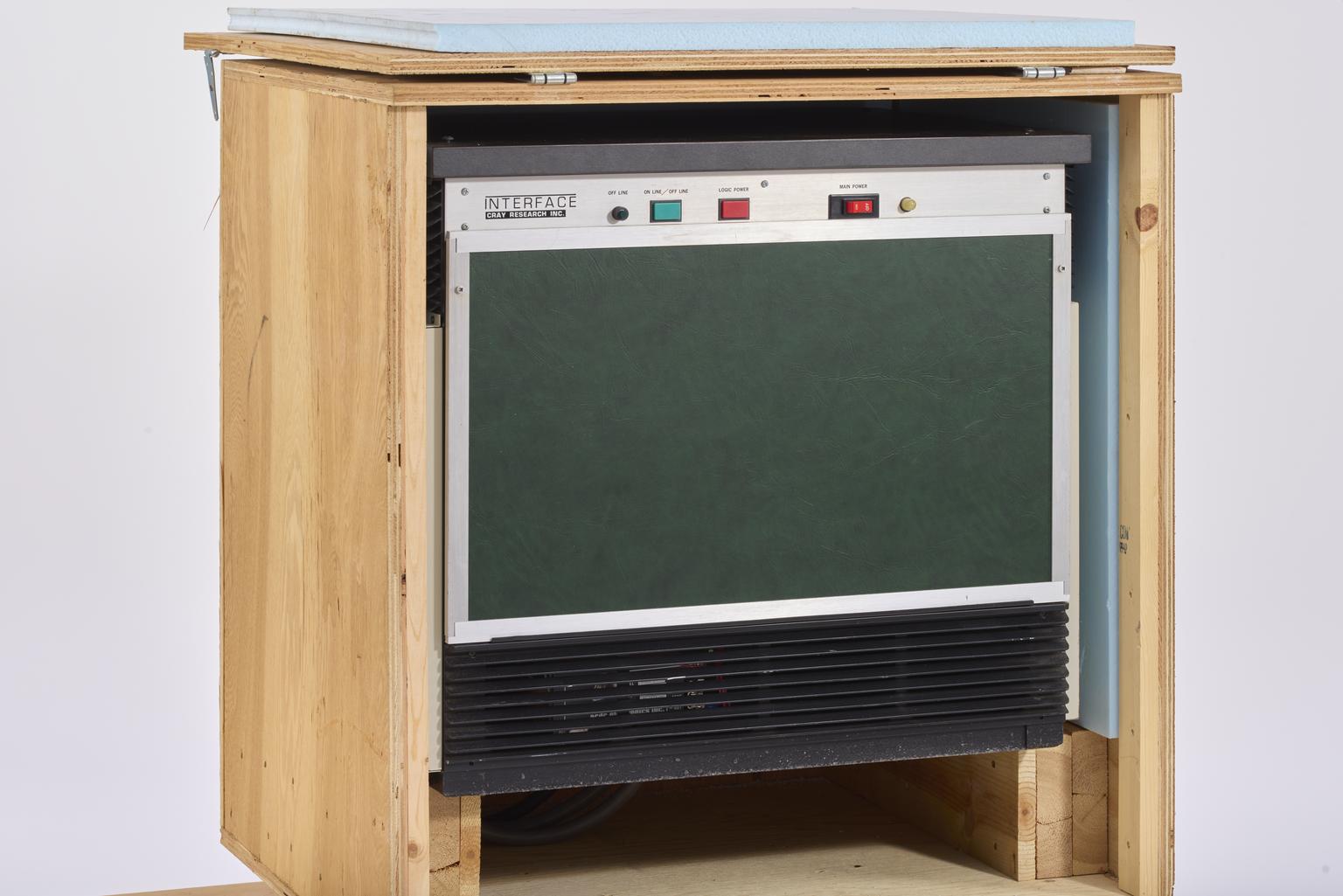
Cray-1A Supercomputer Interface Unit

Cray-1A Supercomputer Interface Unit

Cray-1A Interface Unit, manufactured by Cray Research Inc., Chippewa Falls, Chippewa county, Wisconsin, United States, 1976-1978

More

Seymour Cray founded the high-performance computing industry with machines like this 1976 Cray-1A. Each Cray-1 was hand wired and took nearly a year to assemble. Its cylindrical shape kept wires short, so signals arrived at their destination sooner, while the cushions ringing the unit covered the enormous power supplied at the base of each tower. With Freon cooling and pioneering processing systems, the machine achieved then-unrivalled operating speeds. The Cray-1 design suited it to many critical computational problems, such as cryptography, bomb simulation, and aircraft design. This Cray-1A cost £8 million in 1979 and operated at England’s Aldermaston Atomic Weapons Establishment.

Cray’s designs embodied innovative technology and a great aesthetic sense, but he like to work with simple tools – often a pencil and paper. It is said that when he was told that Apple had bought a Cray to simulate their next desktop machine he remarked, ‘Funny, I am using an Apple to simulate the Cray-3’.

Measurements:
overall: 900 mm x 780 mm x 620 mm,
Object Number:
1991-159 Pt5
type:
interface unit
Image ©
The Board of Trustees of the Science Museum
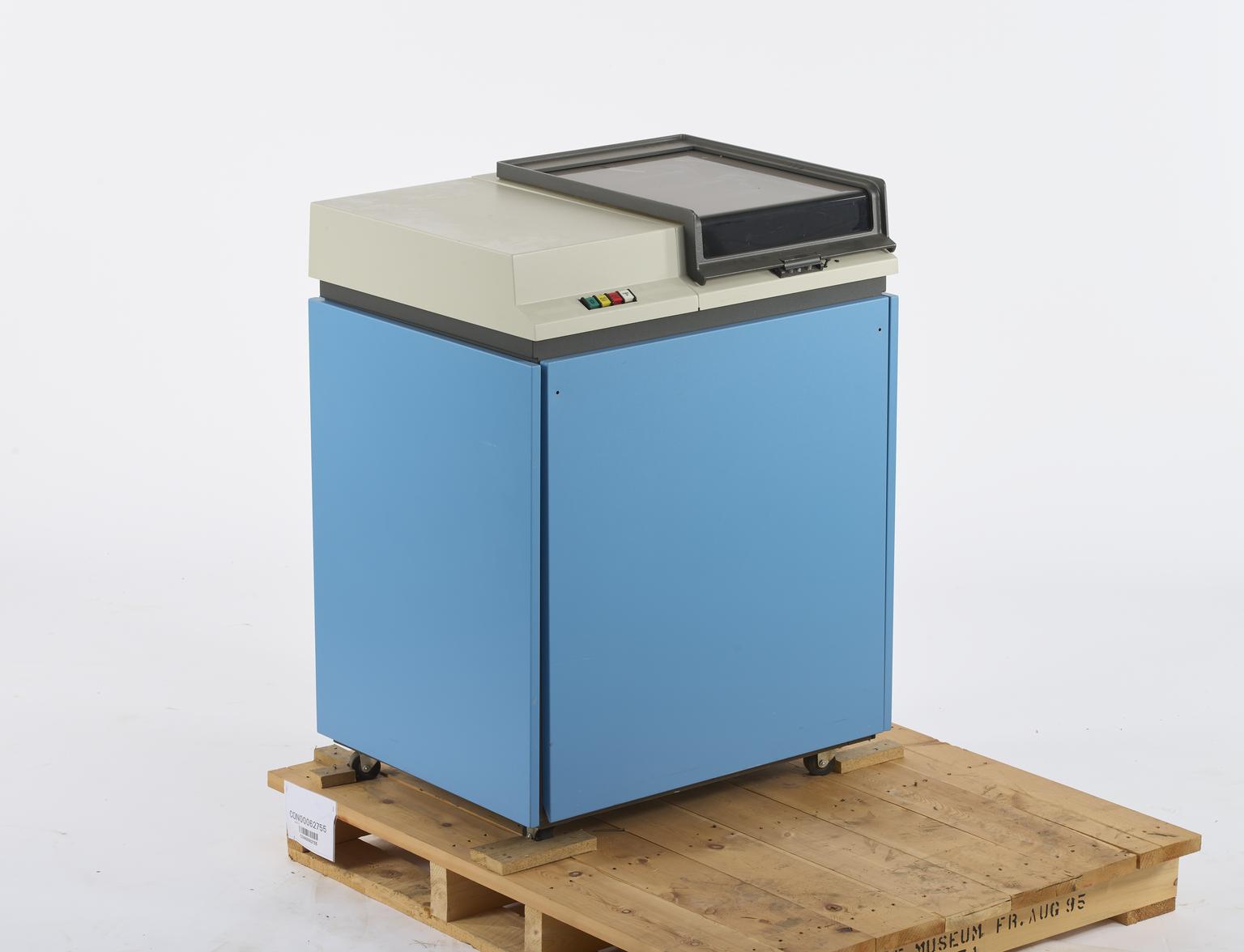
Eclipse Disc Drive Manufactured by Data General

Eclipse Disc Drive Manufactured by Data General

Eclipse Disc Drive manufactured by Data General, used as part of Cray-1A Maintenance Control Unit

Measurements:
overall: 1030 mm x 765 mm x 610 mm,
Object Number:
1991-159 Pt7
type:
computer component
Image ©
The Board of Trustees of the Science Museum
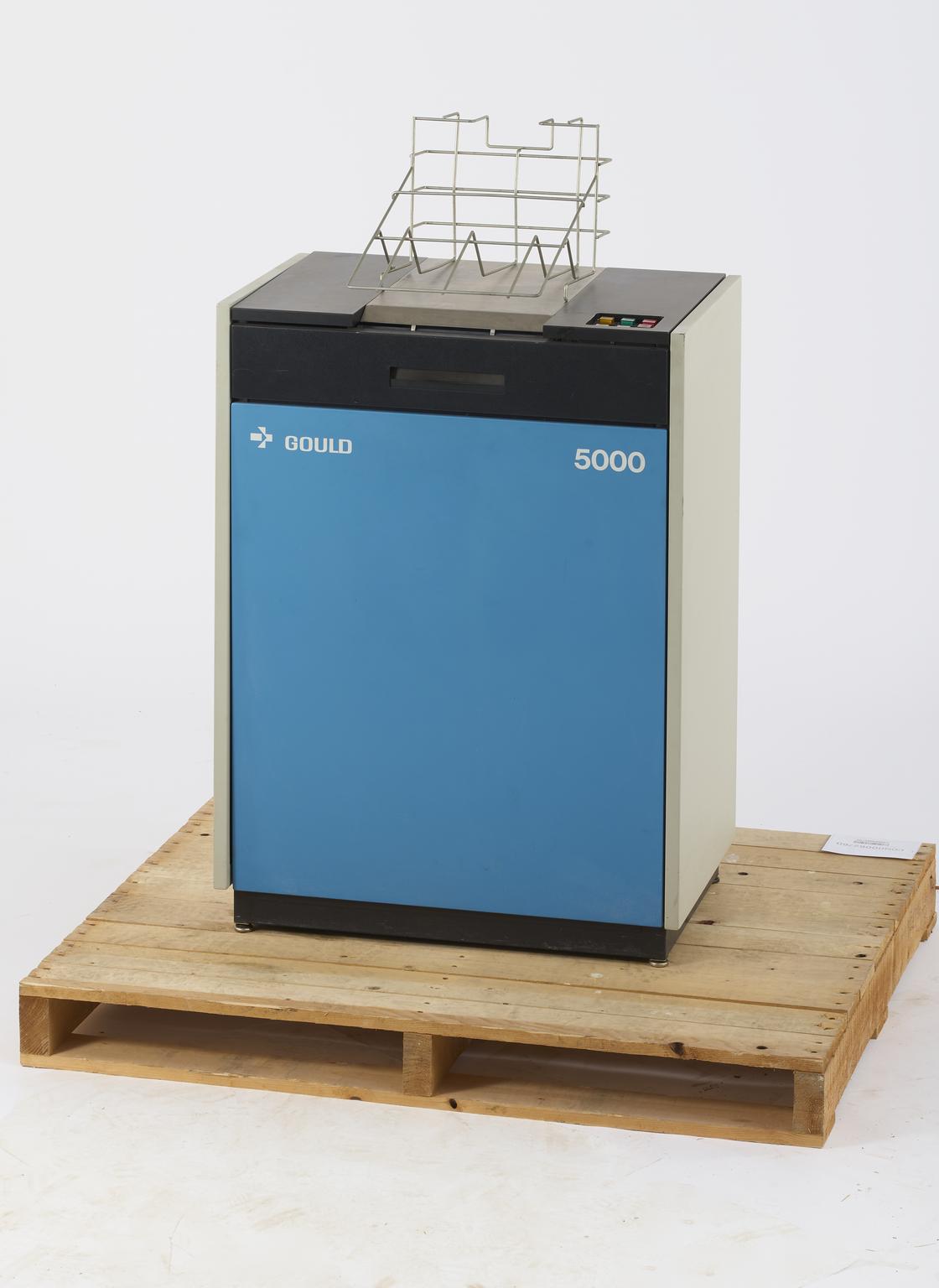
Gould 5000 Line Printer Manufactured by Gould

Gould 5000 Line Printer Manufactured by Gould

Gould 5000 line printer manufactured by Gould, used as part of Cray-1A Maintenance Control Unit

Measurements:
overall: 980 mm x 725 mm x 460 mm,
Object Number:
1991-159 Pt8
type:
printer
Image ©
The Board of Trustees of the Science Museum
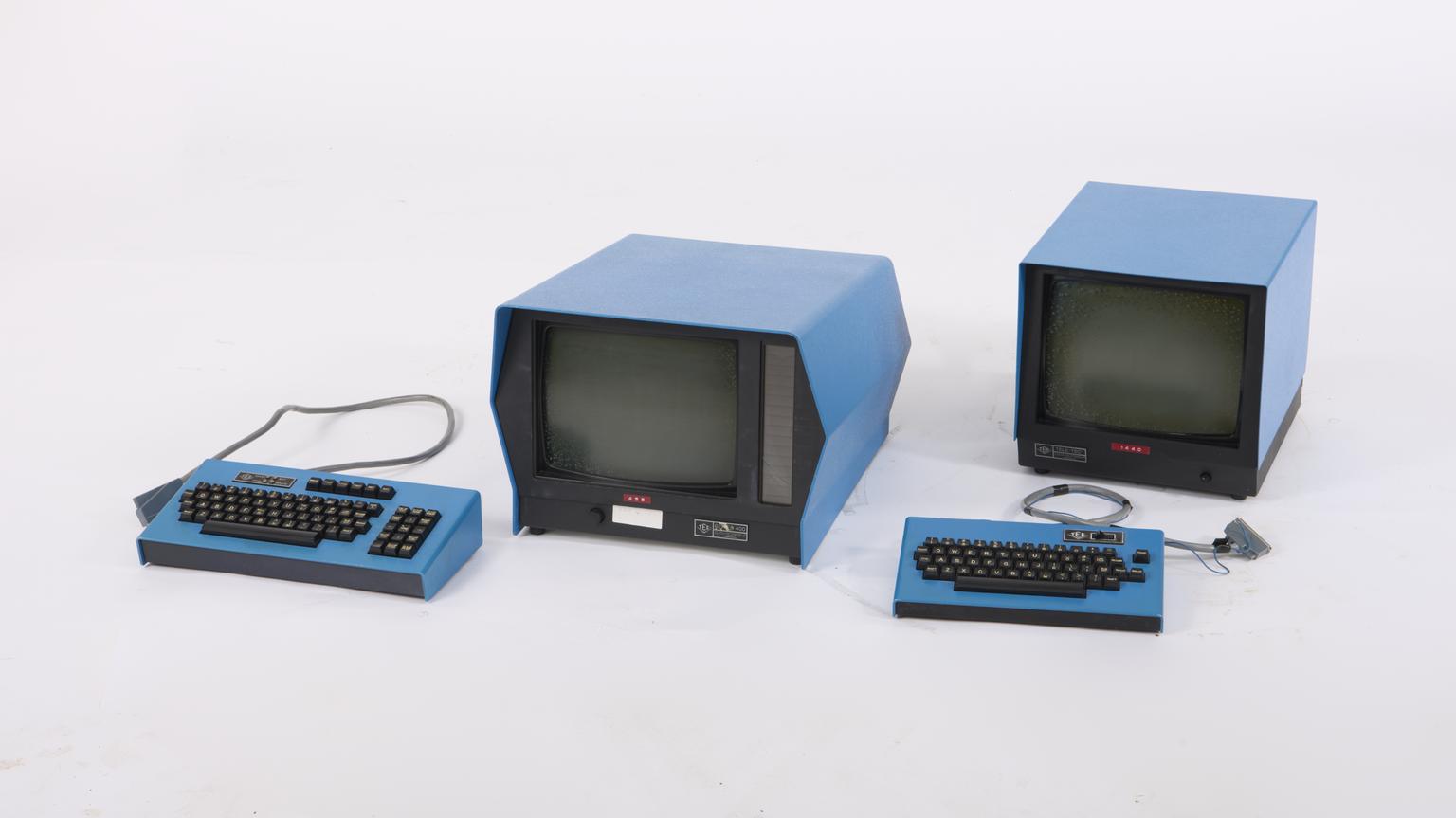
Tec 455 and Tec 1440 Terminals Manufactured by Tele-Tec

Tec 455 and Tec 1440 Terminals Manufactured by Tele-Tec

Tec 455 and Tec 1440 terminals manufactured by Tele-Tec, used as part of Cray-1A Maintenance Control Unit

Measurements:
overall (box for 1of2): 430 mm x 470 mm x 470 mm,
overall (box for 2of2): 540 mm x 600 mm x 600 mm,
Object Number:
1991-159 Pt9
type:
computer component
Image ©
The Board of Trustees of the Science Museum
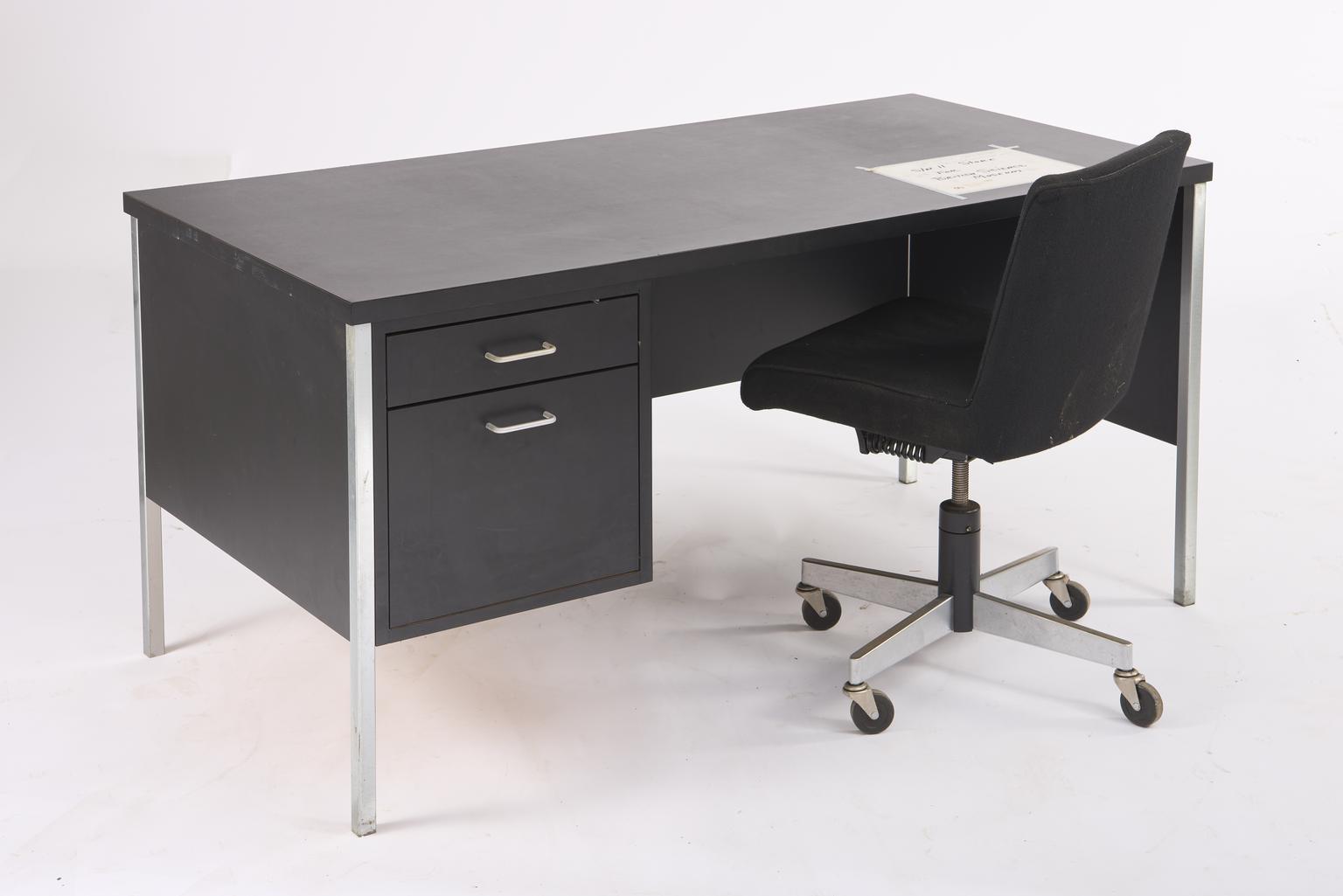
Desk and chair used as part of a Cray-1A Maintenance Control Unit

Desk and chair used as part of a Cray-1A Maintenance Control Unit

Desk and chair used as part of a Cray-1A Maintenance Control Unit

Measurements:
overall: 740 mm x 1515 mm x 765 mm,
Object Number:
1991-159 Pt10
type:
furniture
Image ©
The Board of Trustees of the Science Museum
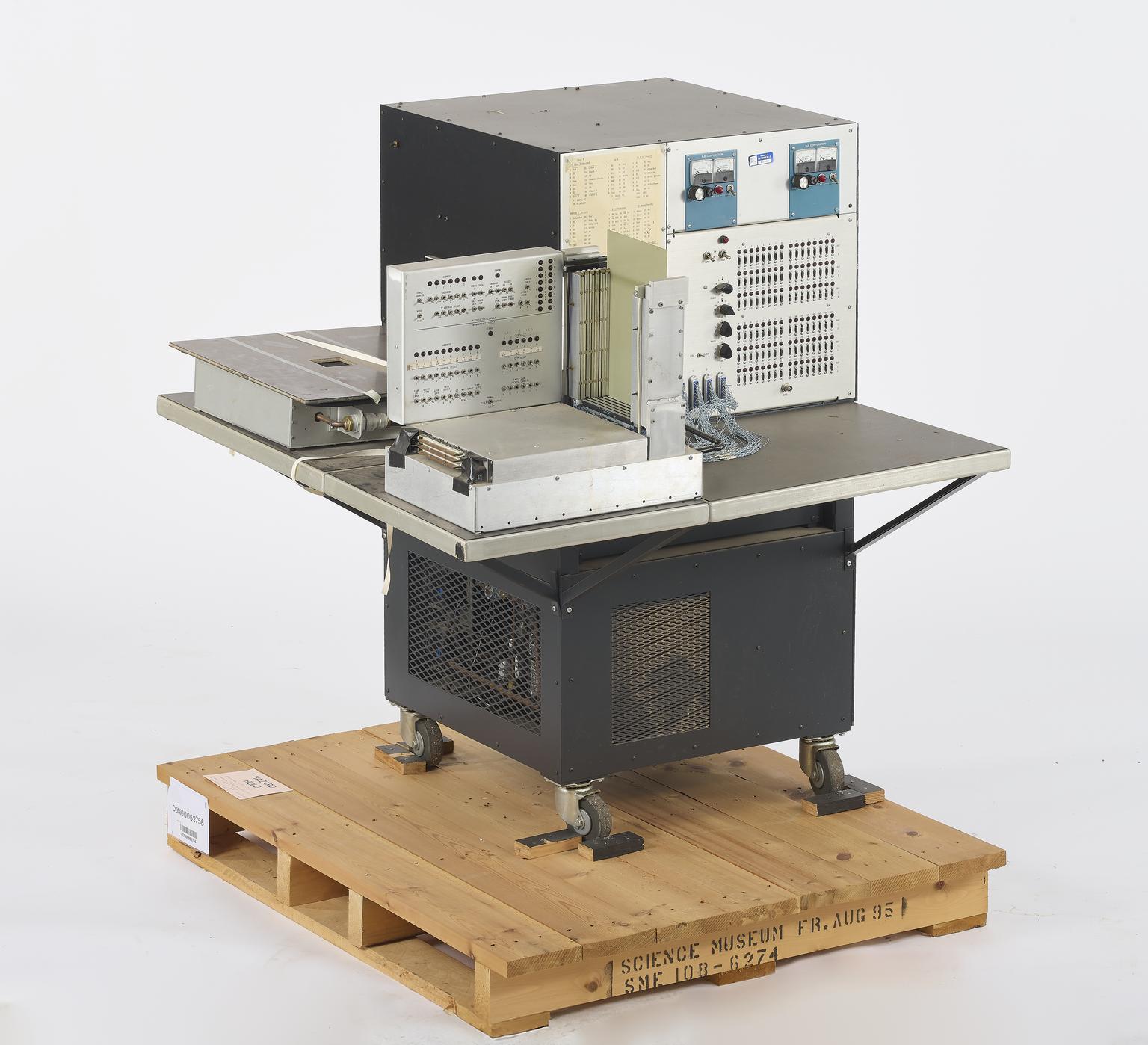
Cray-1A Test Station for Testing Circuit Boards

Cray-1A Test Station for Testing Circuit Boards

Cray-1A Test Station for testing circuit boards

Measurements:
overall: 1210 mm x 1070 mm x 1110 mm,
Object Number:
1991-159 Pt11
type:
test station
Image ©
The Board of Trustees of the Science Museum
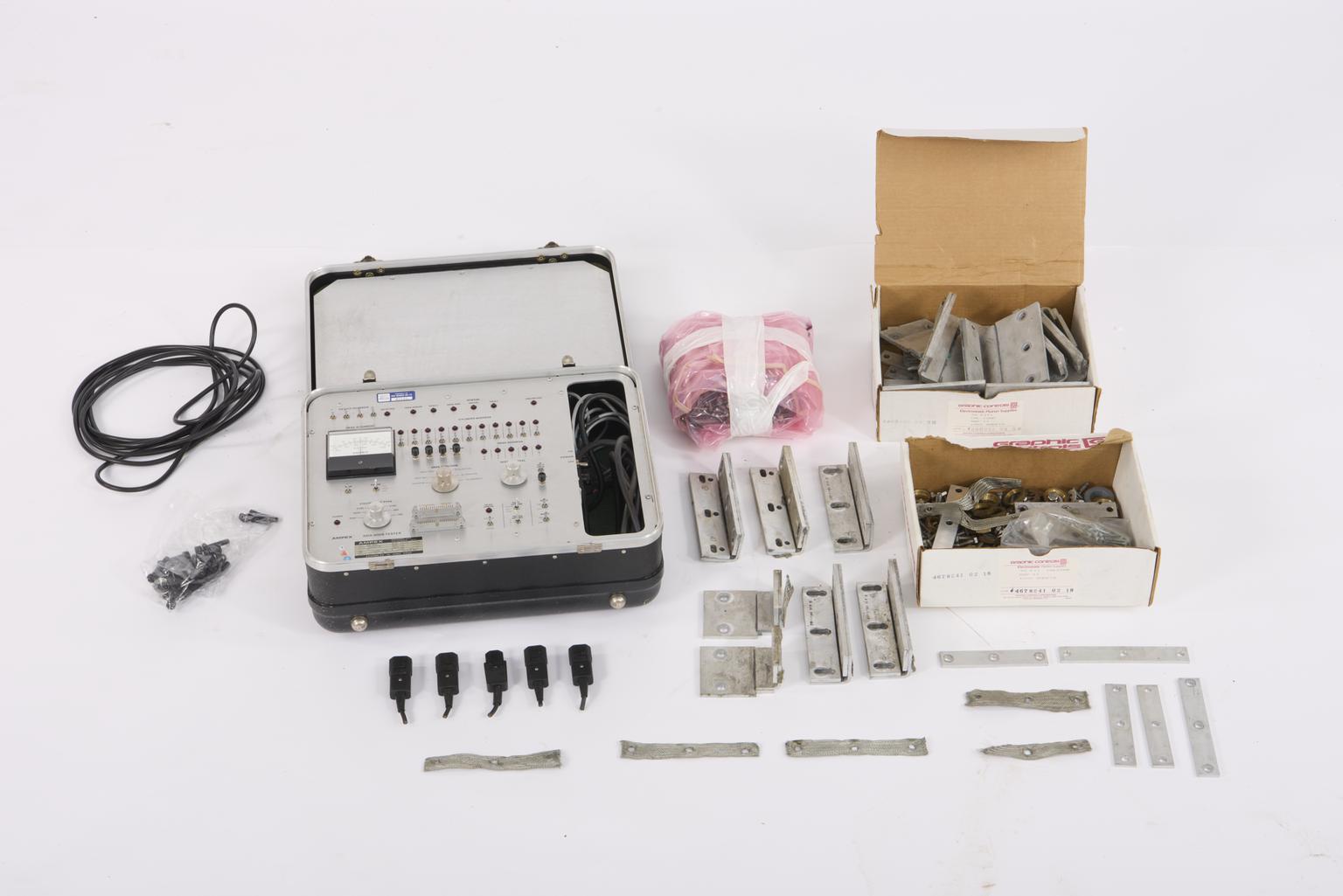
Accessories Consisting of Attaching Nuts and Bolts and Transportation Cases and Equipment

Accessories Consisting of Attaching Nuts and Bolts and Transportation Cases and Equipment

Accessories consisting of attaching nuts and bolts and transportation cases and equipment

Measurements:
overall; pallet: 580 mm x 1220 mm x 1020 mm,
Object Number:
1991-159 Pt12
type:
accessories
Image ©
The Board of Trustees of the Science Museum
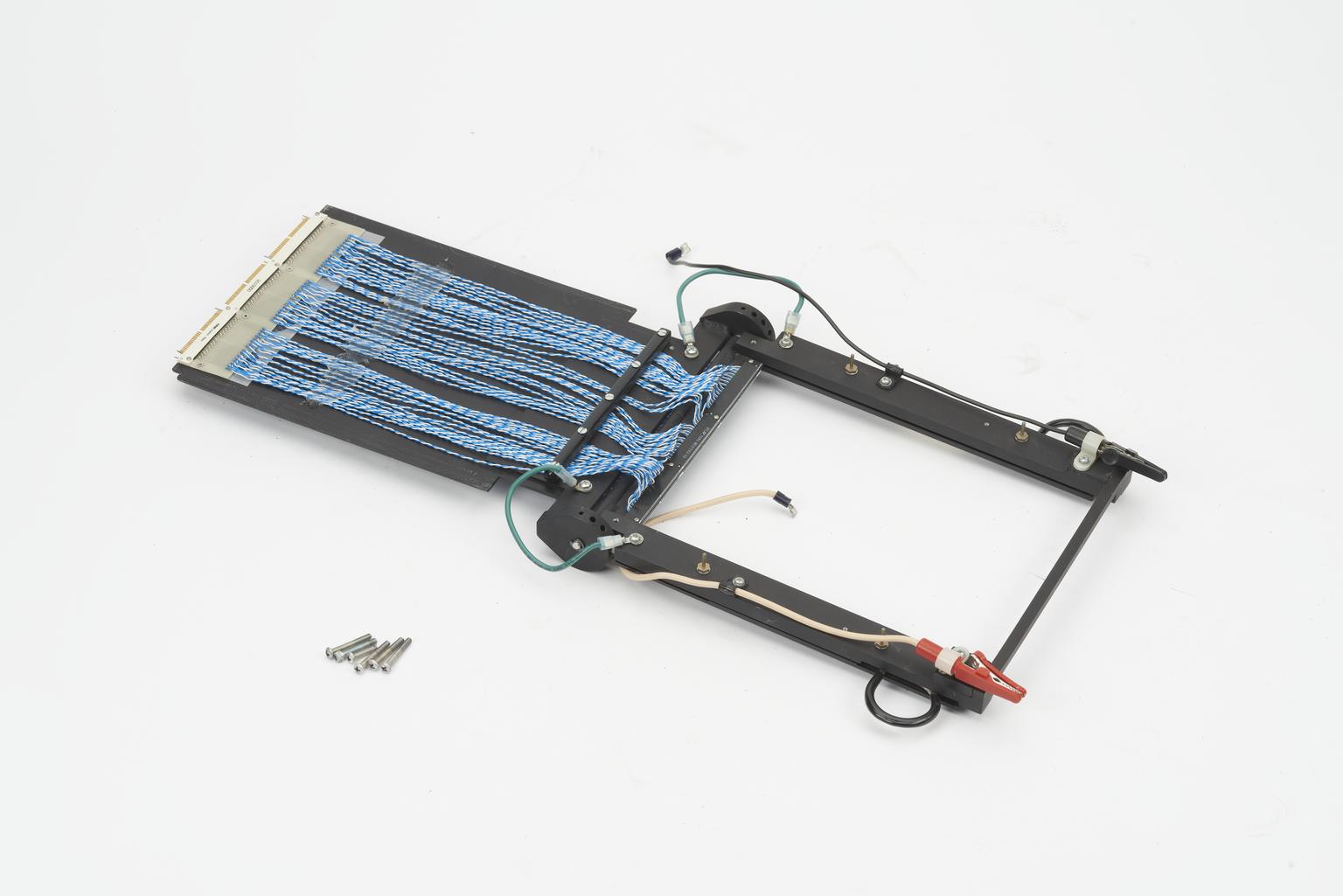
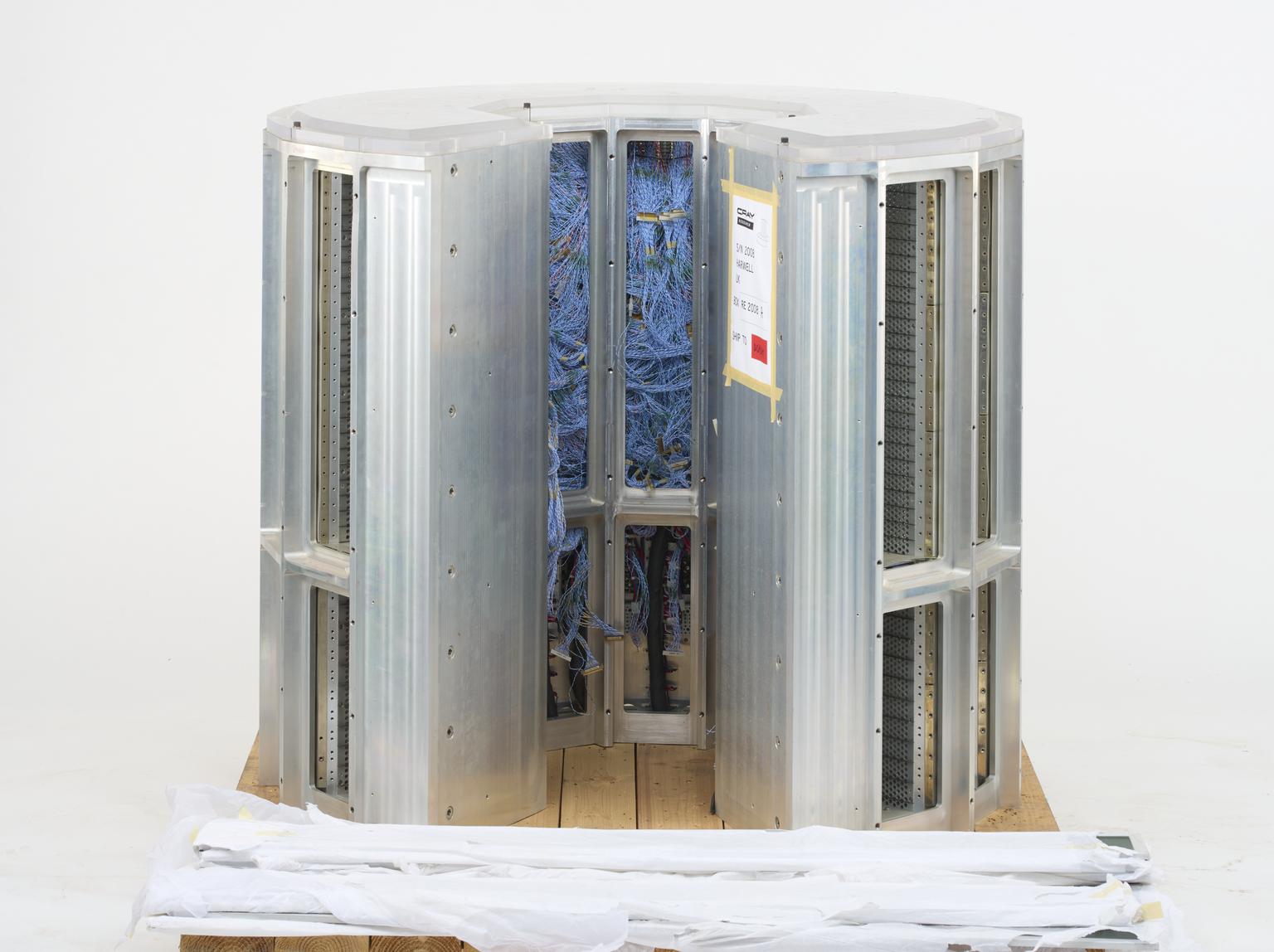
Cray-1A Supercomputer frame, serial number 11, by Cray Research

Additional Cray-1A Supercomputer frame, with 12 panels, for Cray-1A by Cray Research Inc, Chippewa Falls, Chippewa county, Wisconsin, United States, 1976-1978

More

Seymour Cray founded the high-performance computing industry with machines like this 1976 Cray-1A. Each Cray-1 was hand wired and took nearly a year to assemble. Its cylindrical shape kept wires short, so signals arrived at their destination sooner, while the cushions ringing the unit covered the enormous power supplied at the base of each tower. With Freon cooling and pioneering processing systems, the machine achieved then-unrivalled operating speeds. The Cray-1 design suited it to many critical computational problems, such as cryptography, bomb simulation, and aircraft design. This Cray-1A cost £8 million in 1979 and operated at England’s Aldermaston Atomic Weapons Establishment.

Cray’s designs embodied innovative technology and a great aesthetic sense, but he like to work with simple tools – often a pencil and paper. It is said that when he was told that Apple had bought a Cray to simulate their next desktop machine he remarked, ‘Funny, I am using an Apple to simulate the Cray-3’.

Measurements:
overall: 1150 mm x 1300 mm x 1200 mm,
Object Number:
1991-159 Pt13
type:
supercomputer
Image ©
The Board of Trustees of the Science Museum
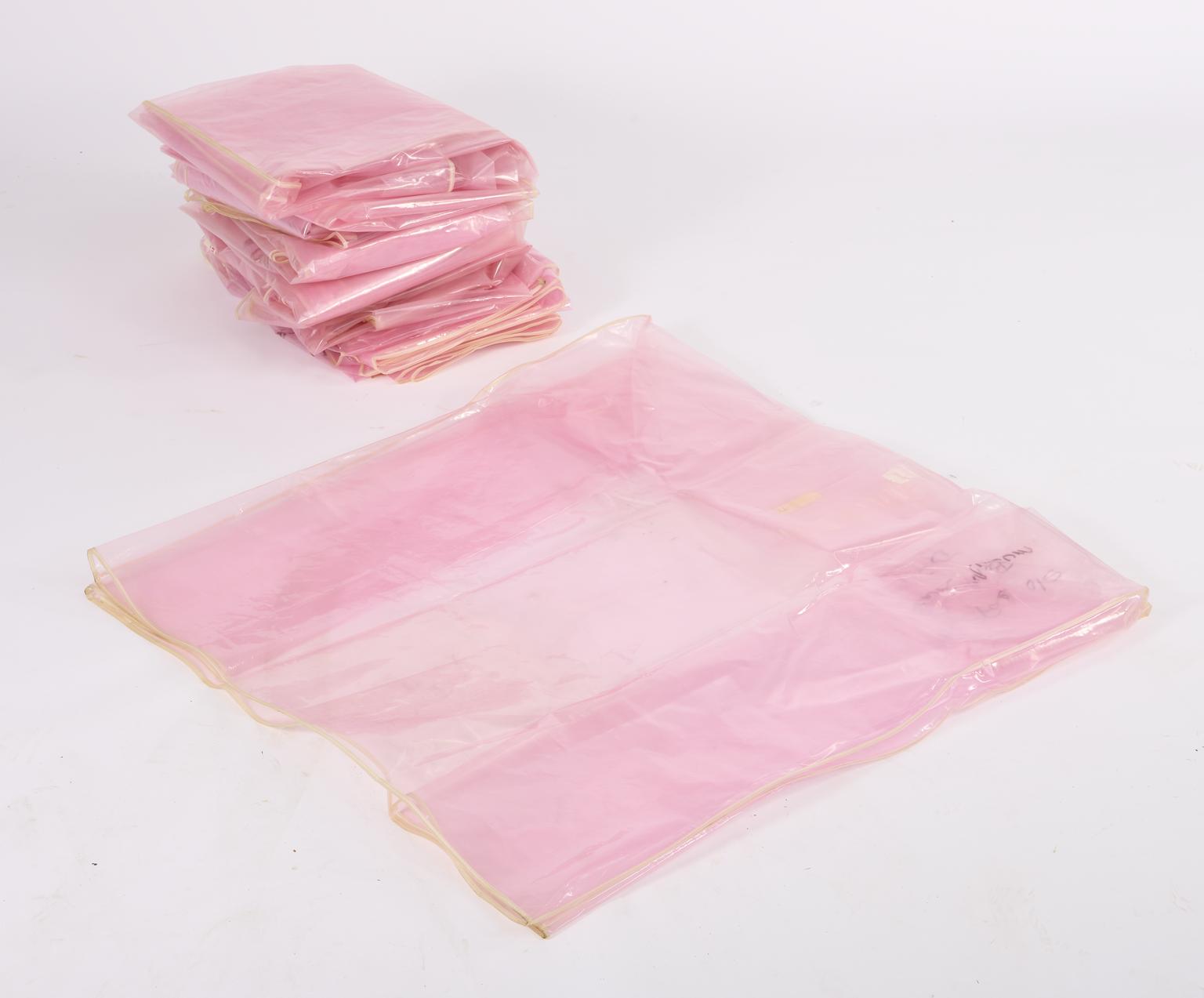
Ten dust covers for Cray-1A Supercomputer, serial number 11

Ten dust covers for Cray-1A Supercomputer, serial number 11

Bundle of ten pink plastic dust covers for Cray-1A Supercomputer, serial number 11. They are all marked with S/N 11 Move to British Science Museum from AWE.

Measurements:
overall: 400 mm x 500 mm x 500 mm,
Object Number:
1991-159 Pt14
type:
dust covers
Image ©
The Board of Trustees of the Science Museum
Various Panels for the Cray-1A Supercomputer

Various Panels for the Cray-1A Supercomputer

Metal panels for the Cray-1A Supercomputer, serial number 11. Twelve steel panels and twelve boxed, smaller black panels with foam backing.

More

Seymour Cray founded the high-performance computing industry with machines like this 1976 Cray-1A. Each Cray-1 was hand wired and took nearly a year to assemble. Its cylindrical shape kept wires short, so signals arrived at their destination sooner, while the cushions ringing the unit covered the enormous power supplied at the base of each tower. With Freon cooling and pioneering processing systems, the machine achieved then-unrivalled operating speeds. The Cray-1 design suited it to many critical computational problems, such as cryptography, bomb simulation, and aircraft design. This Cray-1A cost £8 million in 1979 and operated at England’s Aldermaston Atomic Weapons Establishment.

Cray’s designs embodied innovative technology and a great aesthetic sense, but he like to work with simple tools – often a pencil and paper. It is said that when he was told that Apple had bought a Cray to simulate their next desktop machine he remarked, ‘Funny, I am using an Apple to simulate the Cray-3’.

Measurements:
overall (each black panel): 450 mm x 123 mm x 10 mm,
overall; pallet: 200 mm x 1450 mm x 1030 mm,
overall (each steel panel): 1410 mm x 248 mm x 14 mm,
Materials:
metal (unknown) and steel (metal)
Object Number:
1991-159 Pt15
type:
panels