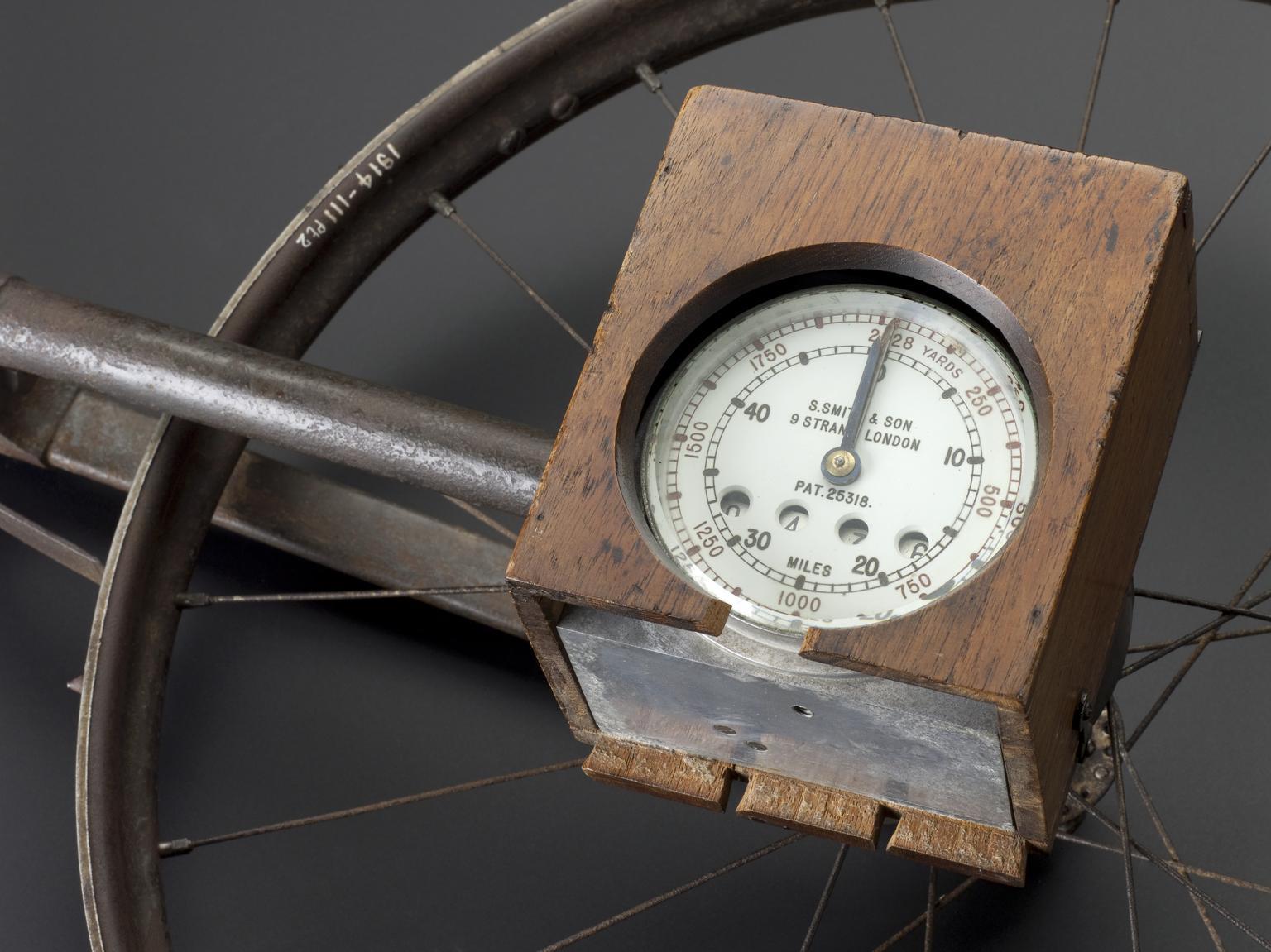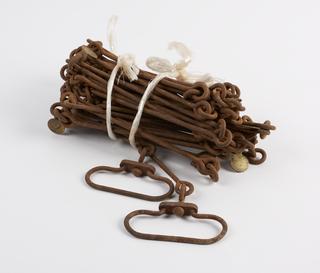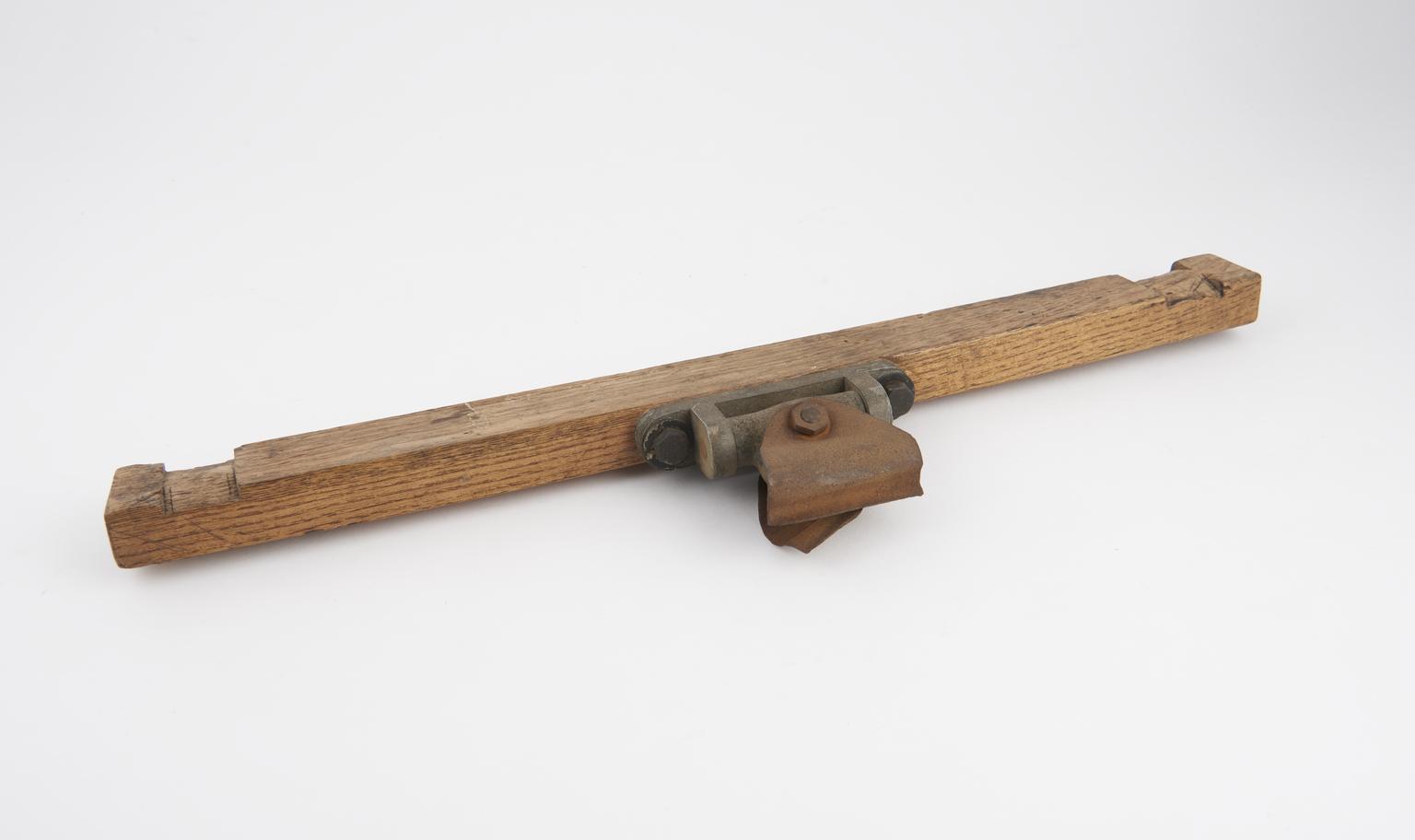
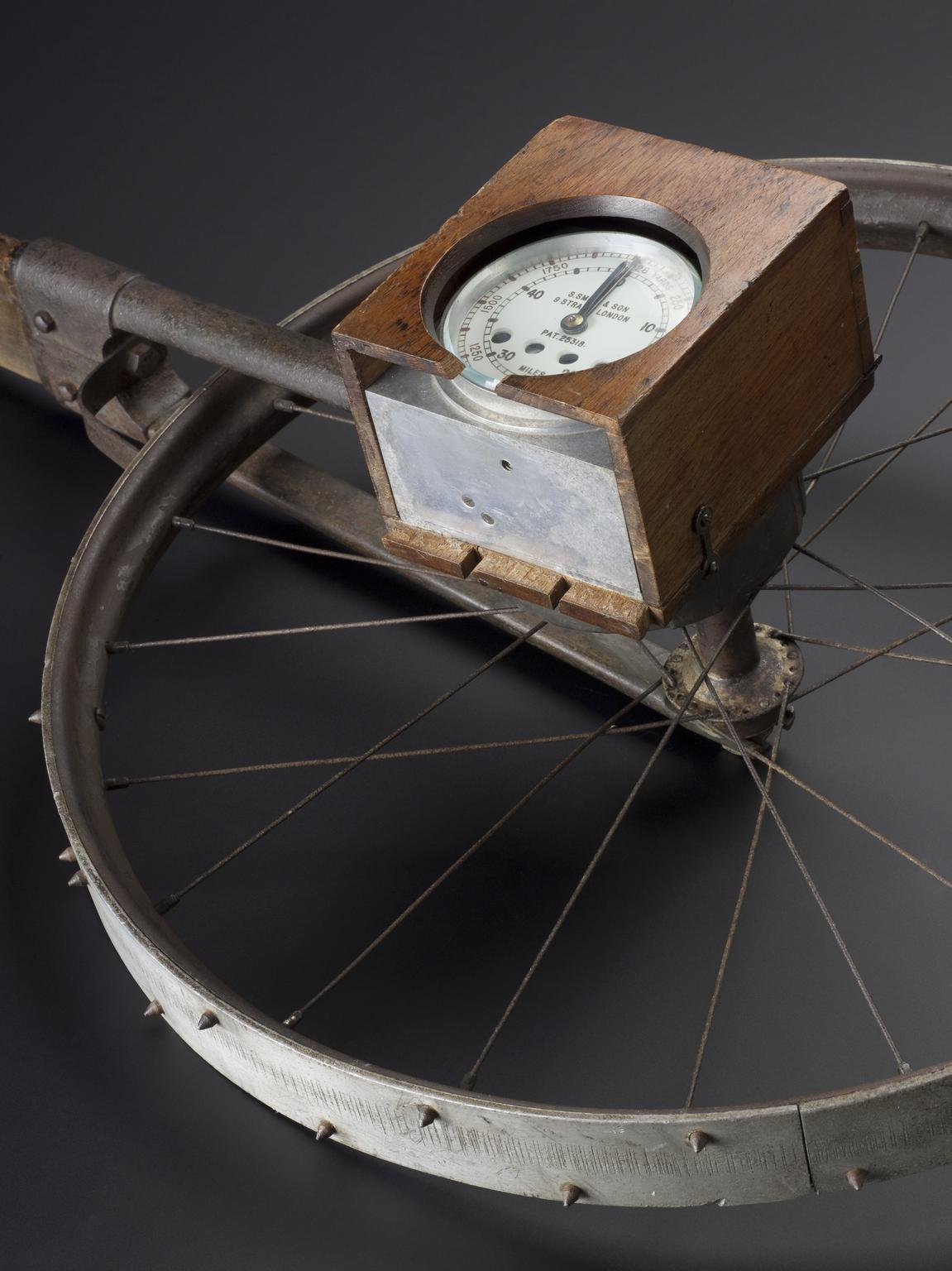
Part of sledge odometer, British Antarctic Expedition, 1900-1910

Made:
1900-1910 in Strand
maker:
Samuel Smith and Sons Limited

Buy this image as a print 

Buy

License this image for commercial use at Science and Society Picture Library

License

Buy this image as a print 

Buy

License this image for commercial use at Science and Society Picture Library

License

Buy this image as a print 

Buy

License this image for commercial use at Science and Society Picture Library

License

Buy this image as a print 

Buy

License this image for commercial use at Science and Society Picture Library

License

Buy this image as a print 

Buy

License this image for commercial use at Science and Society Picture Library

License

Buy this image as a print 

Buy

License this image for commercial use at Science and Society Picture Library

License

Buy this image as a print 

Buy

License this image for commercial use at Science and Society Picture Library

License

Science Museum Group Collection
© The Board of Trustees of the Science Museum
Science Museum Group Collection
© The Board of Trustees of the Science Museum
Science Museum Group Collection
© The Board of Trustees of the Science Museum
Science Museum Group Collection
© The Board of Trustees of the Science Museum
Science Museum Group Collection
© The Board of Trustees of the Science Museum
Science Museum Group Collection
© The Board of Trustees of the Science Museum
Science Museum Group Collection
© The Board of Trustees of the Science Museum
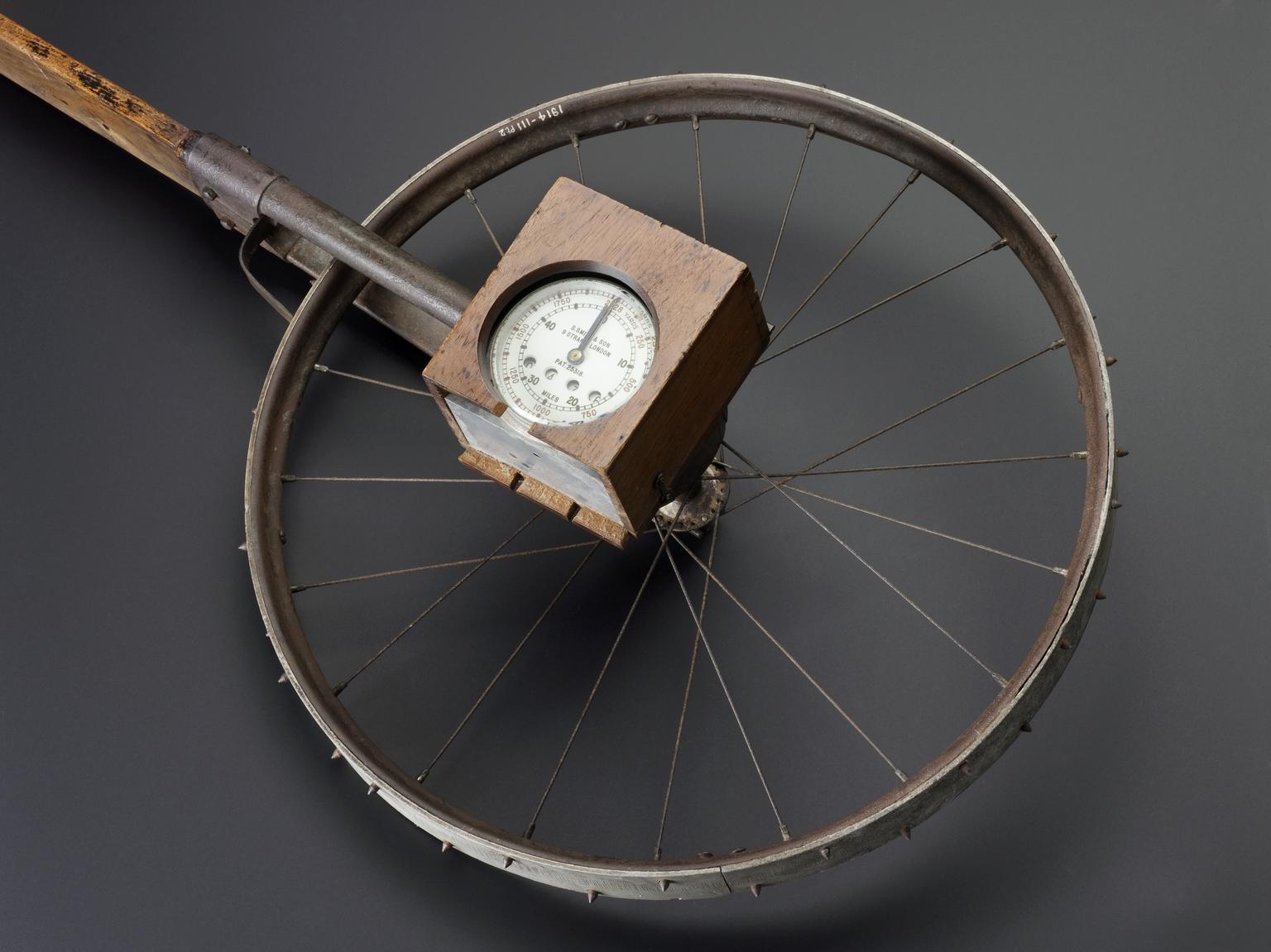
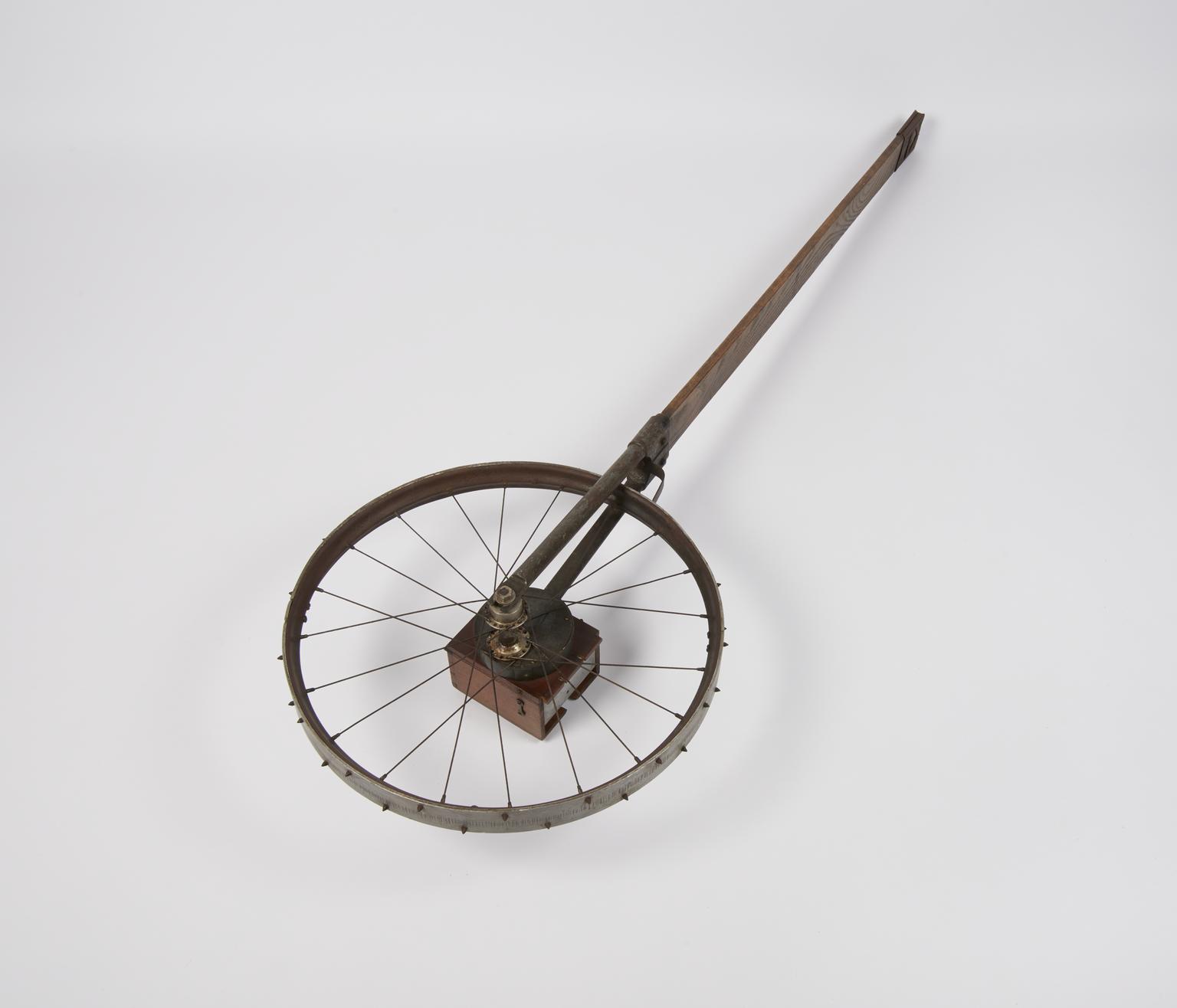
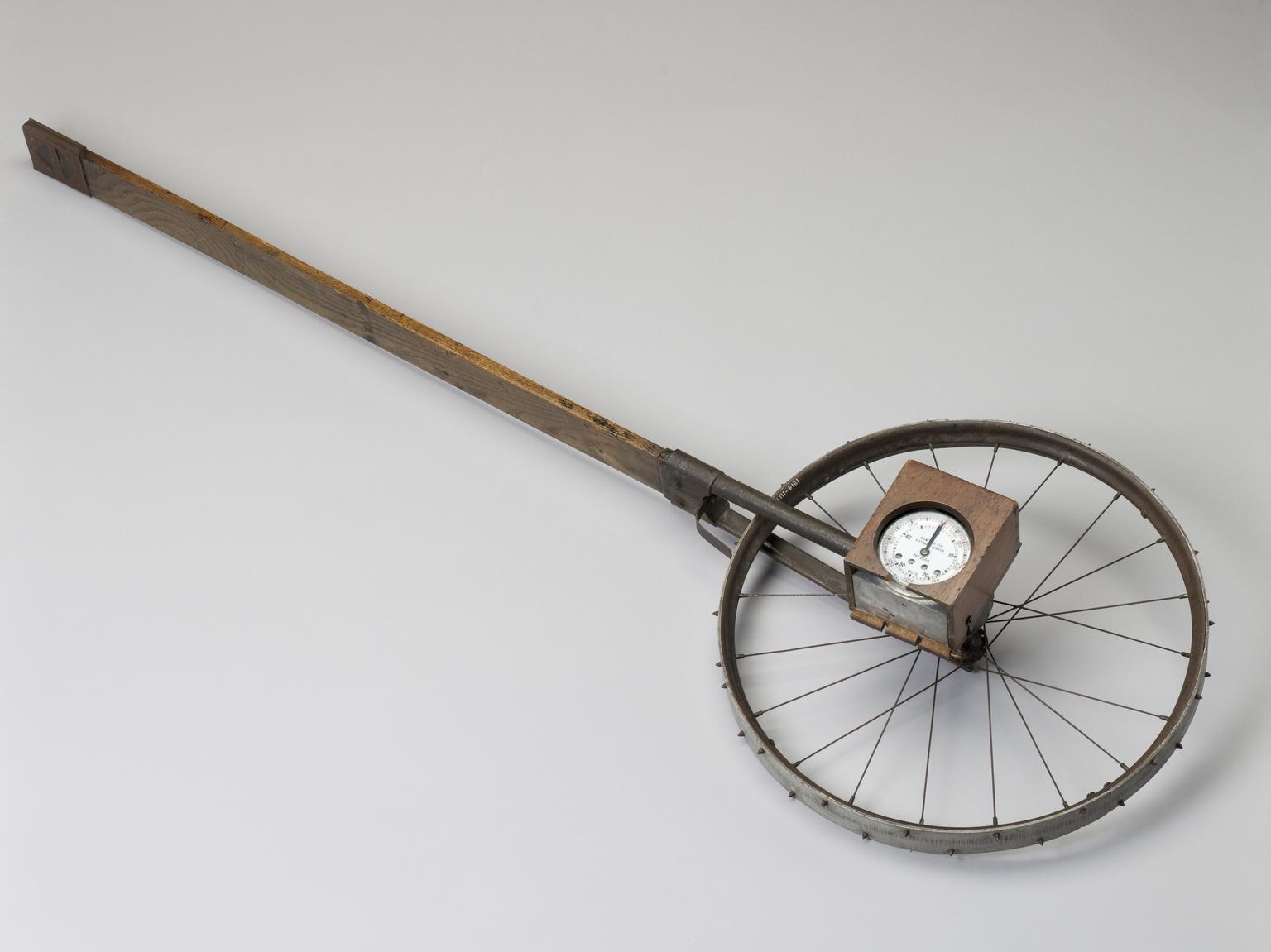
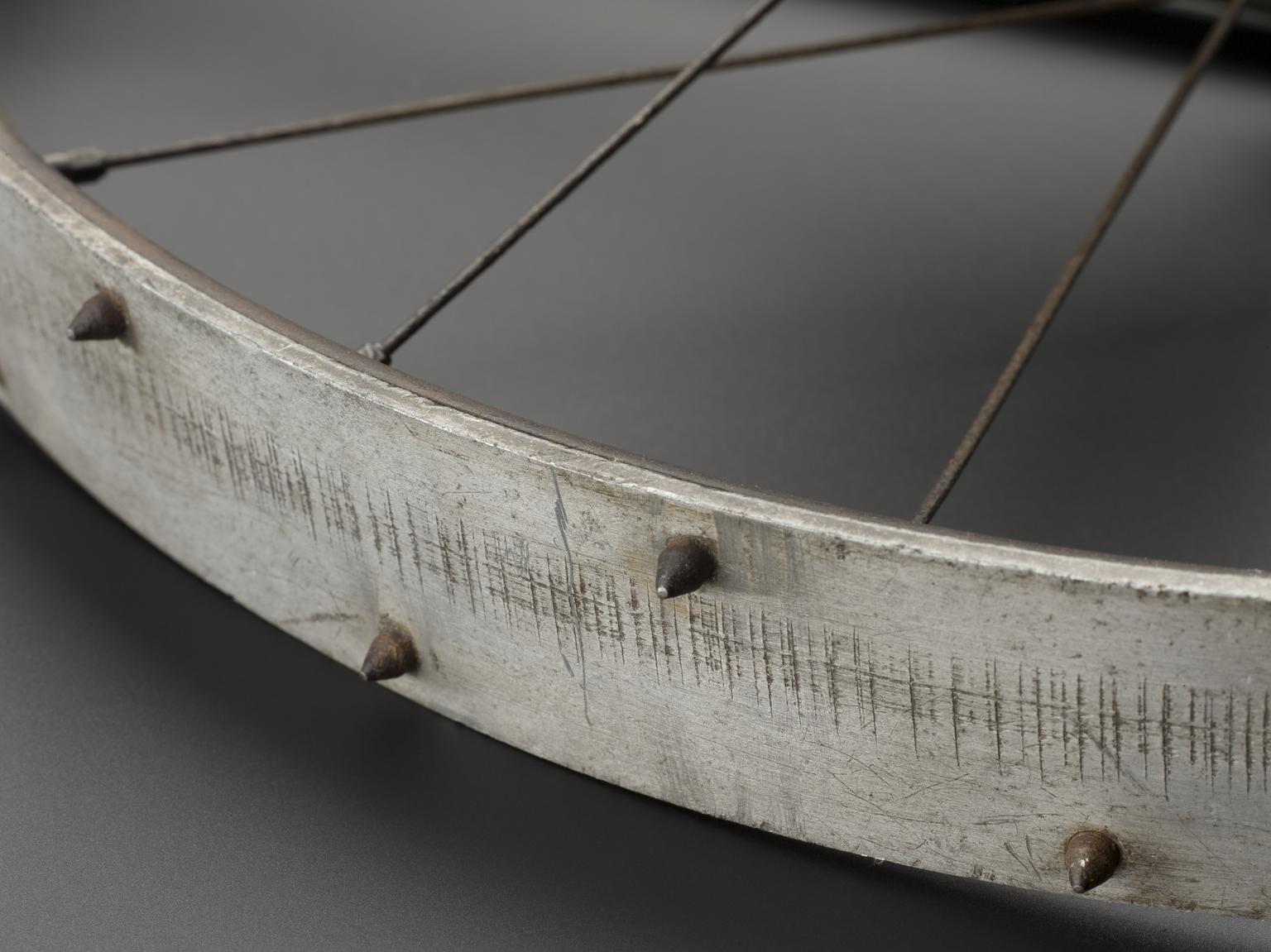
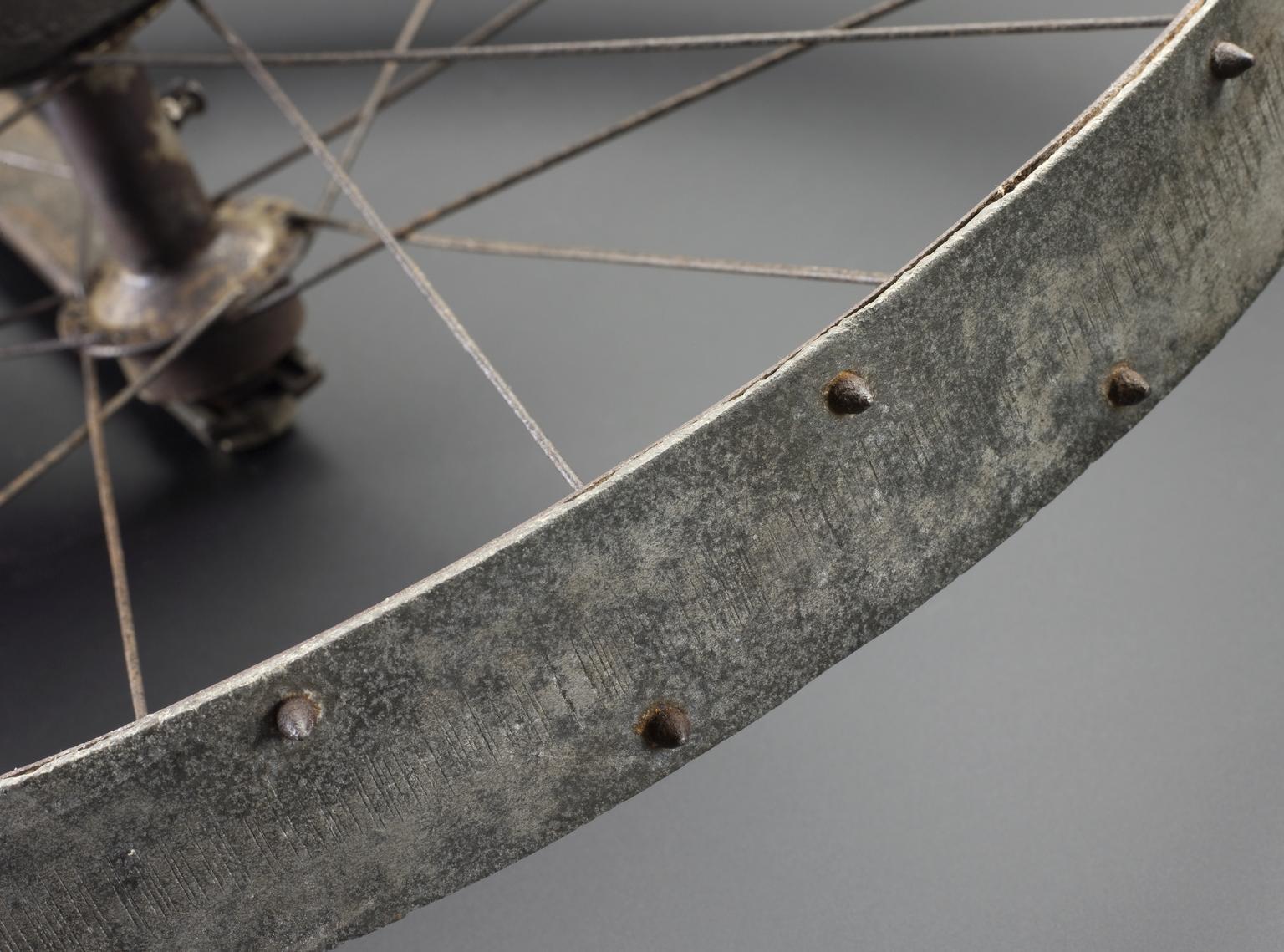
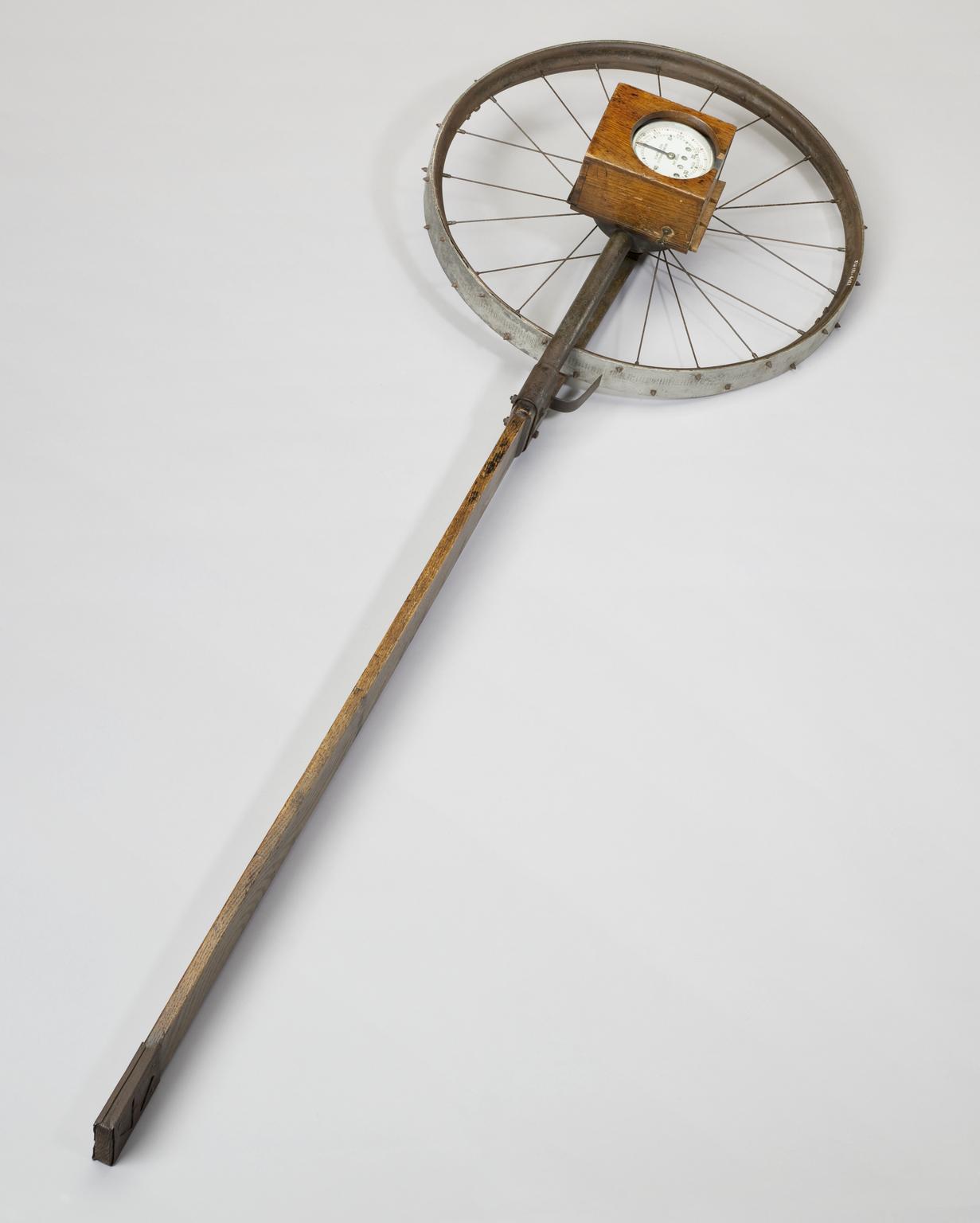
Main part of snow sledge odometer, patented, No.25318, by S. Smith & Son Ltd., 9 Strand, London, England 1900-1910. Used with the British 'Terra Nova' Antarctic Expedition, 1910-1913.

This sledge odometer was used on Captain Robert Scott’s (1868-1912) ill-fated Antarctic expedition (1910 – 1913). Scott’s expedition was beaten to the South Pole on 14th December 1911 by the Norwegian Roald Amundsen. Scott reached the South Pole on 17th January 1912, but he and his men died in March 1912 on the difficult journey back to their ship. This odometer would have been pulled behind a sledge and worked much like an odometer in a car. It gave an accurate measurement of how far had been travelled. This information was used alongside other tools like sextants, which calculate latitude, to try to accurately plot progress on a map.

Details

Category:
Surveying
Object Number:
1914-111 Pt2
Materials:
aluminium (metal), brass (copper, zinc alloy), glass, mahogany (wood), steel (metal) and wood (unidentified)
Measurements:
overall (lying down): 205 mm x 1400 mm x 460 mm, 3.86kg
type:
odometer
taxonomy:
  • component - object
  • furnishing and equipment
  • measuring device - instrument