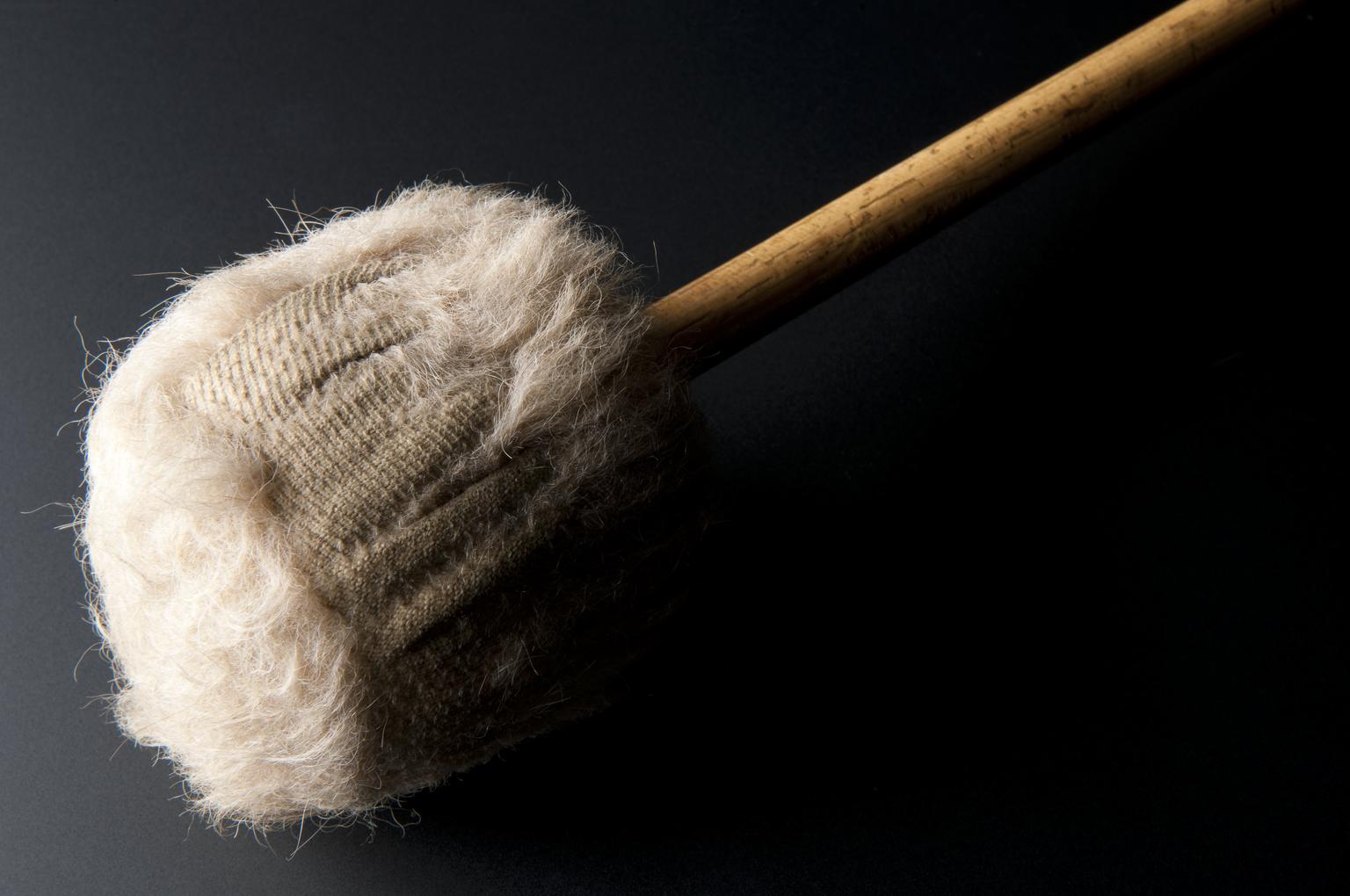
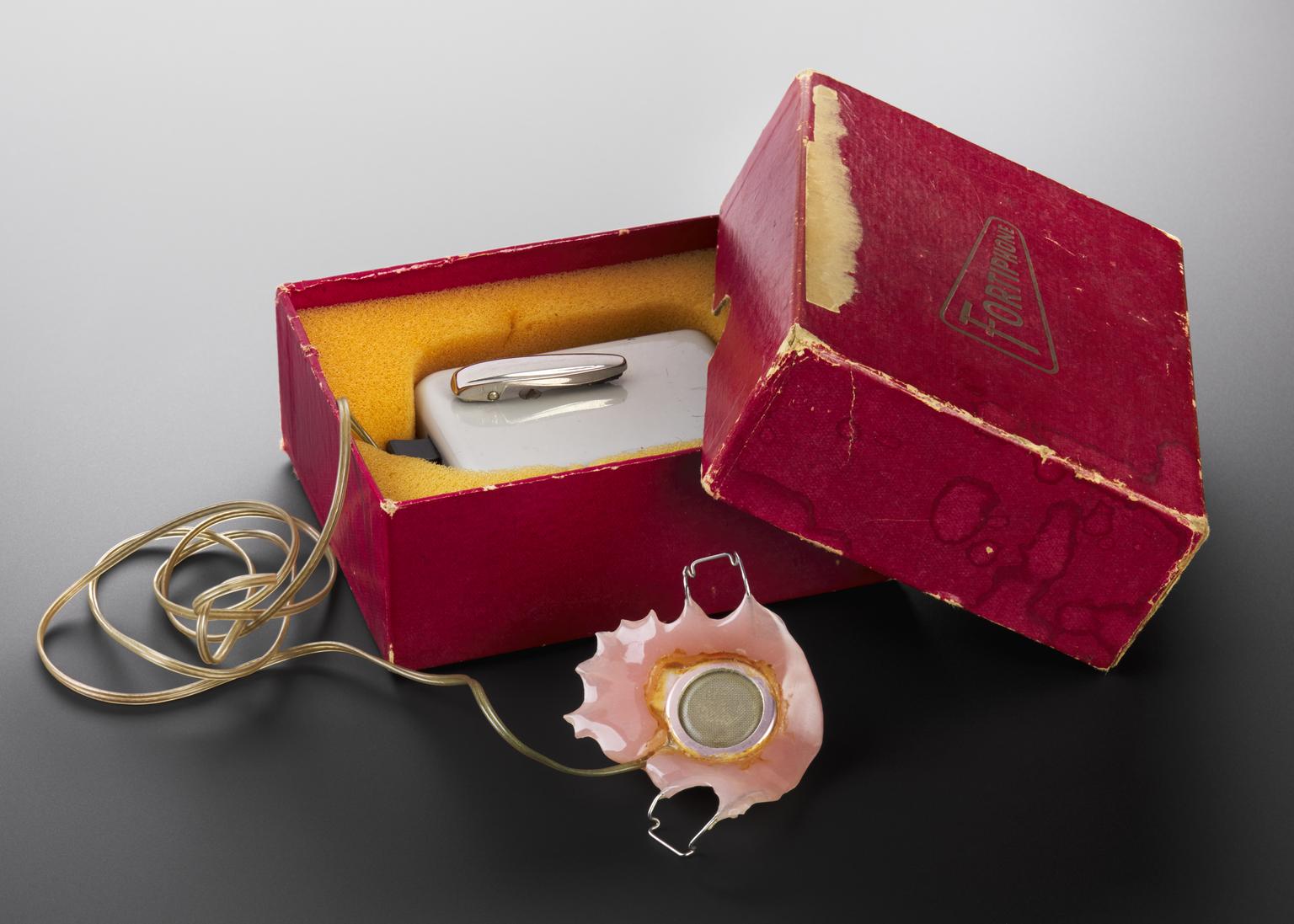
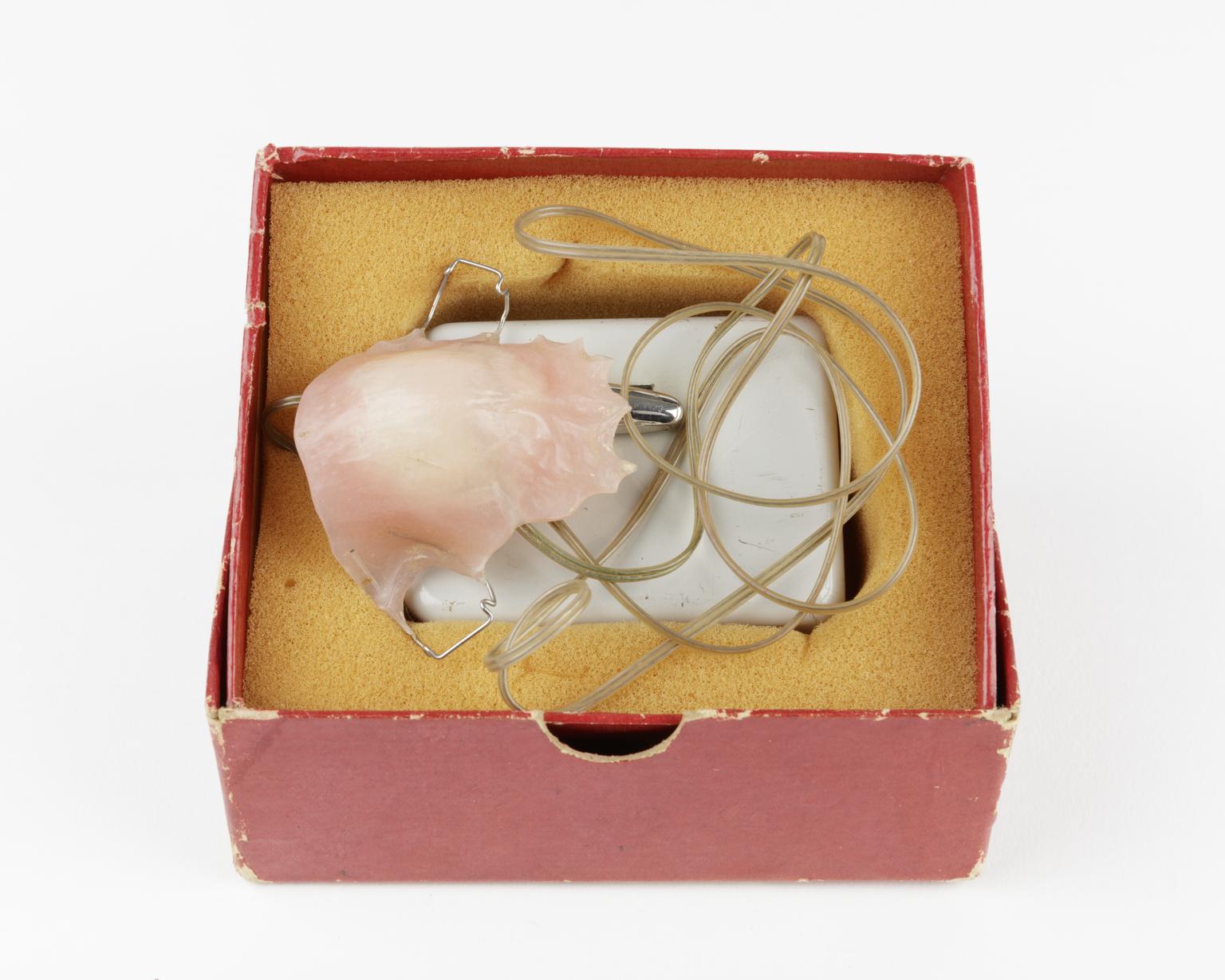
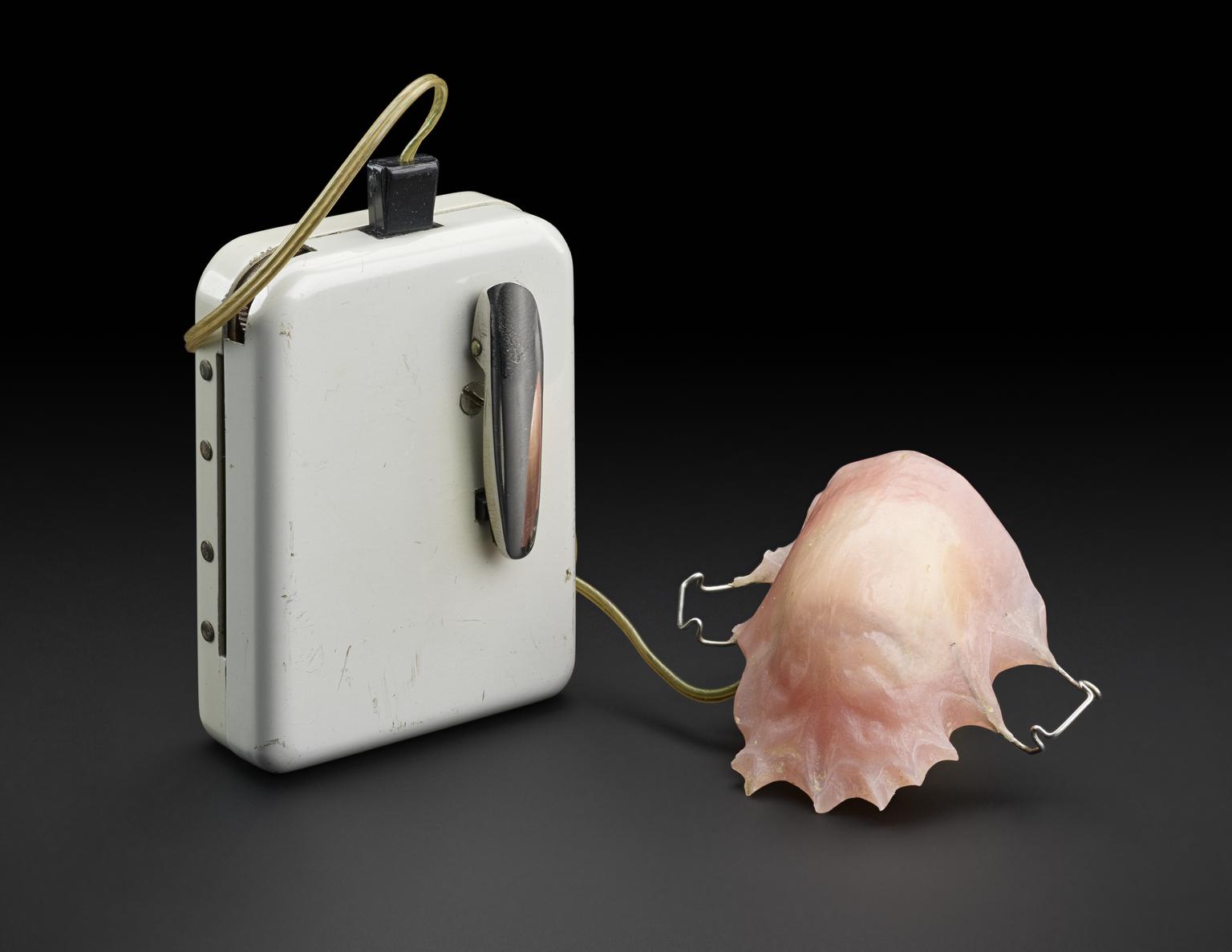
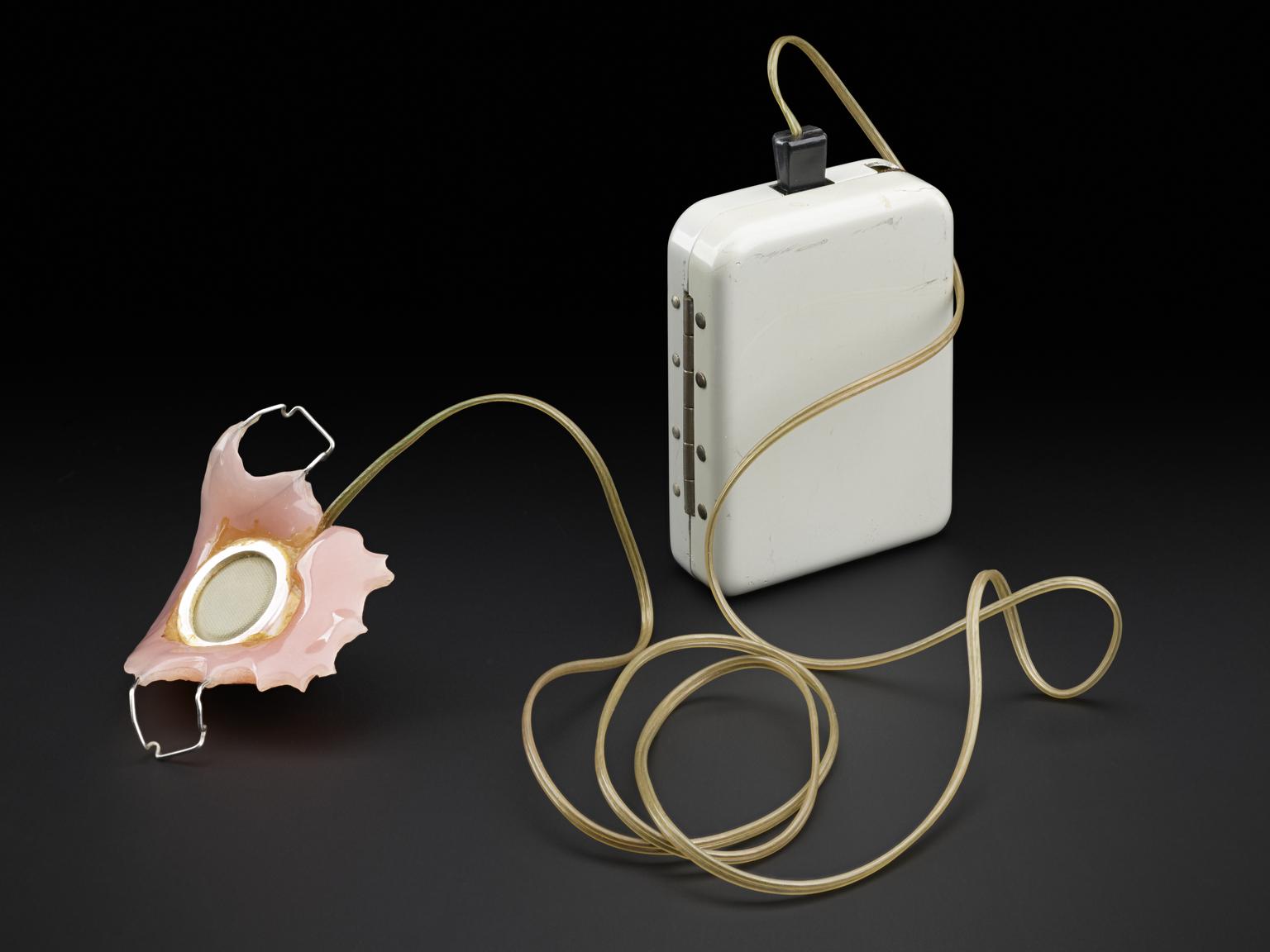
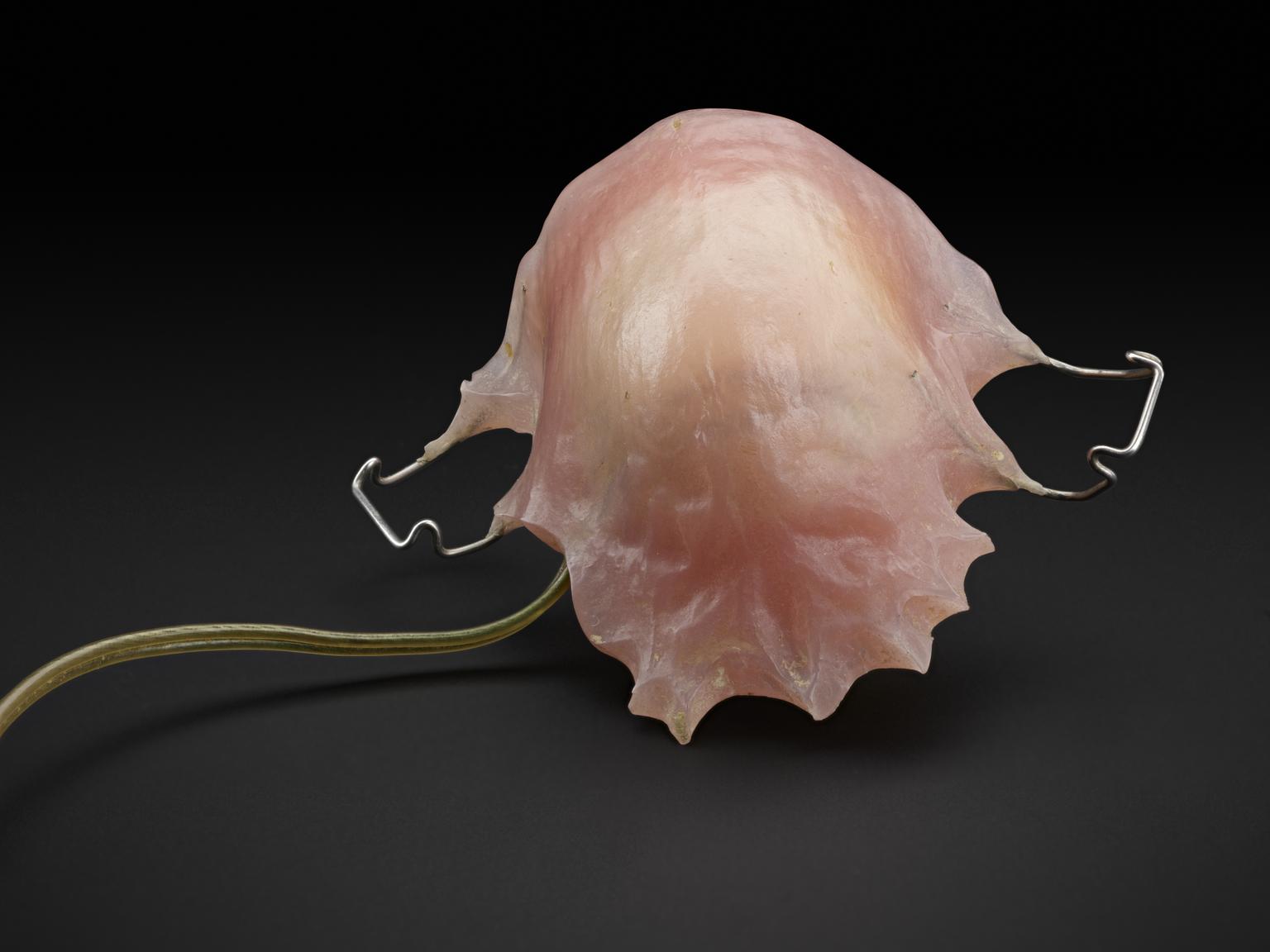
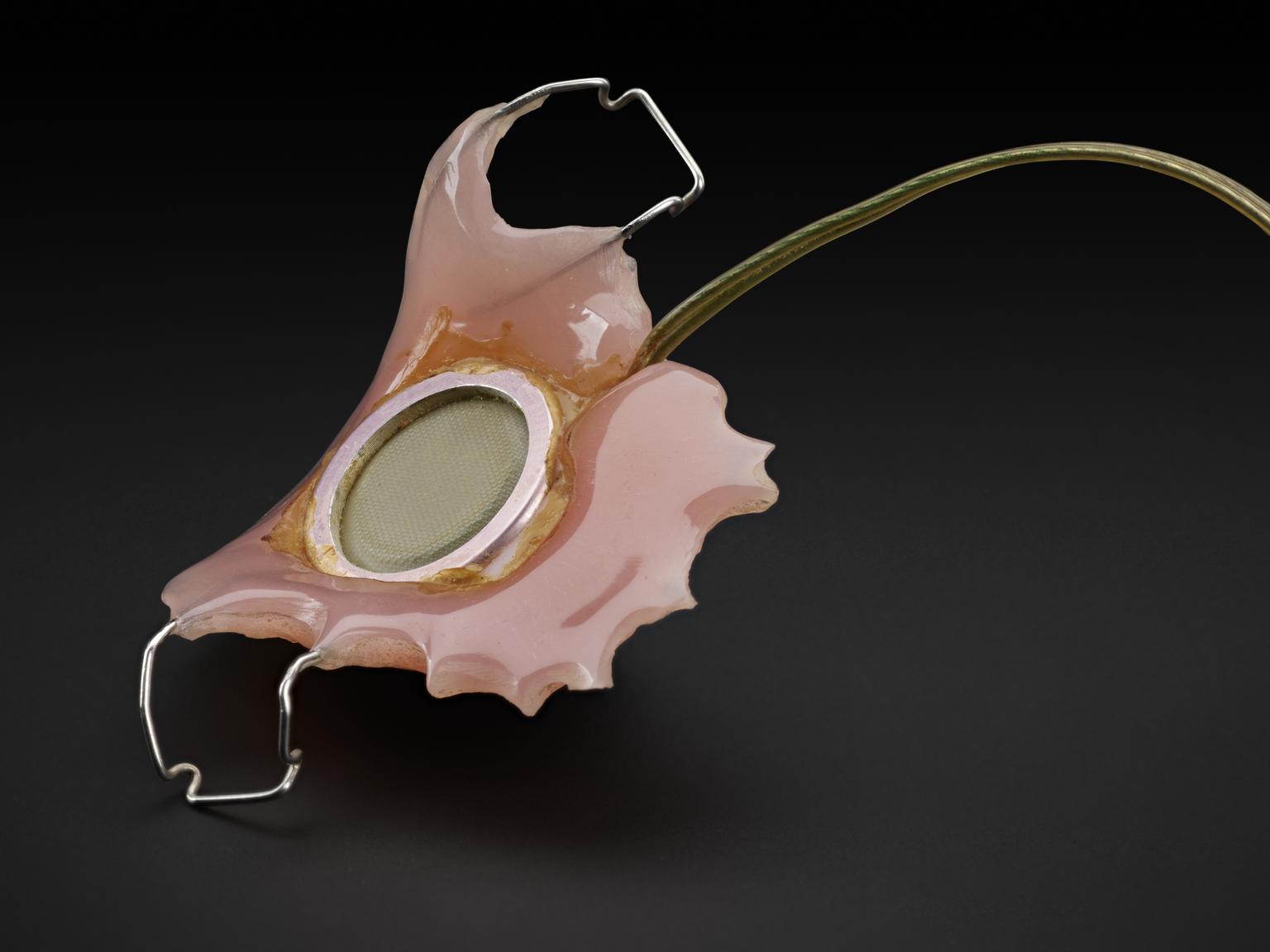
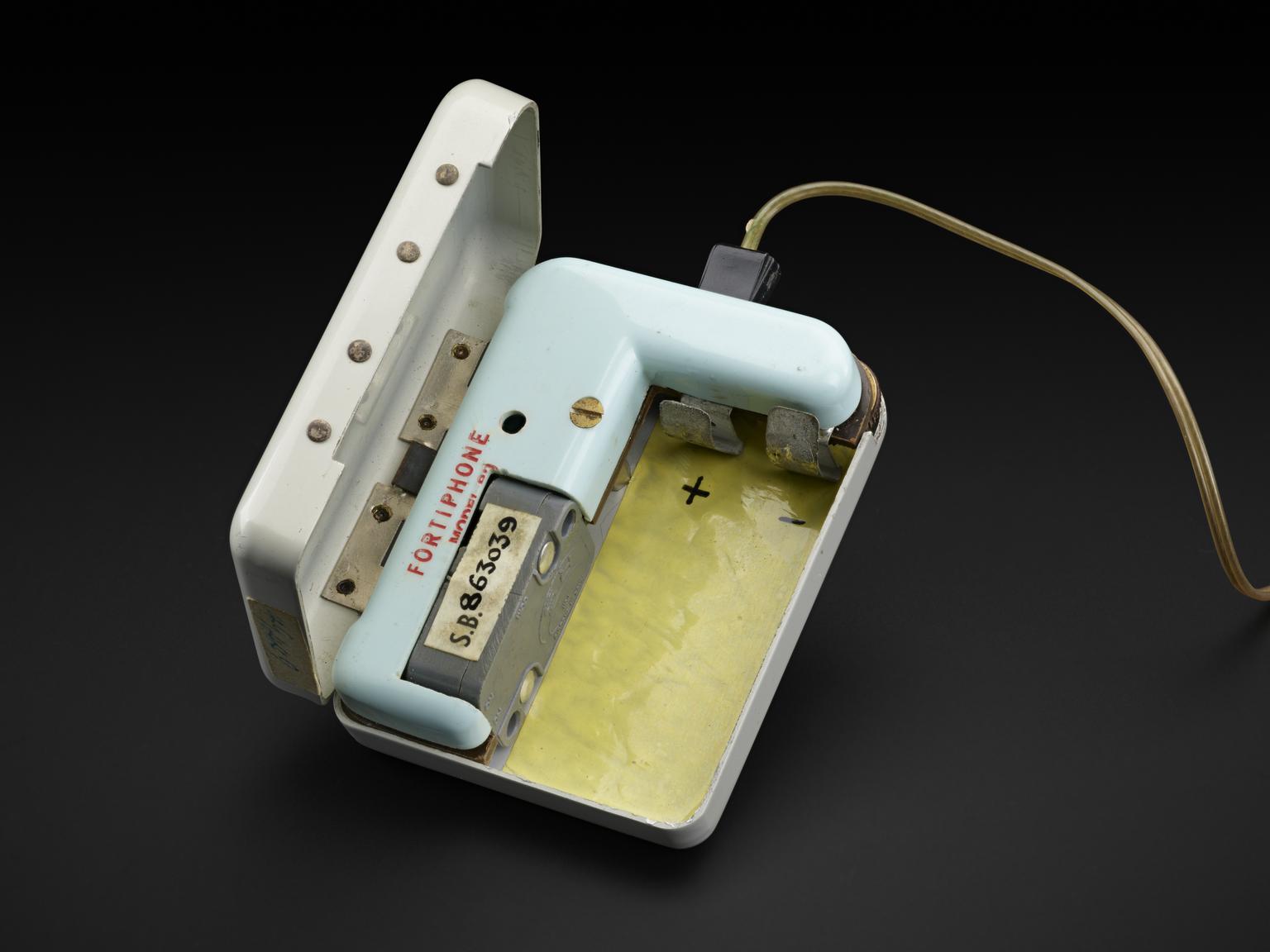
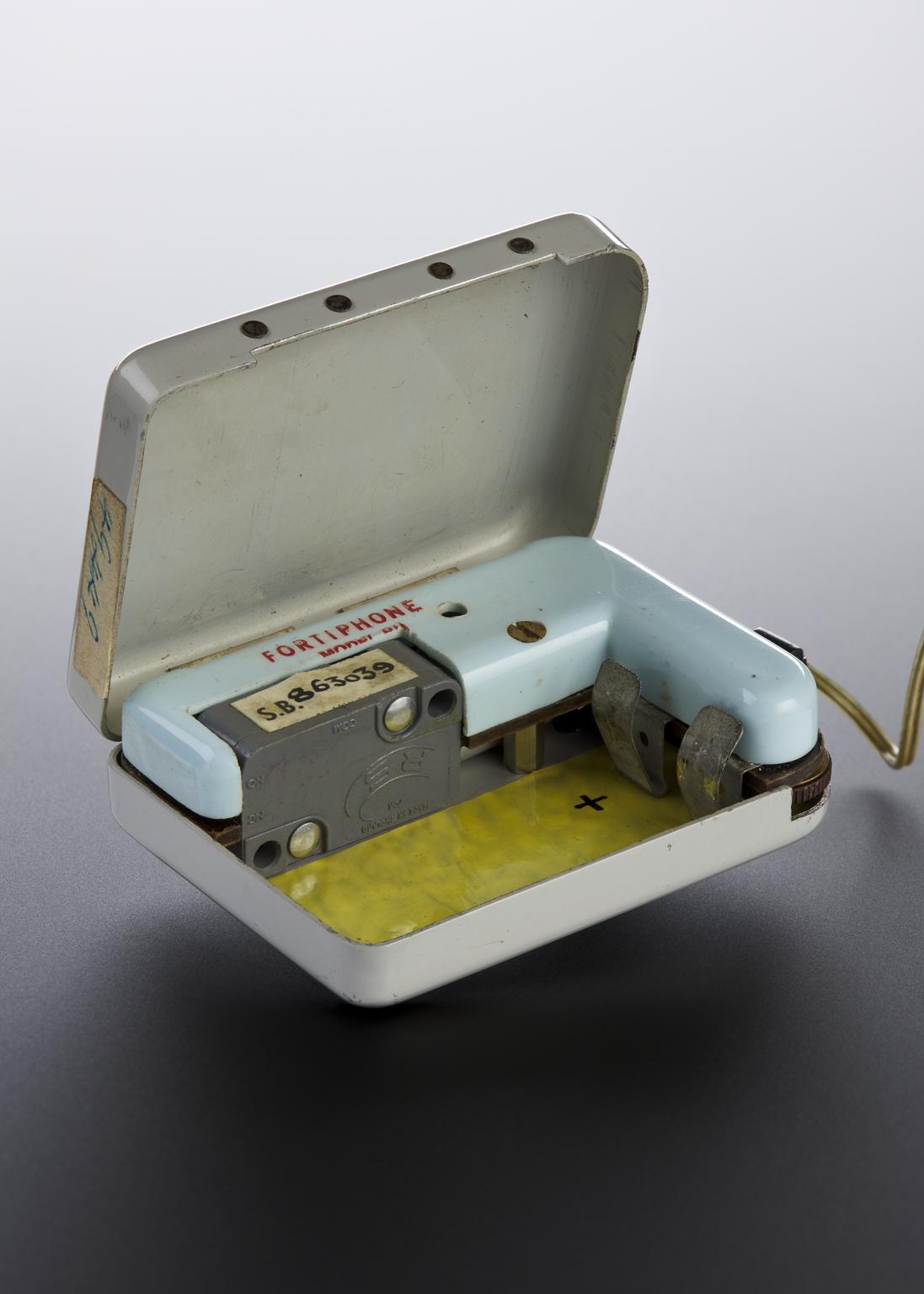
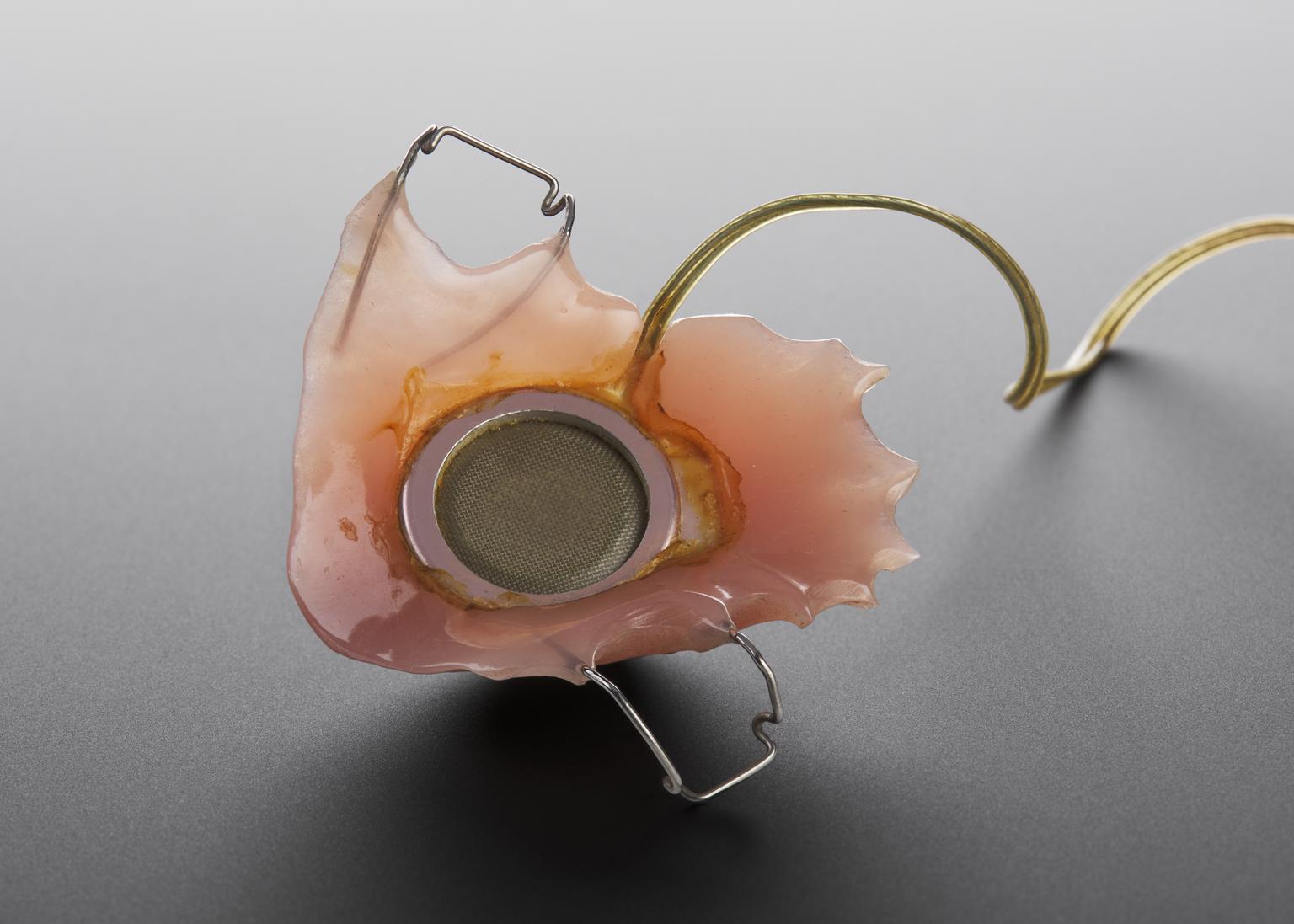
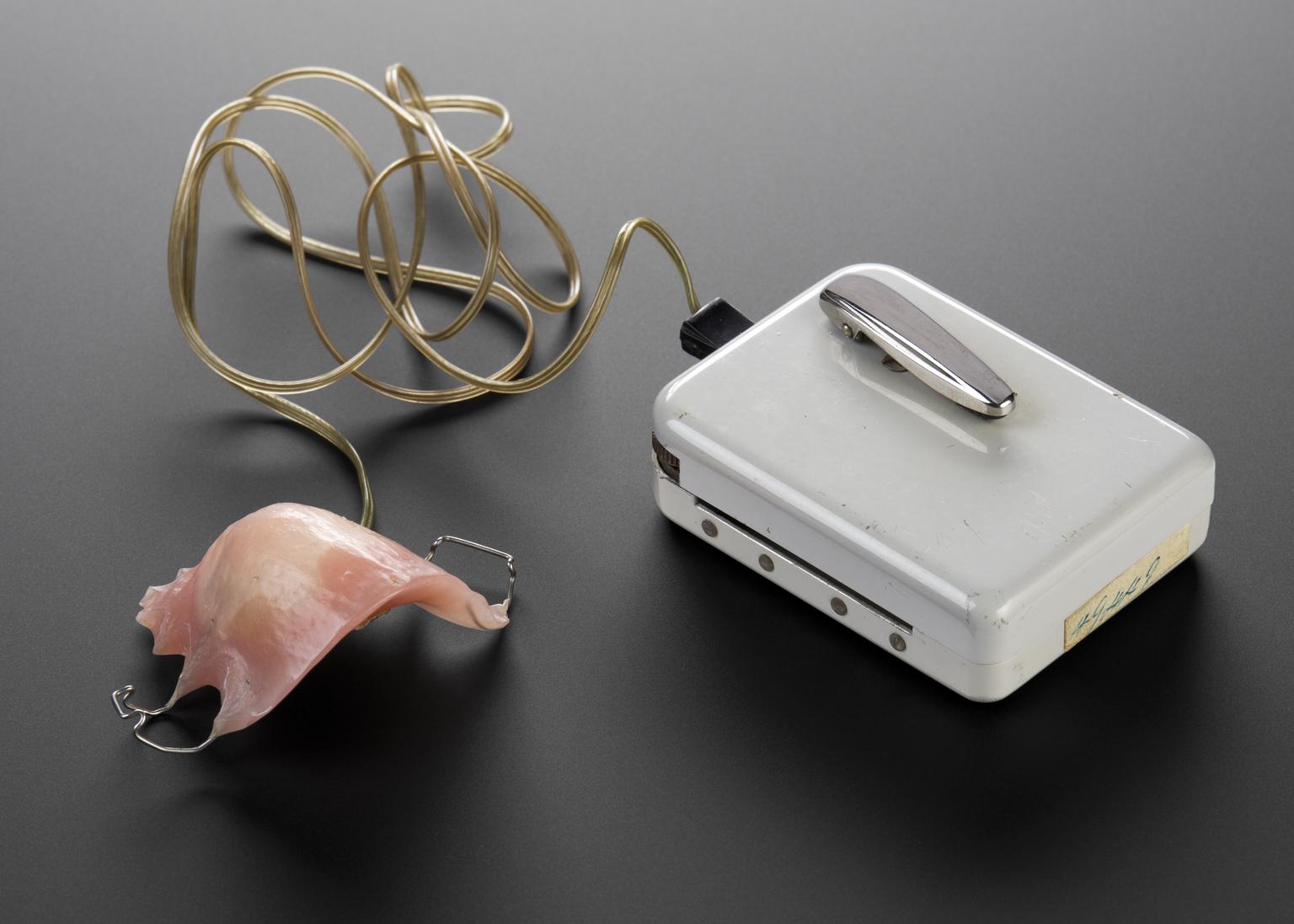
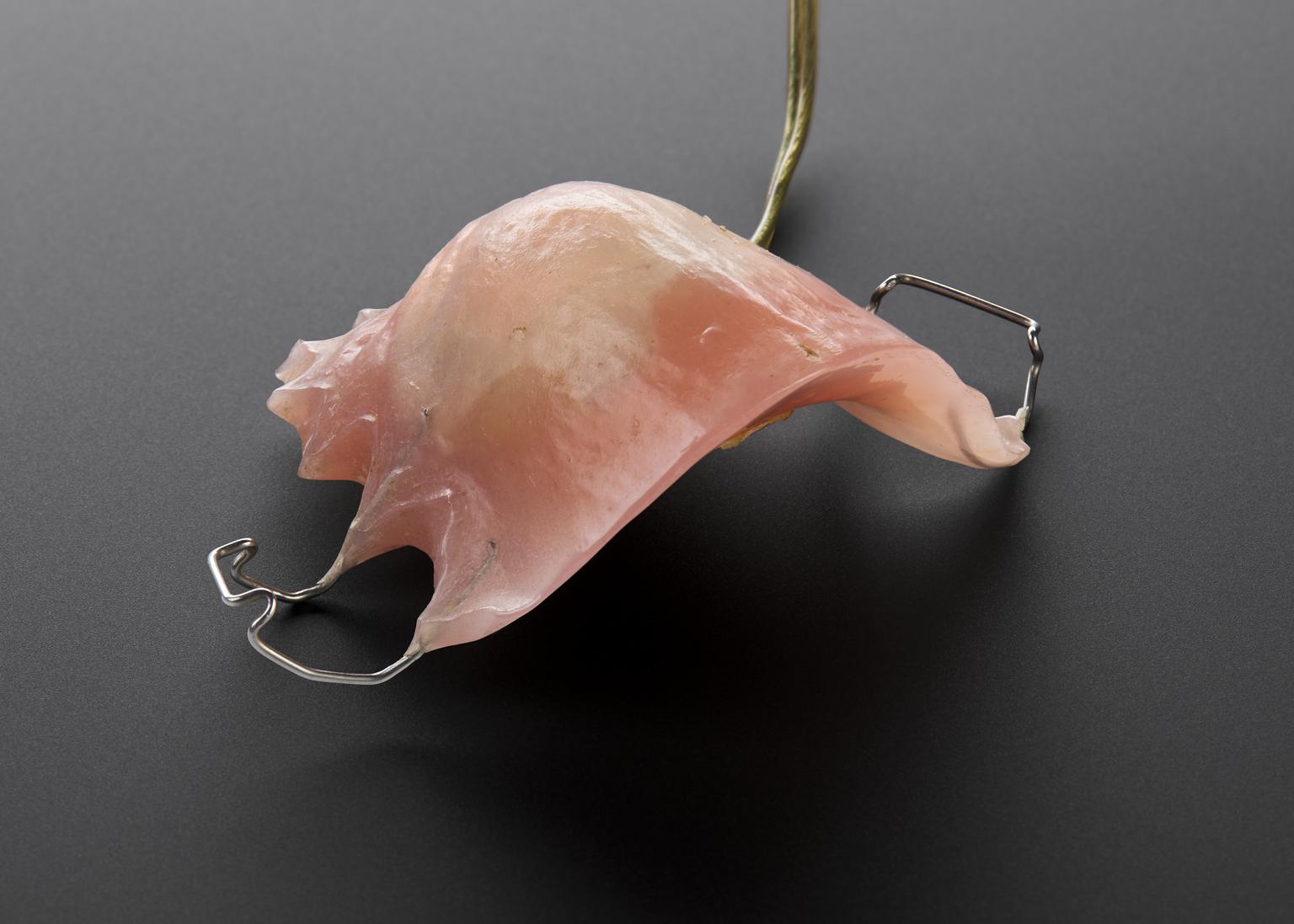
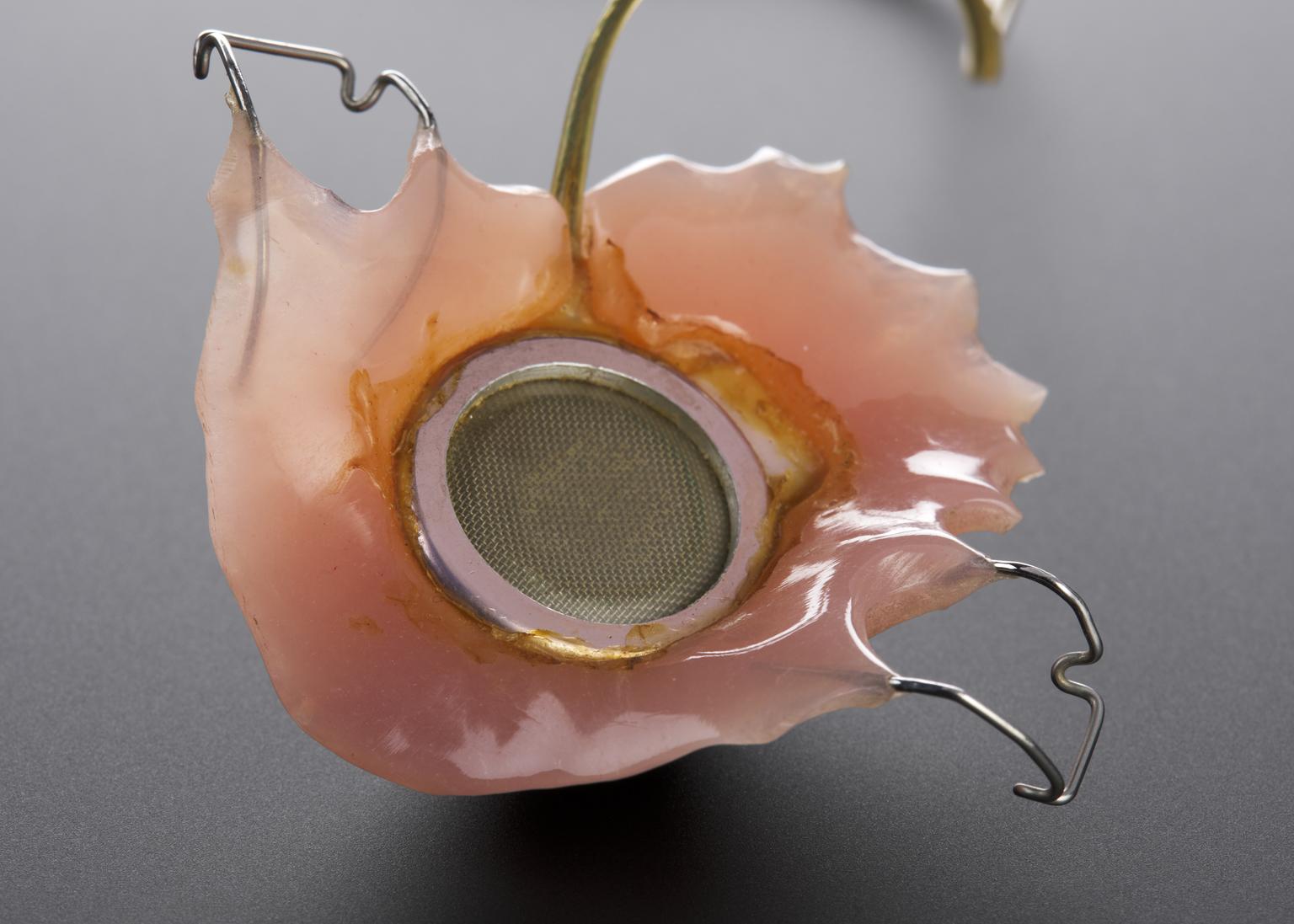
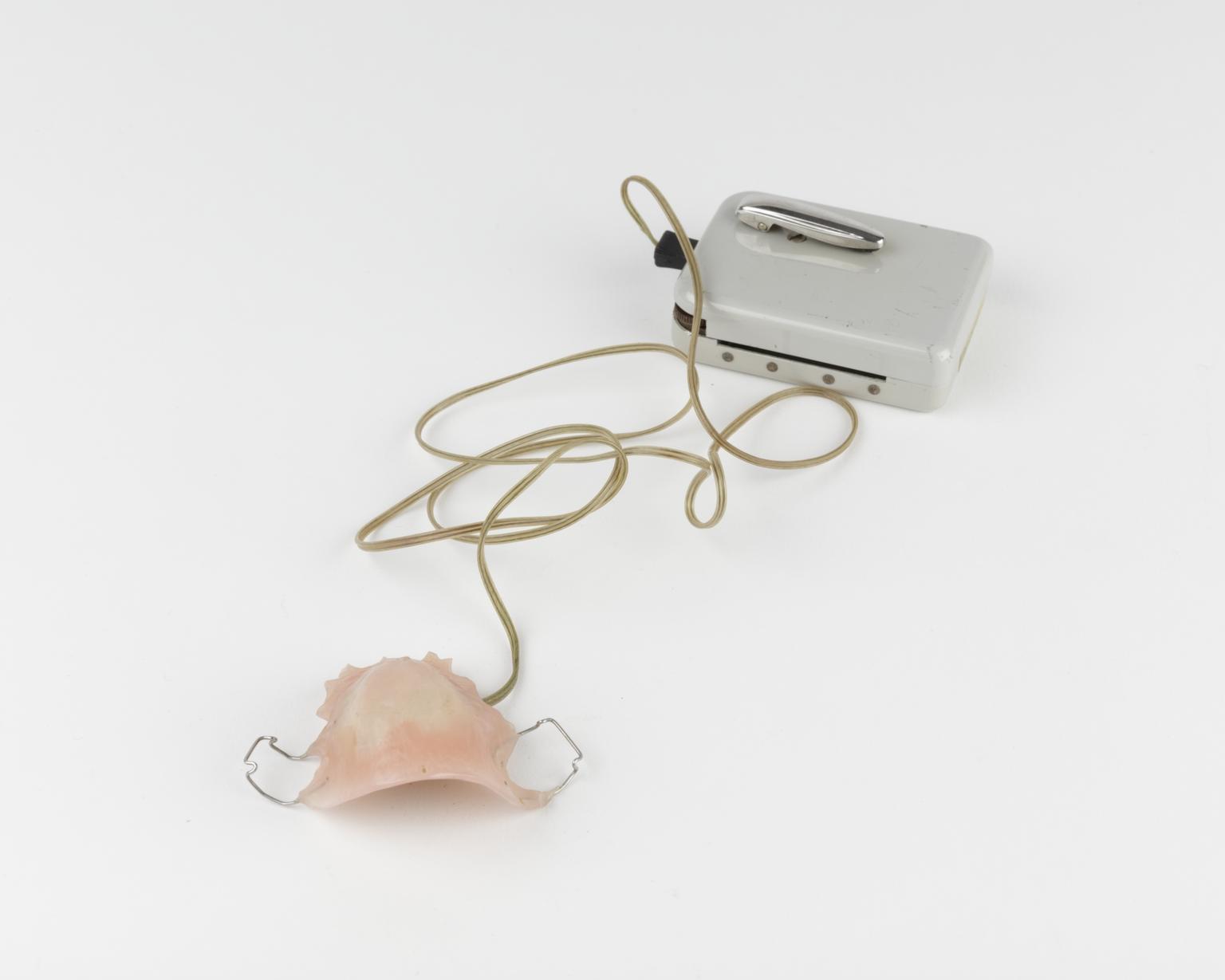
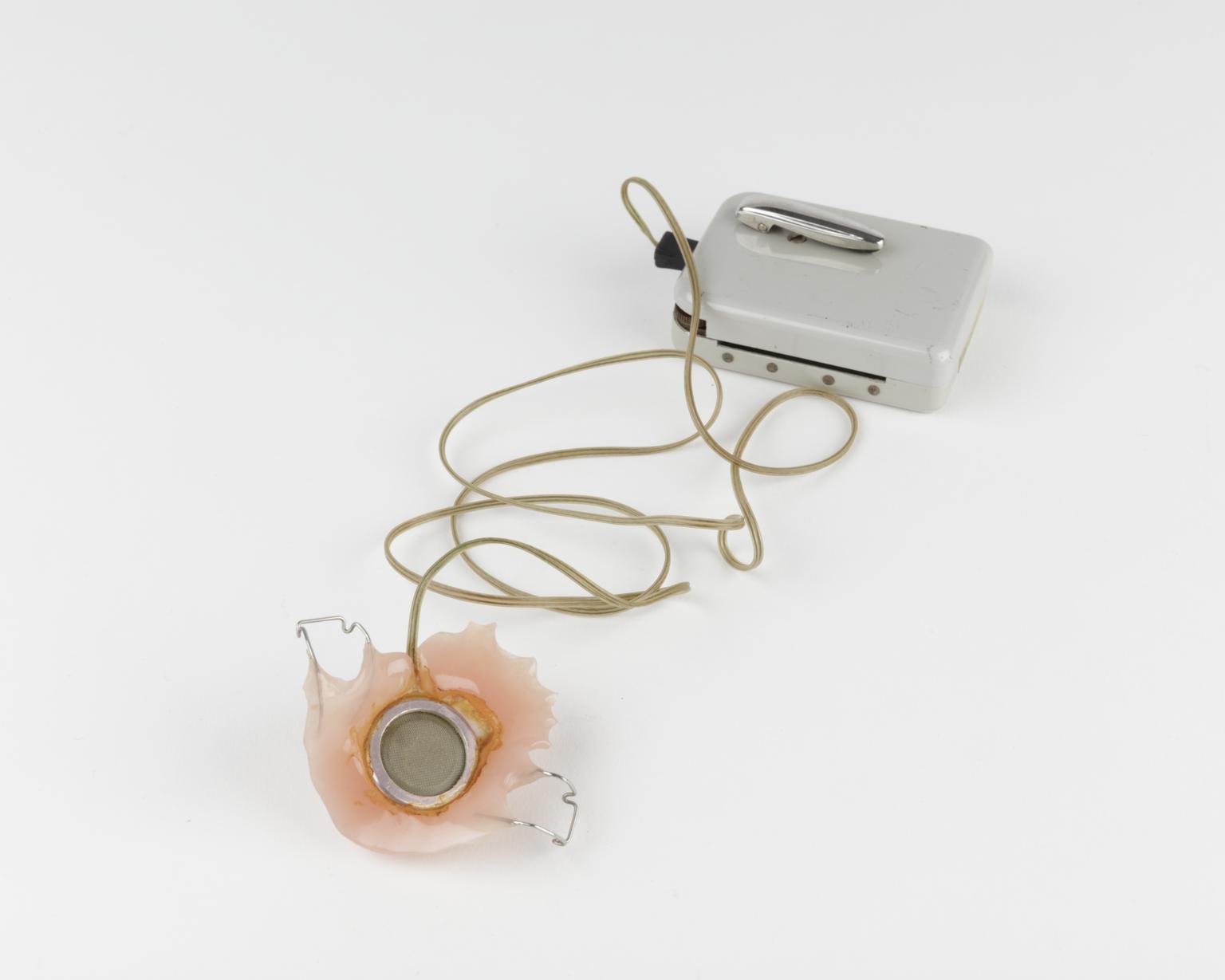
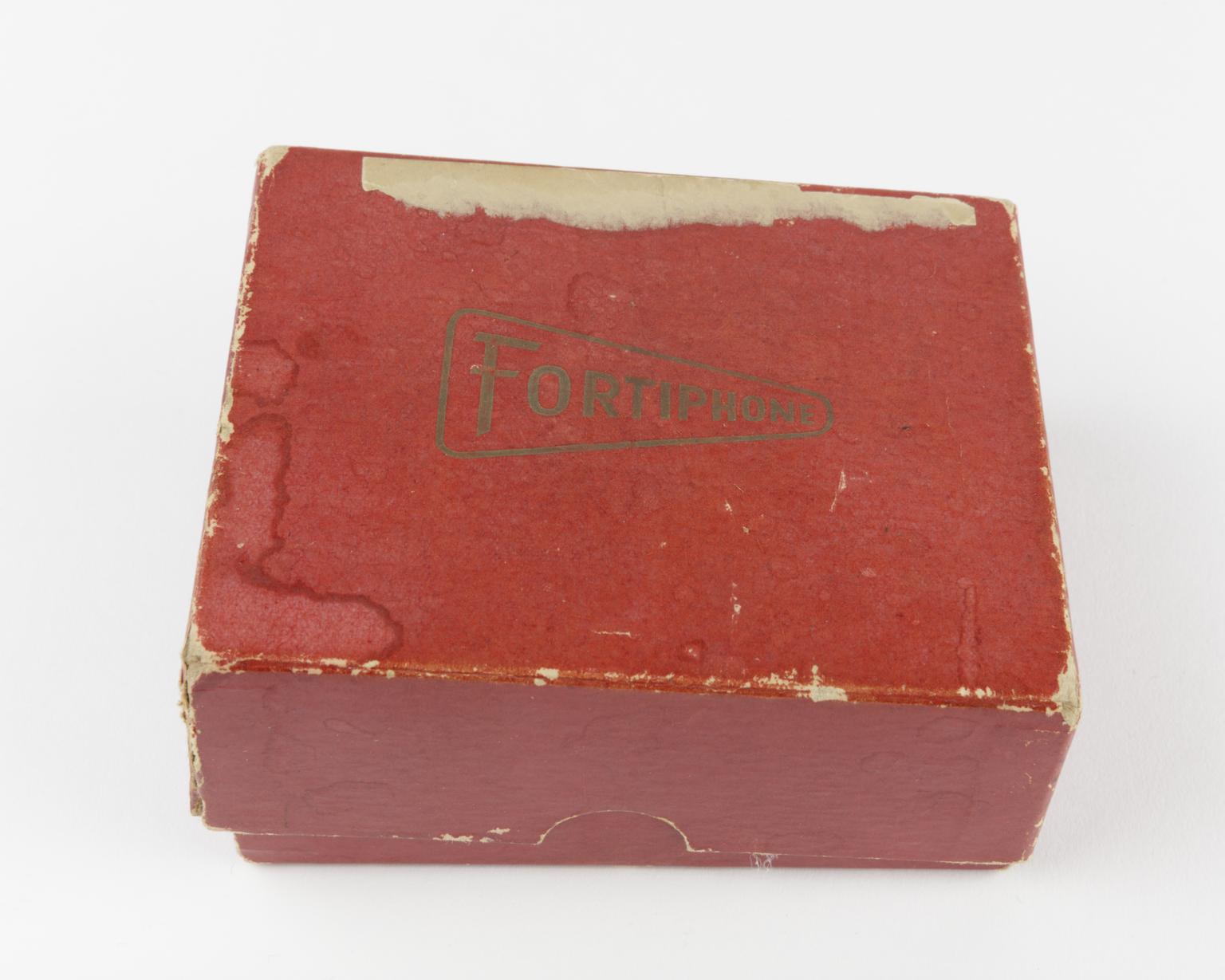
Items from the BBC's Radiophonic Workshop, 1963-1993. Three boxes containing various musical instruments, drumsticks, bells, gongs, recorders, etc. Plus tape splicing items & contact microphone used in the Radiophonic Workshop. There is a Fortiphone device and mouthpiece in its original box, but the model number is not clear. This is a fascinating instrument which, using a false upper palate, fitted with a transistor buzzer, takes over the duties of the human larynx. Sound produced by the buzzer or artificial voice is modulated by the movement of the lips and mouth, producing clearly intelligible words. It was originally designed by a dental surgeon.
This is a collection of objects used at the BBC Radiophonic Workshop. It includes small musical instruments, household objects, components like springs and brackets, and some unidentified things. They were used as sound sources, recorded onto magnetic tape, which would then be manipulated by changing the tape speed, looping the sound, and adding effects like echo, to create a new sound never heard before.
The BBC Radiophonic Workshop was one of the sound effects units of the BBC, created in 1958 to produce incidental sounds and new music for radio and, later, television, especially for the increasingly popular science fiction and psychological drama genres. The unit is known for its experimental and pioneering work in electronic music and music technology, as well as its popular scores for programs such as Doctor Who and Quatermass and the Pit during the 1950s and 1960s.
The original Radiophonic Workshop was based in the BBC's Maida Vale Studios in Delaware Road, Maida Vale, London. The Workshop was closed in March 1998, although much of its traditional work had already been outsourced by 1995. Its members included Daphne Oram, Delia Derbyshire, David Cain, John Baker, Paddy Kingsland, Glynis Jones, Maddalena Fagandini and Richard Yeoman-Clark.
Tape and Splicing Block from BBC Radiophonic Workshop
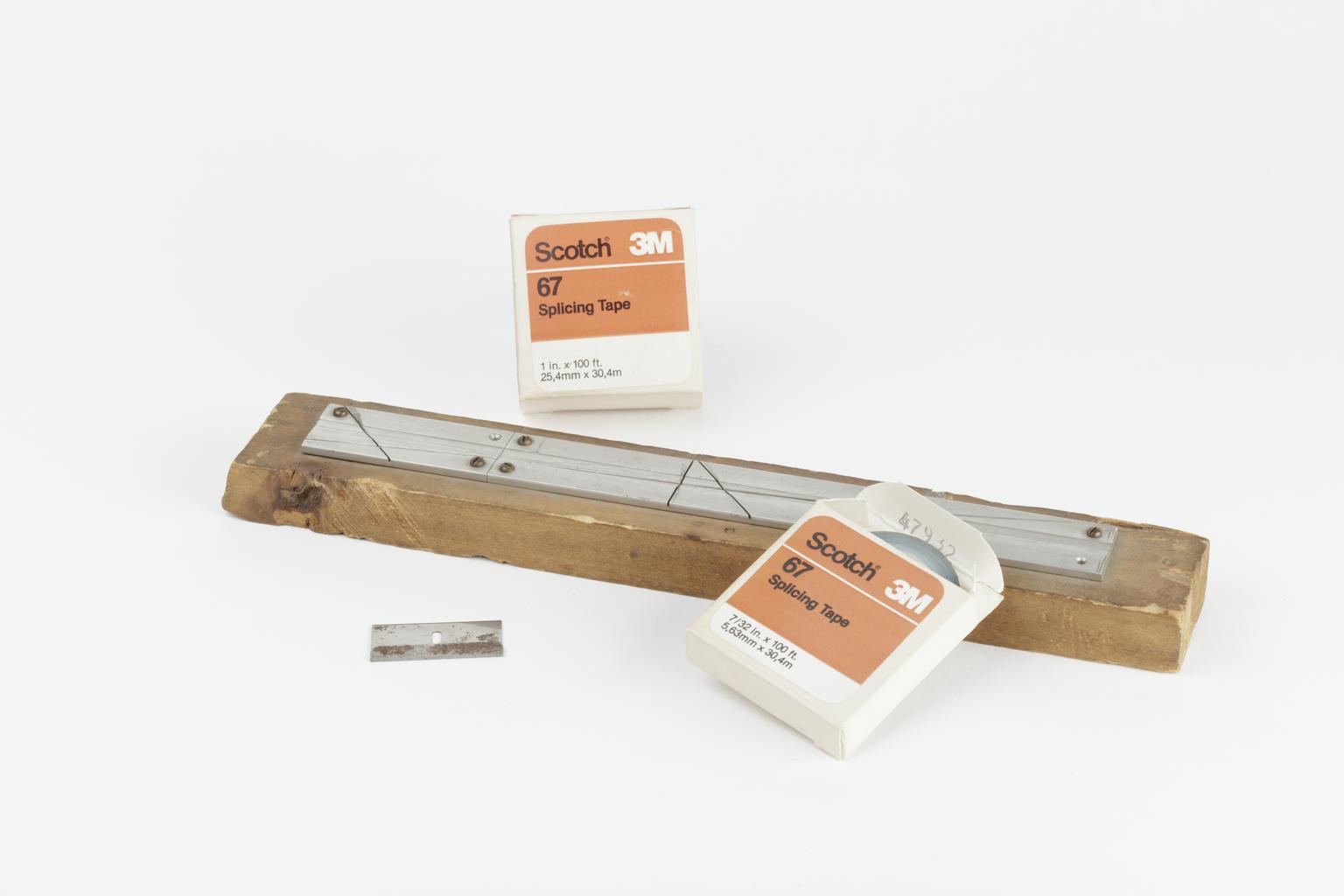
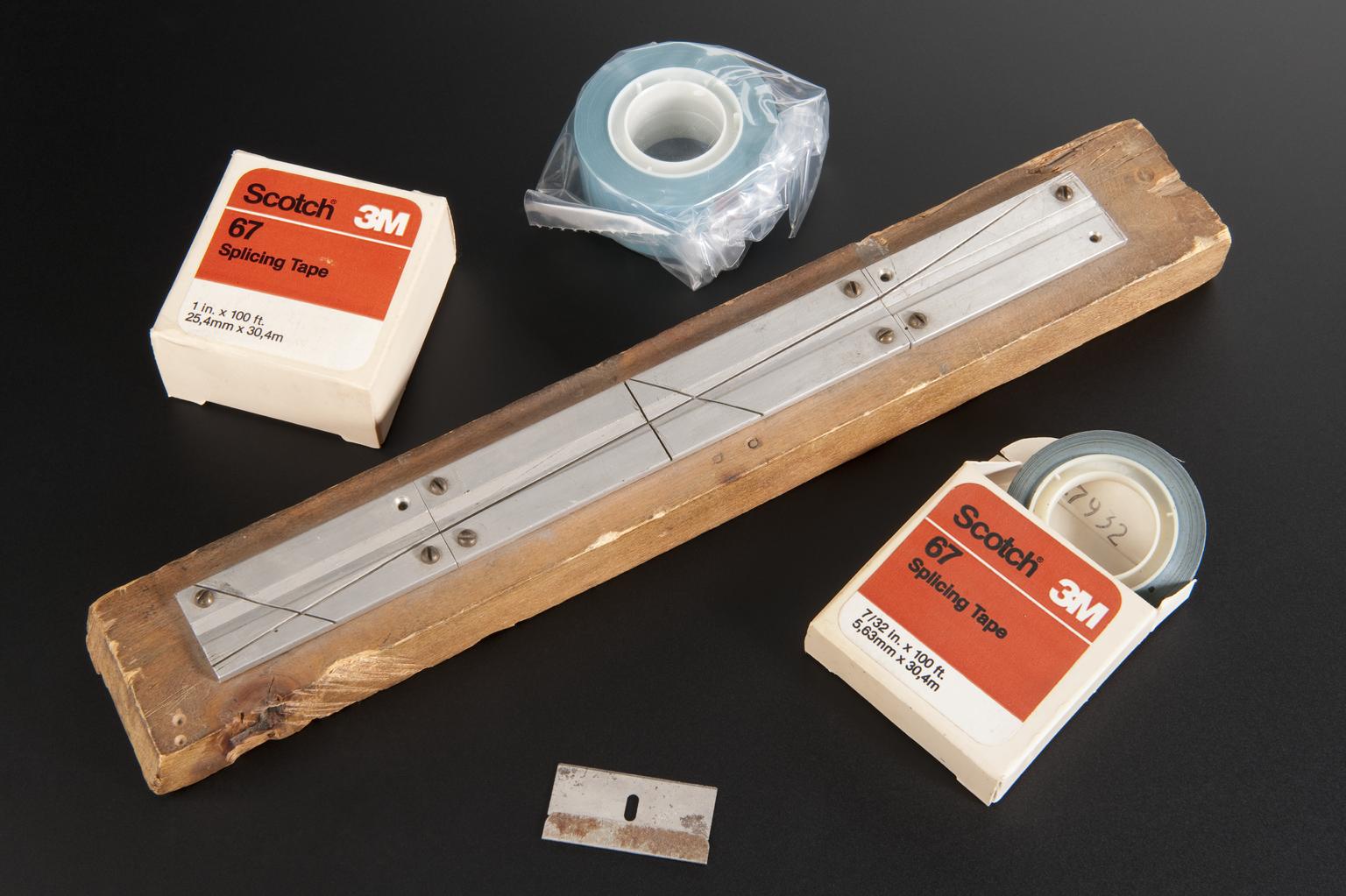
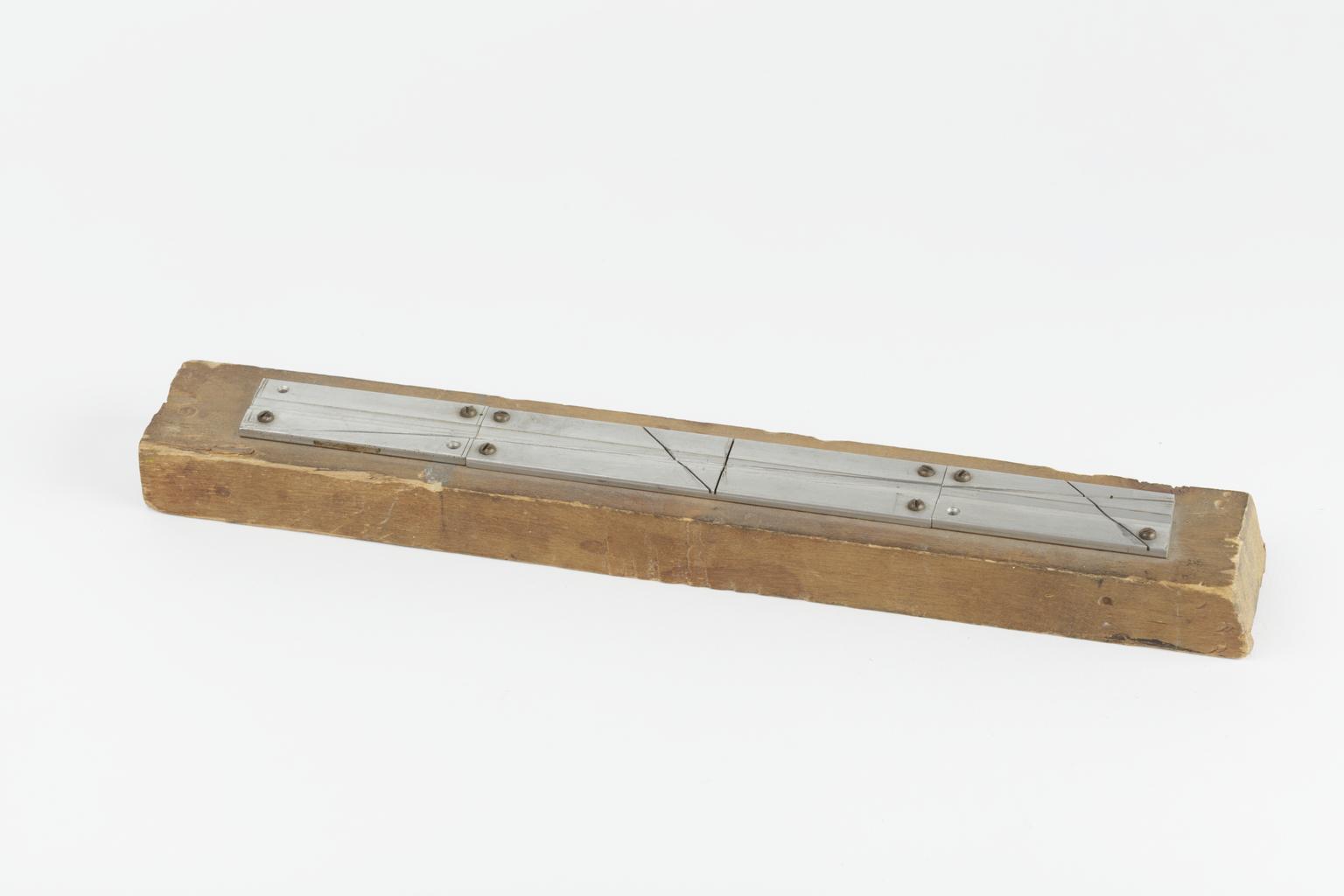
Splicing block with two boxes of tape and razor blade.
More
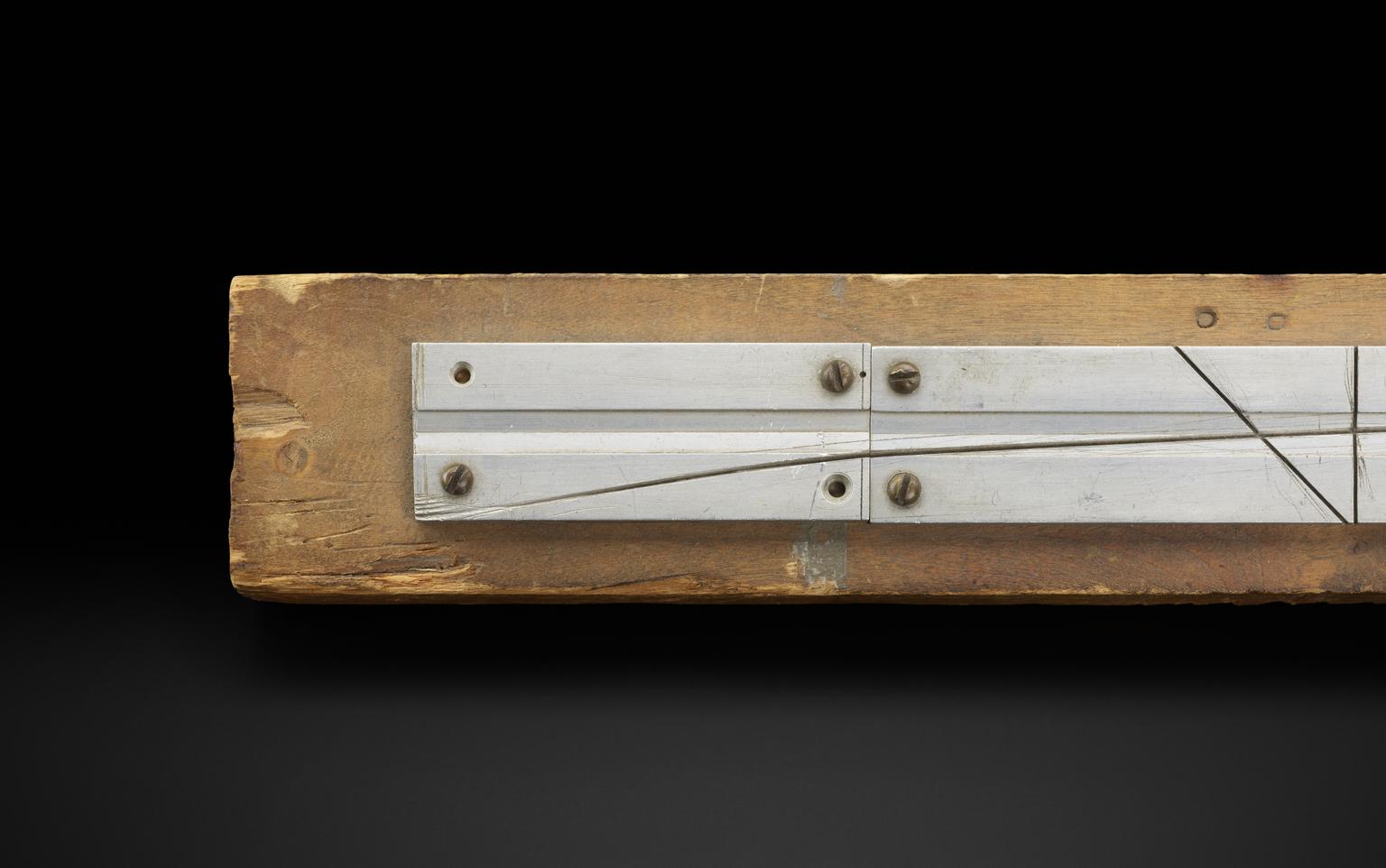
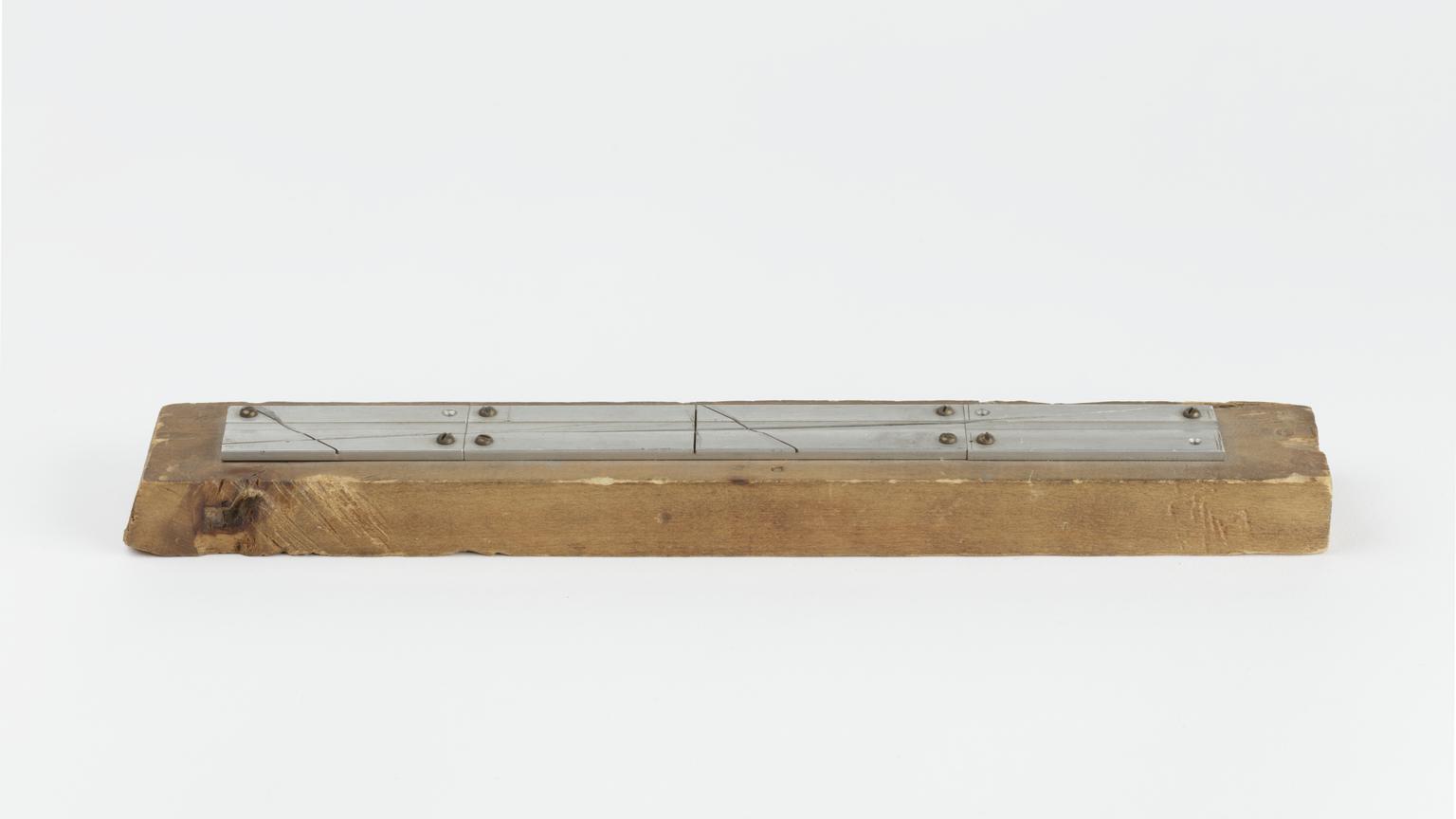
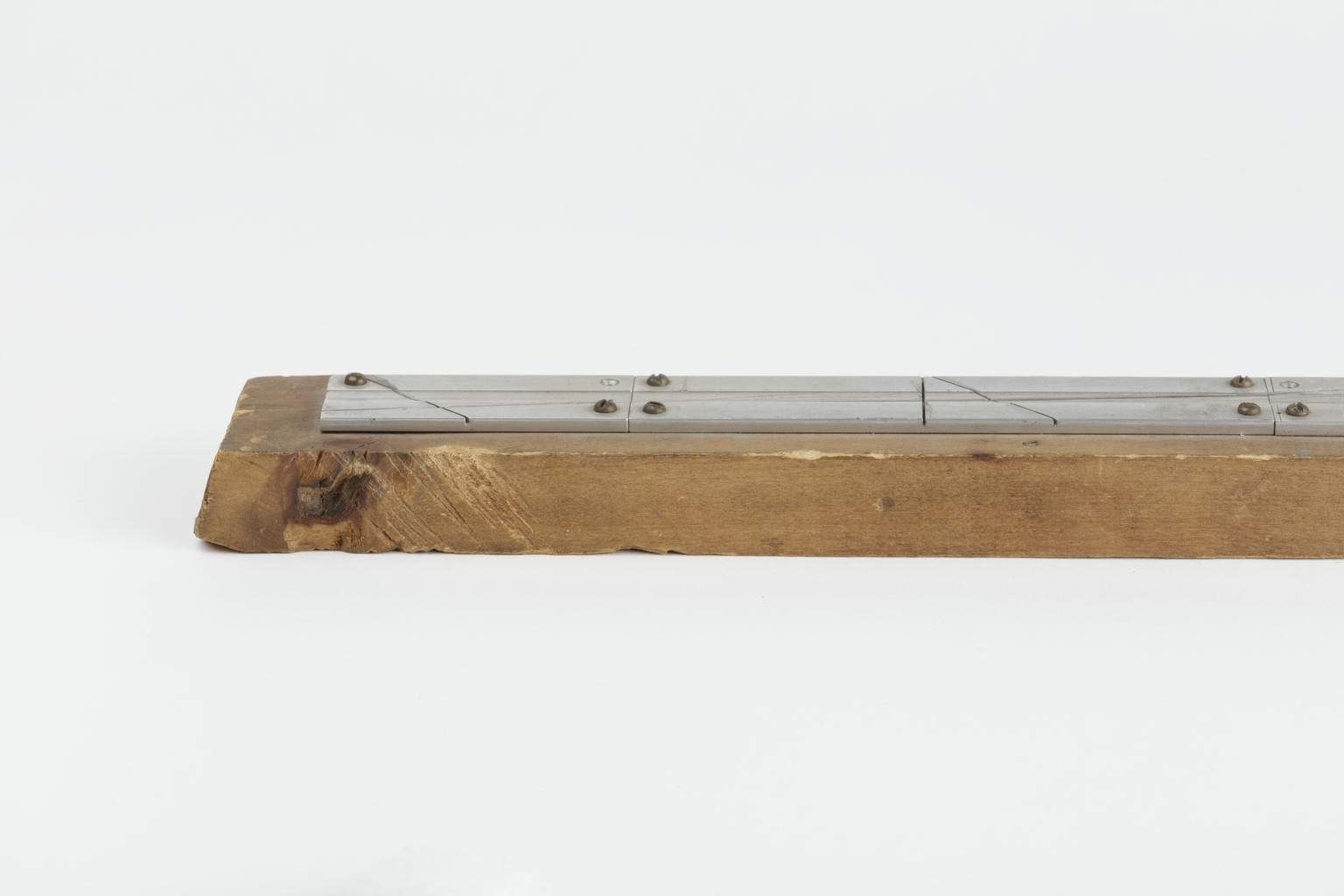
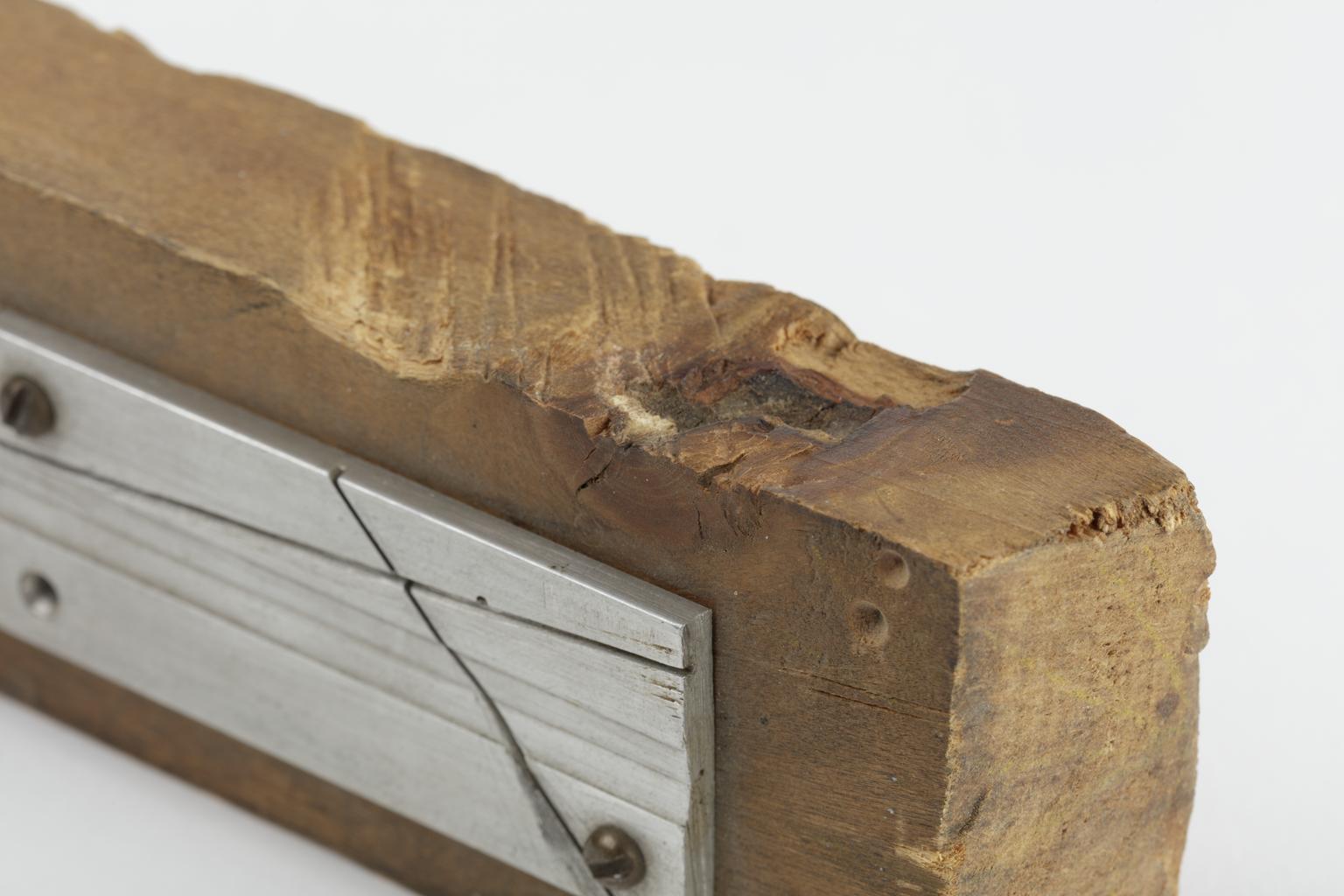
'An experimental, physically modified editing block (made from two standard editing blocks) to produce long "cross-fade edits". Very difficult to use, as razor blades often just curled the edge of the tape' (Dick MIlls, BBC Radiophonic Workshop). This was used to create sounds by splicing tiny pieces of tape together, an extremely time consuming method. Each length would be cut, then joined with tape to the next. A piece could take days to construct.
The BBC Radiophonic Workshop was one of the sound effects units of the BBC, created in 1958 to produce incidental sounds and new music for radio and, later, television. The unit is known for its experimental and pioneering work in electronic music and music technology, as well as its popular scores for programs such as Doctor Who and Quatermass and the Pit during the 1950s and 1960s.
The original Radiophonic Workshop was based in the BBC's Maida Vale Studios in Delaware Road, Maida Vale, London. The Workshop was closed in March 1998, although much of its traditional work had already been outsourced by 1995. Its members included Daphne Oram, Delia Derbyshire, David Cain, John Baker, Paddy Kingsland, Glynis Jones, Maddalena Fagandini and Richard Yeoman-Clark.
Measurements:
Box of splicing tape (2012-5118/242/1/2): 60 mm x 60 mm x 28 mm, .05 kg Splicing block (2012-5118/242/1/1): 25 mm x 305 mm x 45 mm, .19 kg Box of splicing tape (2012-5118/242/1/3): 60 mm x 60 mm x 15 mm, .01 kg Razor blade (2012-5118/242/1/4): 19 mm x 40 mm
The Board of Trustees of the Science Museum, London
Splicing Block from BBC Radiophonic Workshop
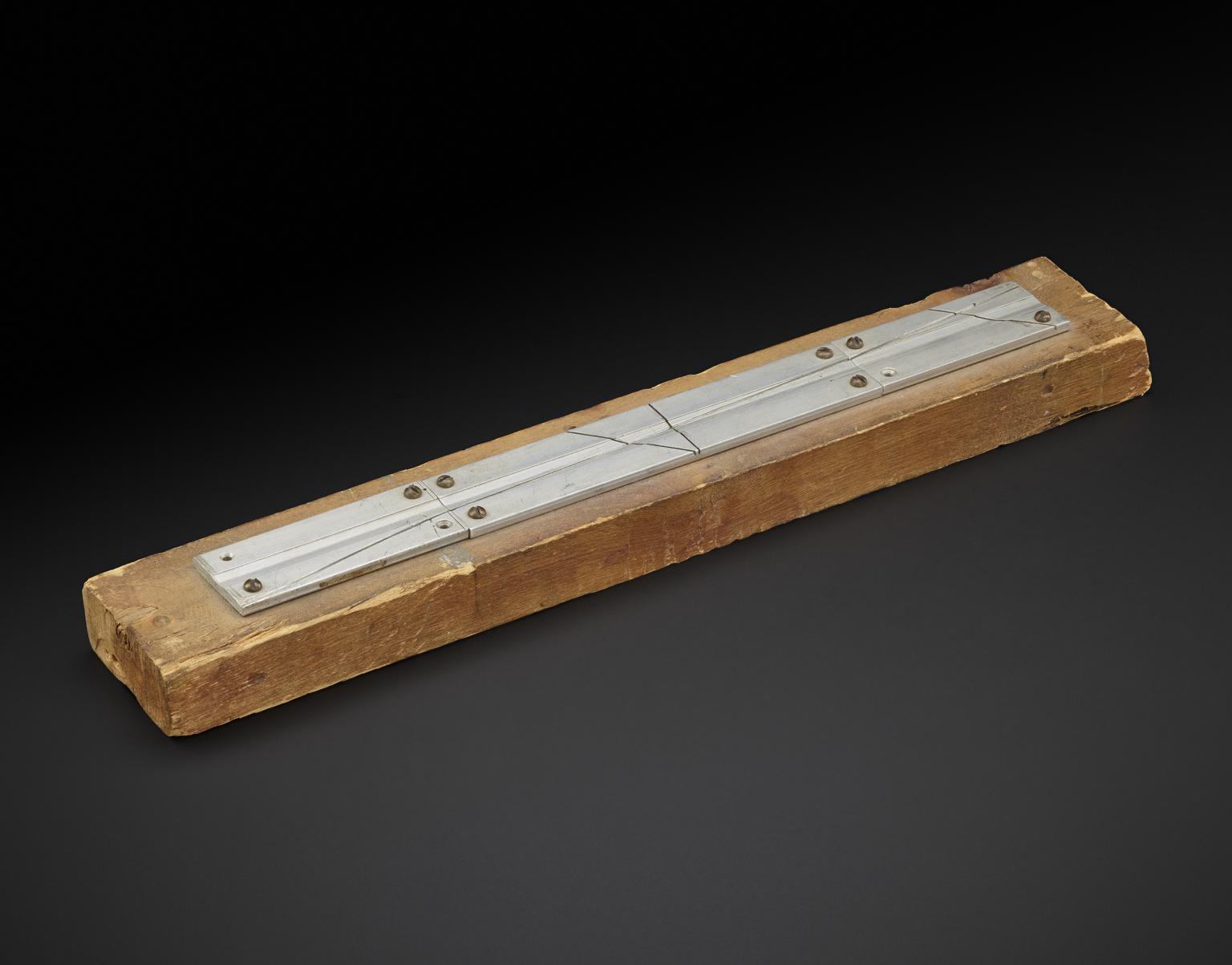
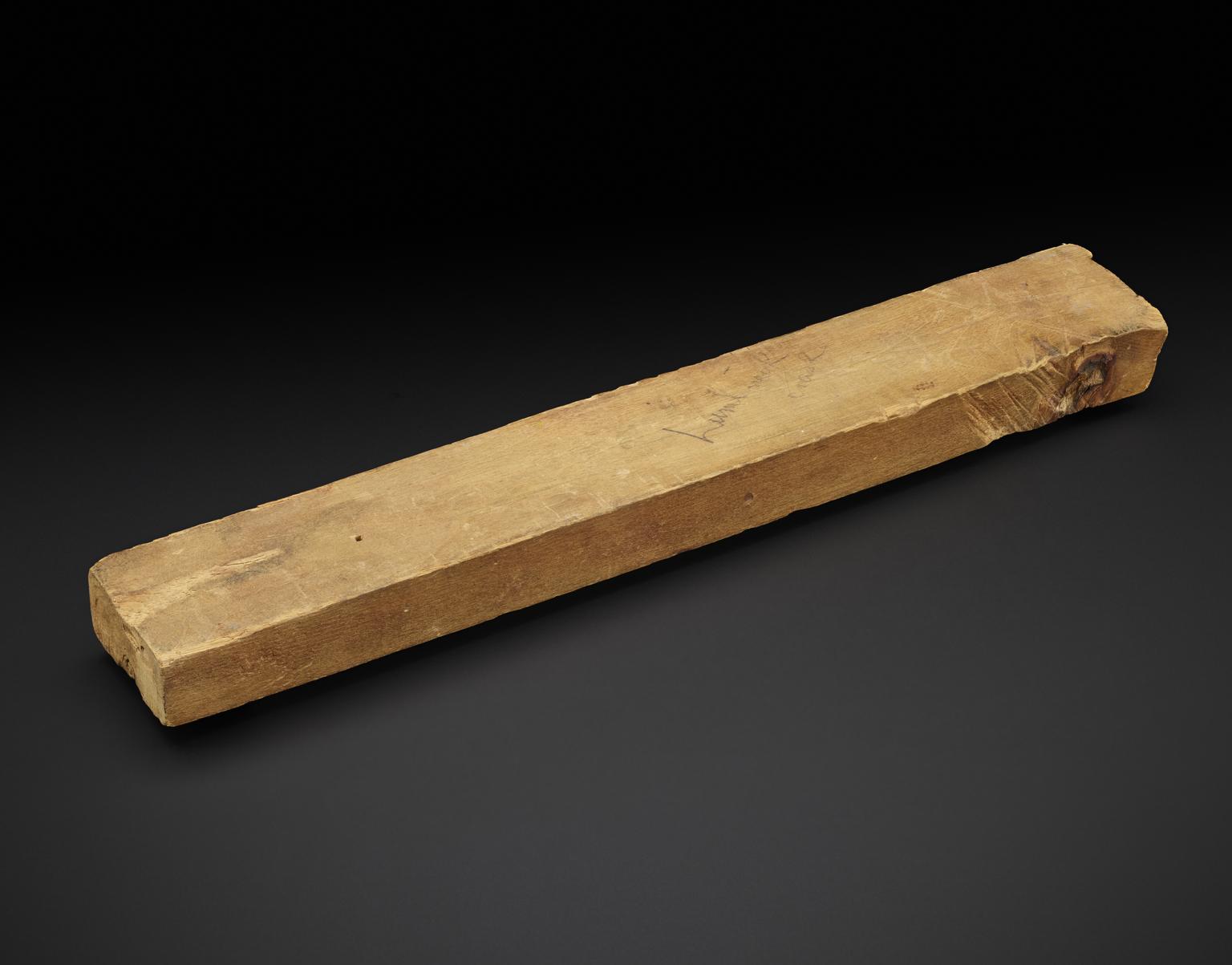
Splicing block.
More
'An experimental, physically modified editing block (made from two standard editing blocks) to produce long "cross-fade edits". Very difficult to use, as razor blades often just curled the edge of the tape' (Dick MIlls, BBC Radiophonic Workshop). This was used to create sounds by splicing tiny pieces of tape together, an extremely time consuming method. Each length would be cut, then joined with tape to the next. A piece could take days to construct.
The BBC Radiophonic Workshop was one of the sound effects units of the BBC, created in 1958 to produce incidental sounds and new music for radio and, later, television. The unit is known for its experimental and pioneering work in electronic music and music technology, as well as its popular scores for programs such as Doctor Who and Quatermass and the Pit during the 1950s and 1960s.
The original Radiophonic Workshop was based in the BBC's Maida Vale Studios in Delaware Road, Maida Vale, London. The Workshop was closed in March 1998, although much of its traditional work had already been outsourced by 1995. Its members included Daphne Oram, Delia Derbyshire, David Cain, John Baker, Paddy Kingsland, Glynis Jones, Maddalena Fagandini and Richard Yeoman-Clark.
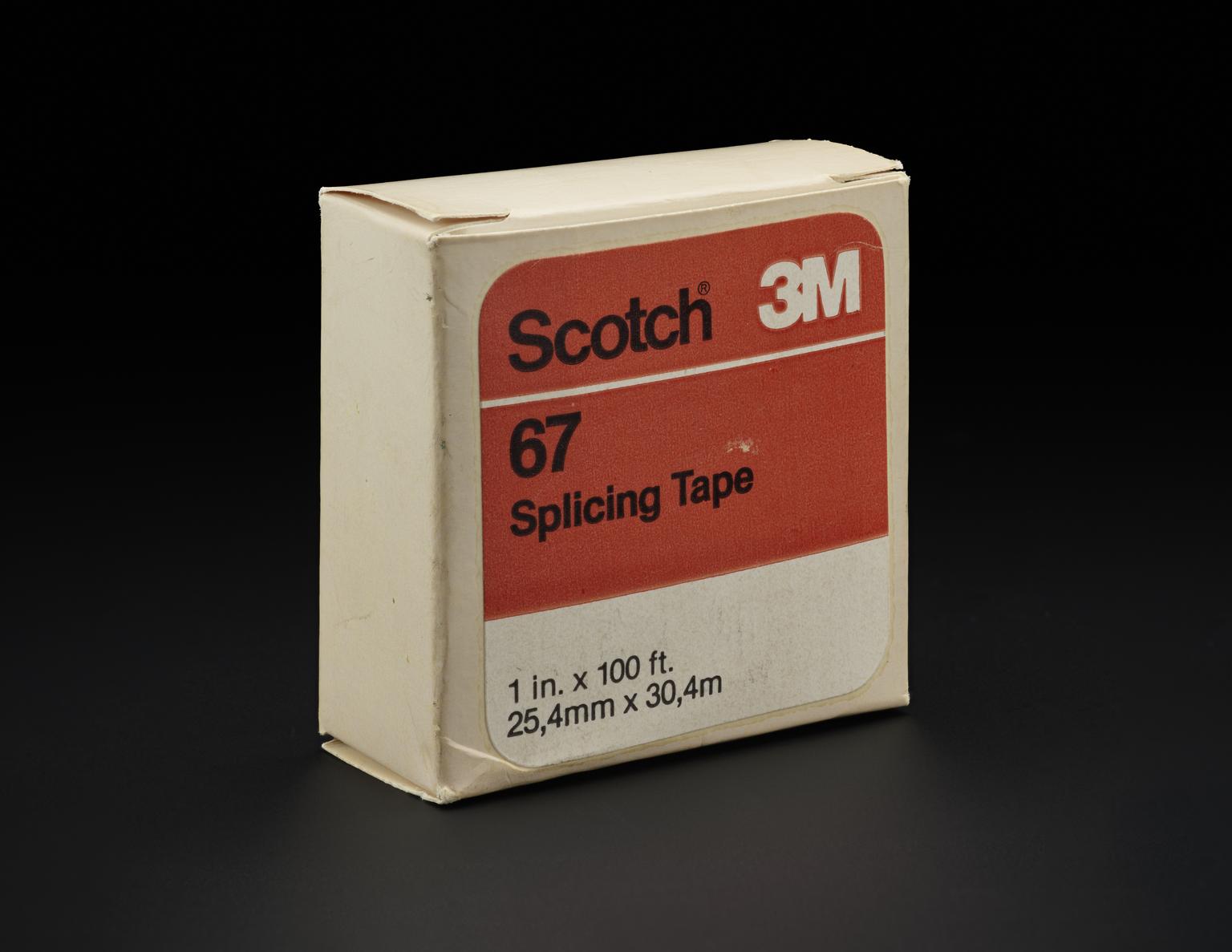
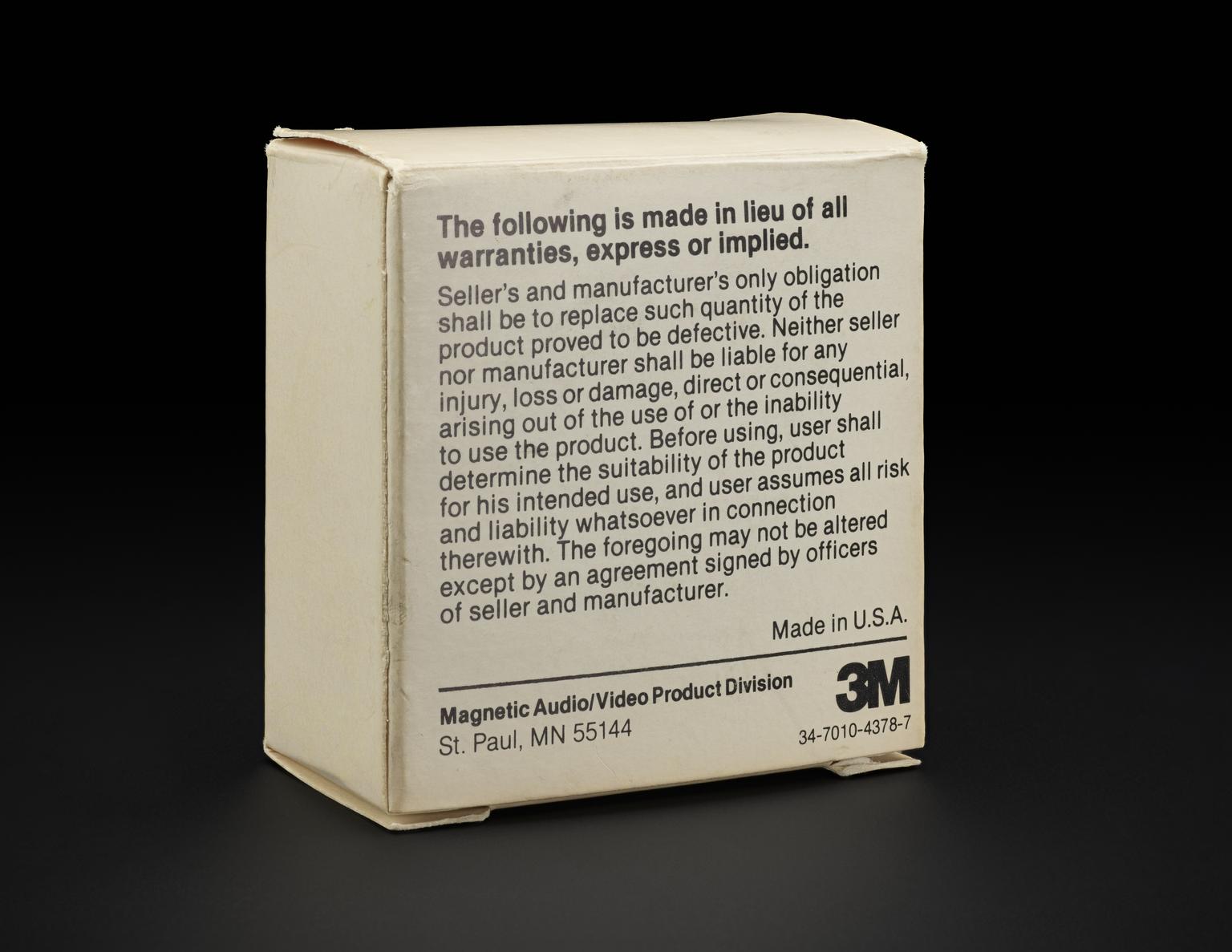
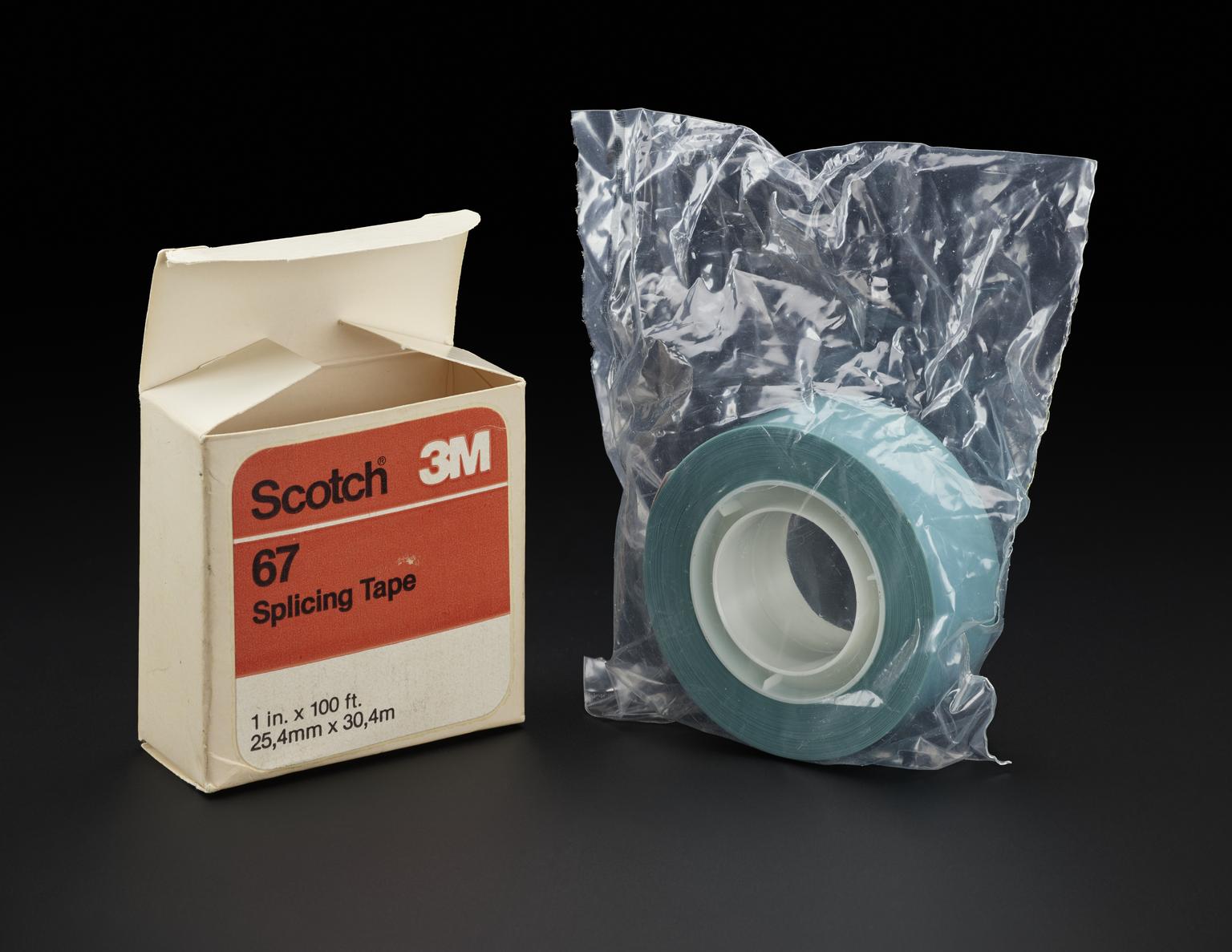
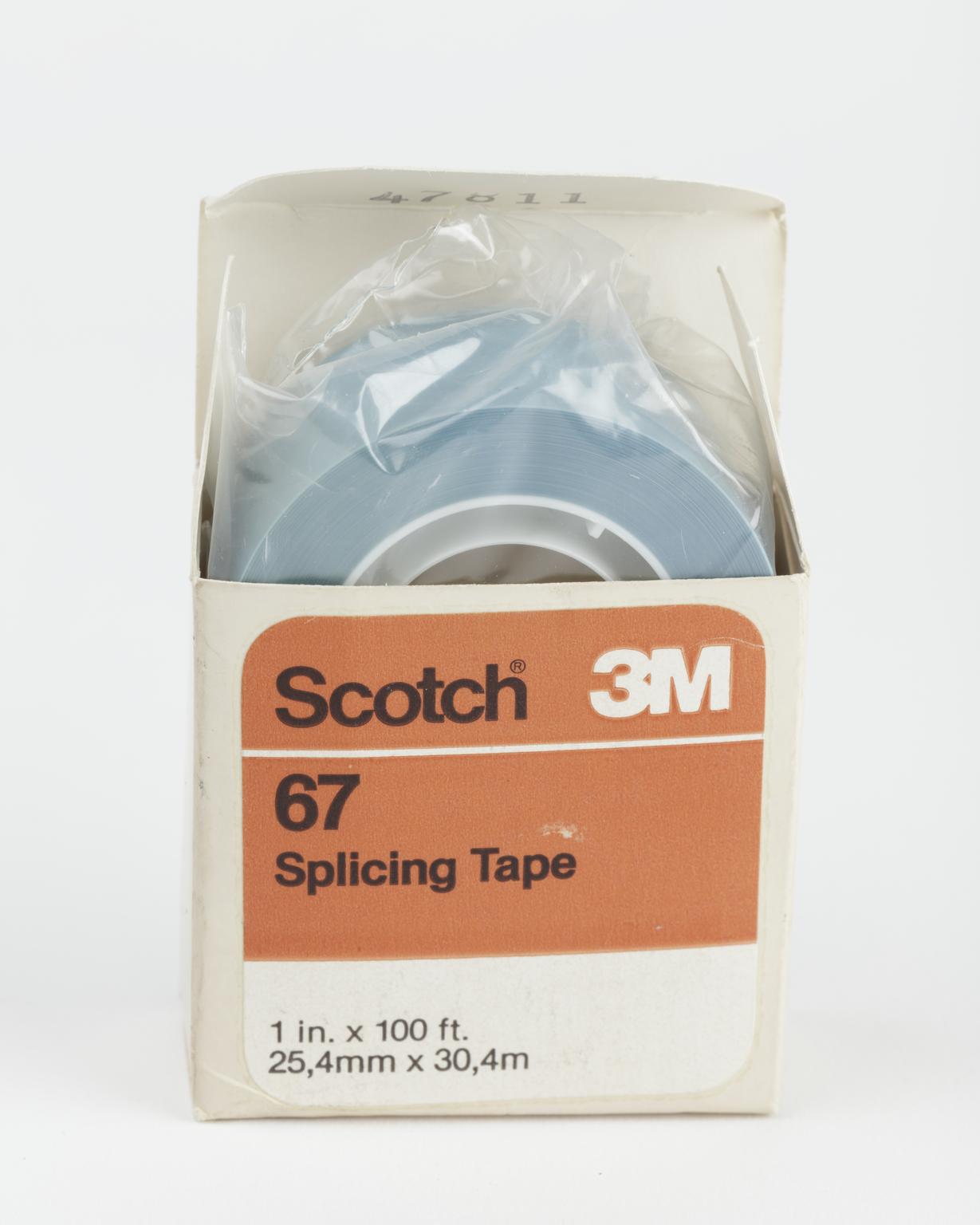
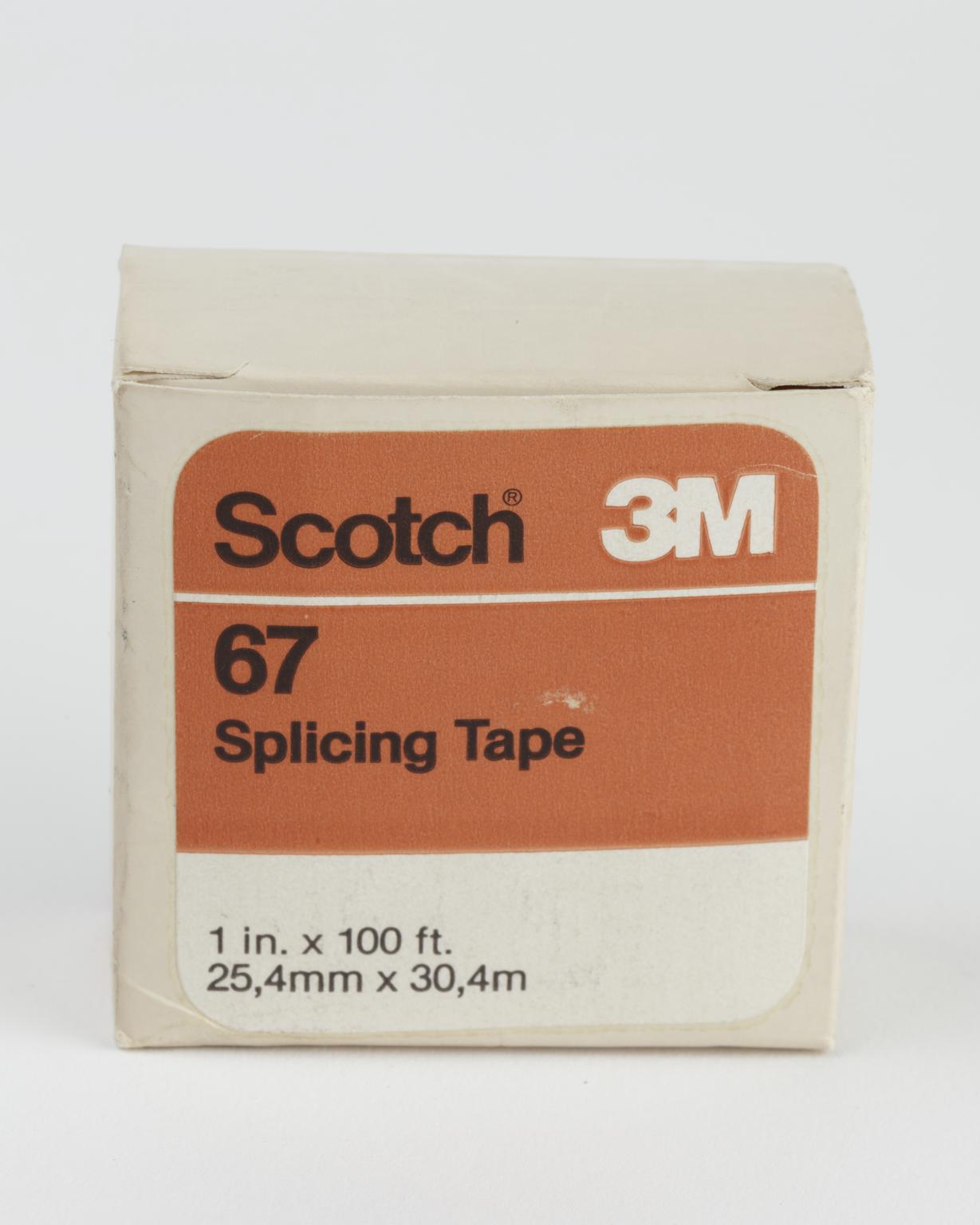
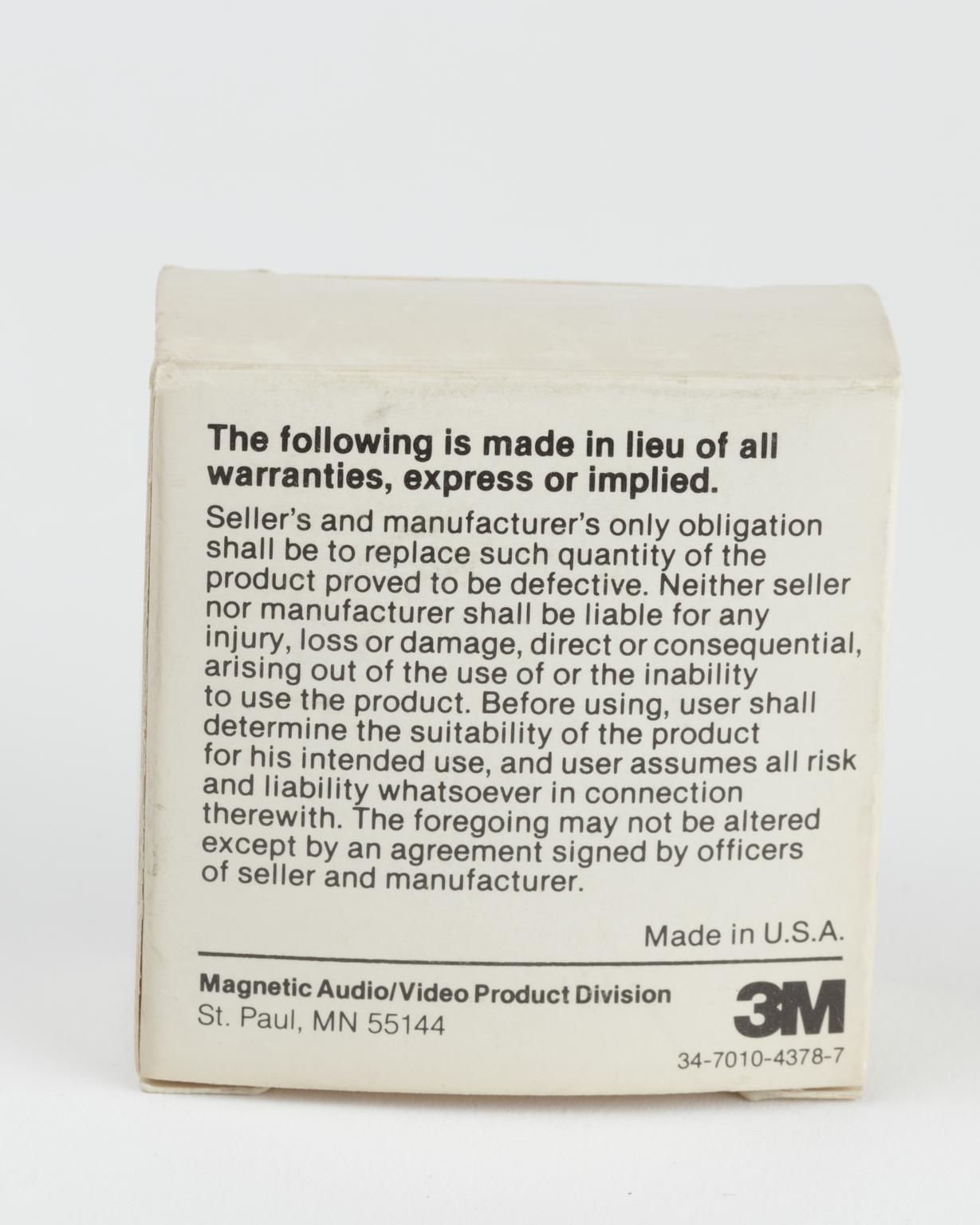
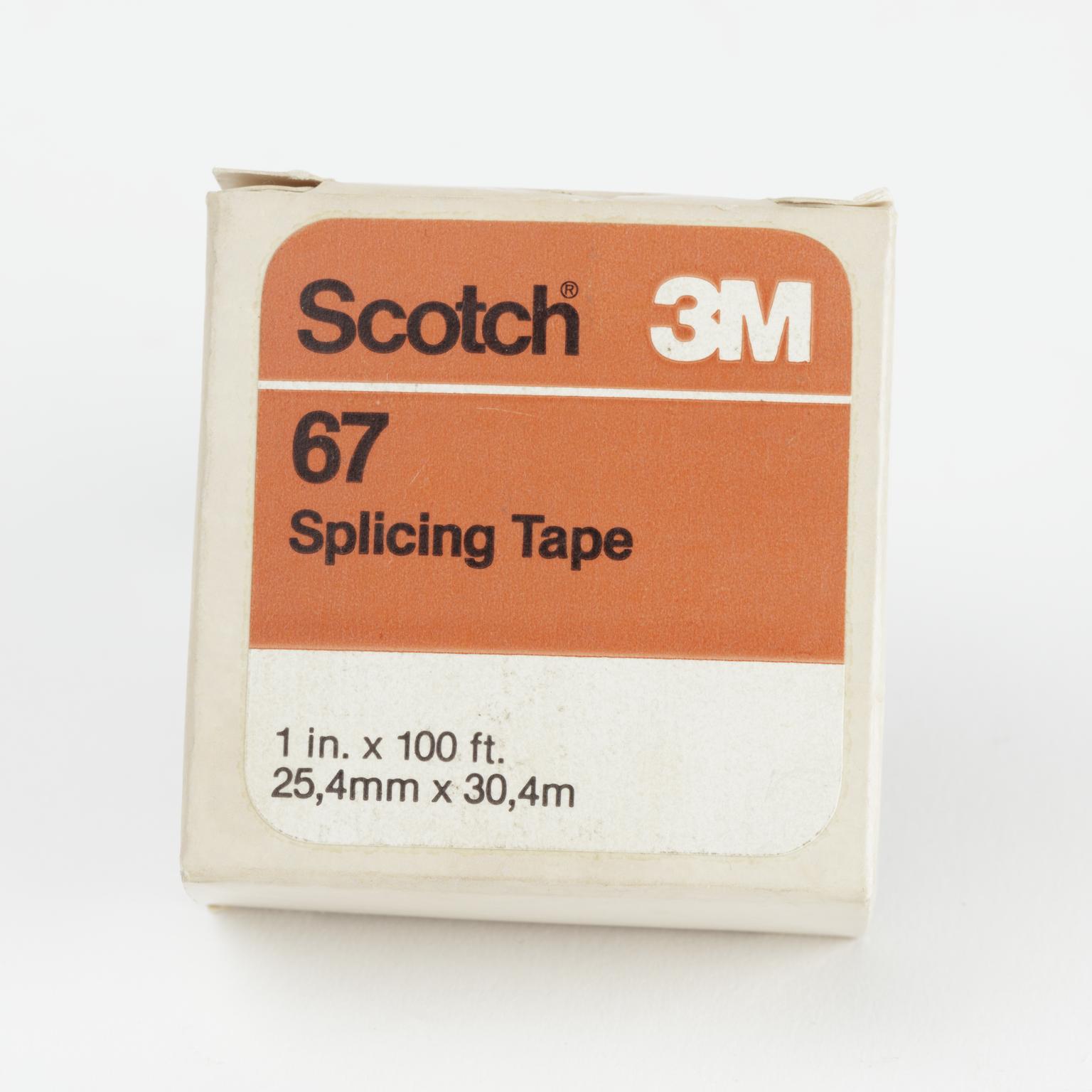
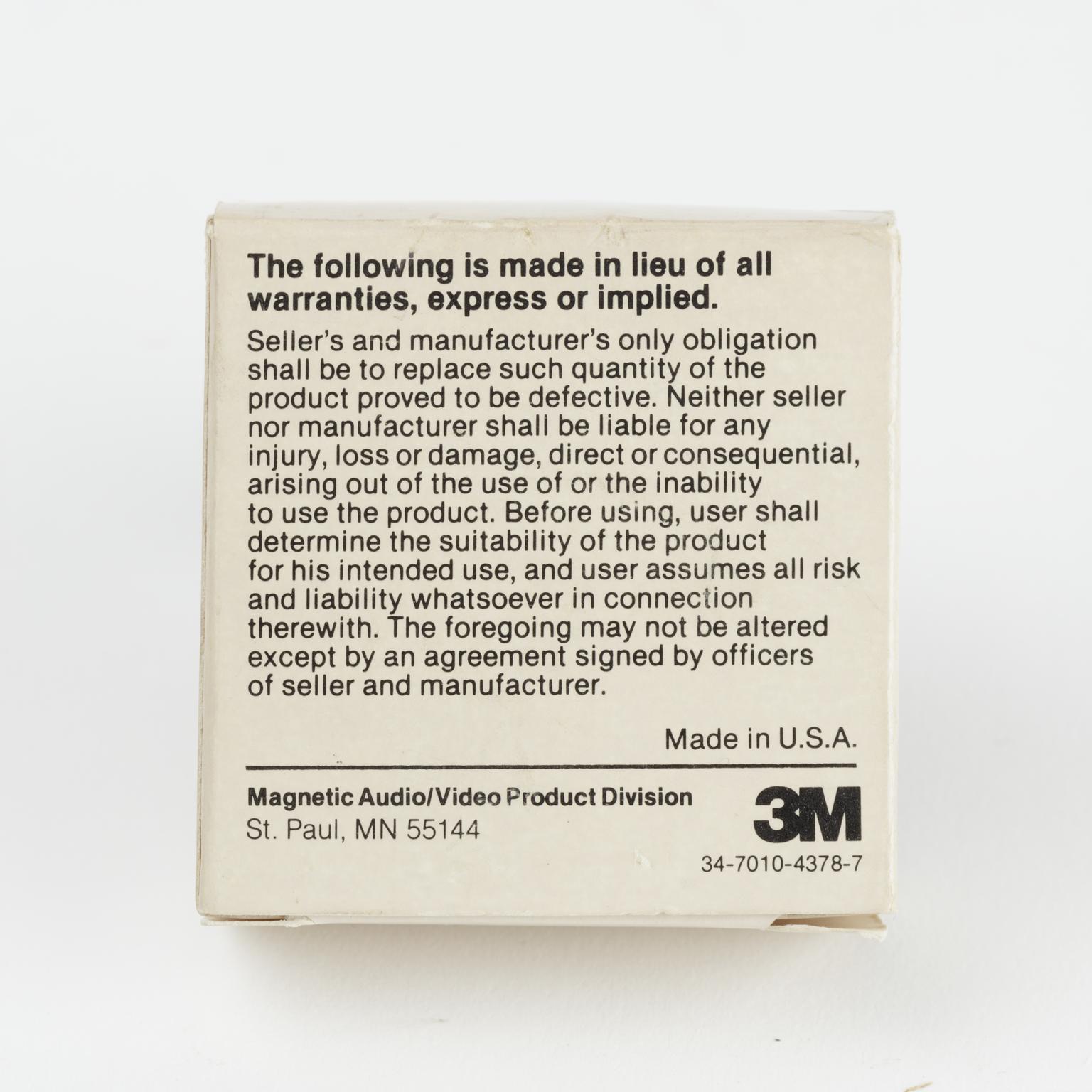
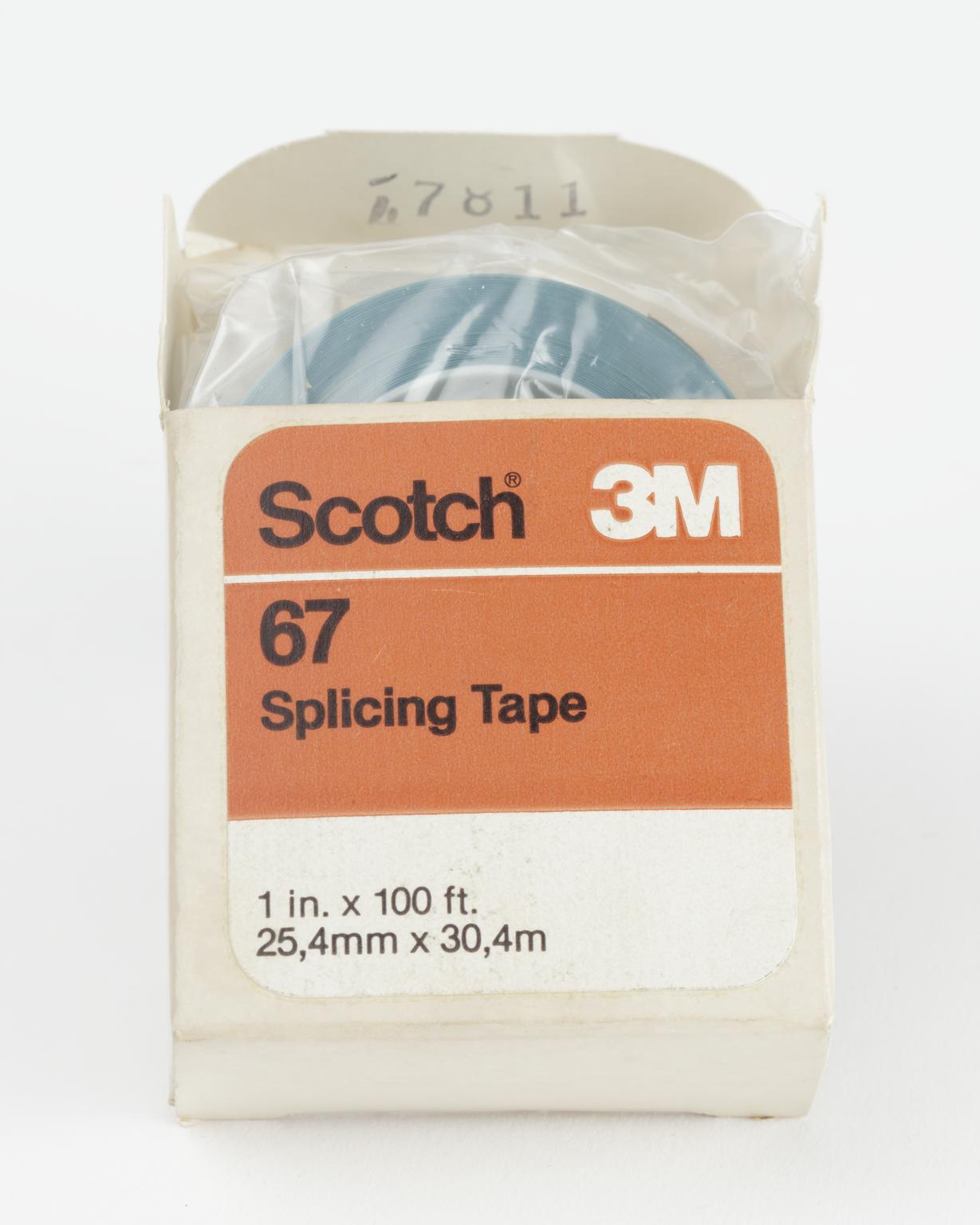
Roll of Scotch 3M 67 splicing tape, 1 in. x 100 ft., in carton, made in U.S.A.
More
Splicing tape was used to join pieces of magnetic tape to manipulate and create new sounds. A sound would be recorded onto magnetic tape, which could then be speeded up, slowed down, played backwards or have effects added, and re-recorded. The resulting tape recordings could then be cut into sections and joined with splicing tape to create new sounds. There could be hundreds of splices in just a minute or two of music, and the process could take days.
The BBC Radiophonic Workshop was one of the sound effects units of the BBC, created in 1958 to produce incidental sounds and new music for radio and, later, television. The unit is known for its experimental and pioneering work in electronic music and music technology, as well as its popular scores for programs such as Doctor Who and Quatermass and the Pit during the 1950s and 1960s.
The original Radiophonic Workshop was based in the BBC's Maida Vale Studios in Delaware Road, Maida Vale, London. The Workshop was closed in March 1998, although much of its traditional work had already been outsourced by 1995. Its members included Daphne Oram, Delia Derbyshire, David Cain, John Baker, Paddy Kingsland, Glynis Jones, Maddalena Fagandini and Richard Yeoman-Clark.
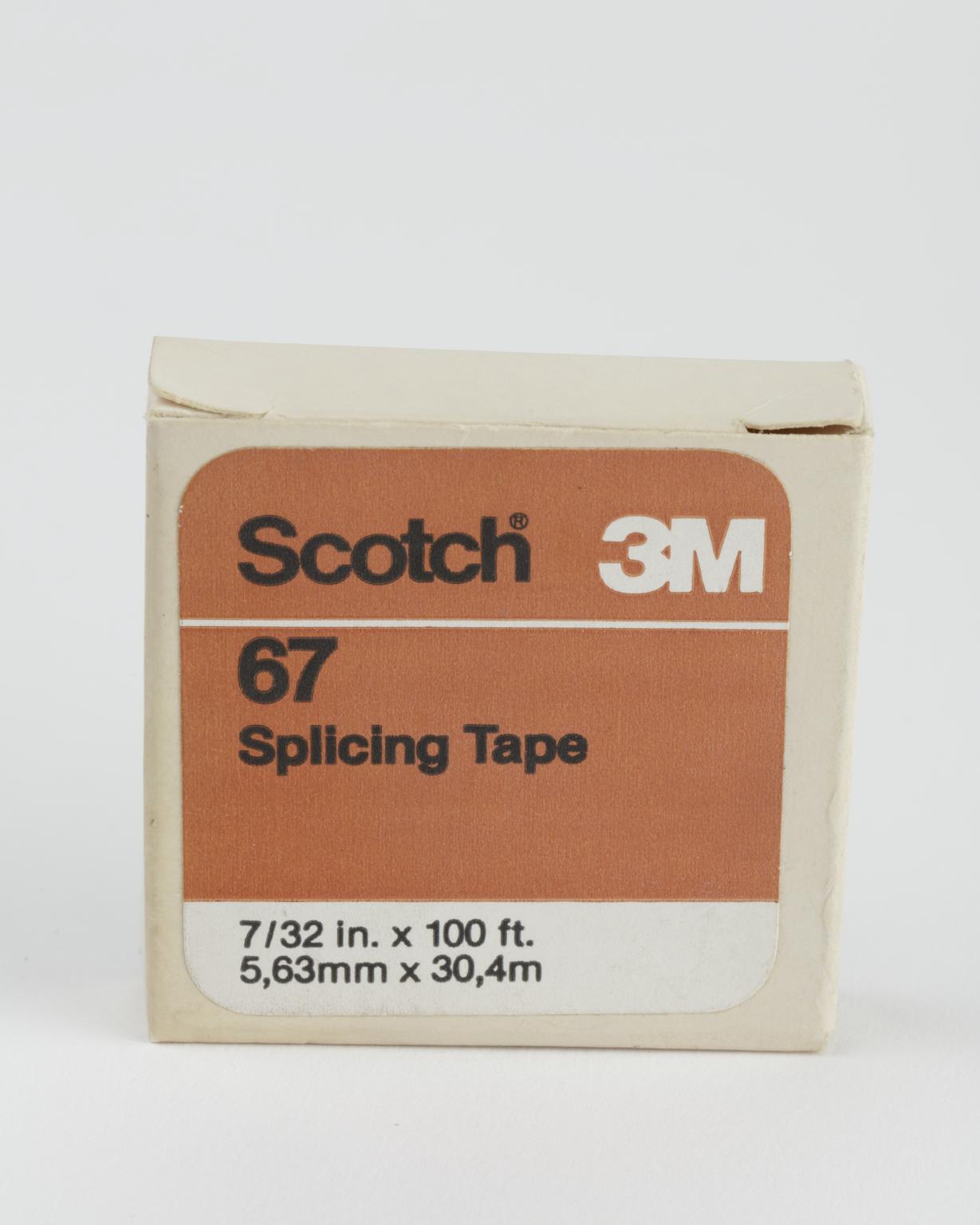
Roll of Scotch 3M 67 splicing tape, 7/32 in. x 100 ft., in carton, made in U.S.A.
More
Splicing tape was used to join pieces of magnetic tape to manipulate and create new sounds. A sound would be recorded onto magnetic tape, which could then be speeded up, slowed down, played backwards or have effects added, and re-recorded. The resulting tape recordings could then be cut into sections and joined with splicing tape to create new sounds. There could be hundreds of splices in just a minute or two of music, and the process could take days.
The BBC Radiophonic Workshop was one of the sound effects units of the BBC, created in 1958 to produce incidental sounds and new music for radio and, later, television. The unit is known for its experimental and pioneering work in electronic music and music technology, as well as its popular scores for programs such as Doctor Who and Quatermass and the Pit during the 1950s and 1960s.
The original Radiophonic Workshop was based in the BBC's Maida Vale Studios in Delaware Road, Maida Vale, London. The Workshop was closed in March 1998, although much of its traditional work had already been outsourced by 1995. Its members included Daphne Oram, Delia Derbyshire, David Cain, John Baker, Paddy Kingsland, Glynis Jones, Maddalena Fagandini and Richard Yeoman-Clark.
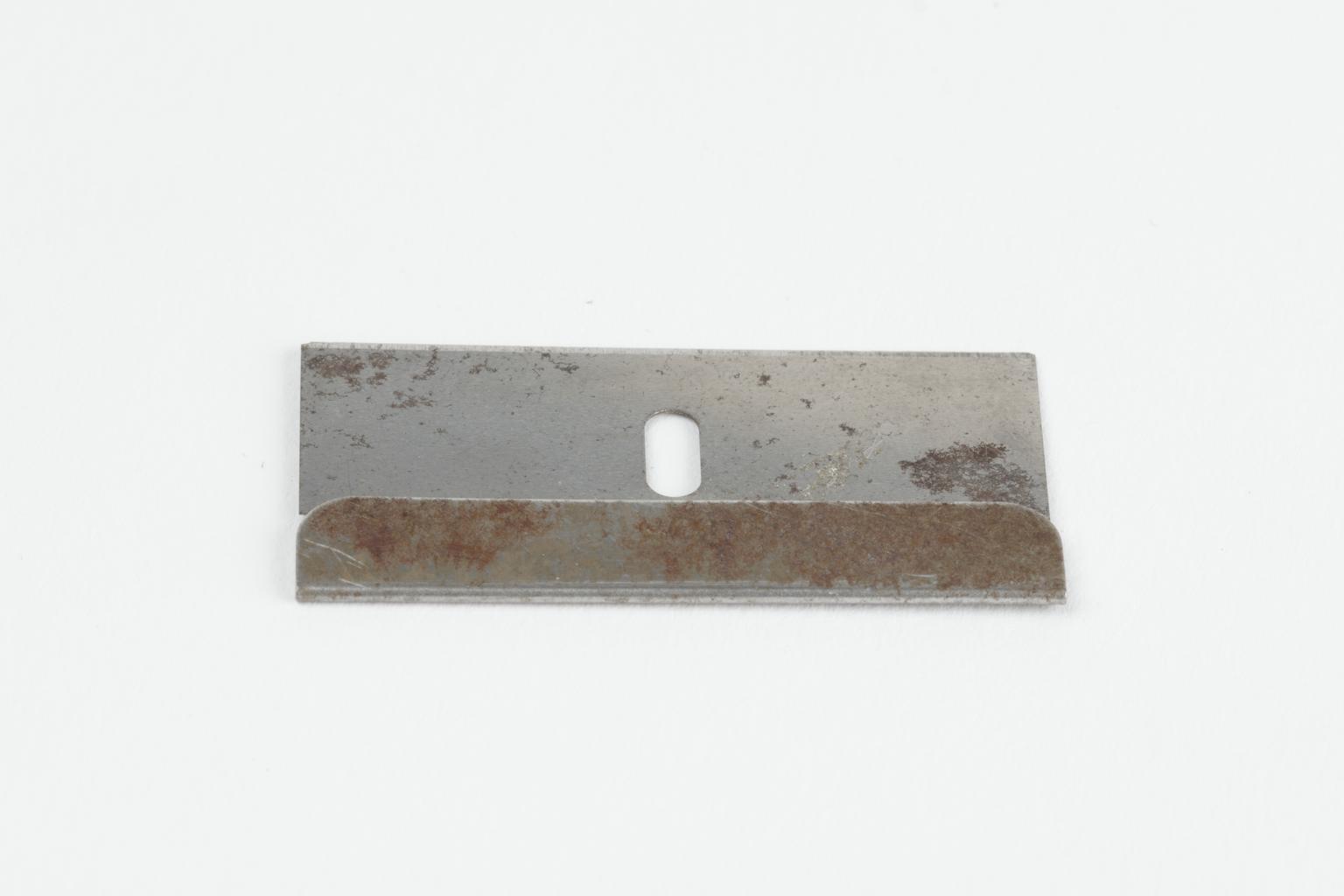
Razor blades were used at the Radiophonic Workshop to precisely cut magnetic tape, allowing accurate manipulation of sound. A sound would be recorded onto the magnetic tape, which could then be speeded up, slowed down, played backwards or have effects added, and re-recorded. The resulting tape recordings could then be cut into sections and joined with splicing tape to create new sounds. There could be hundreds of splices in just a minute or two of music, and the process could take days.
The BBC Radiophonic Workshop was one of the sound effects units of the BBC, created in 1958 to produce incidental sounds and new music for radio and, later, television. The unit is known for its experimental and pioneering work in electronic music and music technology, as well as its popular scores for programs such as Doctor Who and Quatermass and the Pit during the 1950s and 1960s.
The original Radiophonic Workshop was based in the BBC's Maida Vale Studios in Delaware Road, Maida Vale, London. The Workshop was closed in March 1998, although much of its traditional work had already been outsourced by 1995. Its members included Daphne Oram, Delia Derbyshire, David Cain, John Baker, Paddy Kingsland, Glynis Jones, Maddalena Fagandini and Richard Yeoman-Clark.
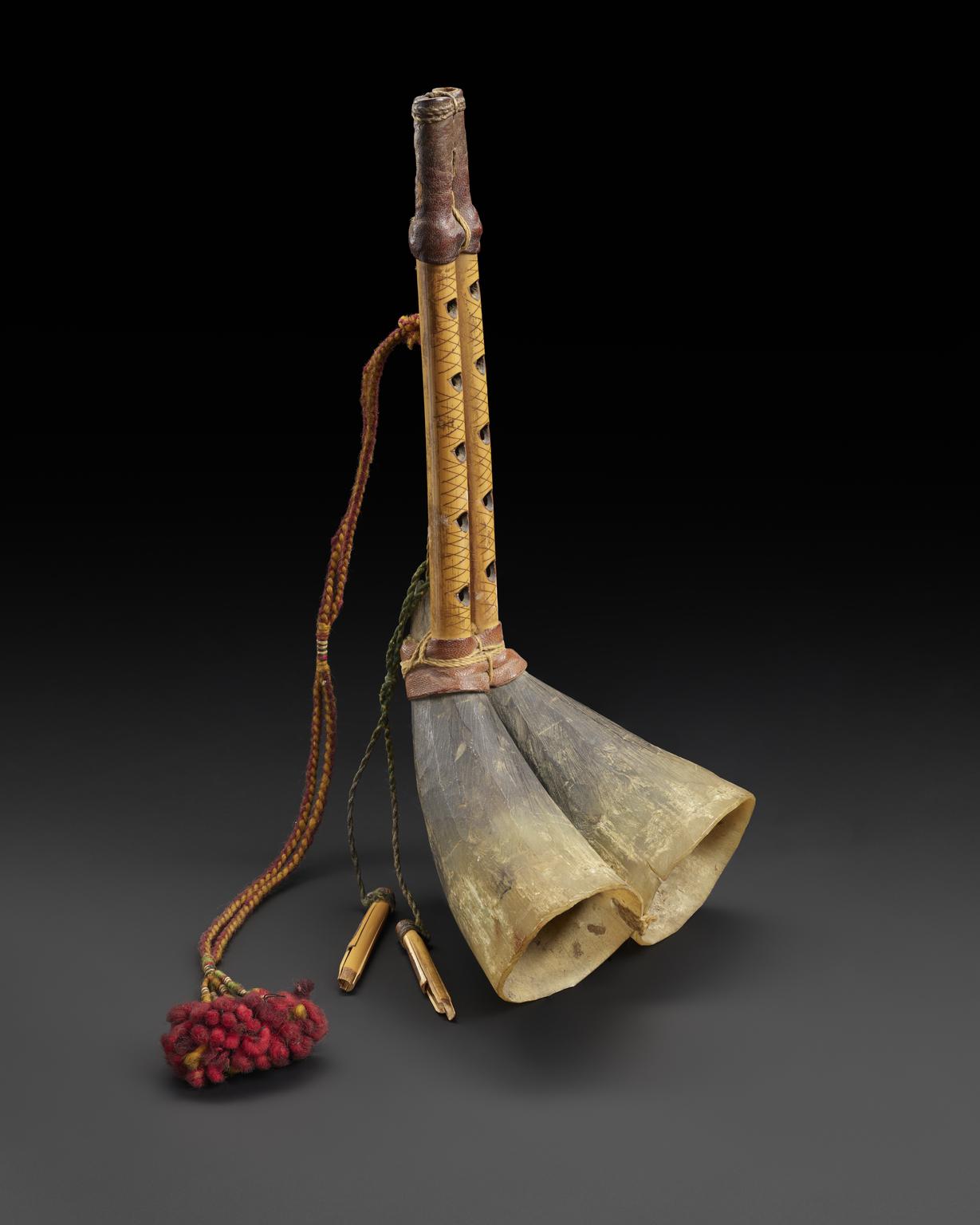
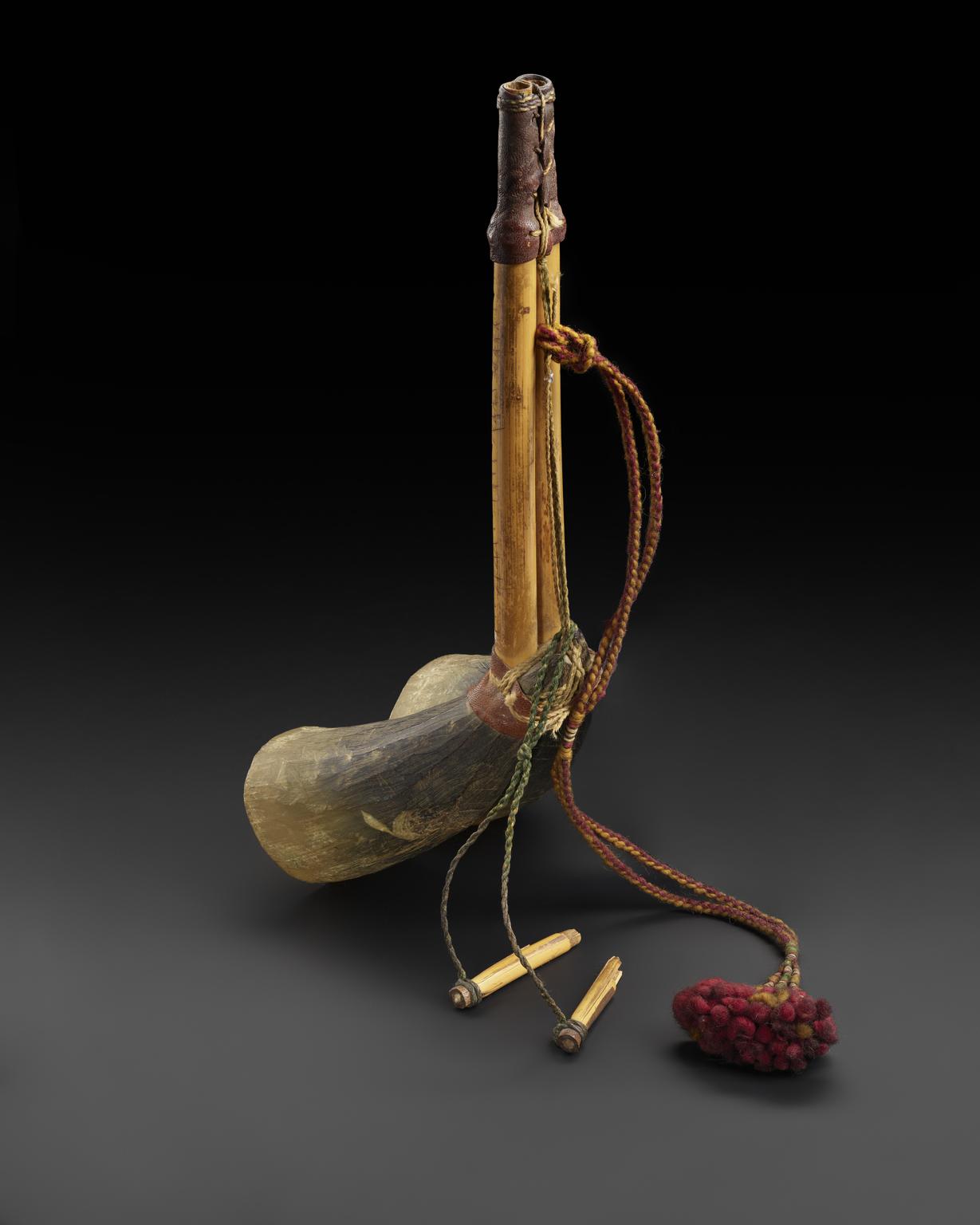
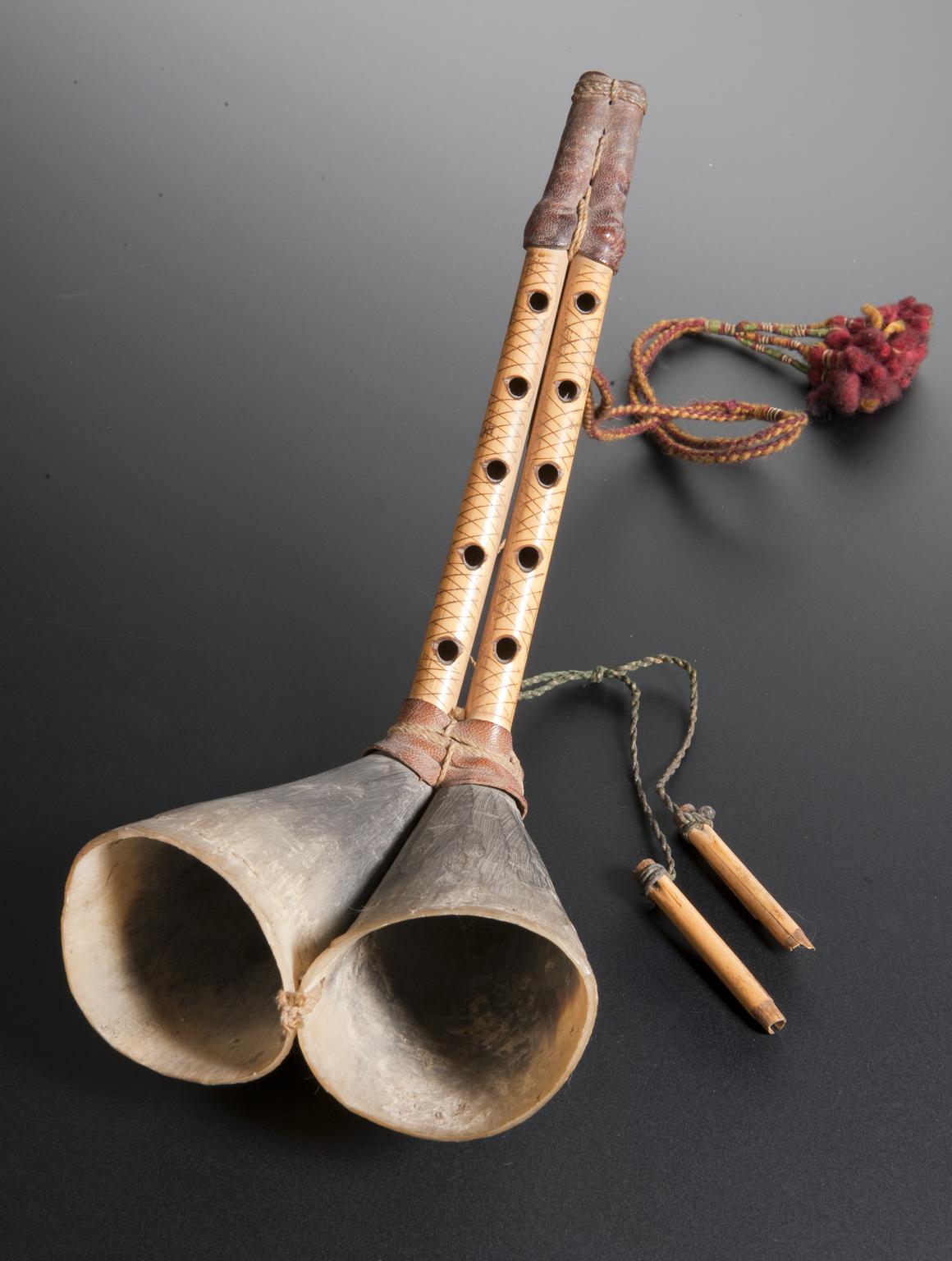
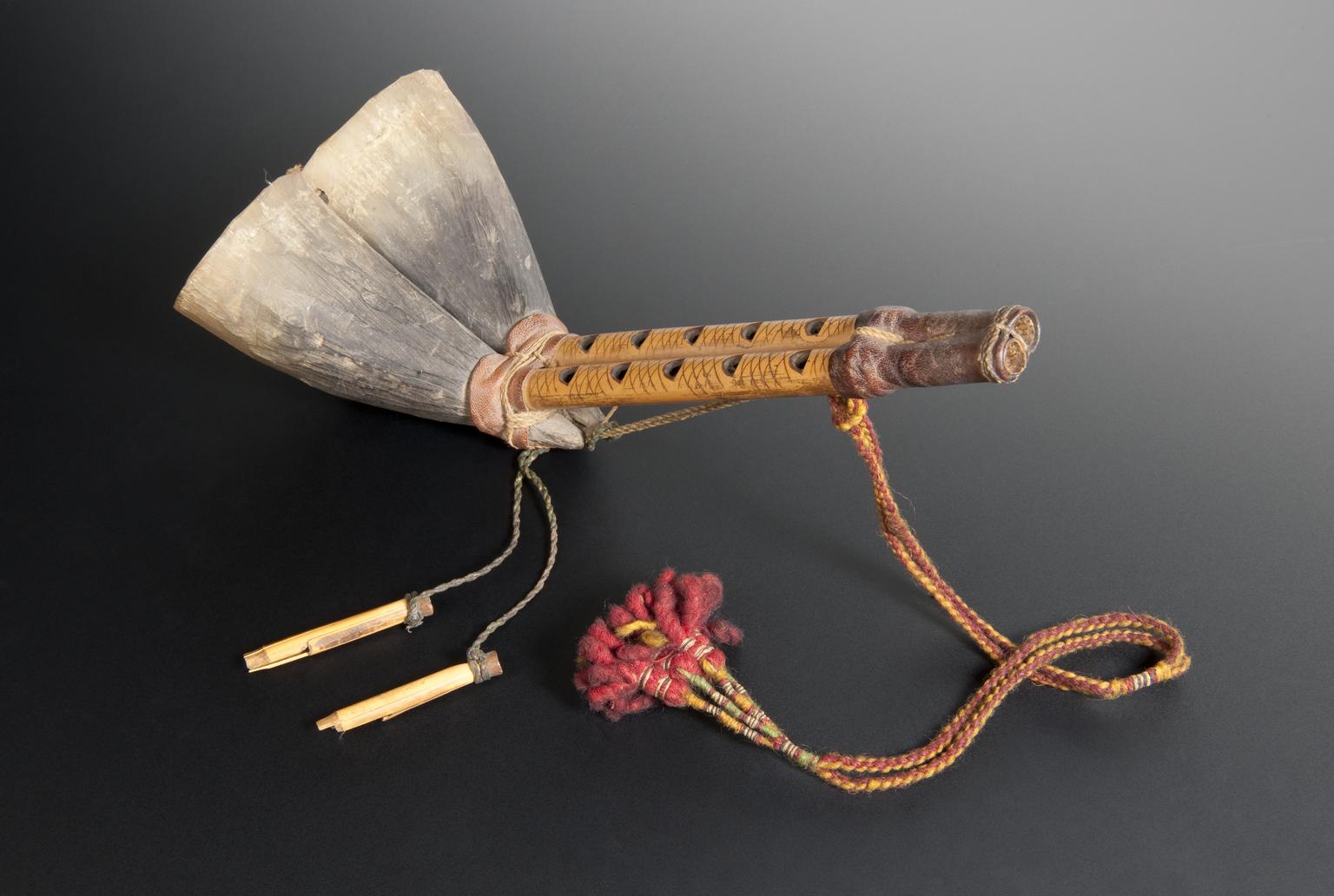
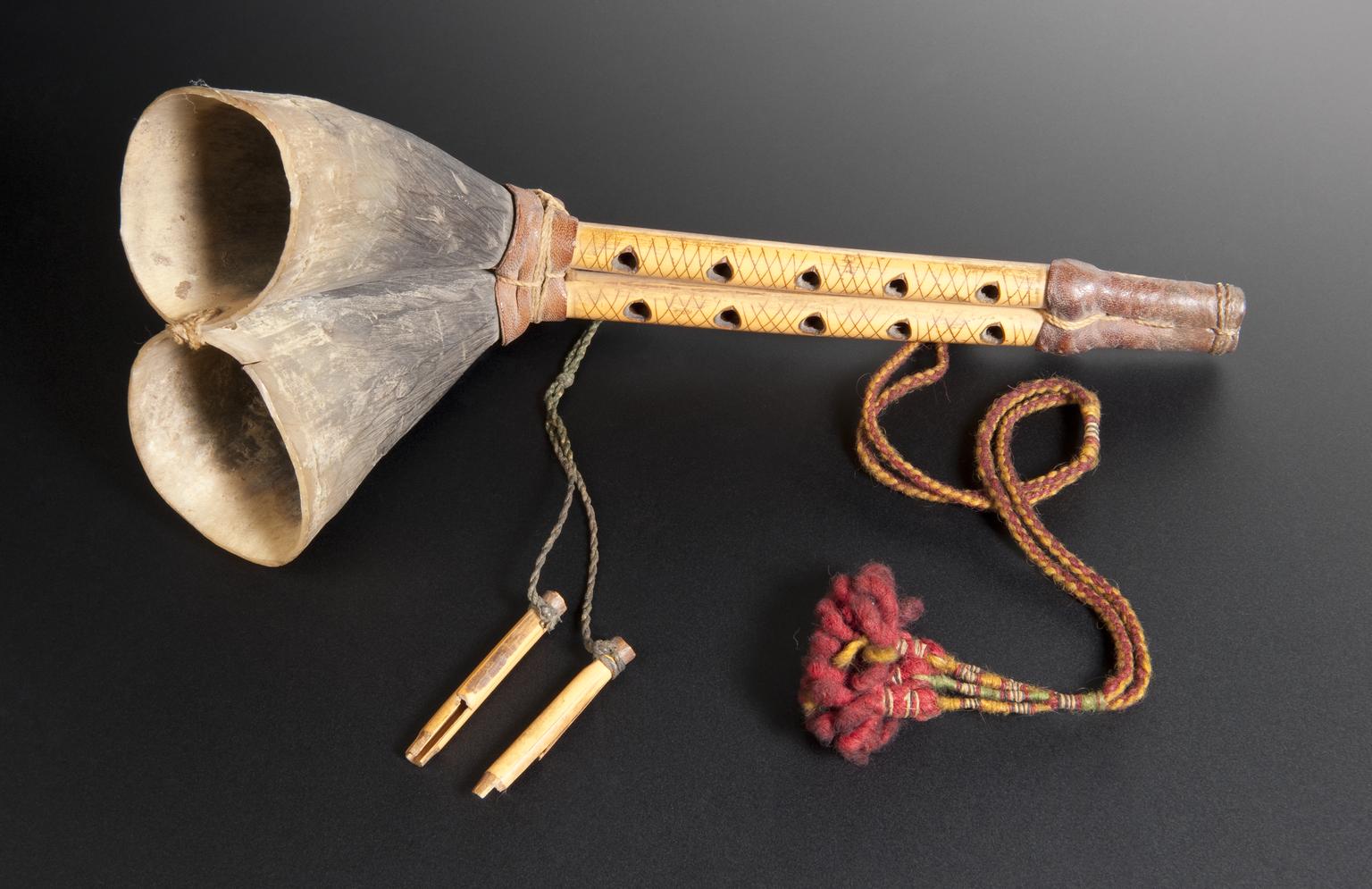
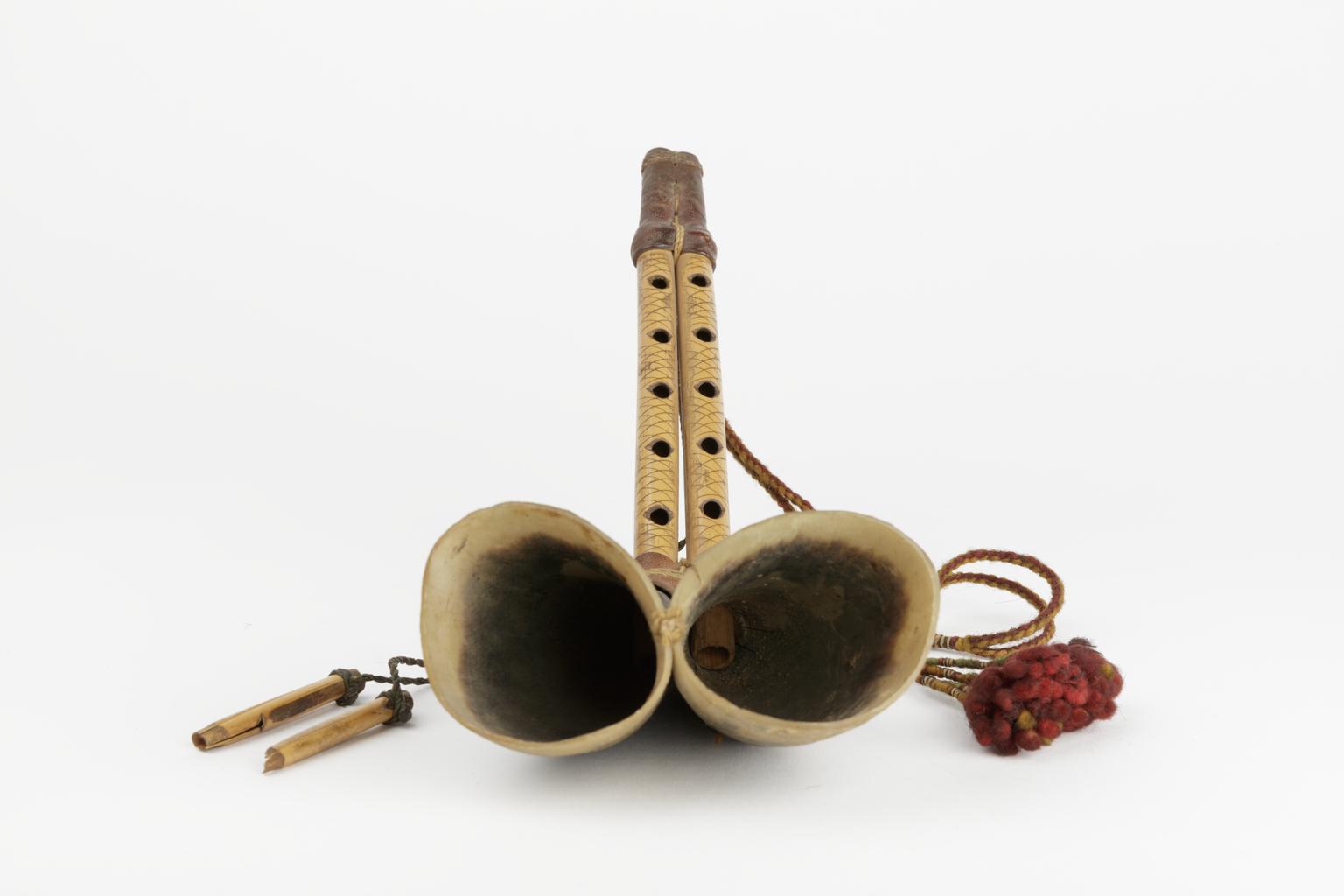
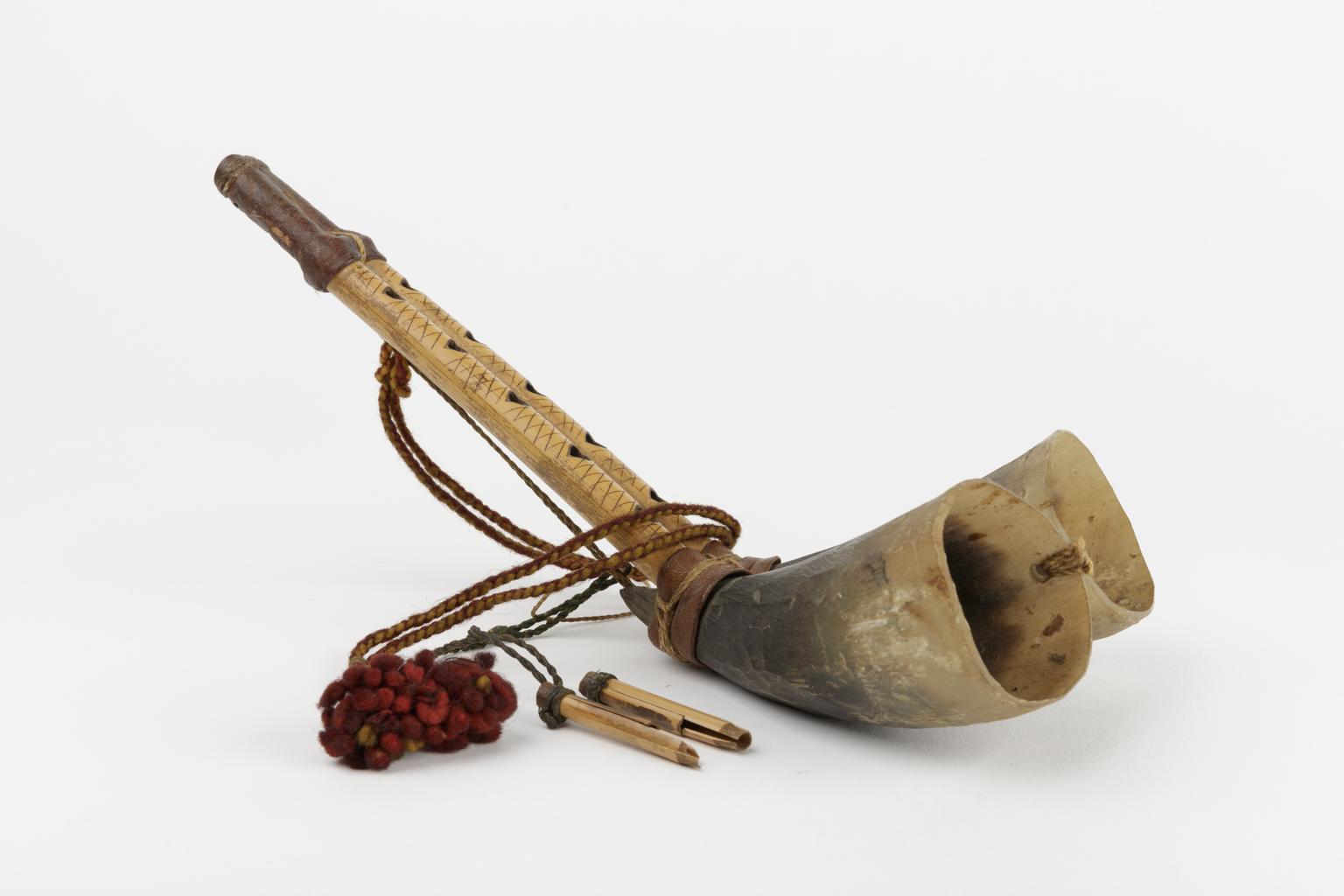
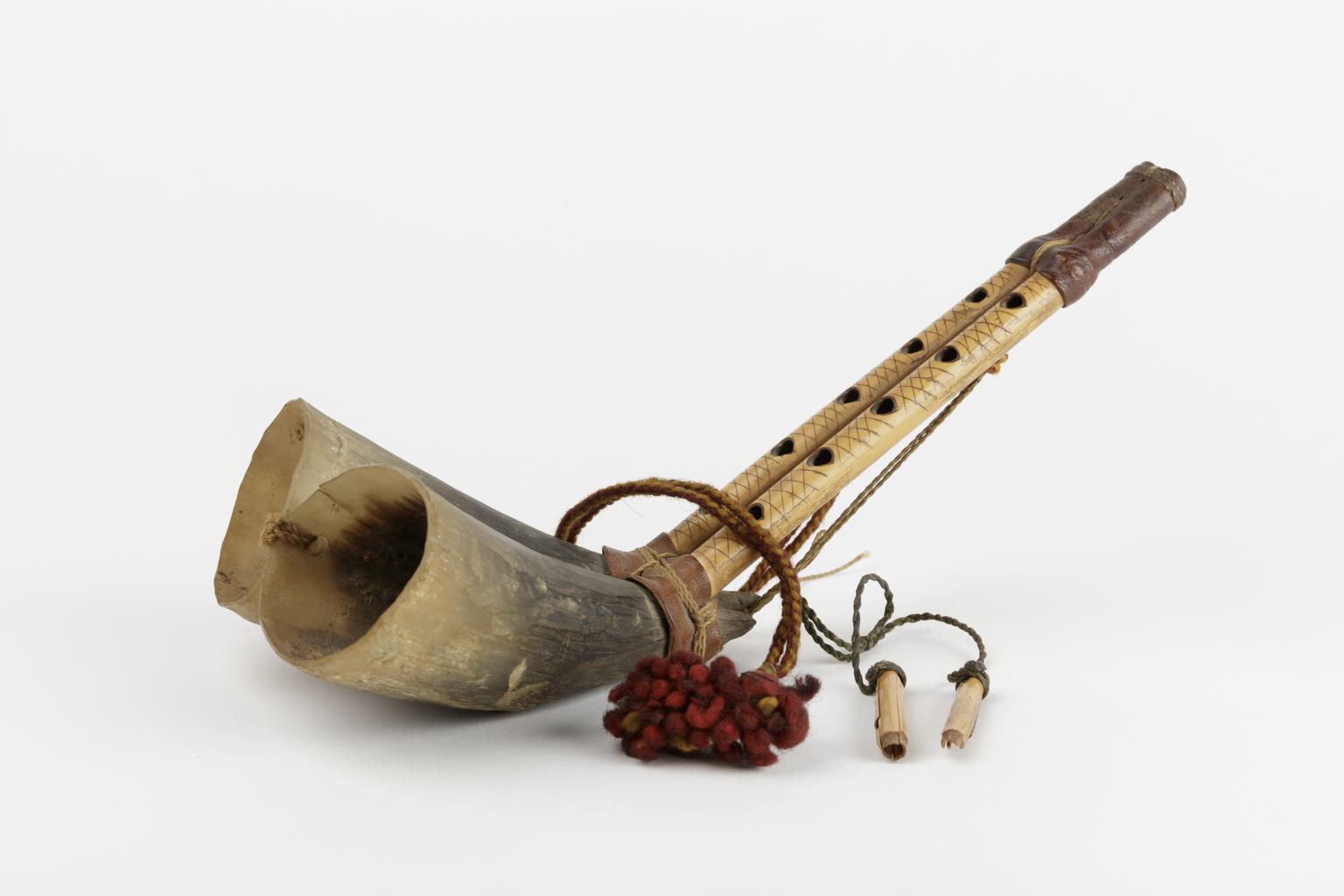
Mijwiz musical instrument used in BBC Radiophonic Workshop
Mijwiz, twin reed musical instrument.
More
This musical instrument is part of the objects and instruments used by BBC’s pioneer music studio, the Radiophonic Workshop which operated between 1958 to 1998. Known for creating strange new sounds by using synthesizers, manipulating sound, and using everyday objects, the Radiophonic Workshop created over 100 musical pieces, with Doctor Who’s theme by Delia Derbyshire being their most famous one. Due to their constrained budget, they used all sorts of objects to make their soundscapes from more traditional ones like tambourines and bells, to chopsticks, lamps, and metal spirals.
The BBC Radiophonic Workshop was one of the sound effects units of the BBC, created in 1958 to produce incidental sounds and new music for radio and, later, television. The unit is known for its experimental and pioneering work in electronic music and music technology, as well as its popular scores for programs such as Doctor Who and Quatermass and the Pit during the 1950s and 1960s.
The original Radiophonic Workshop was based in the BBC's Maida Vale Studios in Delaware Road, Maida Vale, London. The Workshop was closed in March 1998, although much of its traditional work had already been outsourced by 1995. Its members included Daphne Oram, Delia Derbyshire, David Cain, John Baker, Paddy Kingsland, Glynis Jones, Maddalena Fagandini and Richard Yeoman-Clark.
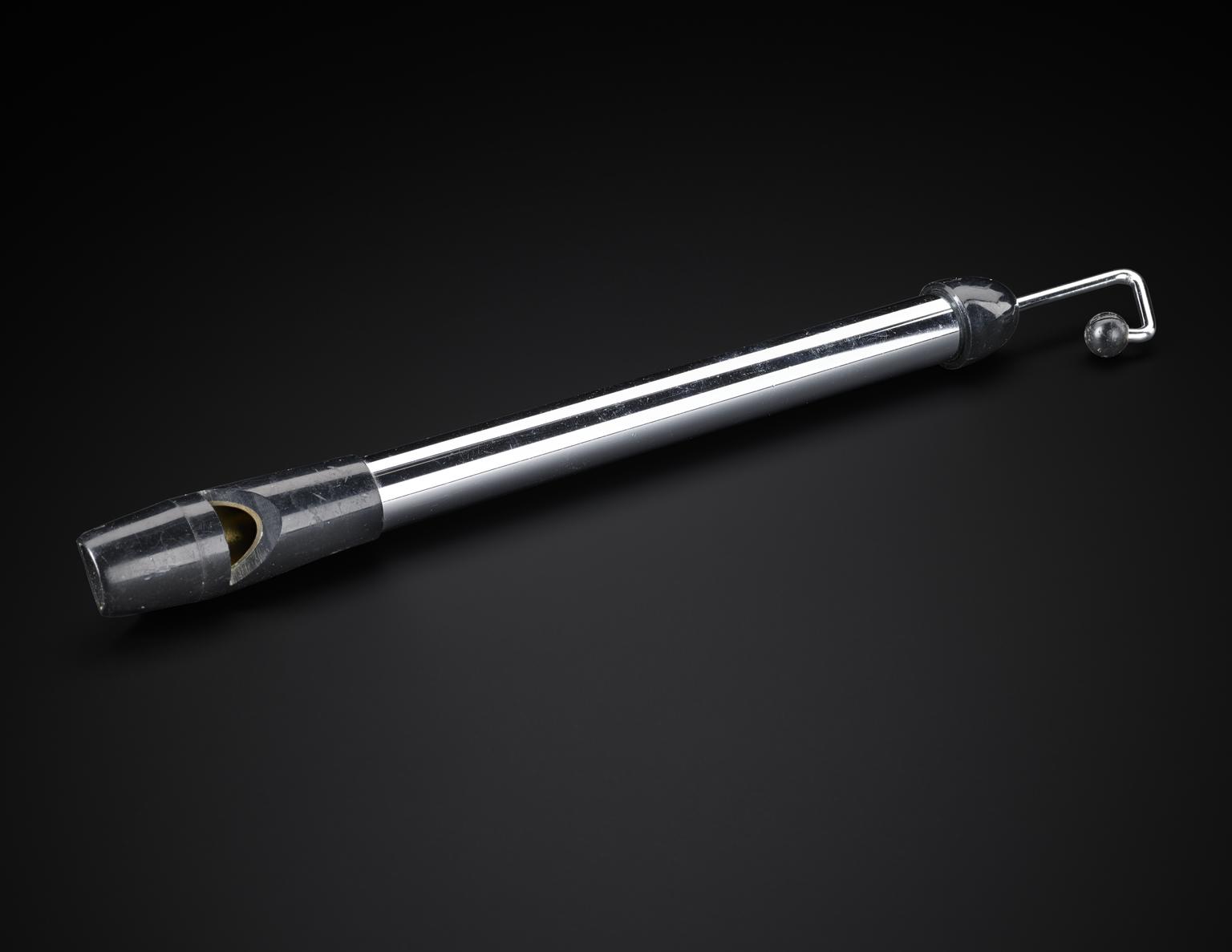
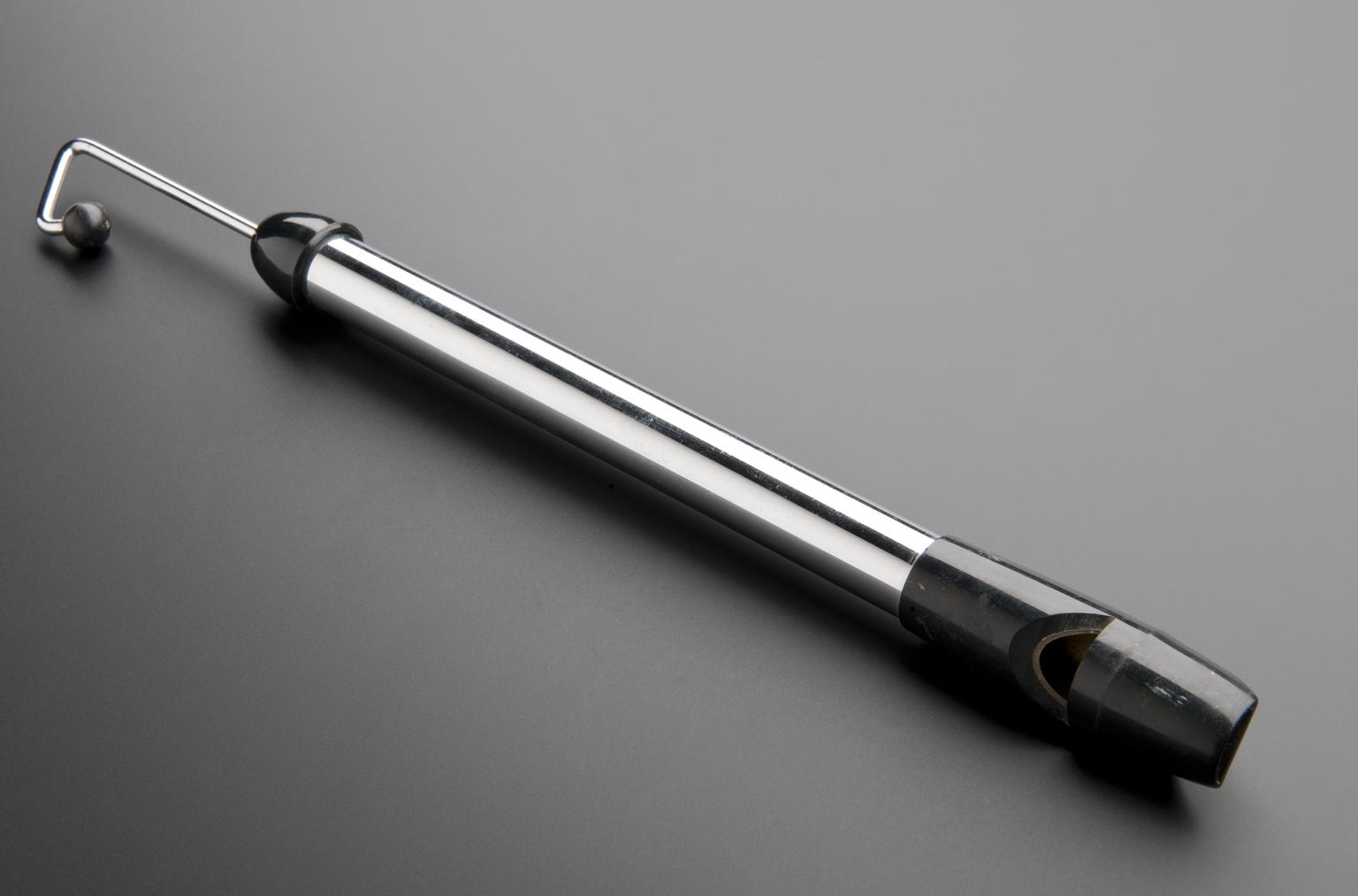
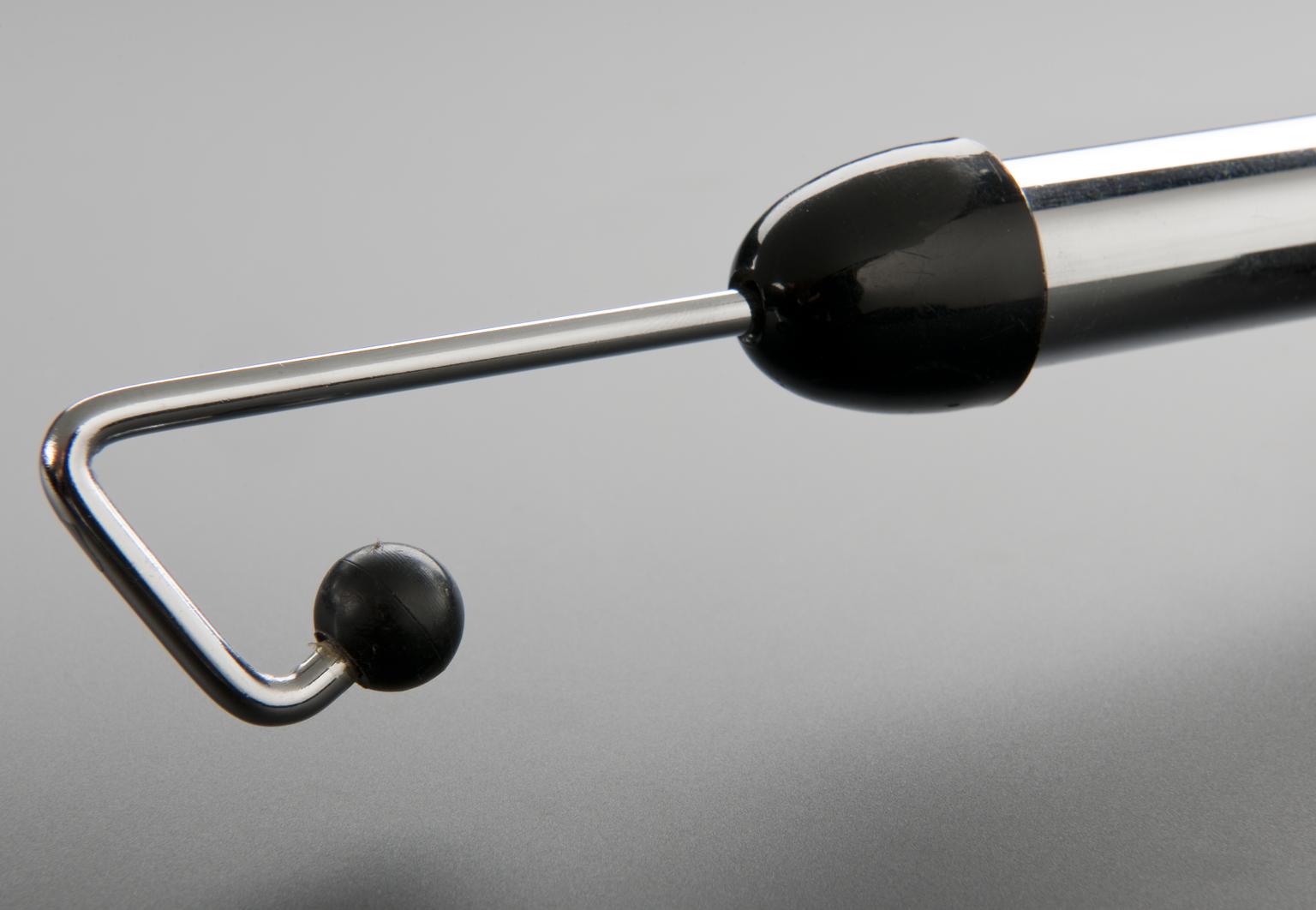
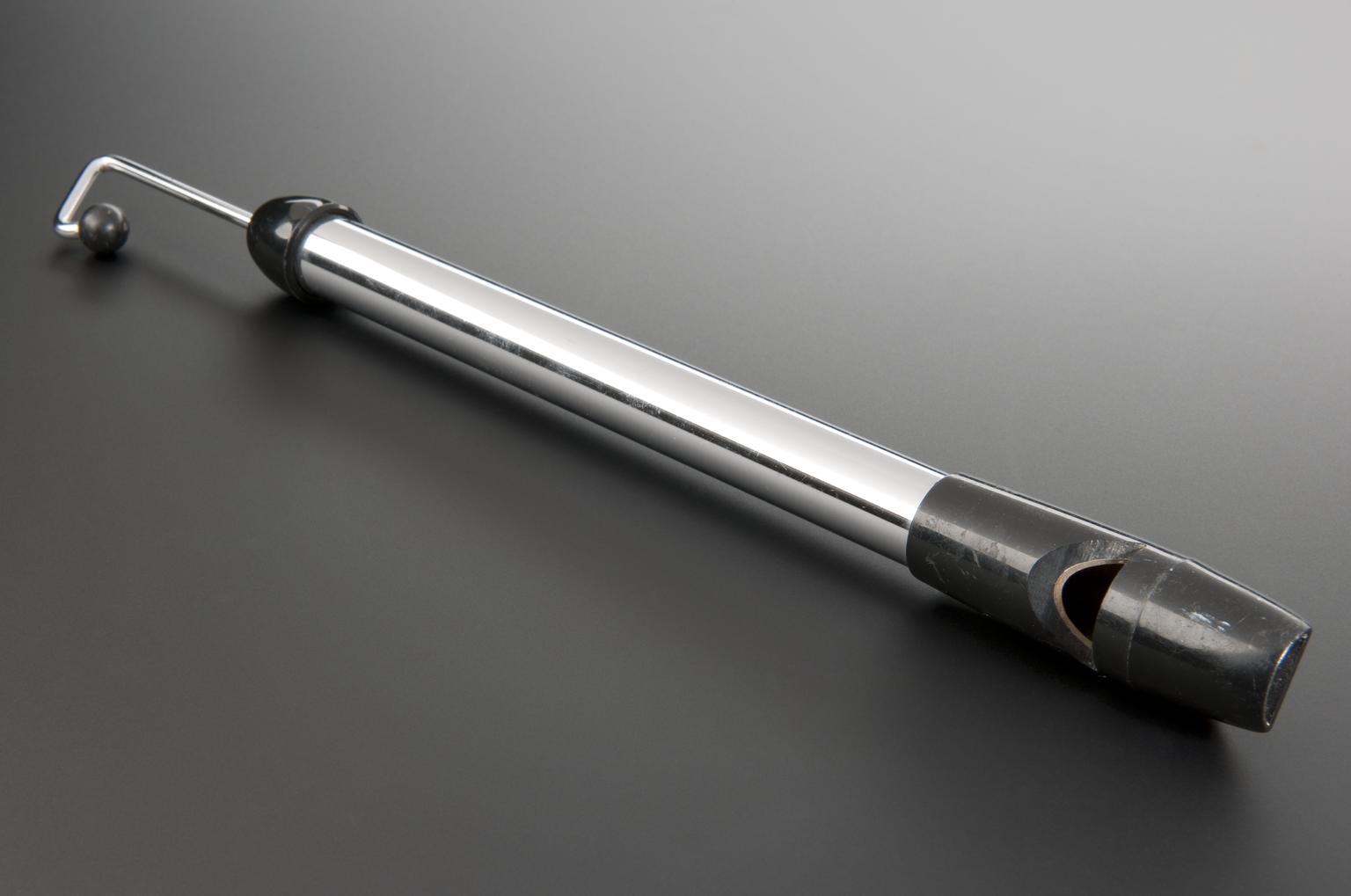
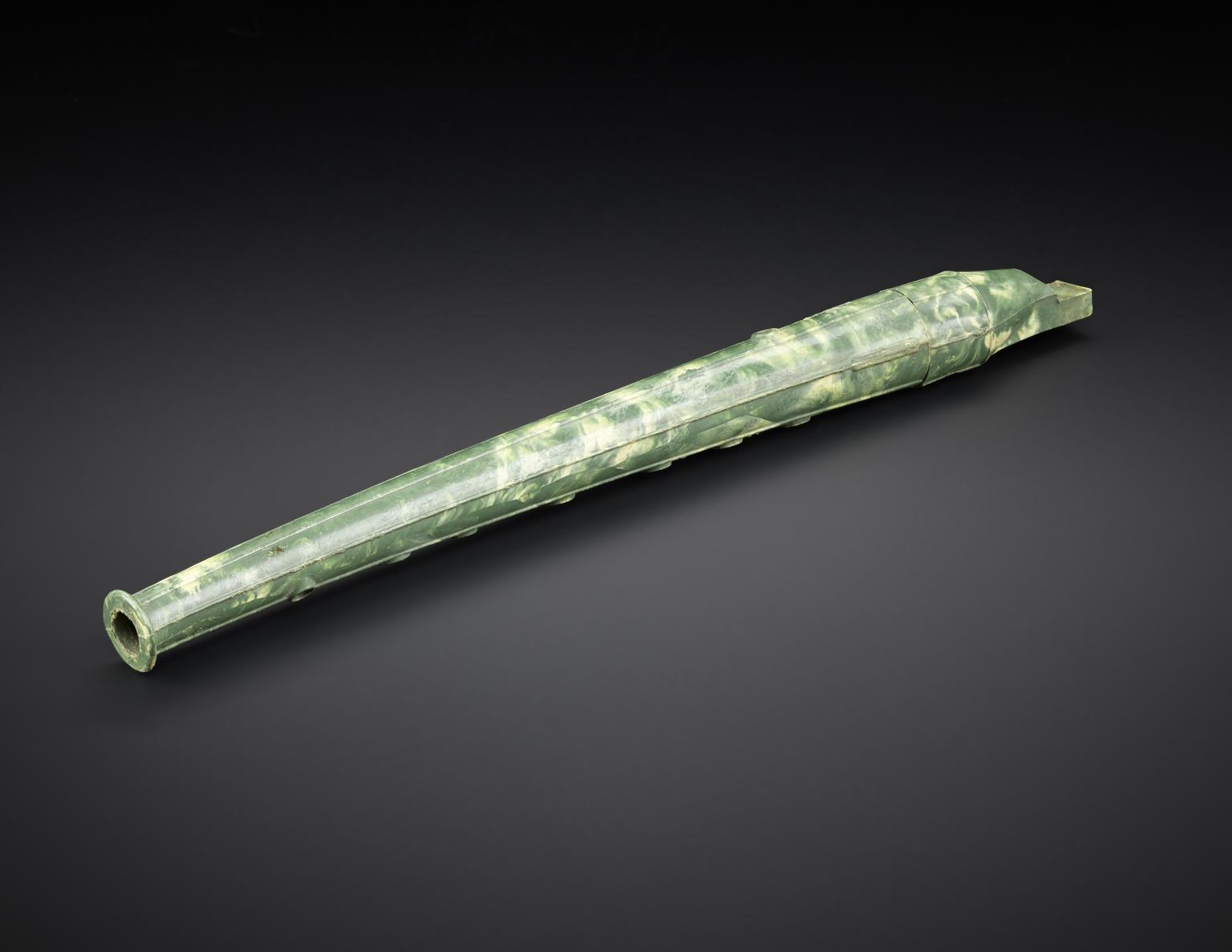
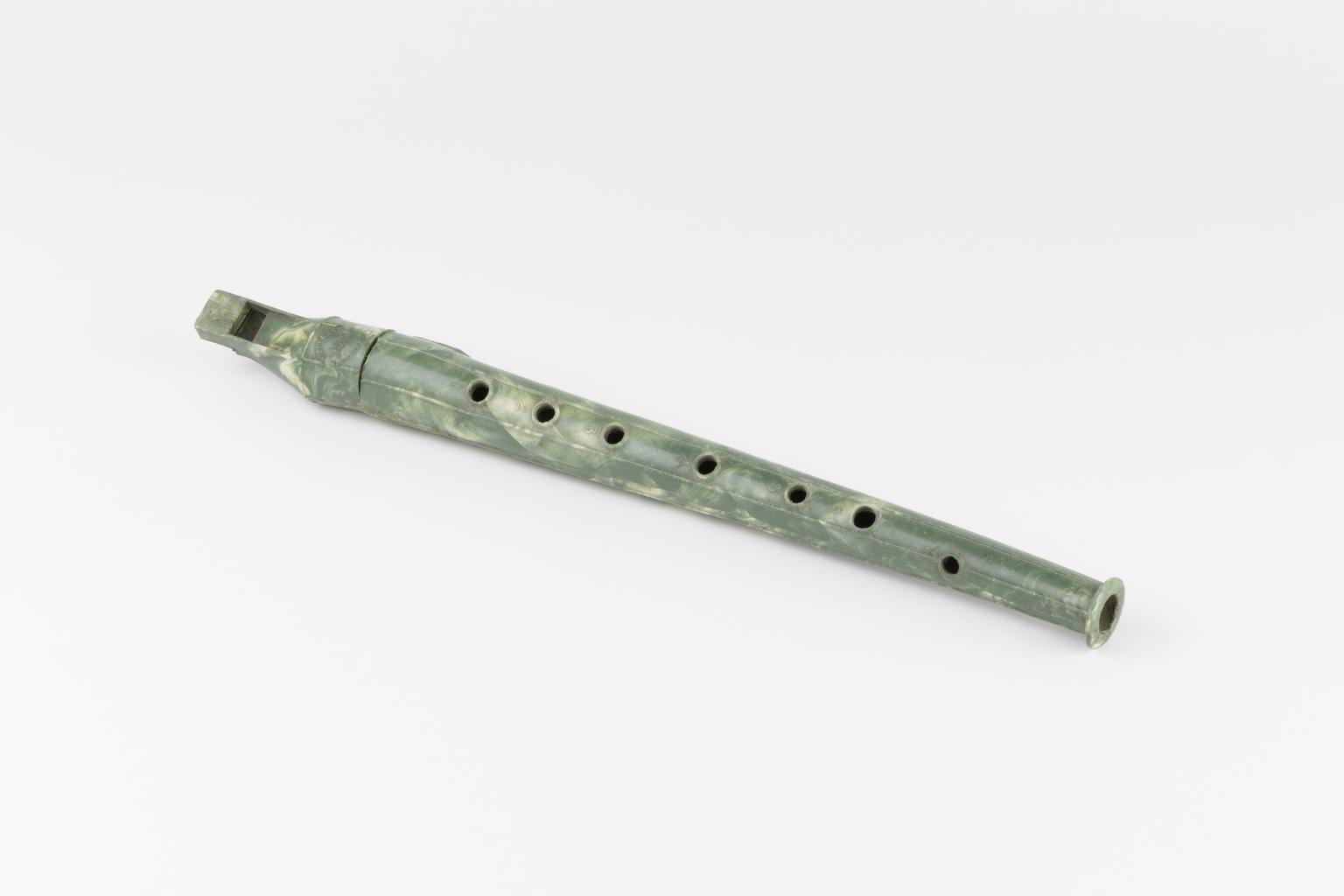
Plastic Swanee Whistle from the BBC's Radiophonic Workshop.
More
This item is part of the objects and instruments used by BBC’s pioneer music studio, the Radiophonic Workshop which operated between 1958 to 1998. Known for creating strange new sounds by using synthesizers, manipulating sound, and using everyday objects, the Radiophonic Workshop created over 100 musical pieces, with Doctor Who’s theme by Delia Derbyshire being their most famous one. Due to their constrained budget, they used all sorts of objects to make their soundscapes from more traditional ones like tambourines and bells, to chopsticks, lamps, and metal spirals.
The BBC Radiophonic Workshop was one of the sound effects units of the BBC, created in 1958 to produce incidental sounds and new music for radio and, later, television. The unit is known for its experimental and pioneering work in electronic music and music technology, as well as its popular scores for programs such as Doctor Who and Quatermass and the Pit during the 1950s and 1960s.
The original Radiophonic Workshop was based in the BBC's Maida Vale Studios in Delaware Road, Maida Vale, London. The Workshop was closed in March 1998, although much of its traditional work had already been outsourced by 1995. Its members included Daphne Oram, Delia Derbyshire, David Cain, John Baker, Paddy Kingsland, Glynis Jones, Maddalena Fagandini and Richard Yeoman-Clark.
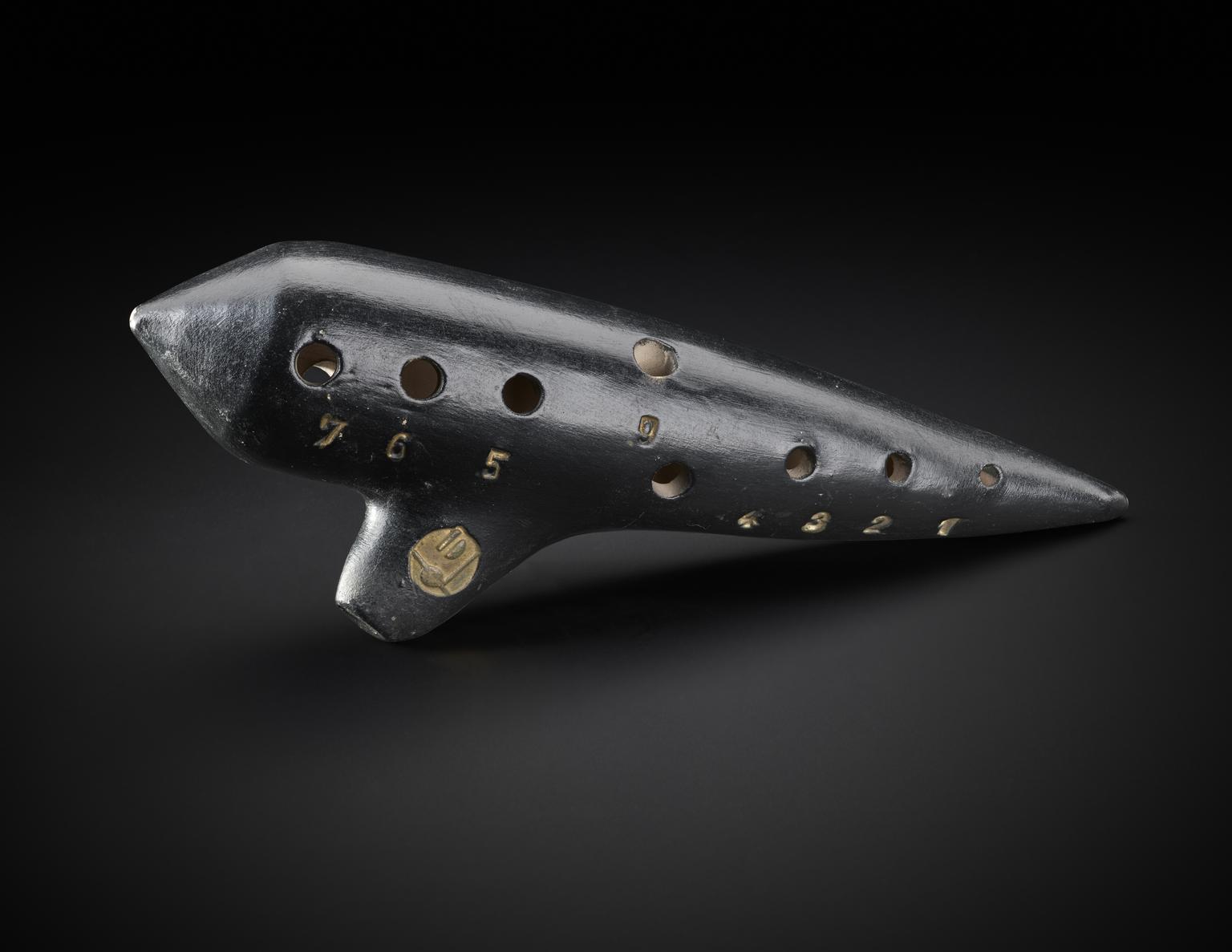
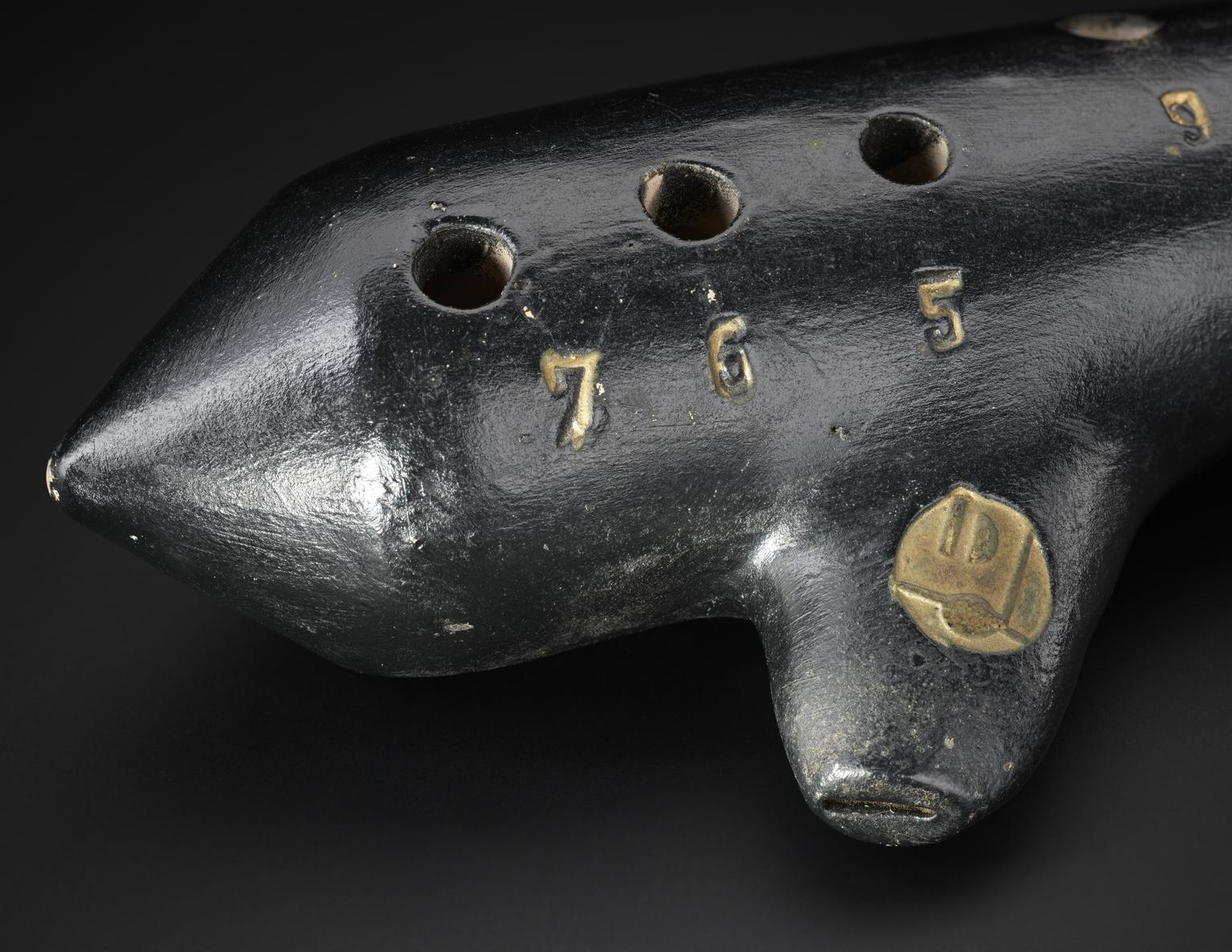
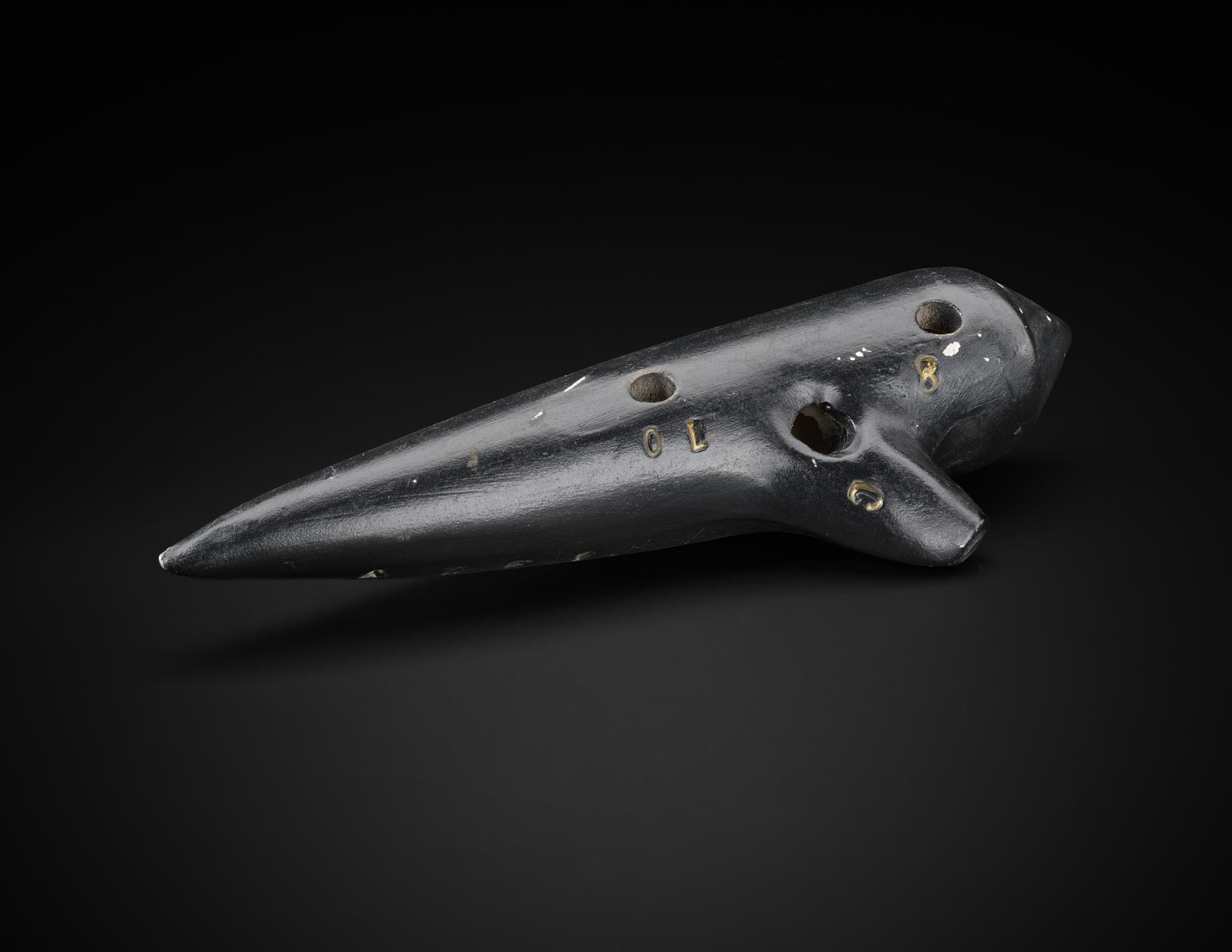
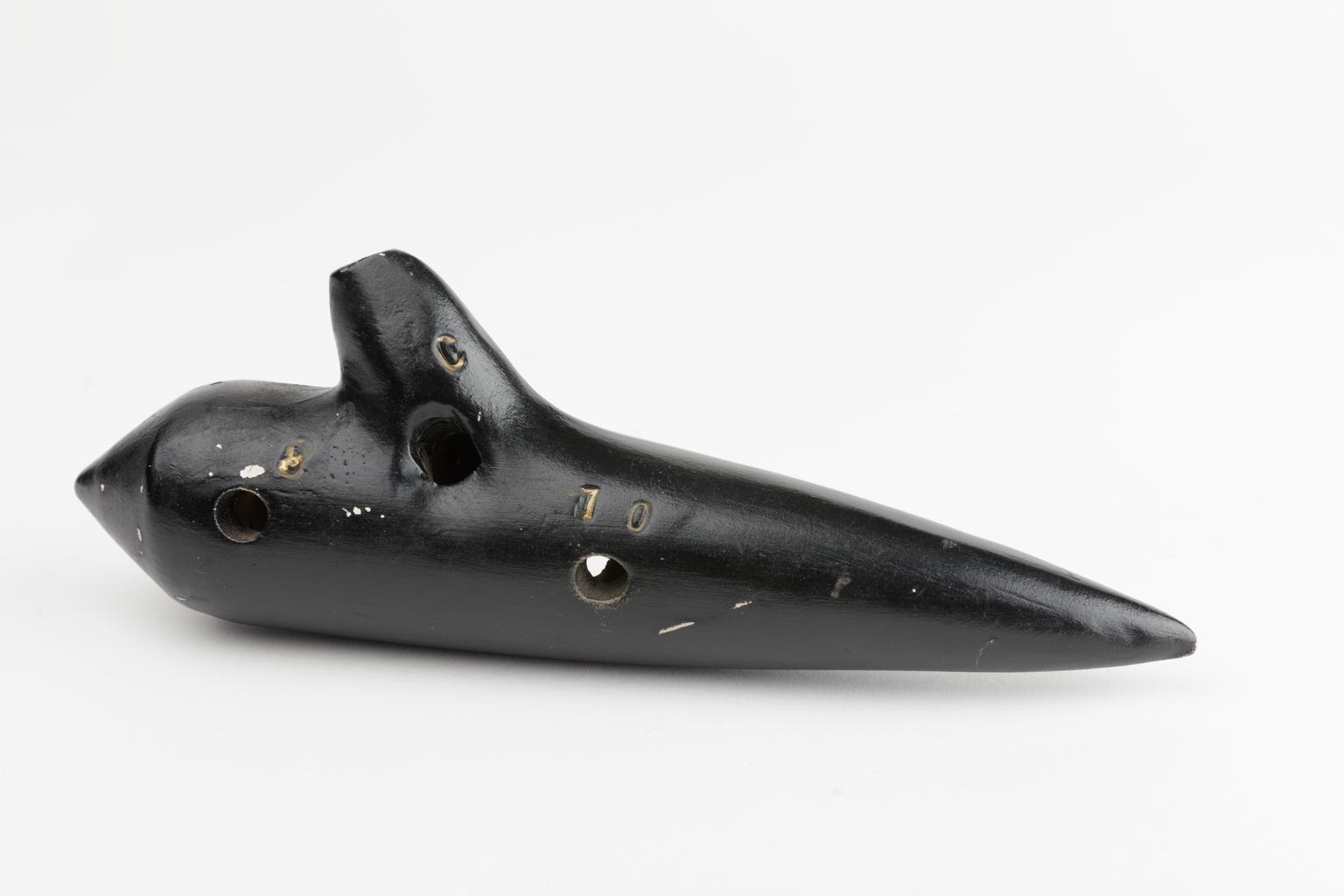
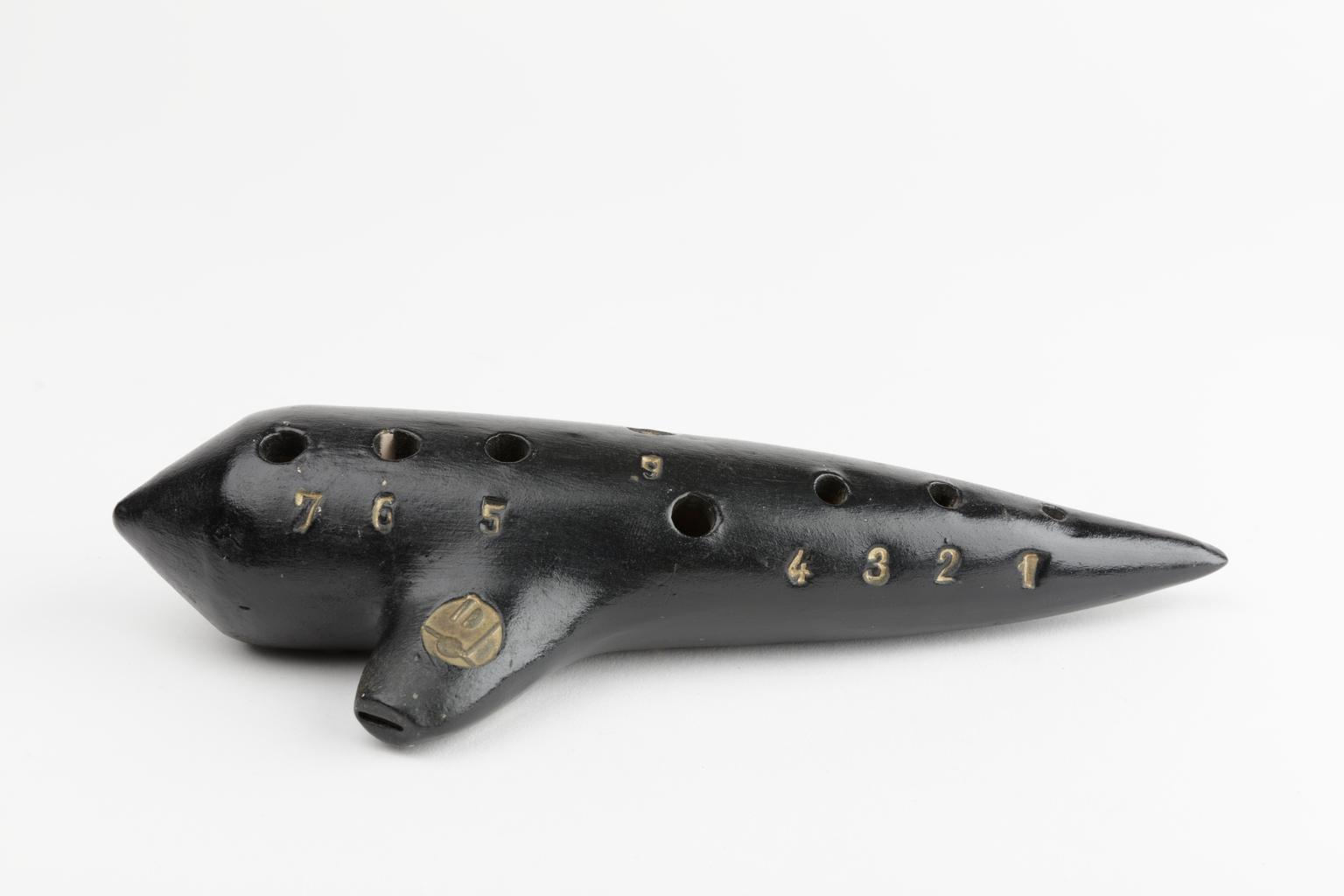
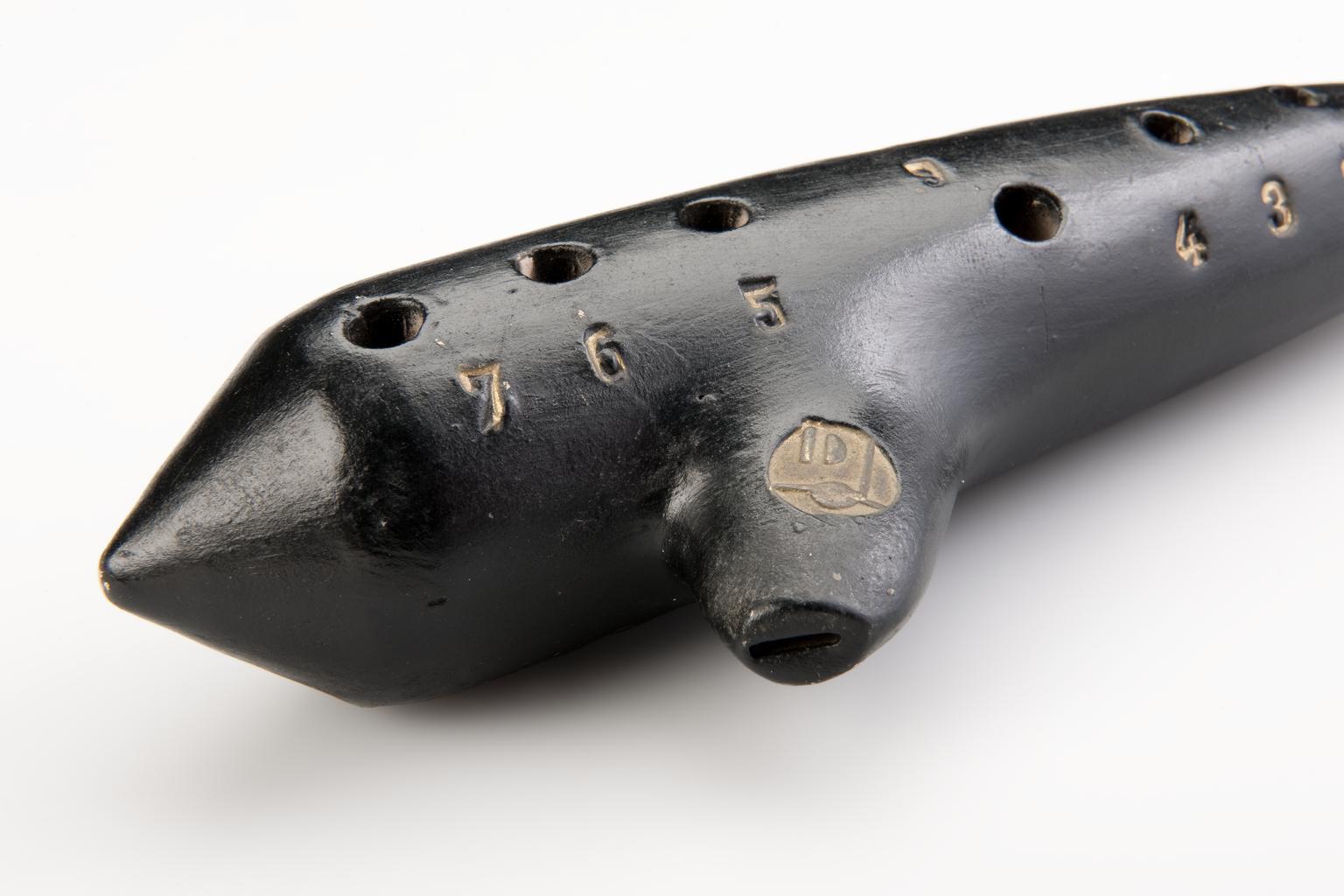
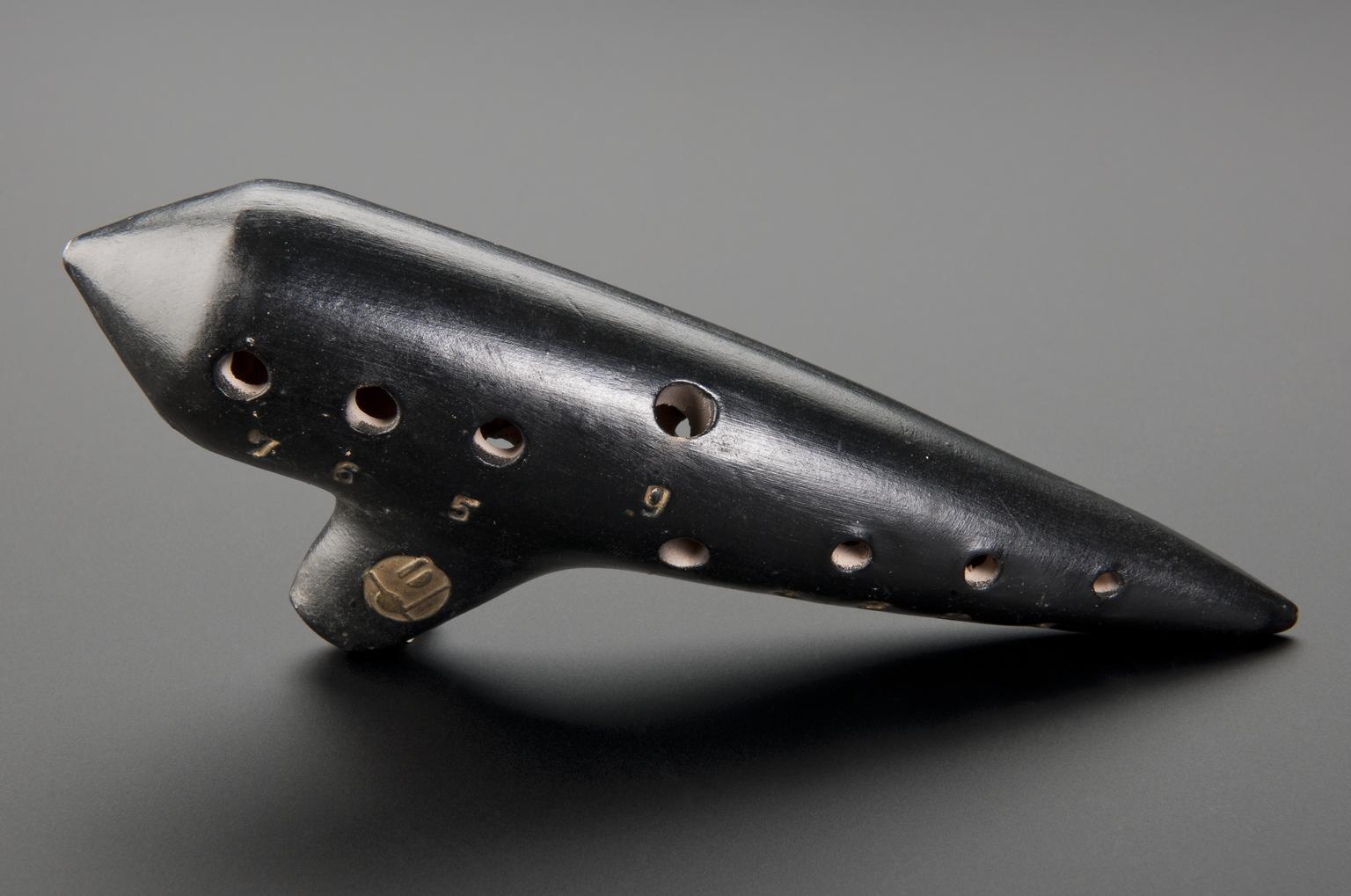
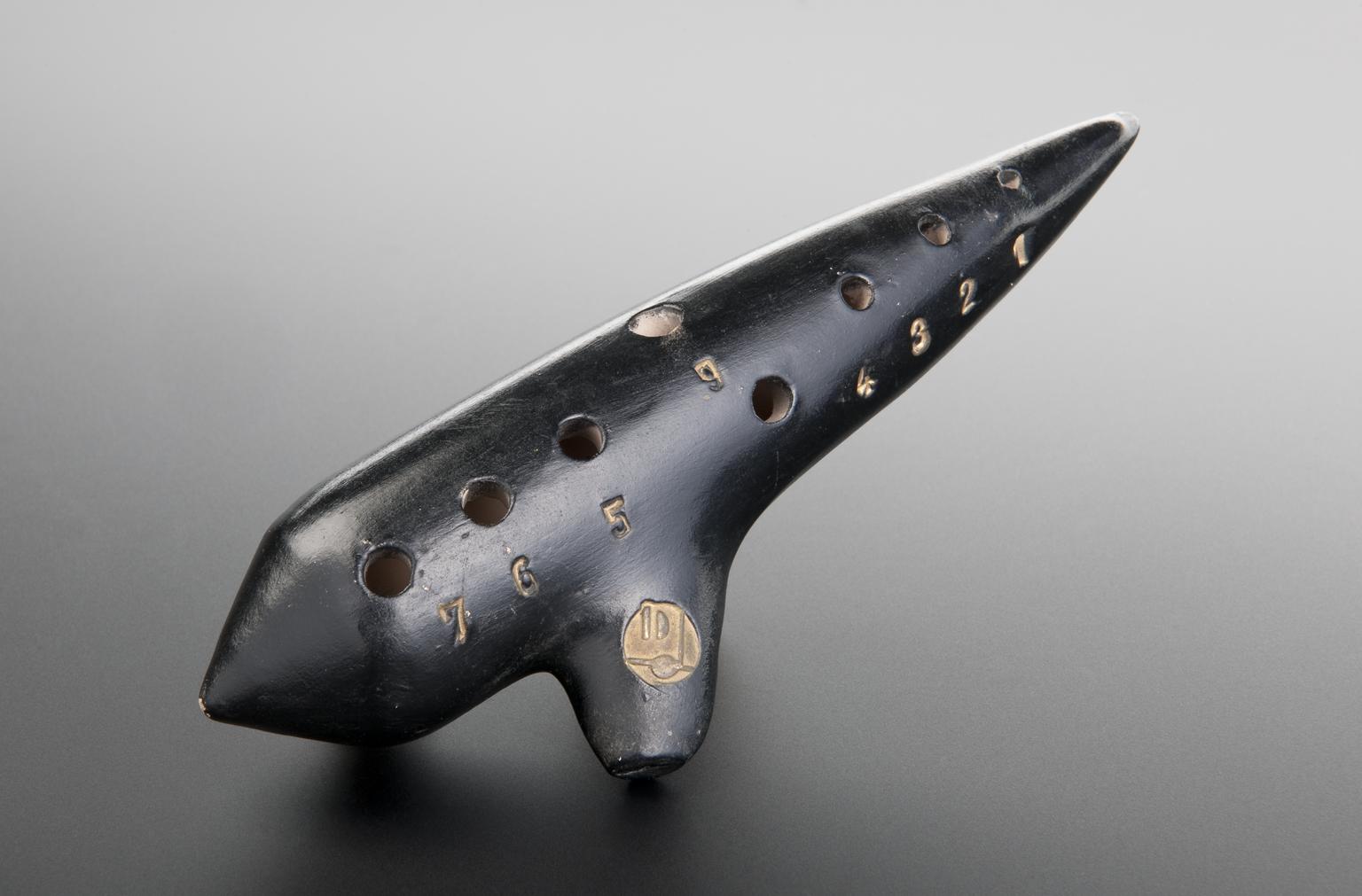
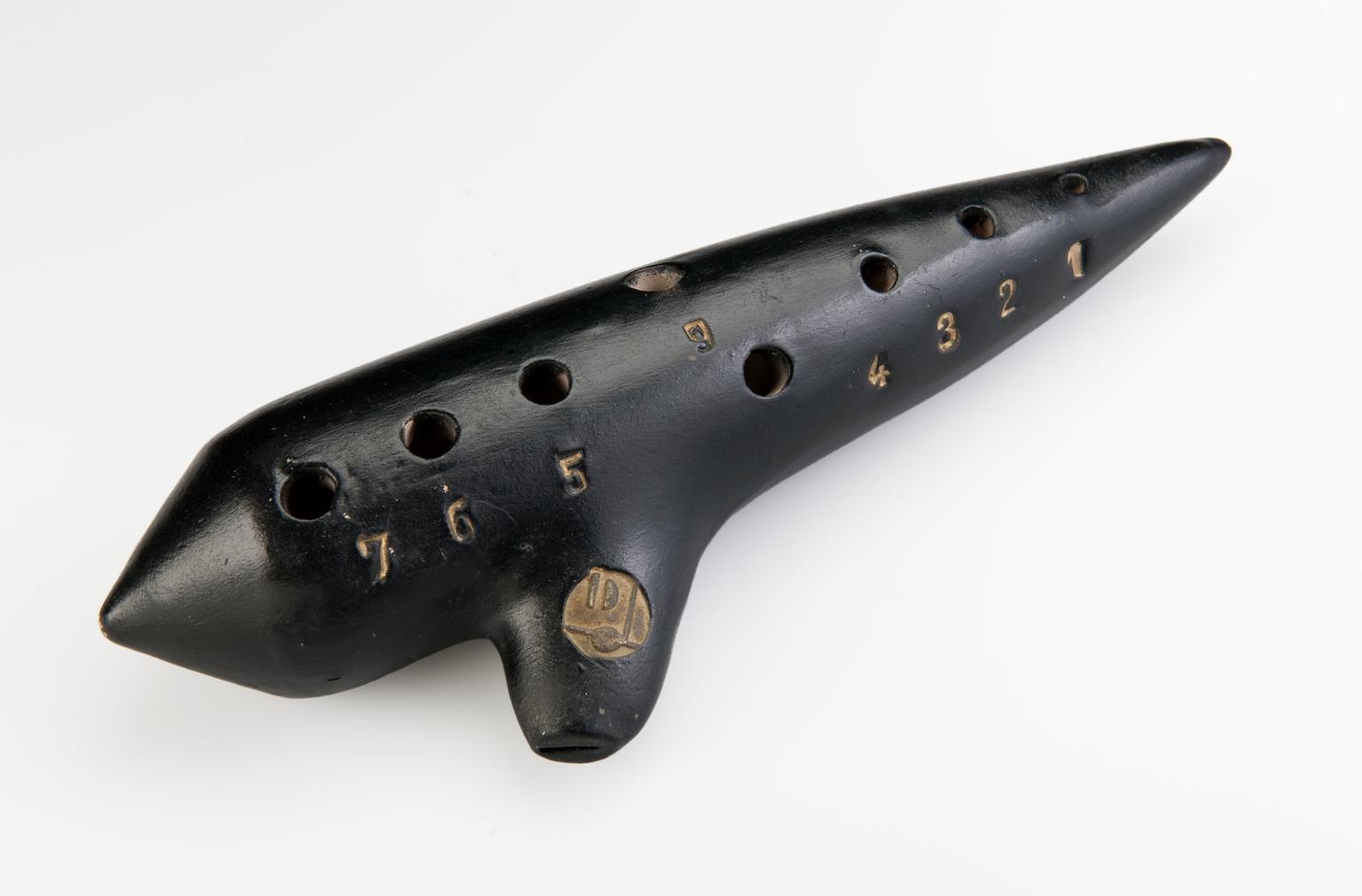
Ocarina, used in BBC Radiophonic Workshop. Manufacturer unknown.
More
This item is part of the objects and instruments used by BBC’s pioneer music studio, the Radiophonic Workshop which operated between 1958 to 1998. Known for creating strange new sounds by using synthesizers, manipulating sound, and using everyday objects, the Radiophonic Workshop created over 100 musical pieces, with Doctor Who’s theme by Delia Derbyshire being their most famous one. Due to their constrained budget, they used all sorts of objects to make their soundscapes from more traditional ones like tambourines and bells, to chopsticks, lamps, and metal spirals.
The BBC Radiophonic Workshop was one of the sound effects units of the BBC, created in 1958 to produce incidental sounds and new music for radio and, later, television. The unit is known for its experimental and pioneering work in electronic music and music technology, as well as its popular scores for programs such as Doctor Who and Quatermass and the Pit during the 1950s and 1960s.
The original Radiophonic Workshop was based in the BBC's Maida Vale Studios in Delaware Road, Maida Vale, London. The Workshop was closed in March 1998, although much of its traditional work had already been outsourced by 1995. Its members included Daphne Oram, Delia Derbyshire, David Cain, John Baker, Paddy Kingsland, Glynis Jones, Maddalena Fagandini and Richard Yeoman-Clark.
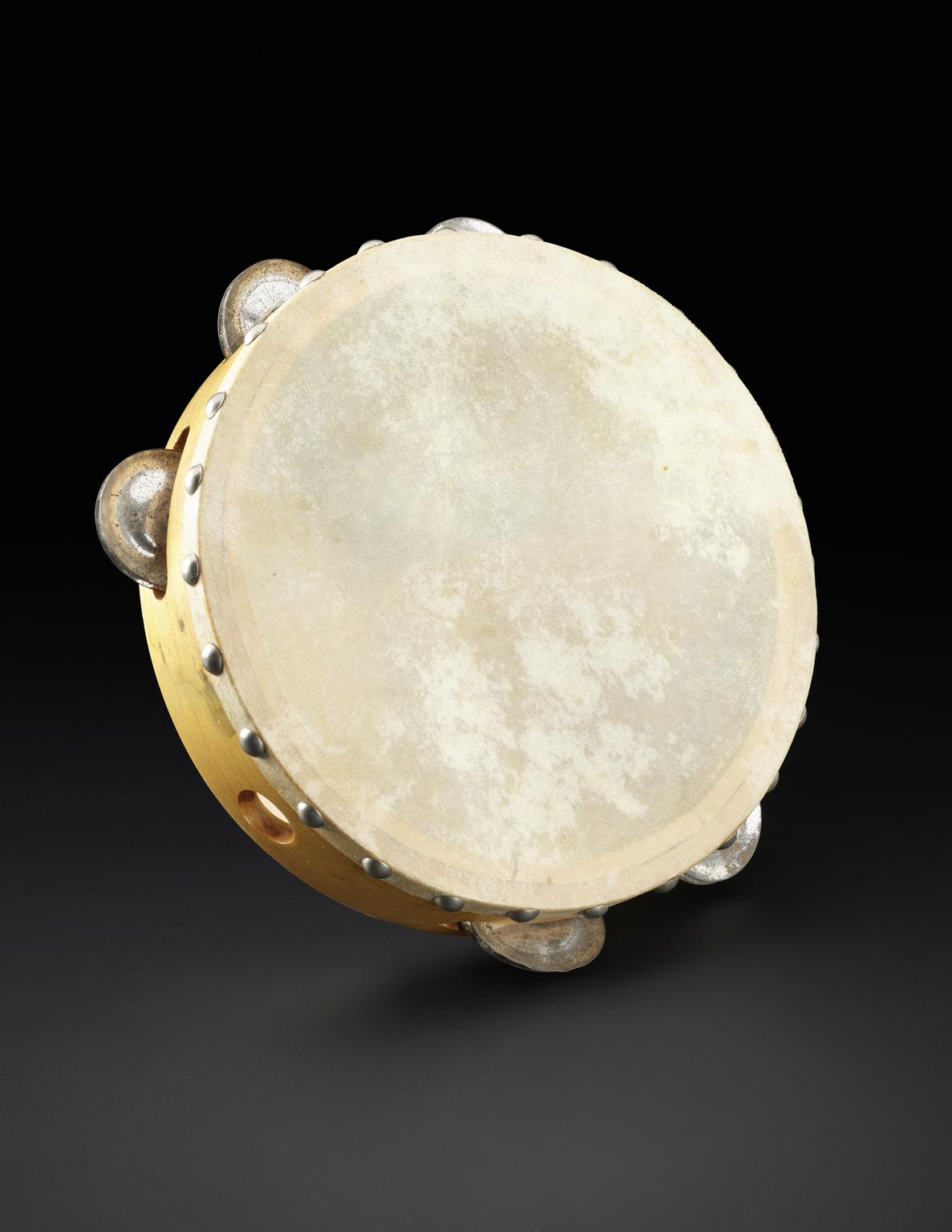
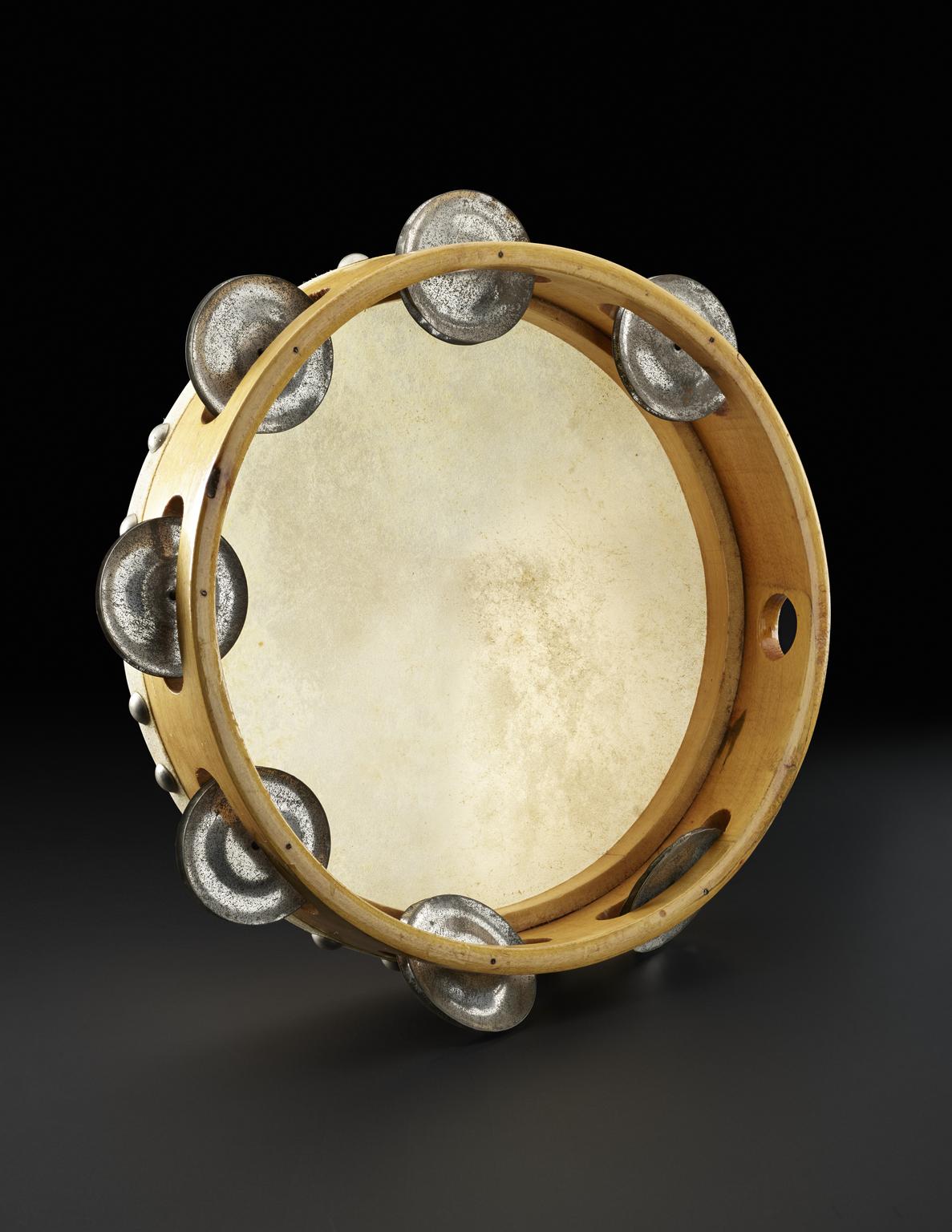
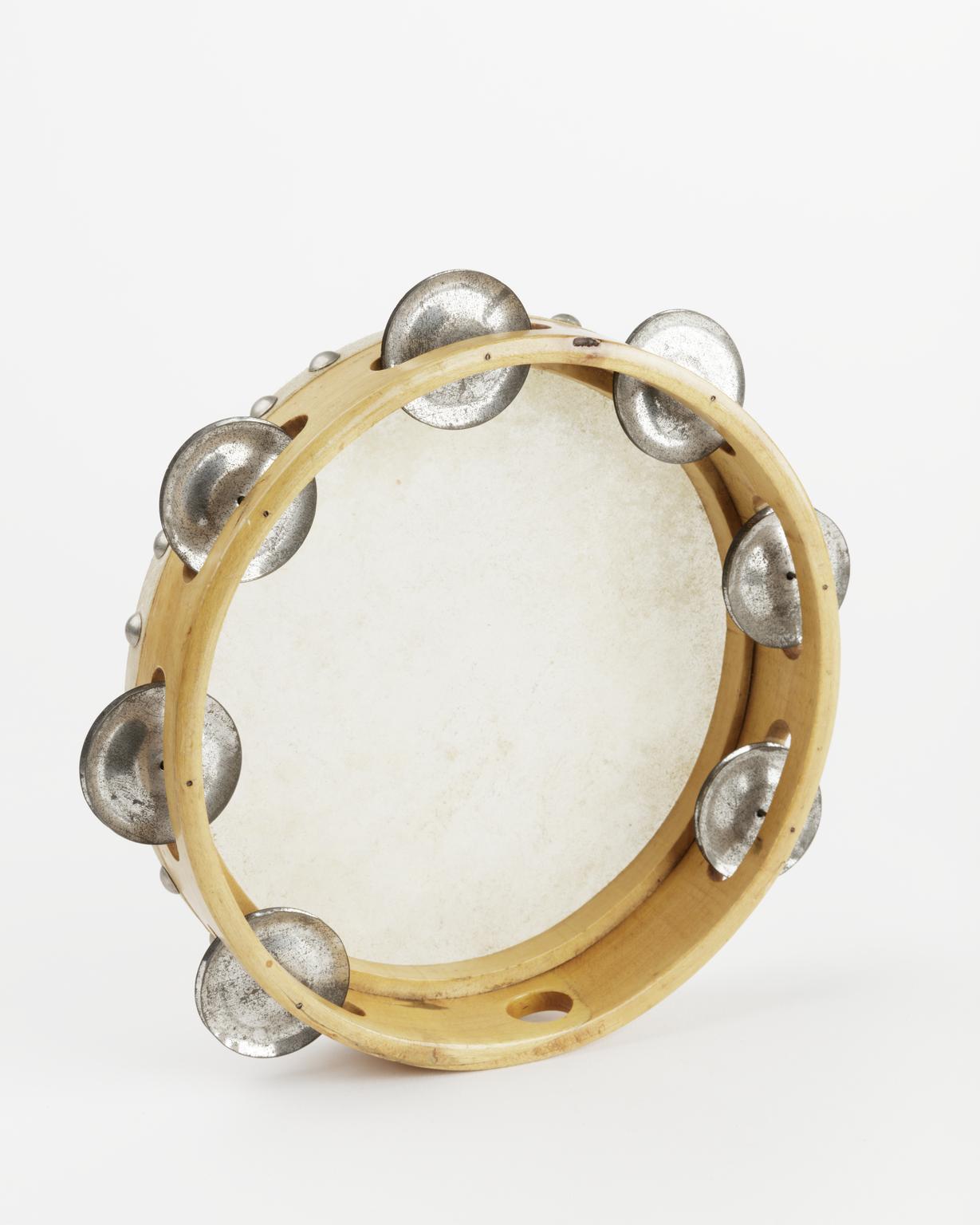
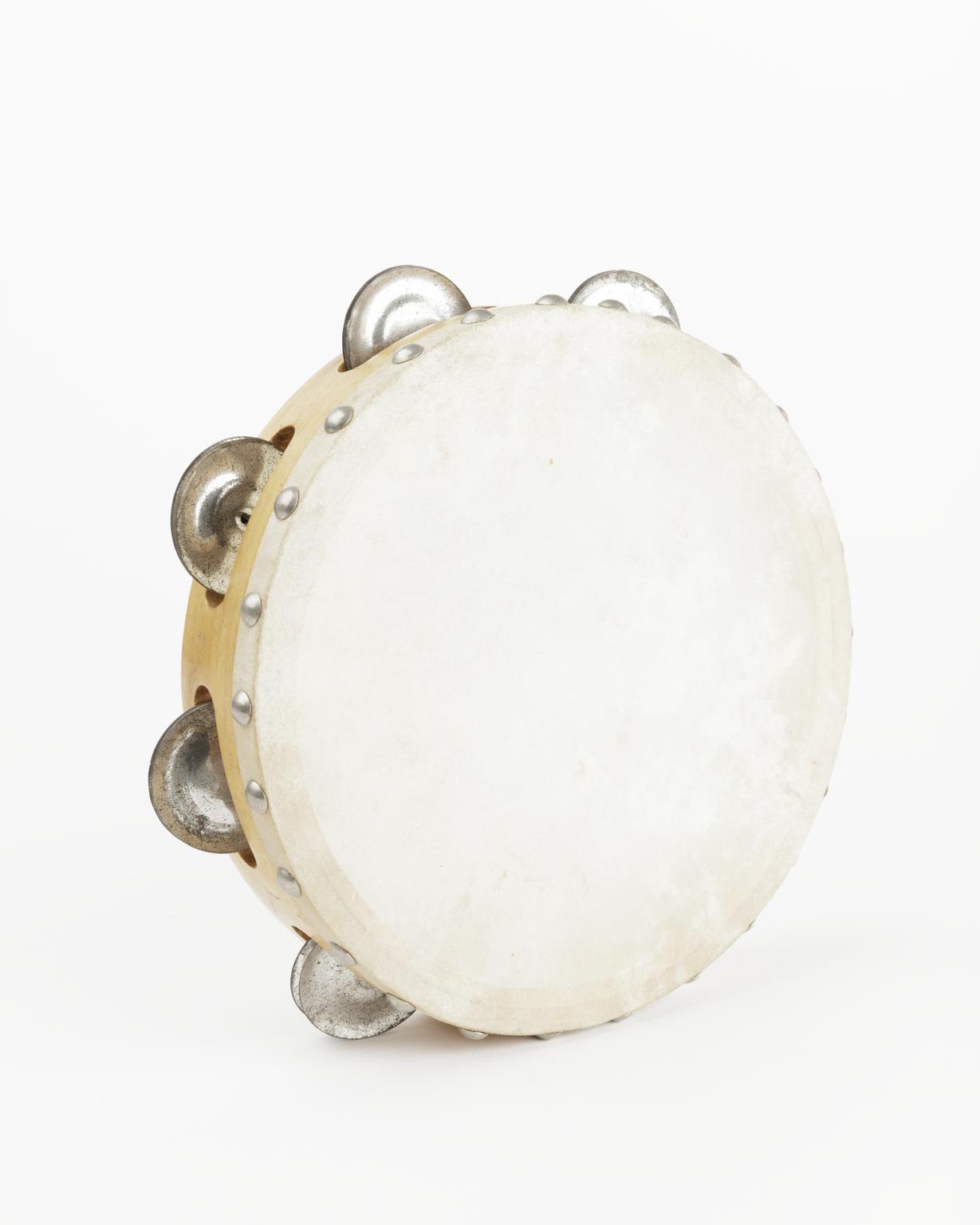
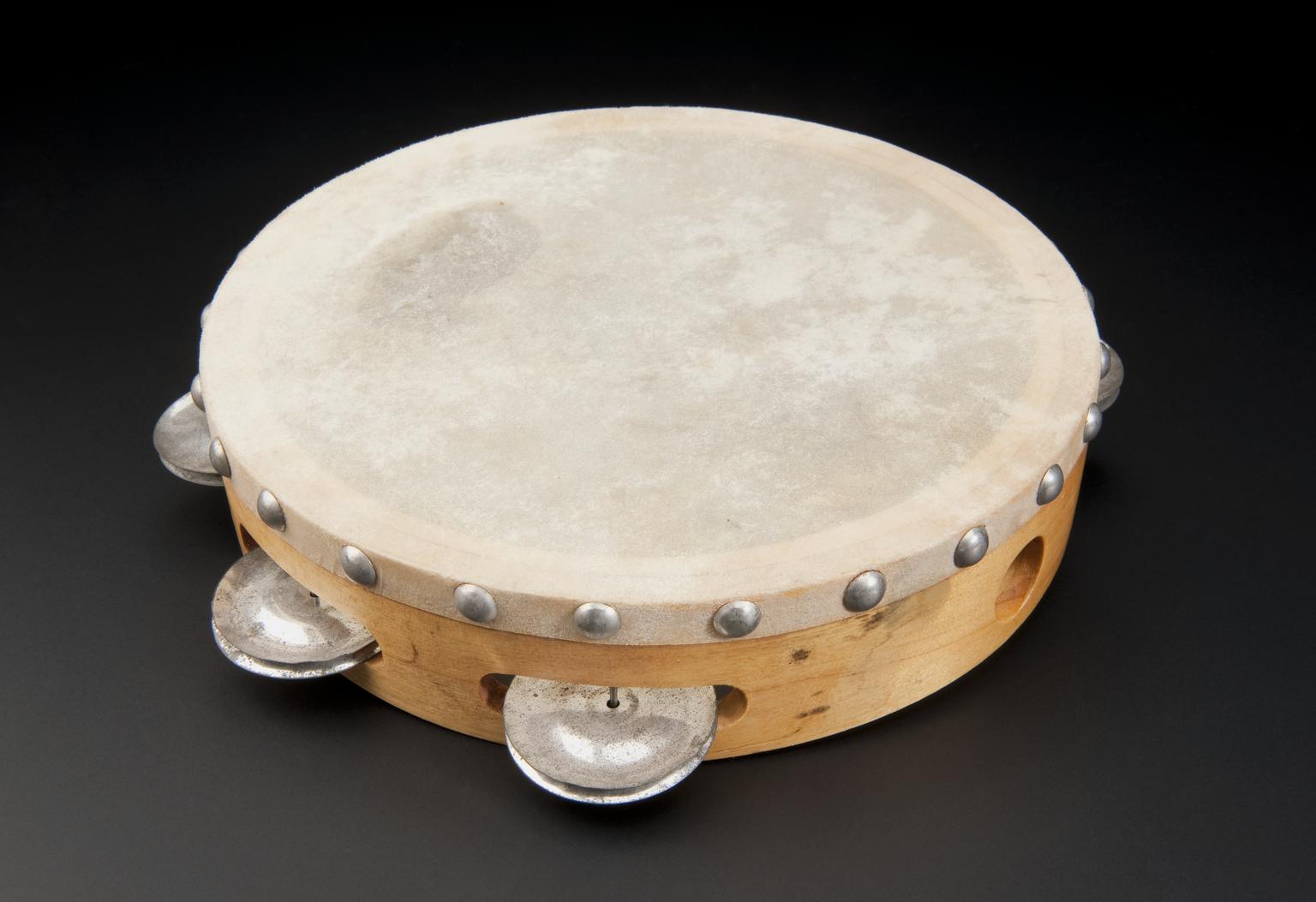
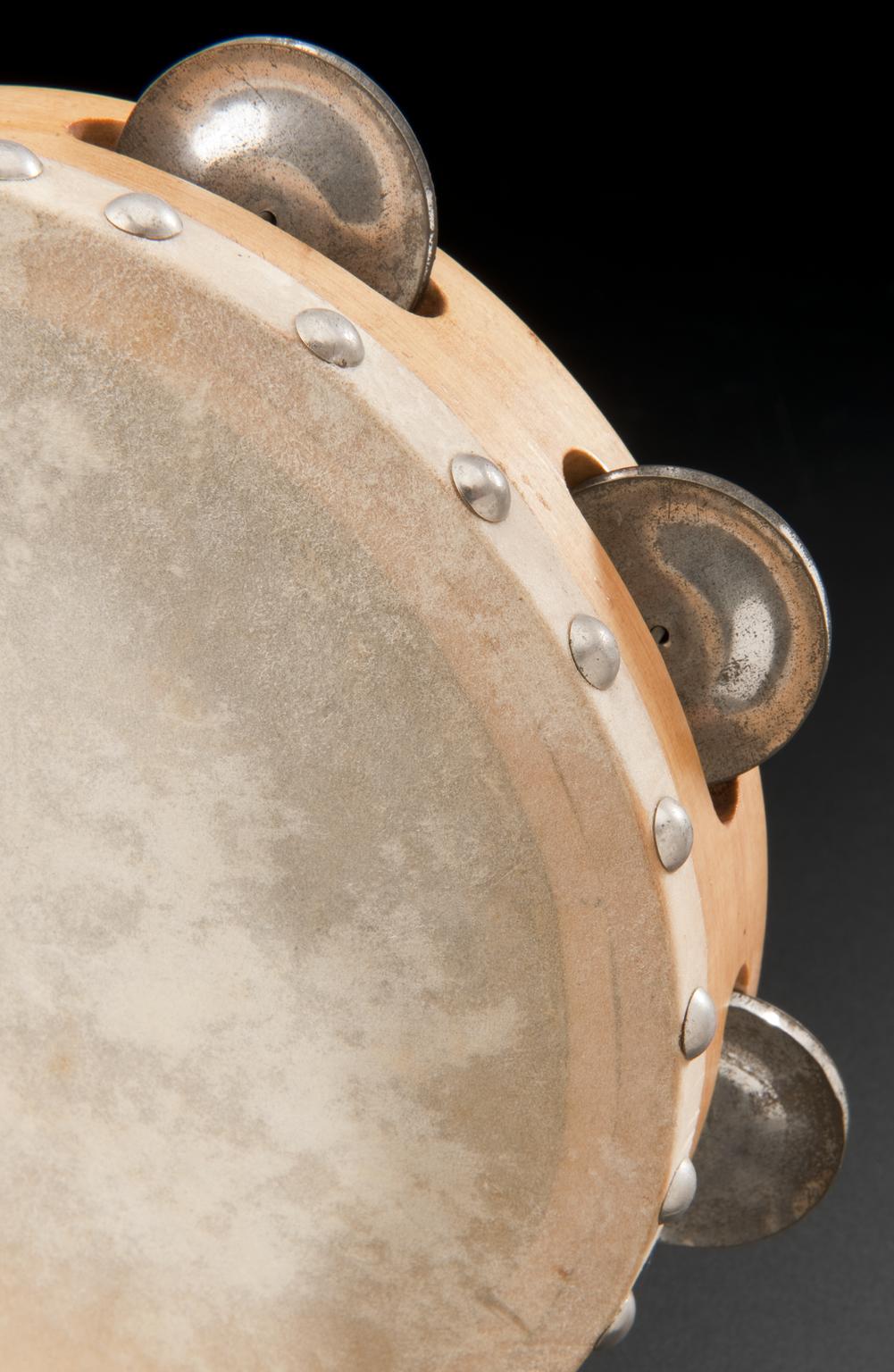
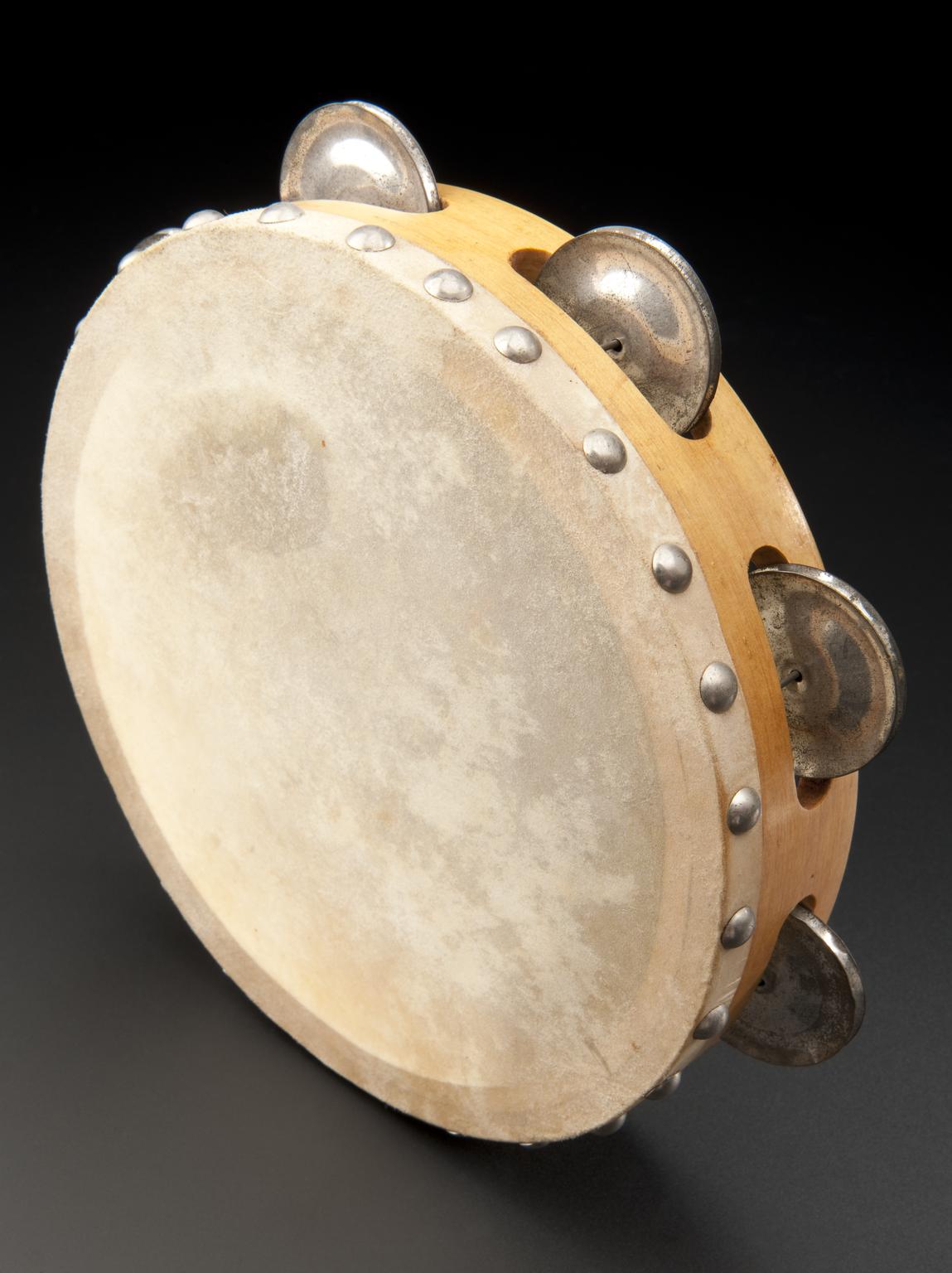
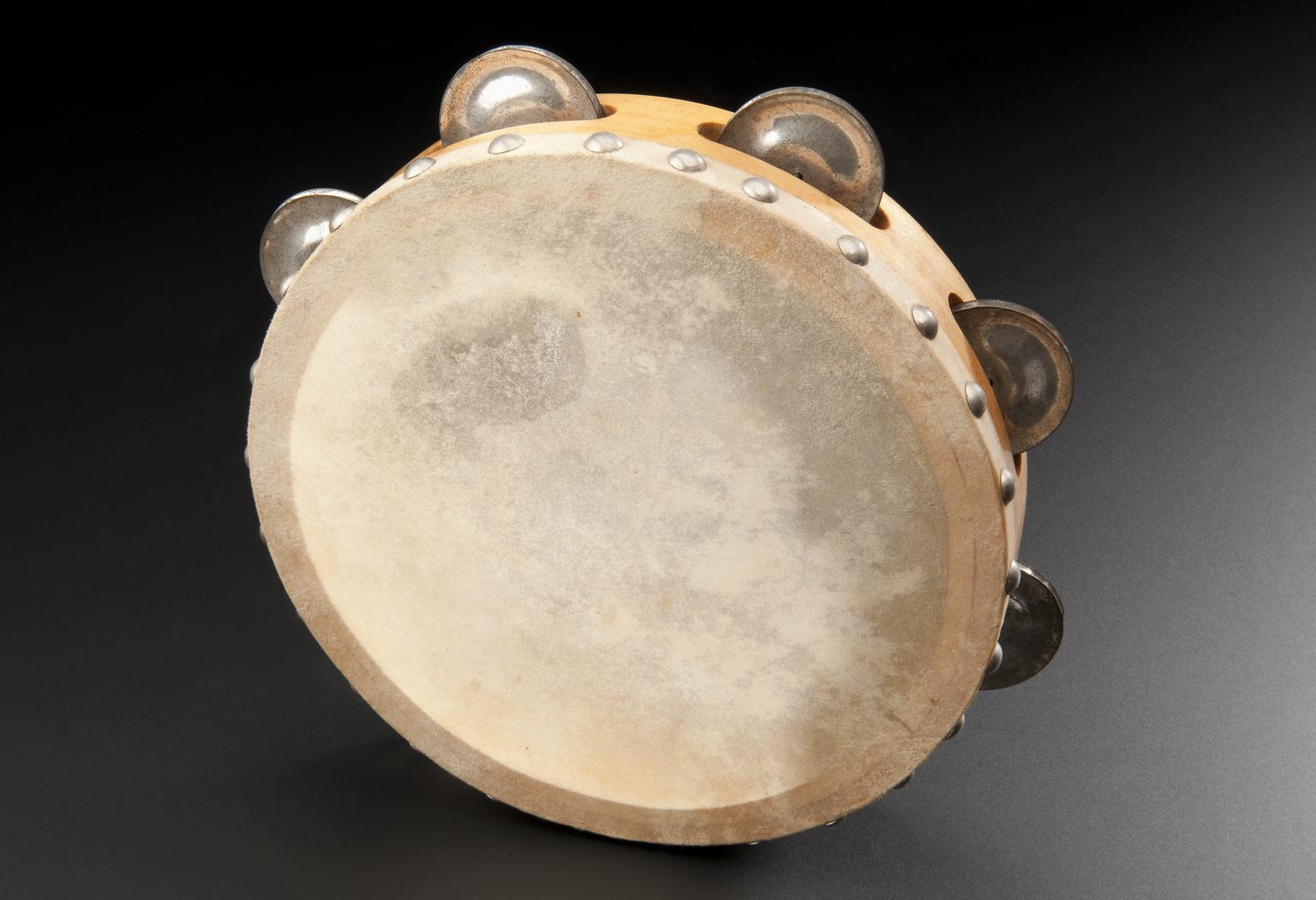
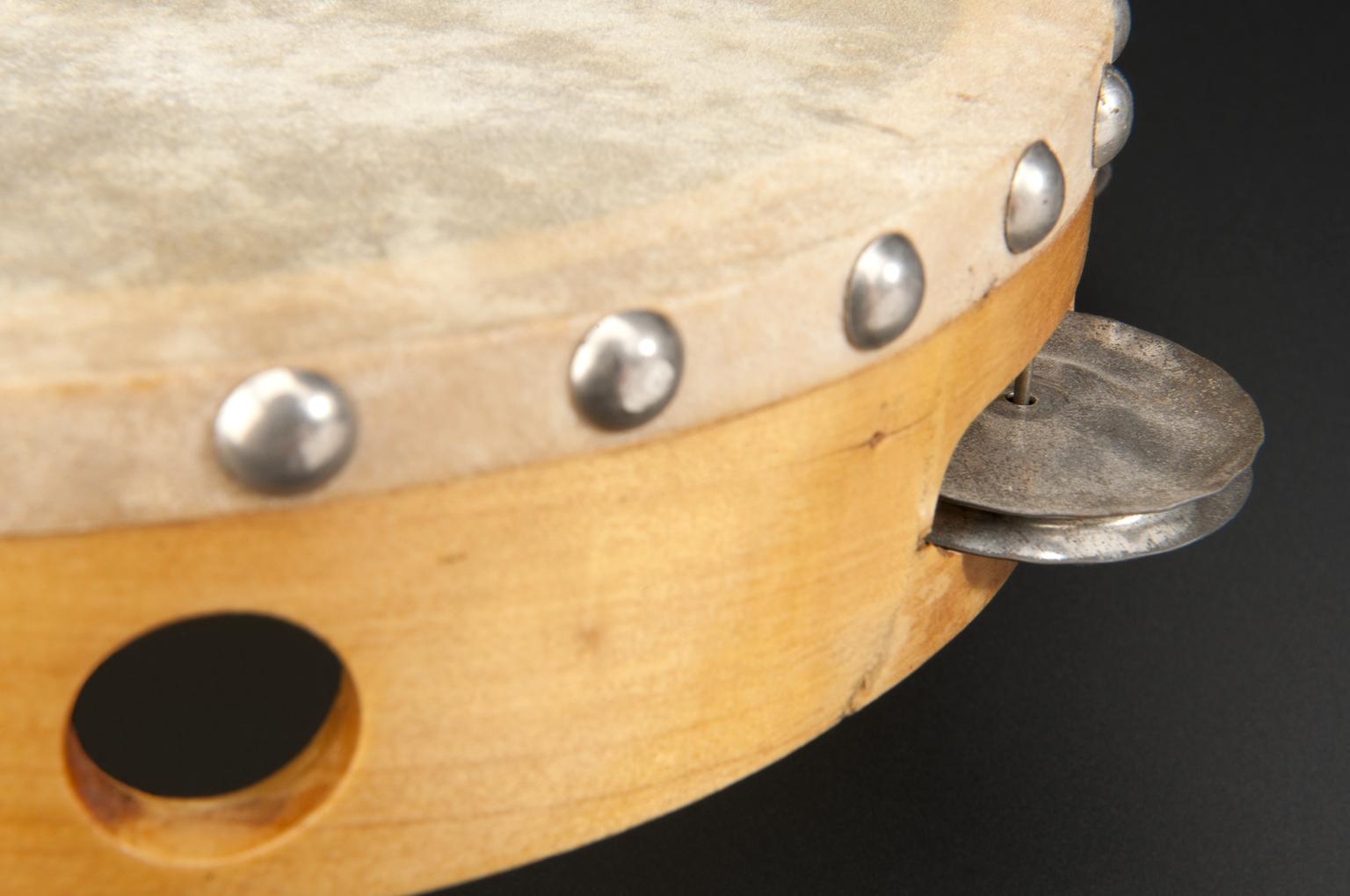
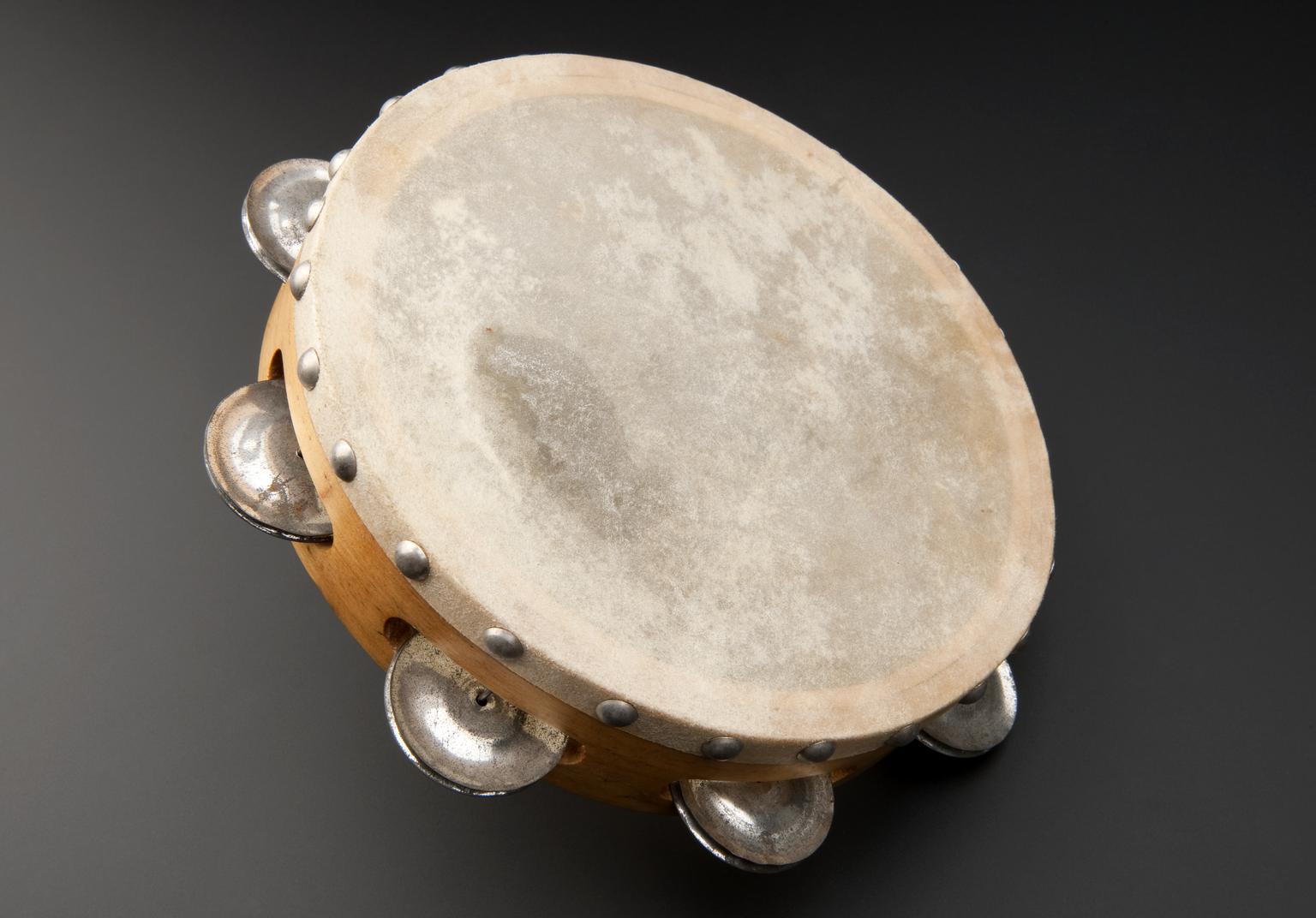
Tambourine, used in BBC Radiophonic Workshop. Manufacturer unknown.
More
This item is part of the objects and instruments used by BBC’s pioneer music studio, the Radiophonic Workshop which operated between 1958 to 1998. Known for creating strange new sounds by using synthesizers, manipulating sound, and using everyday objects, the Radiophonic Workshop created over 100 musical pieces, with Doctor Who’s theme by Delia Derbyshire being their most famous one. Due to their constrained budget, they used all sorts of objects to make their soundscapes from more traditional ones like tambourines and bells, to chopsticks, lamps, and metal spirals.
The BBC Radiophonic Workshop was one of the sound effects units of the BBC, created in 1958 to produce incidental sounds and new music for radio and, later, television. The unit is known for its experimental and pioneering work in electronic music and music technology, as well as its popular scores for programs such as Doctor Who and Quatermass and the Pit during the 1950s and 1960s.
The original Radiophonic Workshop was based in the BBC's Maida Vale Studios in Delaware Road, Maida Vale, London. The Workshop was closed in March 1998, although much of its traditional work had already been outsourced by 1995. Its members included Daphne Oram, Delia Derbyshire, David Cain, John Baker, Paddy Kingsland, Glynis Jones, Maddalena Fagandini and Richard Yeoman-Clark.
This item is part of the objects and instruments used by BBC’s pioneer music studio, the Radiophonic Workshop which operated between 1958 to 1998. Known for creating strange new sounds by using synthesizers, manipulating sound, and using everyday objects, the Radiophonic Workshop created over 100 musical pieces, with Doctor Who’s theme by Delia Derbyshire being their most famous one. Due to their constrained budget, they used all sorts of objects to make their soundscapes from more traditional ones like tambourines and bells, to chopsticks, lamps, and metal spirals.
The BBC Radiophonic Workshop was one of the sound effects units of the BBC, created in 1958 to produce incidental sounds and new music for radio and, later, television. The unit is known for its experimental and pioneering work in electronic music and music technology, as well as its popular scores for programs such as Doctor Who and Quatermass and the Pit during the 1950s and 1960s.
The original Radiophonic Workshop was based in the BBC's Maida Vale Studios in Delaware Road, Maida Vale, London. The Workshop was closed in March 1998, although much of its traditional work had already been outsourced by 1995. Its members included Daphne Oram, Delia Derbyshire, David Cain, John Baker, Paddy Kingsland, Glynis Jones, Maddalena Fagandini and Richard Yeoman-Clark.
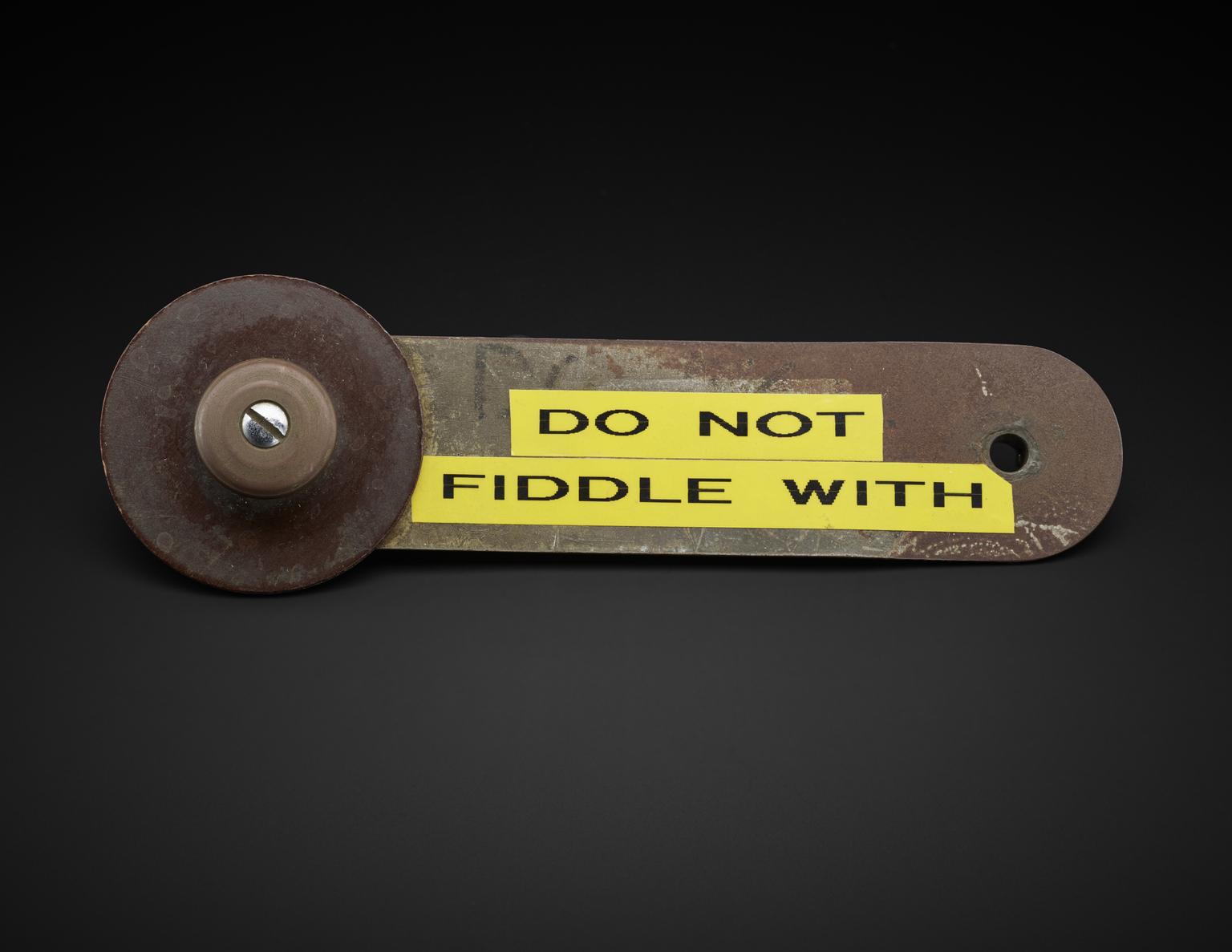
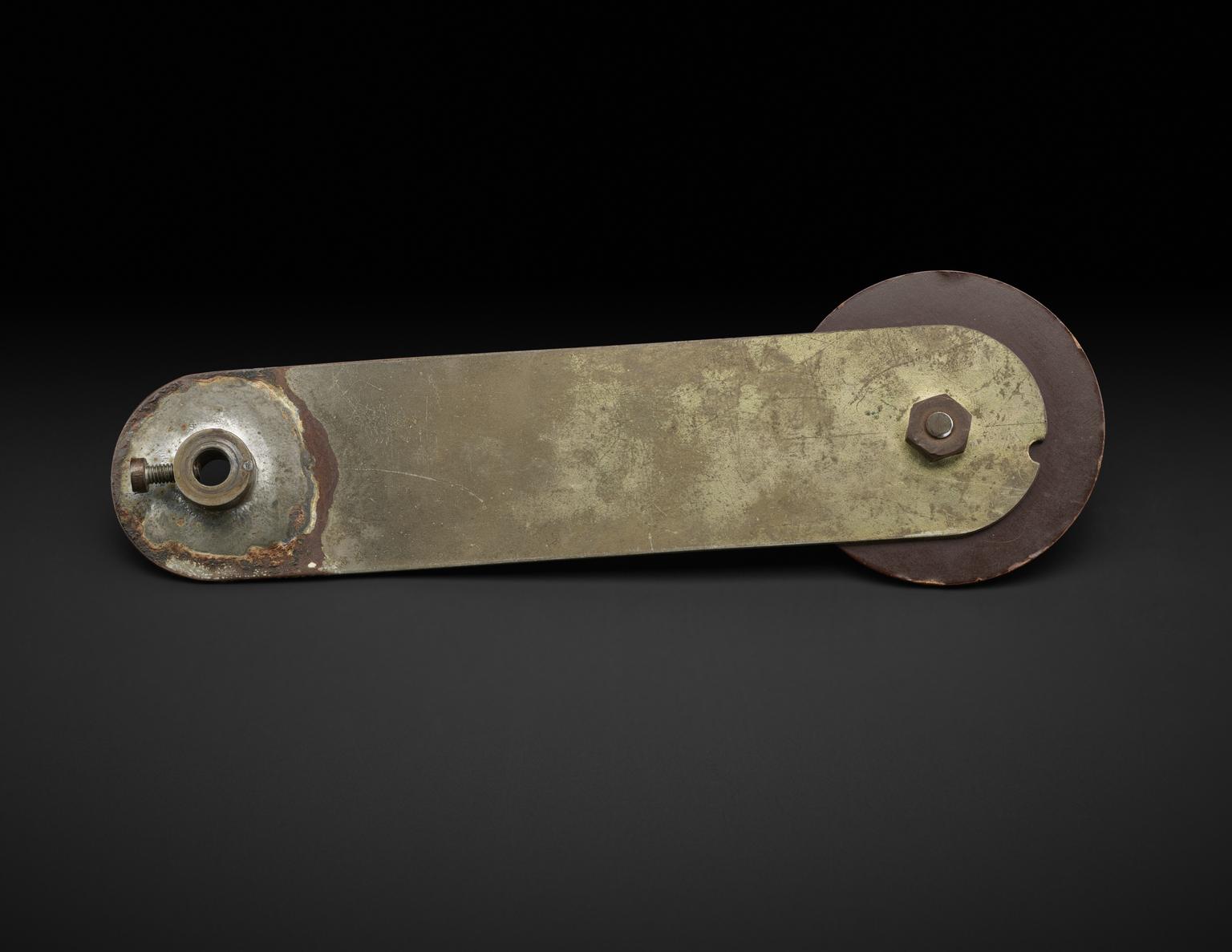
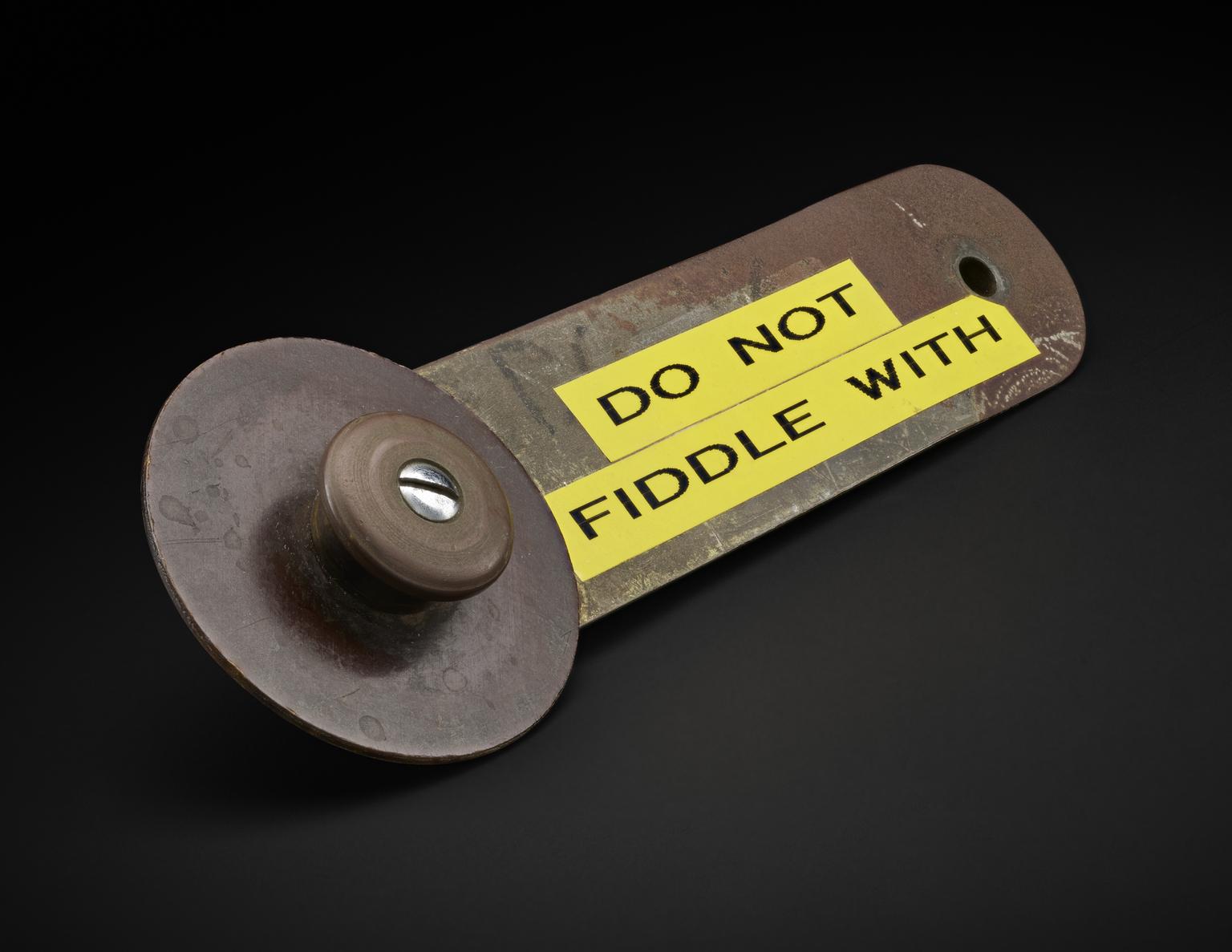
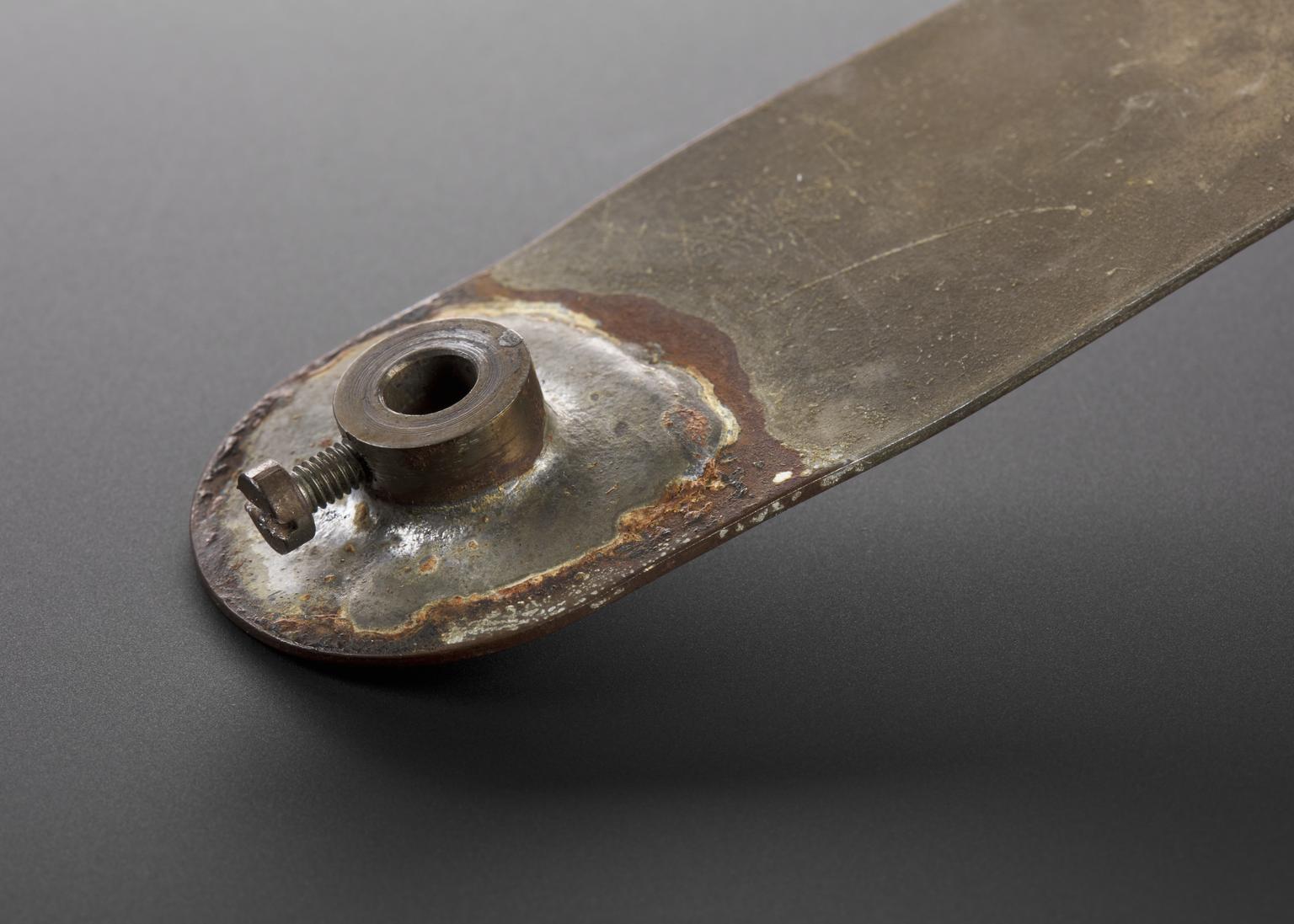
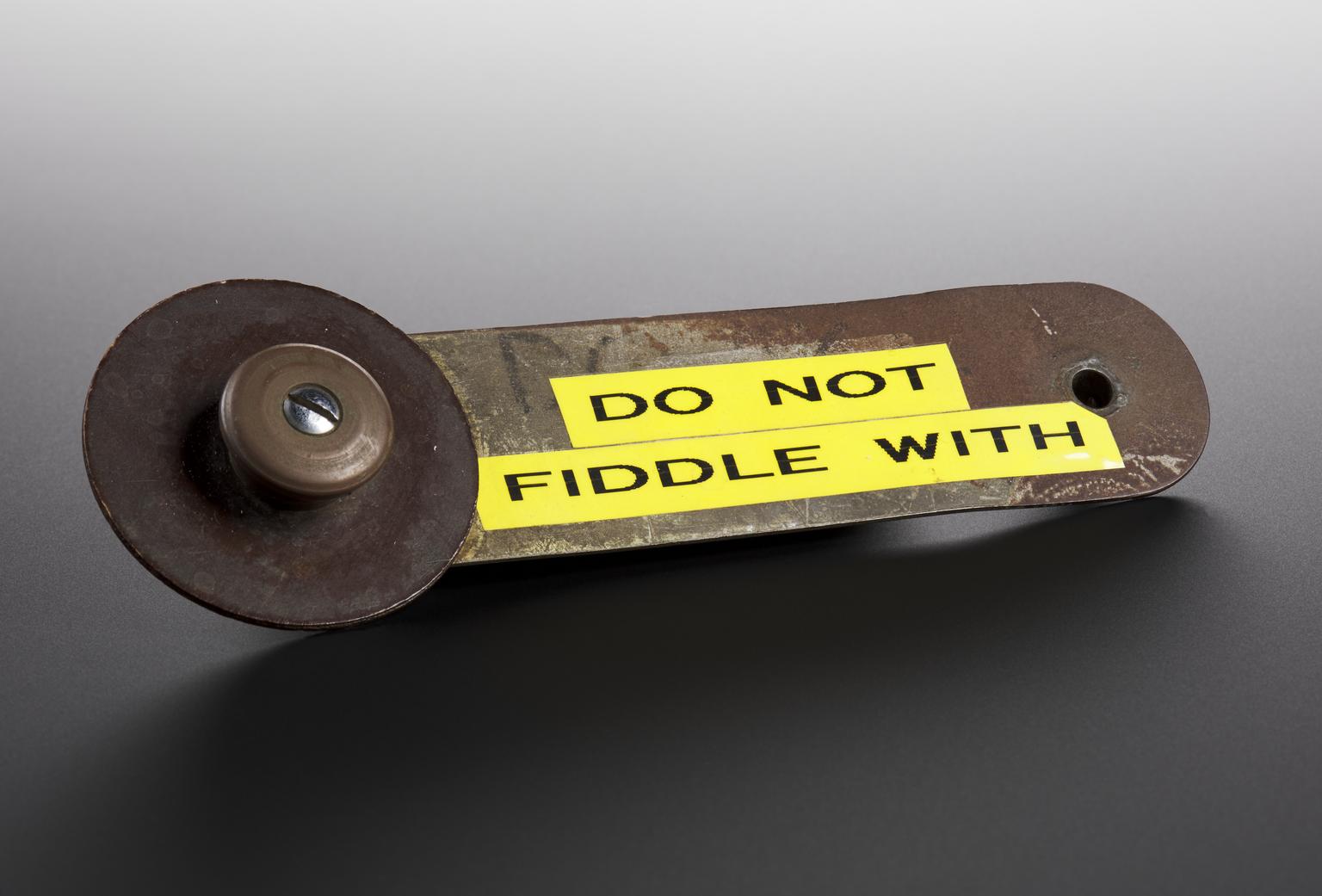
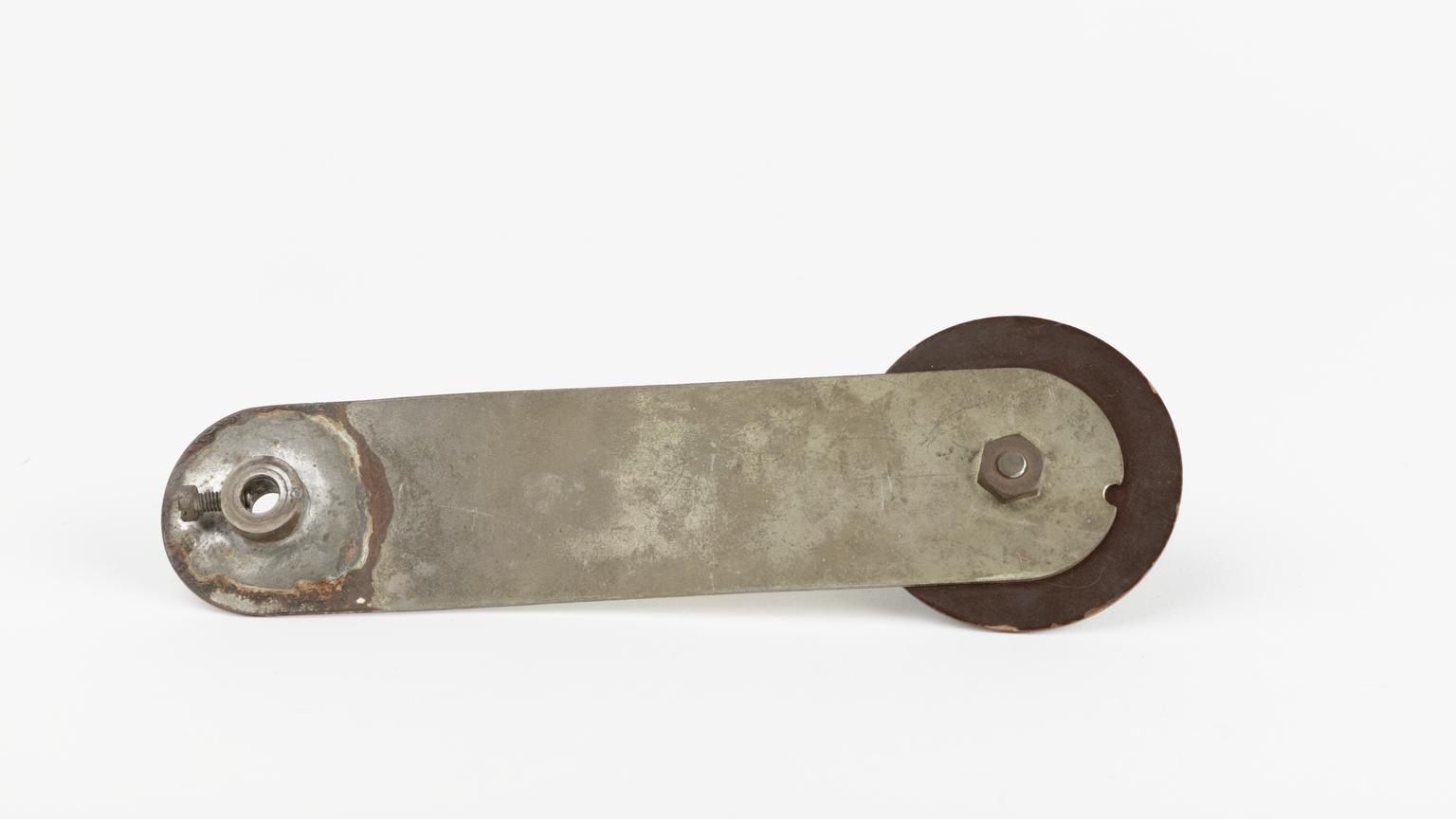
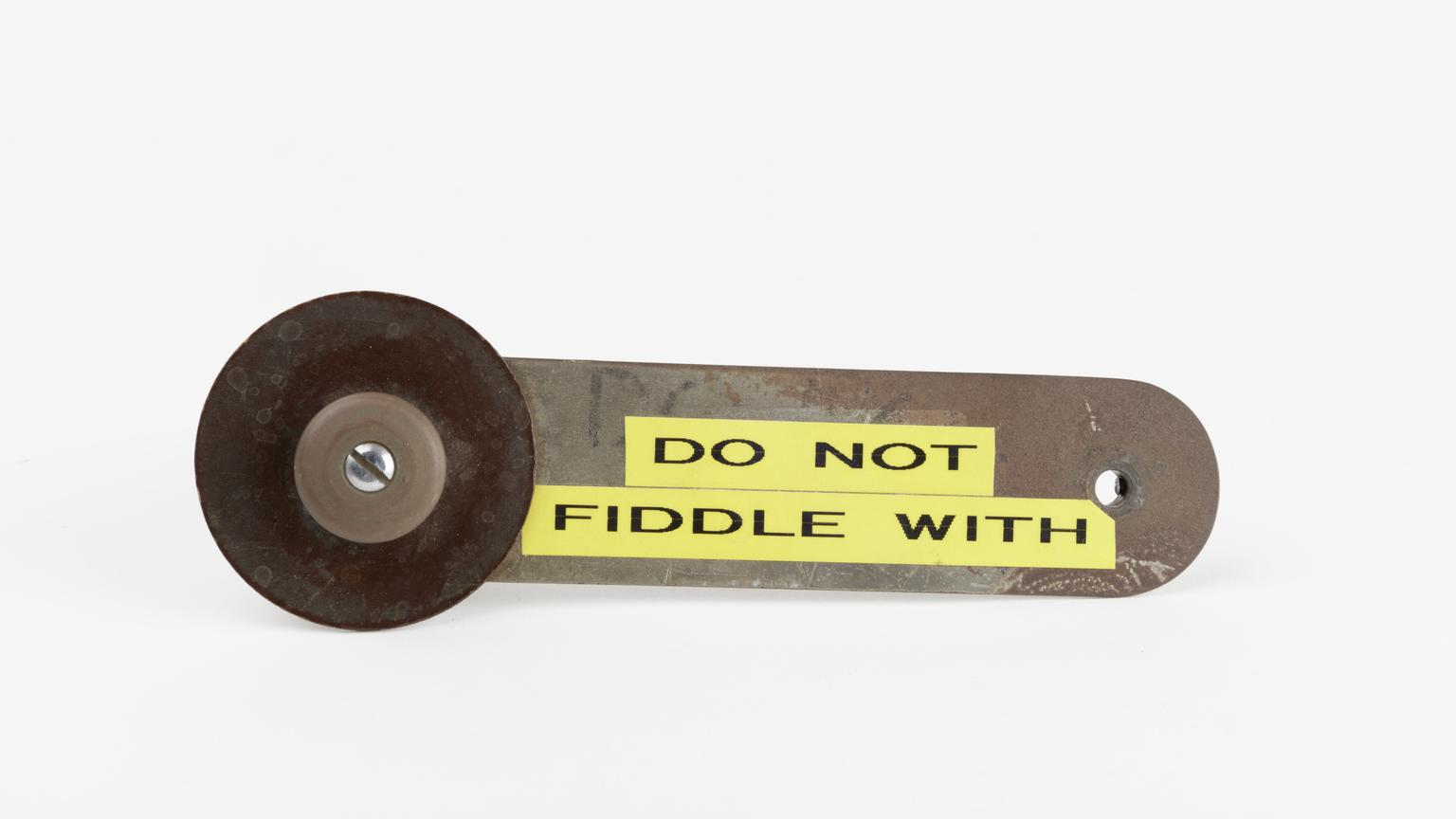
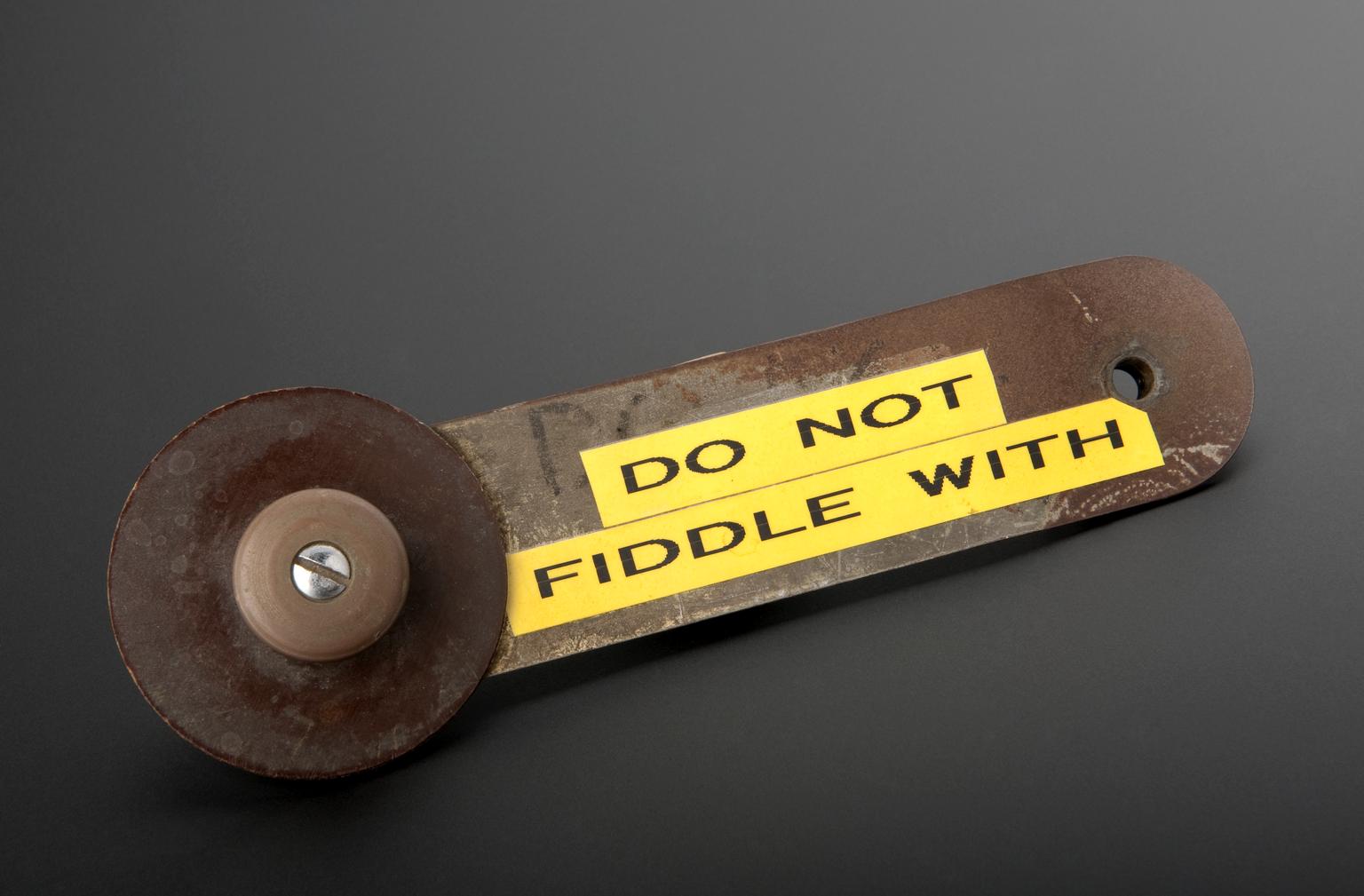
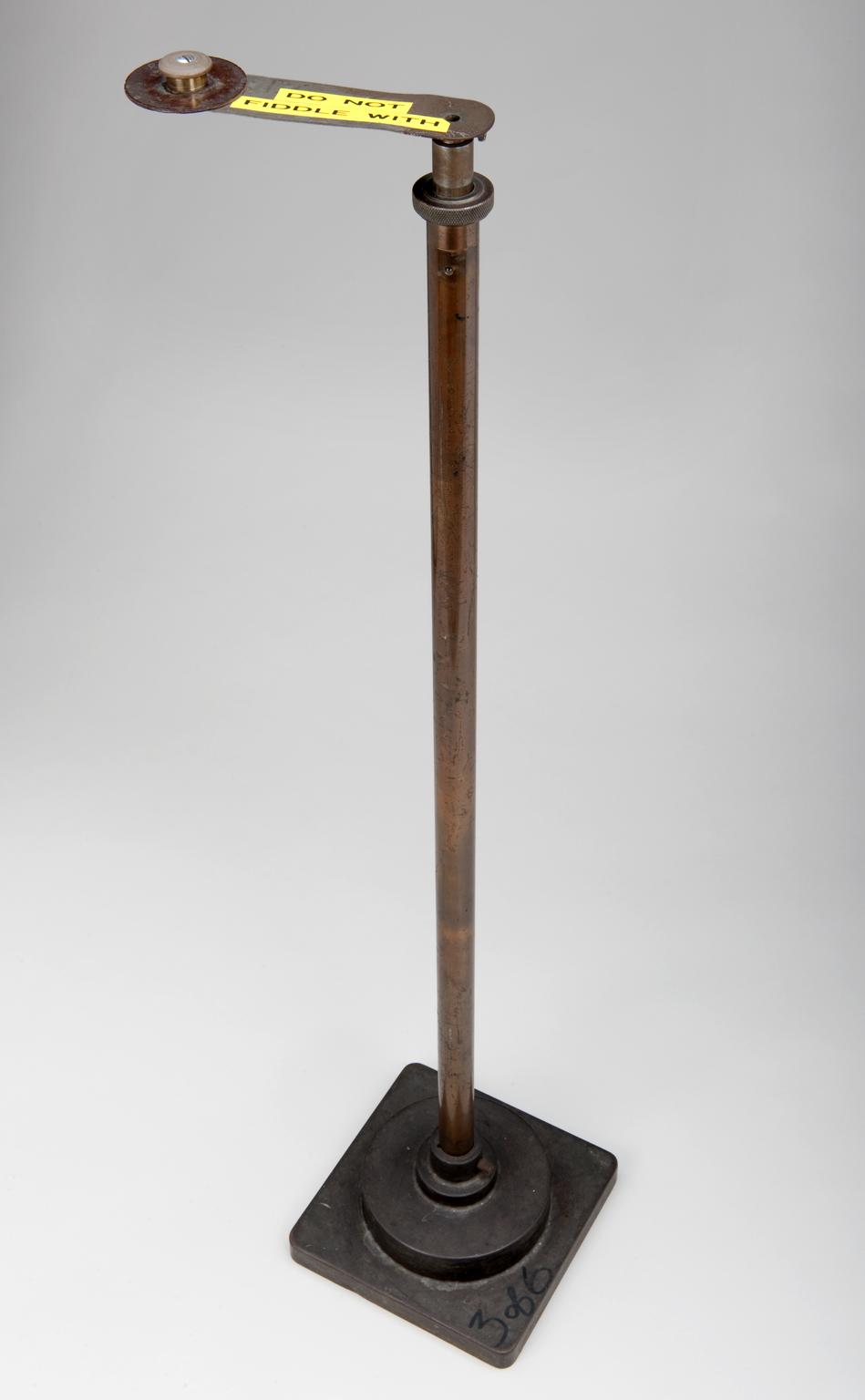
Tape guide without stand used in BBC Radiophonic Workshop
Tape guide without stand, labelled, 'Do not fiddle with'. Used in BBC Radiophonic Workshop.
More
'The do not fiddle with tape guide was a hefty metal stand, with a drum on the top, and it was spring-loaded, so when you put your tape loop thorugh, it would tension it for you. Producers would often absent-mindedly twist the arm round and break the spring, so someone had written on the top "do not fiddle with".' Brian Hodgson.
The BBC Radiophonic Workshop was one of the sound effects units of the BBC, created in 1958 to produce incidental sounds and new music for radio and, later, television. The unit is known for its experimental and pioneering work in electronic music and music technology, as well as its popular scores for programs such as Doctor Who and Quatermass and the Pit during the 1950s and 1960s.
The original Radiophonic Workshop was based in the BBC's Maida Vale Studios in Delaware Road, Maida Vale, London. The Workshop was closed in March 1998, although much of its traditional work had already been outsourced by 1995. Its members included Daphne Oram, Delia Derbyshire, David Cain, John Baker, Paddy Kingsland, Glynis Jones, Maddalena Fagandini and Richard Yeoman-Clark.
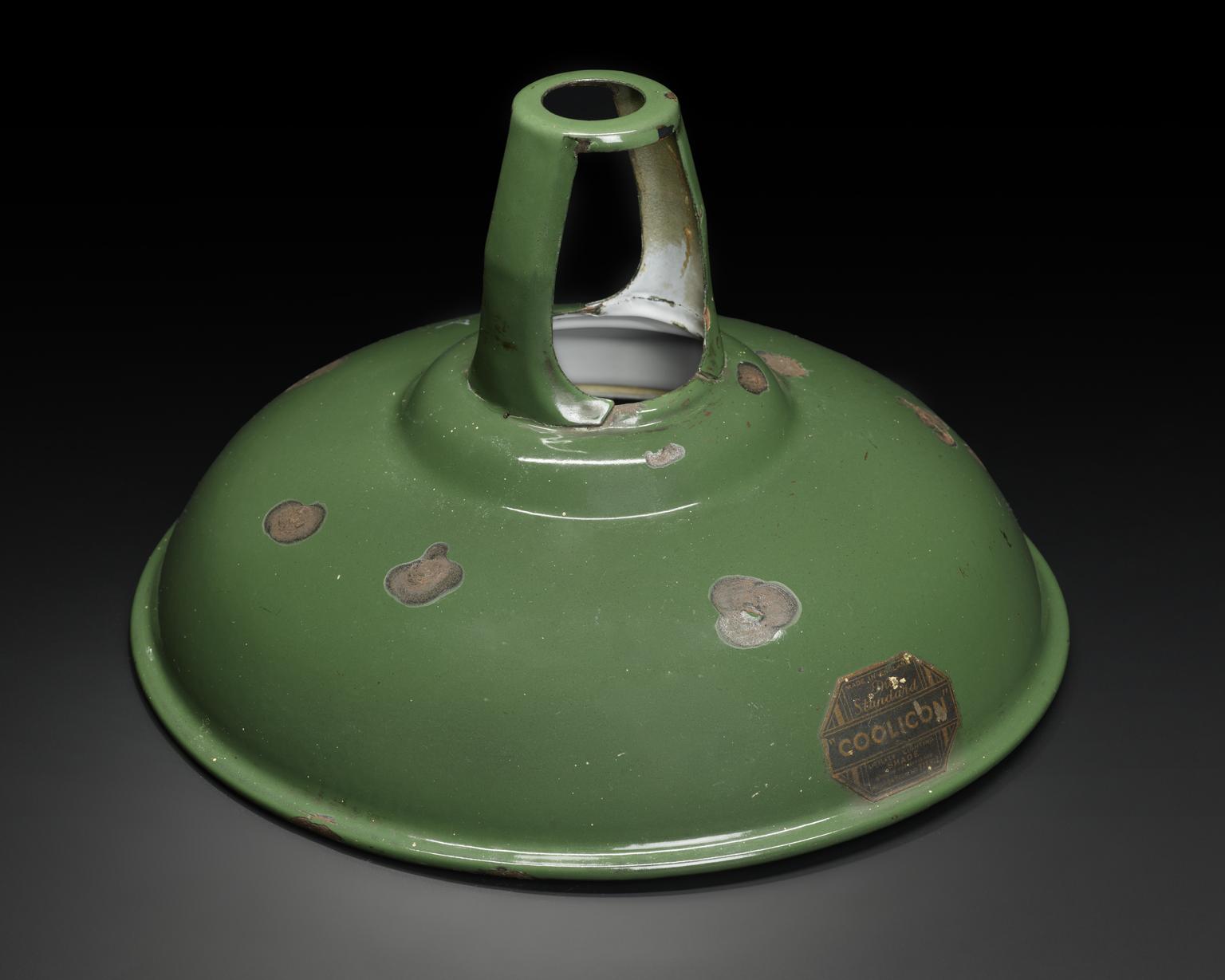
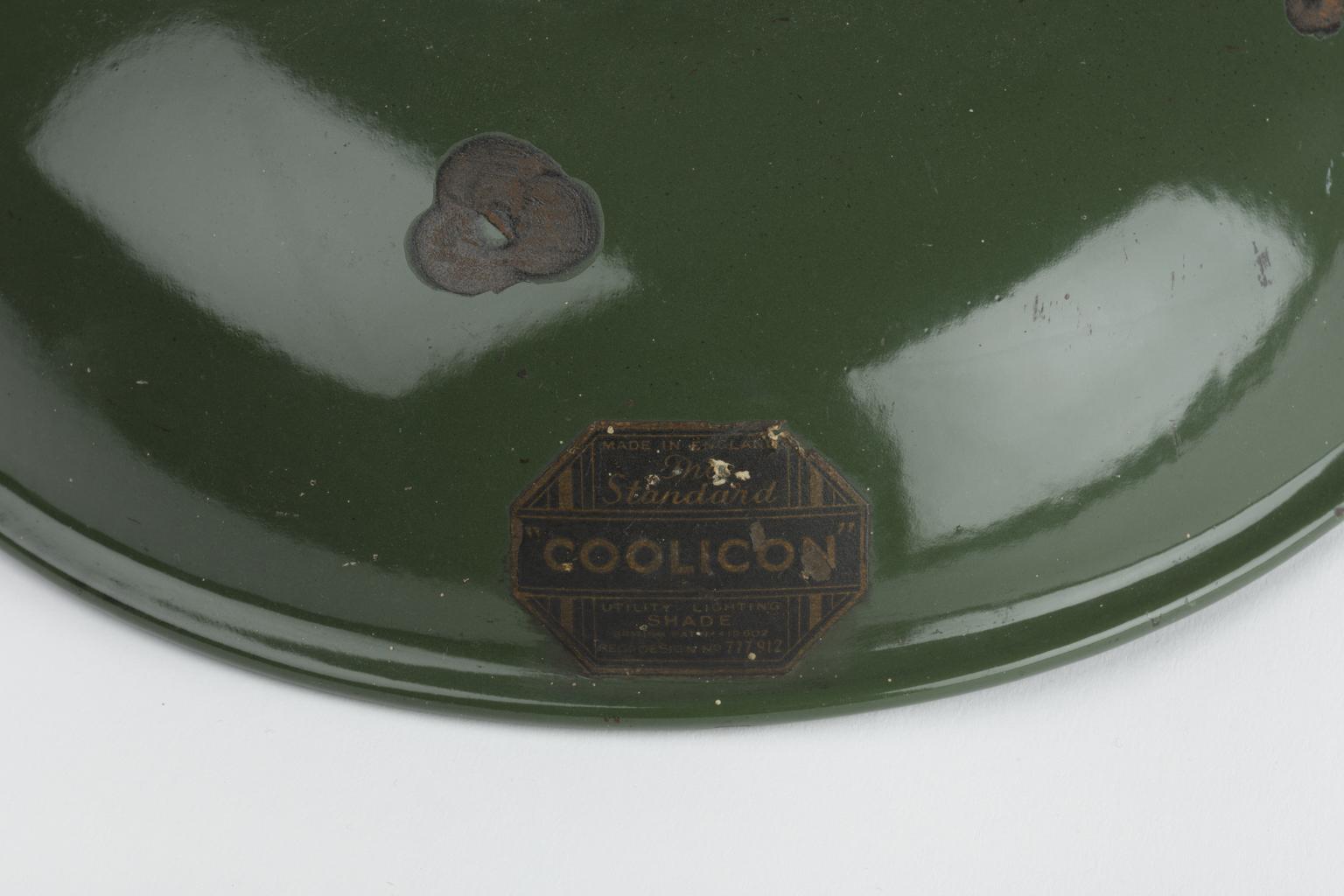
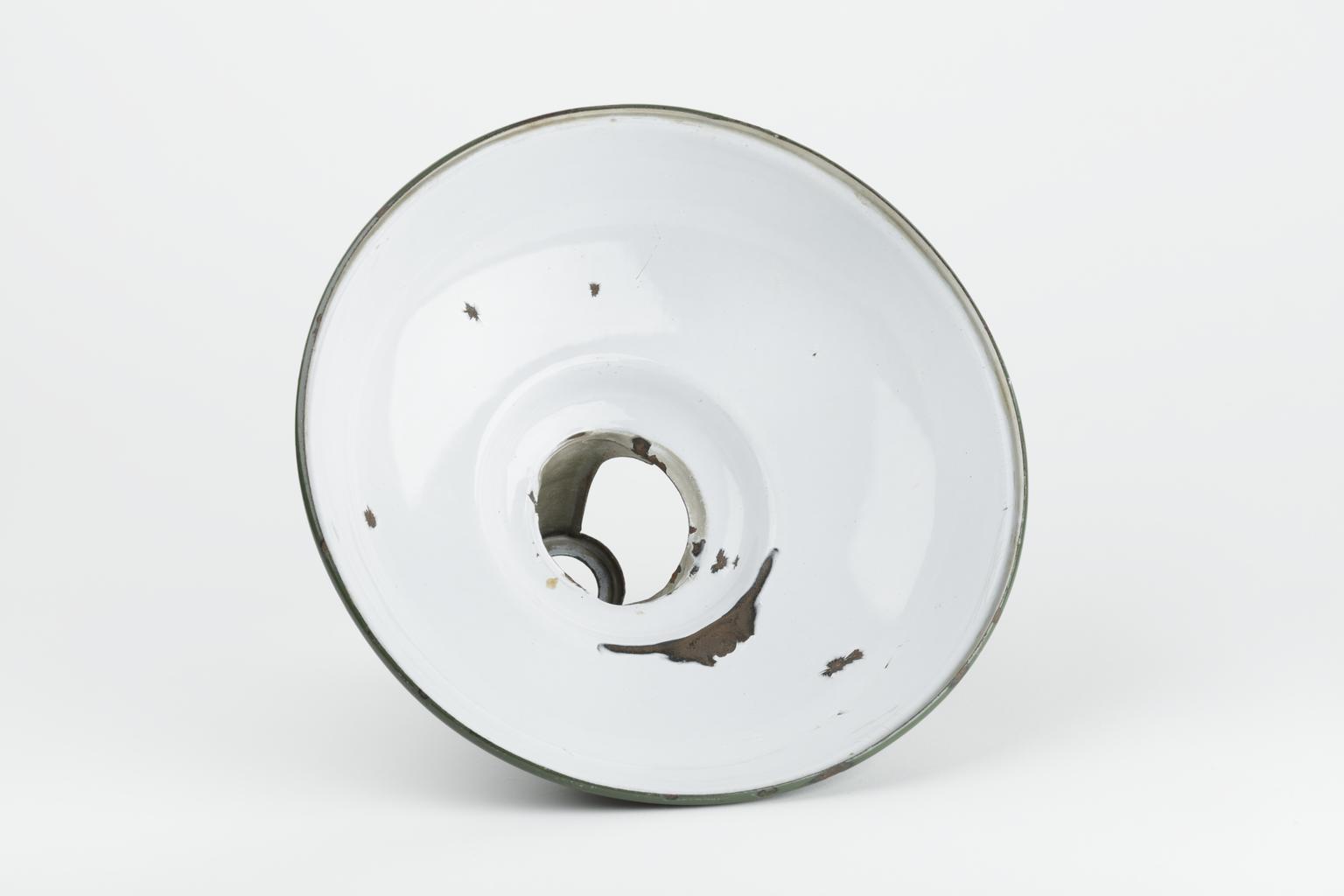
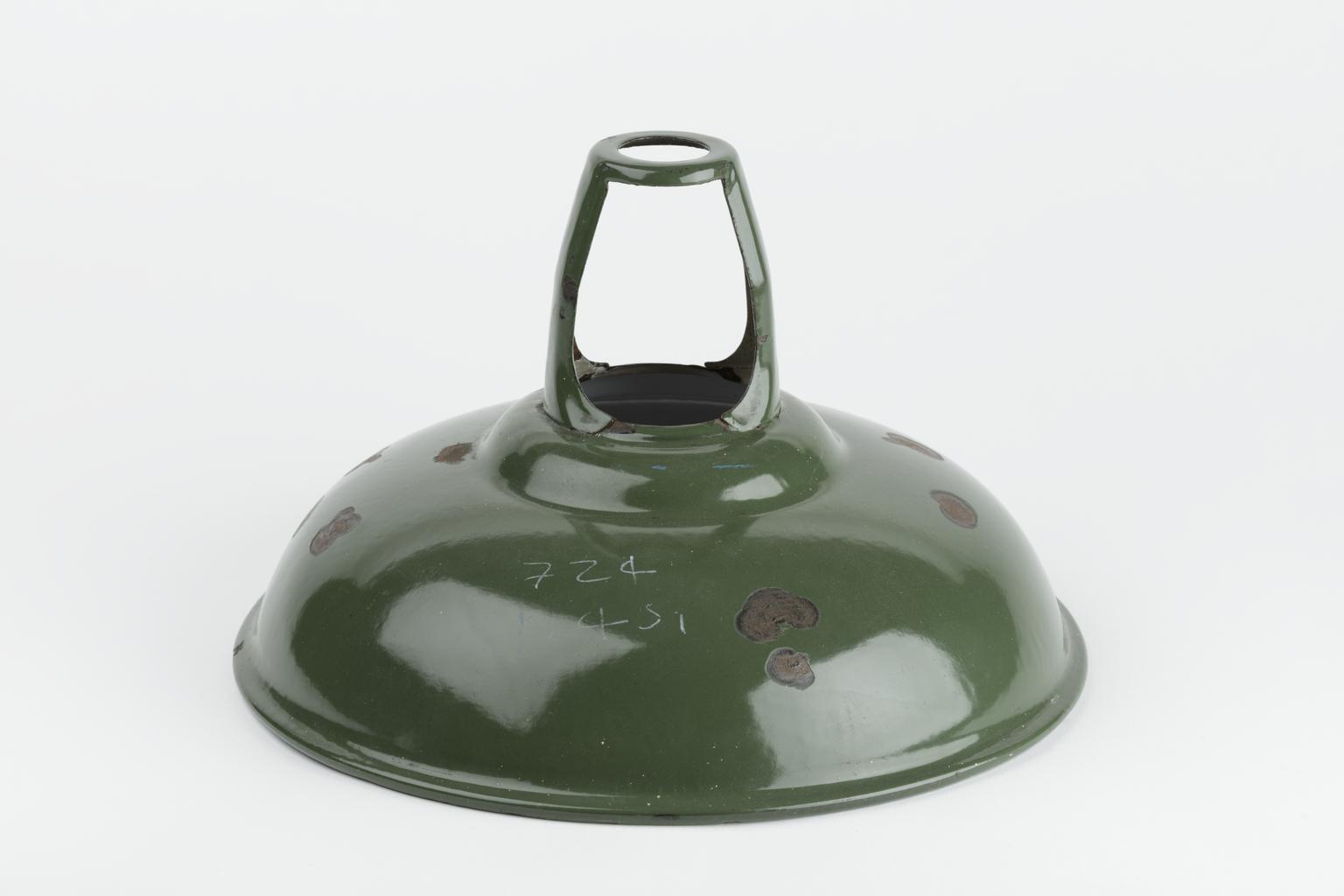
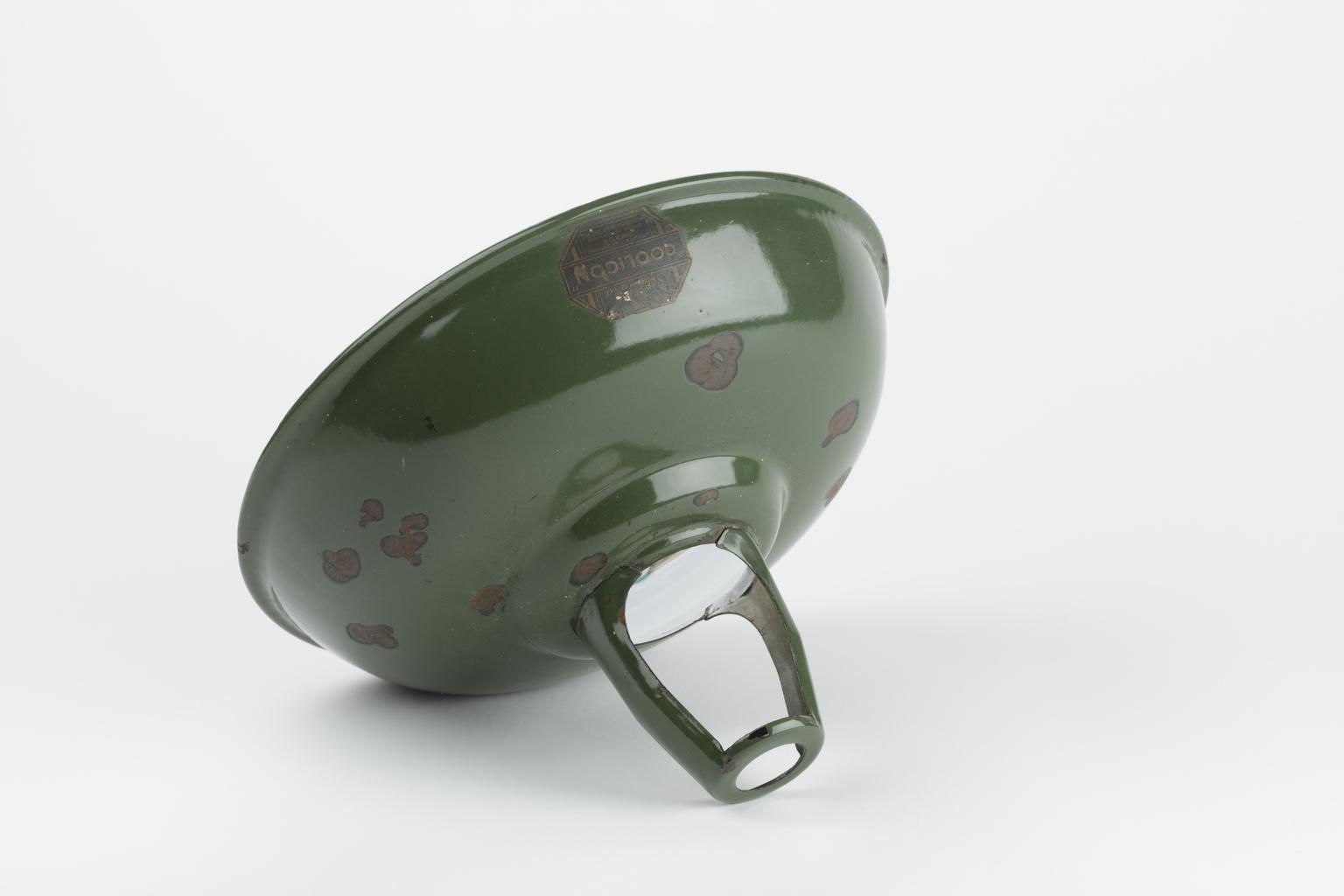
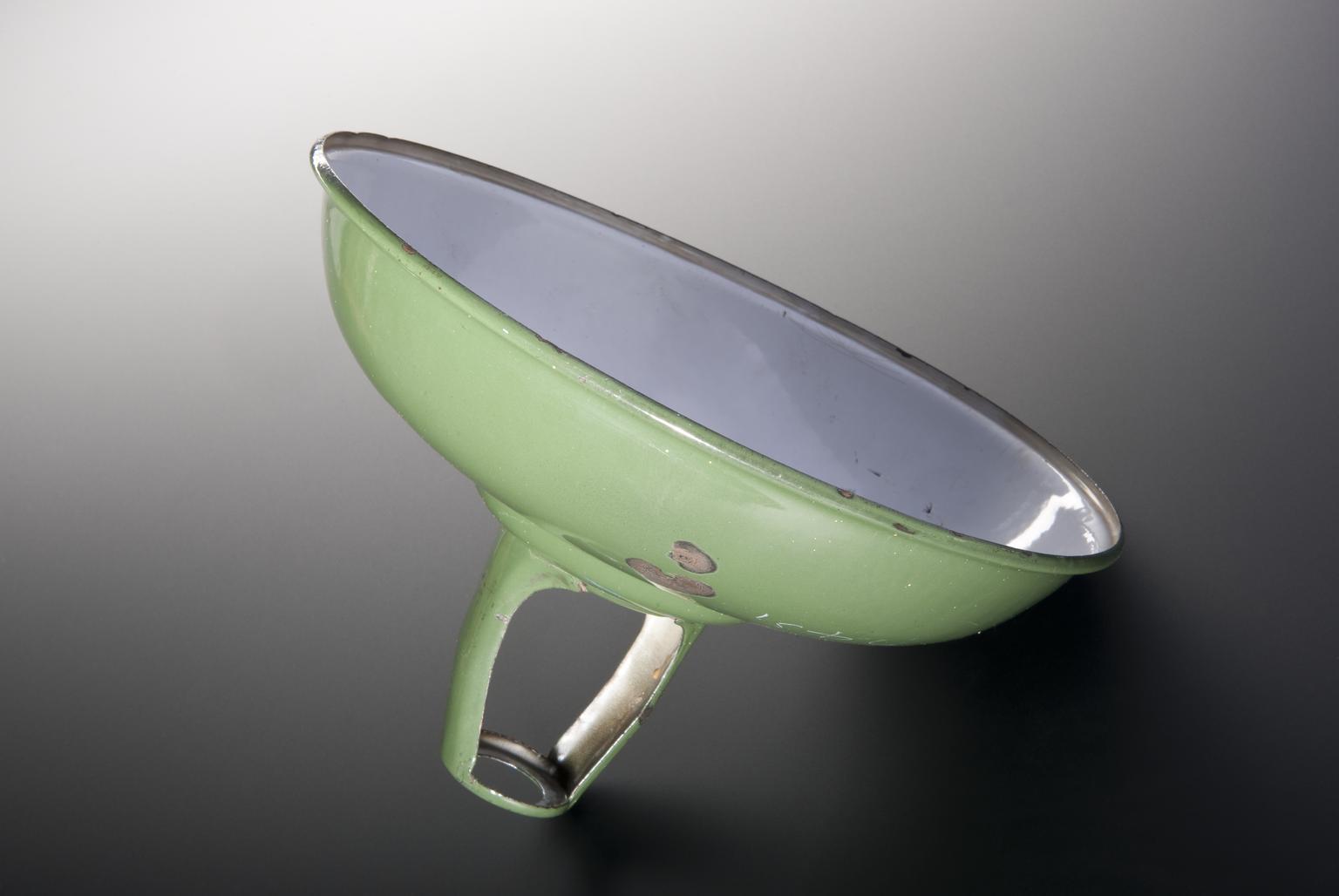
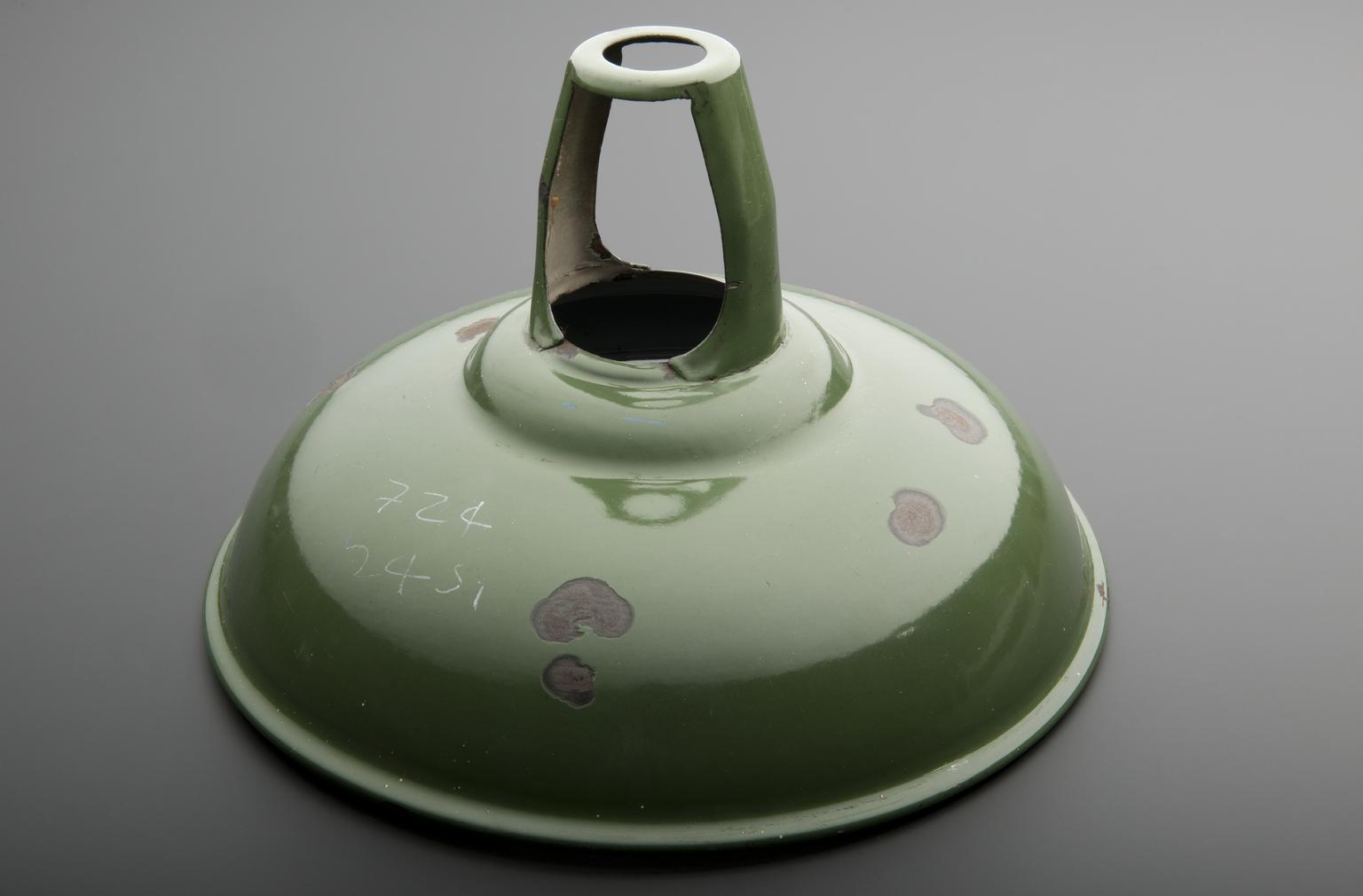
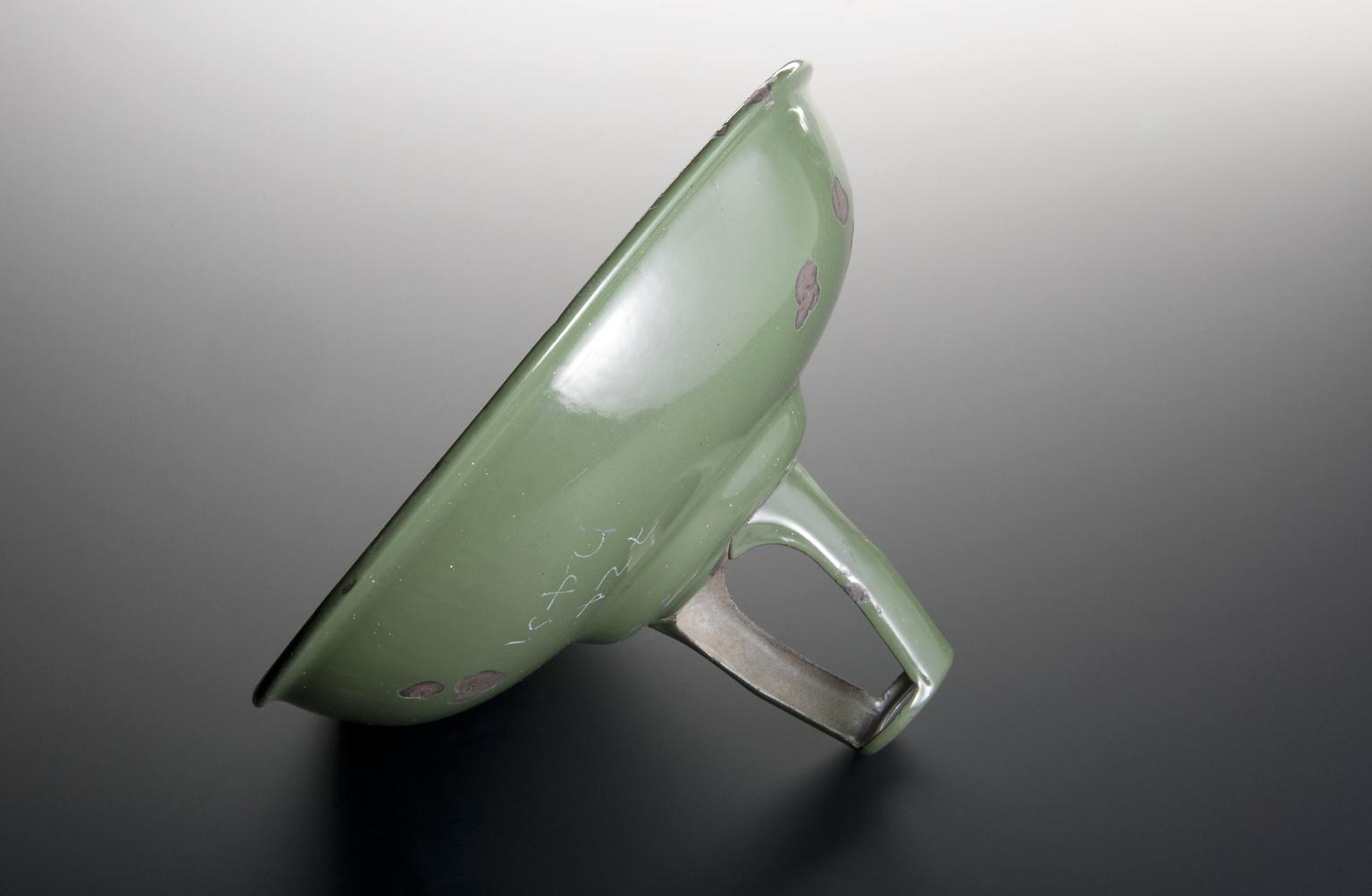
"Coolicon" utility lighting shade, made in England, used as a sound source by Delia Derbyshire for 'Blue Veils & Golden Sands', 1967. Used in BBC Radiophonic Workshop.
More
This lampshade is part of the objects and instruments used by BBC’s pioneer music studio, the Radiophonic Workshop which operated between 1958 to 1998. Known for creating strange new sounds by using synthesizers, manipulating sound, and using everyday objects, the Radiophonic Workshop created over 100 musical pieces, with Doctor Who’s theme by Delia Derbyshire being their most famous one. Due to their constrained budget, they used all sorts of objects to make their soundscapes from more traditional ones like tambourines and bells, to chopsticks, metal spirals, and lampshades from the corridors.
The BBC Radiophonic Workshop was one of the sound effects units of the BBC, created in 1958 to produce incidental sounds and new music for radio and, later, television. The unit is known for its experimental and pioneering work in electronic music and music technology, as well as its popular scores for programs such as Doctor Who and Quatermass and the Pit during the 1950s and 1960s.
The original Radiophonic Workshop was based in the BBC's Maida Vale Studios in Delaware Road, Maida Vale, London. The Workshop was closed in March 1998, although much of its traditional work had already been outsourced by 1995. Its members included Daphne Oram, Delia Derbyshire, David Cain, John Baker, Paddy Kingsland, Glynis Jones, Maddalena Fagandini and Richard Yeoman-Clark.
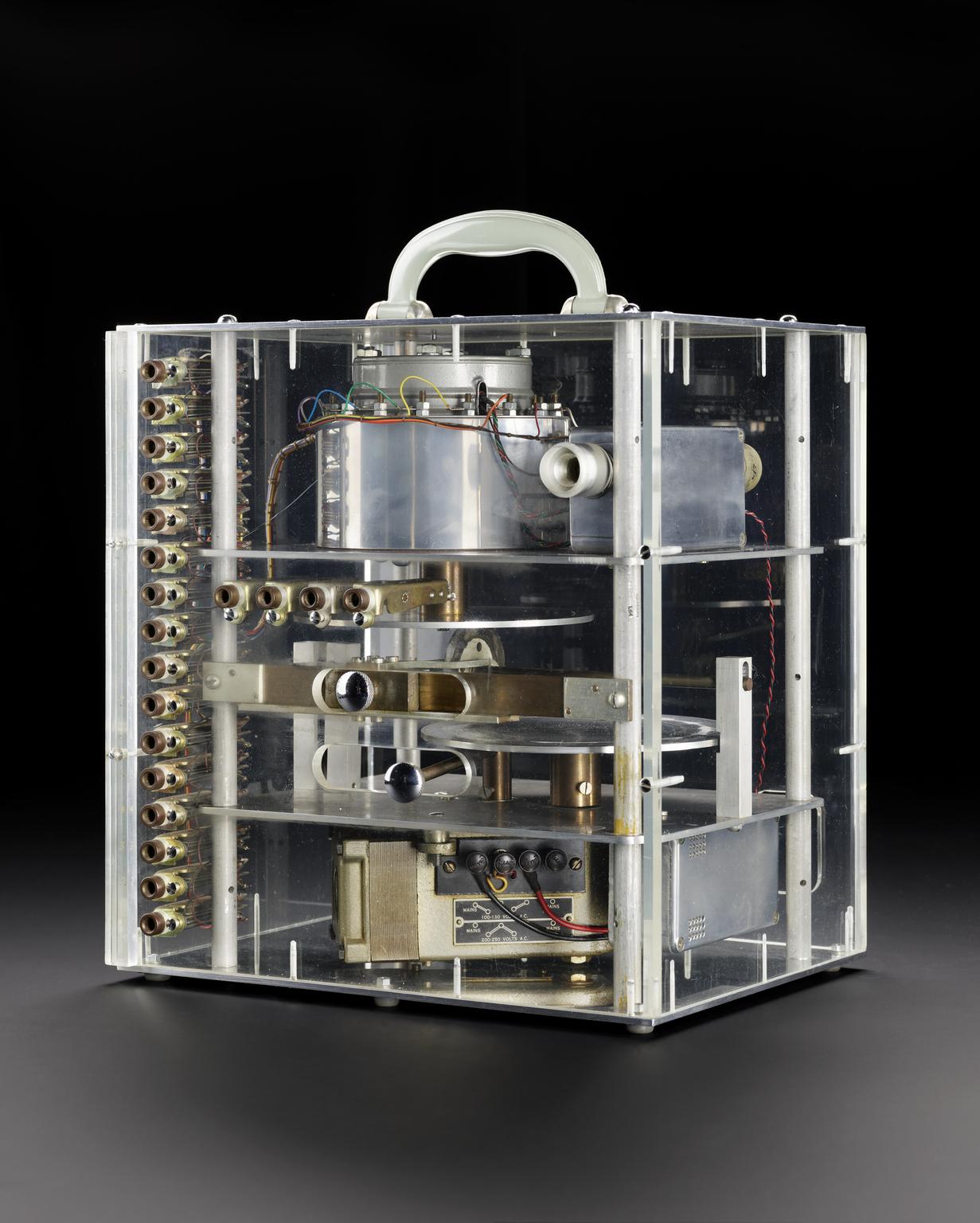
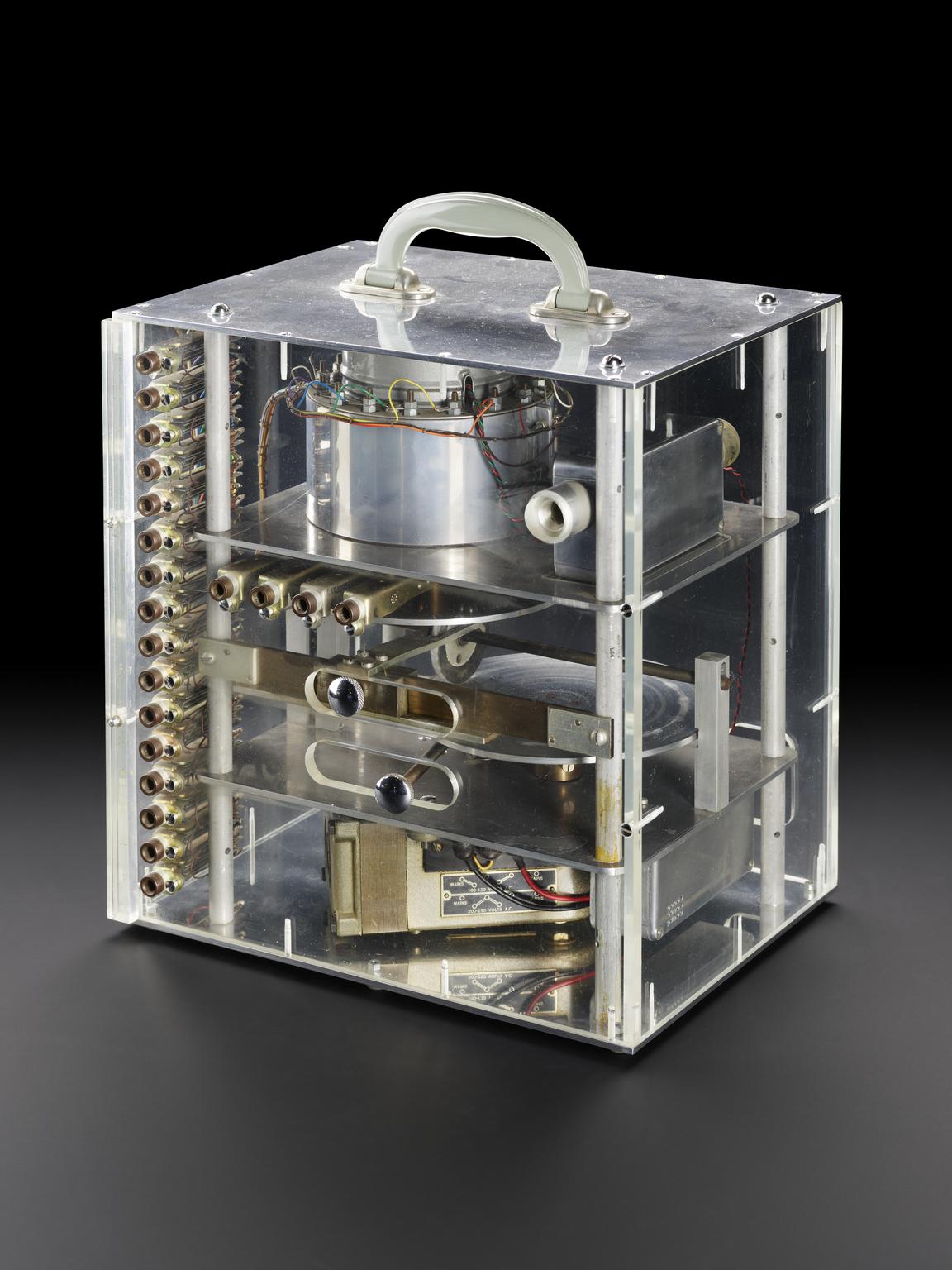
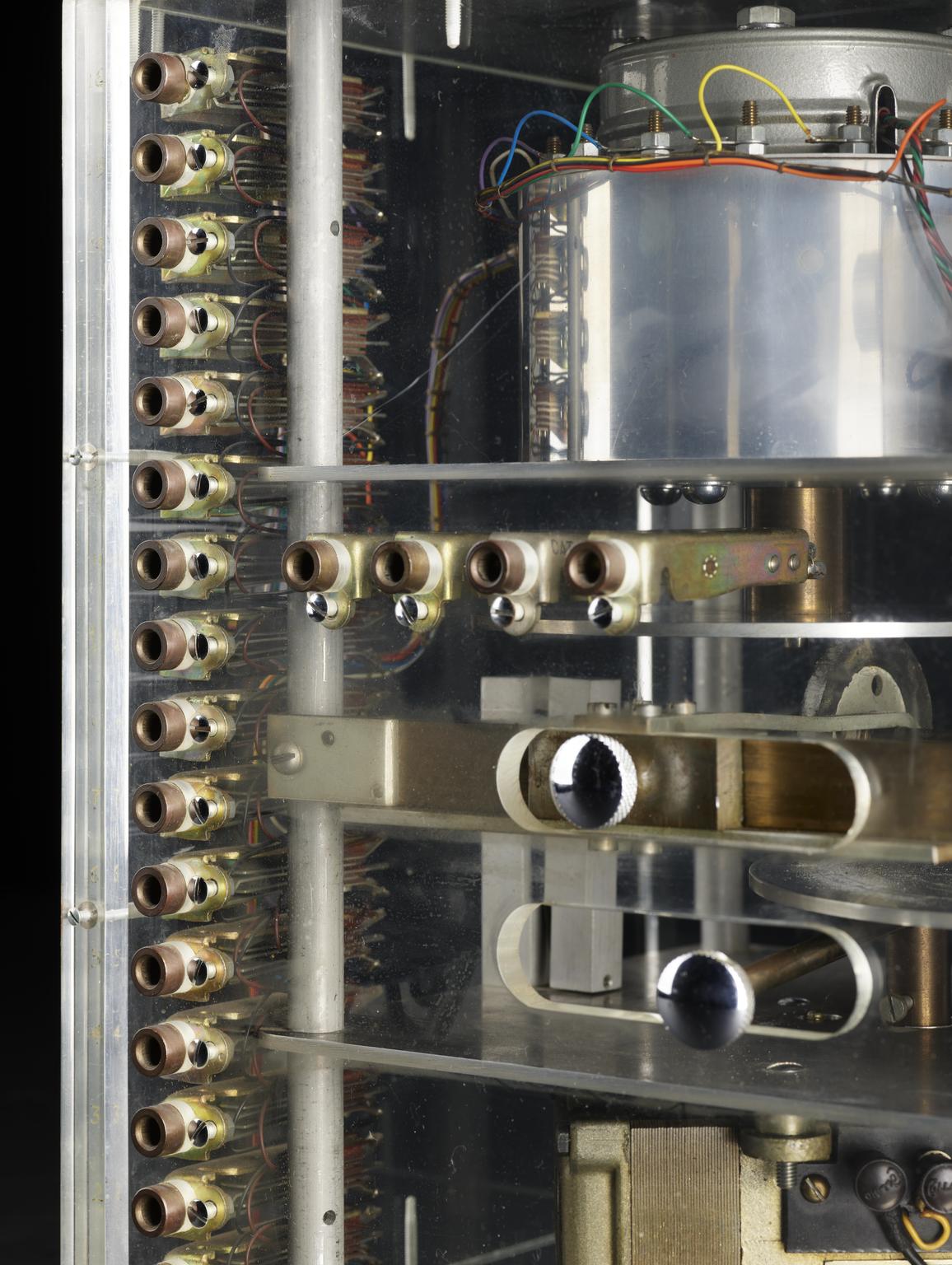
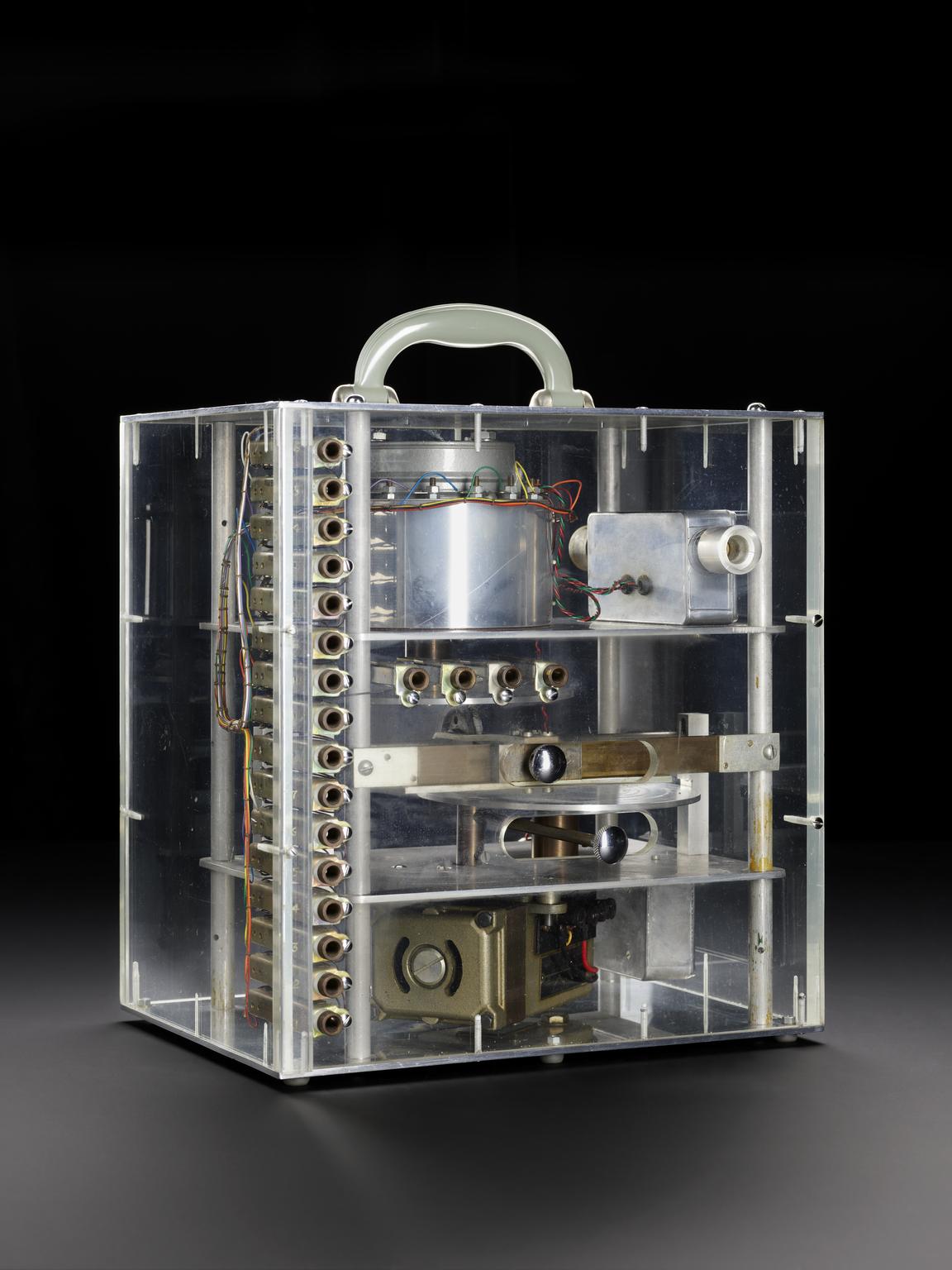
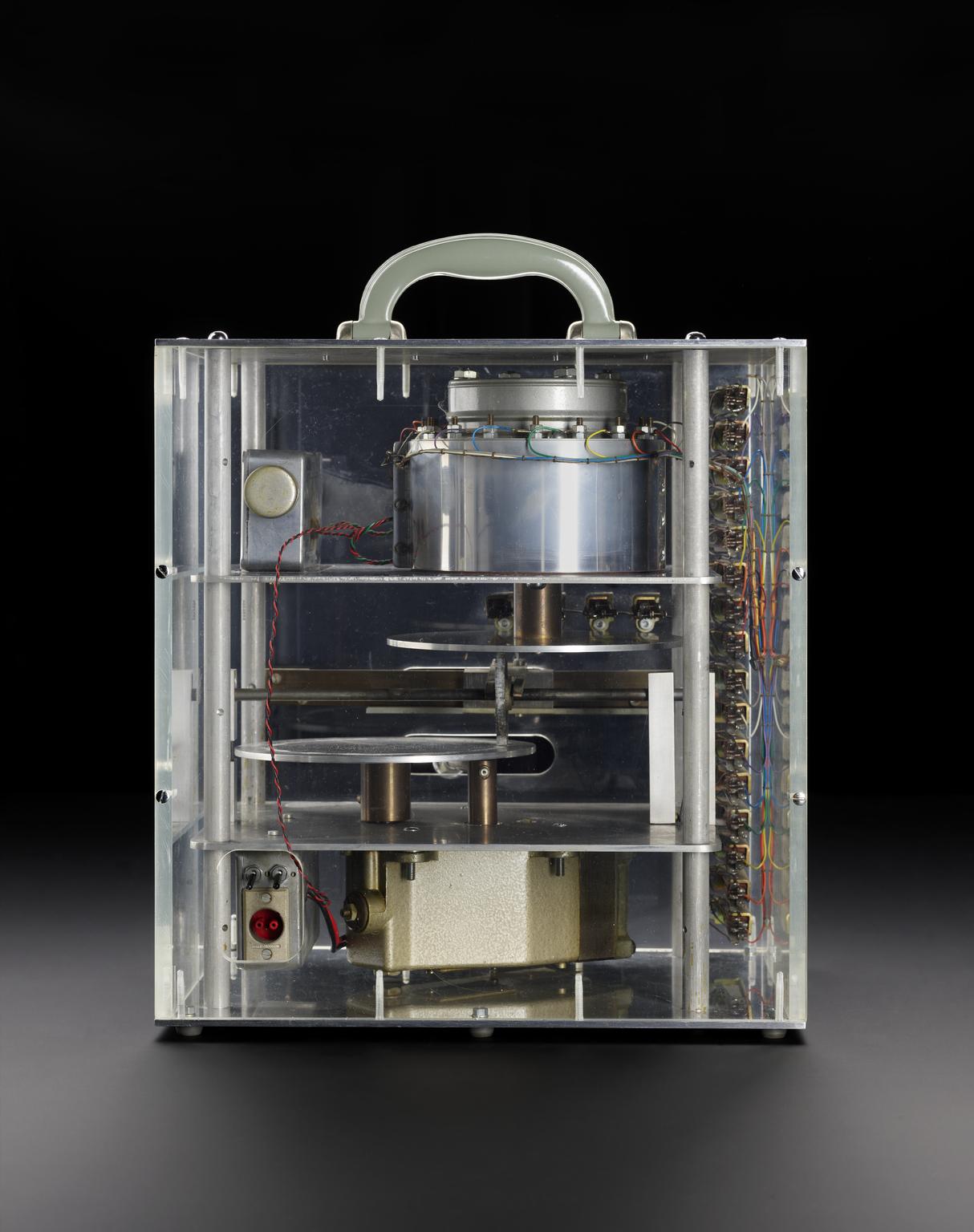
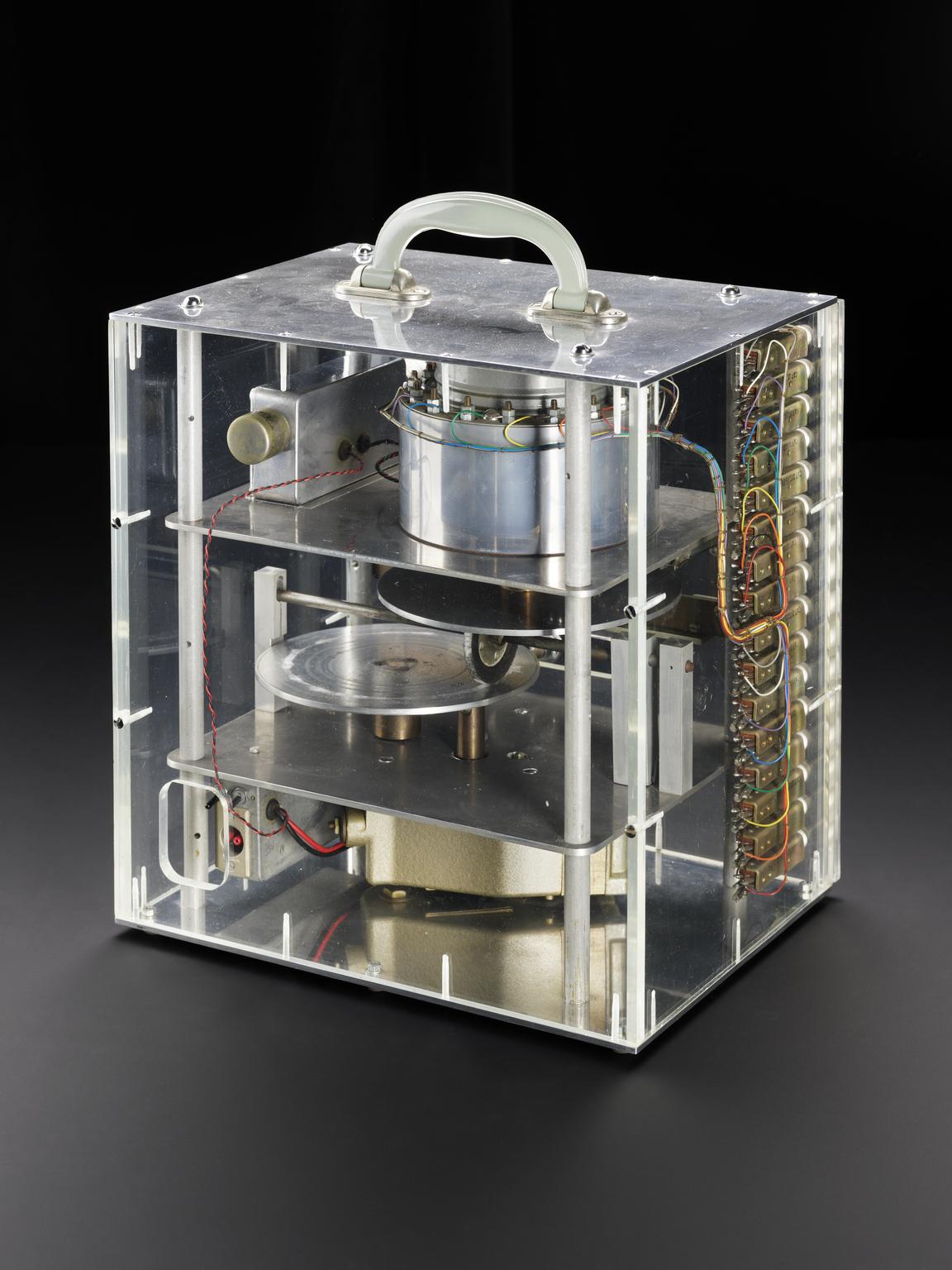
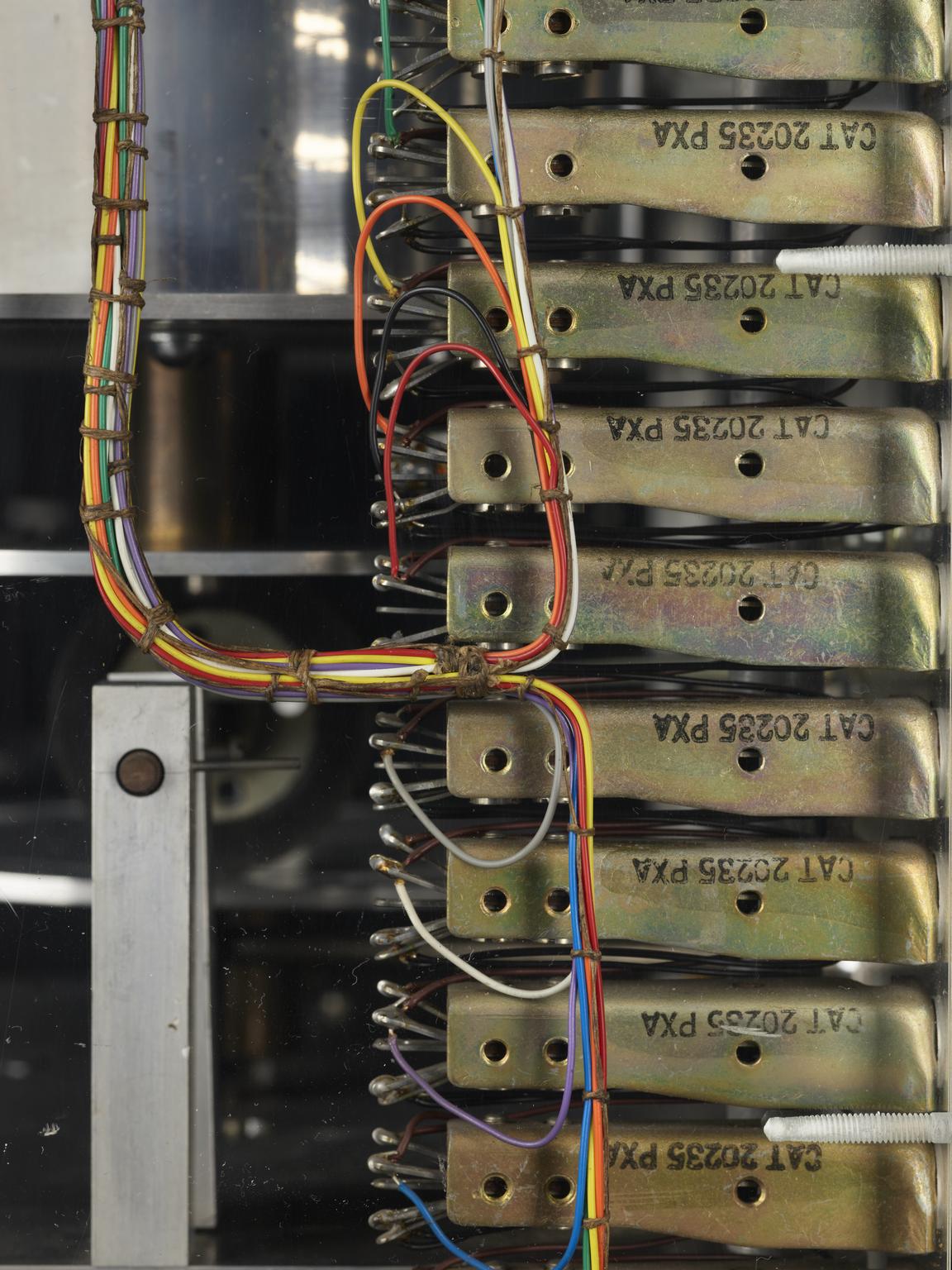
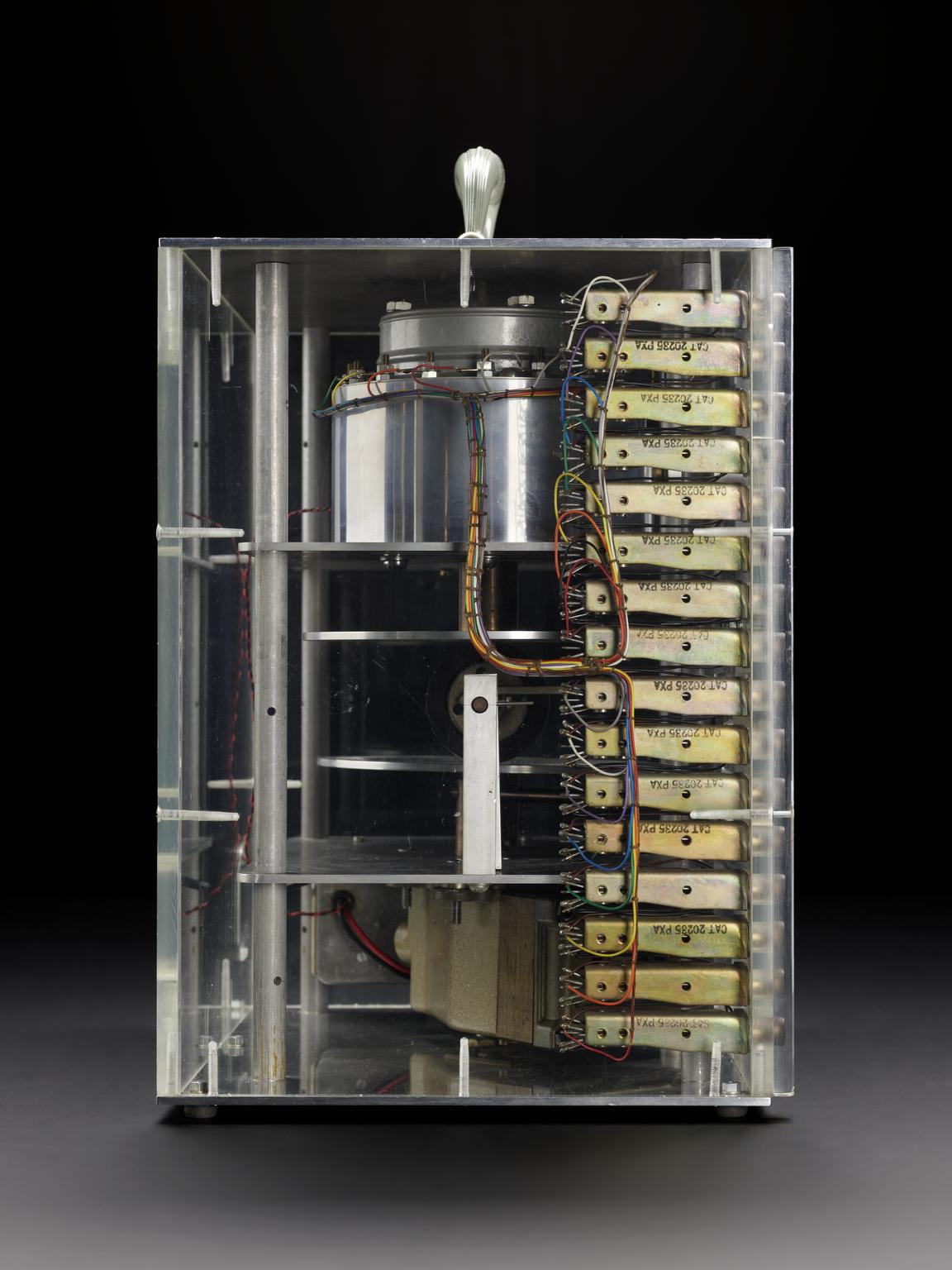
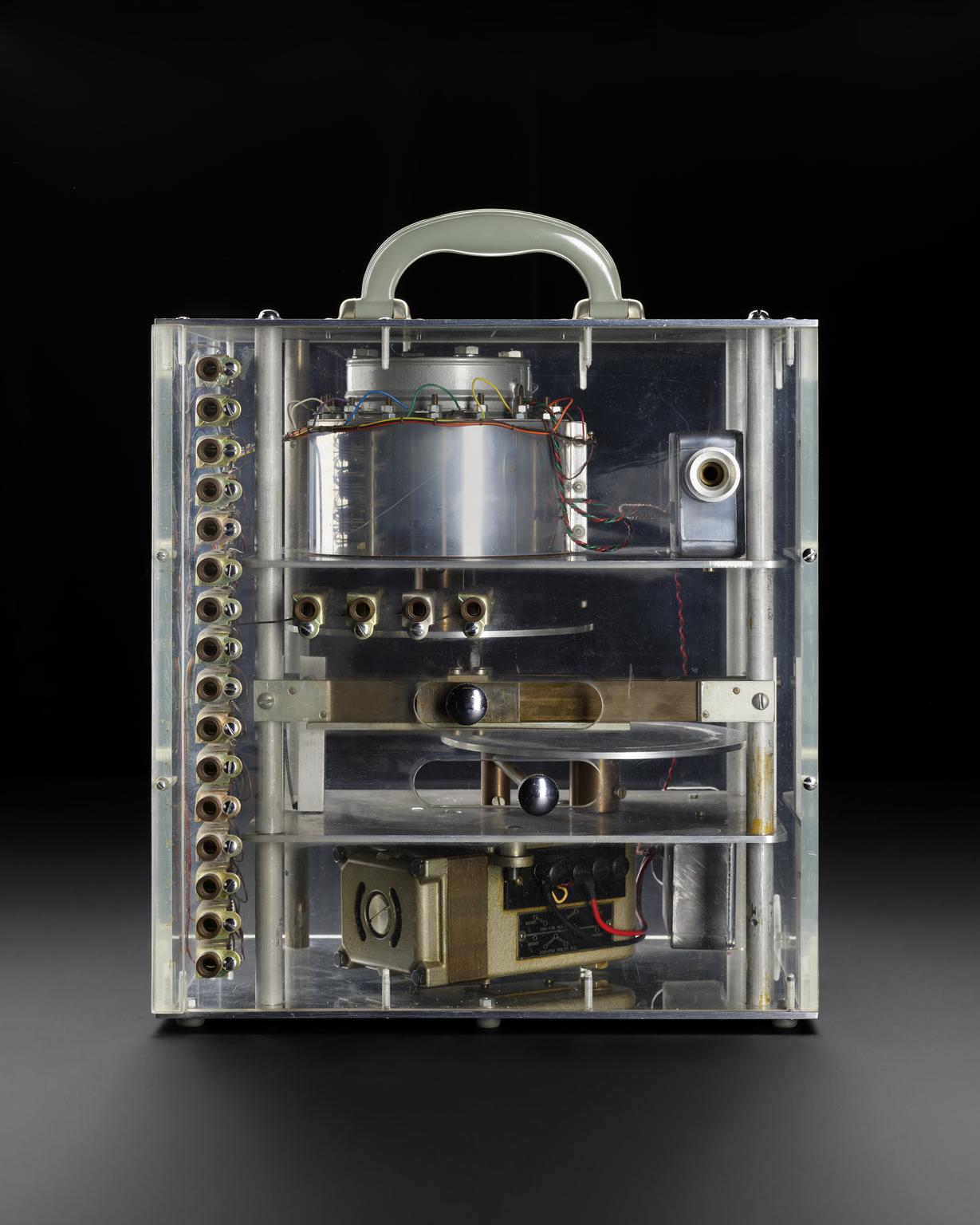
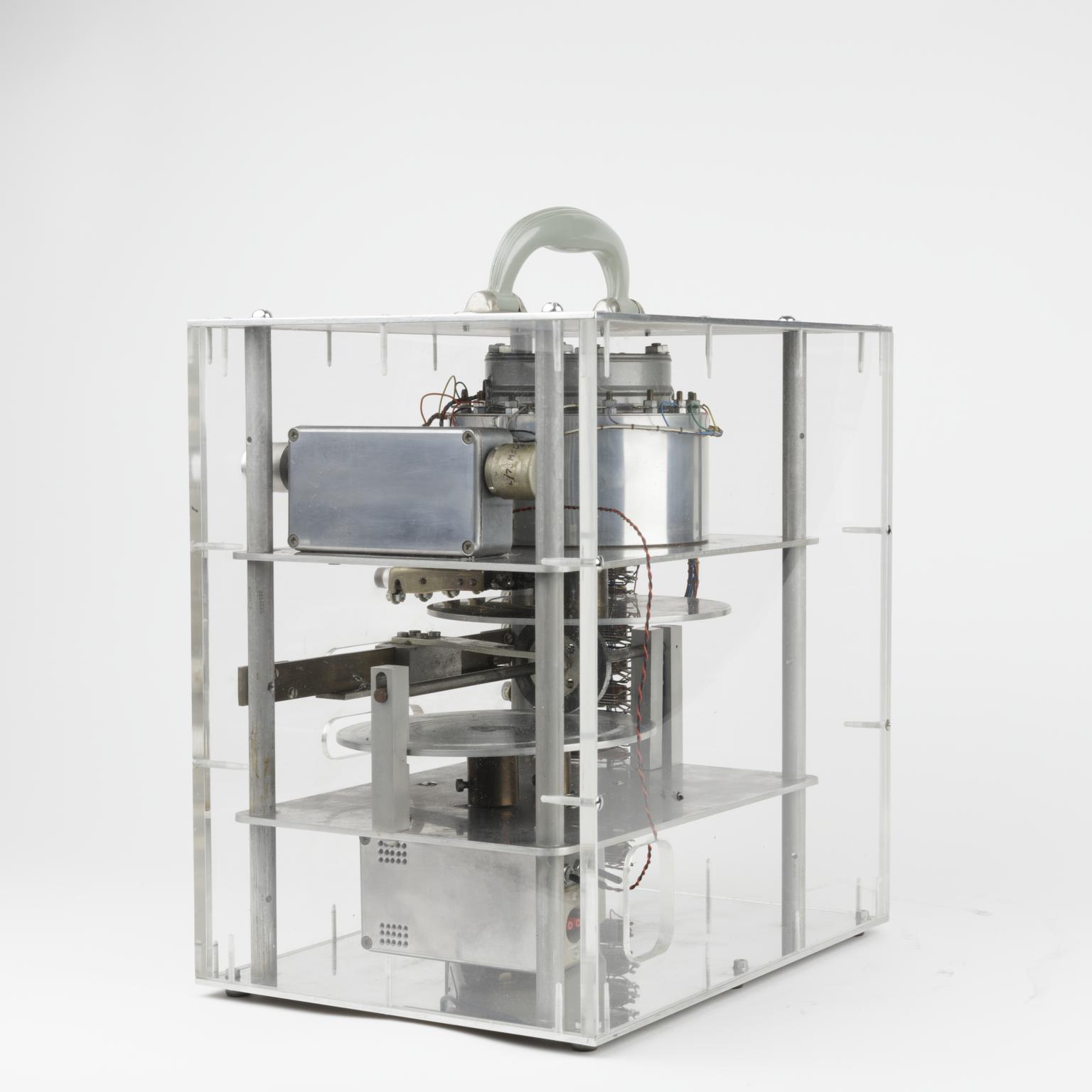
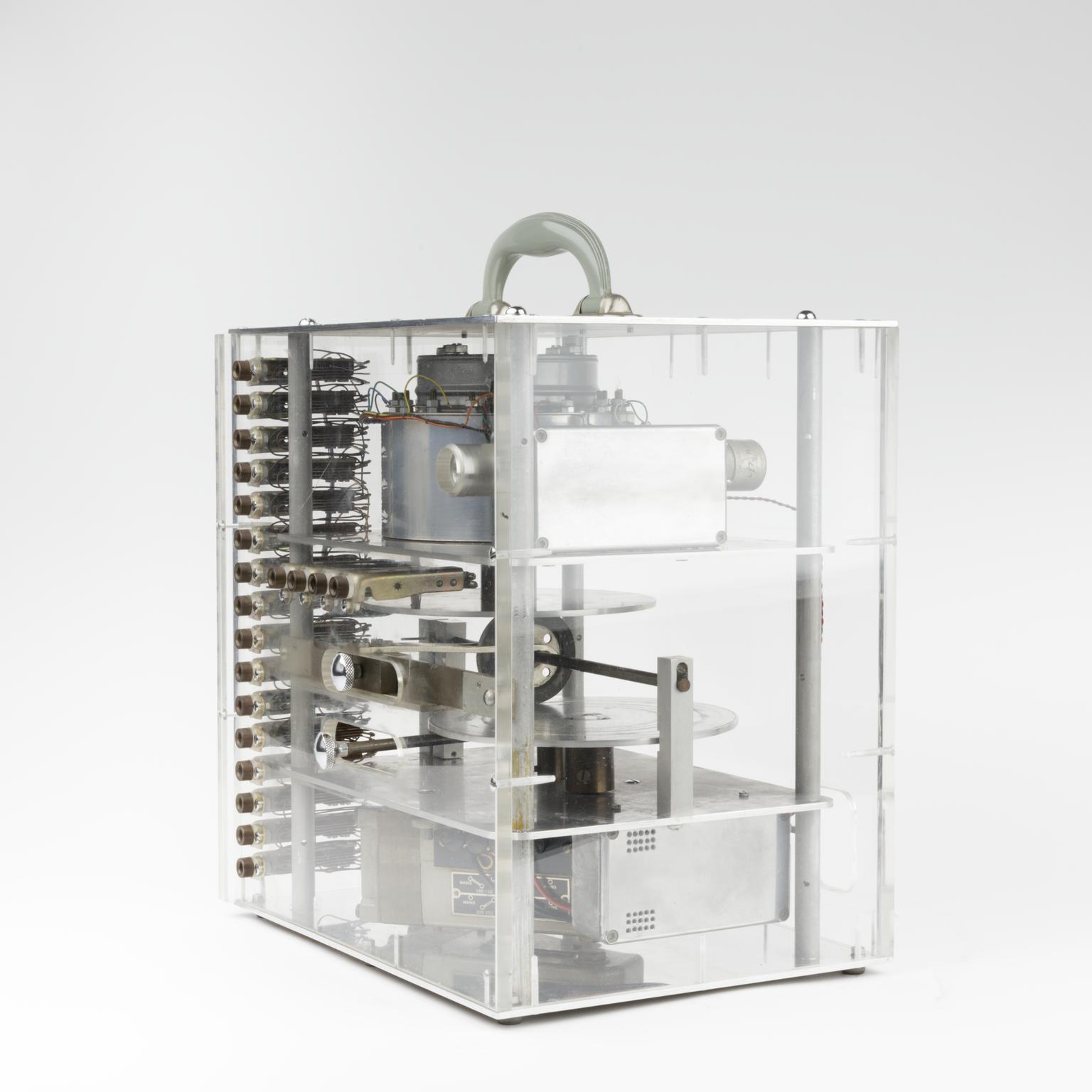
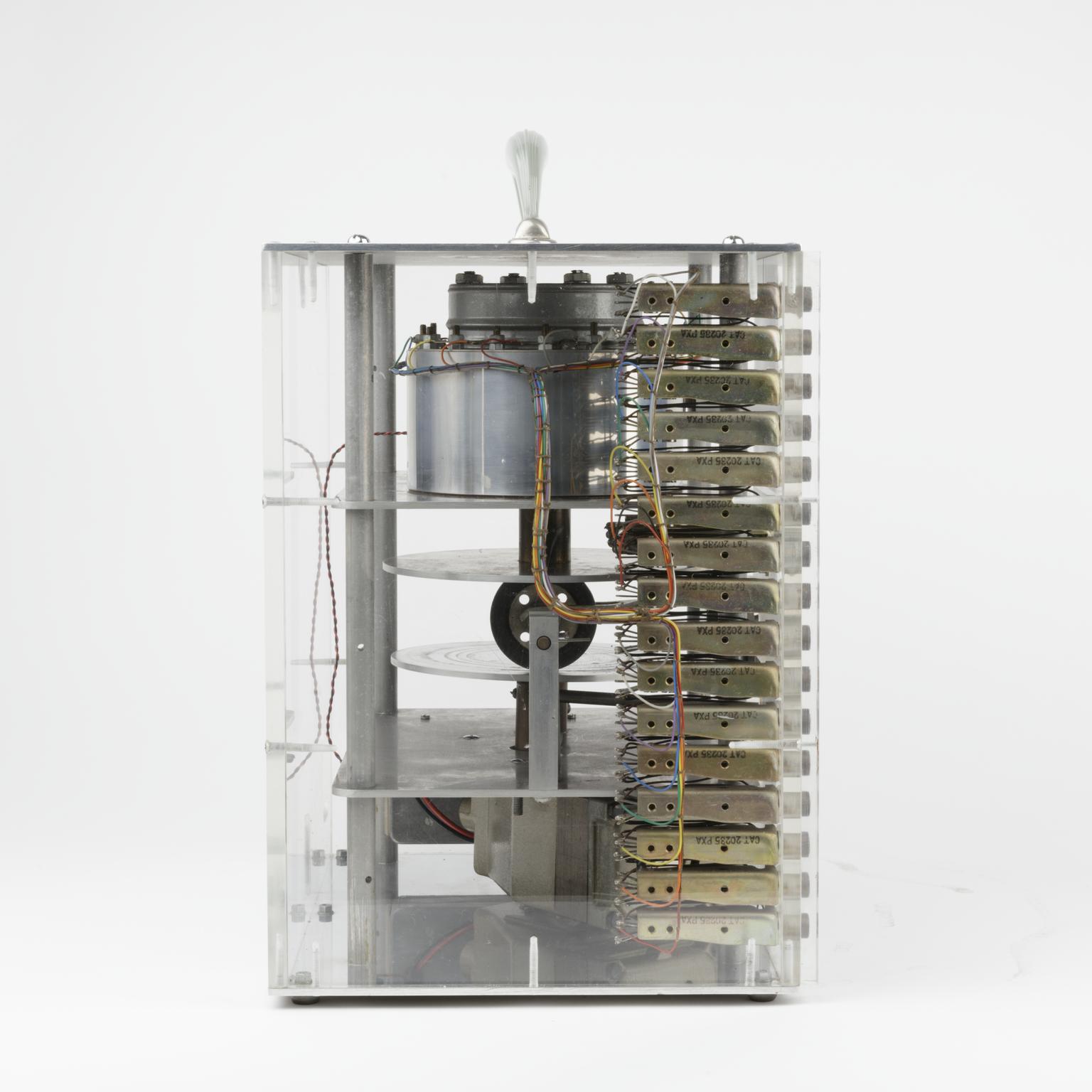
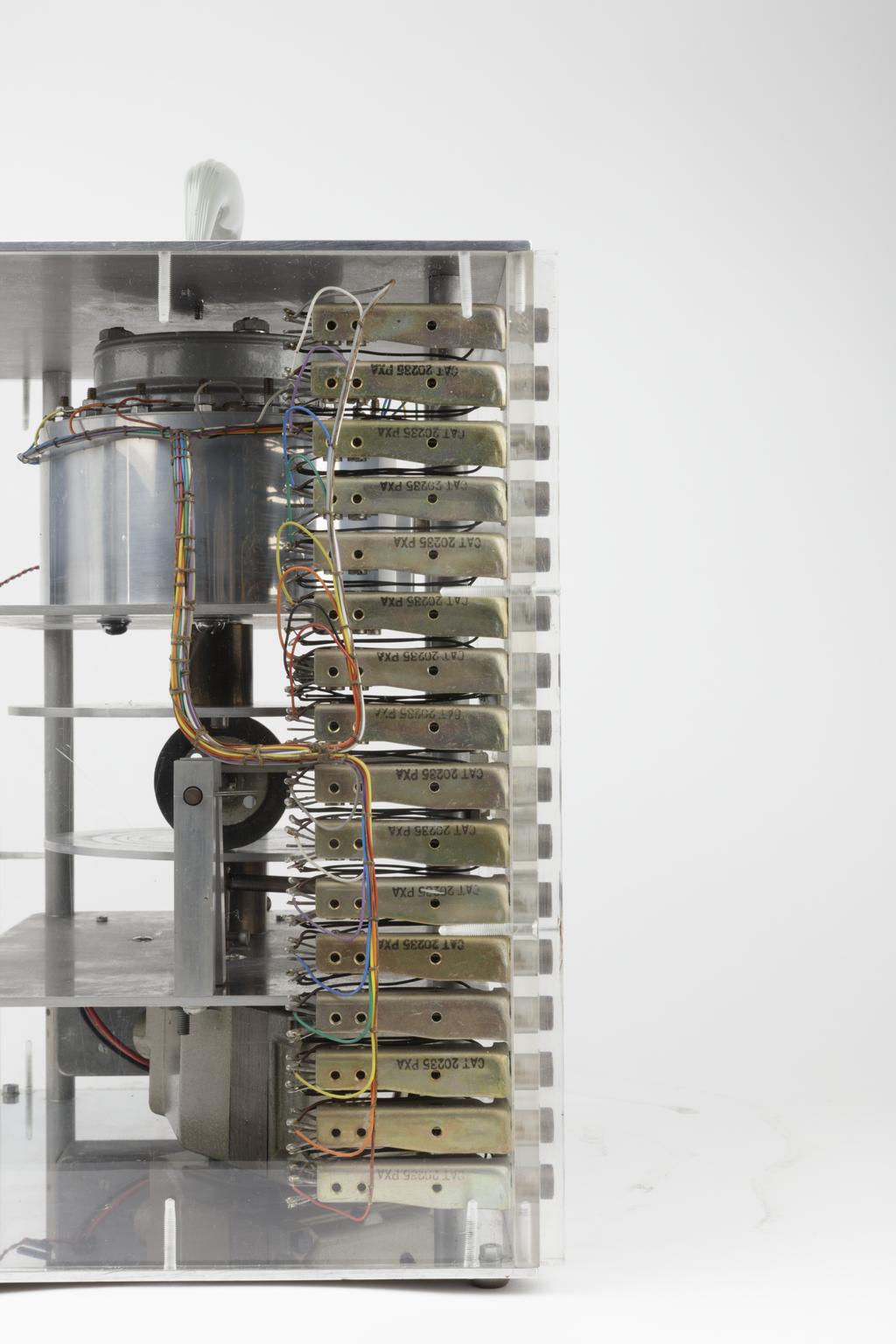
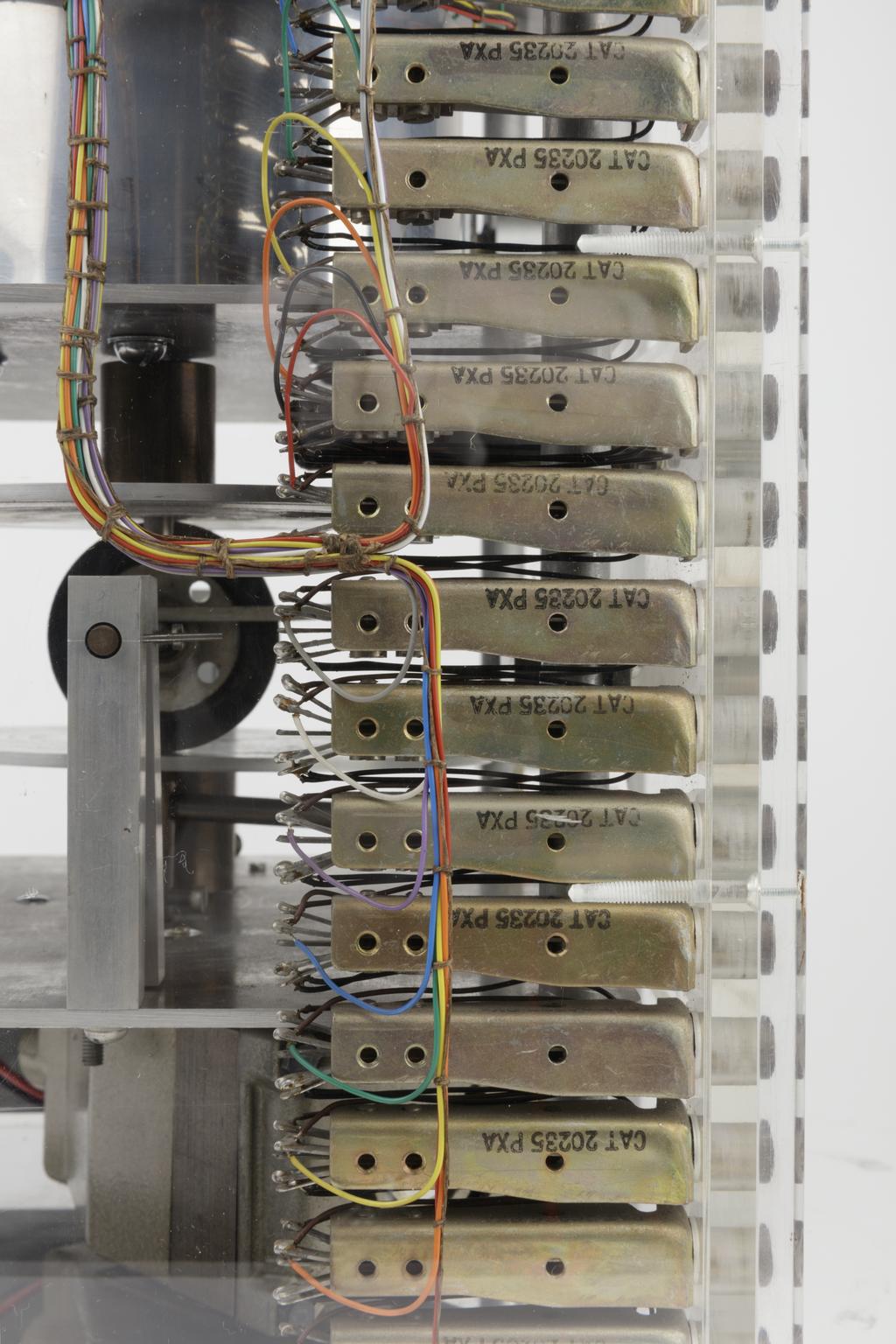
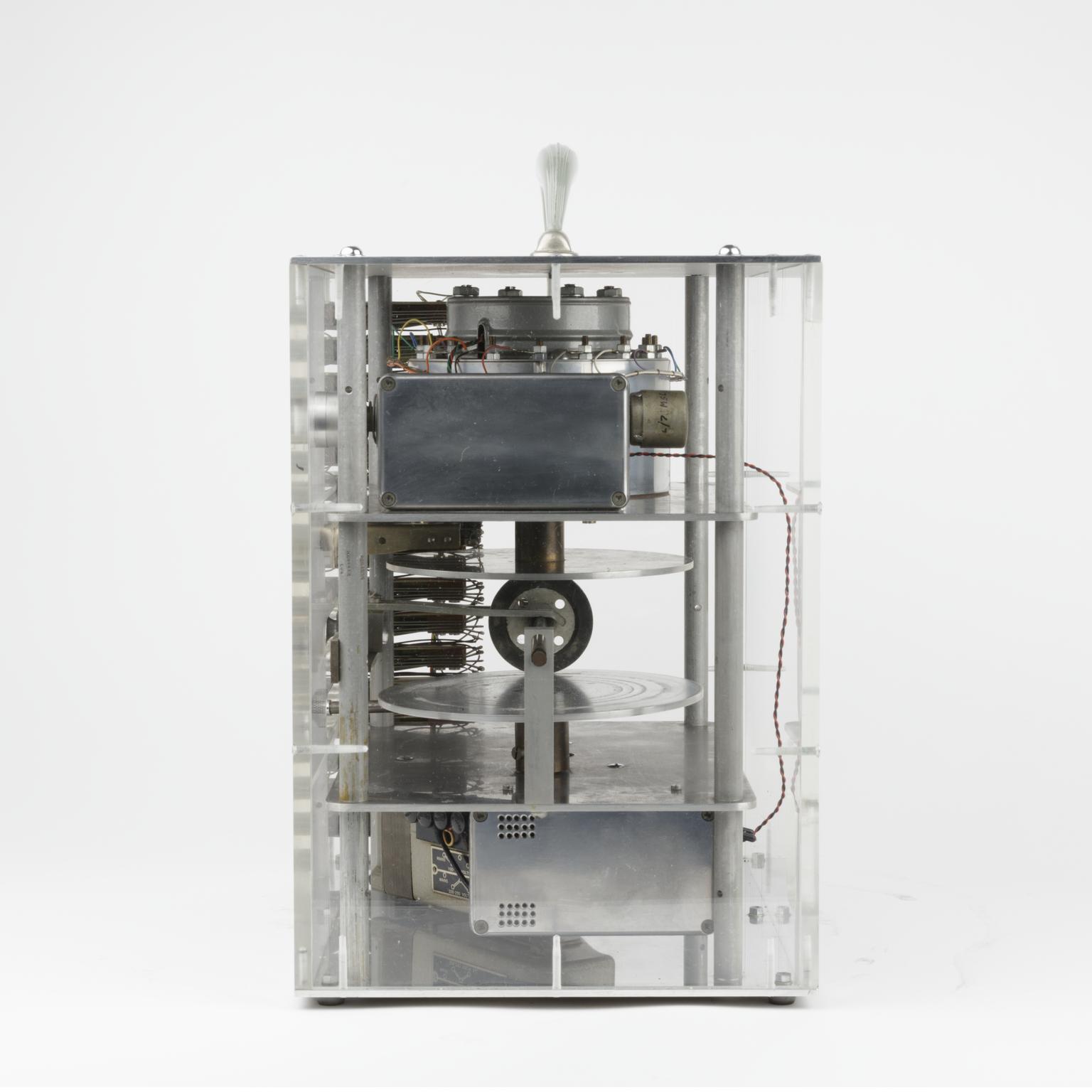
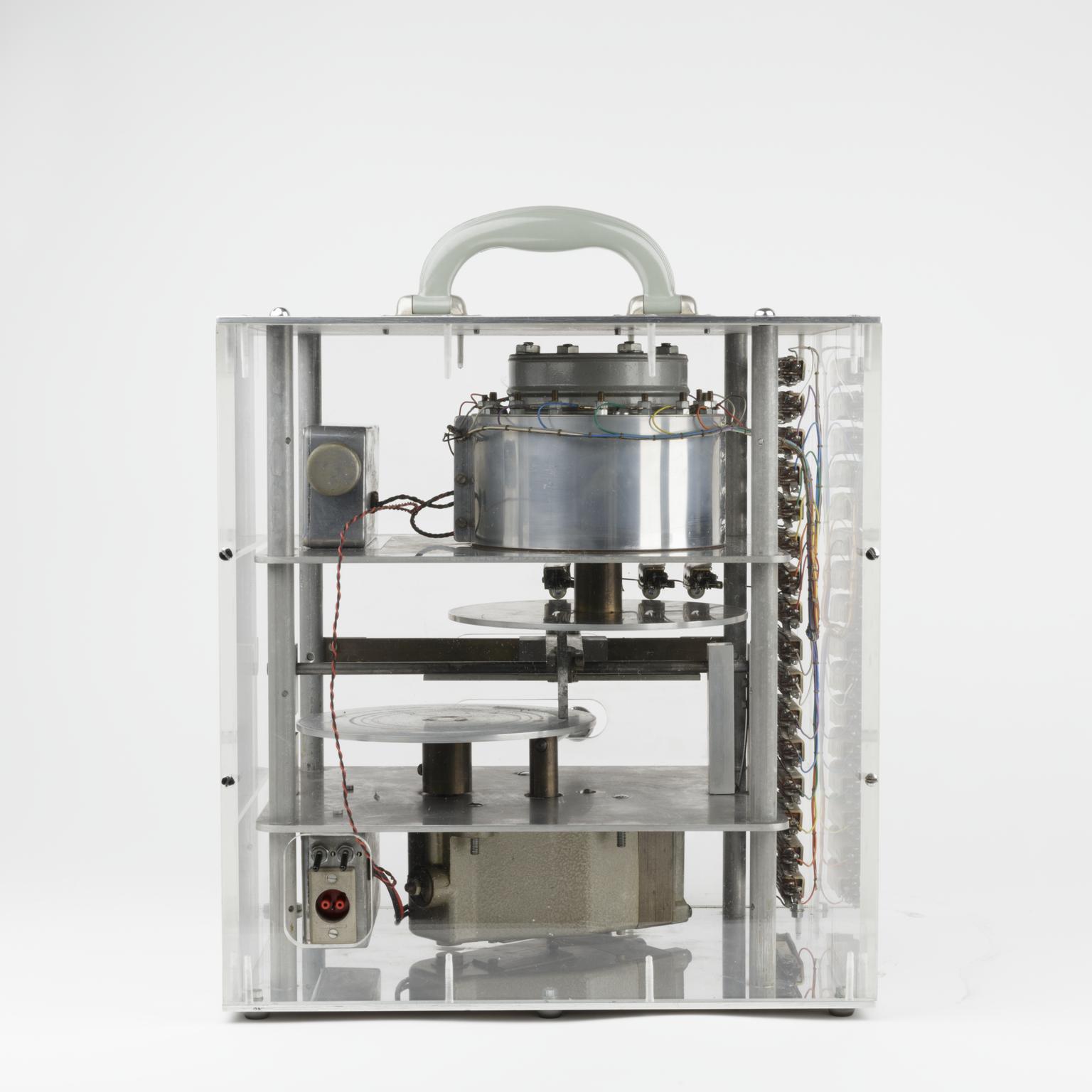
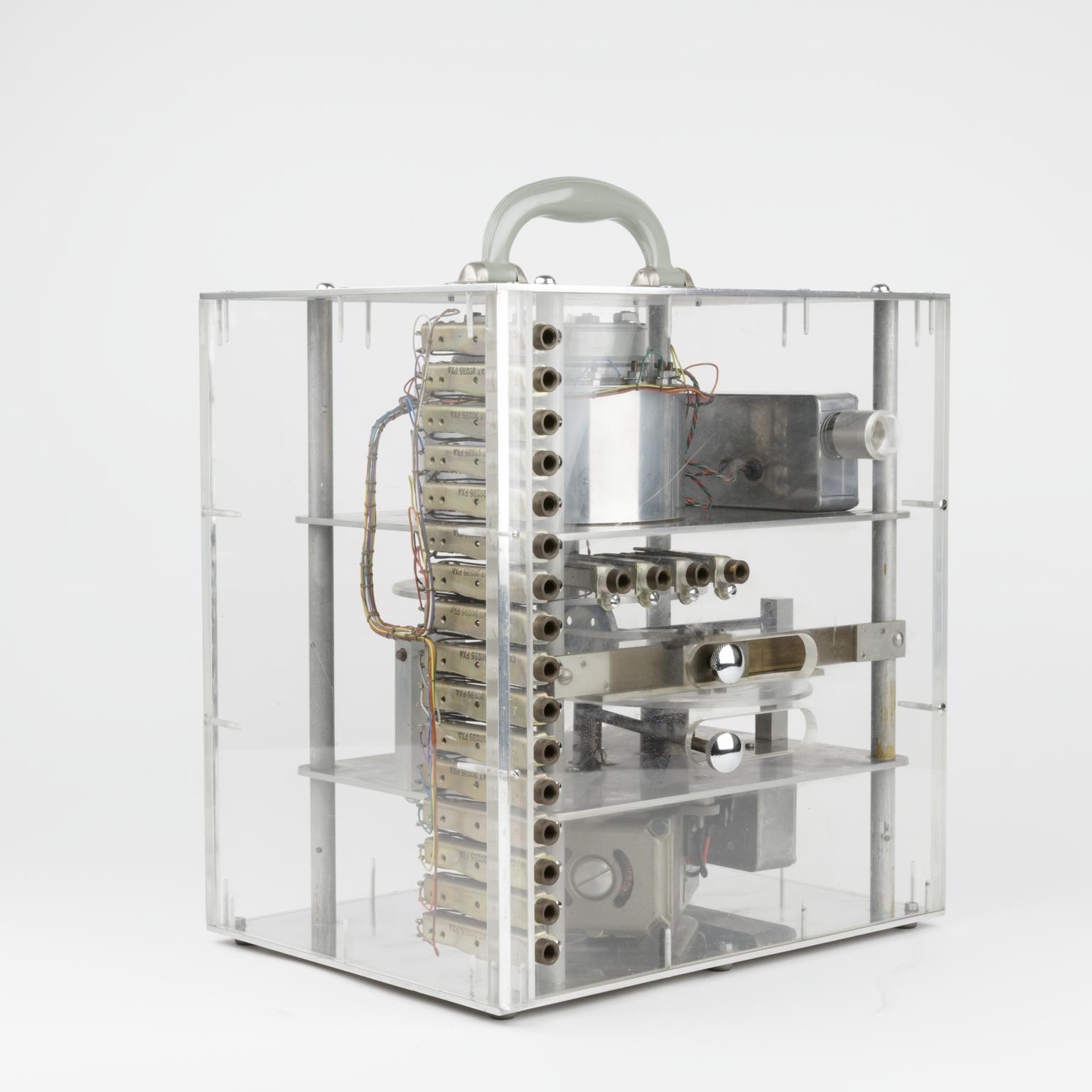
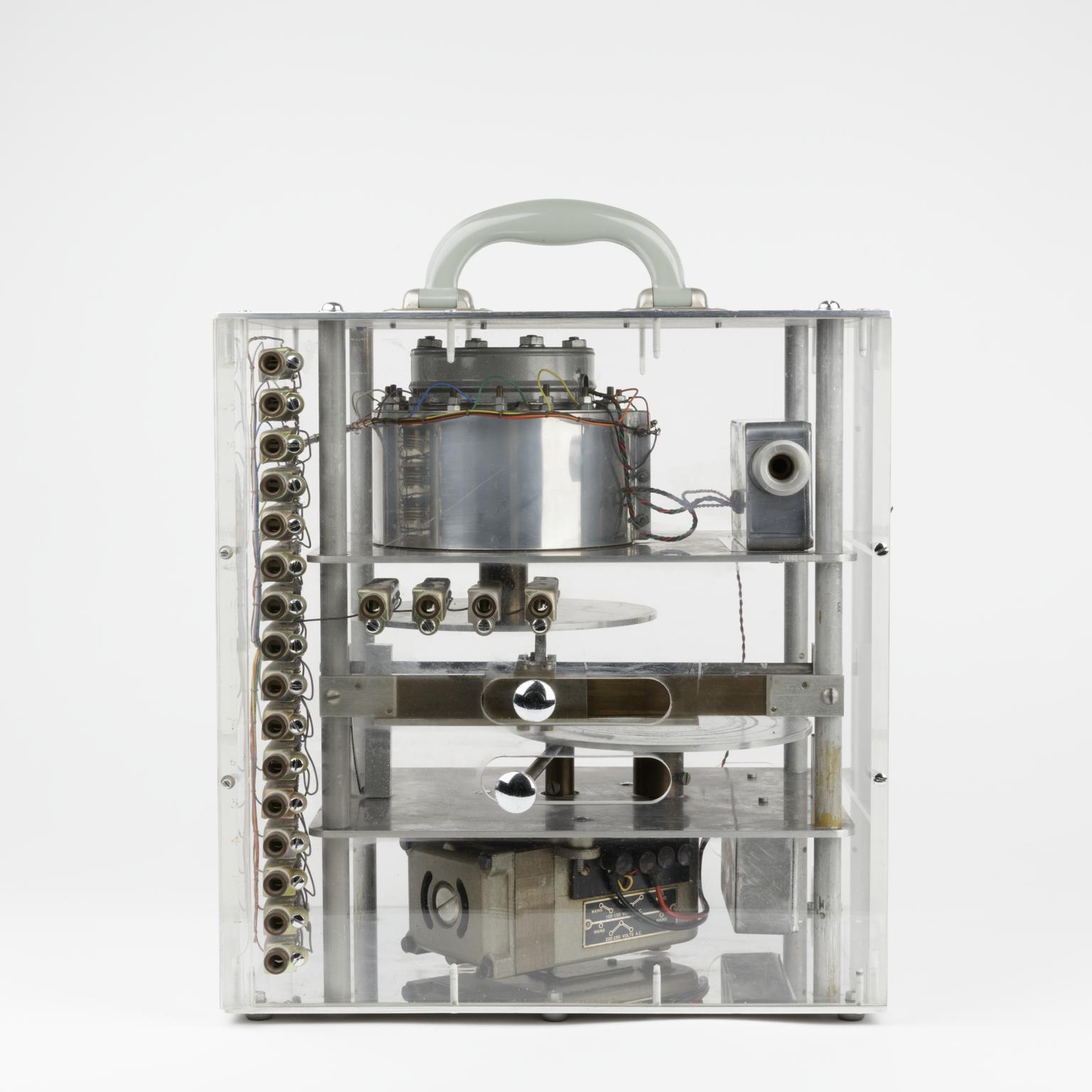
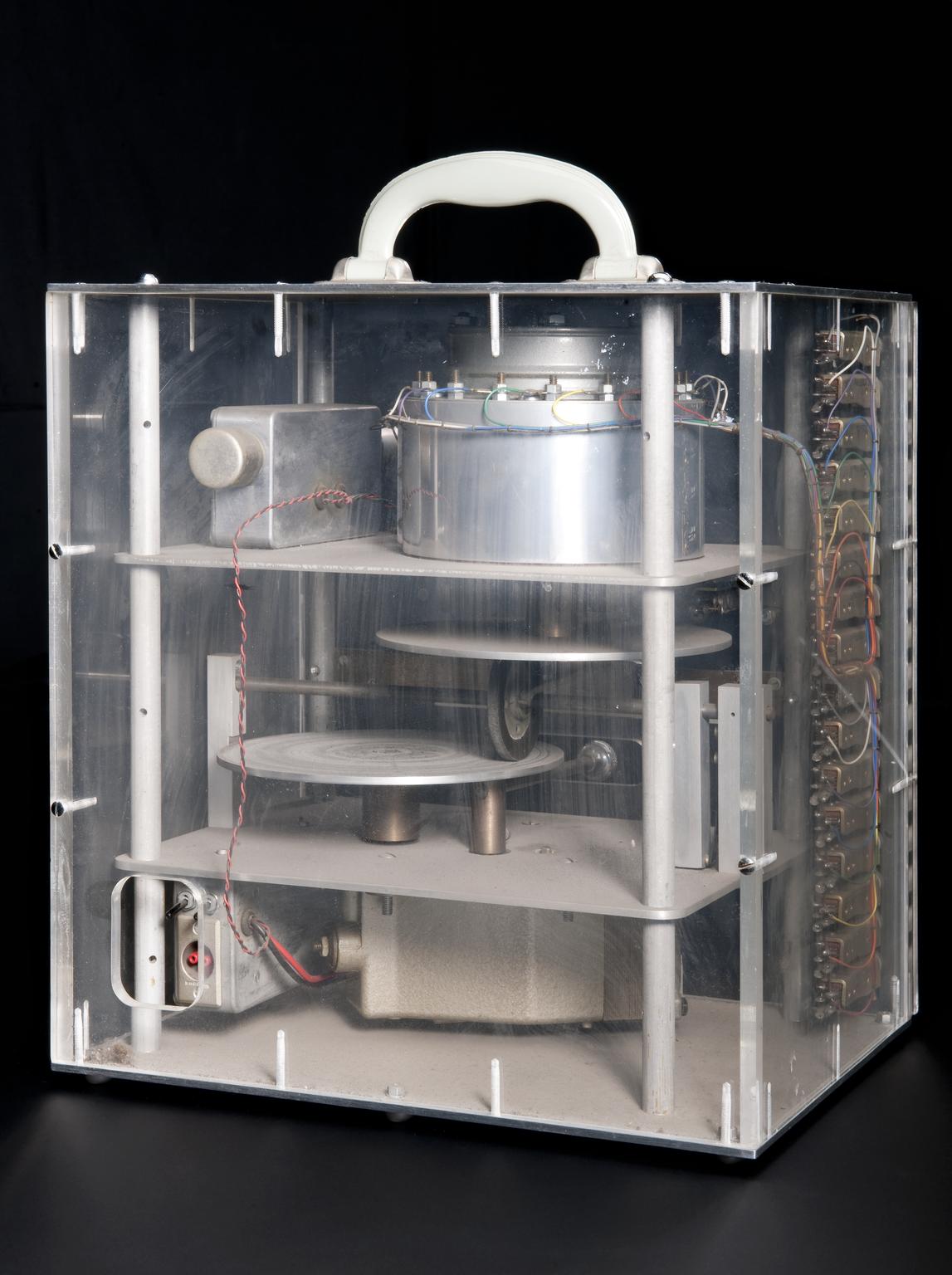
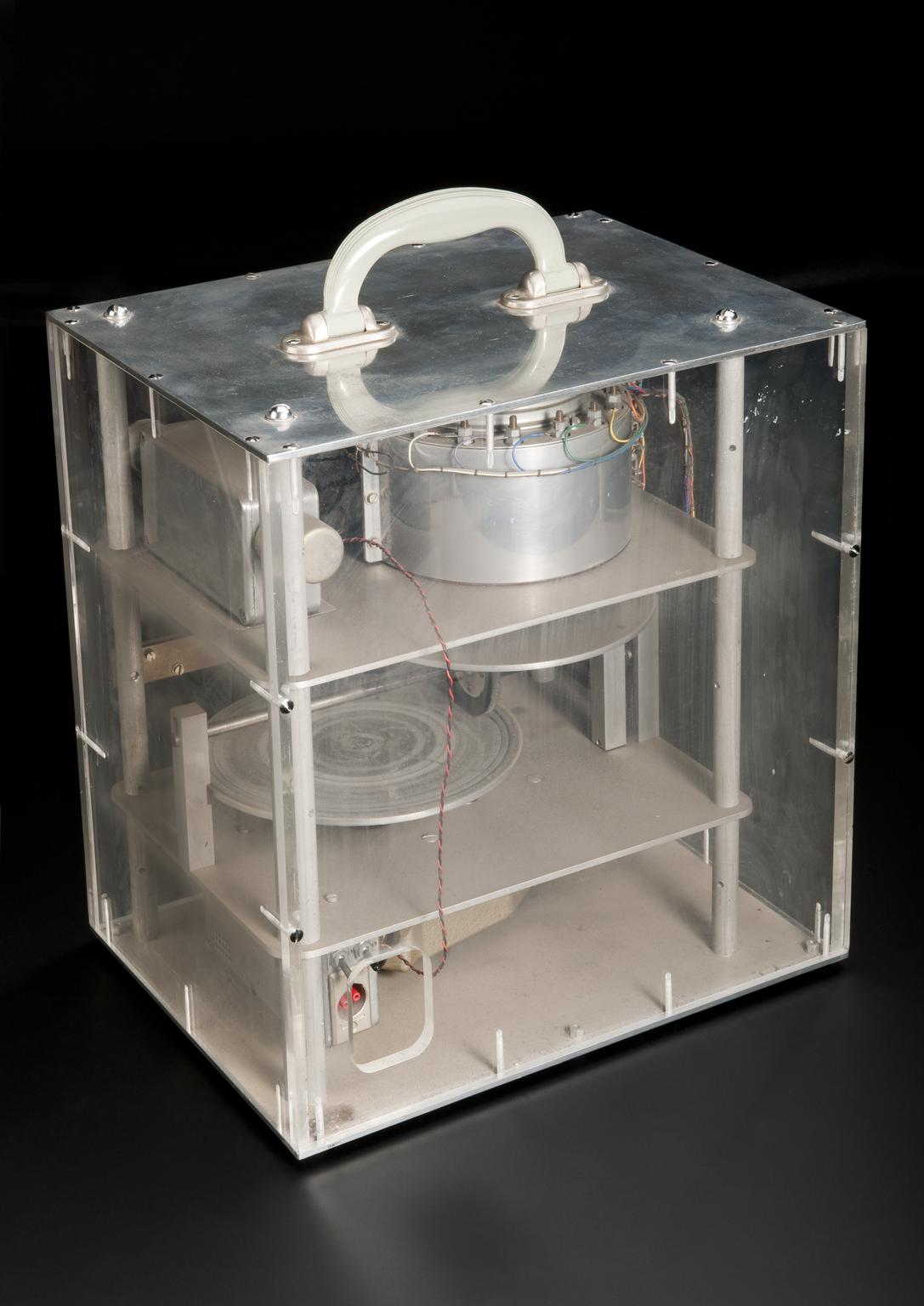
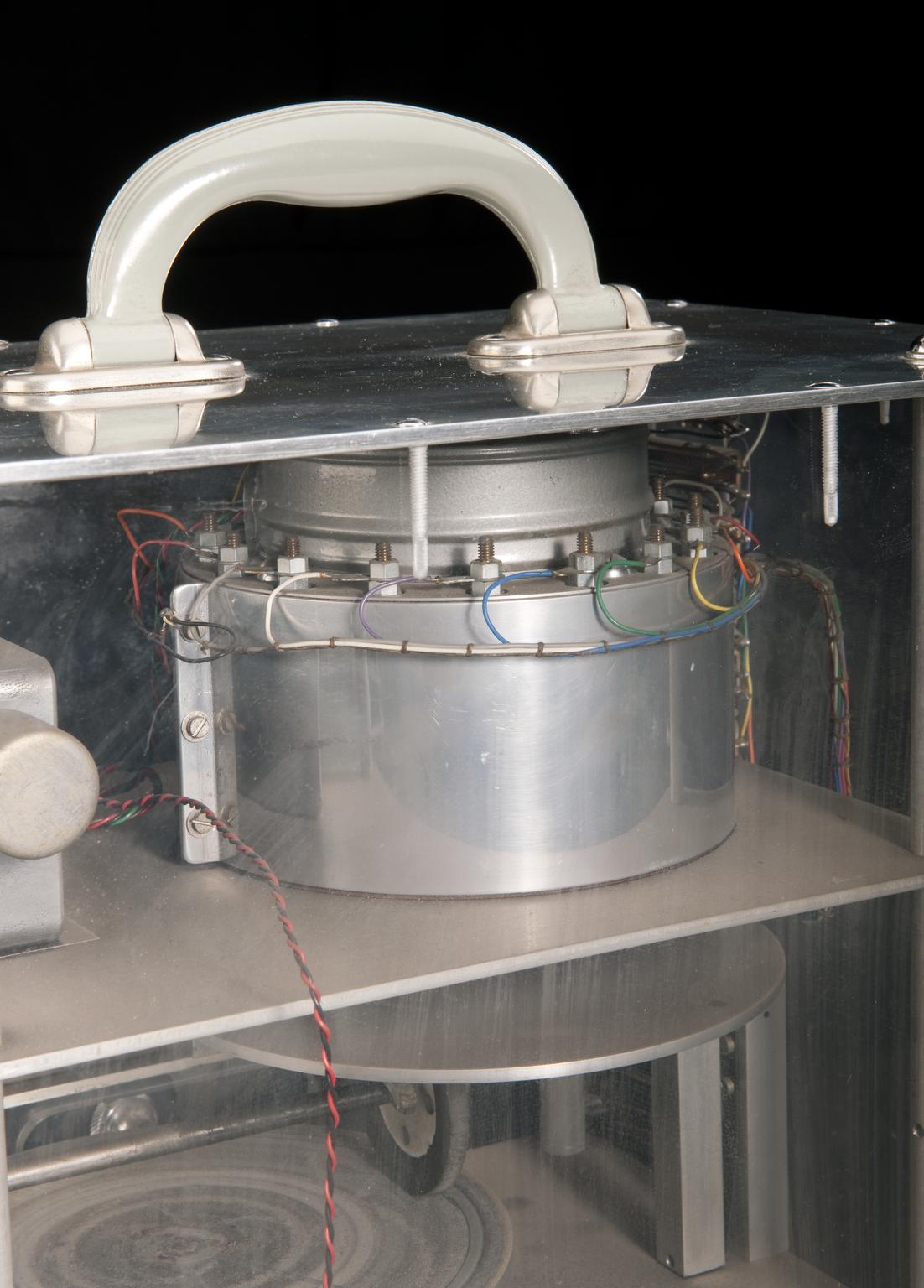
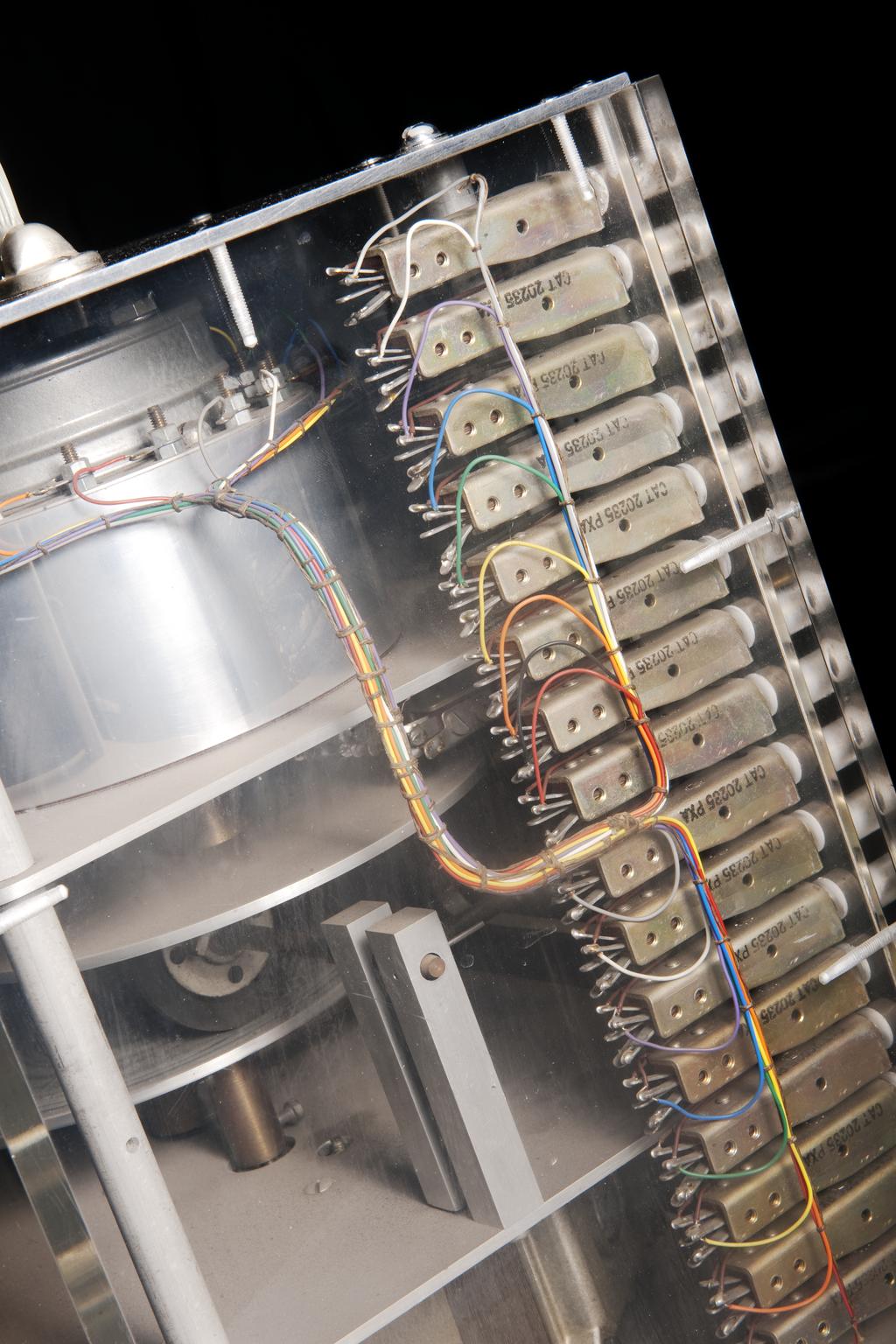
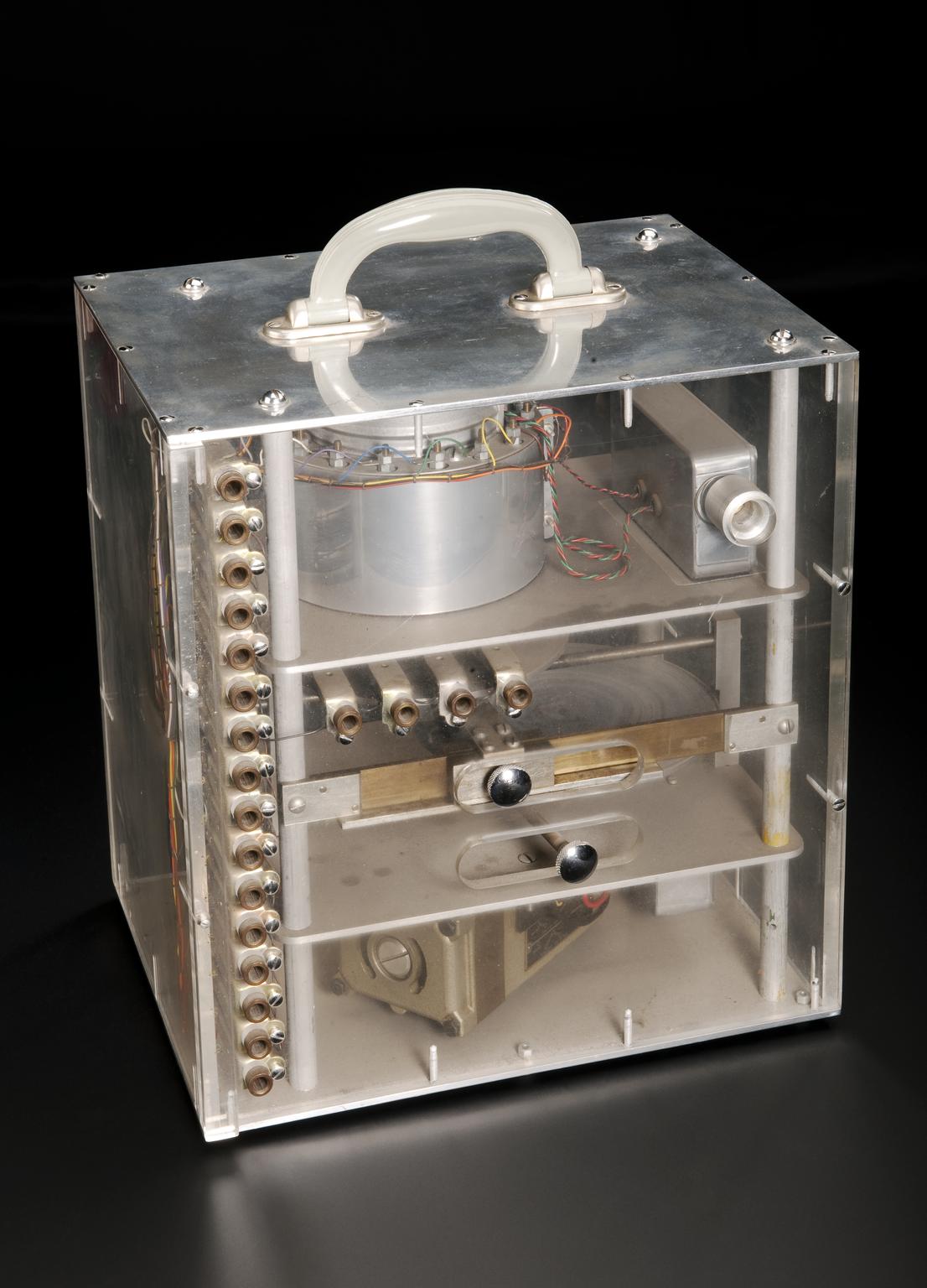
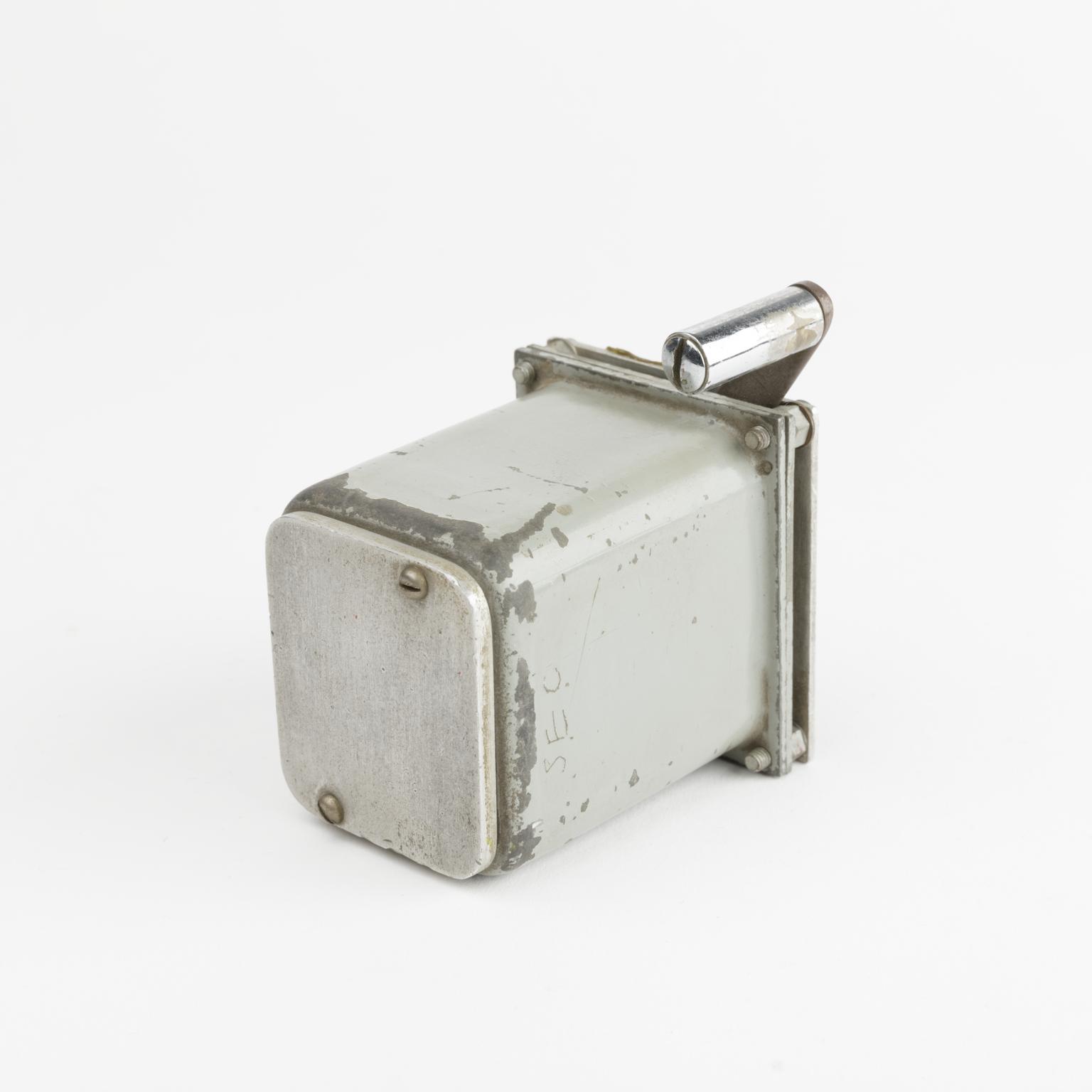
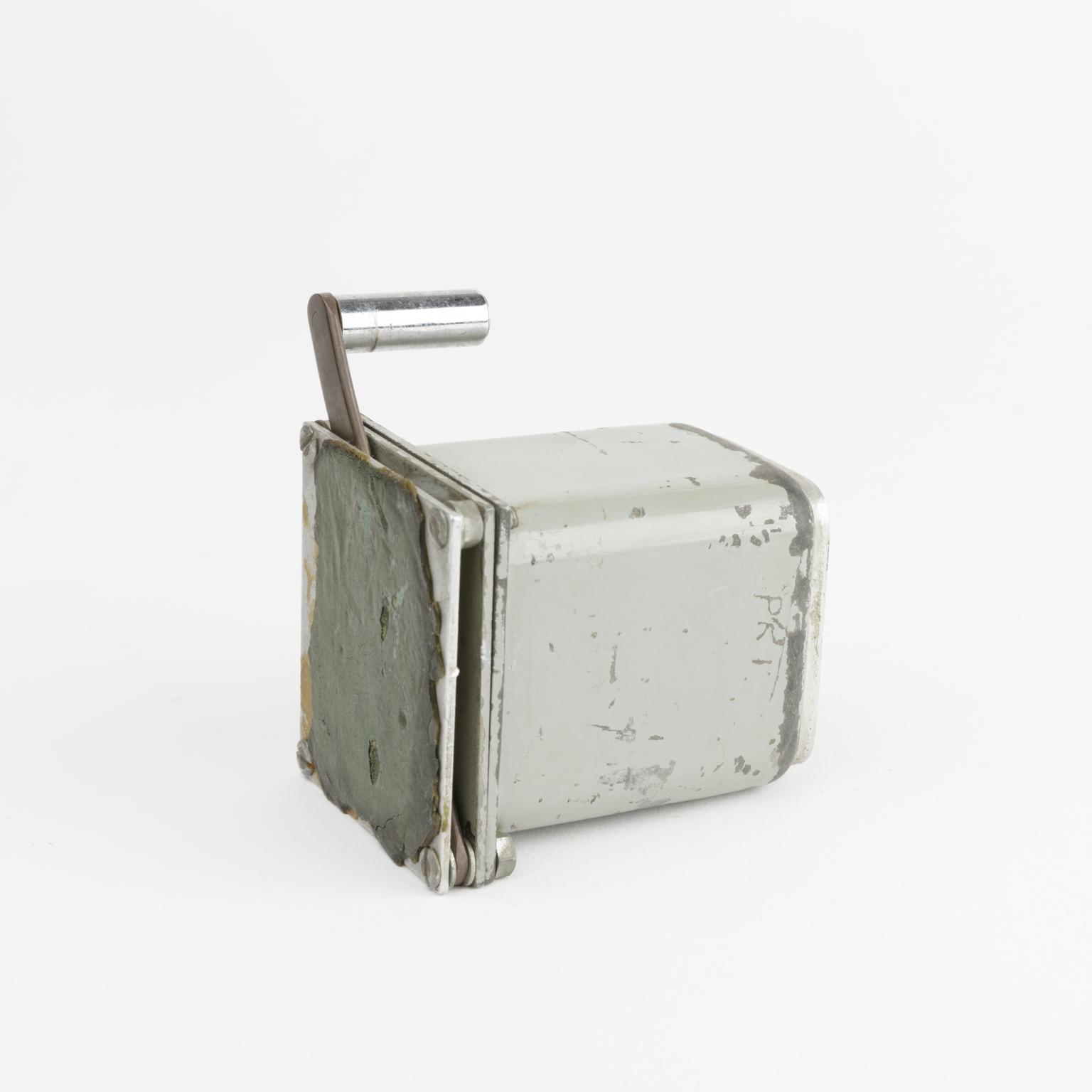
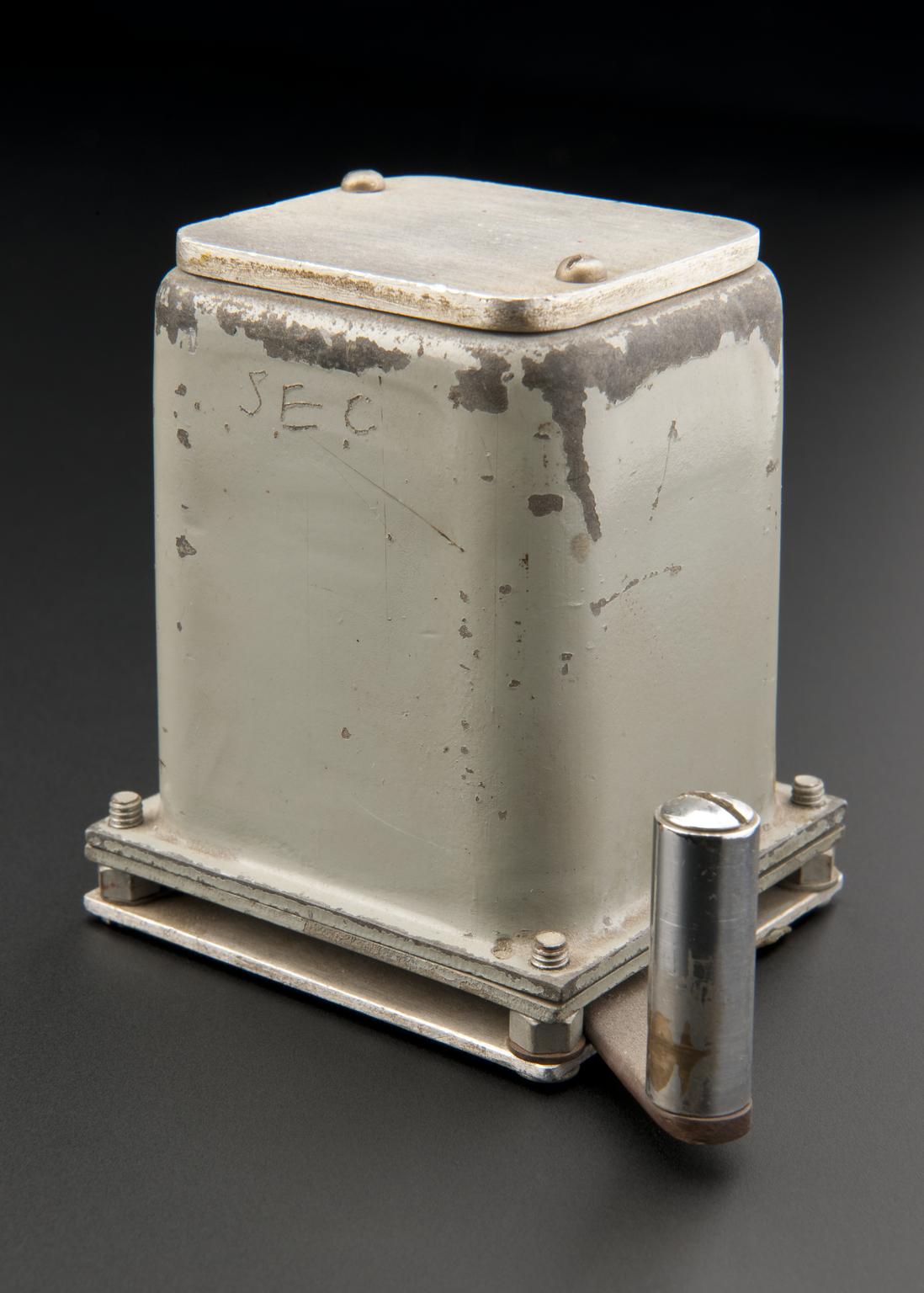
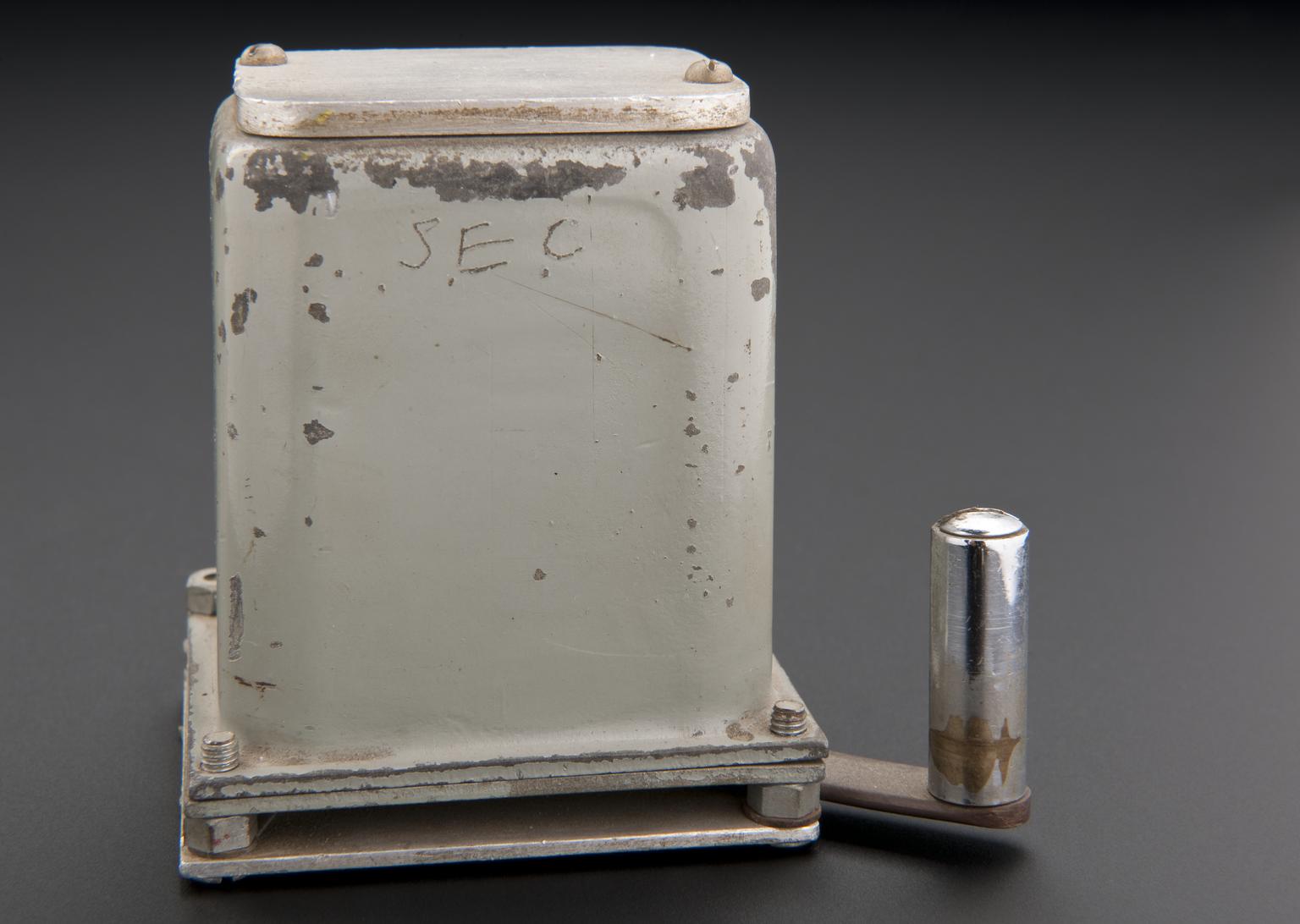
‘Crystal Palace’ Capacitive Fader used in BBC Radiophonic Workshop
‘Crystal Palace’ capacitive fader designed by Dave Young. It was used in Brian Hodgson's music for 'The Machine Stops' in 1966.
More
This device is a forerunner of a modern sequencer. An electric motor ,cannibalised from a variable-speed dictation machine turns a ‘capacitive’ vane. The vane is connected to the input of a FET amplifier via the gold nib of a Conway-Stewart fountain pen. There are a series of audio inputs and outputs wired within the unit which can be configured to produce different effects. Sixteen sounds could be smoothly combined using this device, opening up the possibility of rich sound montages.
The BBC Radiophonic Workshop was one of the sound effects units of the BBC, created in 1958 to produce incidental sounds and new music for radio and, later, television. The unit is known for its experimental and pioneering work in electronic music and music technology, as well as its popular scores for programs such as Doctor Who and Quatermass and the Pit during the 1950s and 1960s.
The original Radiophonic Workshop was based in the BBC's Maida Vale Studios in Delaware Road, Maida Vale, London. The Workshop was closed in March 1998, although much of its traditional work had already been outsourced by 1995. Its members included Daphne Oram, Delia Derbyshire, David Cain, John Baker, Paddy Kingsland, Glynis Jones, Maddalena Fagandini and Richard Yeoman-Clark.
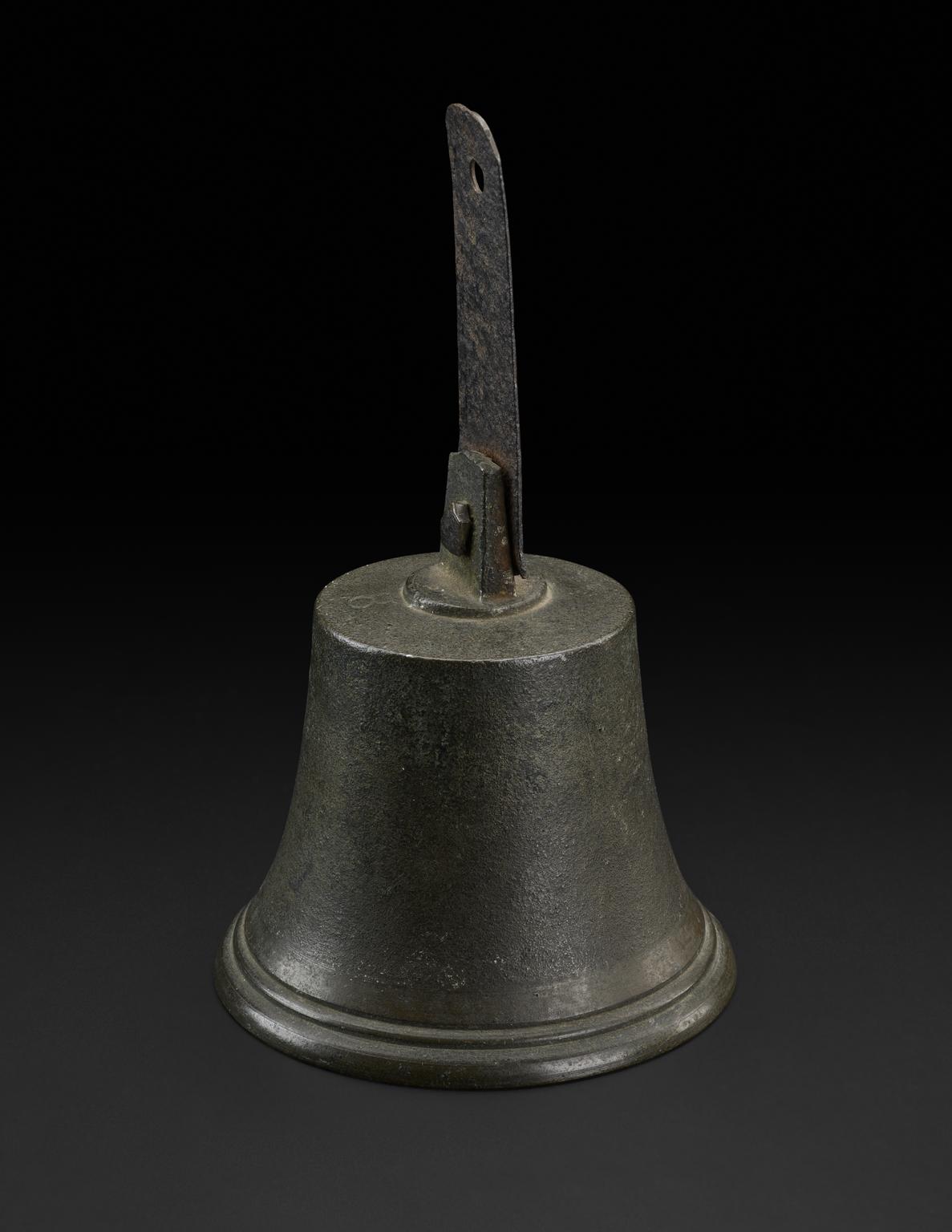
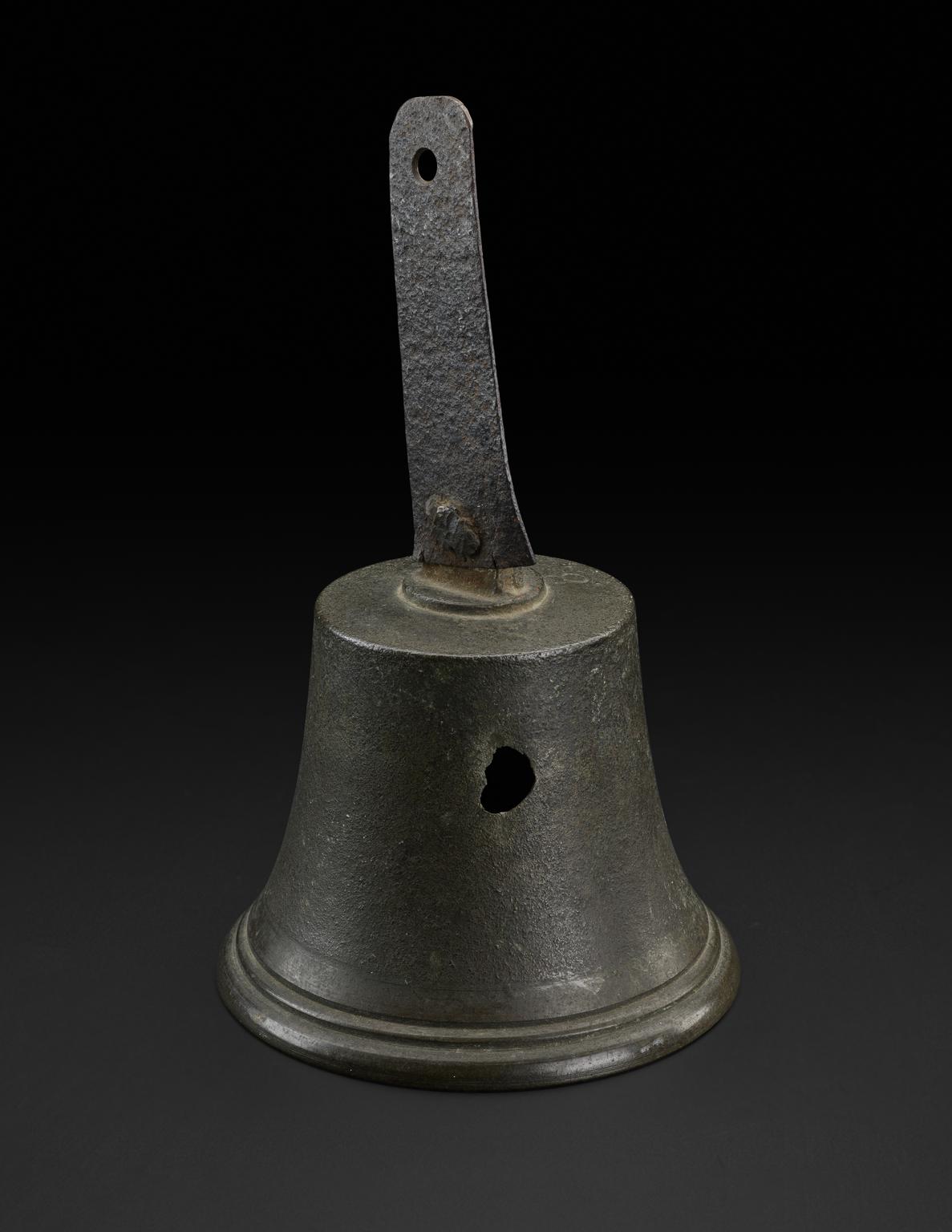
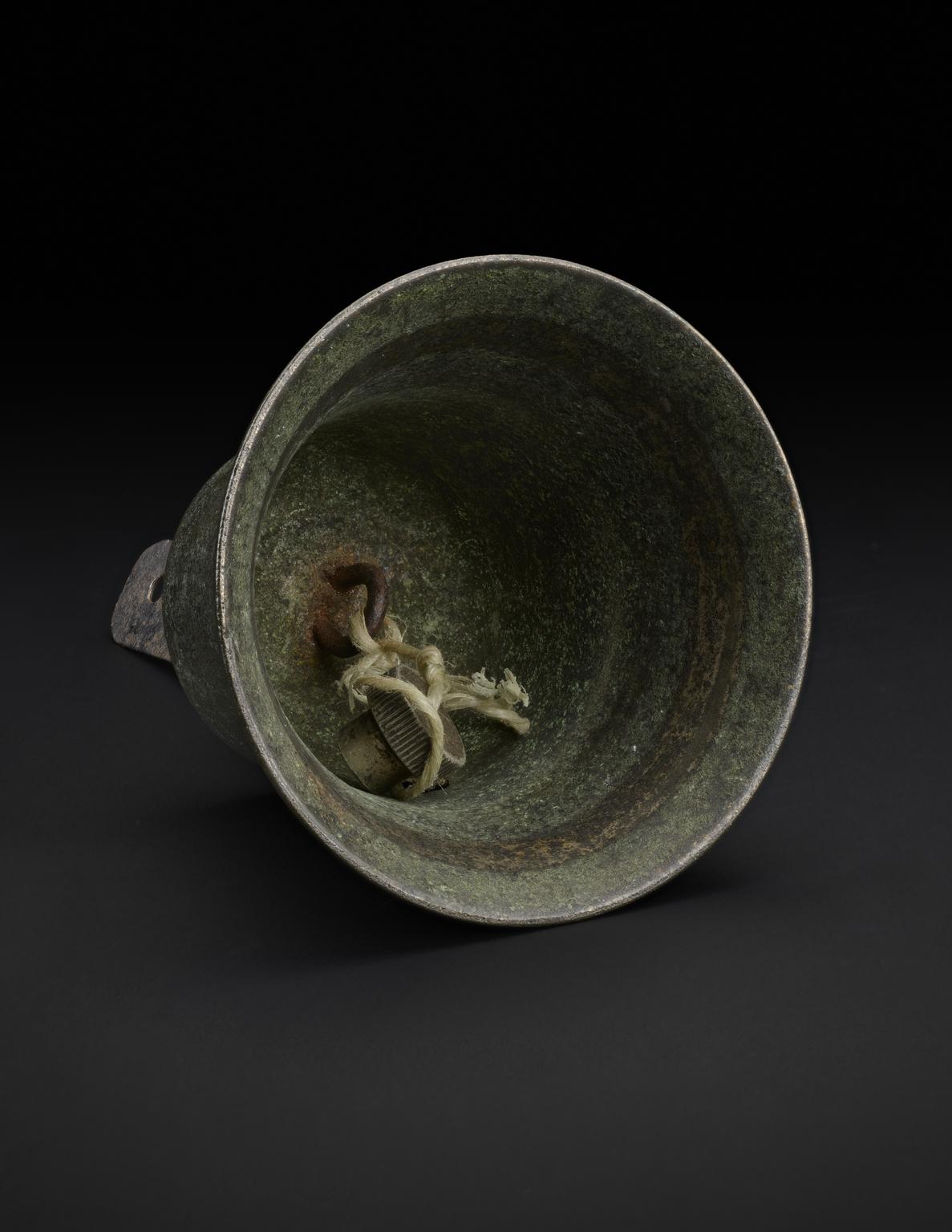
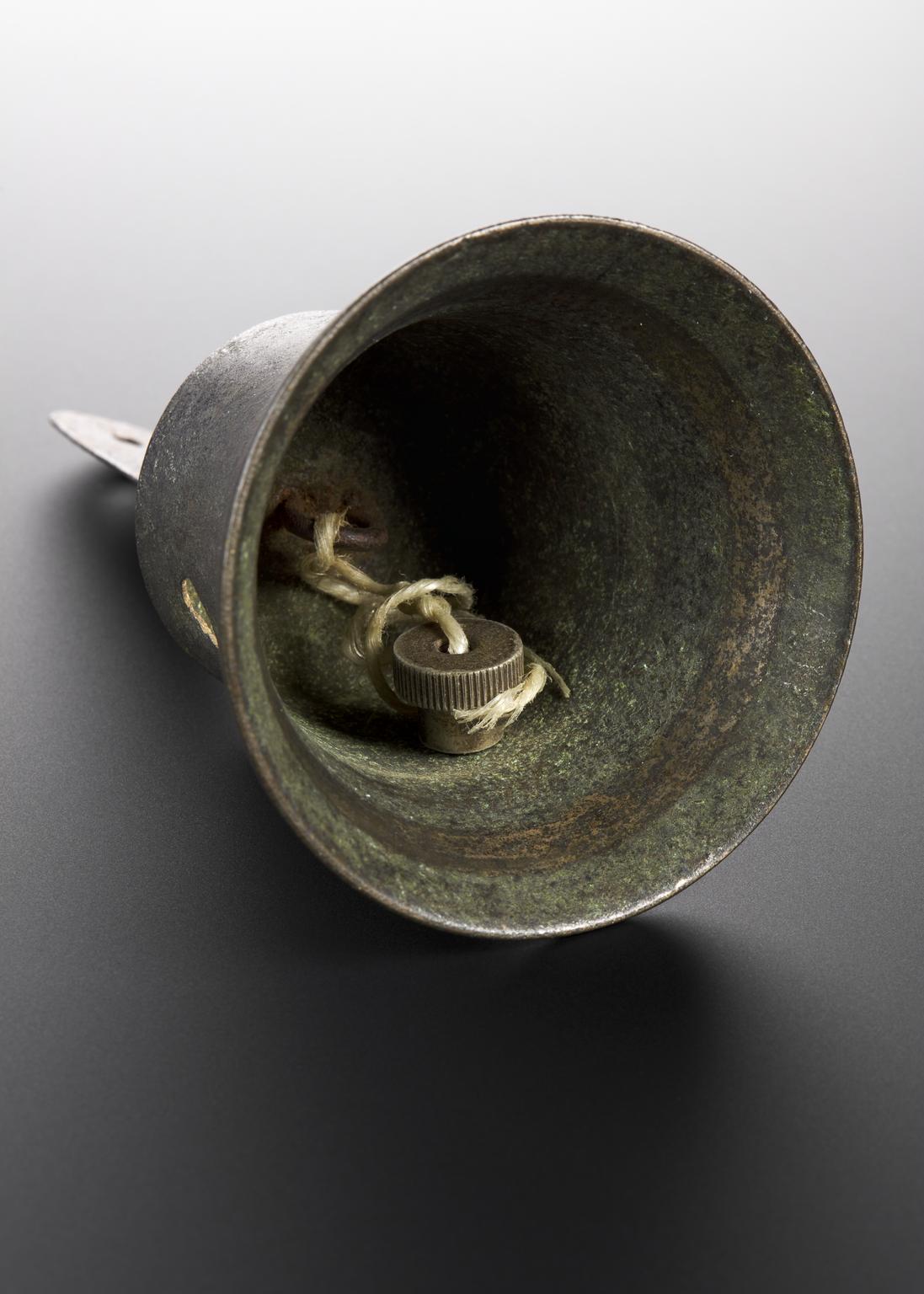
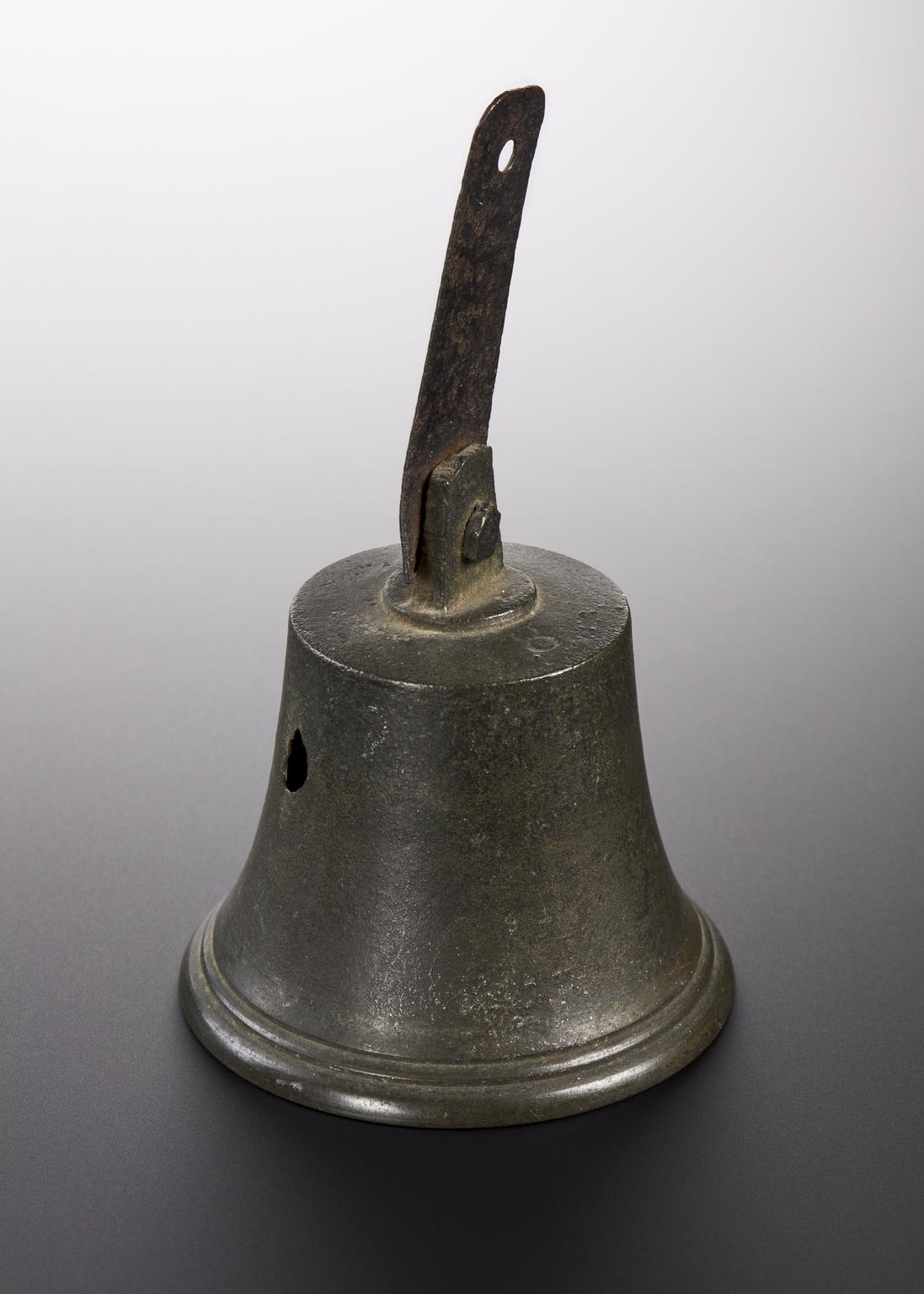
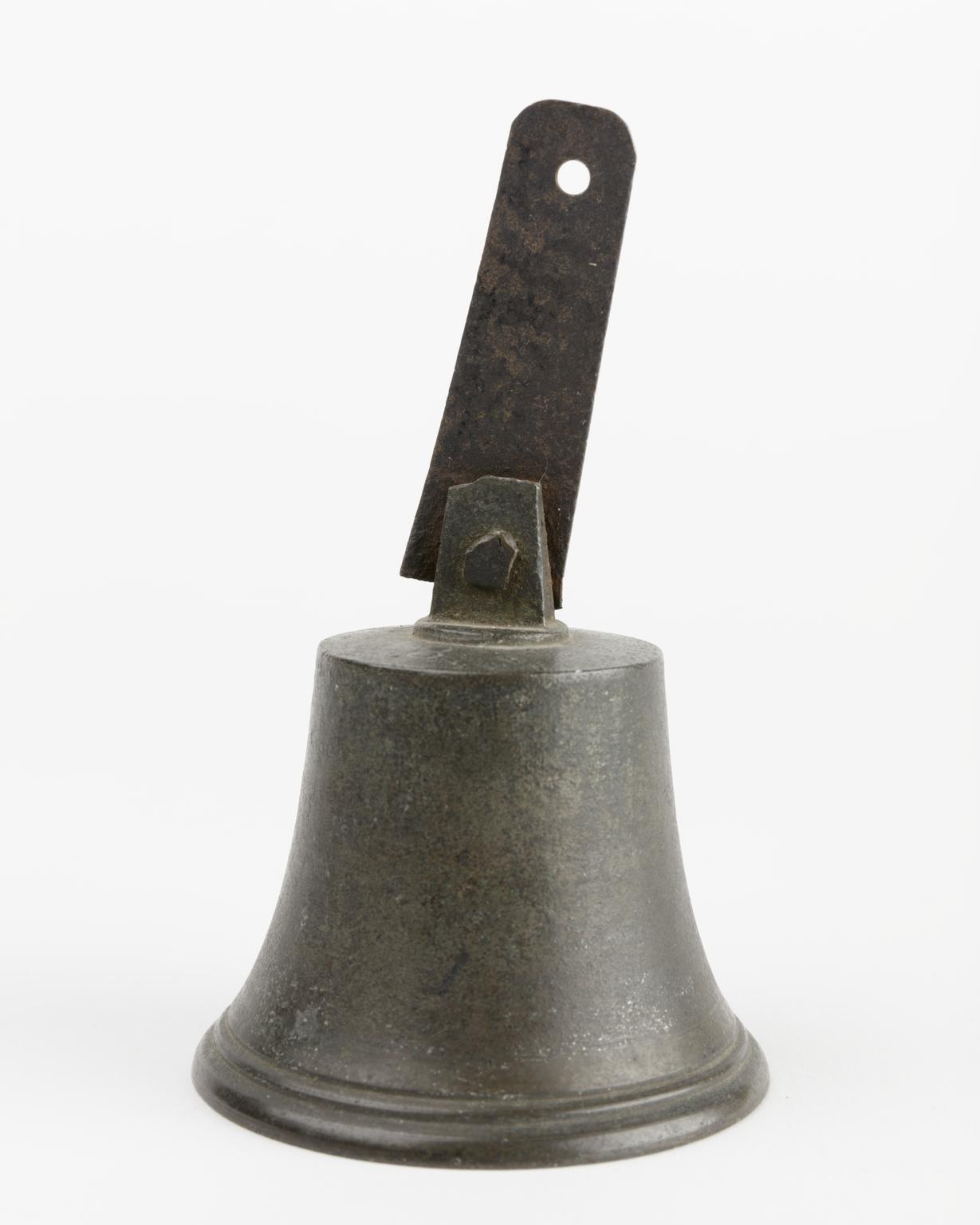
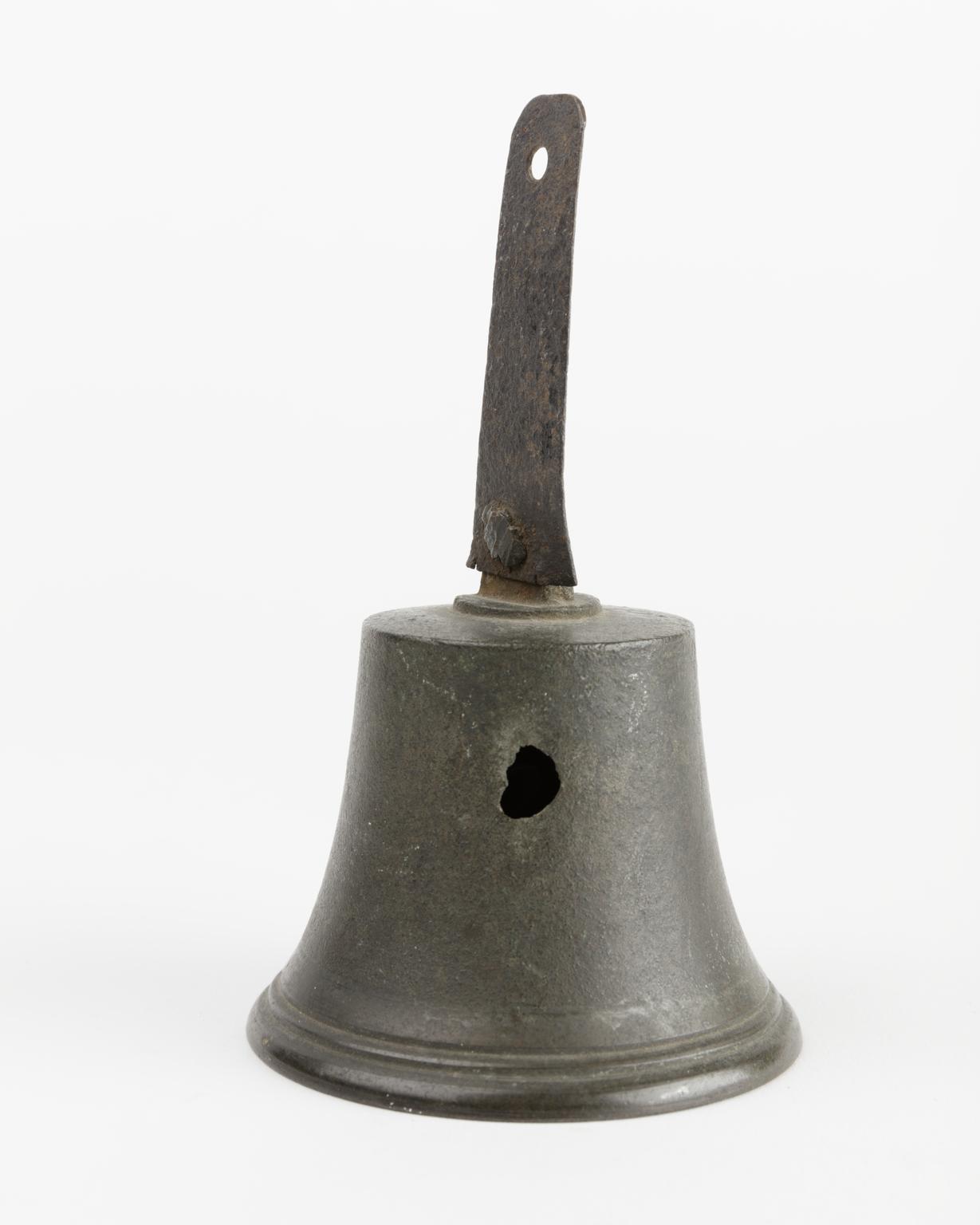
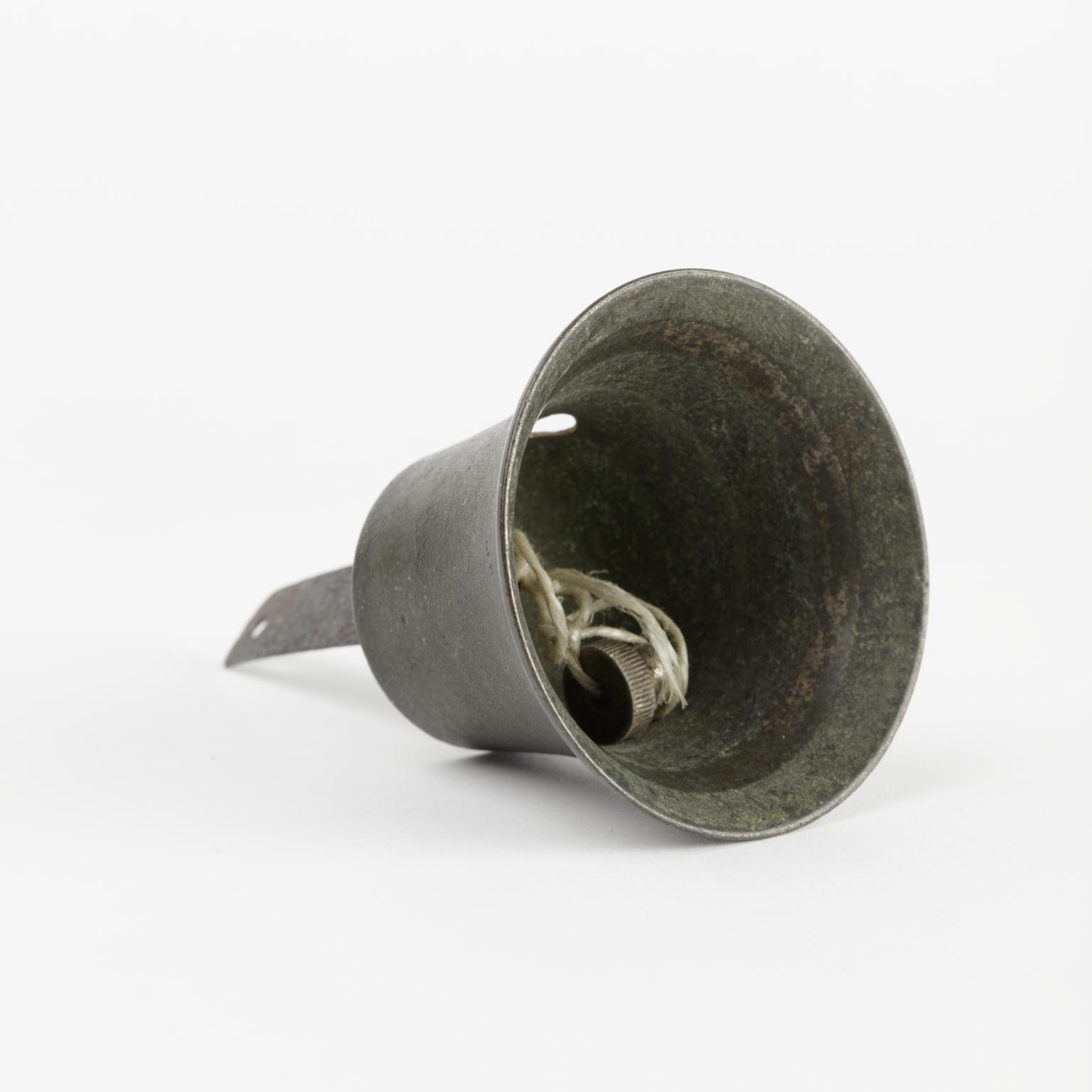
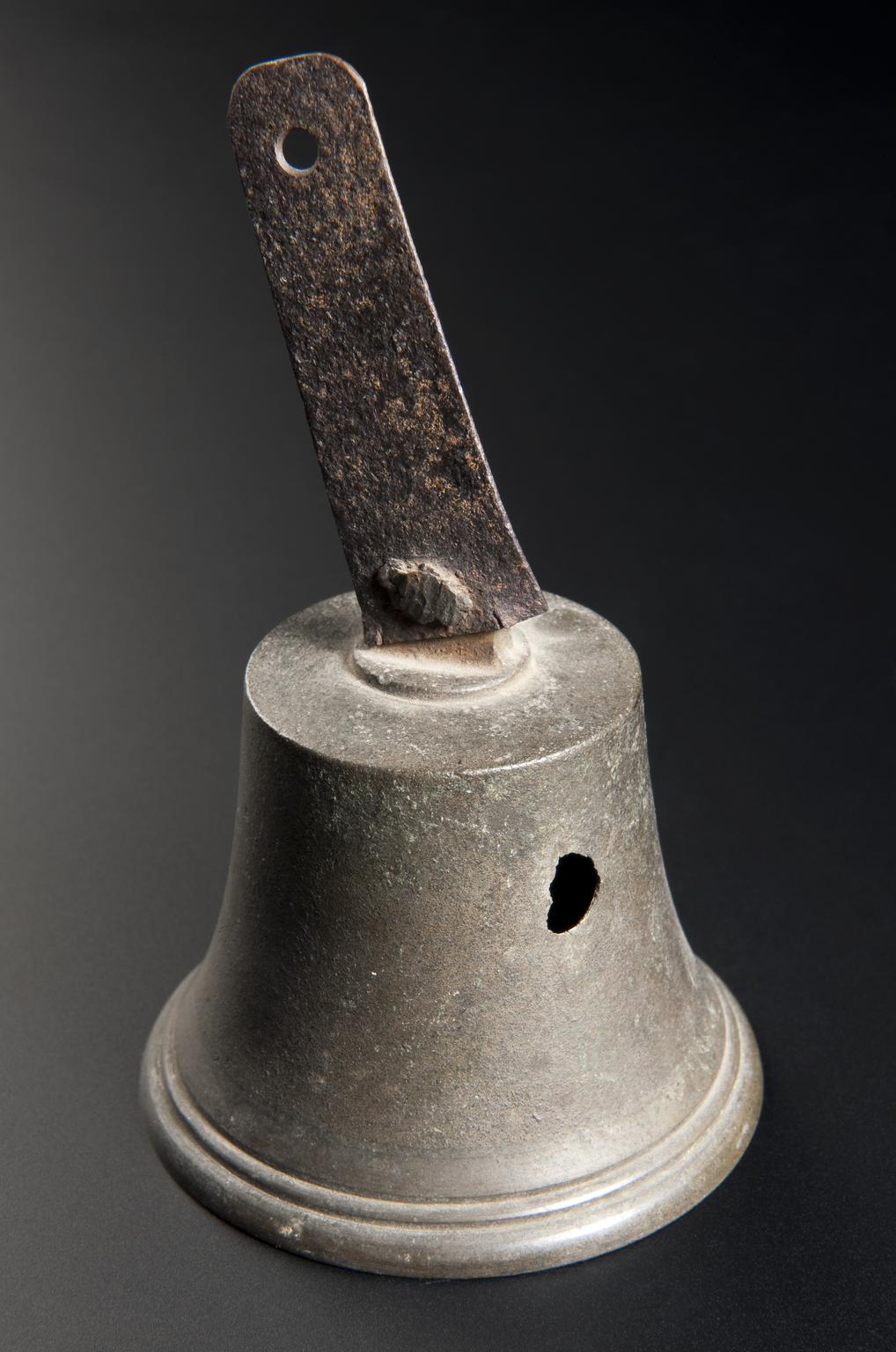
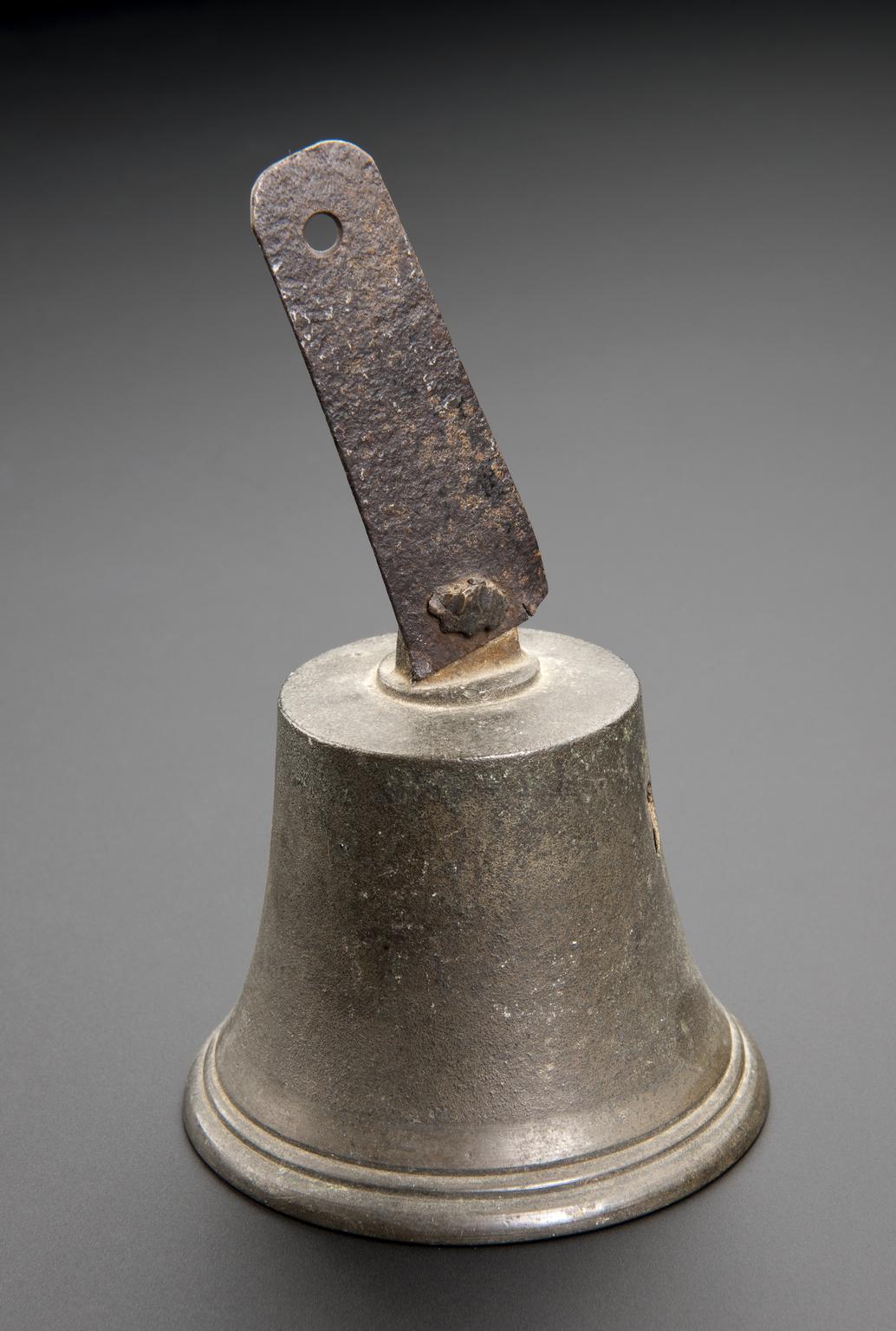
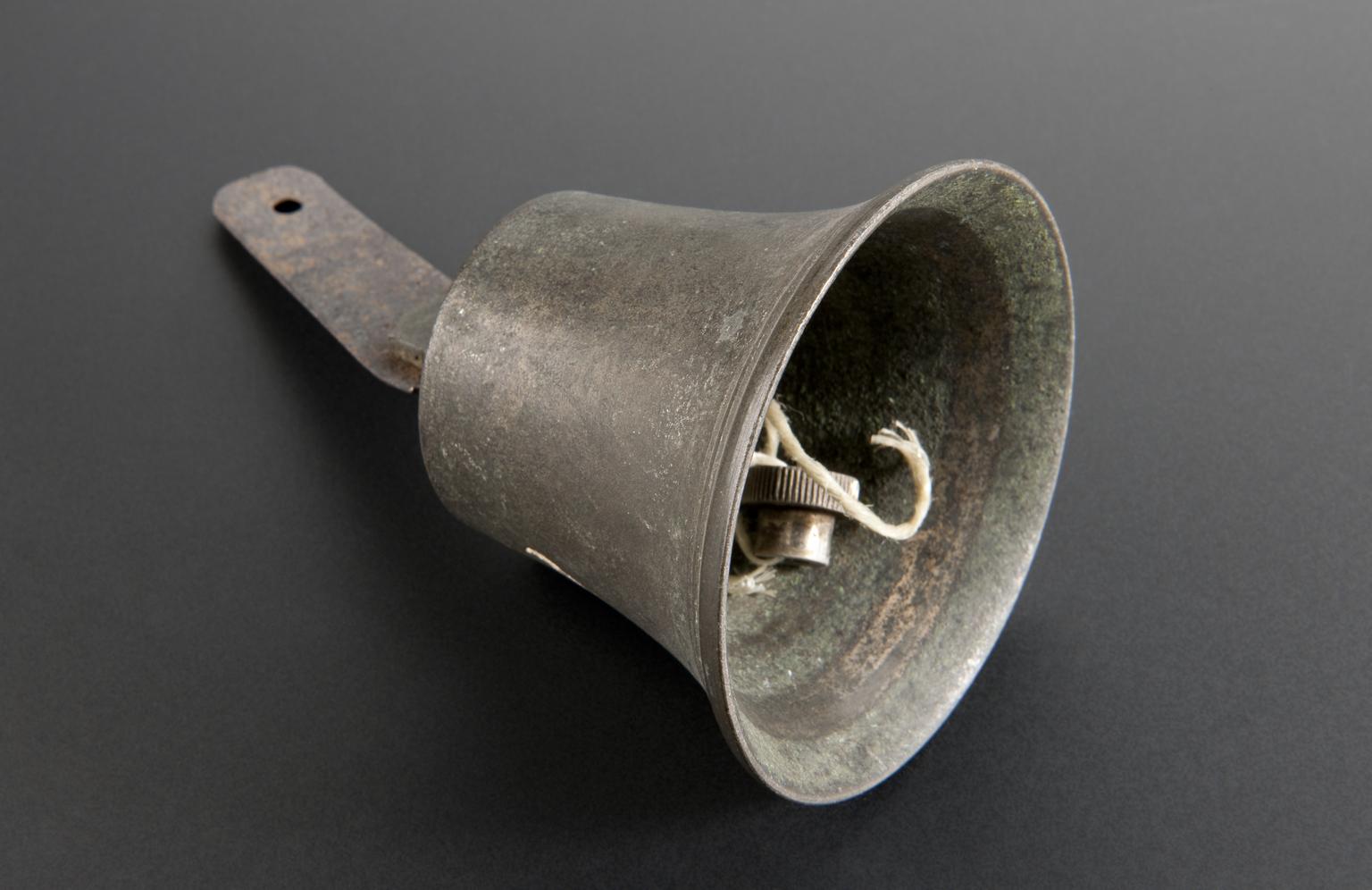
Bronze hand bell mounted on right-angle metal bracket.
More
This bronze hand bell is part of the objects and instruments used by BBC’s pioneer music studio, the Radiophonic Workshop which operated between 1958 to 1998. Known for creating strange new sounds by using synthesizers, manipulating sound, and using everyday objects, the Radiophonic Workshop created over 100 musical pieces, with Doctor Who’s theme by Delia Derbyshire being their most famous one. Due to their constrained budget, they used all sorts of objects to make their soundscapes from more traditional ones like tambourines and bells, to chopsticks, lamps, and metal spirals.
The BBC Radiophonic Workshop was one of the sound effects units of the BBC, created in 1958 to produce incidental sounds and new music for radio and, later, television. The unit is known for its experimental and pioneering work in electronic music and music technology, as well as its popular scores for programs such as Doctor Who and Quatermass and the Pit during the 1950s and 1960s.
The original Radiophonic Workshop was based in the BBC's Maida Vale Studios in Delaware Road, Maida Vale, London. The Workshop was closed in March 1998, although much of its traditional work had already been outsourced by 1995. Its members included Daphne Oram, Delia Derbyshire, David Cain, John Baker, Paddy Kingsland, Glynis Jones, Maddalena Fagandini and Richard Yeoman-Clark.
Tape guide used in the BBC's Radiophonic Workshop.
More
This tape guide bell is part of the objects and instruments used by BBC’s pioneer music studio, the Radiophonic Workshop which operated between 1958 to 1998. Known for creating strange new sounds by using synthesizers, manipulating sound, and using everyday objects, the Radiophonic Workshop created over 100 musical pieces, with Doctor Who’s theme by Delia Derbyshire being their most famous one. Due to their constrained budget, they used all sorts of objects to make their soundscapes from more traditional ones like tambourines and bells, to chopsticks, lamps, and metal spirals.
The BBC Radiophonic Workshop was one of the sound effects units of the BBC, created in 1958 to produce incidental sounds and new music for radio and, later, television. The unit is known for its experimental and pioneering work in electronic music and music technology, as well as its popular scores for programs such as Doctor Who and Quatermass and the Pit during the 1950s and 1960s.
The original Radiophonic Workshop was based in the BBC's Maida Vale Studios in Delaware Road, Maida Vale, London. The Workshop was closed in March 1998, although much of its traditional work had already been outsourced by 1995. Its members included Daphne Oram, Delia Derbyshire, David Cain, John Baker, Paddy Kingsland, Glynis Jones, Maddalena Fagandini and Richard Yeoman-Clark.
The Board of Trustees of the Science Museum, London
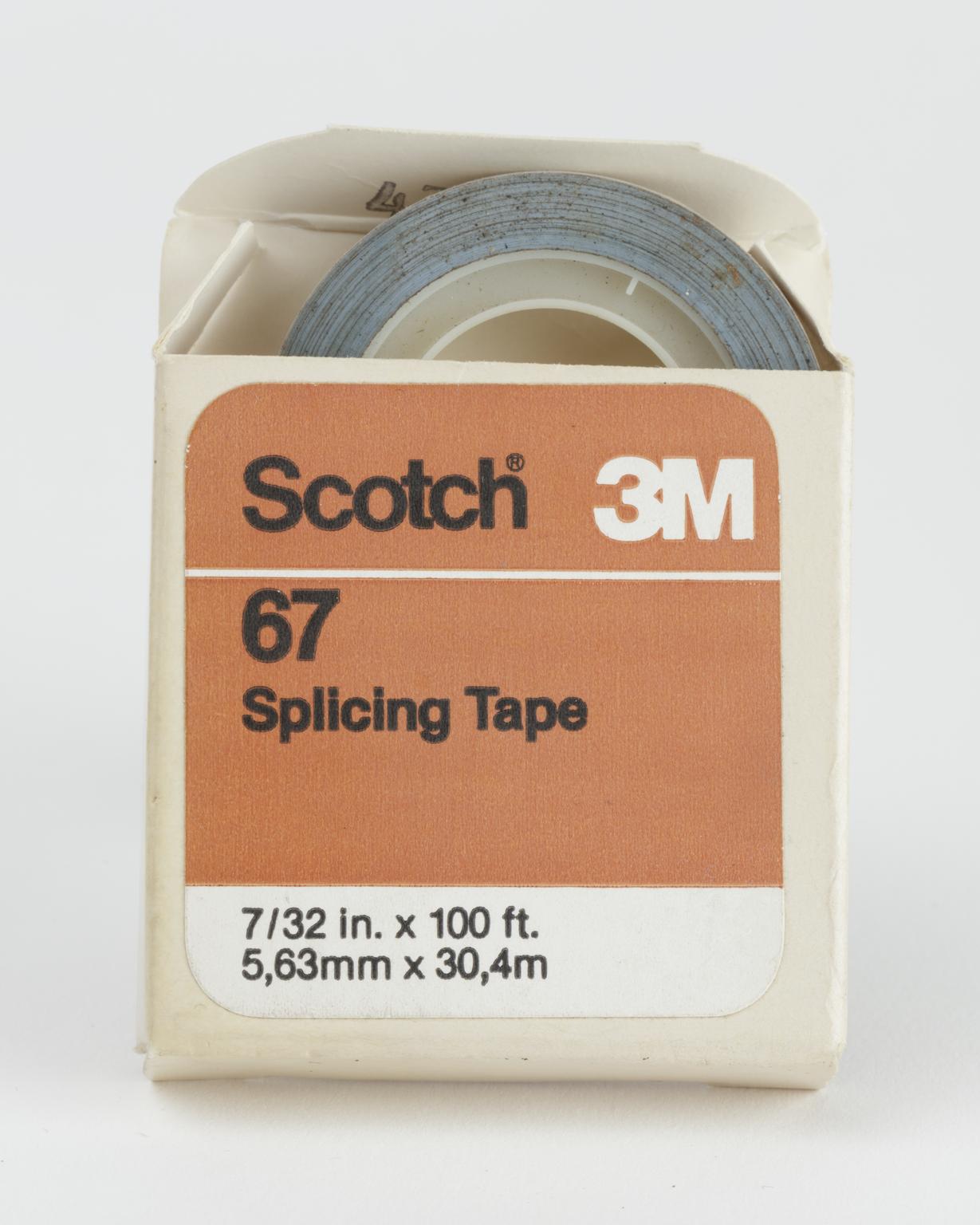
Splicing tape used in BBC Radiophonic Workshop
Scotch 3M 67 splicing tape with box. Part of BBC Radiophonic Workshop collection.
More
Splicing tape was used to join pieces of magnetic tape to manipulate and create new sounds. A sound would be recorded onto magnetic tape, which could then be speeded up, slowed down, played backwards or have effects added, and re-recorded. The resulting tape recordings could then be cut into sections and joined with splicing tape to create new sounds. There could be hundreds of splices in just a minute or two of music, and the process could take days.
The BBC Radiophonic Workshop was one of the sound effects units of the BBC, created in 1958 to produce incidental sounds and new music for radio and, later, television. The unit is known for its experimental and pioneering work in electronic music and music technology, as well as its popular scores for programs such as Doctor Who and Quatermass and the Pit during the 1950s and 1960s.
The original Radiophonic Workshop was based in the BBC's Maida Vale Studios in Delaware Road, Maida Vale, London. The Workshop was closed in March 1998, although much of its traditional work had already been outsourced by 1995. Its members included Daphne Oram, Delia Derbyshire, David Cain, John Baker, Paddy Kingsland, Glynis Jones, Maddalena Fagandini and Richard Yeoman-Clark.
The Board of Trustees of the Science Museum, London
Splicing tape used in BBC Radiophonic Workshop
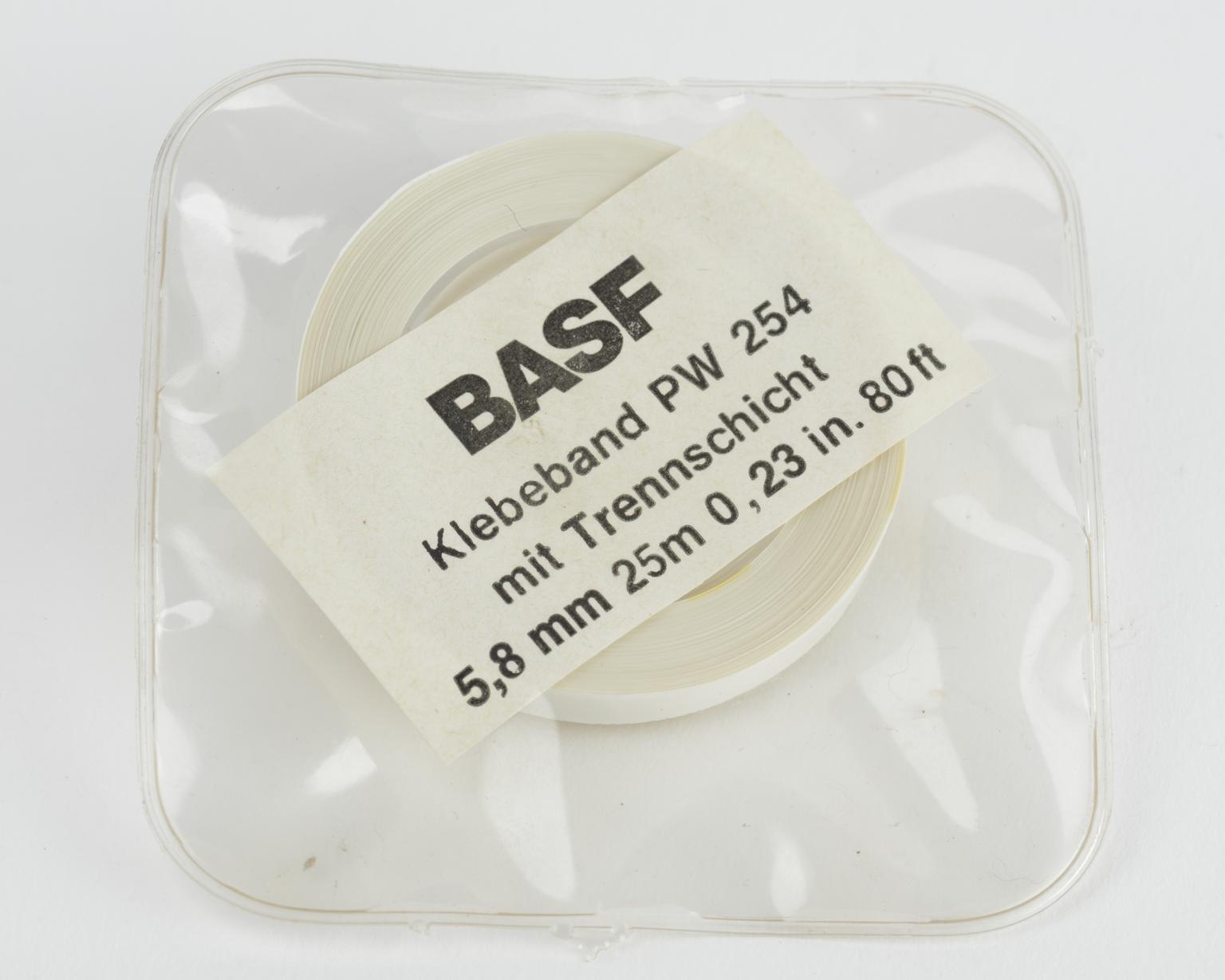
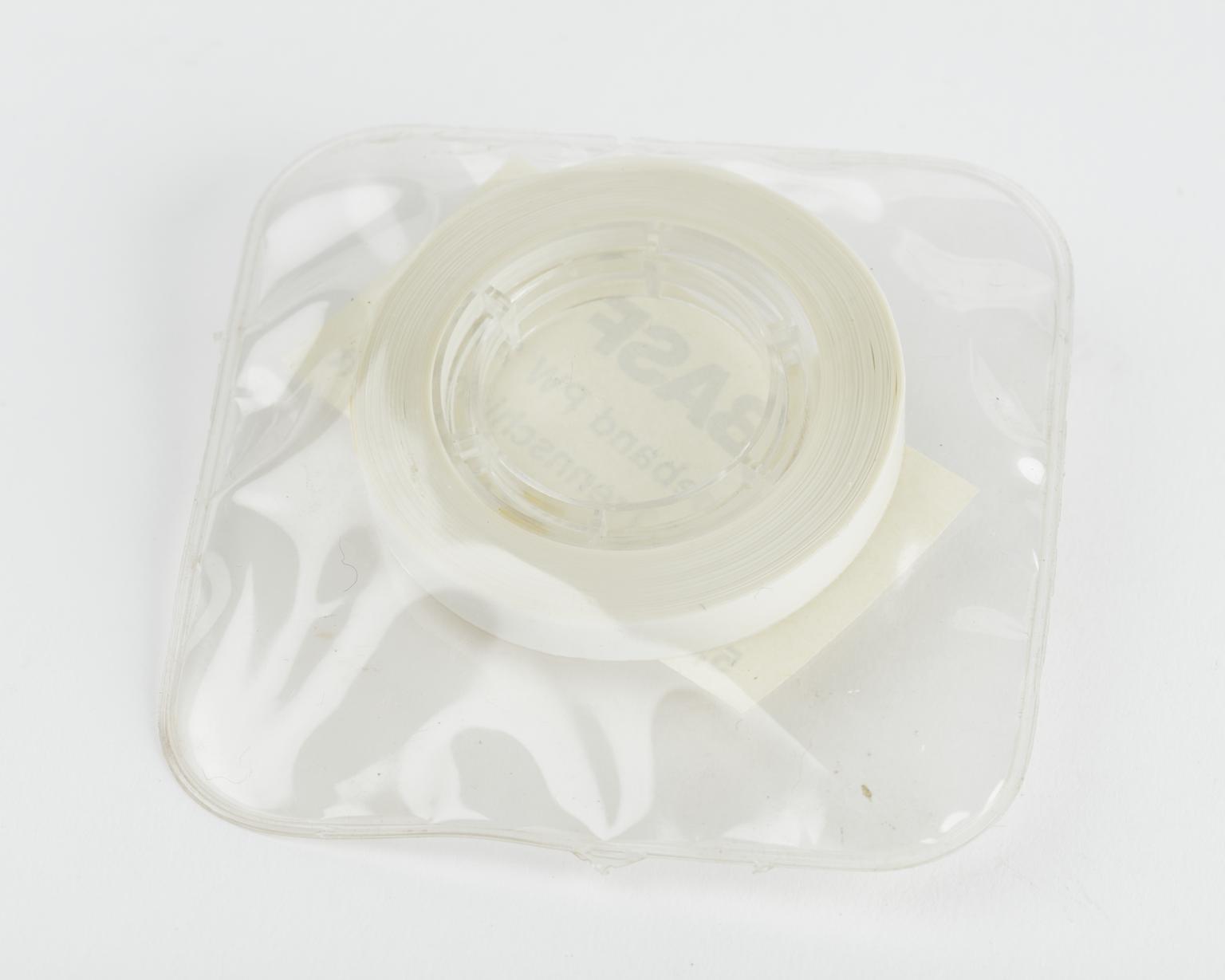
BASF Klebeband PW254 (splicing tape). Part of BBC Radiophonic Workshop collection.
More
Splicing tape was used to join pieces of magnetic tape to manipulate and create new sounds. A sound would be recorded onto magnetic tape, which could then be speeded up, slowed down, played backwards or have effects added, and re-recorded. The resulting tape recordings could then be cut into sections and joined with splicing tape to create new sounds. There could be hundreds of splices in just a minute or two of music, and the process could take days.
The BBC Radiophonic Workshop was one of the sound effects units of the BBC, created in 1958 to produce incidental sounds and new music for radio and, later, television. The unit is known for its experimental and pioneering work in electronic music and music technology, as well as its popular scores for programs such as Doctor Who and Quatermass and the Pit during the 1950s and 1960s.
The original Radiophonic Workshop was based in the BBC's Maida Vale Studios in Delaware Road, Maida Vale, London. The Workshop was closed in March 1998, although much of its traditional work had already been outsourced by 1995. Its members included Daphne Oram, Delia Derbyshire, David Cain, John Baker, Paddy Kingsland, Glynis Jones, Maddalena Fagandini and Richard Yeoman-Clark.
The Board of Trustees of the Science Museum, London
Drumstick used in BBC Radiophonic Workshop
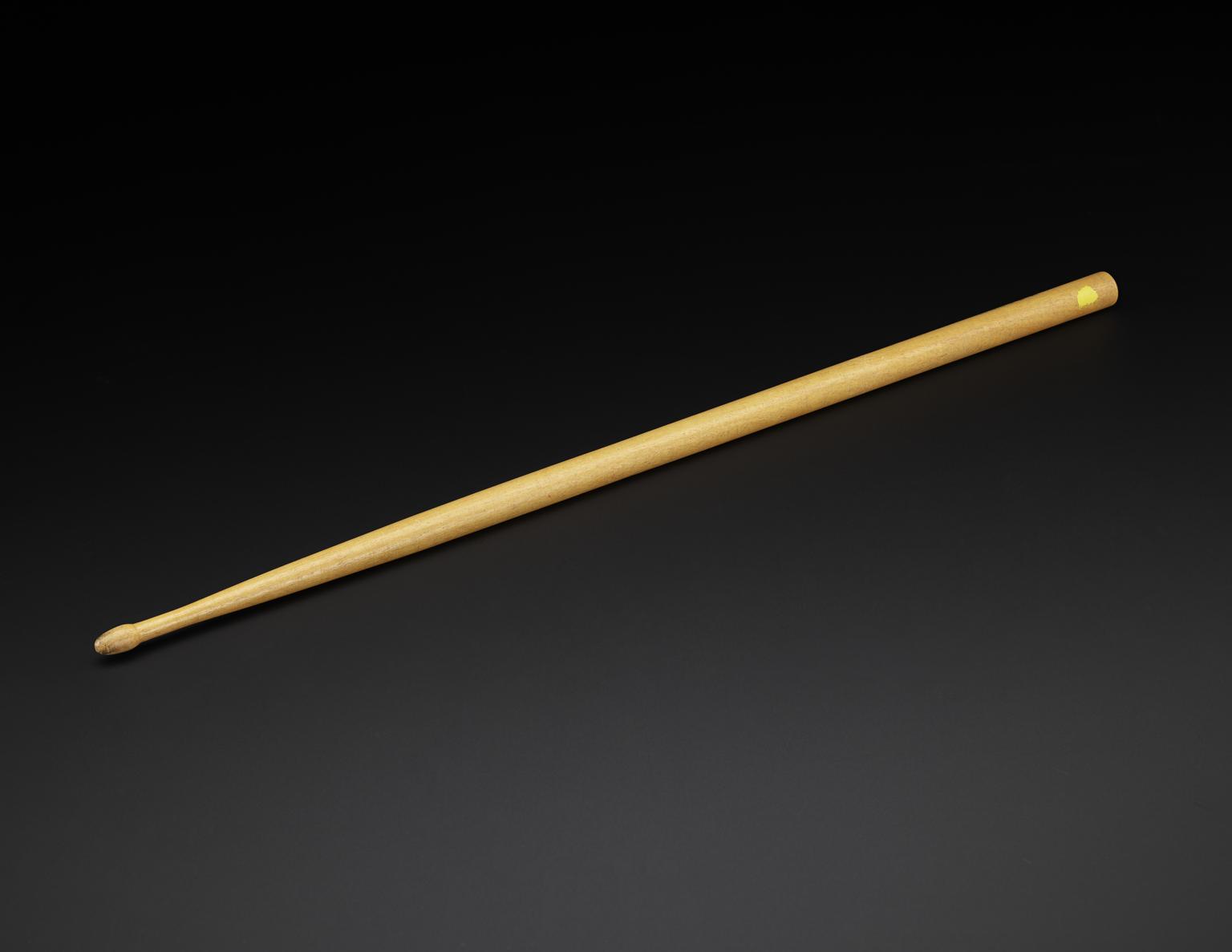
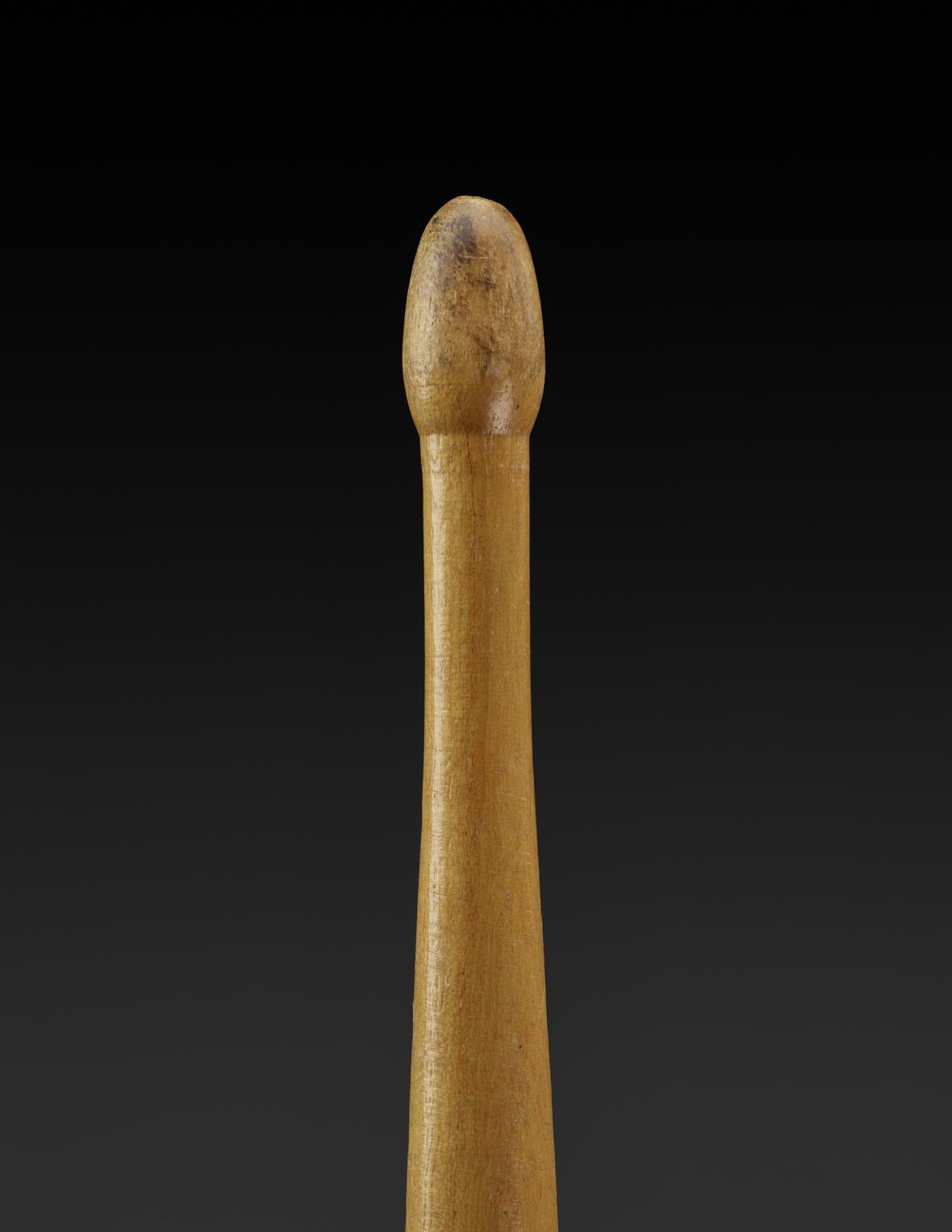
Wooden drumstick. Part of BBC Radiophonic Workshop collection.
More
This wooden drumstick is part of the objects and instruments used by BBC’s pioneer music studio, the Radiophonic Workshop which operated between 1958 to 1998. Known for creating strange new sounds by using synthesizers, manipulating sound, and using everyday objects, the Radiophonic Workshop created over 100 musical pieces, with Doctor Who’s theme by Delia Derbyshire being their most famous one. Due to their constrained budget, they used all sorts of objects to make their soundscapes from more traditional ones like tambourines and bells, to chopsticks, lamps, and metal spirals.
The BBC Radiophonic Workshop was one of the sound effects units of the BBC, created in 1958 to produce incidental sounds and new music for radio and, later, television. The unit is known for its experimental and pioneering work in electronic music and music technology, as well as its popular scores for programs such as Doctor Who and Quatermass and the Pit during the 1950s and 1960s.
The original Radiophonic Workshop was based in the BBC's Maida Vale Studios in Delaware Road, Maida Vale, London. The Workshop was closed in March 1998, although much of its traditional work had already been outsourced by 1995. Its members included Daphne Oram, Delia Derbyshire, David Cain, John Baker, Paddy Kingsland, Glynis Jones, Maddalena Fagandini and Richard Yeoman-Clark.
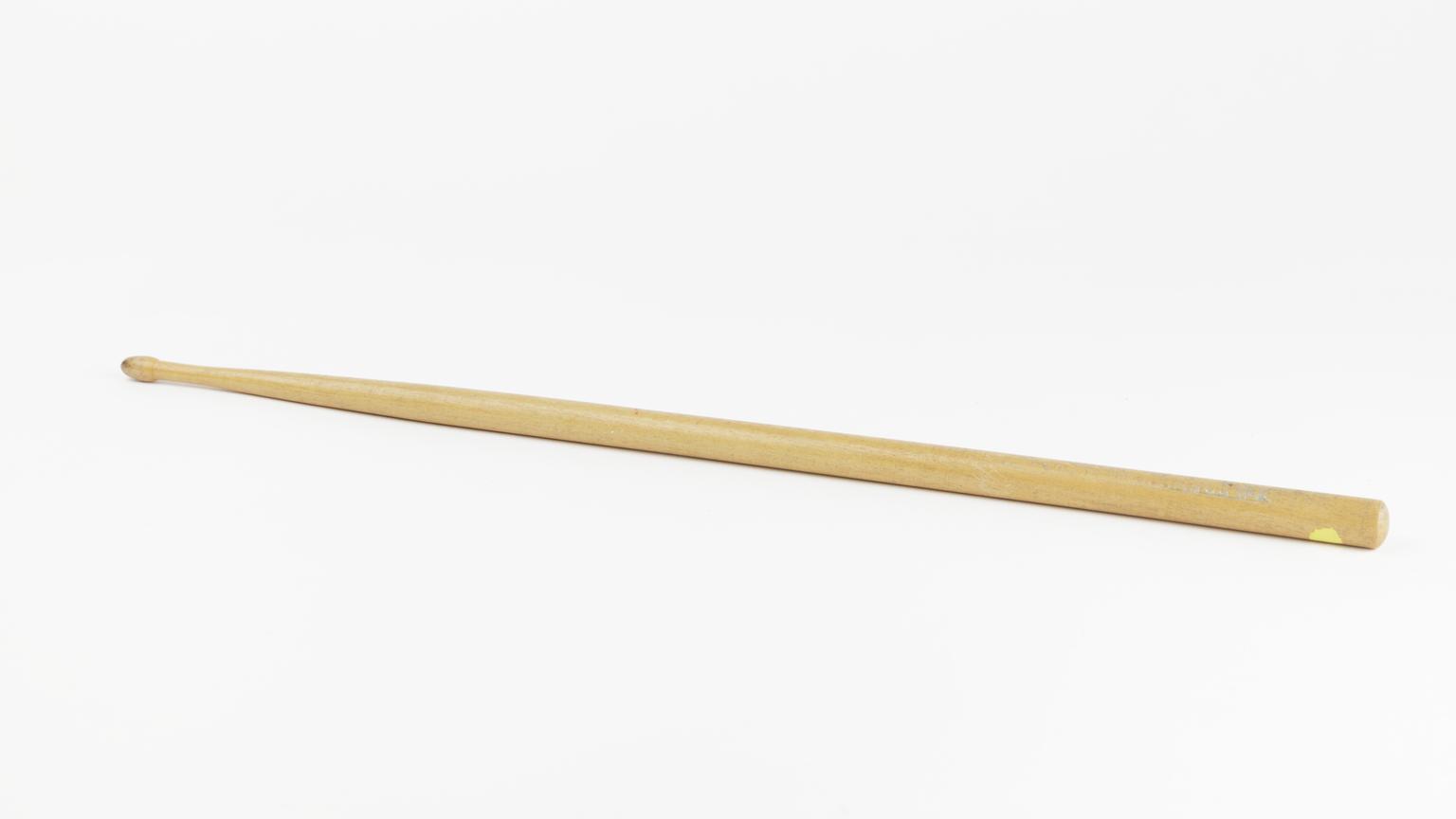
Wooden drumstick with end broken off. Part of BBC Radiophonic Workshop collection.
More
This wooden drumstick is part of the objects and instruments used by BBC’s pioneer music studio, the Radiophonic Workshop which operated between 1958 to 1998. Known for creating strange new sounds by using synthesizers, manipulating sound, and using everyday objects, the Radiophonic Workshop created over 100 musical pieces, with Doctor Who’s theme by Delia Derbyshire being their most famous one. Due to their constrained budget, they used all sorts of objects to make their soundscapes from more traditional ones like tambourines and bells, to chopsticks, lamps, and metal spirals.
The BBC Radiophonic Workshop was one of the sound effects units of the BBC, created in 1958 to produce incidental sounds and new music for radio and, later, television. The unit is known for its experimental and pioneering work in electronic music and music technology, as well as its popular scores for programs such as Doctor Who and Quatermass and the Pit during the 1950s and 1960s.
The original Radiophonic Workshop was based in the BBC's Maida Vale Studios in Delaware Road, Maida Vale, London. The Workshop was closed in March 1998, although much of its traditional work had already been outsourced by 1995. Its members included Daphne Oram, Delia Derbyshire, David Cain, John Baker, Paddy Kingsland, Glynis Jones, Maddalena Fagandini and Richard Yeoman-Clark.
The Board of Trustees of the Science Museum, London
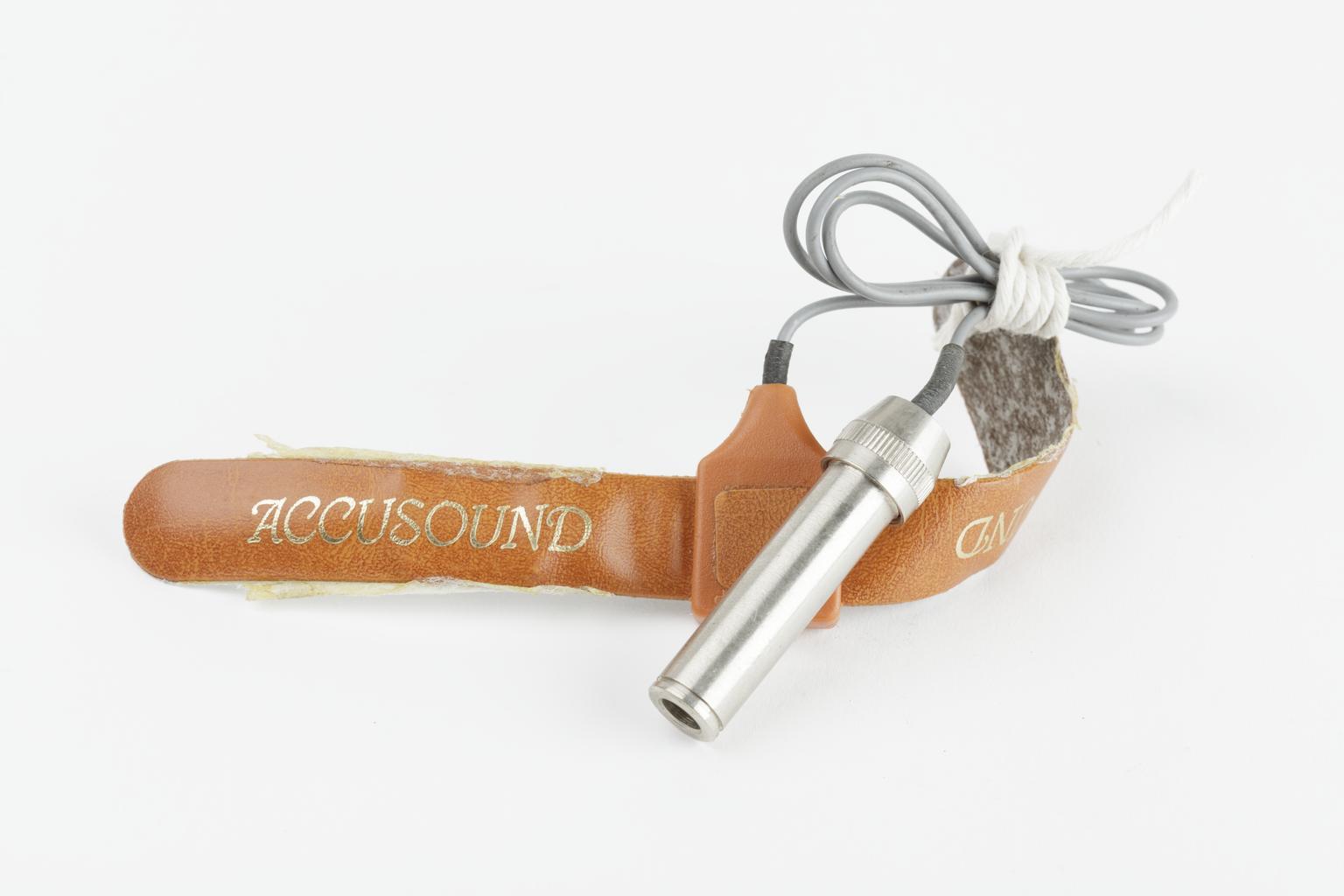
Accusound microphone used in BBC Radiophonic Workshop
Accusound contact microphone. Part of BBC Radiophonic Workshop collection.
More
This contact microphone is part of the objects and instruments used by BBC’s pioneer music studio, the Radiophonic Workshop which operated between 1958 to 1998. Known for creating strange new sounds by using synthesizers, manipulating sound, and using everyday objects, the Radiophonic Workshop created over 100 musical pieces, with Doctor Who’s theme by Delia Derbyshire being their most famous one. Due to their constrained budget, they used all sorts of objects to make their soundscapes from more traditional ones like tambourines and bells, to chopsticks, lamps, and metal spirals.
The BBC Radiophonic Workshop was one of the sound effects units of the BBC, created in 1958 to produce incidental sounds and new music for radio and, later, television. The unit is known for its experimental and pioneering work in electronic music and music technology, as well as its popular scores for programs such as Doctor Who and Quatermass and the Pit during the 1950s and 1960s.
The original Radiophonic Workshop was based in the BBC's Maida Vale Studios in Delaware Road, Maida Vale, London. The Workshop was closed in March 1998, although much of its traditional work had already been outsourced by 1995. Its members included Daphne Oram, Delia Derbyshire, David Cain, John Baker, Paddy Kingsland, Glynis Jones, Maddalena Fagandini and Richard Yeoman-Clark.
Measurements:
overall, lying flat: 30 mm x 145 mm x 80 mm, .029 kg
The Board of Trustees of the Science Museum, London
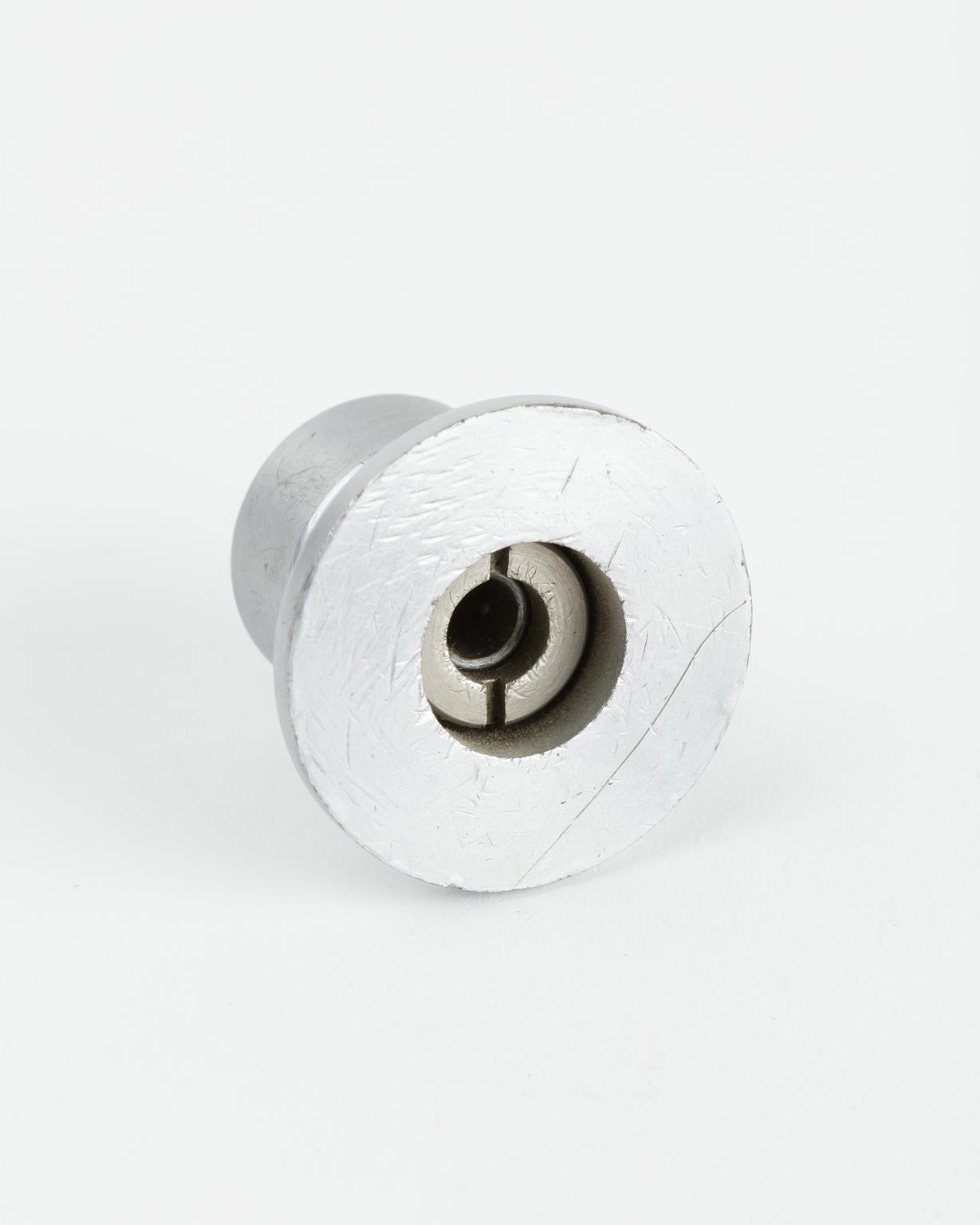
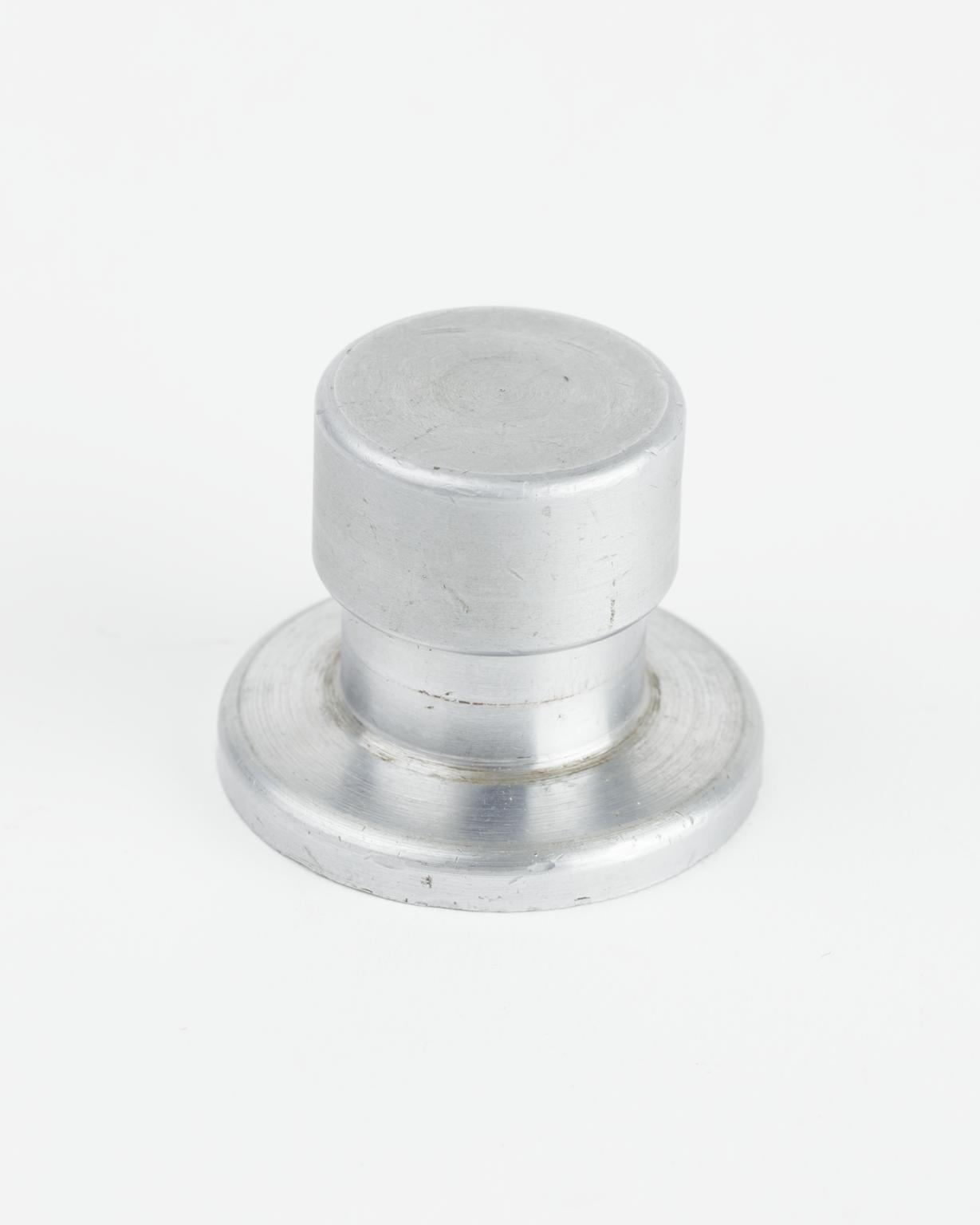
Metal Cylinder used in BBC Radiophonic Workshop
Metal cylinder, possibly a tape guide. Part of BBC Radiophonic Workshop collection.
More
This item is part of the objects and instruments used by BBC’s pioneer music studio, the Radiophonic Workshop which operated between 1958 to 1998. Known for creating strange new sounds by using synthesizers, manipulating sound, and using everyday objects, the Radiophonic Workshop created over 100 musical pieces, with Doctor Who’s theme by Delia Derbyshire being their most famous one. Due to their constrained budget, they used all sorts of objects to make their soundscapes from more traditional ones like tambourines and bells, to chopsticks, lamps, and metal spirals.
The BBC Radiophonic Workshop was one of the sound effects units of the BBC, created in 1958 to produce incidental sounds and new music for radio and, later, television. The unit is known for its experimental and pioneering work in electronic music and music technology, as well as its popular scores for programs such as Doctor Who and Quatermass and the Pit during the 1950s and 1960s.
The original Radiophonic Workshop was based in the BBC's Maida Vale Studios in Delaware Road, Maida Vale, London. The Workshop was closed in March 1998, although much of its traditional work had already been outsourced by 1995. Its members included Daphne Oram, Delia Derbyshire, David Cain, John Baker, Paddy Kingsland, Glynis Jones, Maddalena Fagandini and Richard Yeoman-Clark.
The Board of Trustees of the Science Museum, London
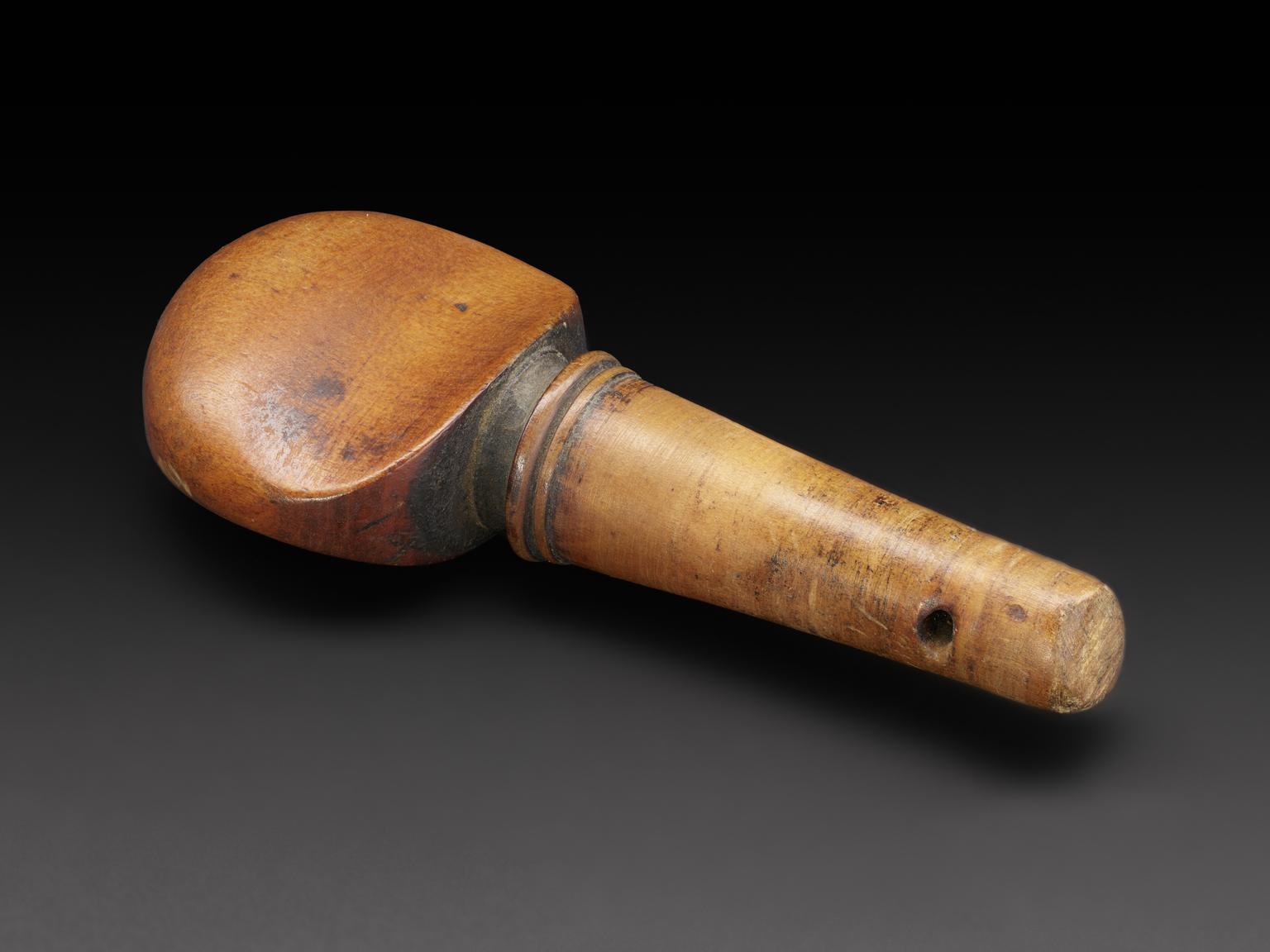
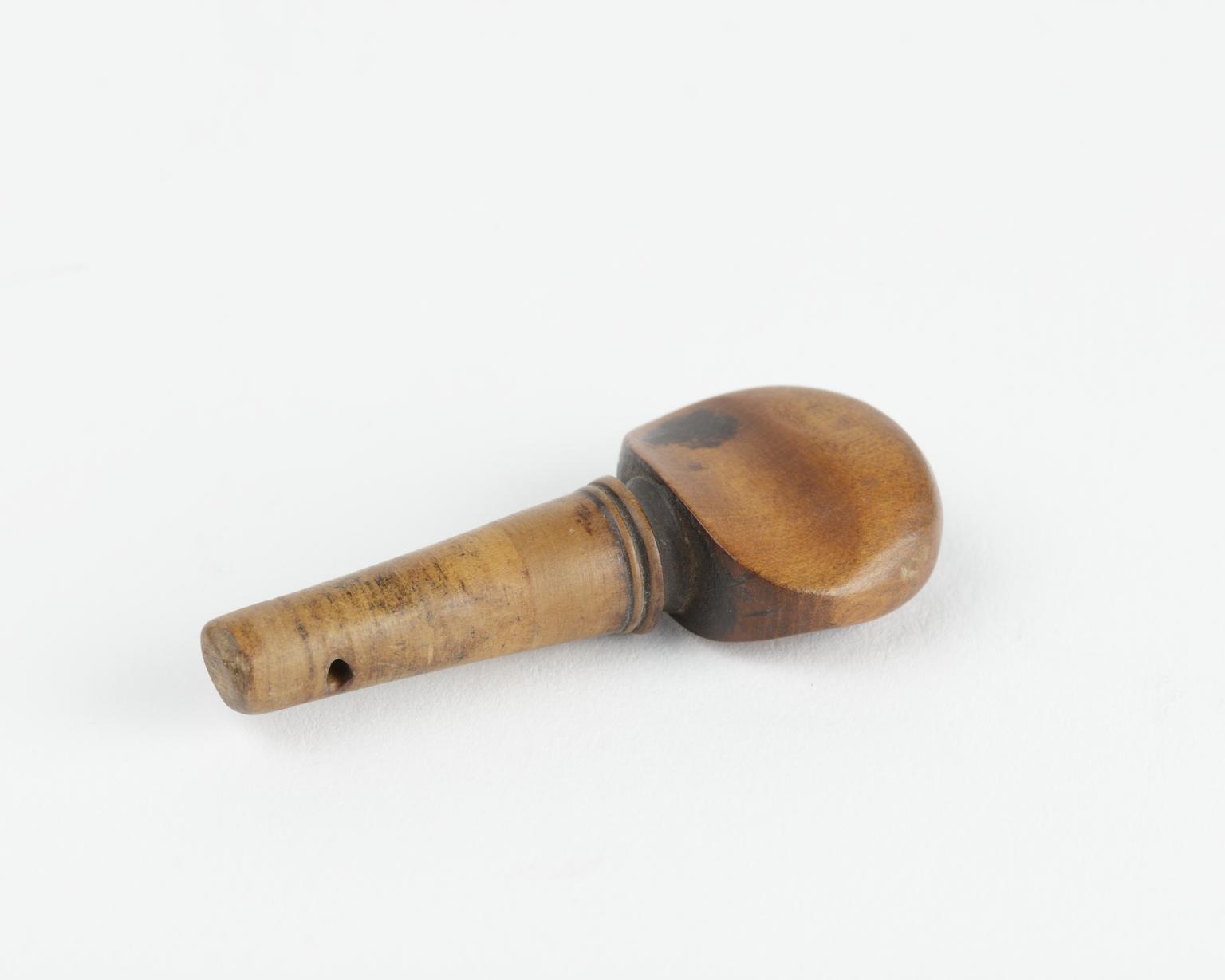
Tuning peg used in BBC Radiophonic Workshop
Tuning peg from unidentified stringed instrument. Part of BBC Radiophonic Workshop collection.
More
This tuning peg is part of the objects and instruments used by BBC’s pioneer music studio, the Radiophonic Workshop which operated between 1958 to 1998. Known for creating strange new sounds by using synthesizers, manipulating sound, and using everyday objects, the Radiophonic Workshop created over 100 musical pieces, with Doctor Who’s theme by Delia Derbyshire being their most famous one. Due to their constrained budget, they used all sorts of objects to make their soundscapes from more traditional ones like tambourines and bells, to chopsticks, lamps, and metal spirals.
The BBC Radiophonic Workshop was one of the sound effects units of the BBC, created in 1958 to produce incidental sounds and new music for radio and, later, television. The unit is known for its experimental and pioneering work in electronic music and music technology, as well as its popular scores for programs such as Doctor Who and Quatermass and the Pit during the 1950s and 1960s.
The original Radiophonic Workshop was based in the BBC's Maida Vale Studios in Delaware Road, Maida Vale, London. The Workshop was closed in March 1998, although much of its traditional work had already been outsourced by 1995. Its members included Daphne Oram, Delia Derbyshire, David Cain, John Baker, Paddy Kingsland, Glynis Jones, Maddalena Fagandini and Richard Yeoman-Clark.
Measurements:
overall, lying flat: 51 mm x 24 mm x 10 mm, .004 kg
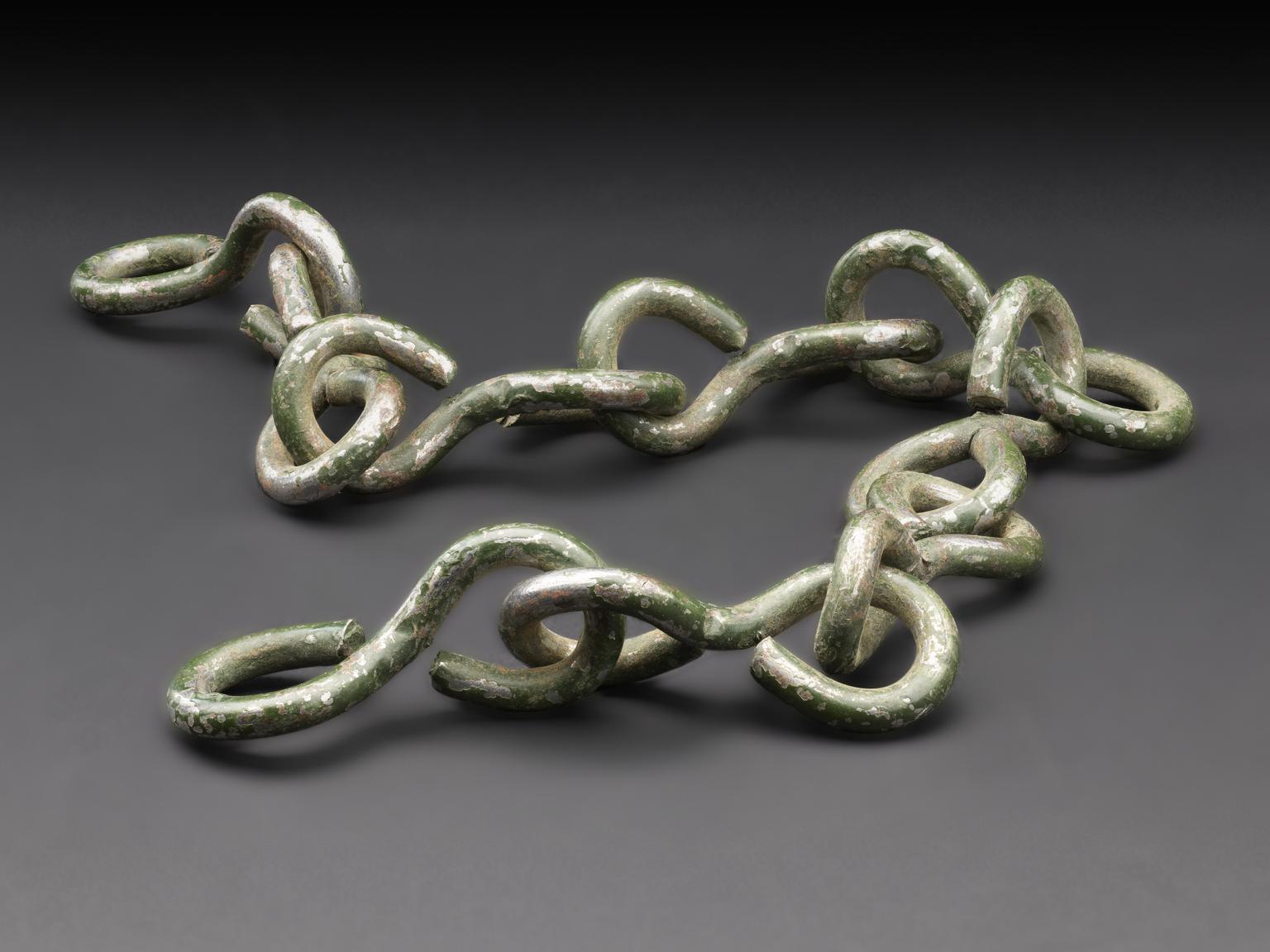
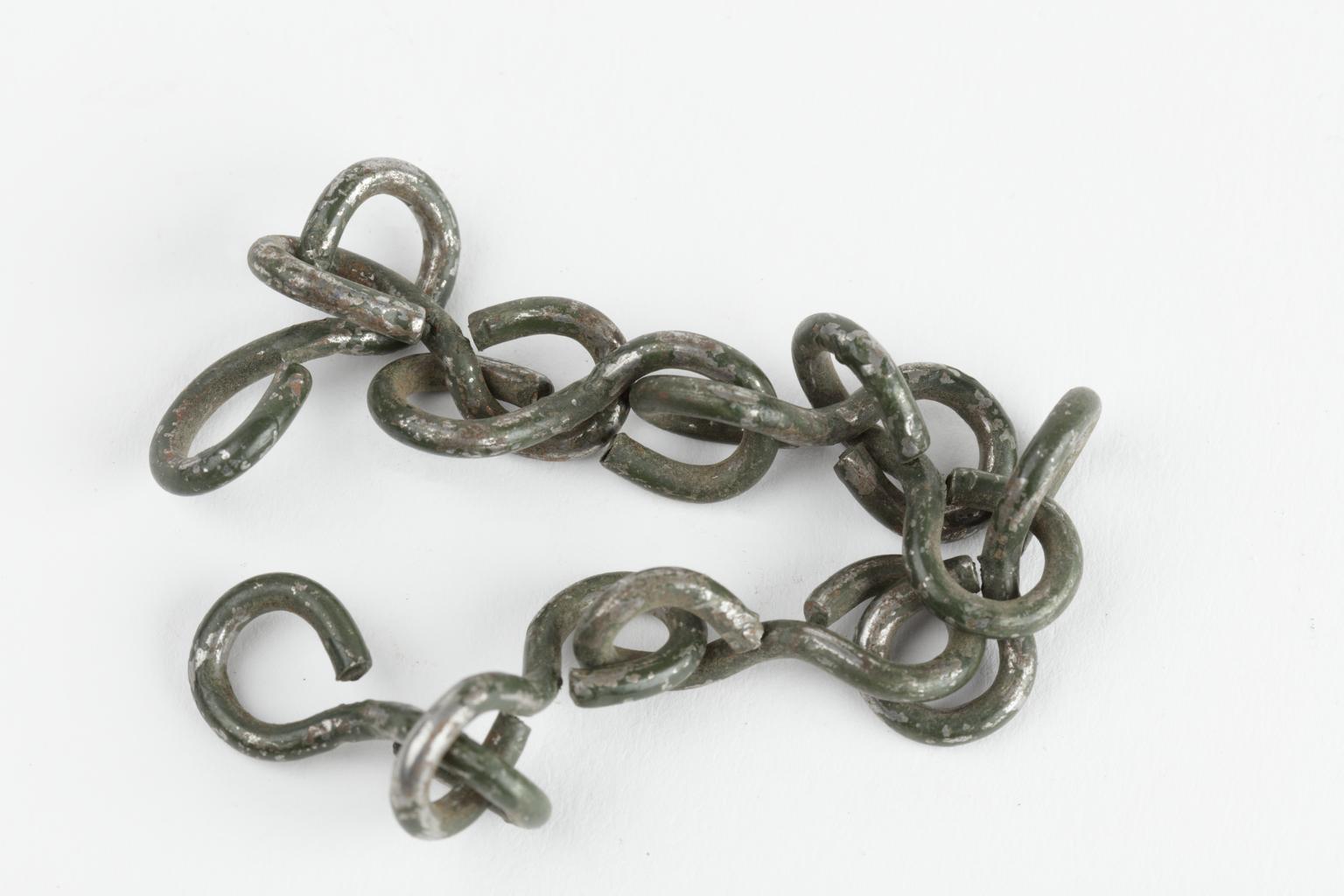
Metal chain. Part of BBC Radiophonic Workshop collection.
More
This chain is part of the objects and instruments used by BBC’s pioneer music studio, the Radiophonic Workshop which operated between 1958 to 1998. Known for creating strange new sounds by using synthesizers, manipulating sound, and using everyday objects, the Radiophonic Workshop created over 100 musical pieces, with Doctor Who’s theme by Delia Derbyshire being their most famous one. Due to their constrained budget, they used all sorts of objects to make their soundscapes from more traditional ones like tambourines and bells, to chopsticks, lamps, and metal spirals.
The BBC Radiophonic Workshop was one of the sound effects units of the BBC, created in 1958 to produce incidental sounds and new music for radio and, later, television. The unit is known for its experimental and pioneering work in electronic music and music technology, as well as its popular scores for programs such as Doctor Who and Quatermass and the Pit during the 1950s and 1960s.
The original Radiophonic Workshop was based in the BBC's Maida Vale Studios in Delaware Road, Maida Vale, London. The Workshop was closed in March 1998, although much of its traditional work had already been outsourced by 1995. Its members included Daphne Oram, Delia Derbyshire, David Cain, John Baker, Paddy Kingsland, Glynis Jones, Maddalena Fagandini and Richard Yeoman-Clark.
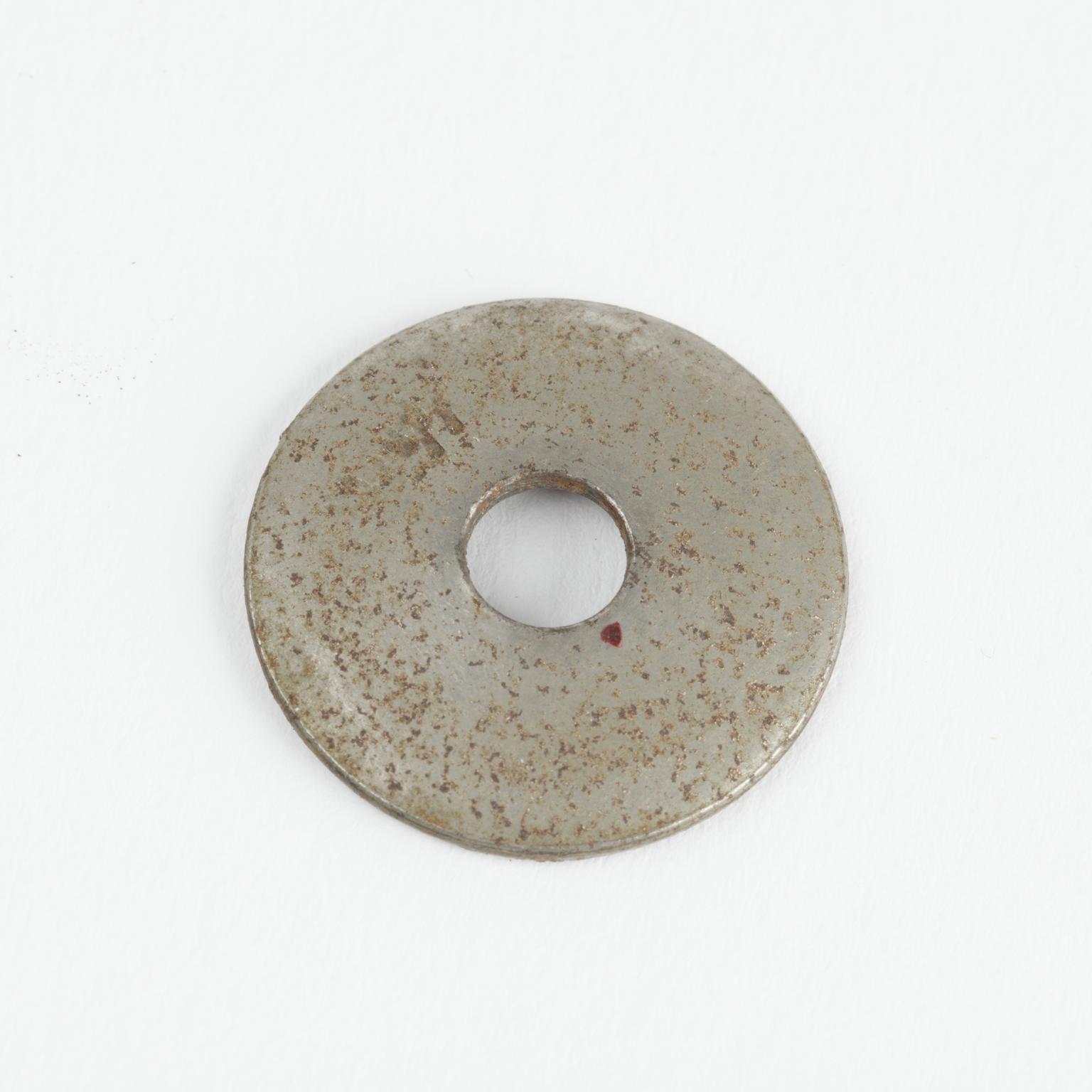
Measurements:
overall, lying flat: 10 mm x 190 mm x 10 mm, .018 kg
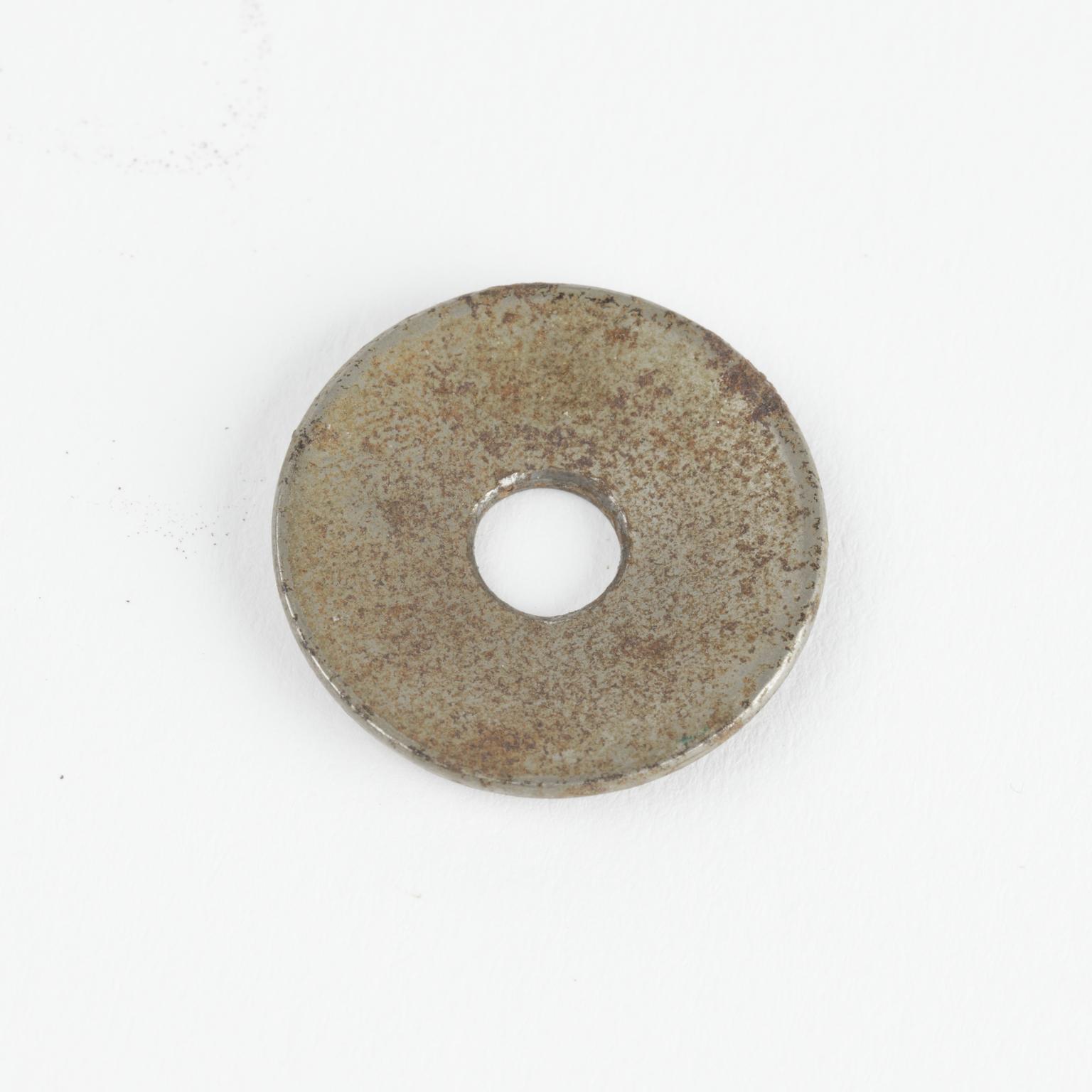
Metal washer, slightly domed. Part of BBC Radiophonic Workshop collection.
More
This item is part of the objects and instruments used by BBC’s pioneer music studio, the Radiophonic Workshop which operated between 1958 to 1998. Known for creating strange new sounds by using synthesizers, manipulating sound, and using everyday objects, the Radiophonic Workshop created over 100 musical pieces, with Doctor Who’s theme by Delia Derbyshire being their most famous one. Due to their constrained budget, they used all sorts of objects to make their soundscapes from more traditional ones like tambourines and bells, to chopsticks, lamps, and metal spirals.
The BBC Radiophonic Workshop was one of the sound effects units of the BBC, created in 1958 to produce incidental sounds and new music for radio and, later, television. The unit is known for its experimental and pioneering work in electronic music and music technology, as well as its popular scores for programs such as Doctor Who and Quatermass and the Pit during the 1950s and 1960s.
The original Radiophonic Workshop was based in the BBC's Maida Vale Studios in Delaware Road, Maida Vale, London. The Workshop was closed in March 1998, although much of its traditional work had already been outsourced by 1995. Its members included Daphne Oram, Delia Derbyshire, David Cain, John Baker, Paddy Kingsland, Glynis Jones, Maddalena Fagandini and Richard Yeoman-Clark.
The Board of Trustees of the Science Museum, London
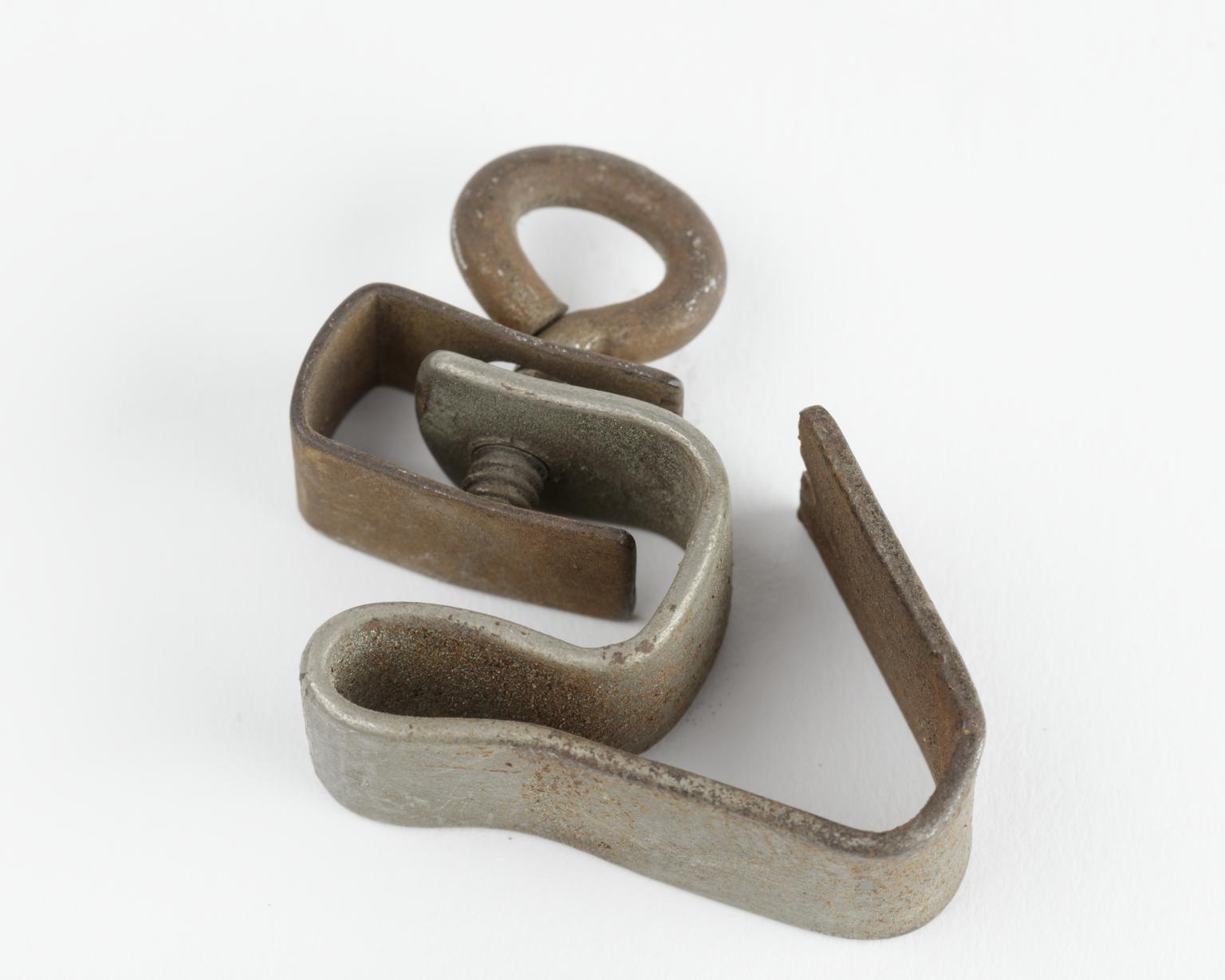
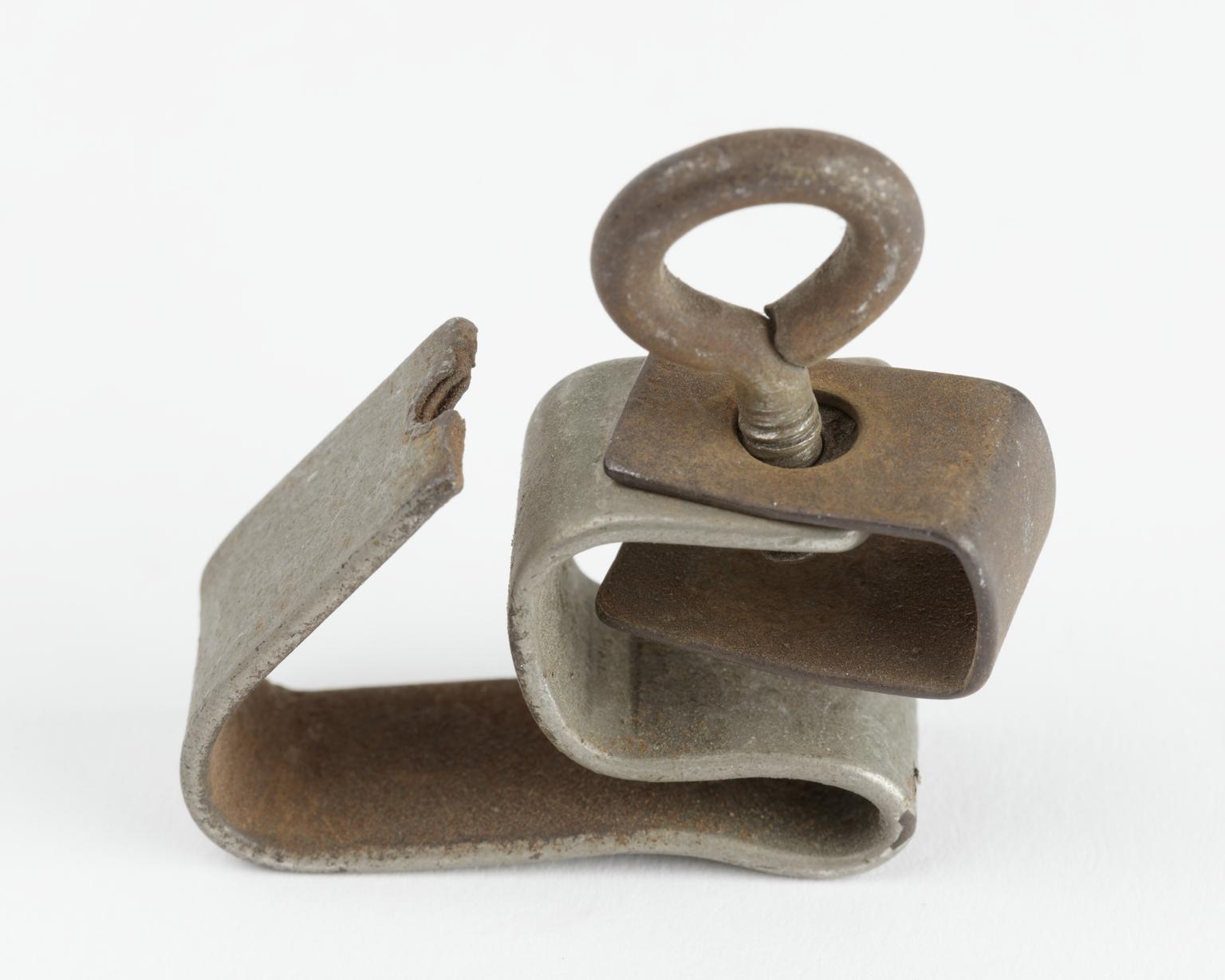
Metal clamp used in BBC Radiophonic Workshop
Metal clamp. Part of BBC Radiophonic Workshop collection.
More
This item is part of the objects and instruments used by BBC’s pioneer music studio, the Radiophonic Workshop which operated between 1958 to 1998. Known for creating strange new sounds by using synthesizers, manipulating sound, and using everyday objects, the Radiophonic Workshop created over 100 musical pieces, with Doctor Who’s theme by Delia Derbyshire being their most famous one. Due to their constrained budget, they used all sorts of objects to make their soundscapes from more traditional ones like tambourines and bells, to chopsticks, lamps, and metal spirals.
The BBC Radiophonic Workshop was one of the sound effects units of the BBC, created in 1958 to produce incidental sounds and new music for radio and, later, television. The unit is known for its experimental and pioneering work in electronic music and music technology, as well as its popular scores for programs such as Doctor Who and Quatermass and the Pit during the 1950s and 1960s.
The original Radiophonic Workshop was based in the BBC's Maida Vale Studios in Delaware Road, Maida Vale, London. The Workshop was closed in March 1998, although much of its traditional work had already been outsourced by 1995. Its members included Daphne Oram, Delia Derbyshire, David Cain, John Baker, Paddy Kingsland, Glynis Jones, Maddalena Fagandini and Richard Yeoman-Clark.
Measurements:
overall, lying flat: 15 mm x 50 mm x 50 mm, 20 mm,
The Board of Trustees of the Science Museum, London
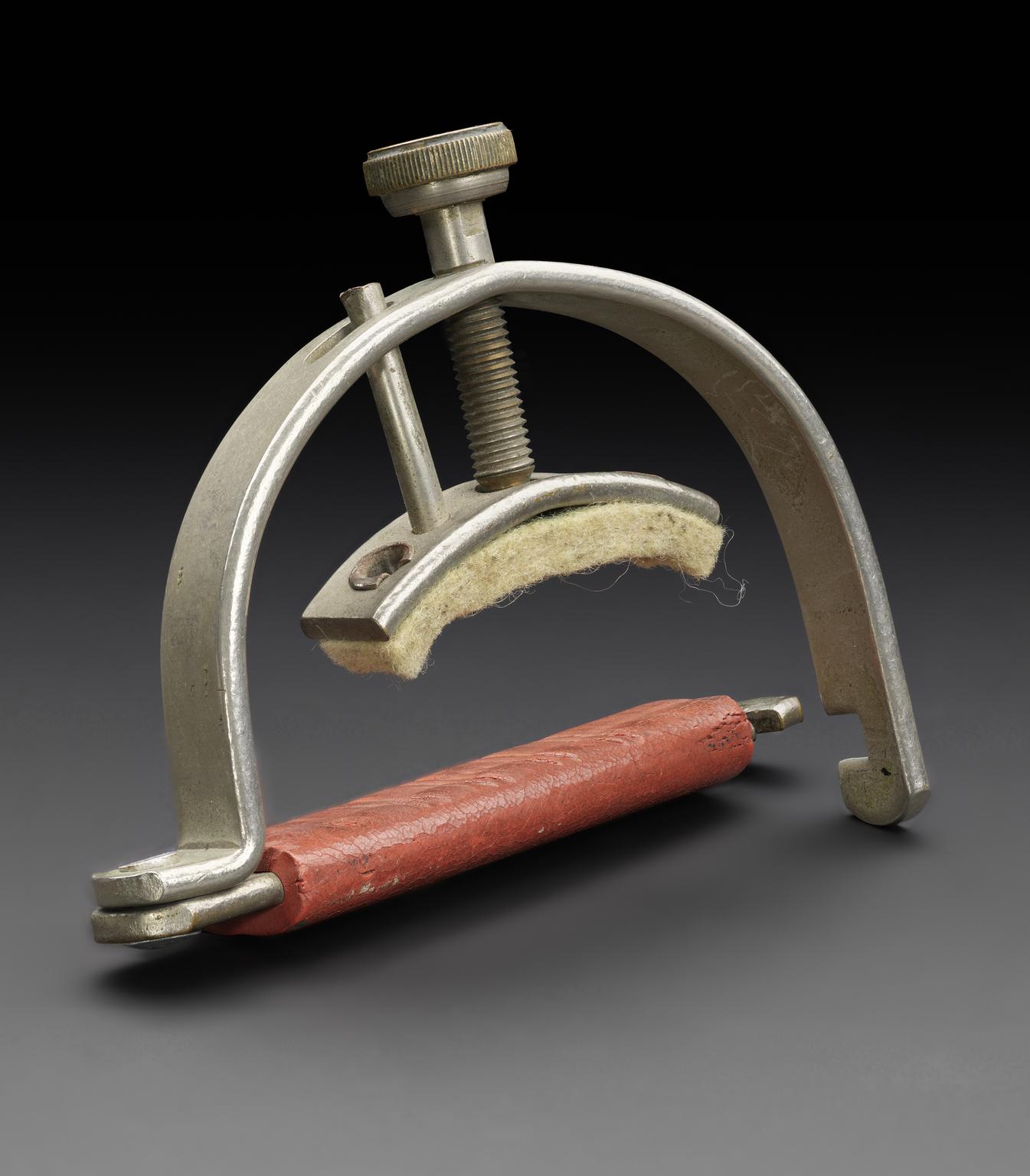
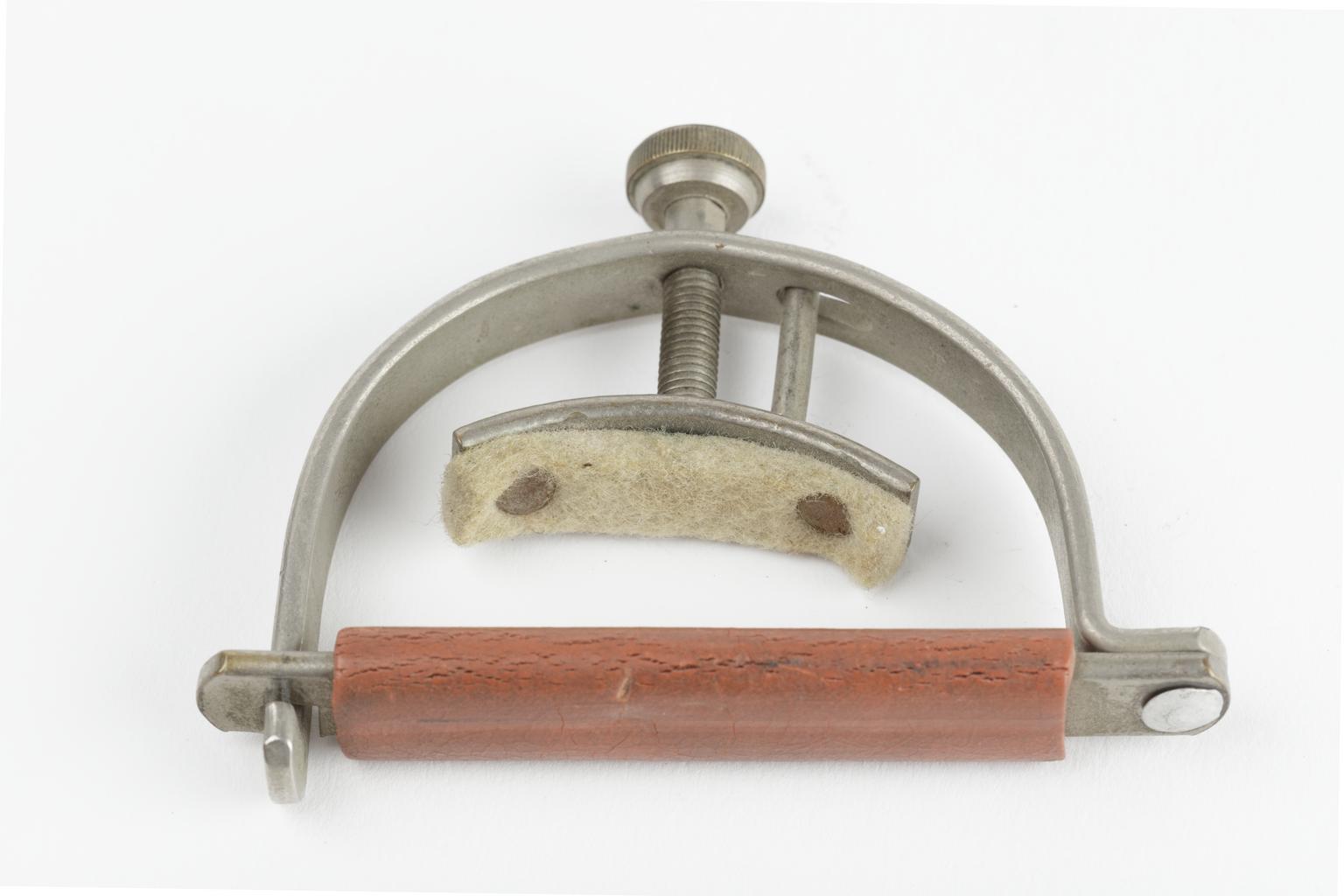
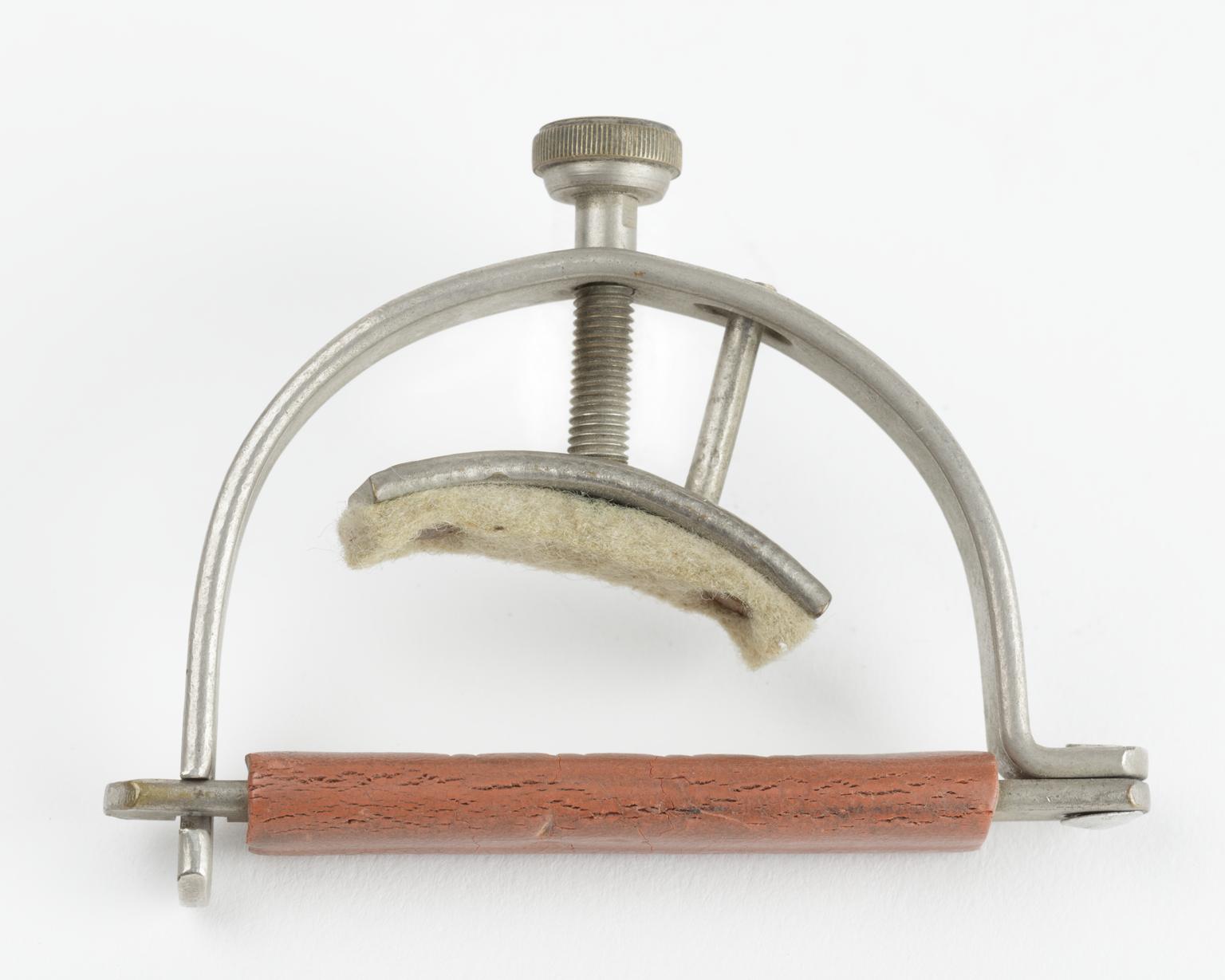
Guitar Capo used in BBC Radiophonic Workshop
Guitar capo. Part of BBC Radiophonic Workshop collection.
More
This item is part of the objects and instruments used by BBC’s pioneer music studio, the Radiophonic Workshop which operated between 1958 to 1998. Known for creating strange new sounds by using synthesizers, manipulating sound, and using everyday objects, the Radiophonic Workshop created over 100 musical pieces, with Doctor Who’s theme by Delia Derbyshire being their most famous one. Due to their constrained budget, they used all sorts of objects to make their soundscapes from more traditional ones like tambourines and bells, to chopsticks, lamps, and metal spirals.
The BBC Radiophonic Workshop was one of the sound effects units of the BBC, created in 1958 to produce incidental sounds and new music for radio and, later, television. The unit is known for its experimental and pioneering work in electronic music and music technology, as well as its popular scores for programs such as Doctor Who and Quatermass and the Pit during the 1950s and 1960s.
The original Radiophonic Workshop was based in the BBC's Maida Vale Studios in Delaware Road, Maida Vale, London. The Workshop was closed in March 1998, although much of its traditional work had already been outsourced by 1995. Its members included Daphne Oram, Delia Derbyshire, David Cain, John Baker, Paddy Kingsland, Glynis Jones, Maddalena Fagandini and Richard Yeoman-Clark.
Measurements:
overall, lying flat: 15 mm x 60 mm x 80 mm, 20 mm, .06 kg
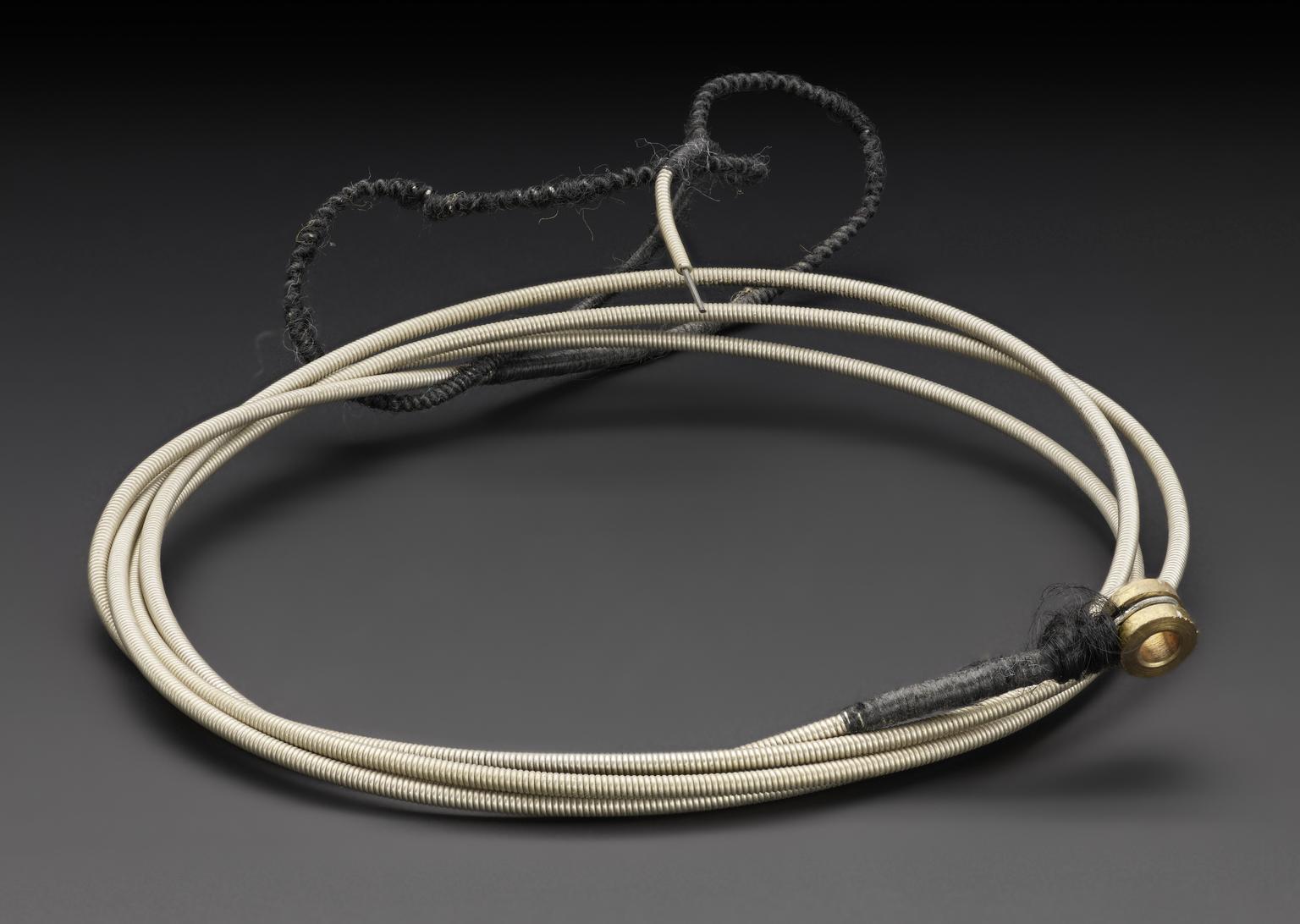
Bass guitar string used in BBC Radiophonic Workshop
Bass guitar string. Part of BBC Radiophonic Workshop collection.
More
This item is part of the objects and instruments used by BBC’s pioneer music studio, the Radiophonic Workshop which operated between 1958 to 1998. Known for creating strange new sounds by using synthesizers, manipulating sound, and using everyday objects, the Radiophonic Workshop created over 100 musical pieces, with Doctor Who’s theme by Delia Derbyshire being their most famous one. Due to their constrained budget, they used all sorts of objects to make their soundscapes from more traditional ones like tambourines and bells, to chopsticks, lamps, and metal spirals.
The BBC Radiophonic Workshop was one of the sound effects units of the BBC, created in 1958 to produce incidental sounds and new music for radio and, later, television. The unit is known for its experimental and pioneering work in electronic music and music technology, as well as its popular scores for programs such as Doctor Who and Quatermass and the Pit during the 1950s and 1960s.
The original Radiophonic Workshop was based in the BBC's Maida Vale Studios in Delaware Road, Maida Vale, London. The Workshop was closed in March 1998, although much of its traditional work had already been outsourced by 1995. Its members included Daphne Oram, Delia Derbyshire, David Cain, John Baker, Paddy Kingsland, Glynis Jones, Maddalena Fagandini and Richard Yeoman-Clark.
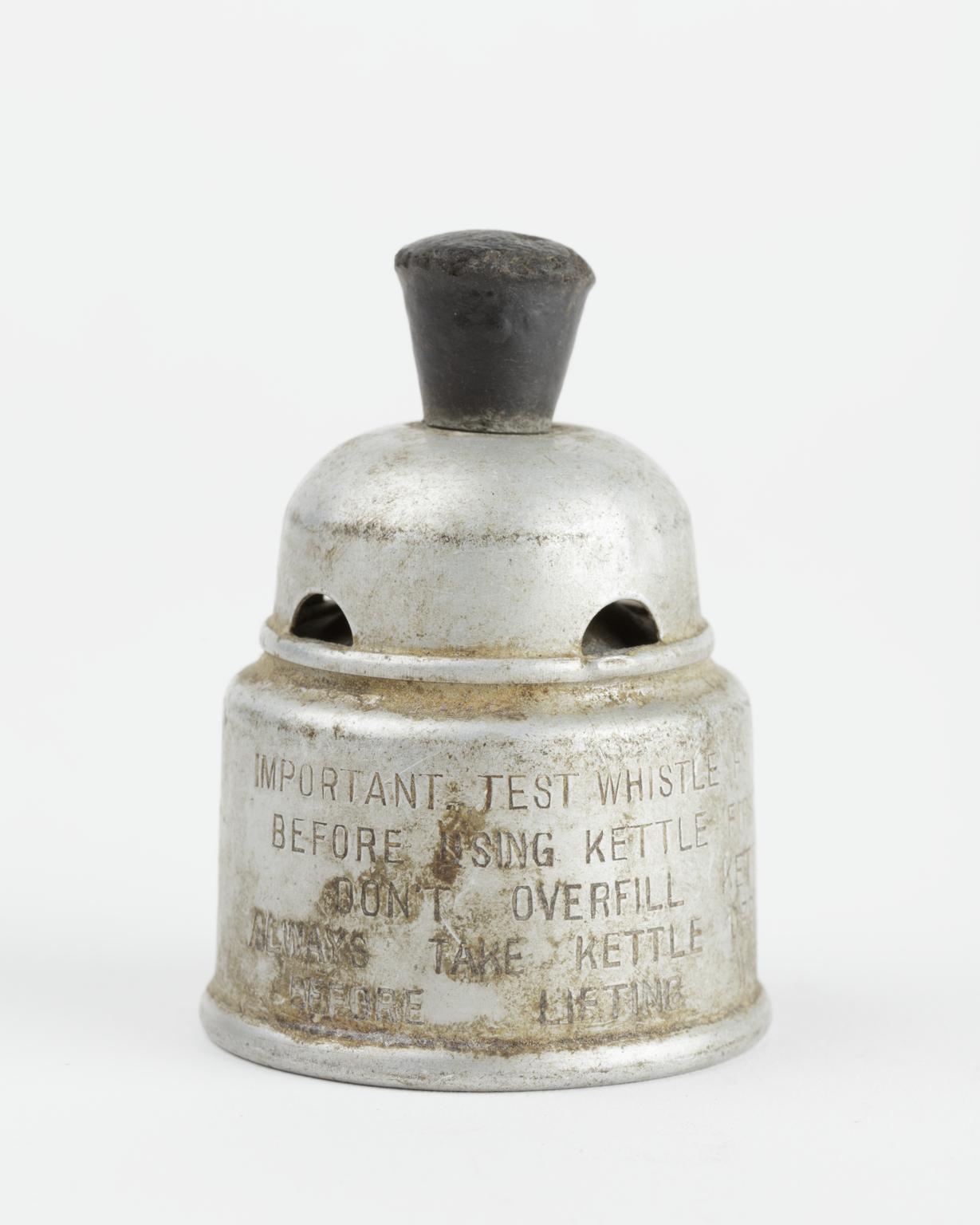
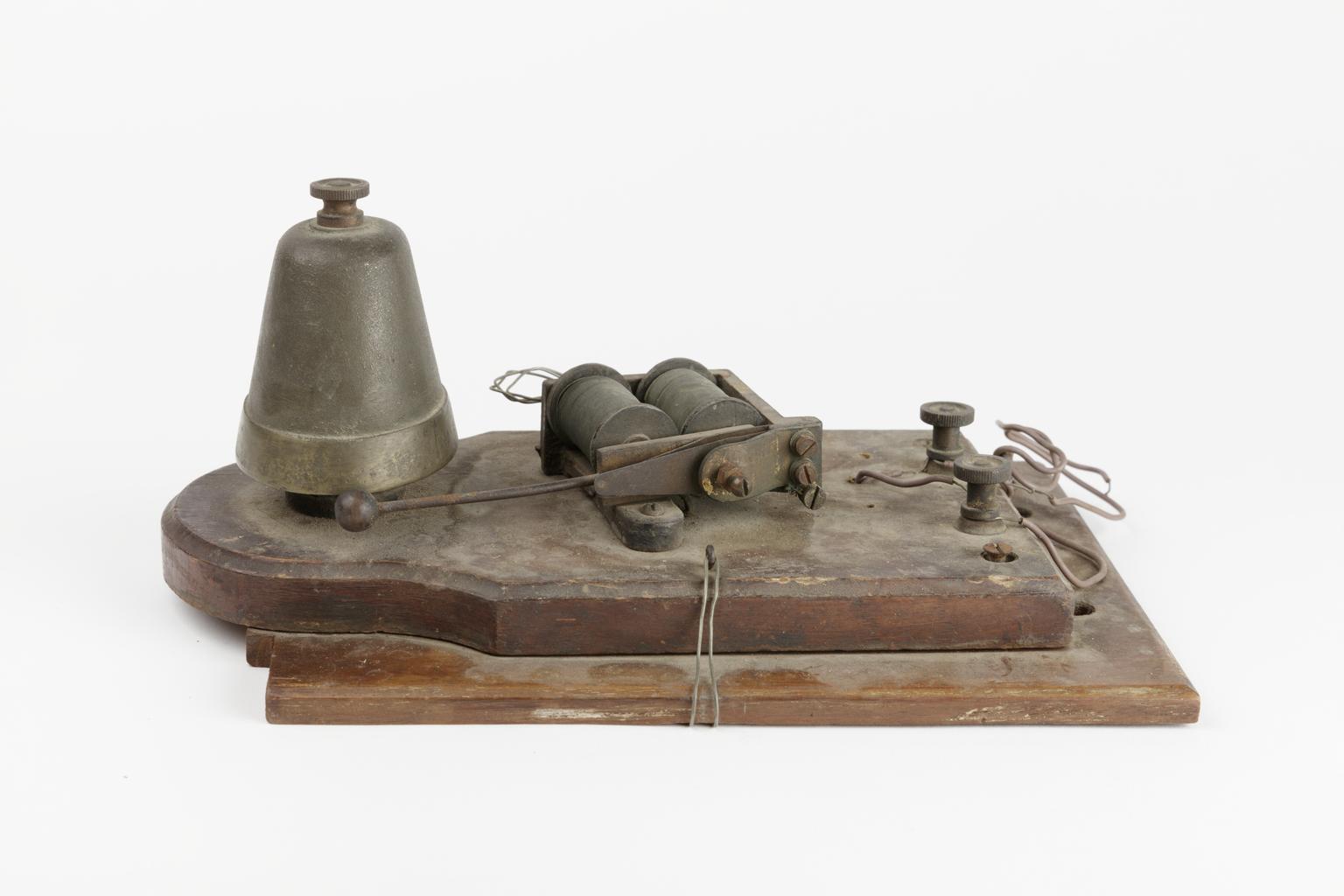
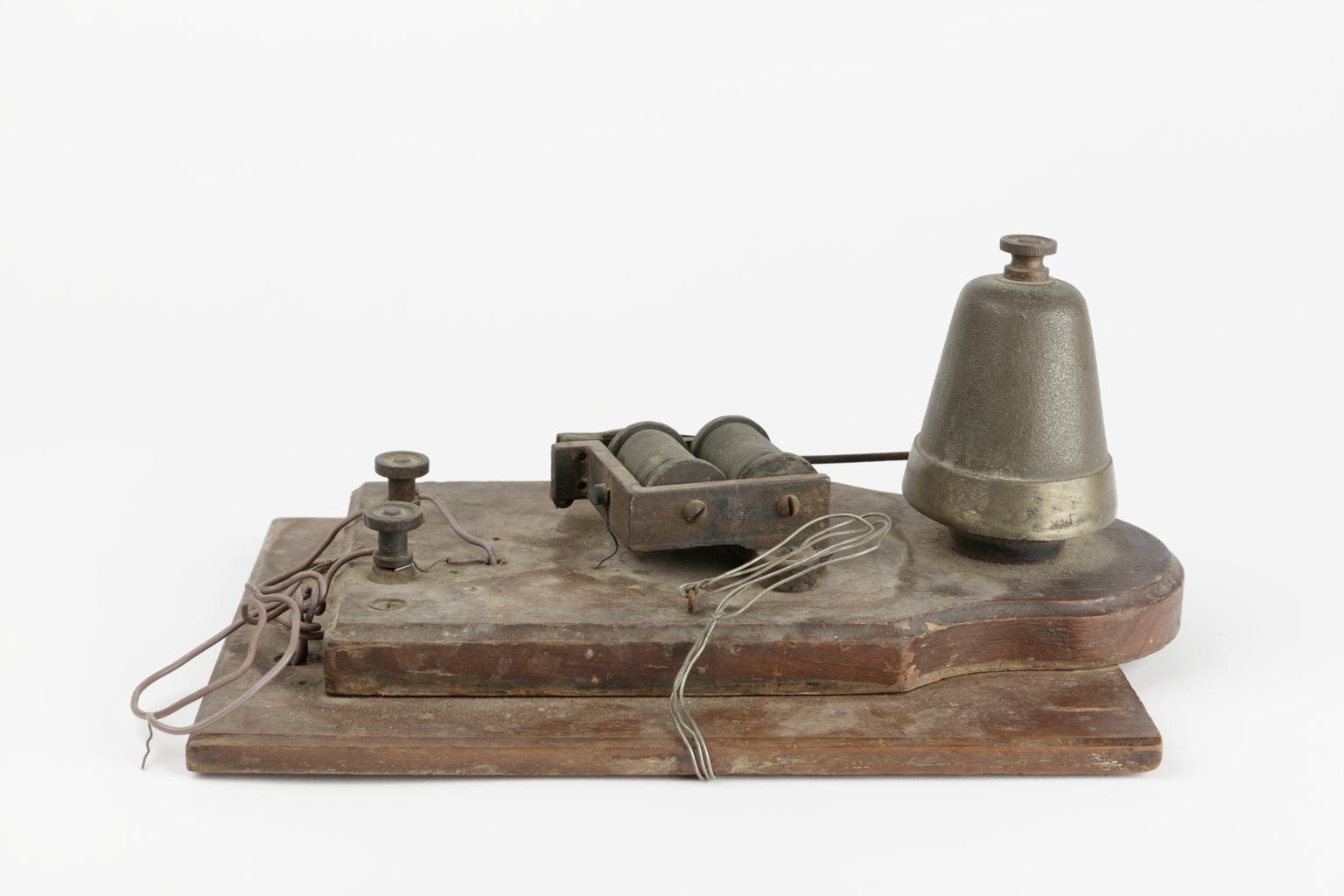
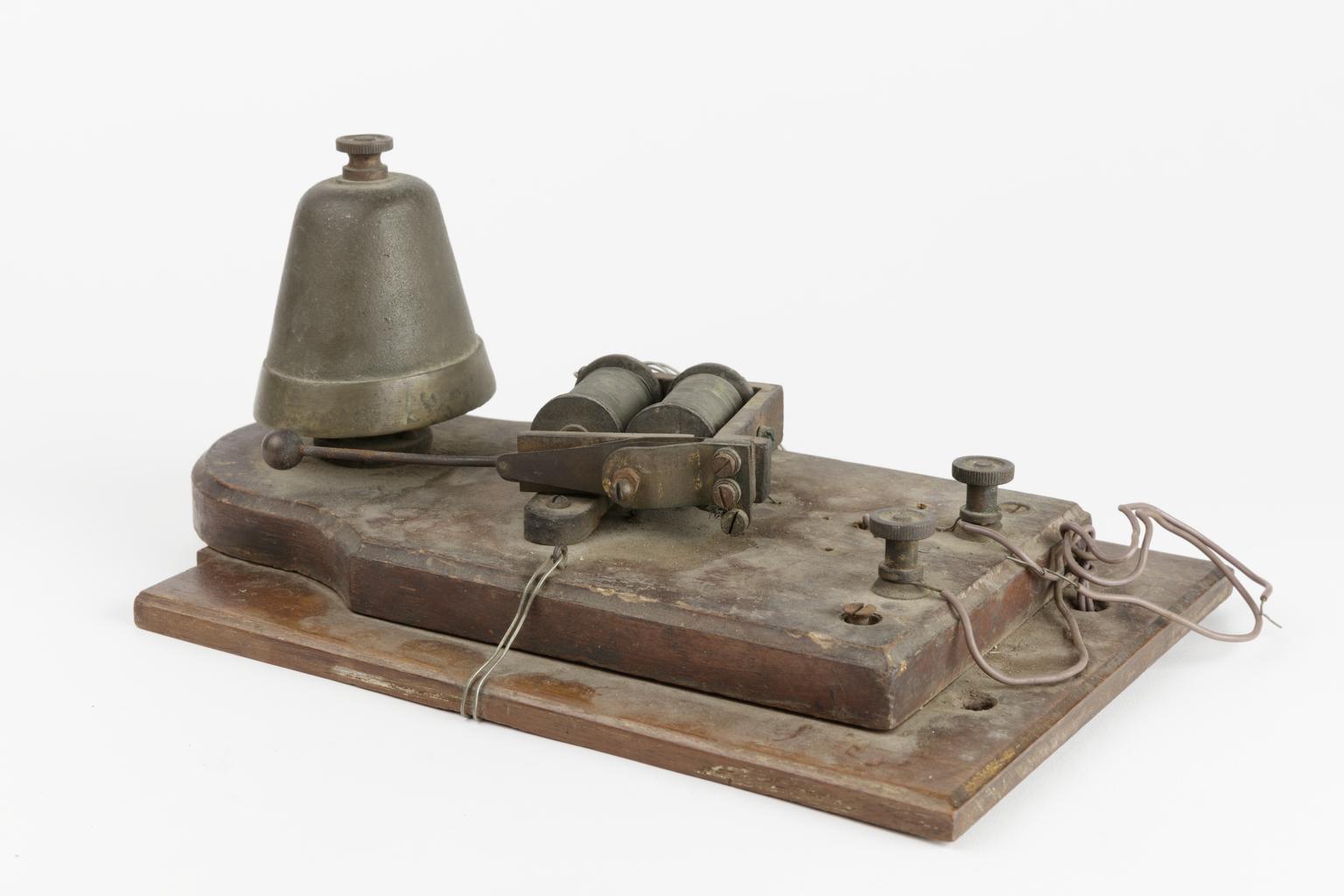
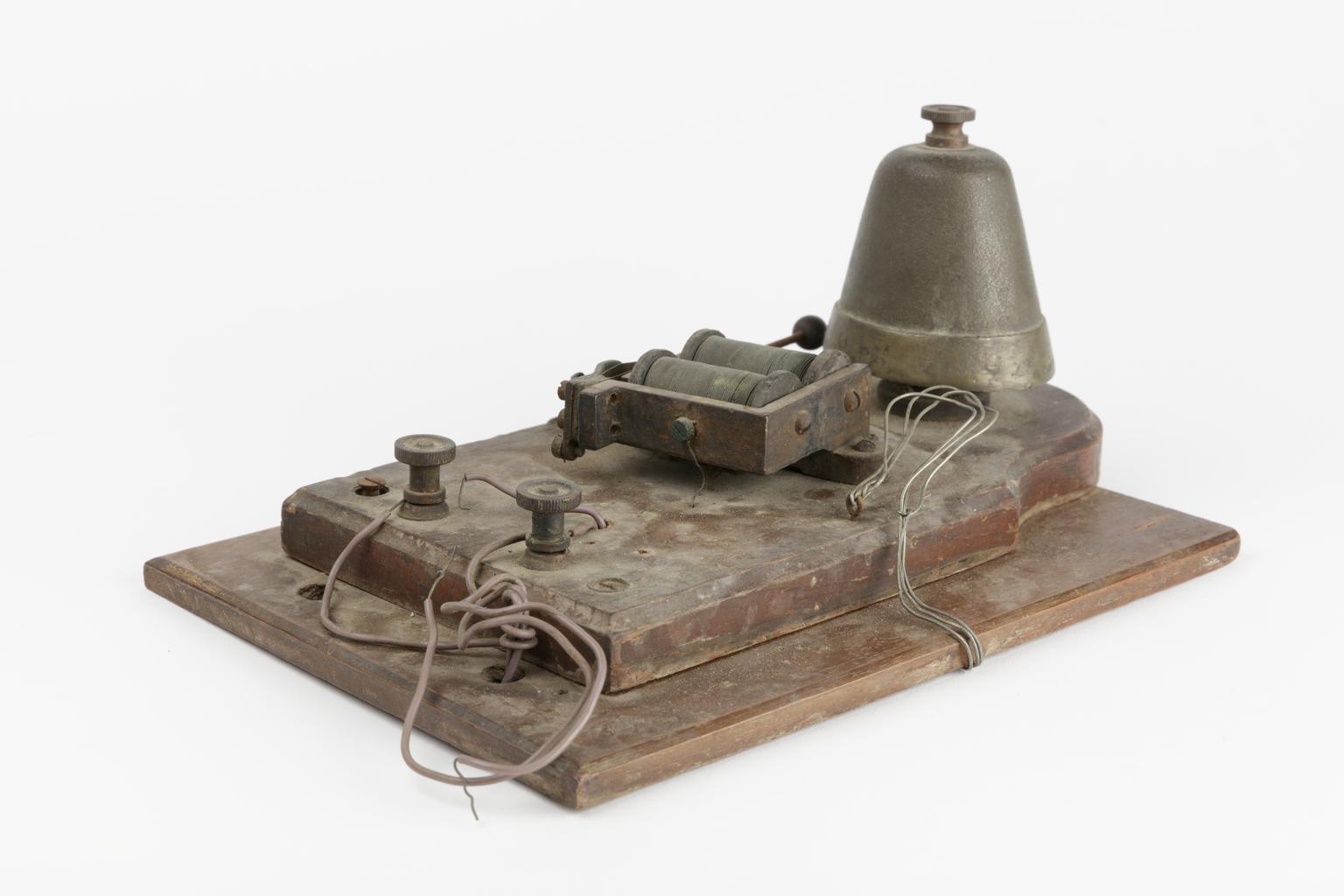
Electric bell on wooden base with kettle whistle, BBC Radiophonic Workshop
Electric bell on wooden base, with kettle whistle. Part of BBC Radiophonic Workshop collection.
More
This item is part of the objects and instruments used by BBC’s pioneer music studio, the Radiophonic Workshop which operated between 1958 to 1998. Known for creating strange new sounds by using synthesizers, manipulating sound, and using everyday objects, the Radiophonic Workshop created over 100 musical pieces, with Doctor Who’s theme by Delia Derbyshire being their most famous one. Due to their constrained budget, they used all sorts of objects to make their soundscapes from more traditional ones like tambourines and bells, to chopsticks, lamps, and metal spirals.
The BBC Radiophonic Workshop was one of the sound effects units of the BBC, created in 1958 to produce incidental sounds and new music for radio and, later, television. The unit is known for its experimental and pioneering work in electronic music and music technology, as well as its popular scores for programs such as Doctor Who and Quatermass and the Pit during the 1950s and 1960s.
The original Radiophonic Workshop was based in the BBC's Maida Vale Studios in Delaware Road, Maida Vale, London. The Workshop was closed in March 1998, although much of its traditional work had already been outsourced by 1995. Its members included Daphne Oram, Delia Derbyshire, David Cain, John Baker, Paddy Kingsland, Glynis Jones, Maddalena Fagandini and Richard Yeoman-Clark.
The Board of Trustees of the Science Museum, London
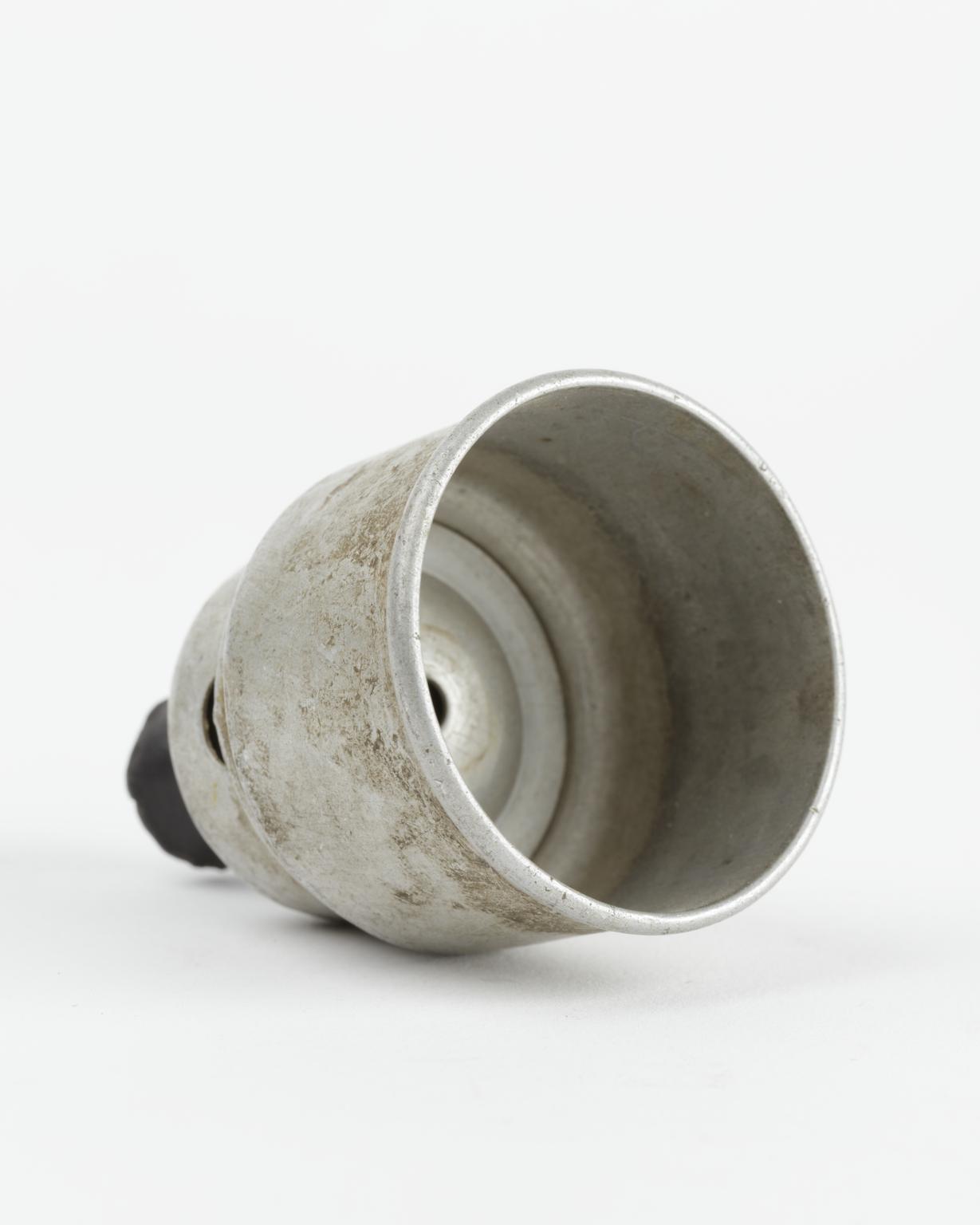
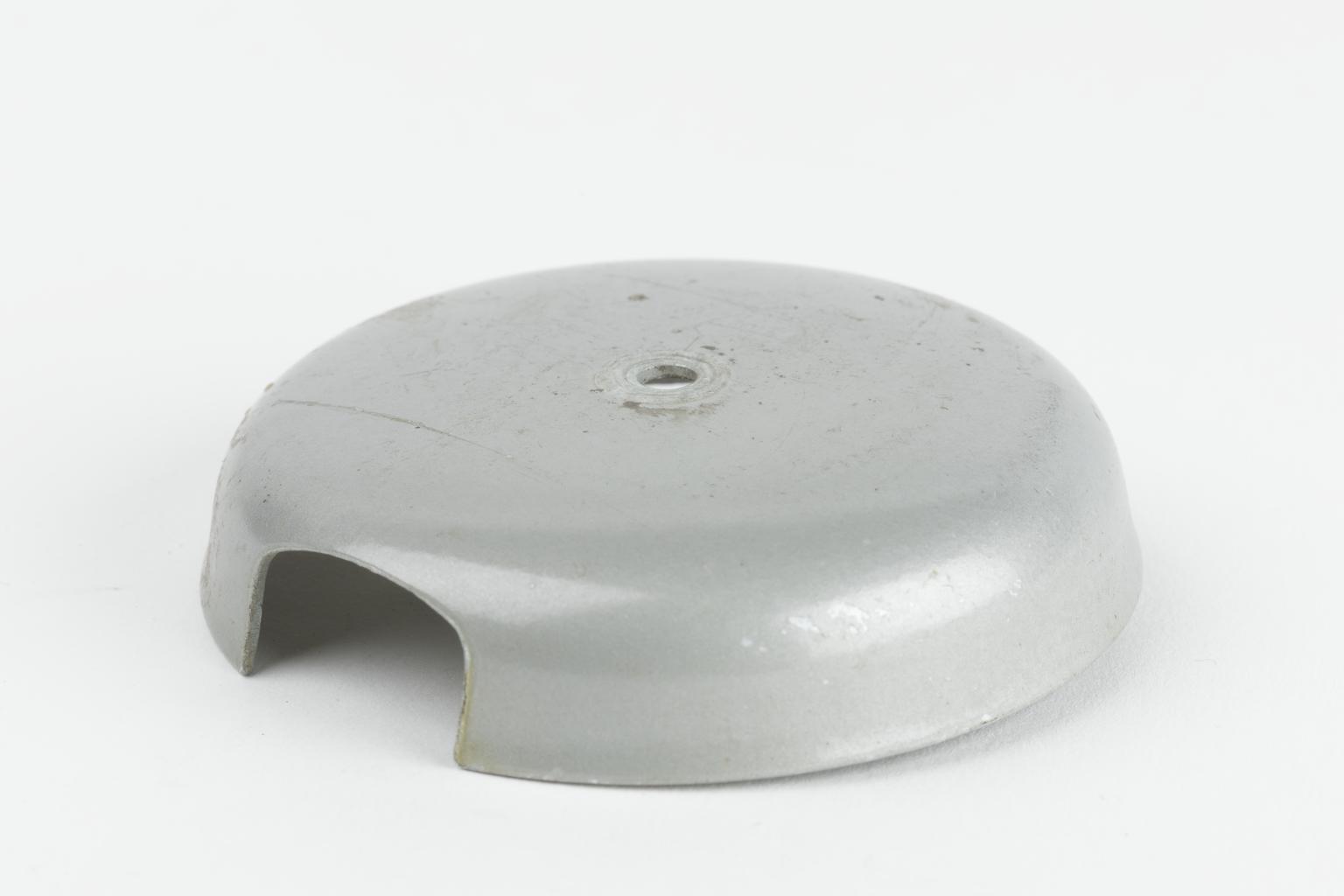
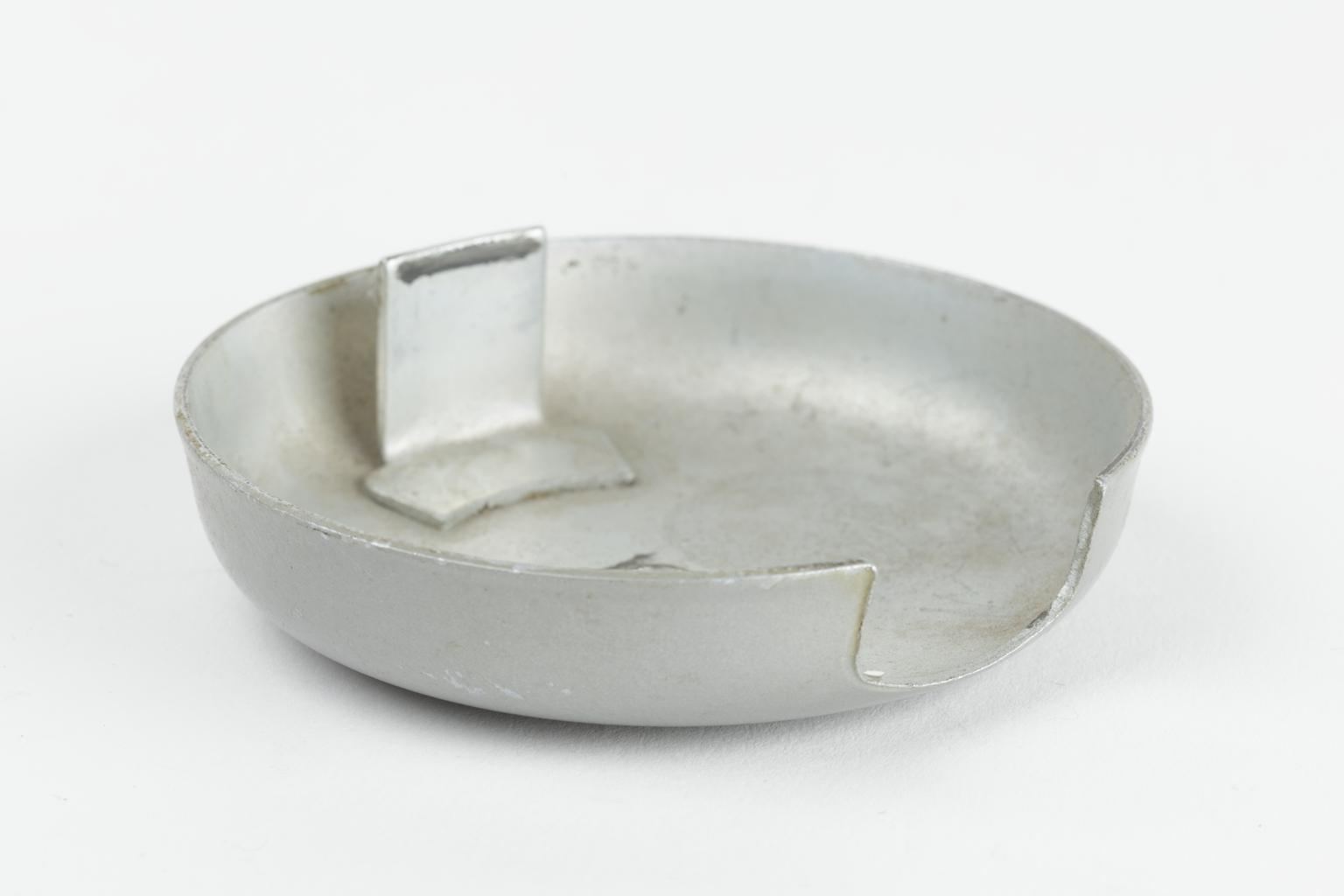
Metal electric bell cover used in BBC Radiophonic Workshop
Metal electric bell cover. Part of BBC Radiophonic Workshop collection.
More
This item is part of the objects and instruments used by BBC’s pioneer music studio, the Radiophonic Workshop which operated between 1958 to 1998. Known for creating strange new sounds by using synthesizers, manipulating sound, and using everyday objects, the Radiophonic Workshop created over 100 musical pieces, with Doctor Who’s theme by Delia Derbyshire being their most famous one. Due to their constrained budget, they used all sorts of objects to make their soundscapes from more traditional ones like tambourines and bells, to chopsticks, lamps, and metal spirals.
The BBC Radiophonic Workshop was one of the sound effects units of the BBC, created in 1958 to produce incidental sounds and new music for radio and, later, television. The unit is known for its experimental and pioneering work in electronic music and music technology, as well as its popular scores for programs such as Doctor Who and Quatermass and the Pit during the 1950s and 1960s.
The original Radiophonic Workshop was based in the BBC's Maida Vale Studios in Delaware Road, Maida Vale, London. The Workshop was closed in March 1998, although much of its traditional work had already been outsourced by 1995. Its members included Daphne Oram, Delia Derbyshire, David Cain, John Baker, Paddy Kingsland, Glynis Jones, Maddalena Fagandini and Richard Yeoman-Clark.
The Board of Trustees of the Science Museum, London
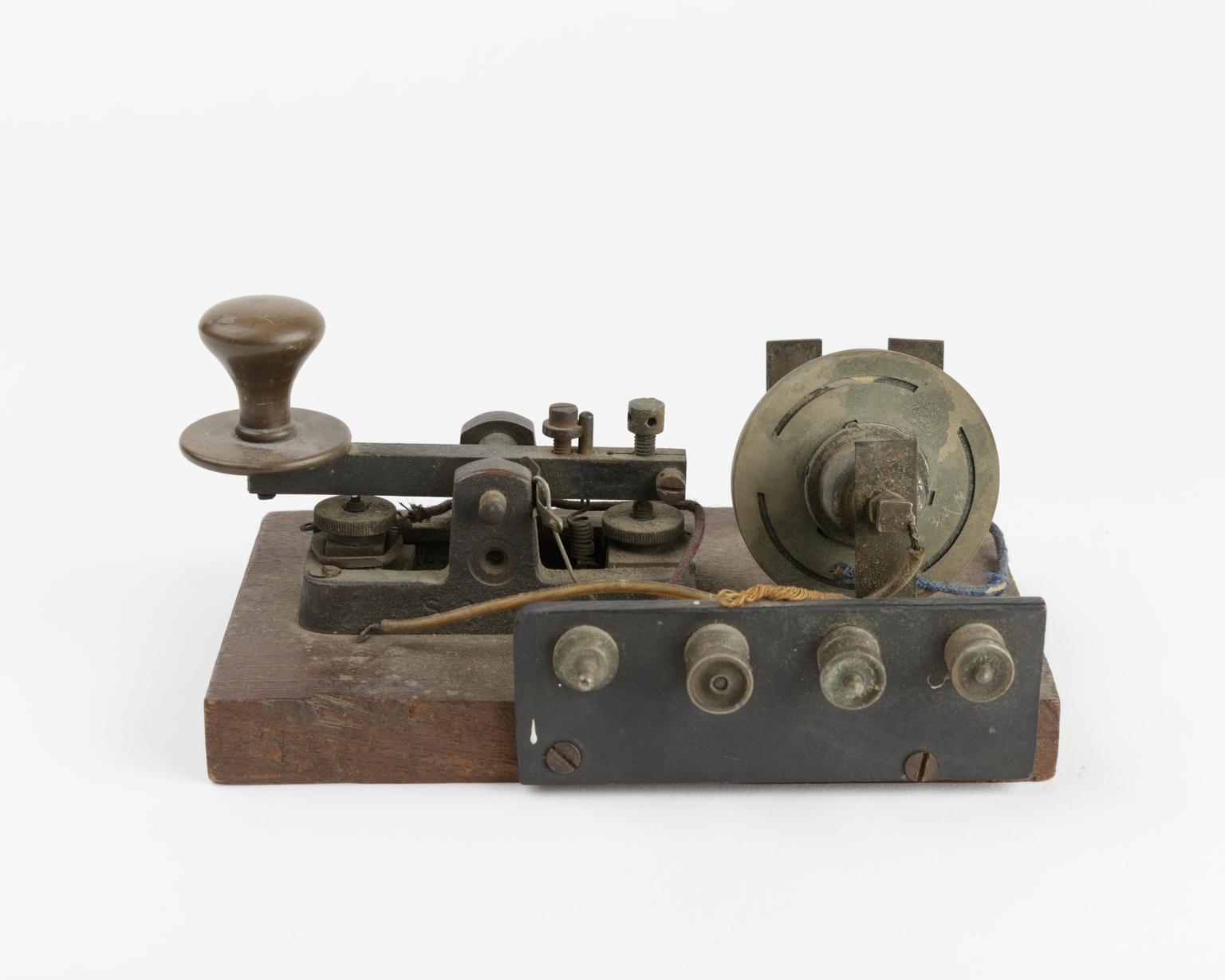
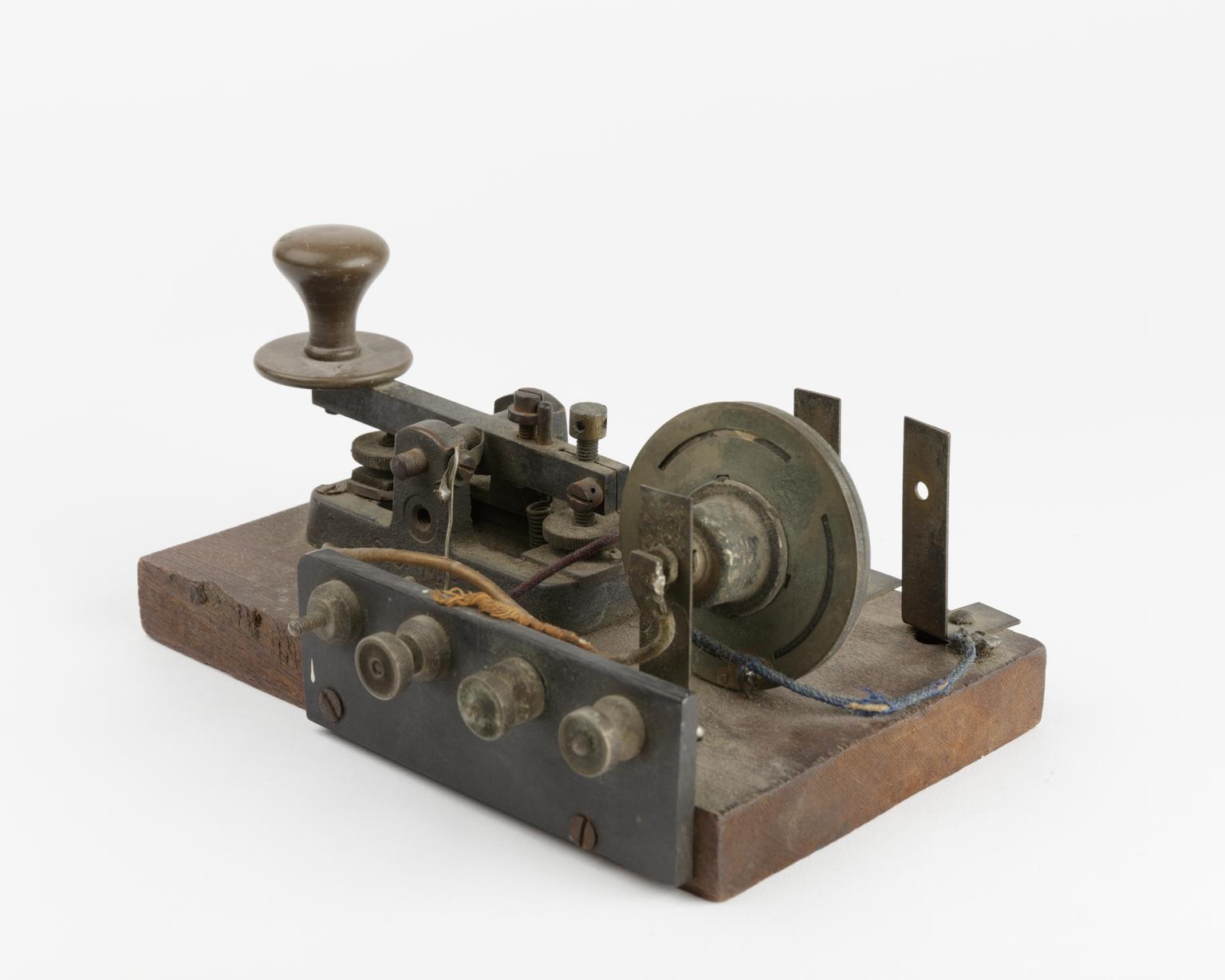
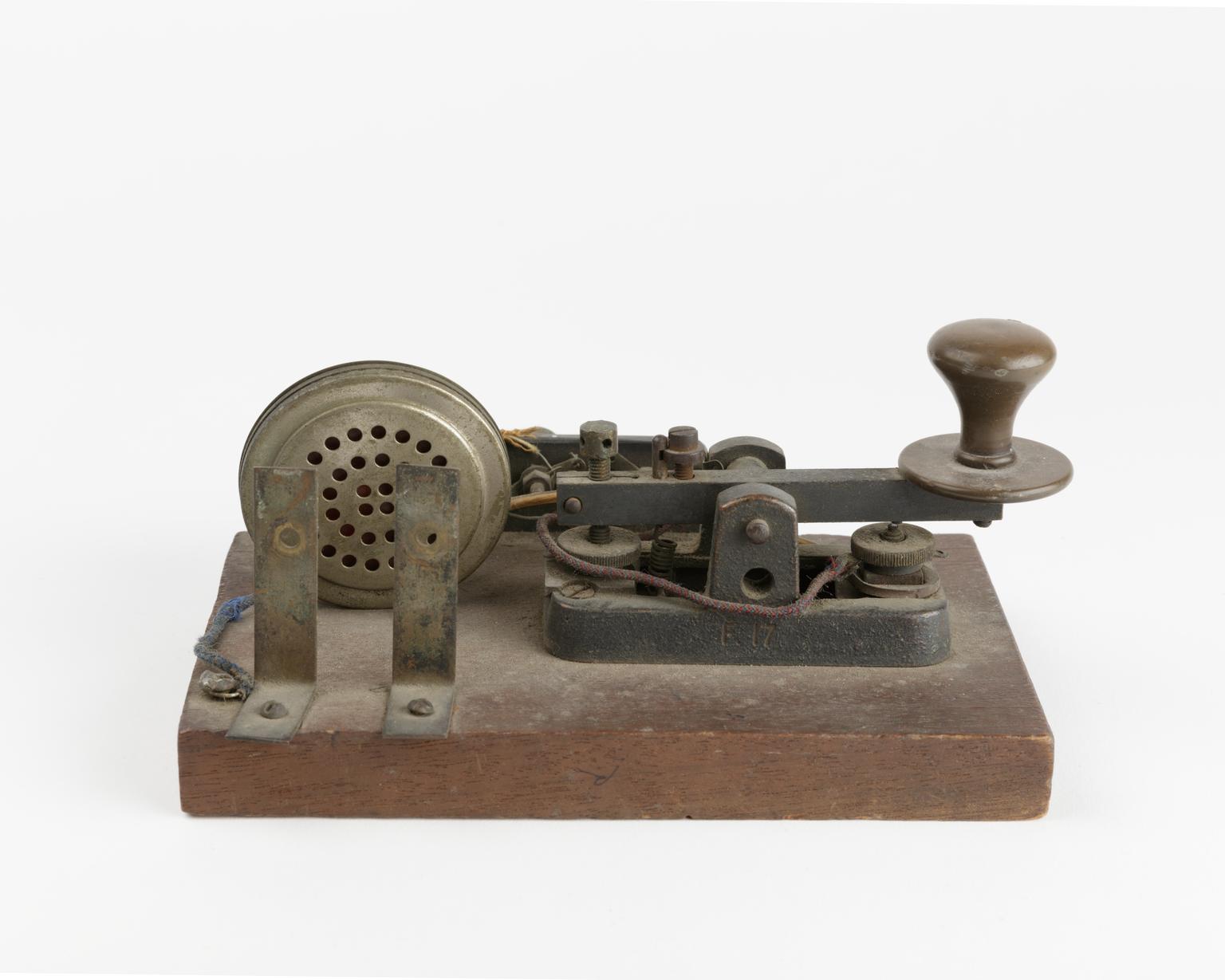
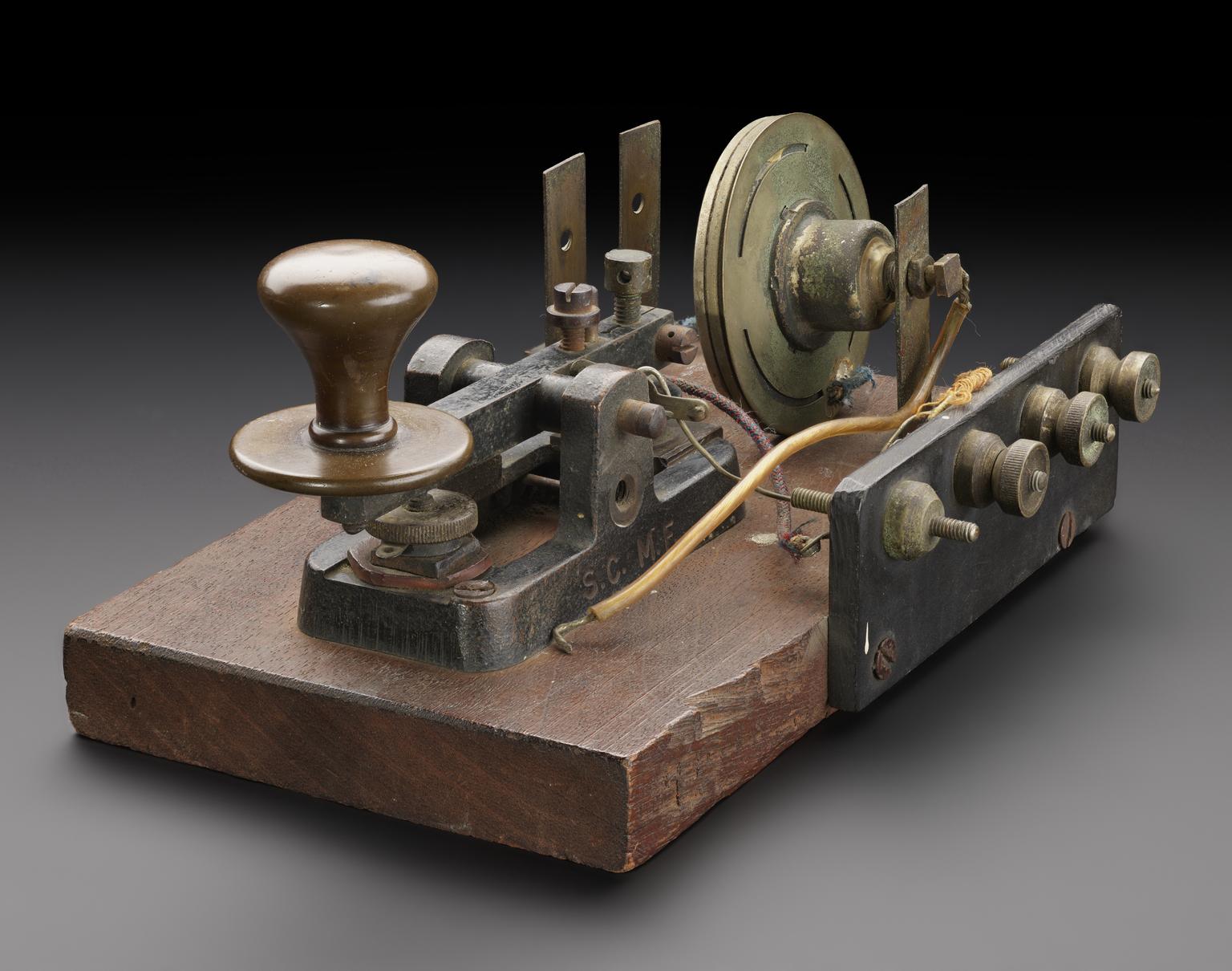
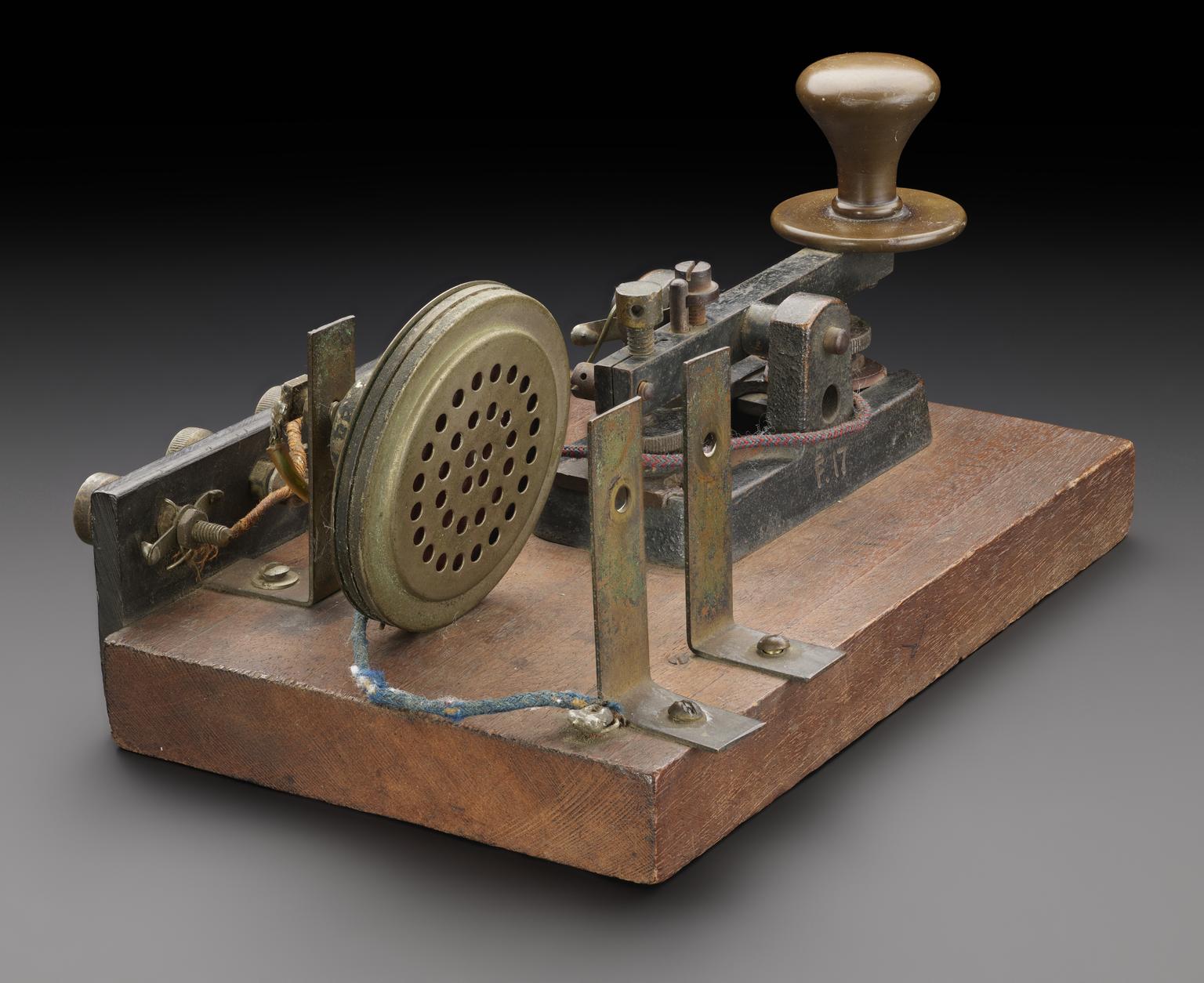
Morse key on wooden base used in BBC Radiophonic Workshop
Morse key on wooden base. Part of BBC Radiophonic Workshop collection.
More
This item is part of the objects and instruments used by BBC’s pioneer music studio, the Radiophonic Workshop which operated between 1958 to 1998. Known for creating strange new sounds by using synthesizers, manipulating sound, and using everyday objects, the Radiophonic Workshop created over 100 musical pieces, with Doctor Who’s theme by Delia Derbyshire being their most famous one. Due to their constrained budget, they used all sorts of objects to make their soundscapes from more traditional ones like tambourines and bells, to chopsticks, lamps, and metal spirals.
The BBC Radiophonic Workshop was one of the sound effects units of the BBC, created in 1958 to produce incidental sounds and new music for radio and, later, television. The unit is known for its experimental and pioneering work in electronic music and music technology, as well as its popular scores for programs such as Doctor Who and Quatermass and the Pit during the 1950s and 1960s.
The original Radiophonic Workshop was based in the BBC's Maida Vale Studios in Delaware Road, Maida Vale, London. The Workshop was closed in March 1998, although much of its traditional work had already been outsourced by 1995. Its members included Daphne Oram, Delia Derbyshire, David Cain, John Baker, Paddy Kingsland, Glynis Jones, Maddalena Fagandini and Richard Yeoman-Clark.
Measurements:
overall, inc base: 90 mm x 185 mm x 130 mm, .629 kg
Fortiphone device and mouthpiece in its original box, but the model number is not clear. This instrument uses a false upper palate, fitted with a transistor buzzer, to take over the duties of the human larynx. Sound produced by the buzzer or artificial voice is modulated by the movement of the lips and mouth, producing clearly intelligible words. It was originally designed by a dental surgeon. Part of BBC Radiophonic Workshop collection
More
The BBC Radiophonic Workshop was one of the sound effects units of the BBC, created in 1958 to produce incidental sounds and new music for radio and, later, television. The unit is known for its experimental and pioneering work in electronic music and music technology, as well as its popular scores for programs such as Doctor Who and Quatermass and the Pit during the 1950s and 1960s.
The original Radiophonic Workshop was based in the BBC's Maida Vale Studios in Delaware Road, Maida Vale, London. The Workshop was closed in March 1998, although much of its traditional work had already been outsourced by 1995. Its members included Daphne Oram, Delia Derbyshire, David Cain, John Baker, Paddy Kingsland, Glynis Jones, Maddalena Fagandini and Richard Yeoman-Clark.
Fortiphone device and mouthpiece, model number is not clear. Part of BBC Radiophonic Workshop collection.
More
This instrument uses a false upper palate, fitted with a transistor buzzer, to take over the duties of the human larynx. Sound produced by the buzzer or artificial voice is modulated by the movement of the lips and mouth, producing clearly intelligible words. It was originally designed by a dental surgeon.
The BBC Radiophonic Workshop was one of the sound effects units of the BBC, created in 1958 to produce incidental sounds and new music for radio and, later, television. The unit is known for its experimental and pioneering work in electronic music and music technology, as well as its popular scores for programs such as Doctor Who and Quatermass and the Pit during the 1950s and 1960s.
The original Radiophonic Workshop was based in the BBC's Maida Vale Studios in Delaware Road, Maida Vale, London. The Workshop was closed in March 1998, although much of its traditional work had already been outsourced by 1995. Its members included Daphne Oram, Delia Derbyshire, David Cain, John Baker, Paddy Kingsland, Glynis Jones, Maddalena Fagandini and Richard Yeoman-Clark.
Measurements:
overall: 65 g mouthpiece: 30 mm x 60 mm x 40 mm, device/box: 18 mm x 50 mm x 75 mm,
Box for Fortiphone device and mouthpiece, model number is not clear. Part of BBC Radiophonic Workshop collection.
More
This instrument uses a false upper palate, fitted with a transistor buzzer, to take over the duties of the human larynx. Sound produced by the buzzer or artificial voice is modulated by the movement of the lips and mouth, producing clearly intelligible words. It was originally designed by a dental surgeon.
The BBC Radiophonic Workshop was one of the sound effects units of the BBC, created in 1958 to produce incidental sounds and new music for radio and, later, television. The unit is known for its experimental and pioneering work in electronic music and music technology, as well as its popular scores for programs such as Doctor Who and Quatermass and the Pit during the 1950s and 1960s.
The original Radiophonic Workshop was based in the BBC's Maida Vale Studios in Delaware Road, Maida Vale, London. The Workshop was closed in March 1998, although much of its traditional work had already been outsourced by 1995. Its members included Daphne Oram, Delia Derbyshire, David Cain, John Baker, Paddy Kingsland, Glynis Jones, Maddalena Fagandini and Richard Yeoman-Clark.
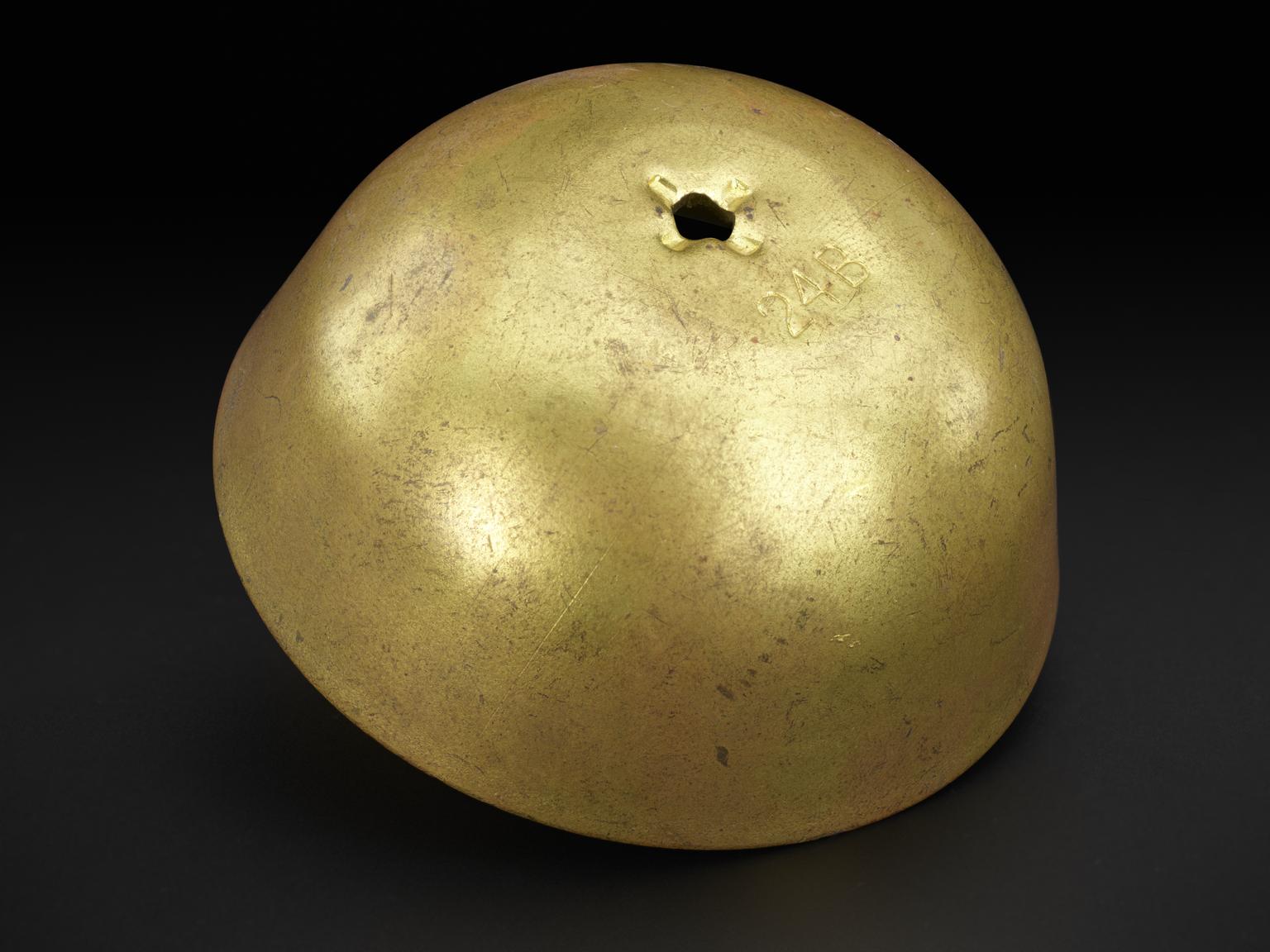
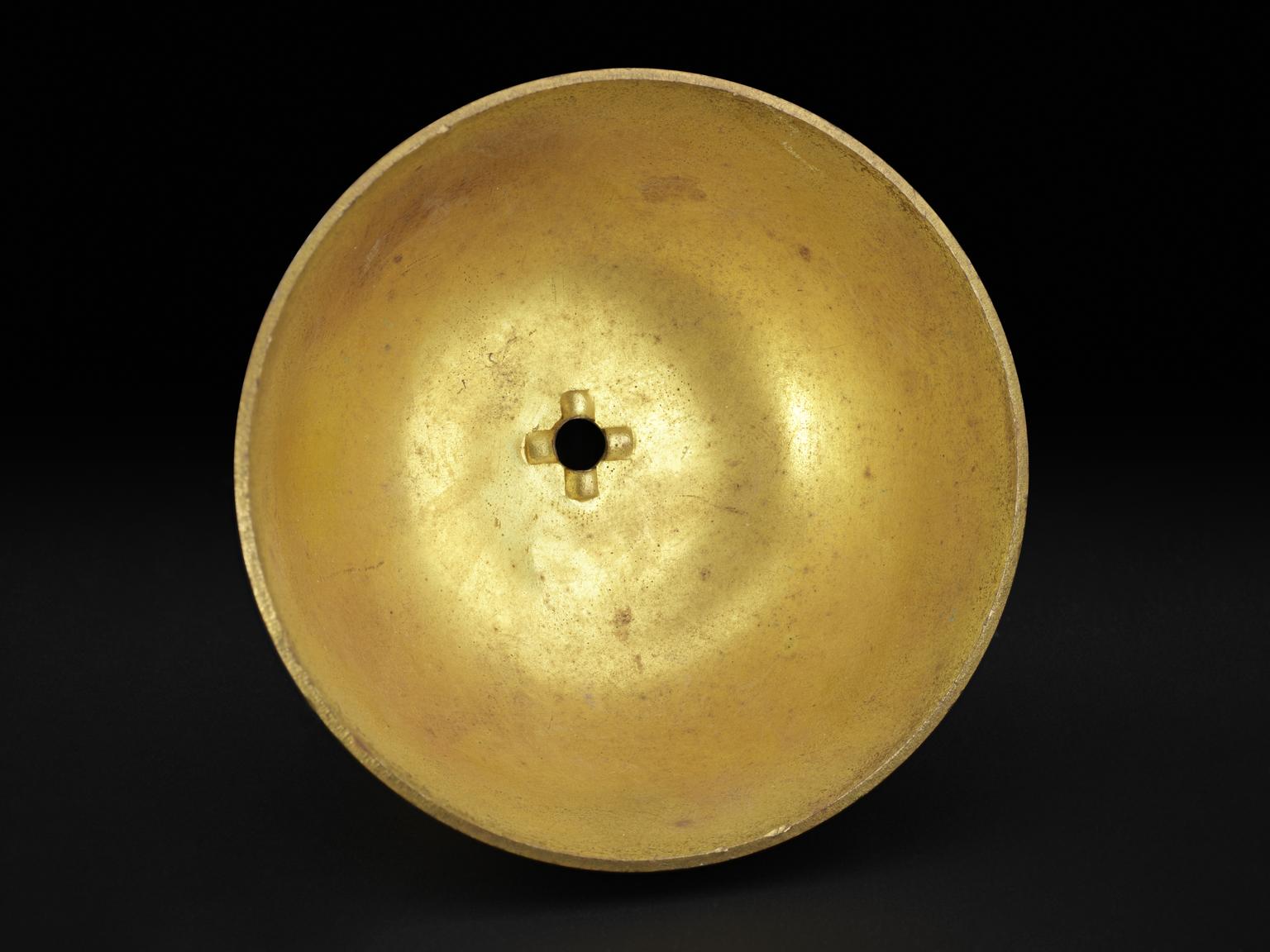
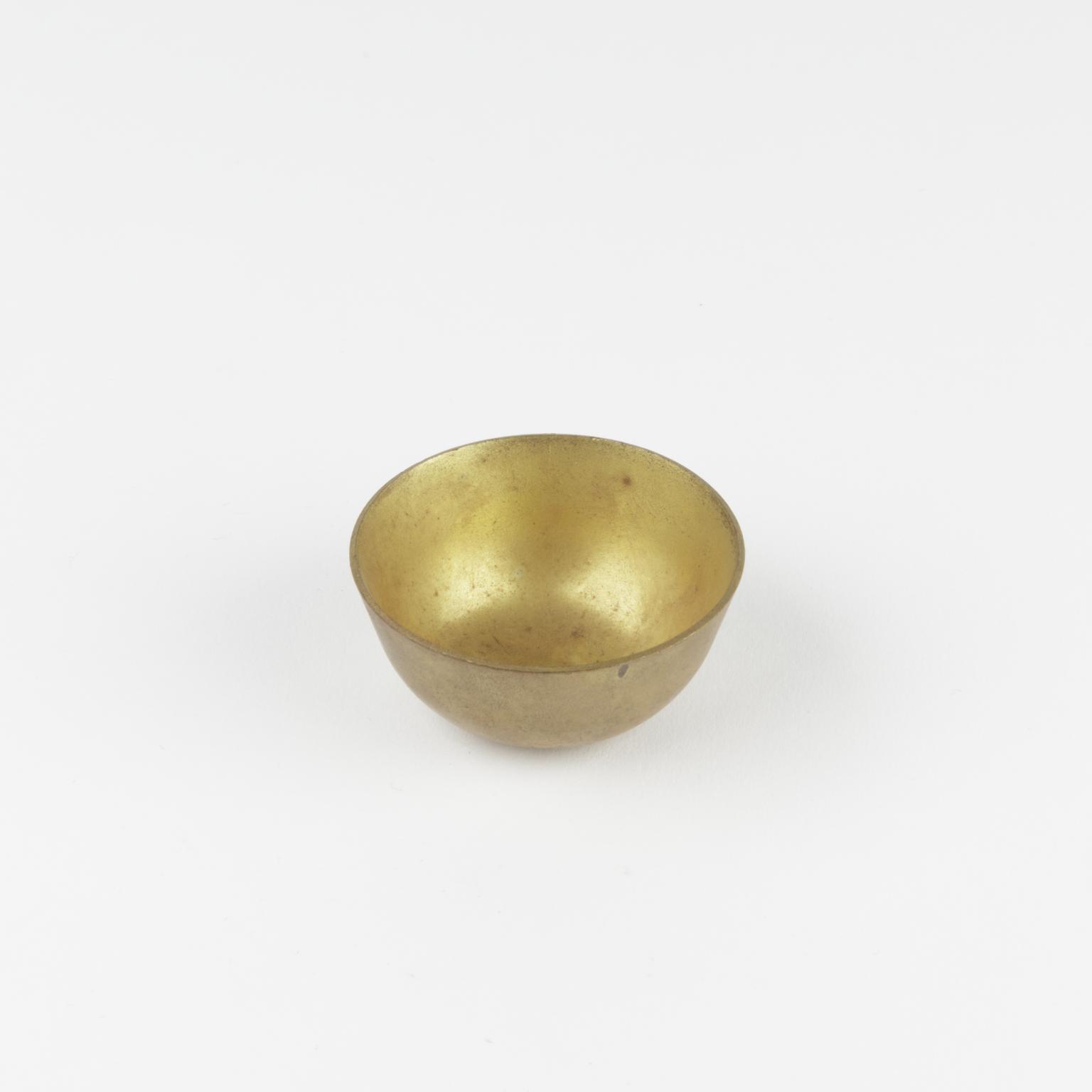
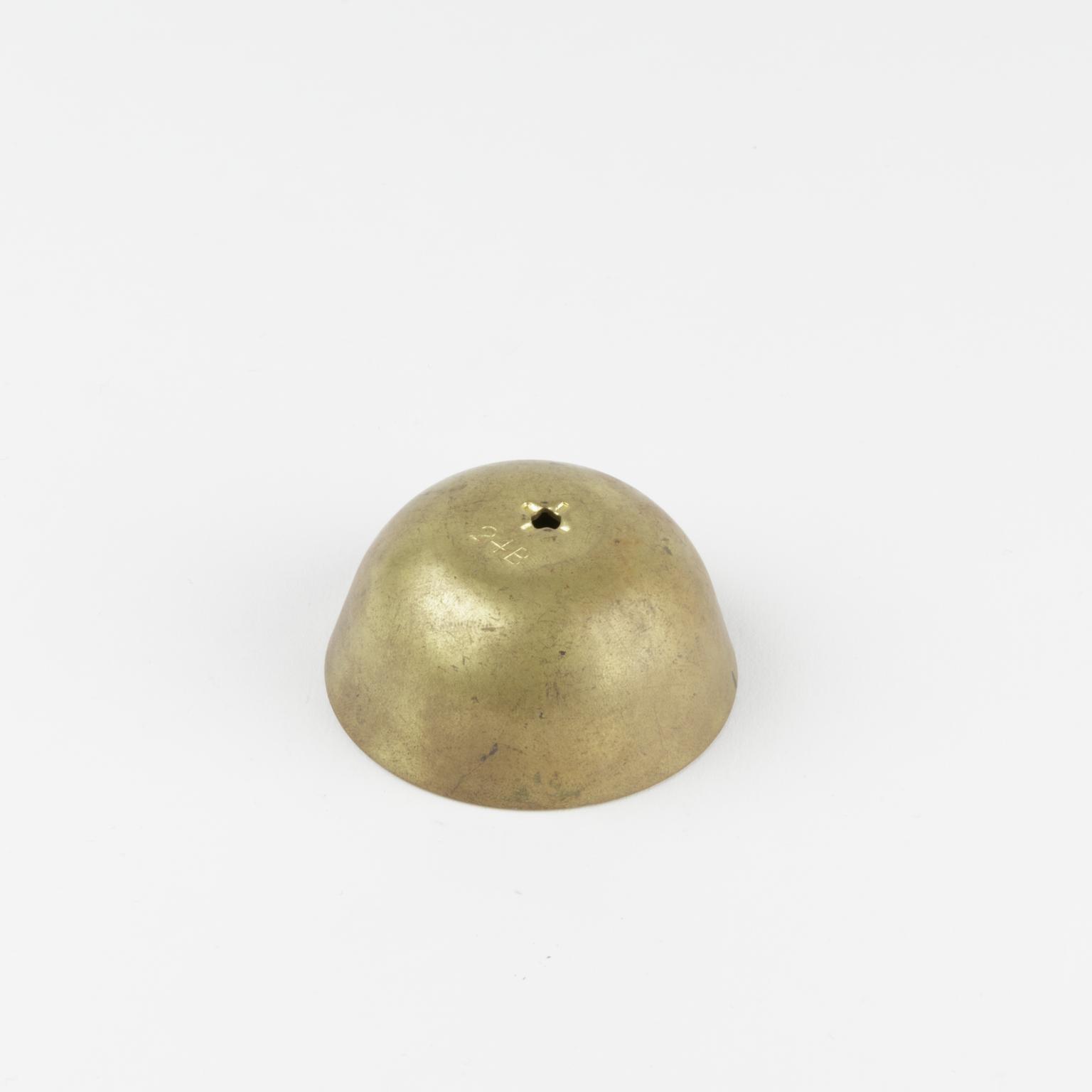
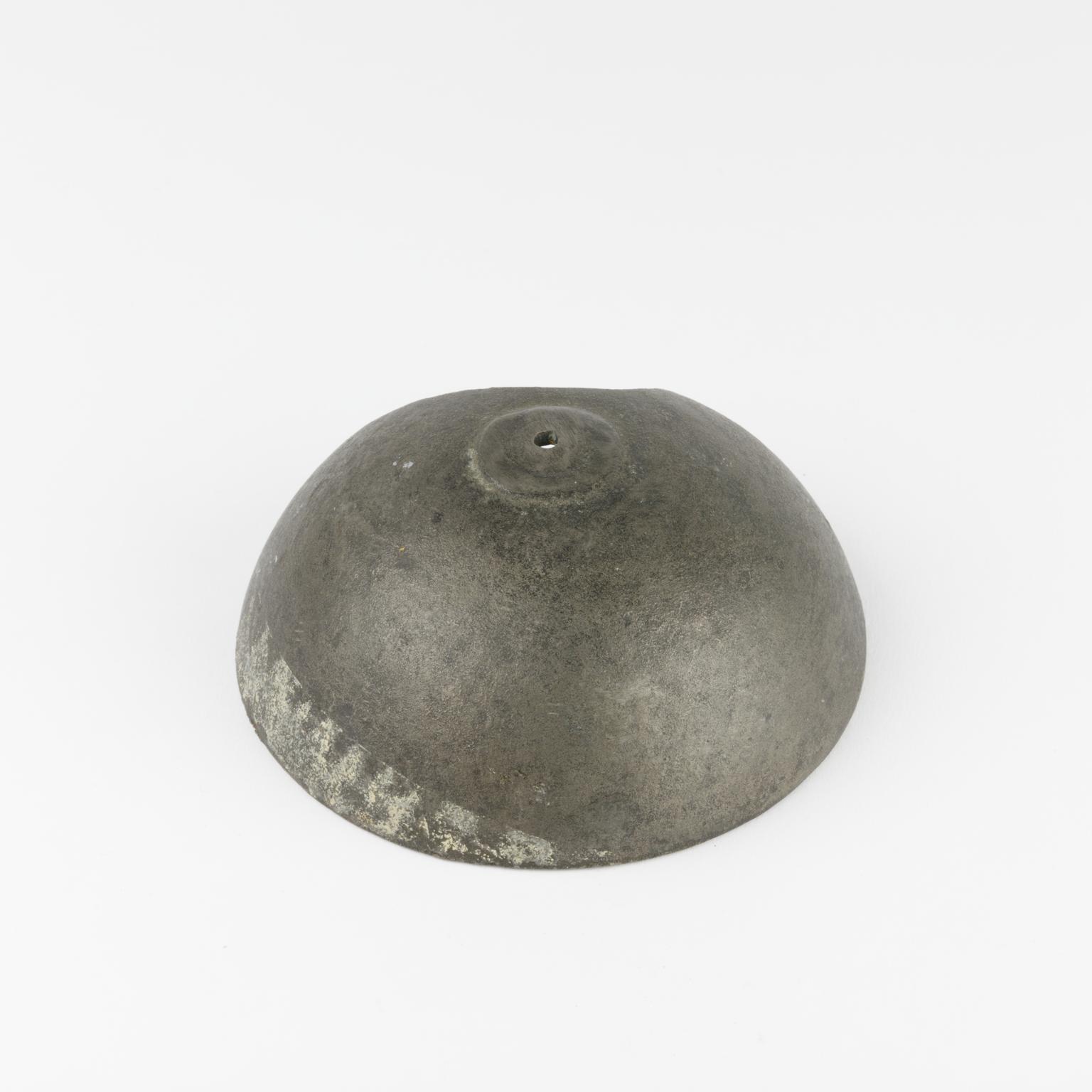
Brass dome - bell or bell cover, marked 24B. Part of BBC Radiophonic Workshop collection.
More
This item is part of the objects and instruments used by BBC’s pioneer music studio, the Radiophonic Workshop which operated between 1958 to 1998. Known for creating strange new sounds by using synthesizers, manipulating sound, and using everyday objects, the Radiophonic Workshop created over 100 musical pieces, with Doctor Who’s theme by Delia Derbyshire being their most famous one. Due to their constrained budget, they used all sorts of objects to make their soundscapes from more traditional ones like tambourines and bells, to chopsticks, lamps, and metal spirals.
The BBC Radiophonic Workshop was one of the sound effects units of the BBC, created in 1958 to produce incidental sounds and new music for radio and, later, television. The unit is known for its experimental and pioneering work in electronic music and music technology, as well as its popular scores for programs such as Doctor Who and Quatermass and the Pit during the 1950s and 1960s.
The original Radiophonic Workshop was based in the BBC's Maida Vale Studios in Delaware Road, Maida Vale, London. The Workshop was closed in March 1998, although much of its traditional work had already been outsourced by 1995. Its members included Daphne Oram, Delia Derbyshire, David Cain, John Baker, Paddy Kingsland, Glynis Jones, Maddalena Fagandini and Richard Yeoman-Clark.
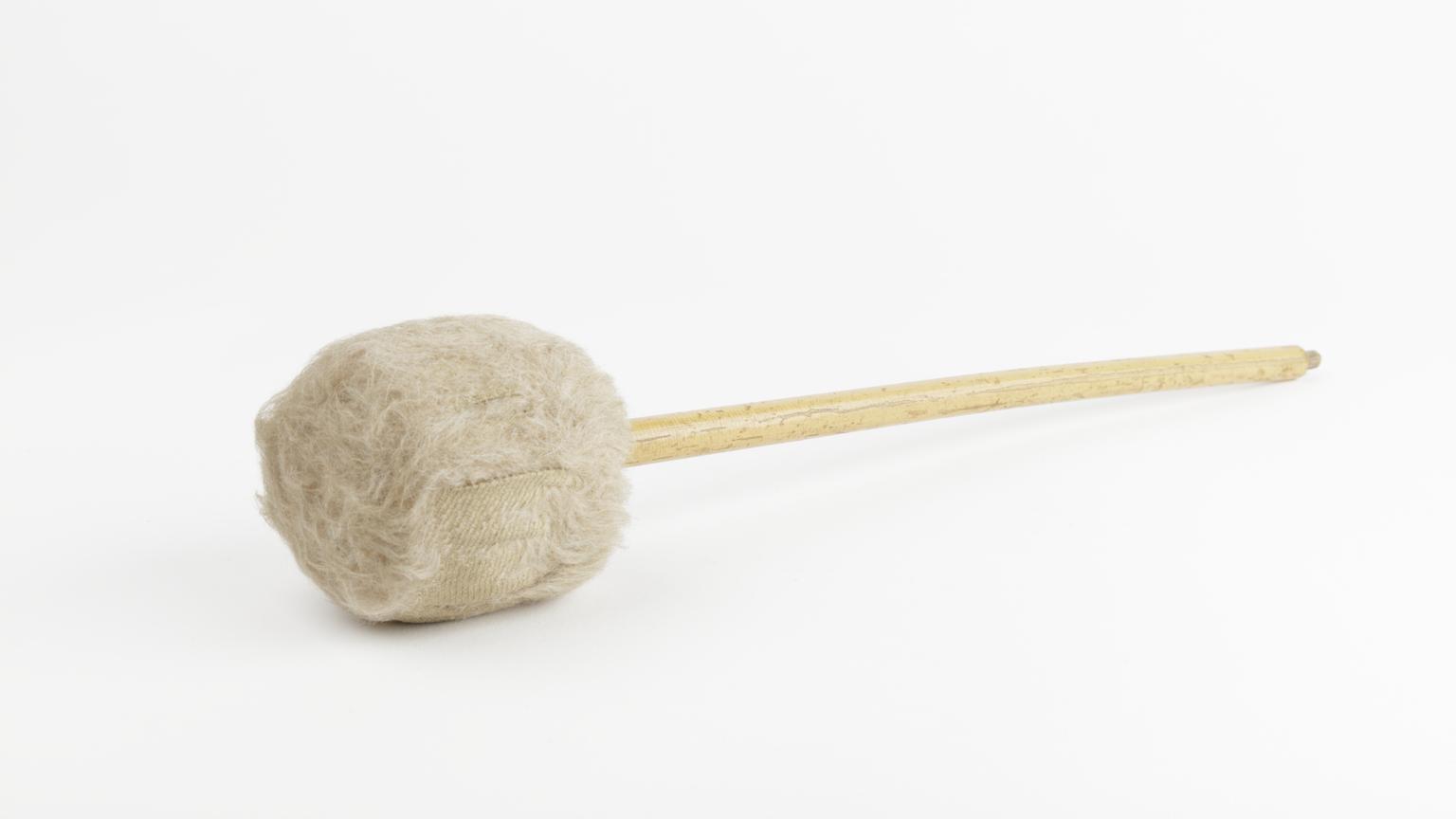
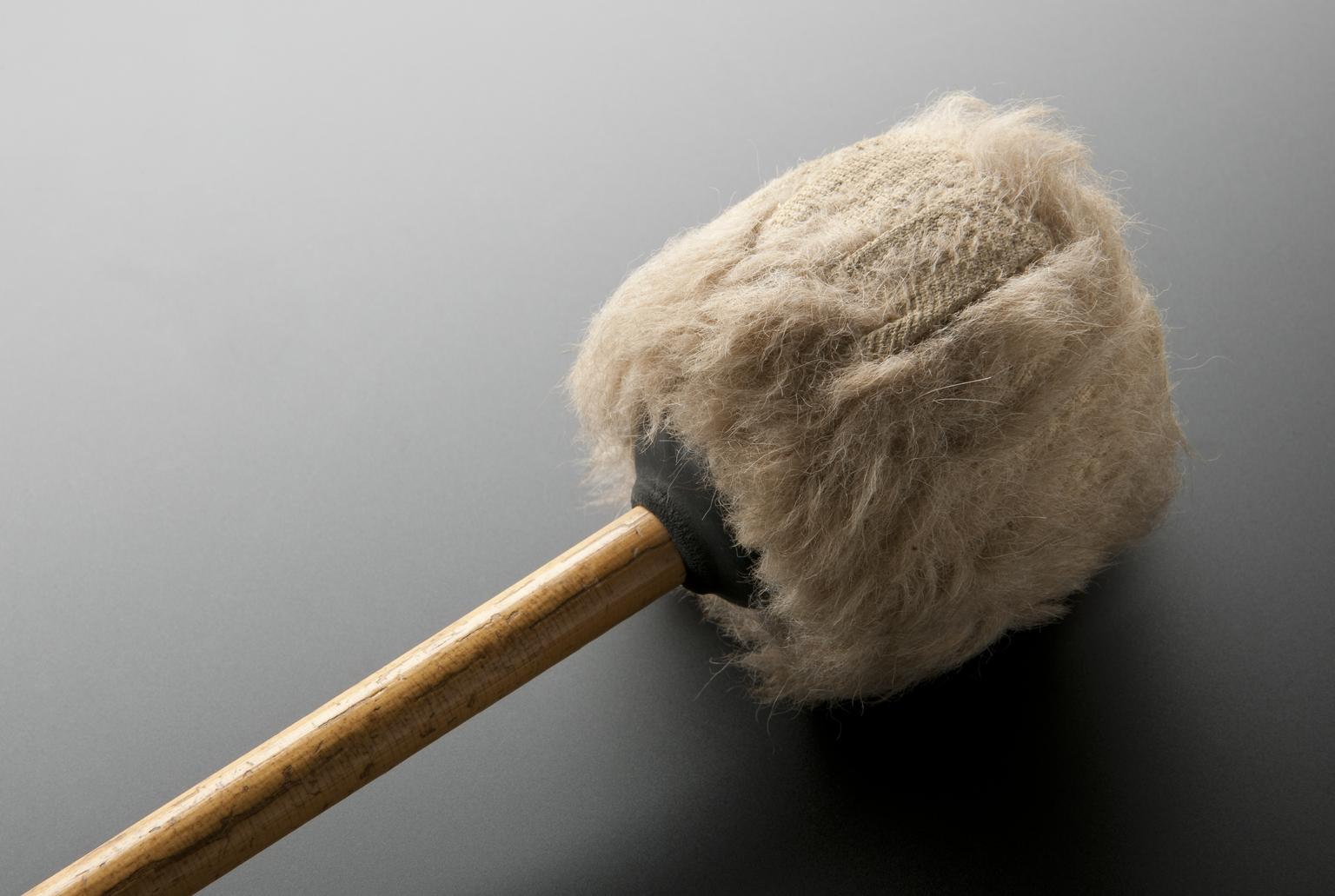
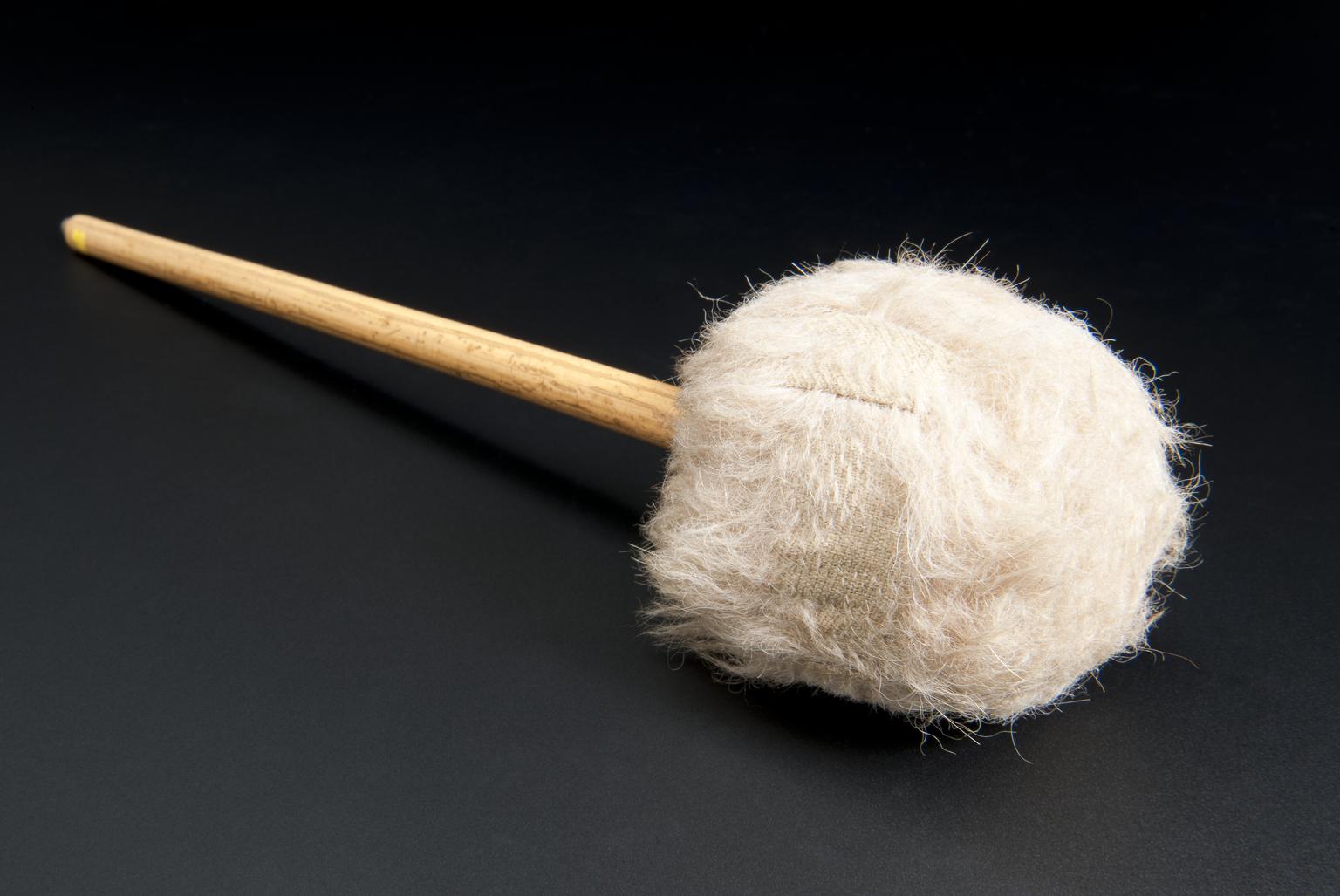
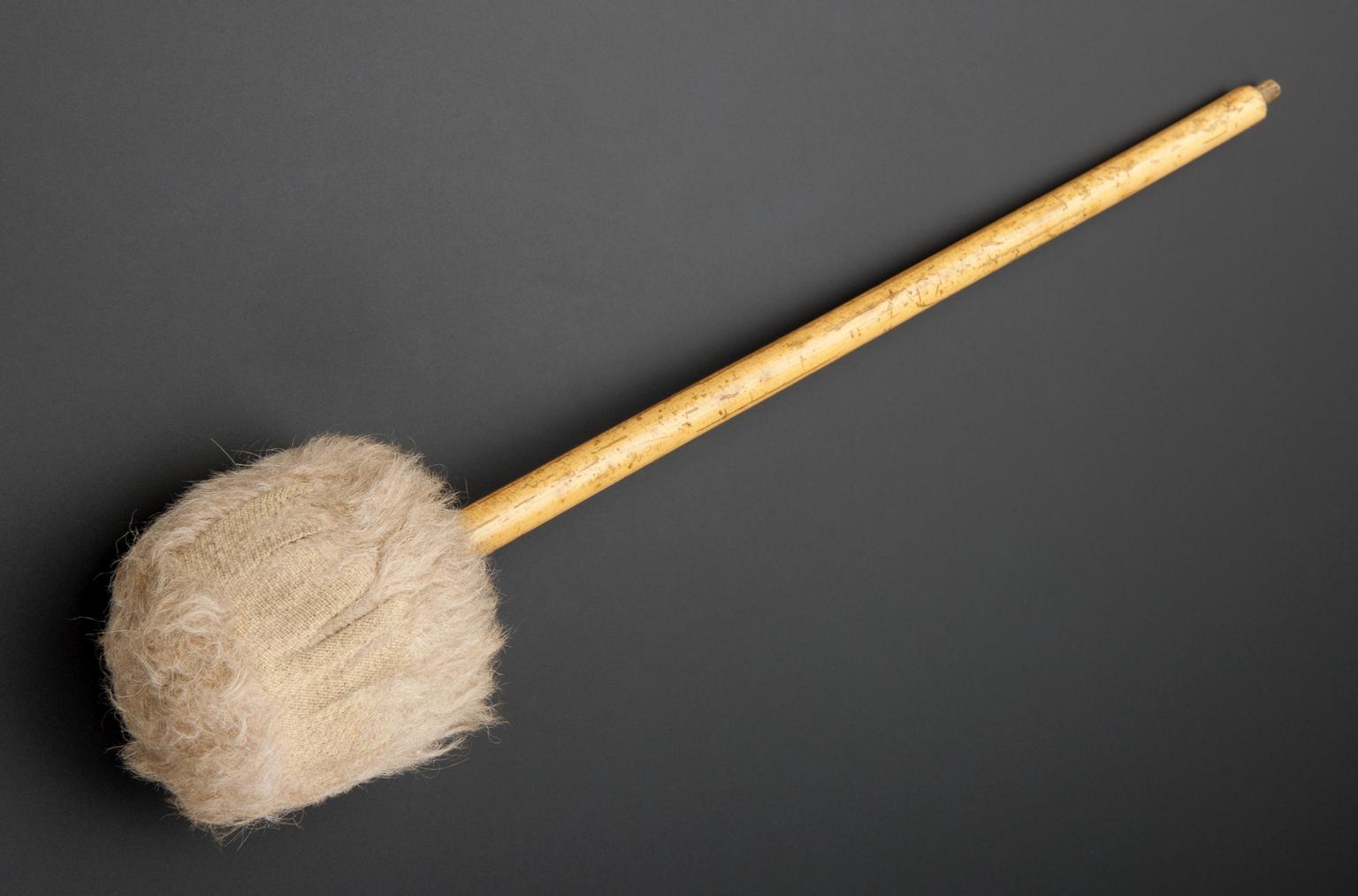
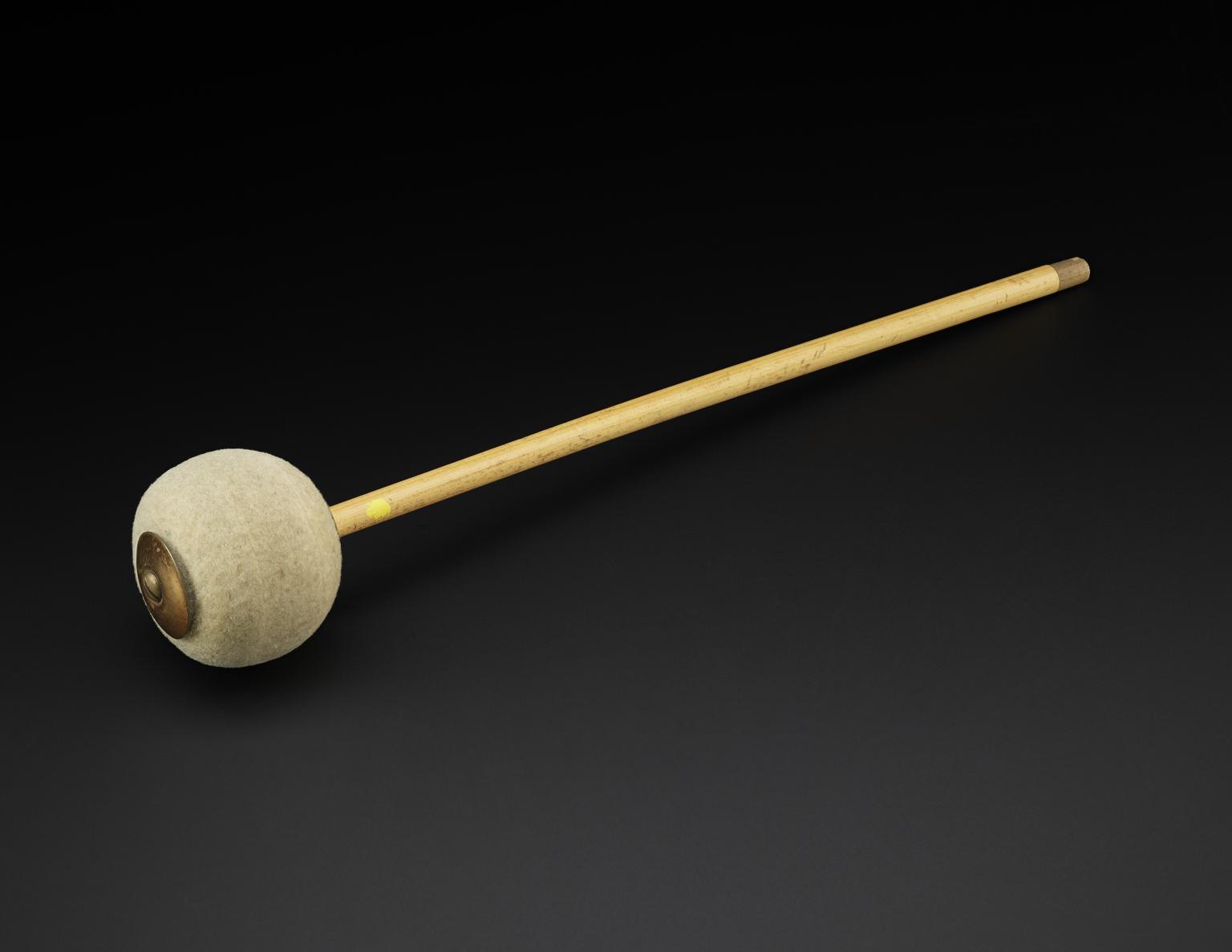
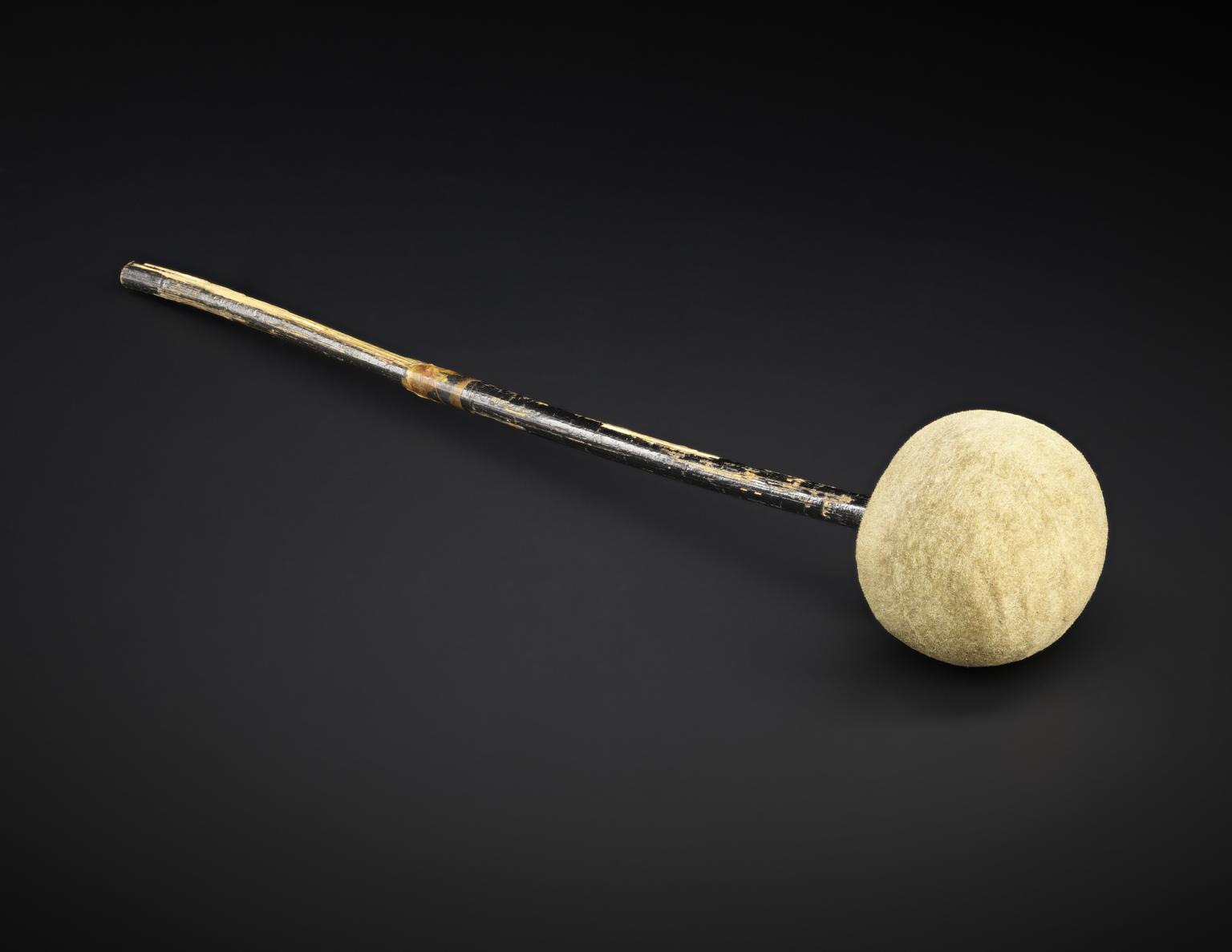
Percussion mallet head. Part of BBC Radiophonic Workshop collection.
More
This item is part of the objects and instruments used by BBC’s pioneer music studio, the Radiophonic Workshop which operated between 1958 to 1998. Known for creating strange new sounds by using synthesizers, manipulating sound, and using everyday objects, the Radiophonic Workshop created over 100 musical pieces, with Doctor Who’s theme by Delia Derbyshire being their most famous one. Due to their constrained budget, they used all sorts of objects to make their soundscapes from more traditional ones like tambourines and bells, to chopsticks, lamps, and metal spirals.
The BBC Radiophonic Workshop was one of the sound effects units of the BBC, created in 1958 to produce incidental sounds and new music for radio and, later, television. The unit is known for its experimental and pioneering work in electronic music and music technology, as well as its popular scores for programs such as Doctor Who and Quatermass and the Pit during the 1950s and 1960s.
The original Radiophonic Workshop was based in the BBC's Maida Vale Studios in Delaware Road, Maida Vale, London. The Workshop was closed in March 1998, although much of its traditional work had already been outsourced by 1995. Its members included Daphne Oram, Delia Derbyshire, David Cain, John Baker, Paddy Kingsland, Glynis Jones, Maddalena Fagandini and Richard Yeoman-Clark.
The Board of Trustees of the Science Museum, London
Percussion mallet used in BBC Radiophonic Workshop
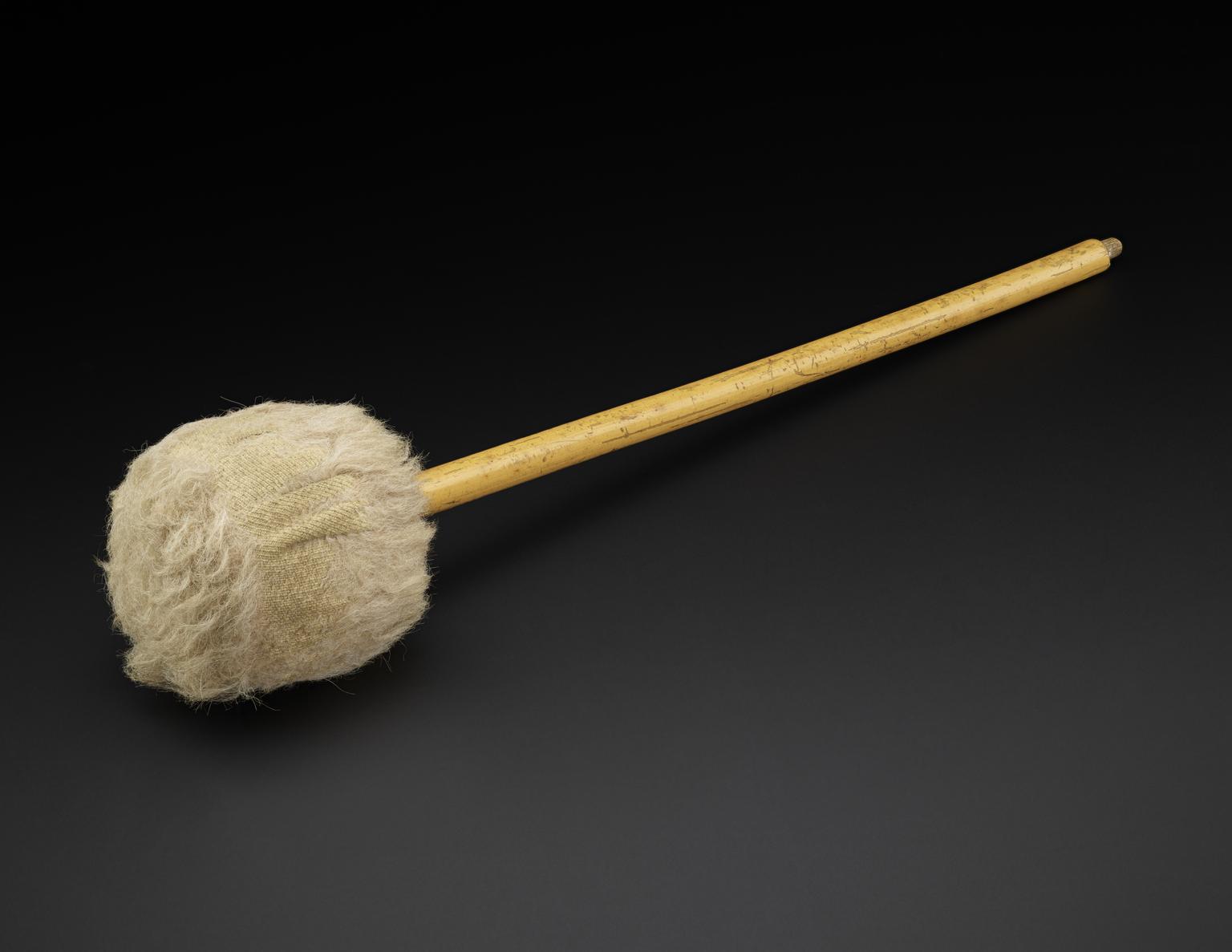
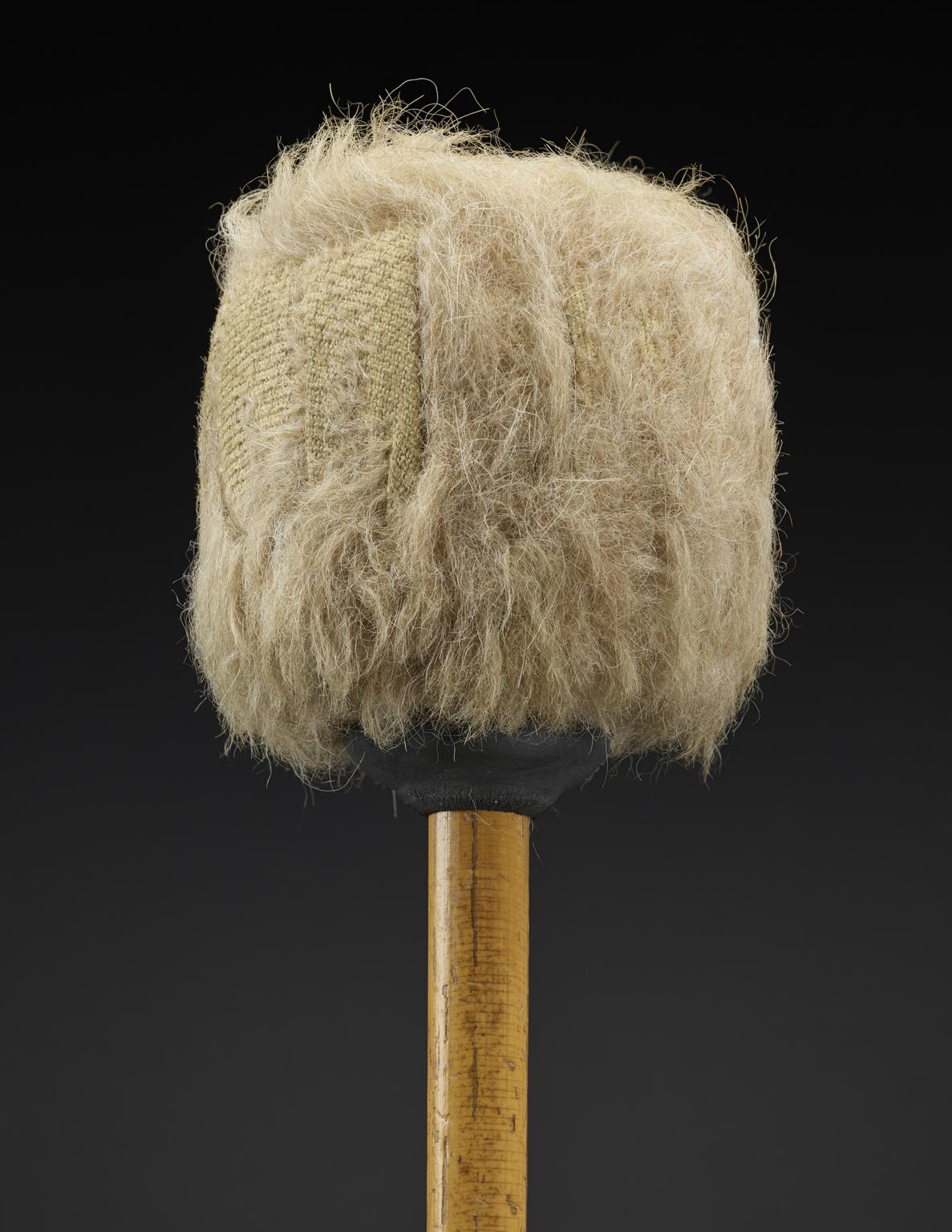
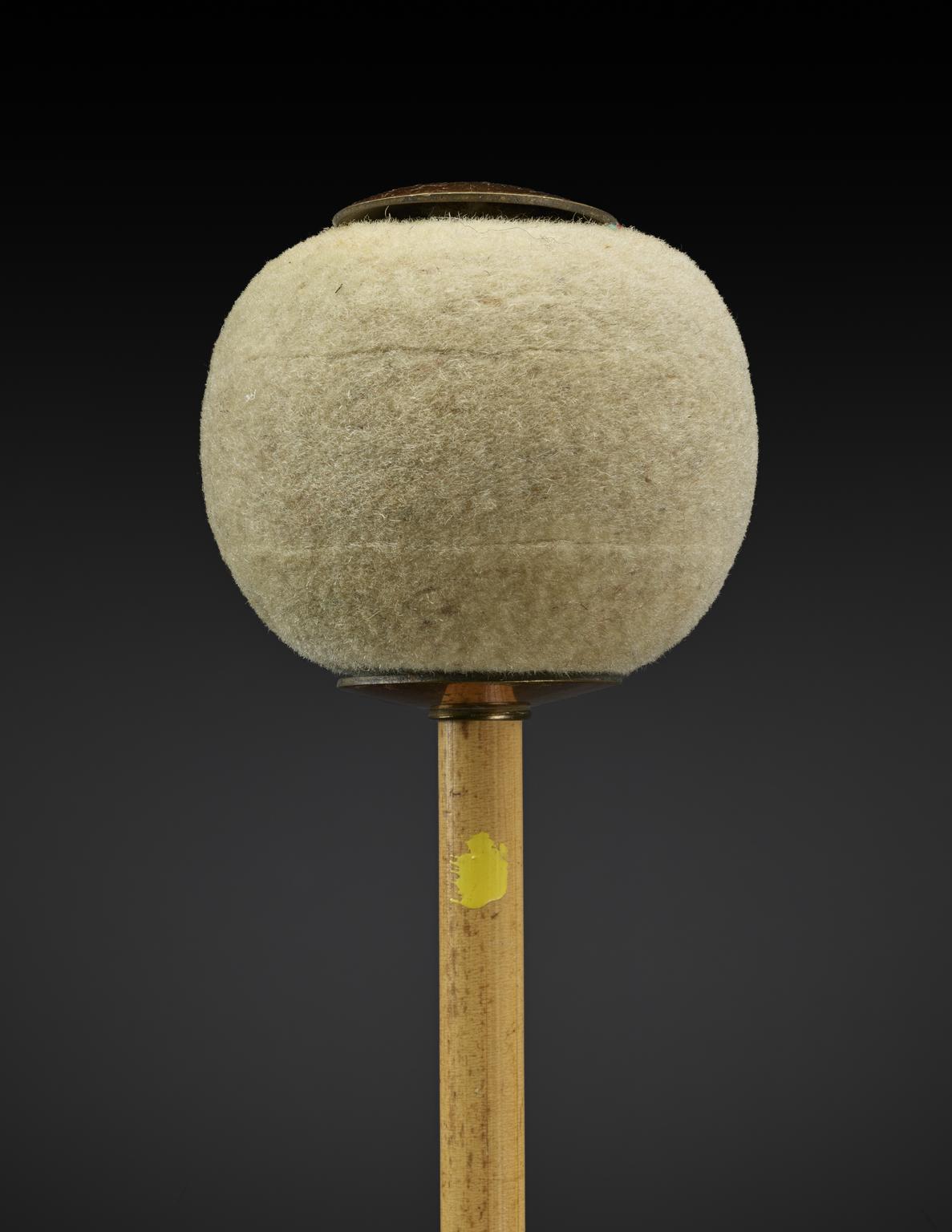
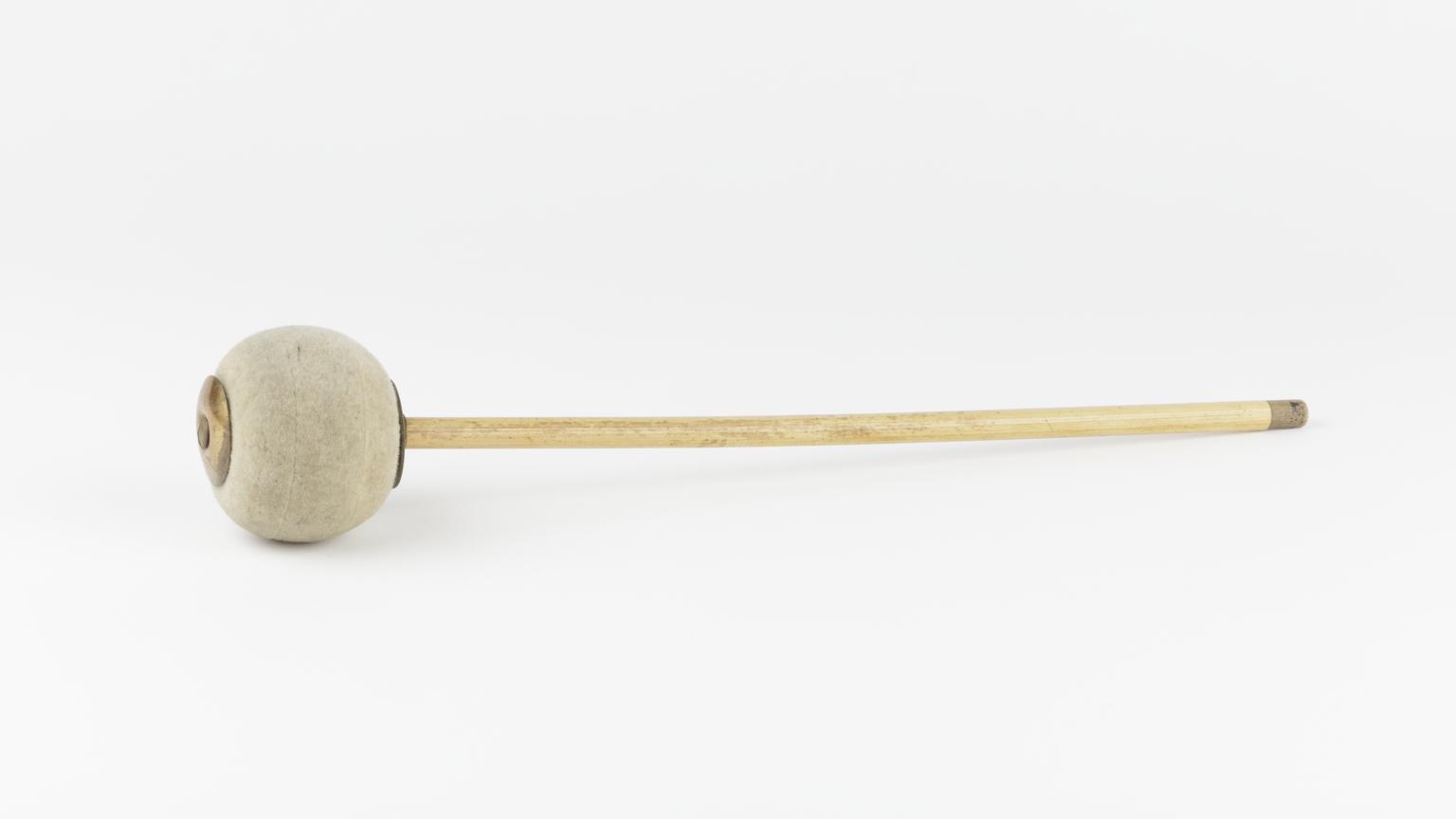
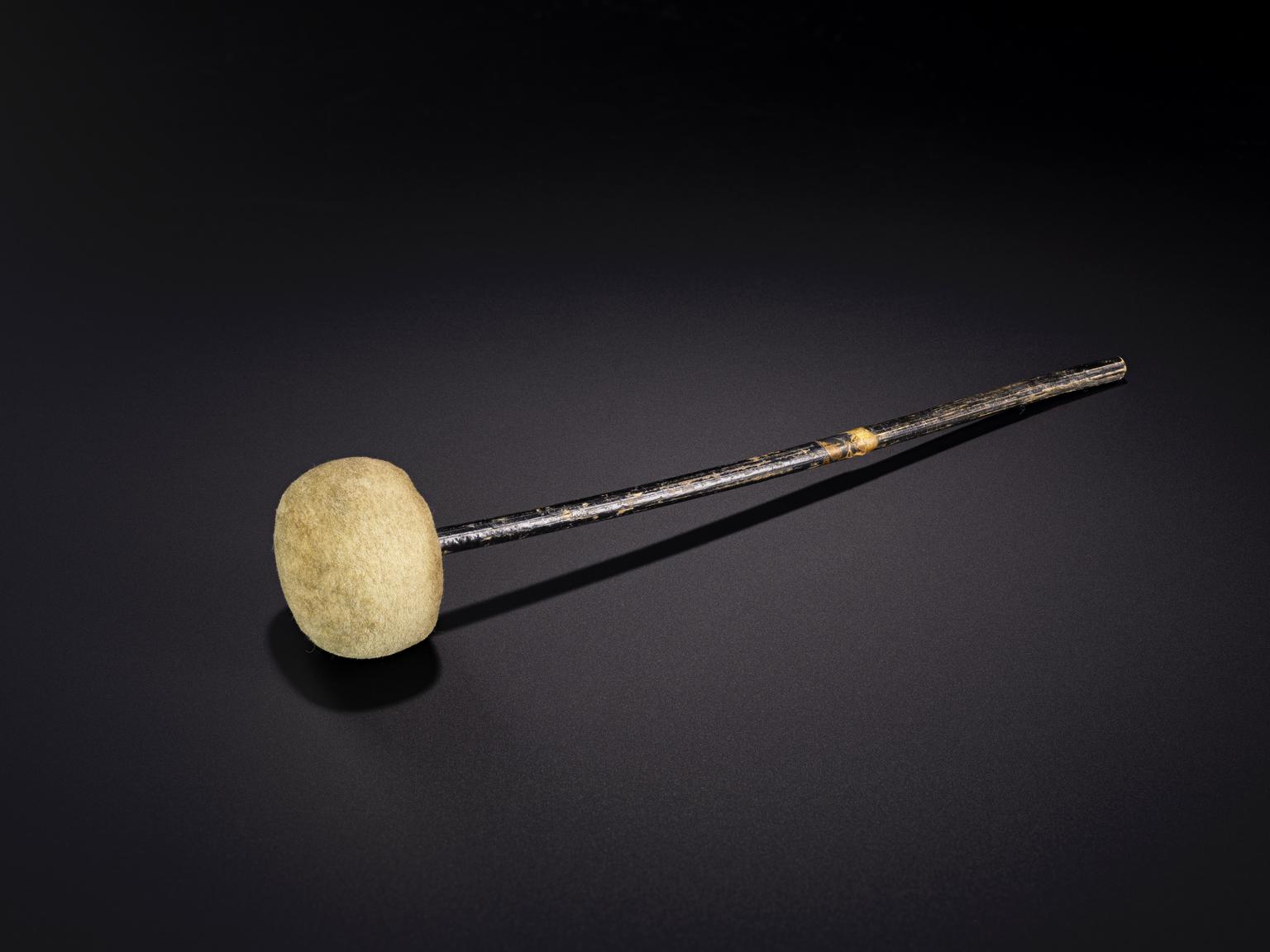
Percussion mallet. Part of BBC Radiophonic Workshop collection.
More
This item is part of the objects and instruments used by BBC’s pioneer music studio, the Radiophonic Workshop which operated between 1958 to 1998. Known for creating strange new sounds by using synthesizers, manipulating sound, and using everyday objects, the Radiophonic Workshop created over 100 musical pieces, with Doctor Who’s theme by Delia Derbyshire being their most famous one. Due to their constrained budget, they used all sorts of objects to make their soundscapes from more traditional ones like tambourines and bells, to chopsticks, lamps, and metal spirals.
The BBC Radiophonic Workshop was one of the sound effects units of the BBC, created in 1958 to produce incidental sounds and new music for radio and, later, television. The unit is known for its experimental and pioneering work in electronic music and music technology, as well as its popular scores for programs such as Doctor Who and Quatermass and the Pit during the 1950s and 1960s.
The original Radiophonic Workshop was based in the BBC's Maida Vale Studios in Delaware Road, Maida Vale, London. The Workshop was closed in March 1998, although much of its traditional work had already been outsourced by 1995. Its members included Daphne Oram, Delia Derbyshire, David Cain, John Baker, Paddy Kingsland, Glynis Jones, Maddalena Fagandini and Richard Yeoman-Clark.
Percussion mallet used in BBC Radiophonic Workshop
Percussion mallet. Part of BBC Radiophonic Workshop collection.
More
This item is part of the objects and instruments used by BBC’s pioneer music studio, the Radiophonic Workshop which operated between 1958 to 1998. Known for creating strange new sounds by using synthesizers, manipulating sound, and using everyday objects, the Radiophonic Workshop created over 100 musical pieces, with Doctor Who’s theme by Delia Derbyshire being their most famous one. Due to their constrained budget, they used all sorts of objects to make their soundscapes from more traditional ones like tambourines and bells, to chopsticks, lamps, and metal spirals.
The BBC Radiophonic Workshop was one of the sound effects units of the BBC, created in 1958 to produce incidental sounds and new music for radio and, later, television. The unit is known for its experimental and pioneering work in electronic music and music technology, as well as its popular scores for programs such as Doctor Who and Quatermass and the Pit during the 1950s and 1960s.
The original Radiophonic Workshop was based in the BBC's Maida Vale Studios in Delaware Road, Maida Vale, London. The Workshop was closed in March 1998, although much of its traditional work had already been outsourced by 1995. Its members included Daphne Oram, Delia Derbyshire, David Cain, John Baker, Paddy Kingsland, Glynis Jones, Maddalena Fagandini and Richard Yeoman-Clark.
The Board of Trustees of the Science Museum, London
Percussion mallet used in BBC Radiophonic Workshop
Small percussion mallet. Part of BBC Radiophonic Workshop collection.
More
This item is part of the objects and instruments used by BBC’s pioneer music studio, the Radiophonic Workshop which operated between 1958 to 1998. Known for creating strange new sounds by using synthesizers, manipulating sound, and using everyday objects, the Radiophonic Workshop created over 100 musical pieces, with Doctor Who’s theme by Delia Derbyshire being their most famous one. Due to their constrained budget, they used all sorts of objects to make their soundscapes from more traditional ones like tambourines and bells, to chopsticks, lamps, and metal spirals.
The BBC Radiophonic Workshop was one of the sound effects units of the BBC, created in 1958 to produce incidental sounds and new music for radio and, later, television. The unit is known for its experimental and pioneering work in electronic music and music technology, as well as its popular scores for programs such as Doctor Who and Quatermass and the Pit during the 1950s and 1960s.
The original Radiophonic Workshop was based in the BBC's Maida Vale Studios in Delaware Road, Maida Vale, London. The Workshop was closed in March 1998, although much of its traditional work had already been outsourced by 1995. Its members included Daphne Oram, Delia Derbyshire, David Cain, John Baker, Paddy Kingsland, Glynis Jones, Maddalena Fagandini and Richard Yeoman-Clark.
The Board of Trustees of the Science Museum, London
Percussion mallet with yarn head used in BBC Radiophonic Workshop
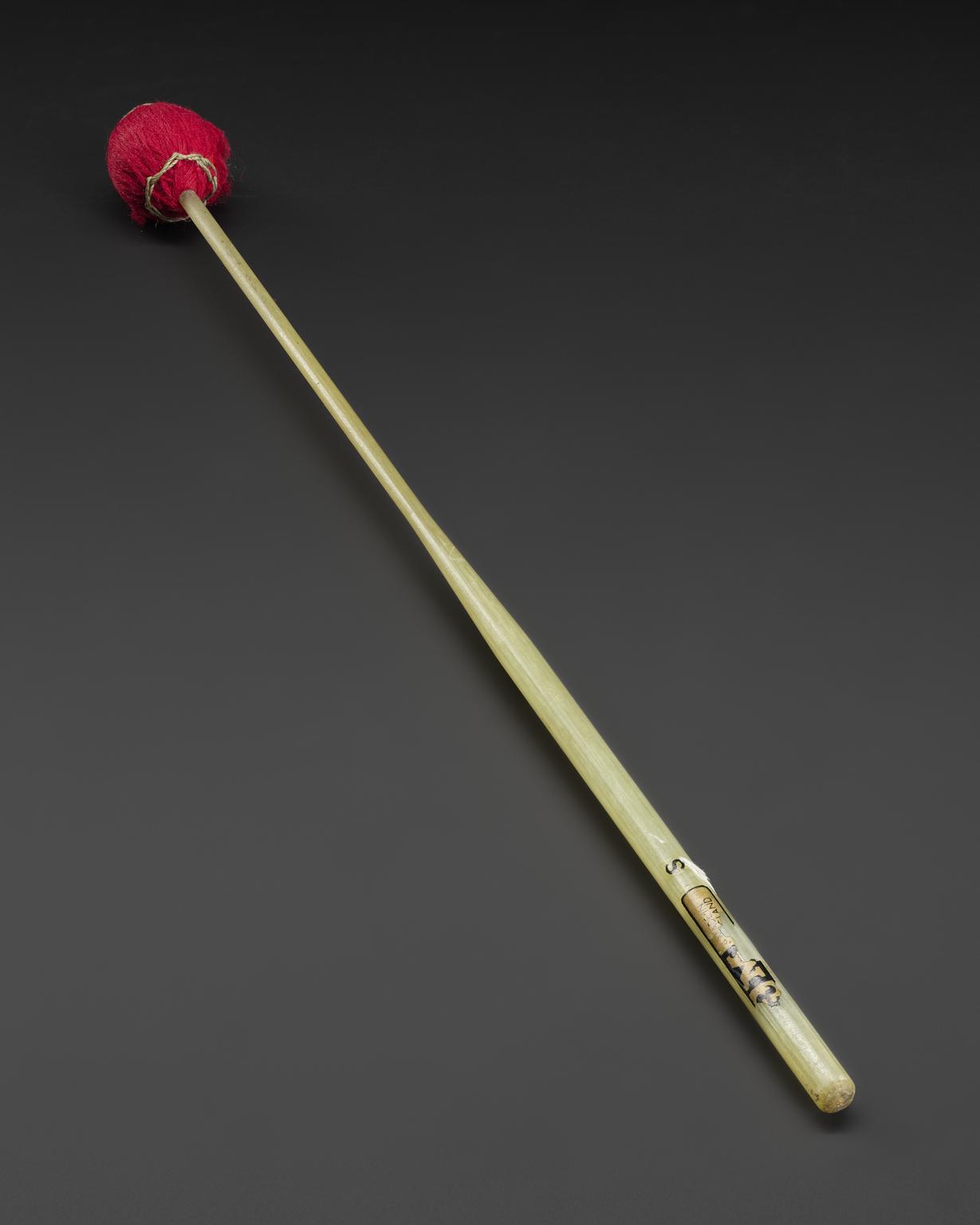
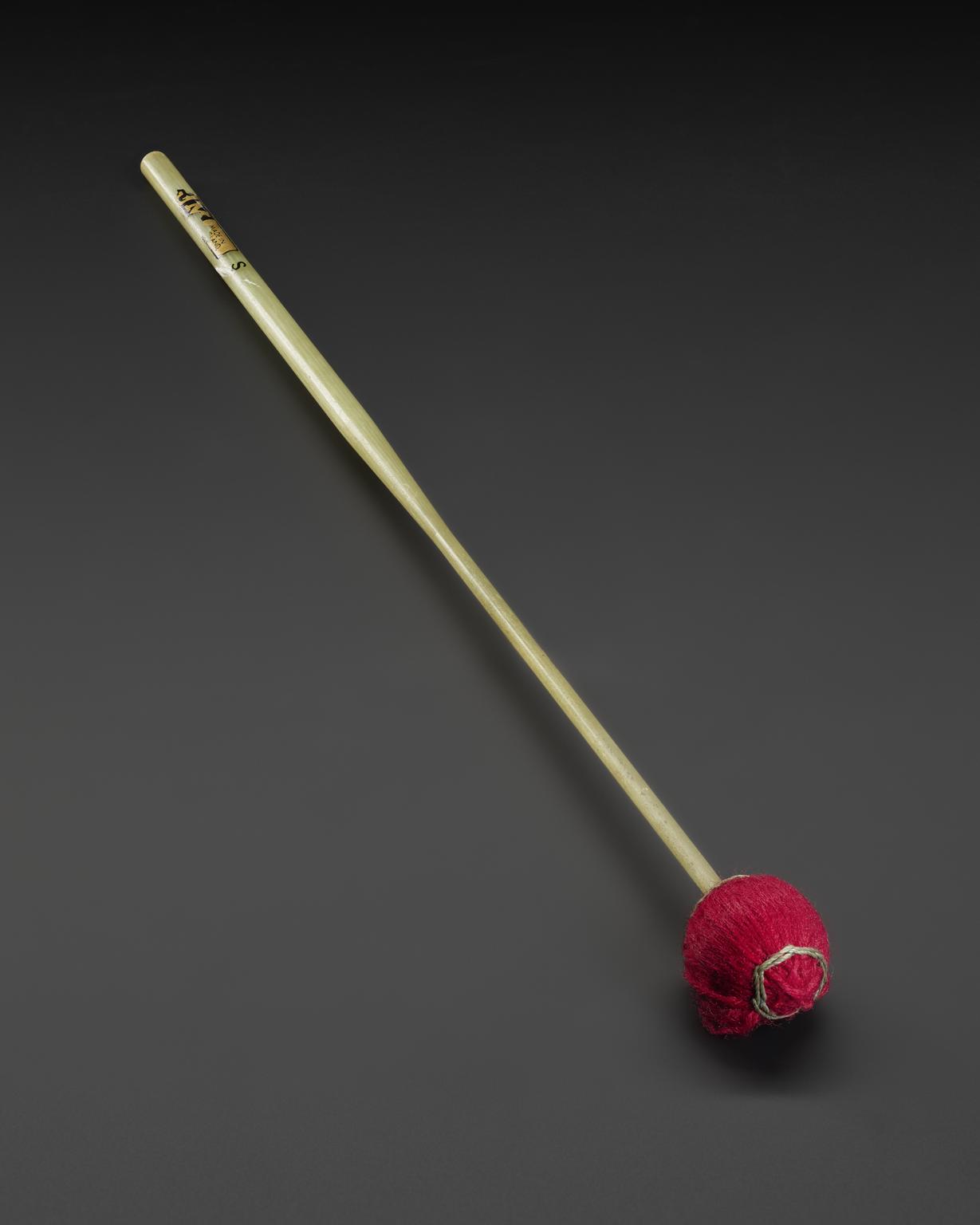
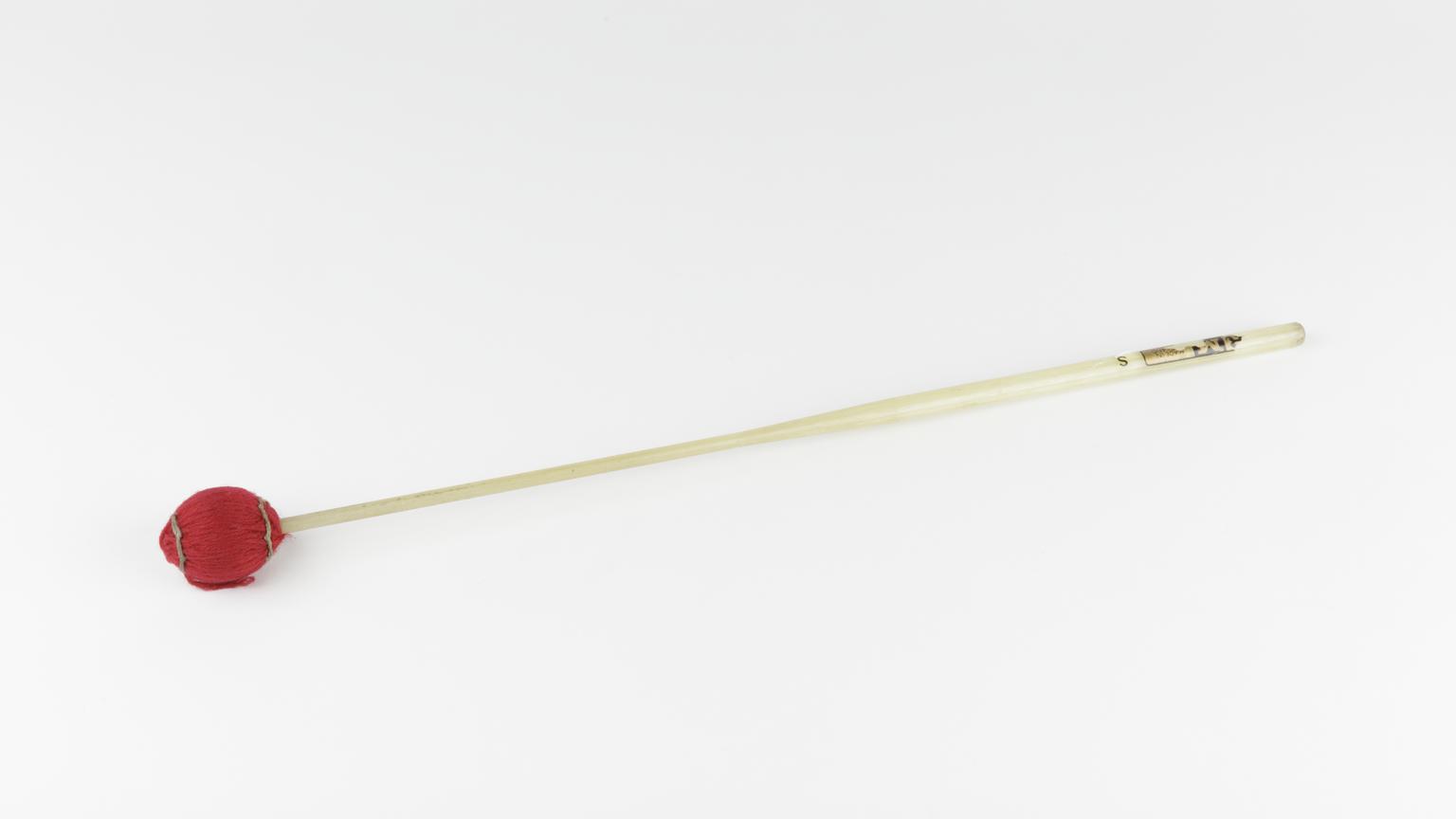
Percussion mallet with red yarn head. Part of BBC Radiophonic Workshop collection.
More
This item is part of the objects and instruments used by BBC’s pioneer music studio, the Radiophonic Workshop which operated between 1958 to 1998. Known for creating strange new sounds by using synthesizers, manipulating sound, and using everyday objects, the Radiophonic Workshop created over 100 musical pieces, with Doctor Who’s theme by Delia Derbyshire being their most famous one. Due to their constrained budget, they used all sorts of objects to make their soundscapes from more traditional ones like tambourines and bells, to chopsticks, lamps, and metal spirals.
The BBC Radiophonic Workshop was one of the sound effects units of the BBC, created in 1958 to produce incidental sounds and new music for radio and, later, television. The unit is known for its experimental and pioneering work in electronic music and music technology, as well as its popular scores for programs such as Doctor Who and Quatermass and the Pit during the 1950s and 1960s.
The original Radiophonic Workshop was based in the BBC's Maida Vale Studios in Delaware Road, Maida Vale, London. The Workshop was closed in March 1998, although much of its traditional work had already been outsourced by 1995. Its members included Daphne Oram, Delia Derbyshire, David Cain, John Baker, Paddy Kingsland, Glynis Jones, Maddalena Fagandini and Richard Yeoman-Clark.
Percussion mallet used in BBC Radiophonic Workshop
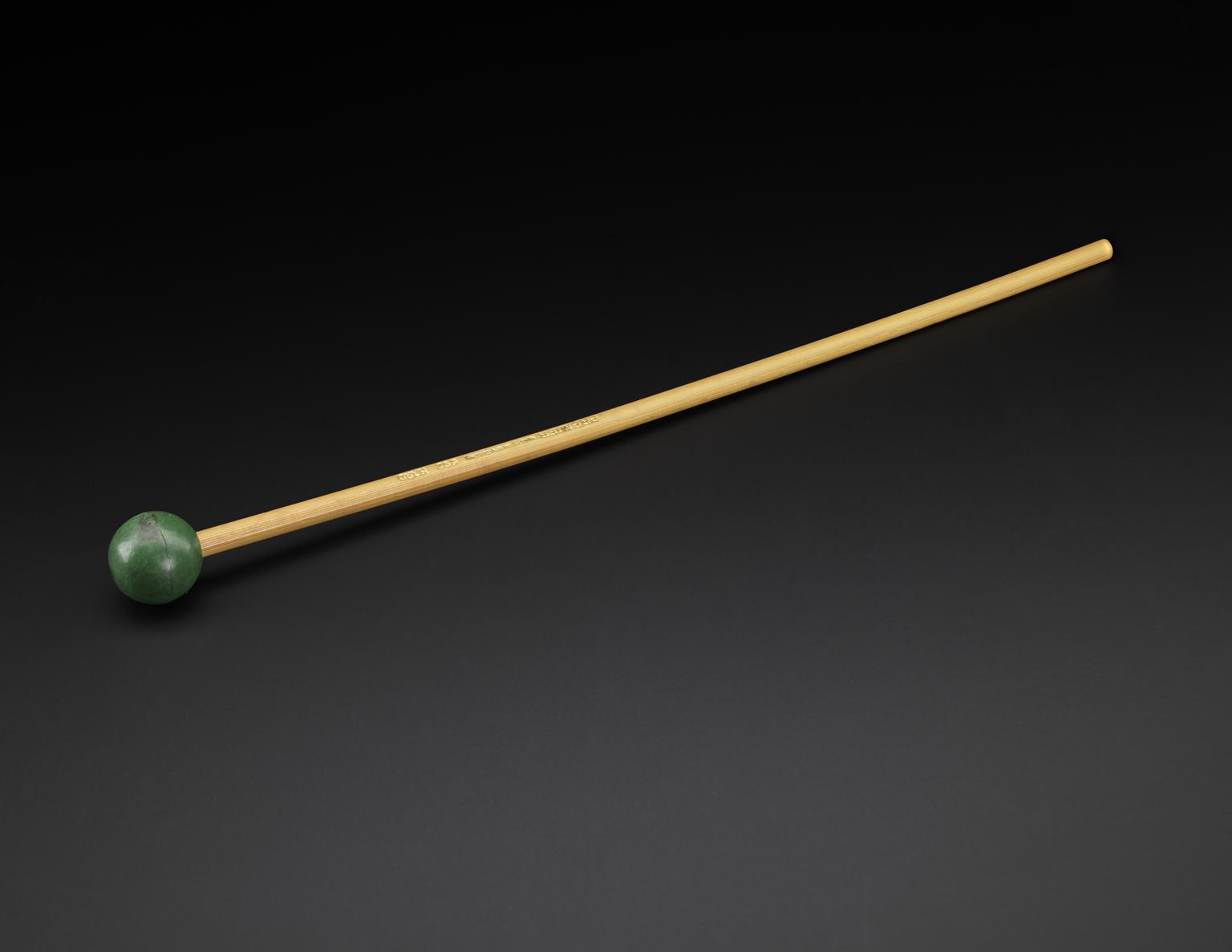
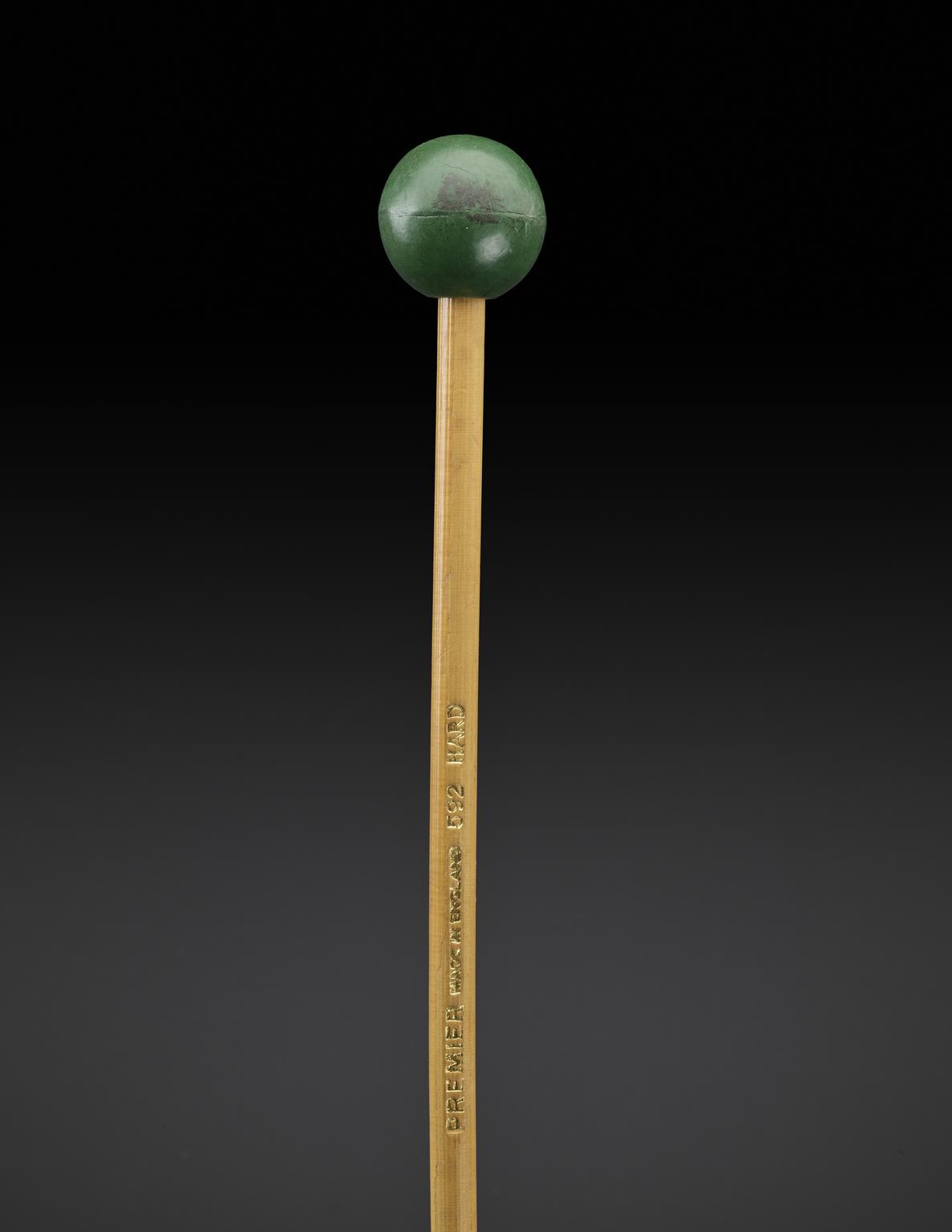
Percussion mallet with green rubber head, made by Premier Percussion. Inscribed "Premier 592 Hard". Part of BBC Radiophonic Workshop collection.
More
This item is part of the objects and instruments used by BBC’s pioneer music studio, the Radiophonic Workshop which operated between 1958 to 1998. Known for creating strange new sounds by using synthesizers, manipulating sound, and using everyday objects, the Radiophonic Workshop created over 100 musical pieces, with Doctor Who’s theme by Delia Derbyshire being their most famous one. Due to their constrained budget, they used all sorts of objects to make their soundscapes from more traditional ones like tambourines and bells, to chopsticks, lamps, and metal spirals.
The BBC Radiophonic Workshop was one of the sound effects units of the BBC, created in 1958 to produce incidental sounds and new music for radio and, later, television. The unit is known for its experimental and pioneering work in electronic music and music technology, as well as its popular scores for programs such as Doctor Who and Quatermass and the Pit during the 1950s and 1960s.
The original Radiophonic Workshop was based in the BBC's Maida Vale Studios in Delaware Road, Maida Vale, London. The Workshop was closed in March 1998, although much of its traditional work had already been outsourced by 1995. Its members included Daphne Oram, Delia Derbyshire, David Cain, John Baker, Paddy Kingsland, Glynis Jones, Maddalena Fagandini and Richard Yeoman-Clark.
Percussion mallet used in BBC Radiophonic Workshop
Percussion mallet with black handle. Part of BBC Radiophonic Workshop collection.
More
This item is part of the objects and instruments used by BBC’s pioneer music studio, the Radiophonic Workshop which operated between 1958 to 1998. Known for creating strange new sounds by using synthesizers, manipulating sound, and using everyday objects, the Radiophonic Workshop created over 100 musical pieces, with Doctor Who’s theme by Delia Derbyshire being their most famous one. Due to their constrained budget, they used all sorts of objects to make their soundscapes from more traditional ones like tambourines and bells, to chopsticks, lamps, and metal spirals.
The BBC Radiophonic Workshop was one of the sound effects units of the BBC, created in 1958 to produce incidental sounds and new music for radio and, later, television. The unit is known for its experimental and pioneering work in electronic music and music technology, as well as its popular scores for programs such as Doctor Who and Quatermass and the Pit during the 1950s and 1960s.
The original Radiophonic Workshop was based in the BBC's Maida Vale Studios in Delaware Road, Maida Vale, London. The Workshop was closed in March 1998, although much of its traditional work had already been outsourced by 1995. Its members included Daphne Oram, Delia Derbyshire, David Cain, John Baker, Paddy Kingsland, Glynis Jones, Maddalena Fagandini and Richard Yeoman-Clark.
Measurements:
overall lying flat: 45 mm x 45 mm x 245 mm, 35 mm, .021 kg
Small percussion mallet used in BBC Radiophonic Workshop
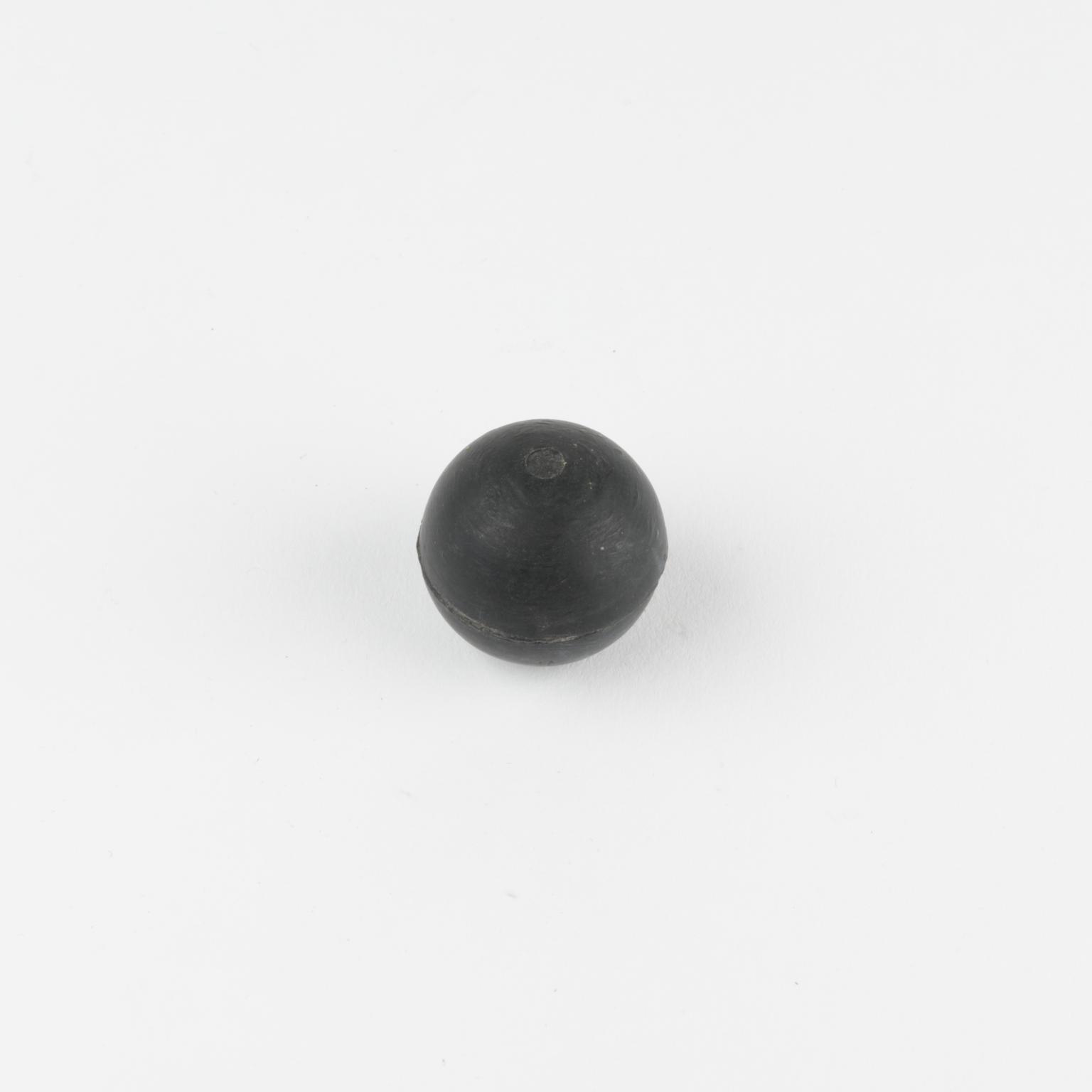
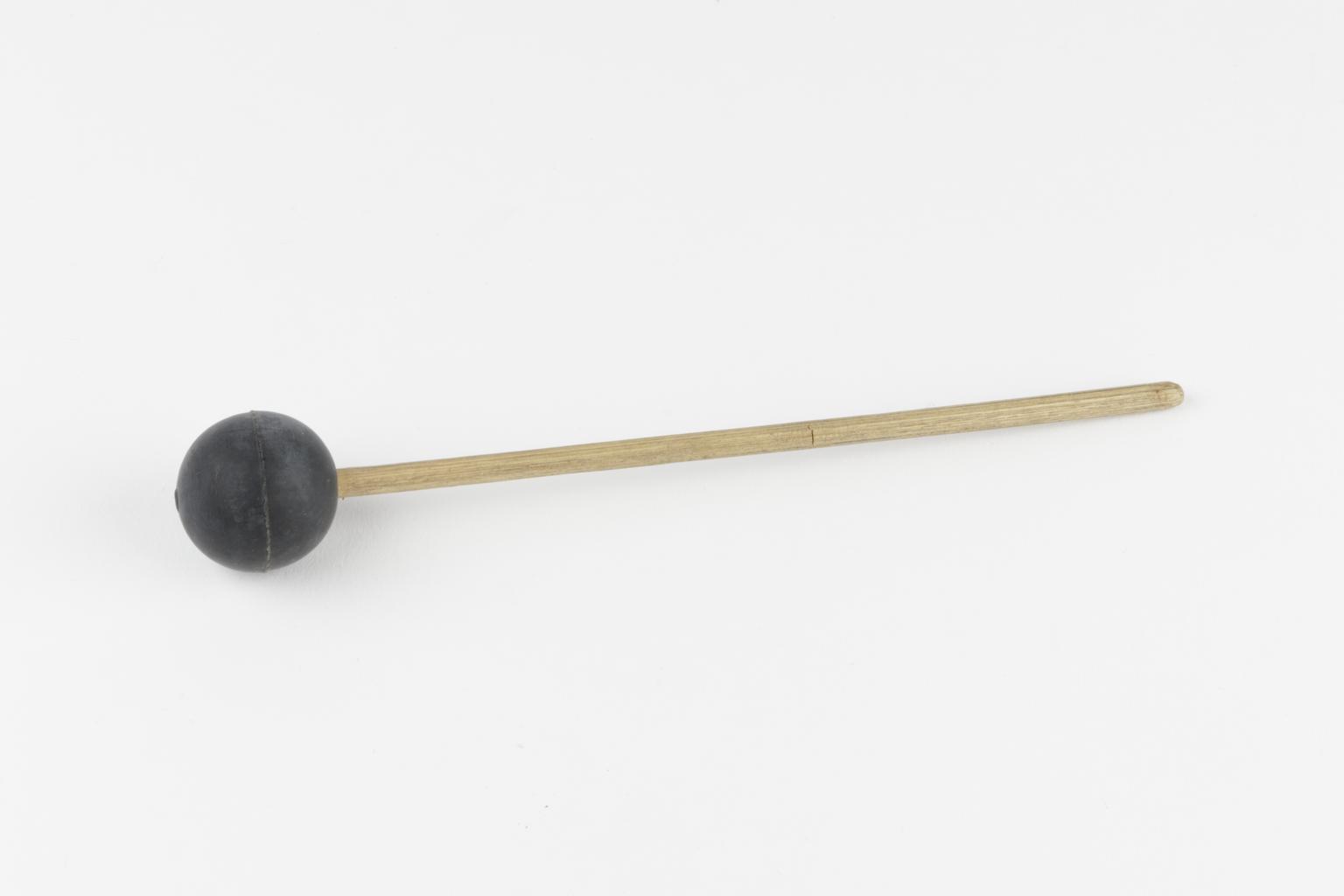
Small percussion mallet with black rubber head. Part of BBC Radiophonic Workshop collection.
More
This item is part of the objects and instruments used by BBC’s pioneer music studio, the Radiophonic Workshop which operated between 1958 to 1998. Known for creating strange new sounds by using synthesizers, manipulating sound, and using everyday objects, the Radiophonic Workshop created over 100 musical pieces, with Doctor Who’s theme by Delia Derbyshire being their most famous one. Due to their constrained budget, they used all sorts of objects to make their soundscapes from more traditional ones like tambourines and bells, to chopsticks, lamps, and metal spirals.
The BBC Radiophonic Workshop was one of the sound effects units of the BBC, created in 1958 to produce incidental sounds and new music for radio and, later, television. The unit is known for its experimental and pioneering work in electronic music and music technology, as well as its popular scores for programs such as Doctor Who and Quatermass and the Pit during the 1950s and 1960s.
The original Radiophonic Workshop was based in the BBC's Maida Vale Studios in Delaware Road, Maida Vale, London. The Workshop was closed in March 1998, although much of its traditional work had already been outsourced by 1995. Its members included Daphne Oram, Delia Derbyshire, David Cain, John Baker, Paddy Kingsland, Glynis Jones, Maddalena Fagandini and Richard Yeoman-Clark.
The Board of Trustees of the Science Museum, London
Small percussion mallet used in BBC Radiophonic Workshop
Small percussion mallet with black rubber head. Part of BBC Radiophonic Workshop collection.
More
This item is part of the objects and instruments used by BBC’s pioneer music studio, the Radiophonic Workshop which operated between 1958 to 1998. Known for creating strange new sounds by using synthesizers, manipulating sound, and using everyday objects, the Radiophonic Workshop created over 100 musical pieces, with Doctor Who’s theme by Delia Derbyshire being their most famous one. Due to their constrained budget, they used all sorts of objects to make their soundscapes from more traditional ones like tambourines and bells, to chopsticks, lamps, and metal spirals.
The BBC Radiophonic Workshop was one of the sound effects units of the BBC, created in 1958 to produce incidental sounds and new music for radio and, later, television. The unit is known for its experimental and pioneering work in electronic music and music technology, as well as its popular scores for programs such as Doctor Who and Quatermass and the Pit during the 1950s and 1960s.
The original Radiophonic Workshop was based in the BBC's Maida Vale Studios in Delaware Road, Maida Vale, London. The Workshop was closed in March 1998, although much of its traditional work had already been outsourced by 1995. Its members included Daphne Oram, Delia Derbyshire, David Cain, John Baker, Paddy Kingsland, Glynis Jones, Maddalena Fagandini and Richard Yeoman-Clark.
The Board of Trustees of the Science Museum, London
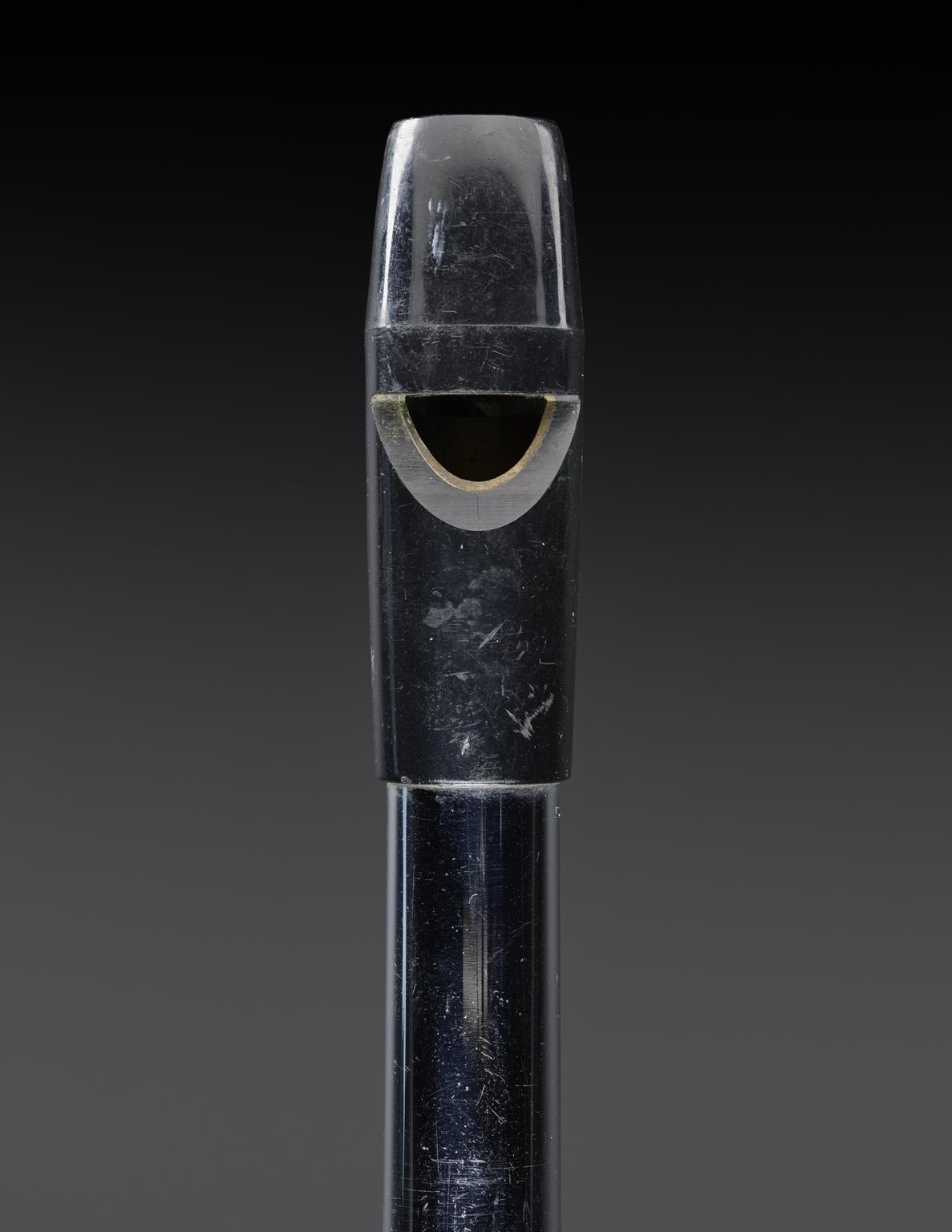
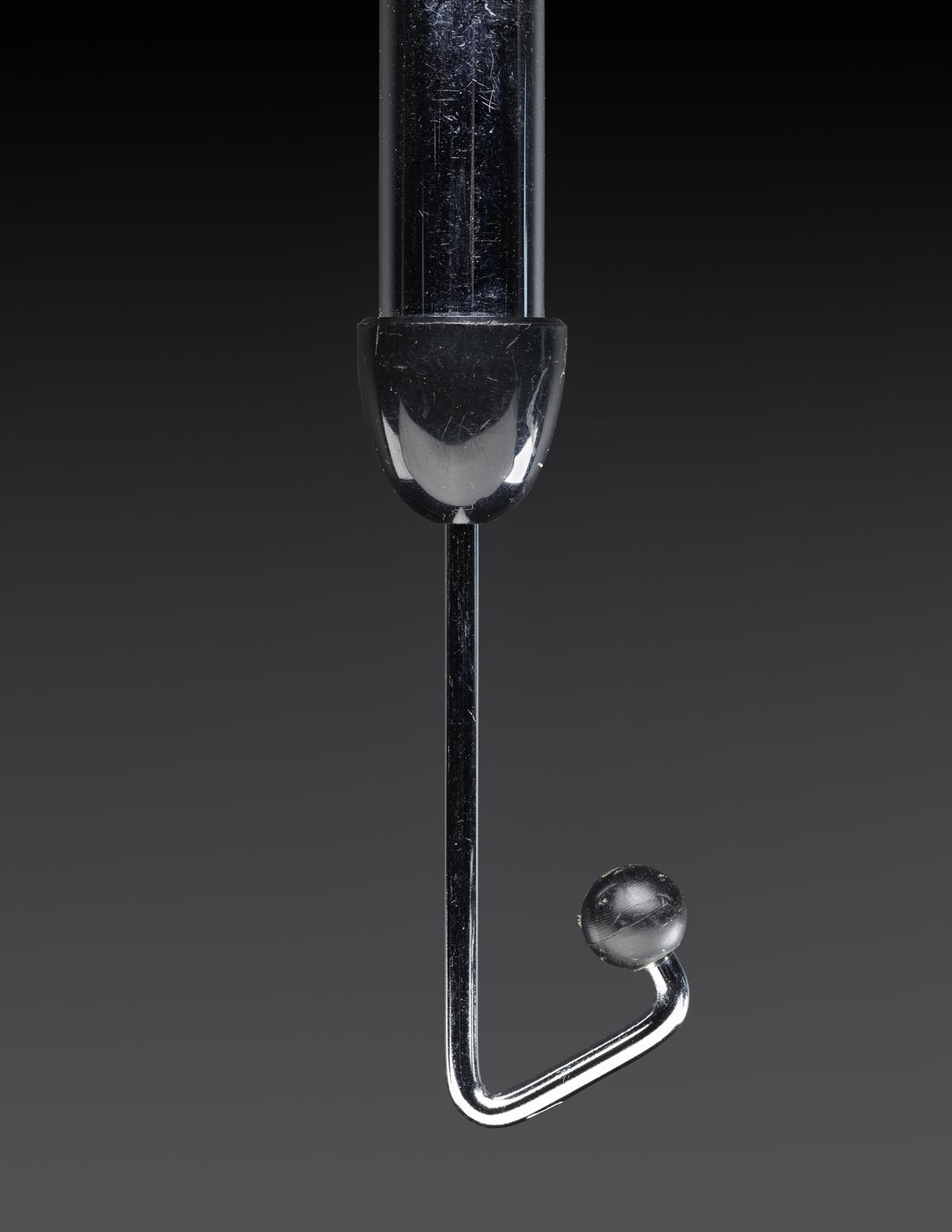
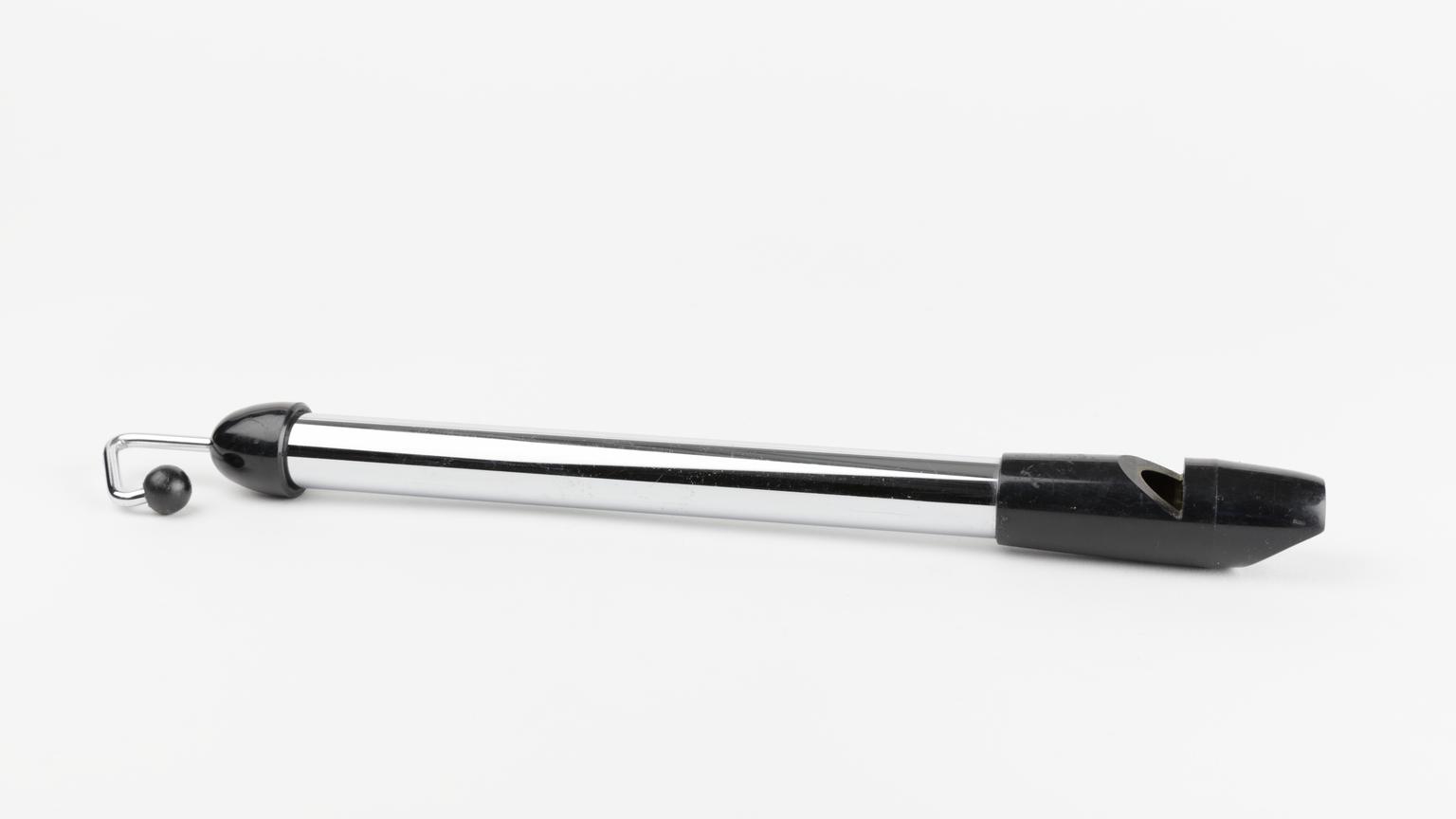
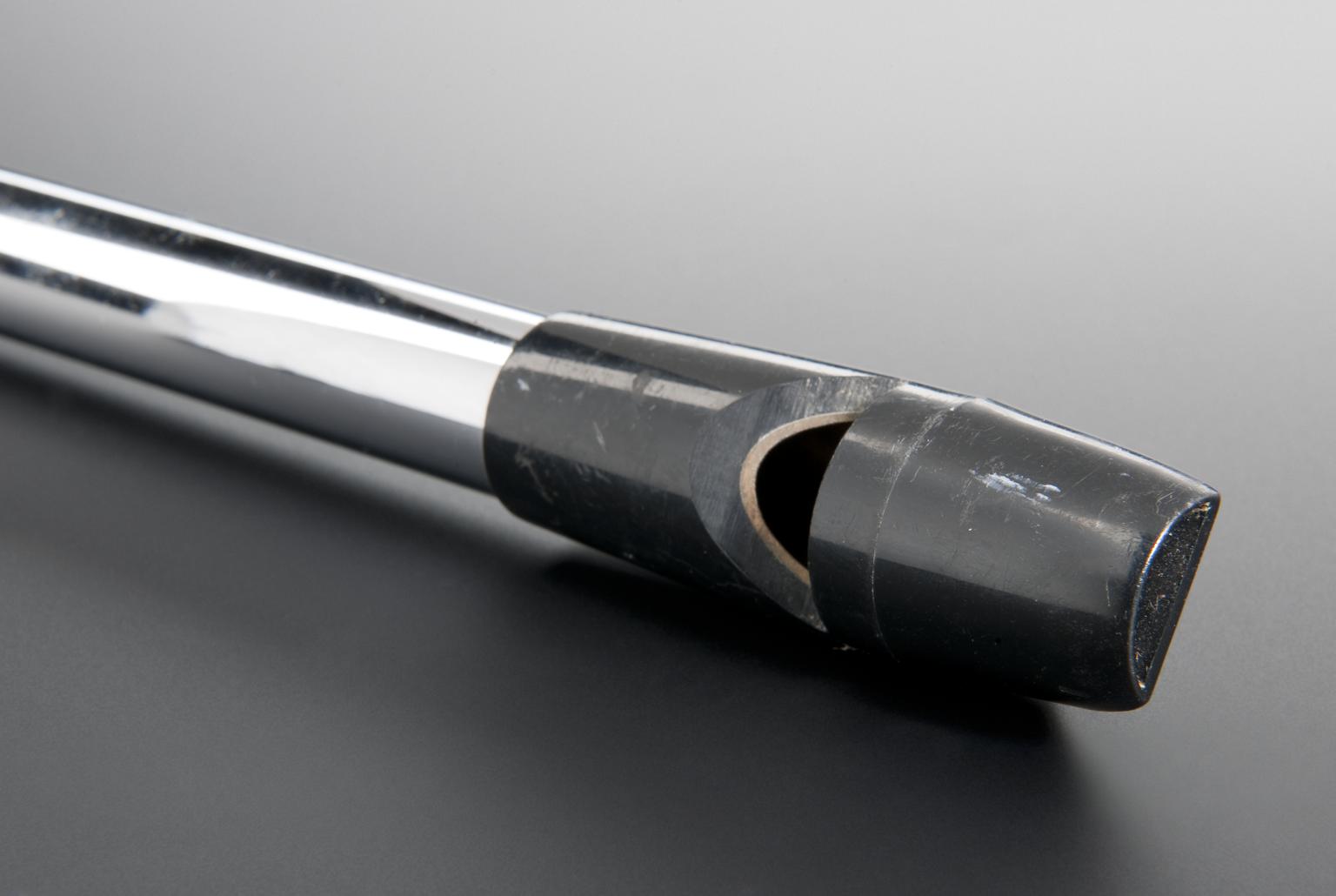
Penny whistle/recorder used in BBC Radiophonic Workshop
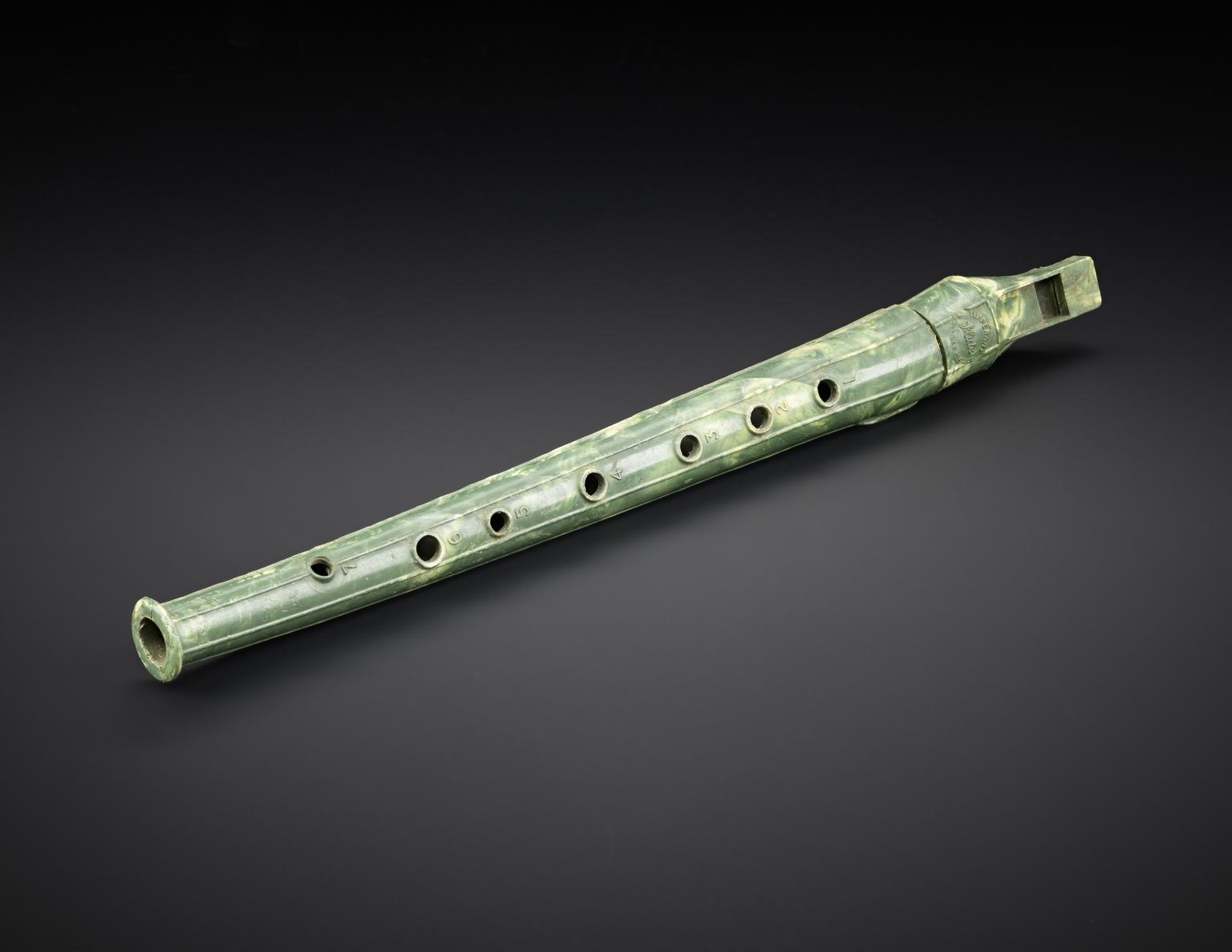
Green plastic penny whistle/ recorder. Part of BBC Radiophonic Workshop collection.
More
This item is part of the objects and instruments used by BBC’s pioneer music studio, the Radiophonic Workshop which operated between 1958 to 1998. Known for creating strange new sounds by using synthesizers, manipulating sound, and using everyday objects, the Radiophonic Workshop created over 100 musical pieces, with Doctor Who’s theme by Delia Derbyshire being their most famous one. Due to their constrained budget, they used all sorts of objects to make their soundscapes from more traditional ones like tambourines and bells, to chopsticks, lamps, and metal spirals.
The BBC Radiophonic Workshop was one of the sound effects units of the BBC, created in 1958 to produce incidental sounds and new music for radio and, later, television. The unit is known for its experimental and pioneering work in electronic music and music technology, as well as its popular scores for programs such as Doctor Who and Quatermass and the Pit during the 1950s and 1960s.
The original Radiophonic Workshop was based in the BBC's Maida Vale Studios in Delaware Road, Maida Vale, London. The Workshop was closed in March 1998, although much of its traditional work had already been outsourced by 1995. Its members included Daphne Oram, Delia Derbyshire, David Cain, John Baker, Paddy Kingsland, Glynis Jones, Maddalena Fagandini and Richard Yeoman-Clark.
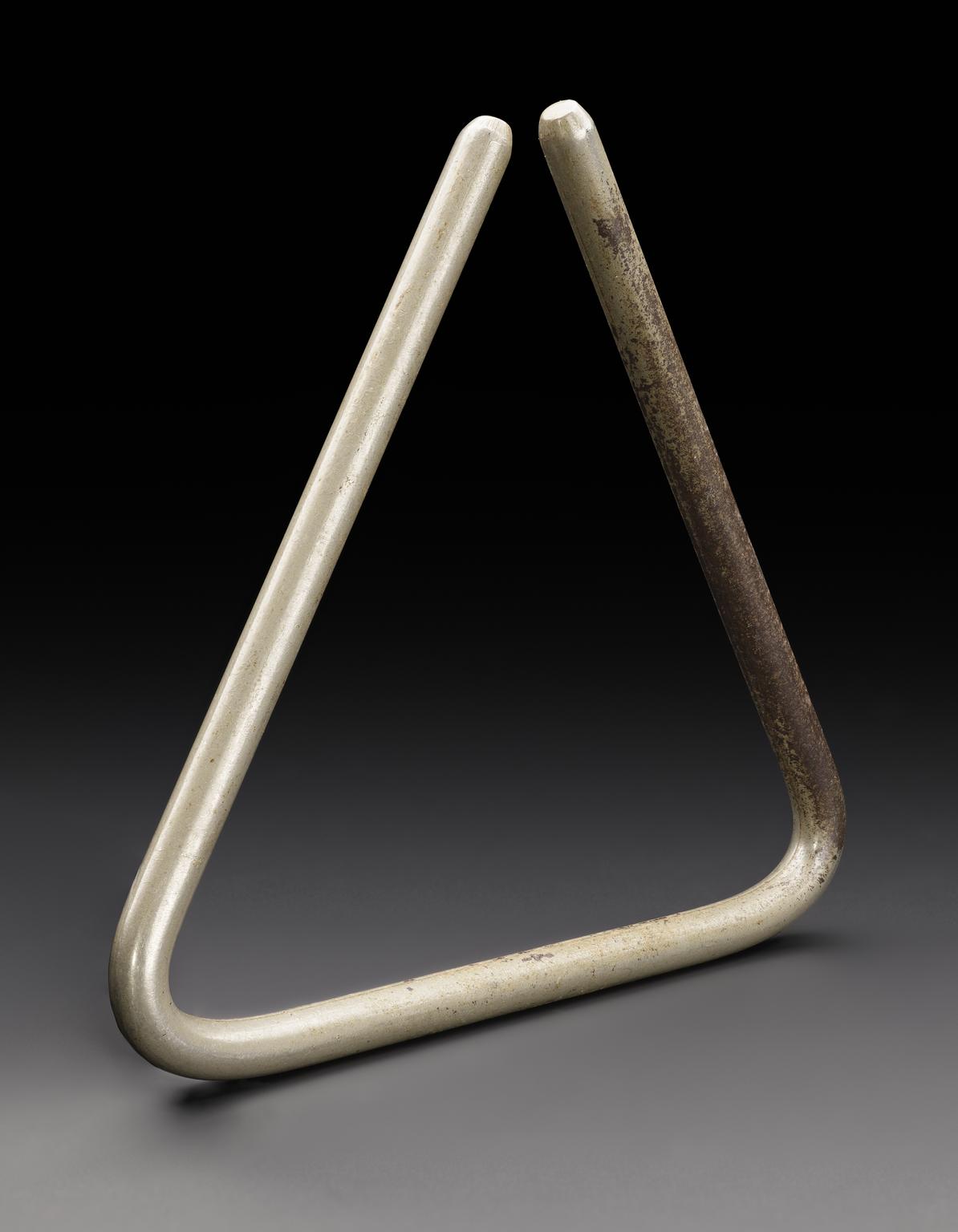
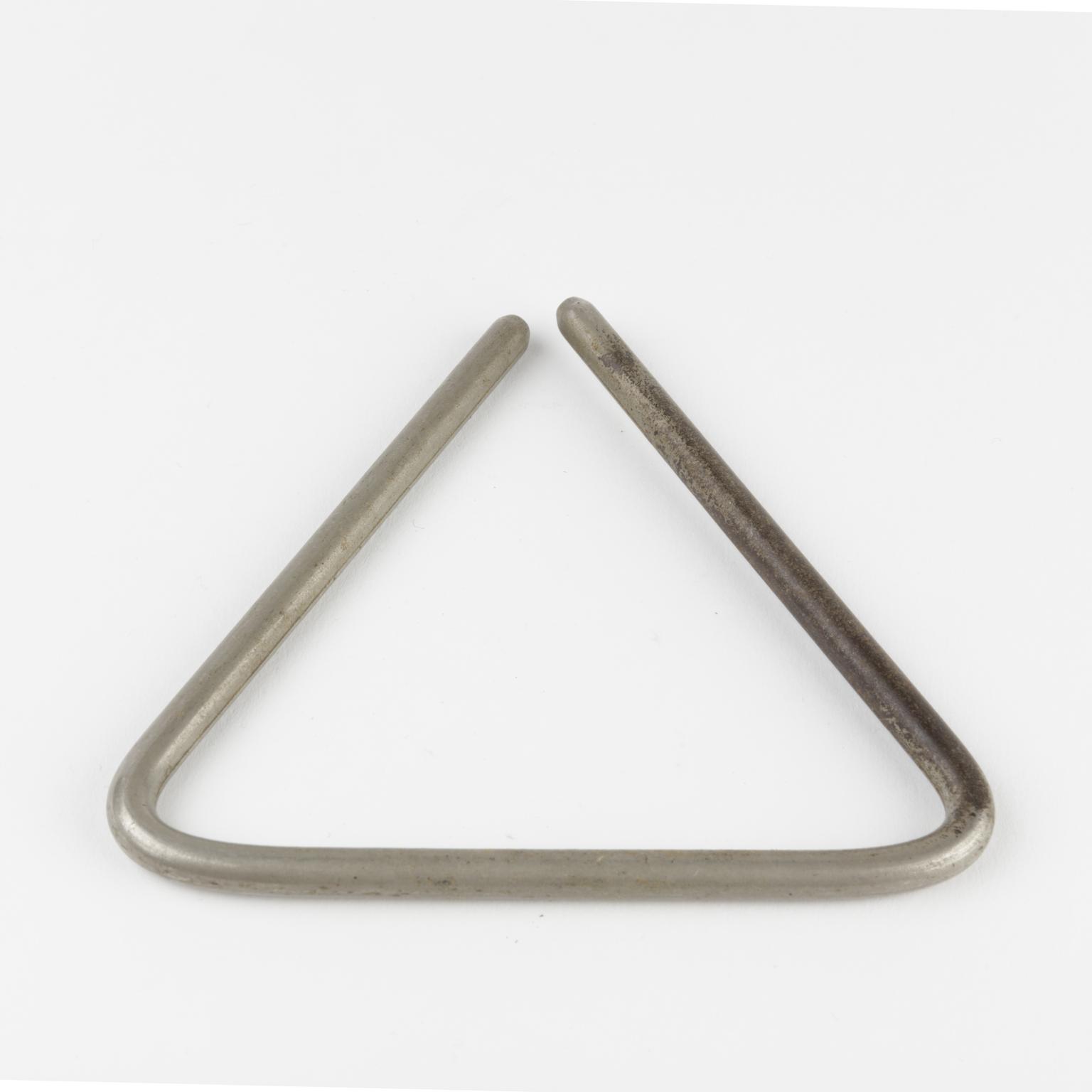
Triangle musical instrument used in BBC Radiophonic Workshop
Triangle musical instrument. Part of BBC Radiophonic Workshop collection.
More
This item is part of the objects and instruments used by BBC’s pioneer music studio, the Radiophonic Workshop which operated between 1958 to 1998. Known for creating strange new sounds by using synthesizers, manipulating sound, and using everyday objects, the Radiophonic Workshop created over 100 musical pieces, with Doctor Who’s theme by Delia Derbyshire being their most famous one. Due to their constrained budget, they used all sorts of objects to make their soundscapes from more traditional ones like tambourines and bells, to chopsticks, lamps, and metal spirals.
The BBC Radiophonic Workshop was one of the sound effects units of the BBC, created in 1958 to produce incidental sounds and new music for radio and, later, television. The unit is known for its experimental and pioneering work in electronic music and music technology, as well as its popular scores for programs such as Doctor Who and Quatermass and the Pit during the 1950s and 1960s.
The original Radiophonic Workshop was based in the BBC's Maida Vale Studios in Delaware Road, Maida Vale, London. The Workshop was closed in March 1998, although much of its traditional work had already been outsourced by 1995. Its members included Daphne Oram, Delia Derbyshire, David Cain, John Baker, Paddy Kingsland, Glynis Jones, Maddalena Fagandini and Richard Yeoman-Clark.
Measurements:
overall lying flat: 6 mm x 110 mm x 100 mm, .07 kg
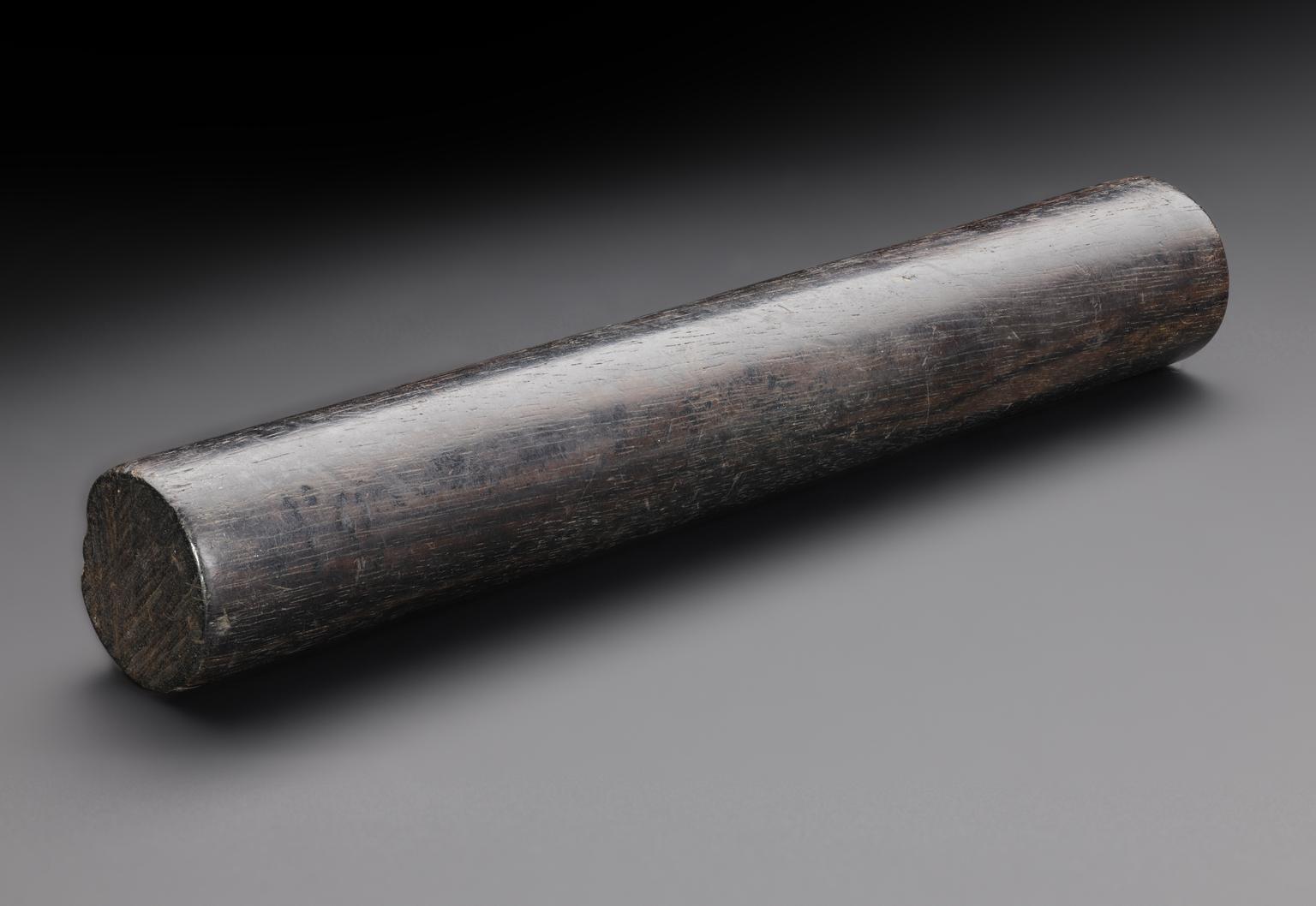
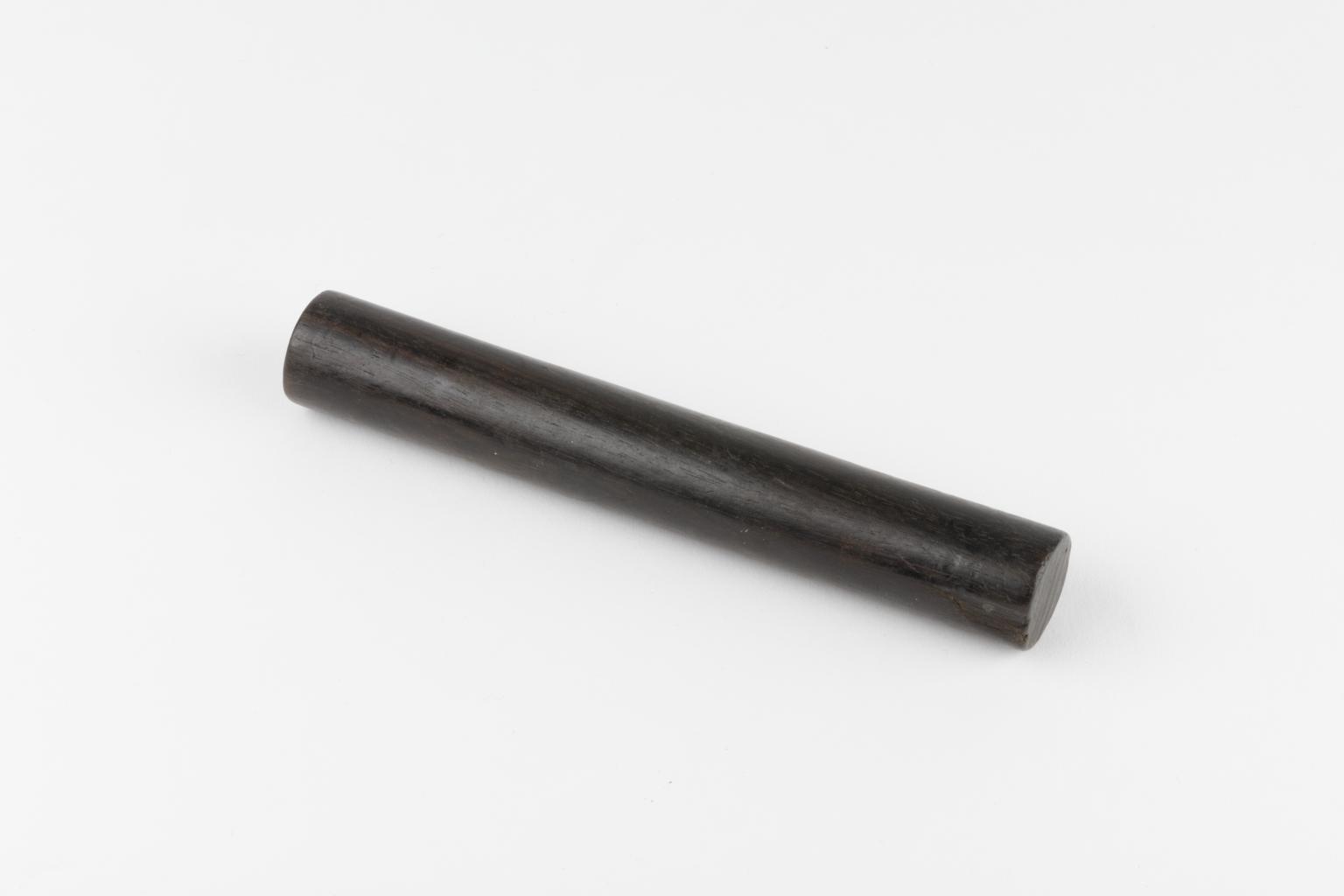
Dark wood clave (percussion instrument). Part of BBC Radiophonic Workshop collection.
More
This item is part of the objects and instruments used by BBC’s pioneer music studio, the Radiophonic Workshop which operated between 1958 to 1998. Known for creating strange new sounds by using synthesizers, manipulating sound, and using everyday objects, the Radiophonic Workshop created over 100 musical pieces, with Doctor Who’s theme by Delia Derbyshire being their most famous one. Due to their constrained budget, they used all sorts of objects to make their soundscapes from more traditional ones like tambourines and bells, to chopsticks, lamps, and metal spirals.
The BBC Radiophonic Workshop was one of the sound effects units of the BBC, created in 1958 to produce incidental sounds and new music for radio and, later, television. The unit is known for its experimental and pioneering work in electronic music and music technology, as well as its popular scores for programs such as Doctor Who and Quatermass and the Pit during the 1950s and 1960s.
The original Radiophonic Workshop was based in the BBC's Maida Vale Studios in Delaware Road, Maida Vale, London. The Workshop was closed in March 1998, although much of its traditional work had already been outsourced by 1995. Its members included Daphne Oram, Delia Derbyshire, David Cain, John Baker, Paddy Kingsland, Glynis Jones, Maddalena Fagandini and Richard Yeoman-Clark.
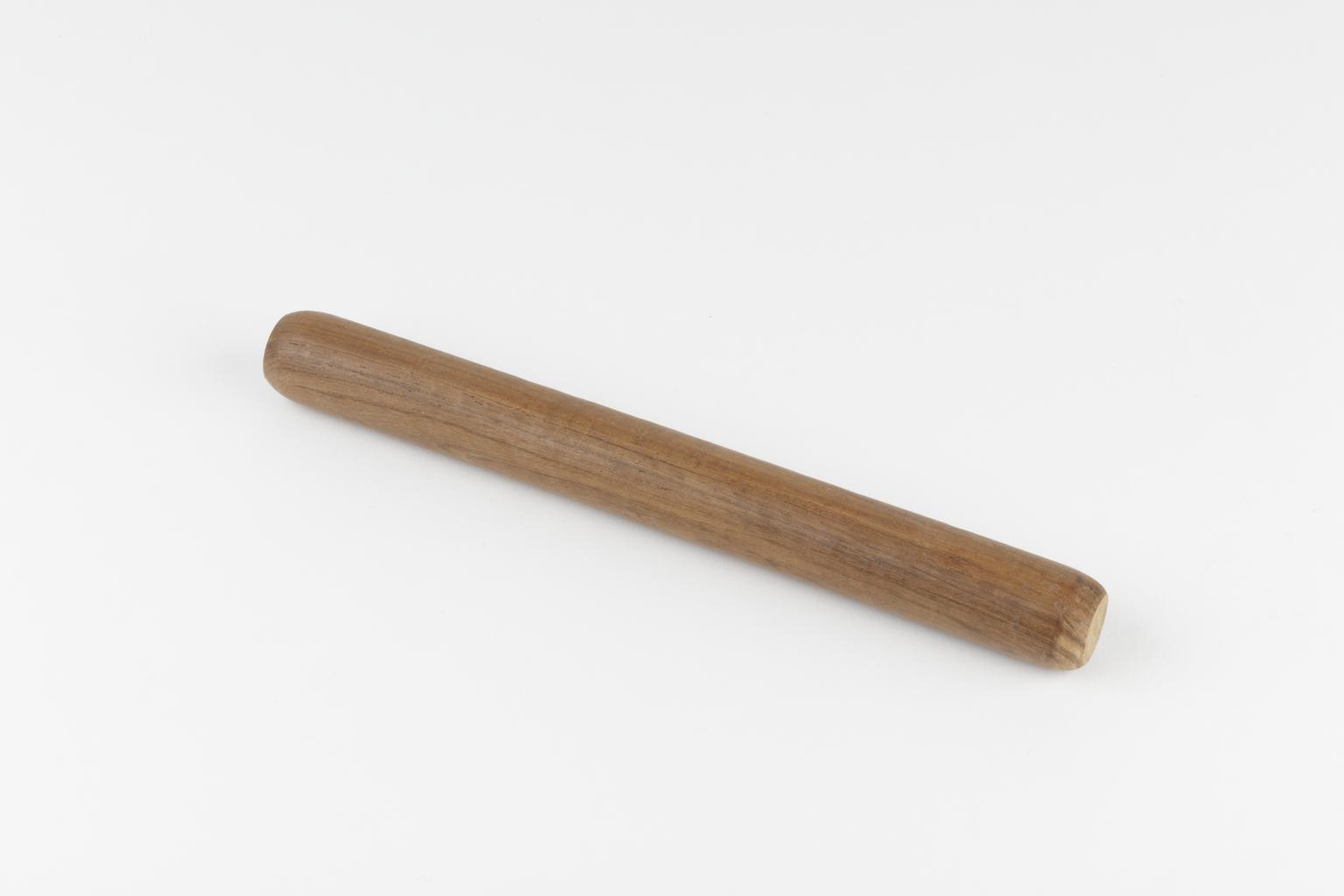
Light wood clave (percussion instrument). Part of BBC Radiophonic Workshop collection.
More
This item is part of the objects and instruments used by BBC’s pioneer music studio, the Radiophonic Workshop which operated between 1958 to 1998. Known for creating strange new sounds by using synthesizers, manipulating sound, and using everyday objects, the Radiophonic Workshop created over 100 musical pieces, with Doctor Who’s theme by Delia Derbyshire being their most famous one. Due to their constrained budget, they used all sorts of objects to make their soundscapes from more traditional ones like tambourines and bells, to chopsticks, lamps, and metal spirals.
The BBC Radiophonic Workshop was one of the sound effects units of the BBC, created in 1958 to produce incidental sounds and new music for radio and, later, television. The unit is known for its experimental and pioneering work in electronic music and music technology, as well as its popular scores for programs such as Doctor Who and Quatermass and the Pit during the 1950s and 1960s.
The original Radiophonic Workshop was based in the BBC's Maida Vale Studios in Delaware Road, Maida Vale, London. The Workshop was closed in March 1998, although much of its traditional work had already been outsourced by 1995. Its members included Daphne Oram, Delia Derbyshire, David Cain, John Baker, Paddy Kingsland, Glynis Jones, Maddalena Fagandini and Richard Yeoman-Clark.
The Board of Trustees of the Science Museum, London
Chopstick used in BBC Radiophonic Workshop
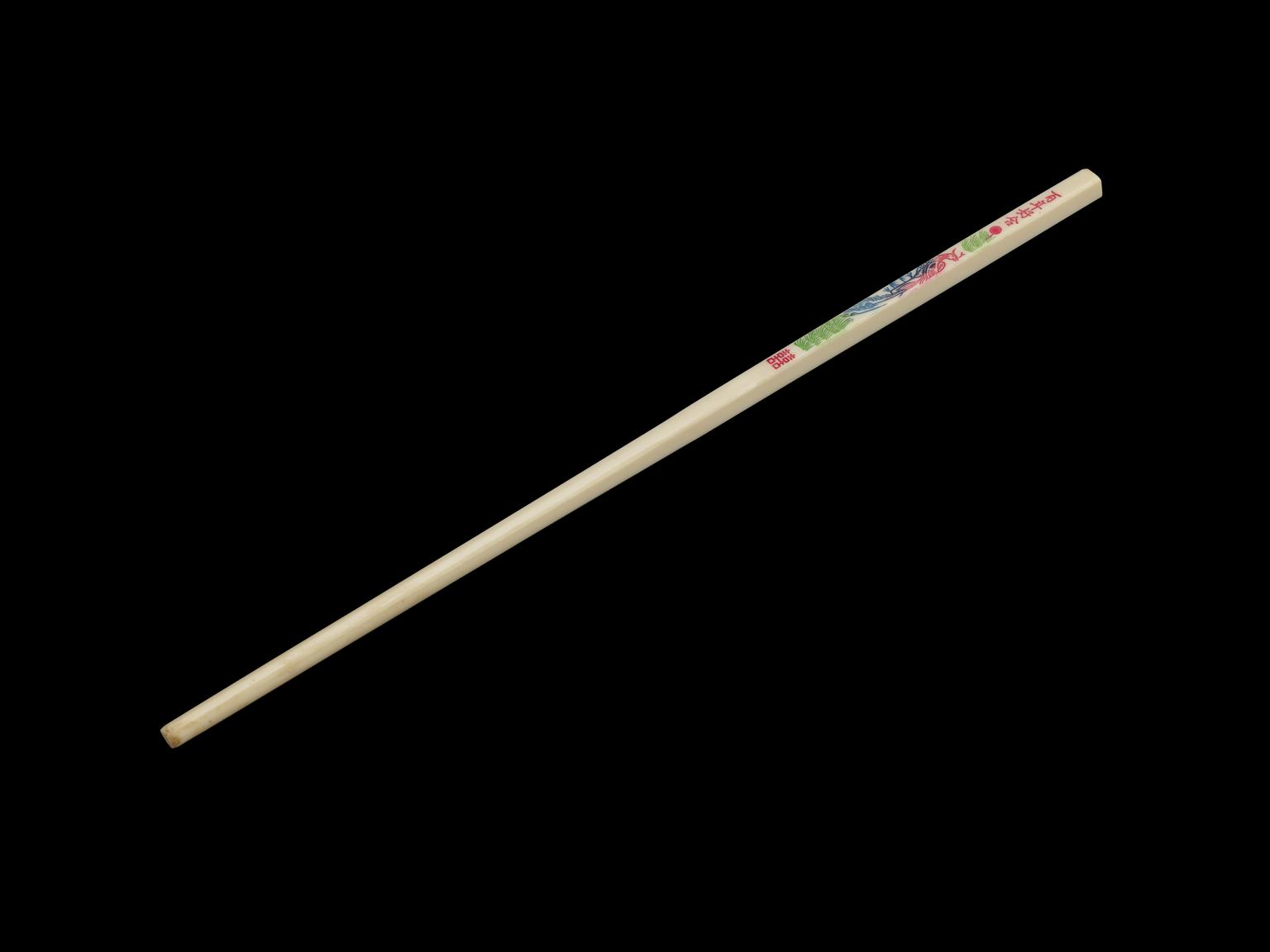
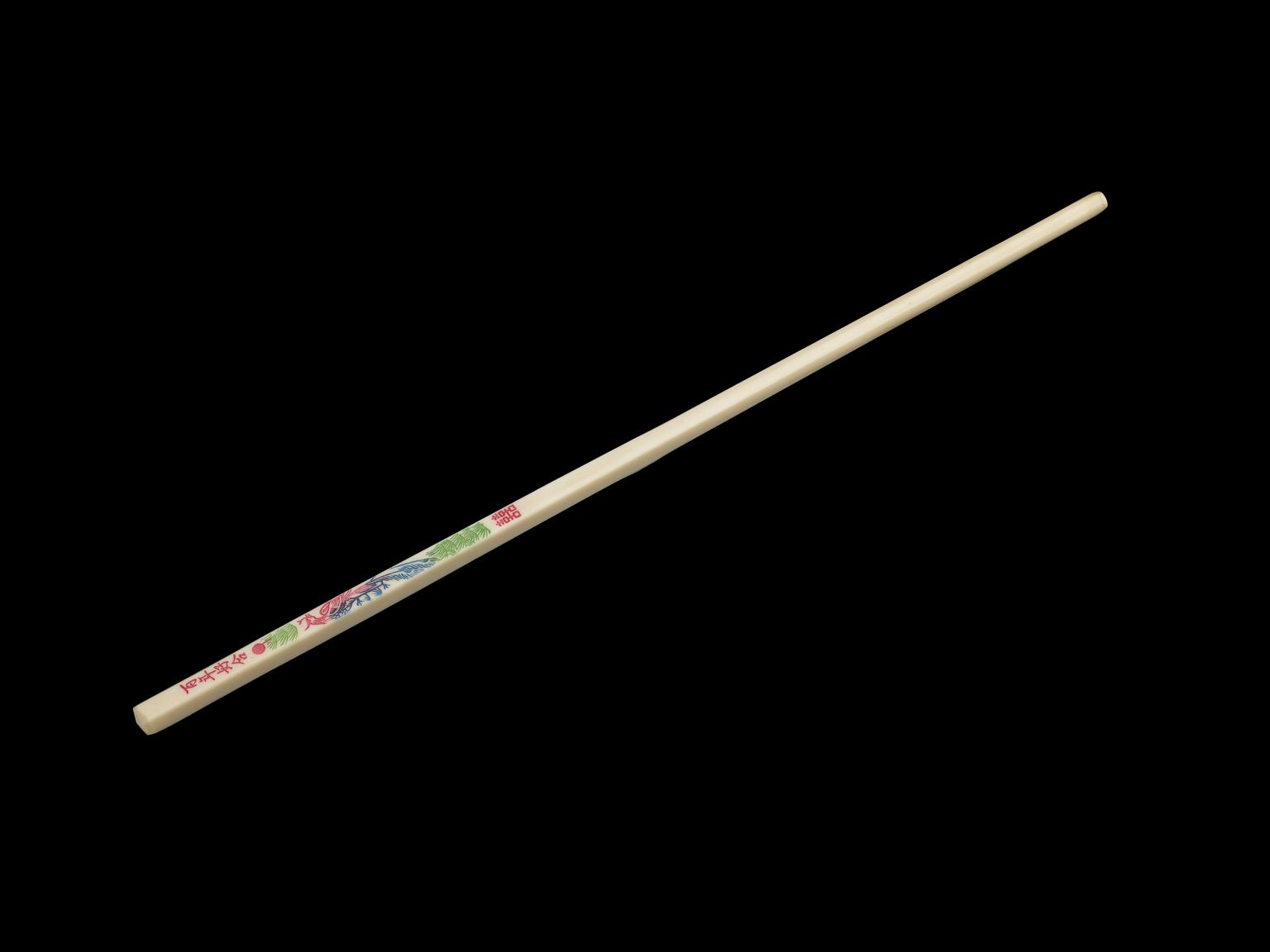
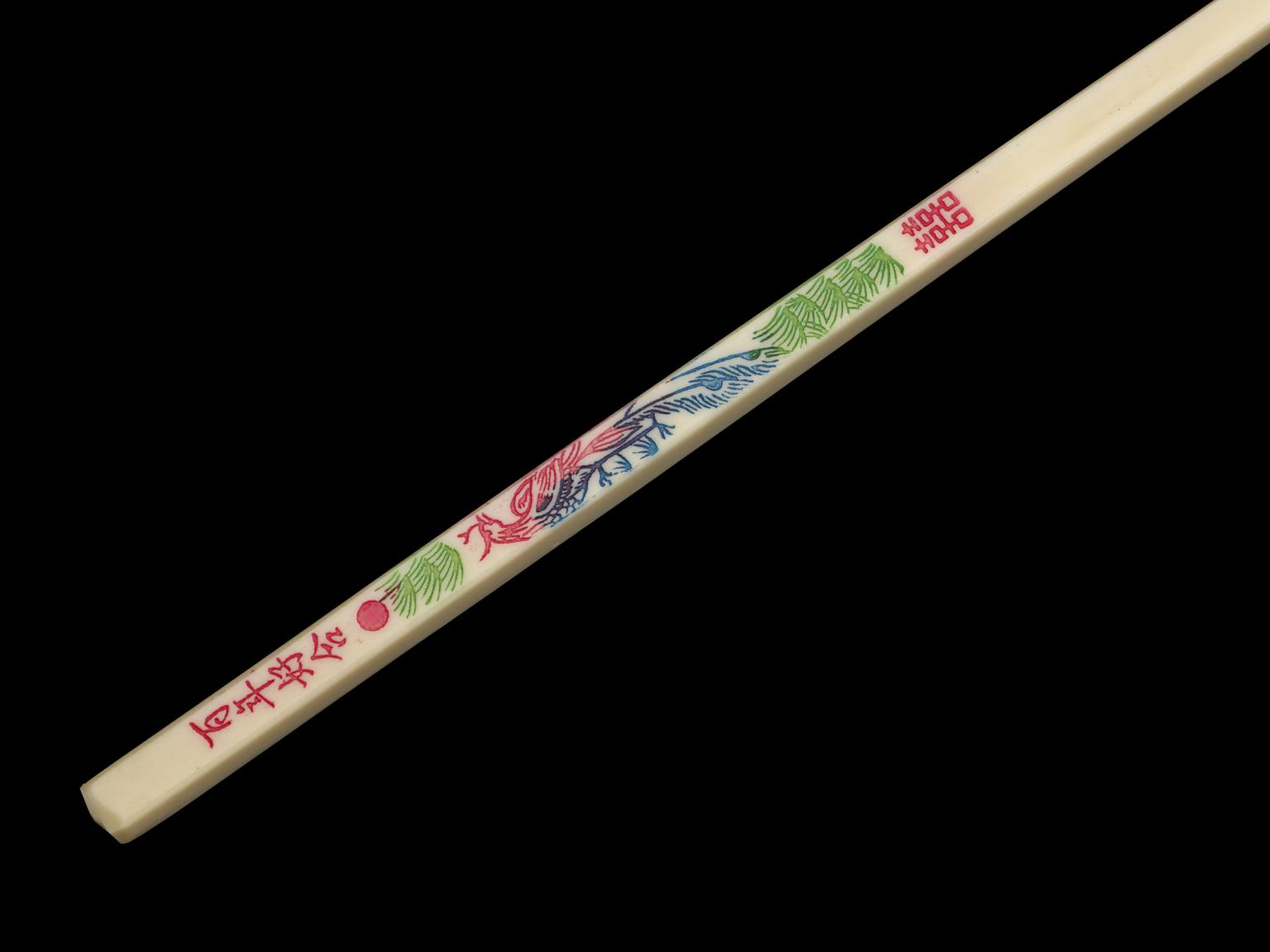
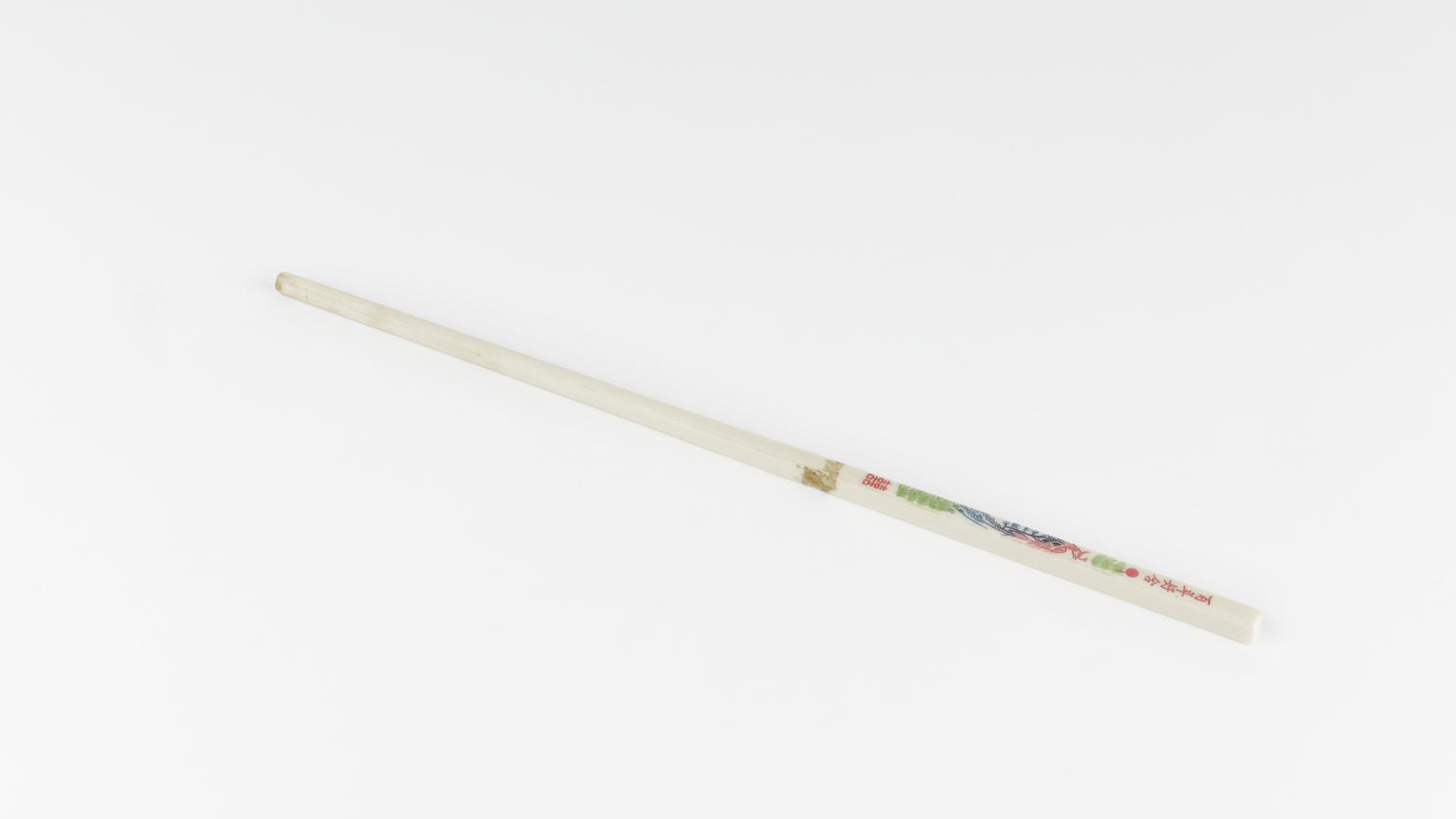
Plastic chopstick, BBC Radiophonic Workshop Collection, England, 1958 – 1998.
More
This item is part of the objects and instruments used by BBC’s pioneer music studio, the Radiophonic Workshop which operated between 1958 to 1998. Known for creating strange new sounds by using synthesizers, manipulating sound, and using everyday objects, the Radiophonic Workshop created over 100 musical pieces, with Doctor Who’s theme by Delia Derbyshire being their most famous one. Due to their constrained budget, they used all sorts of objects to make their soundscapes from more traditional ones like tambourines and bells, to chopsticks, lamps, and metal spirals.
The BBC Radiophonic Workshop was one of the sound effects units of the BBC, created in 1958 to produce incidental sounds and new music for radio and, later, television. The unit is known for its experimental and pioneering work in electronic music and music technology, as well as its popular scores for programs such as Doctor Who and Quatermass and the Pit during the 1950s and 1960s.
The original Radiophonic Workshop was based in the BBC's Maida Vale Studios in Delaware Road, Maida Vale, London. The Workshop was closed in March 1998, although much of its traditional work had already been outsourced by 1995. Its members included Daphne Oram, Delia Derbyshire, David Cain, John Baker, Paddy Kingsland, Glynis Jones, Maddalena Fagandini and Richard Yeoman-Clark.
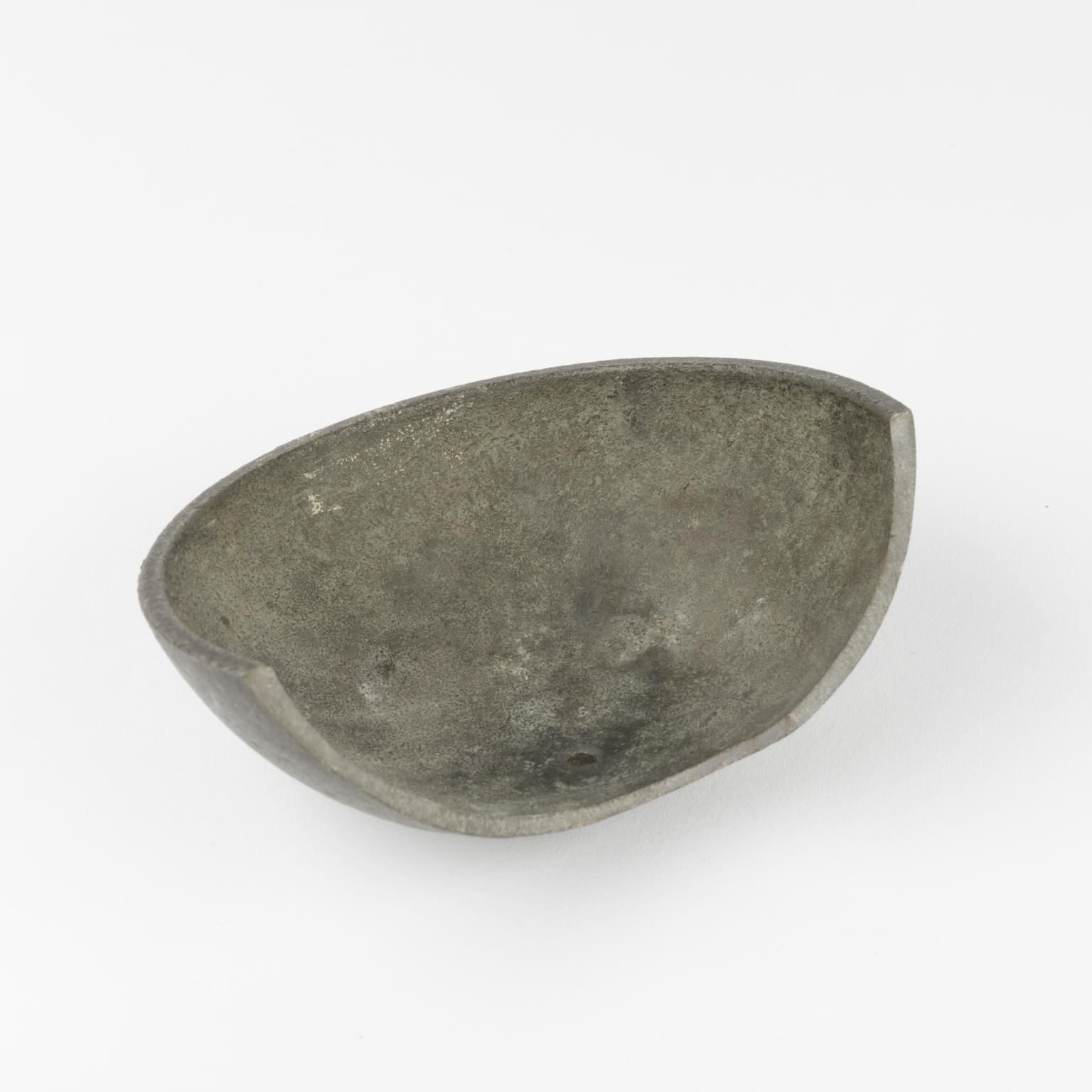
Metal bell cover. Part of BBC Radiophonic Workshop collection.
More
This item is part of the objects and instruments used by BBC’s pioneer music studio, the Radiophonic Workshop which operated between 1958 to 1998. Known for creating strange new sounds by using synthesizers, manipulating sound, and using everyday objects, the Radiophonic Workshop created over 100 musical pieces, with Doctor Who’s theme by Delia Derbyshire being their most famous one. Due to their constrained budget, they used all sorts of objects to make their soundscapes from more traditional ones like tambourines and bells, to chopsticks, lamps, and metal spirals.
The BBC Radiophonic Workshop was one of the sound effects units of the BBC, created in 1958 to produce incidental sounds and new music for radio and, later, television. The unit is known for its experimental and pioneering work in electronic music and music technology, as well as its popular scores for programs such as Doctor Who and Quatermass and the Pit during the 1950s and 1960s.
The original Radiophonic Workshop was based in the BBC's Maida Vale Studios in Delaware Road, Maida Vale, London. The Workshop was closed in March 1998, although much of its traditional work had already been outsourced by 1995. Its members included Daphne Oram, Delia Derbyshire, David Cain, John Baker, Paddy Kingsland, Glynis Jones, Maddalena Fagandini and Richard Yeoman-Clark.
The Board of Trustees of the Science Museum, London
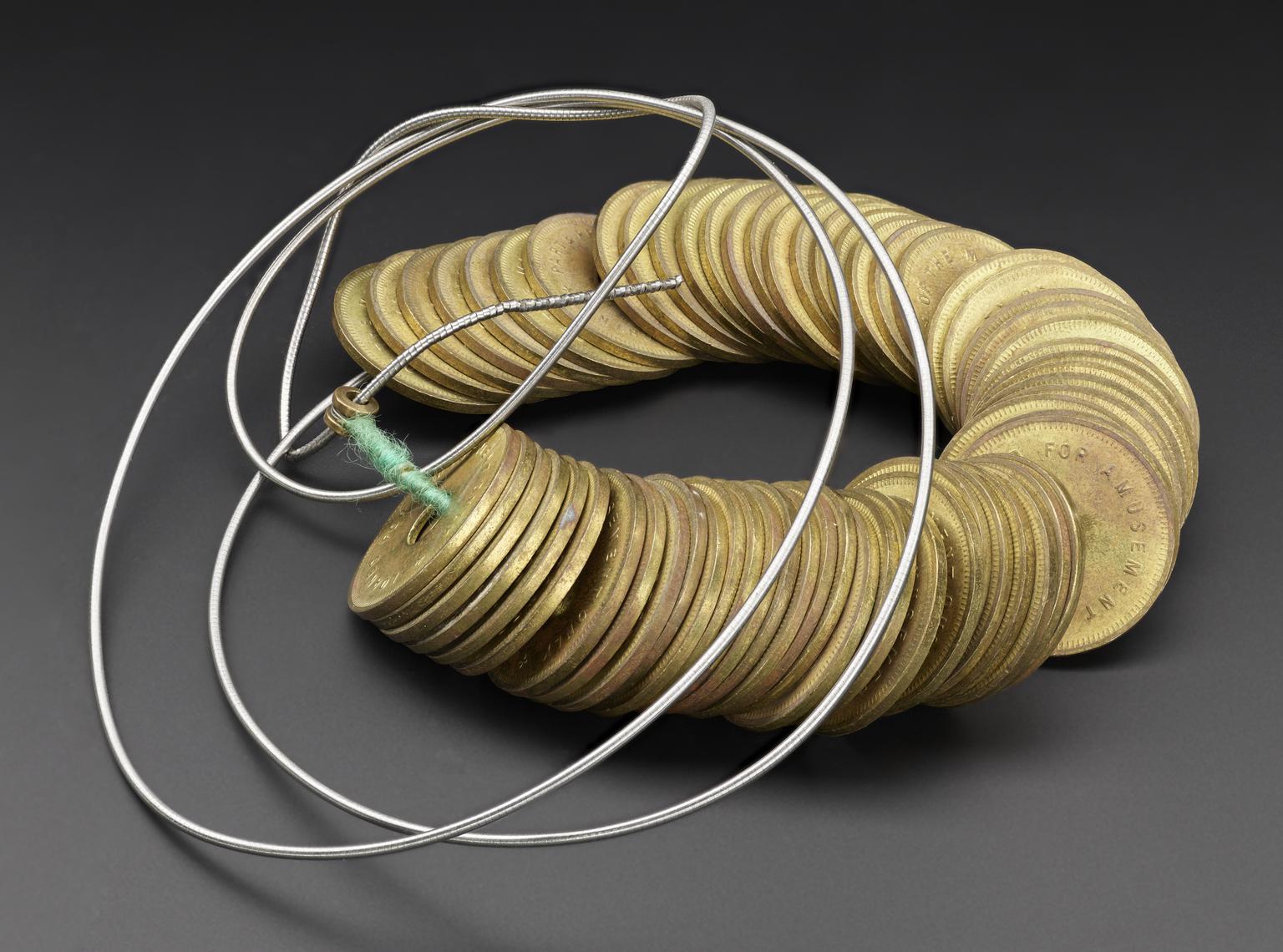
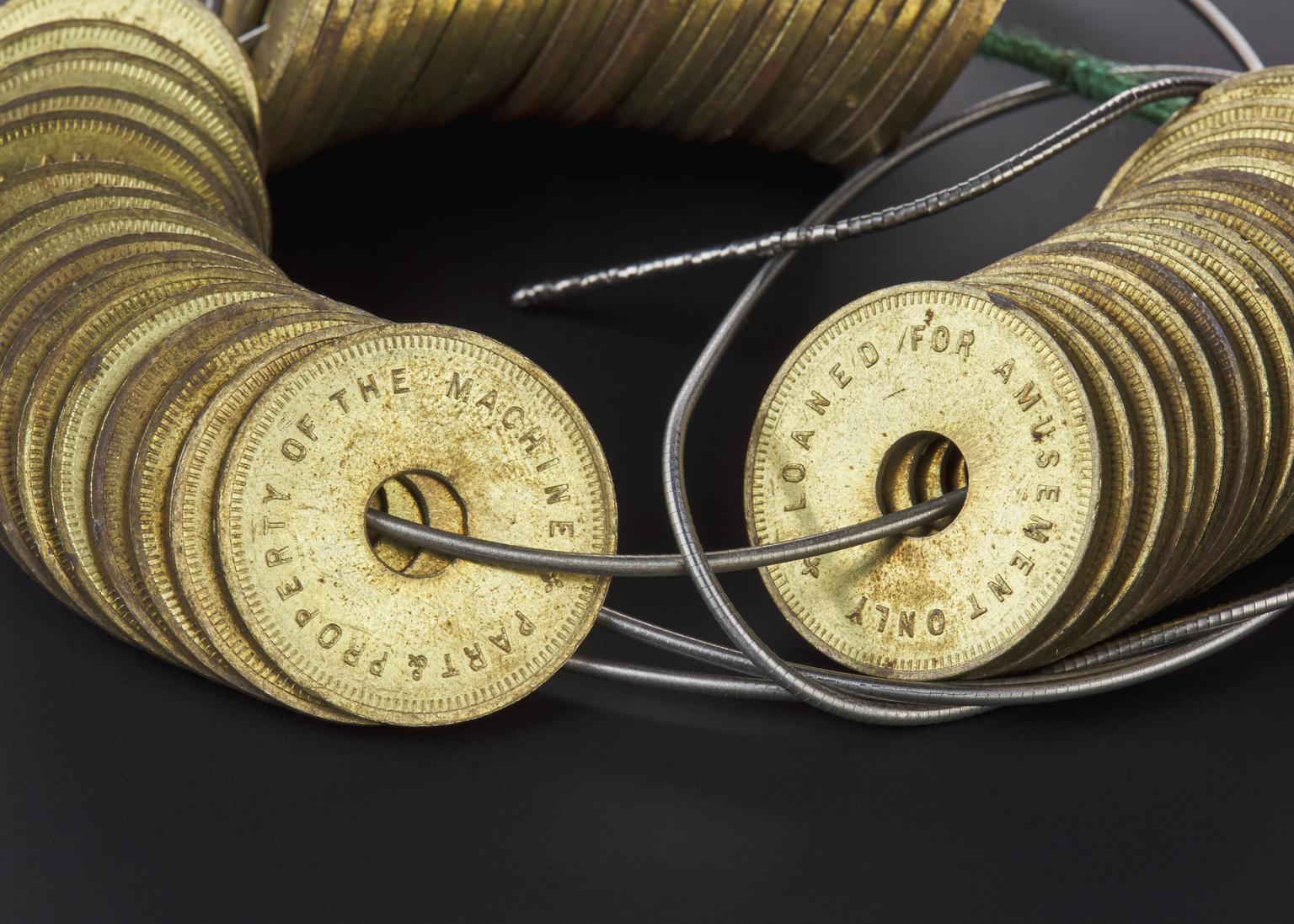
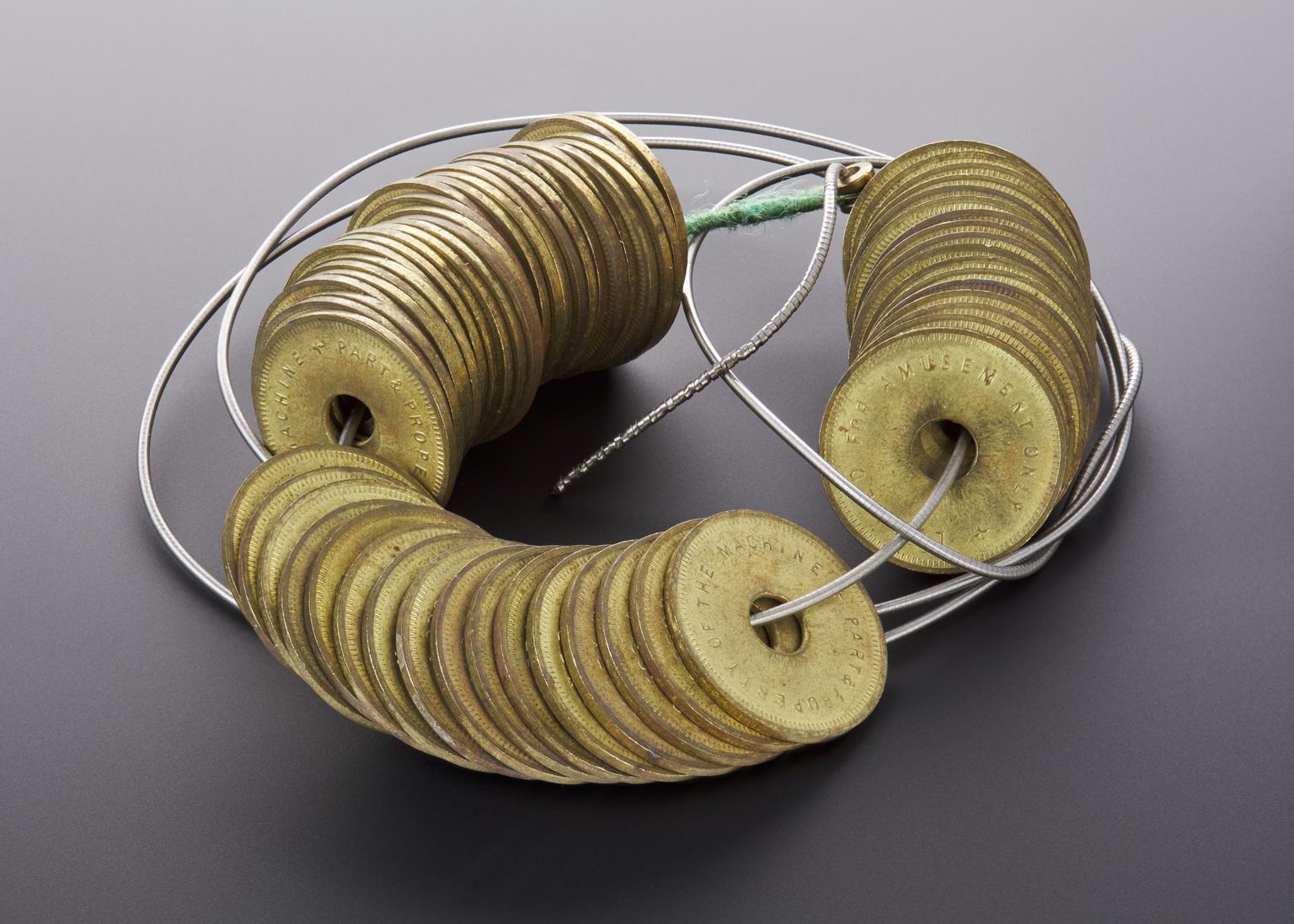
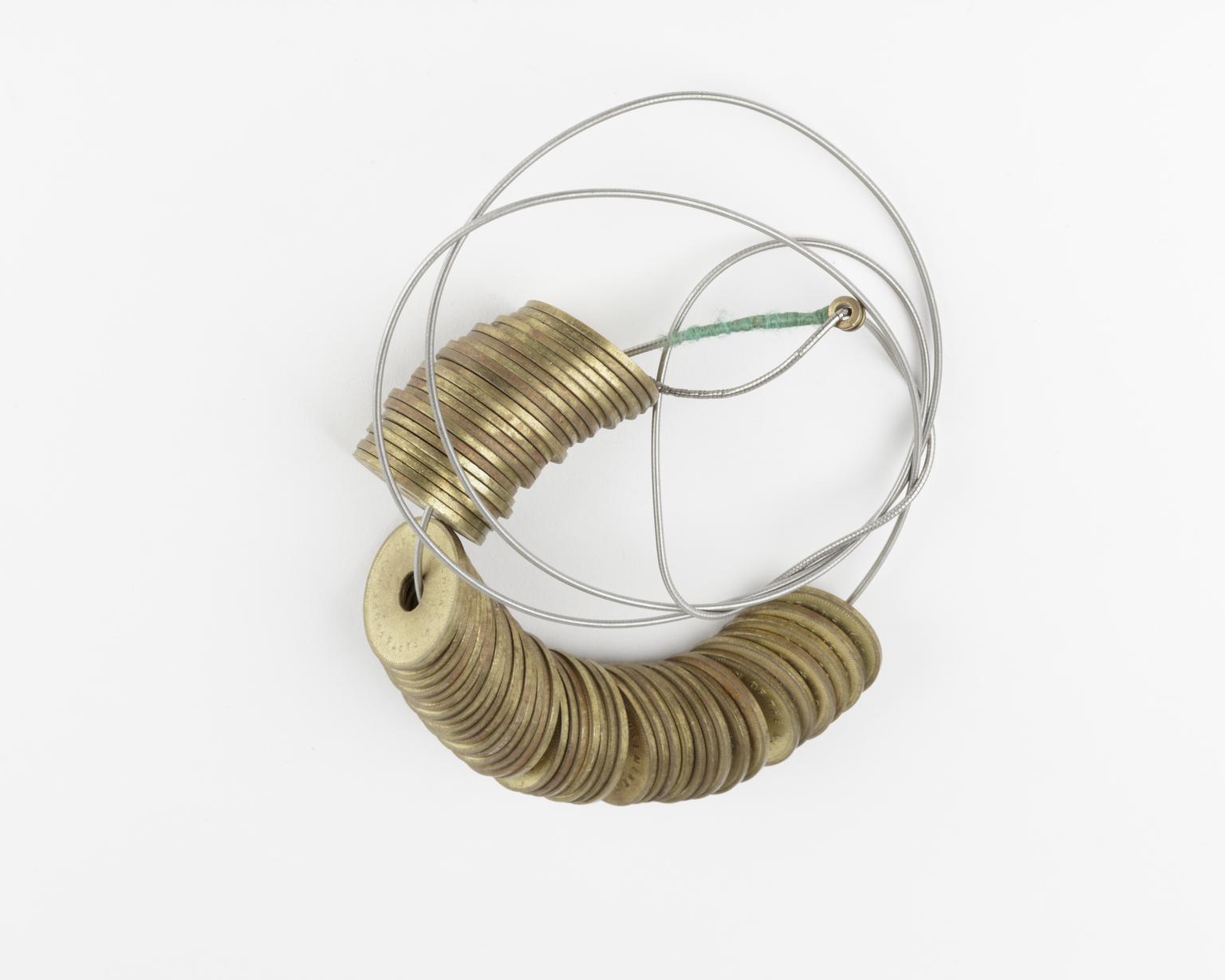
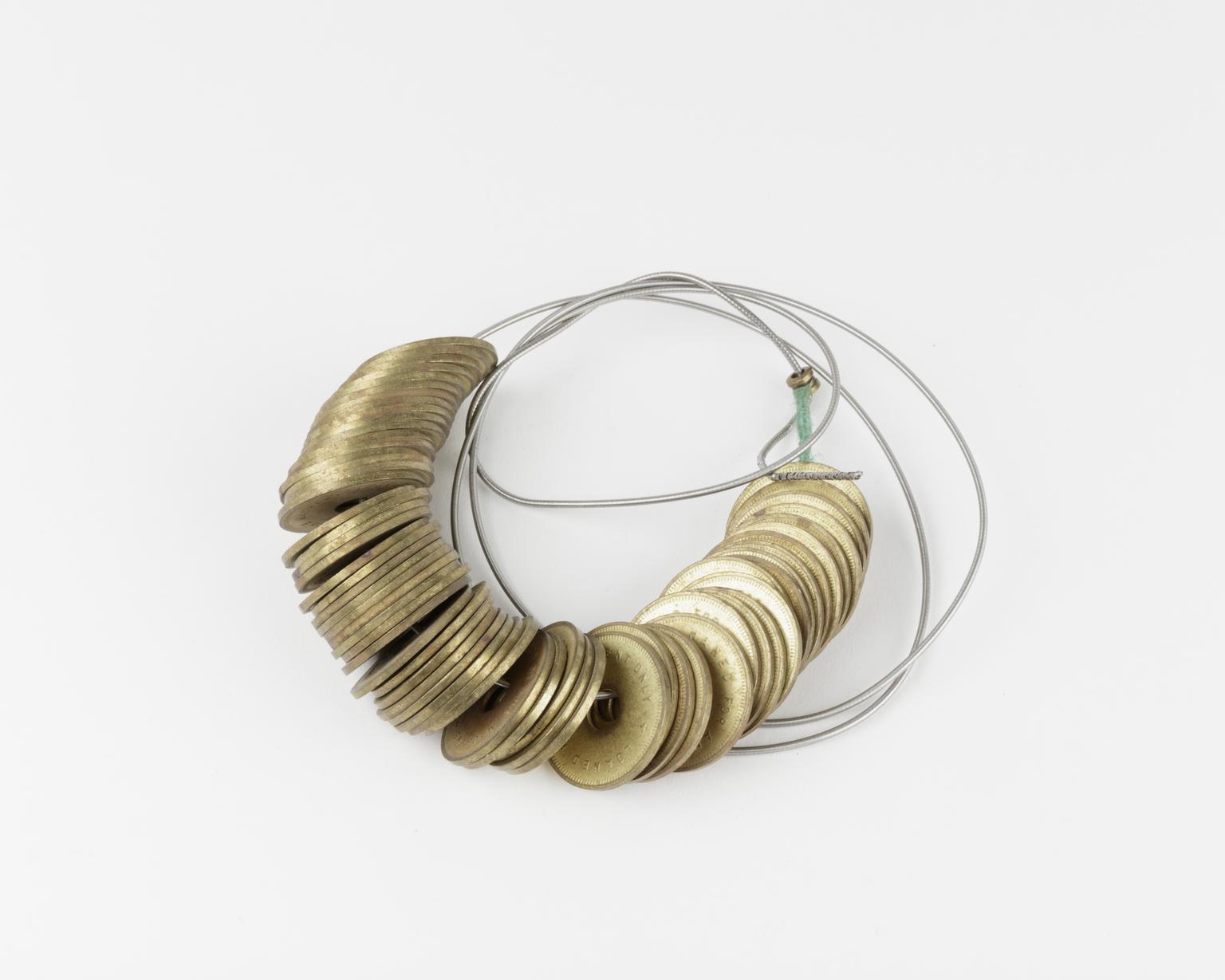
Metal discs on wire used in BBC Radiophonic Workshop
Metal discs on wire, possibly arcade tokens. Part of BBC Radiophonic Workshop collection.
More
This item is part of the objects and instruments used by BBC’s pioneer music studio, the Radiophonic Workshop which operated between 1958 to 1998. Known for creating strange new sounds by using synthesizers, manipulating sound, and using everyday objects, the Radiophonic Workshop created over 100 musical pieces, with Doctor Who’s theme by Delia Derbyshire being their most famous one. Due to their constrained budget, they used all sorts of objects to make their soundscapes from more traditional ones like tambourines and bells, to chopsticks, lamps, and metal spirals.
The BBC Radiophonic Workshop was one of the sound effects units of the BBC, created in 1958 to produce incidental sounds and new music for radio and, later, television. The unit is known for its experimental and pioneering work in electronic music and music technology, as well as its popular scores for programs such as Doctor Who and Quatermass and the Pit during the 1950s and 1960s.
The original Radiophonic Workshop was based in the BBC's Maida Vale Studios in Delaware Road, Maida Vale, London. The Workshop was closed in March 1998, although much of its traditional work had already been outsourced by 1995. Its members included Daphne Oram, Delia Derbyshire, David Cain, John Baker, Paddy Kingsland, Glynis Jones, Maddalena Fagandini and Richard Yeoman-Clark.
Measurements:
overall lying flat: 25 mm x 110 mm x 240 mm, 530 g
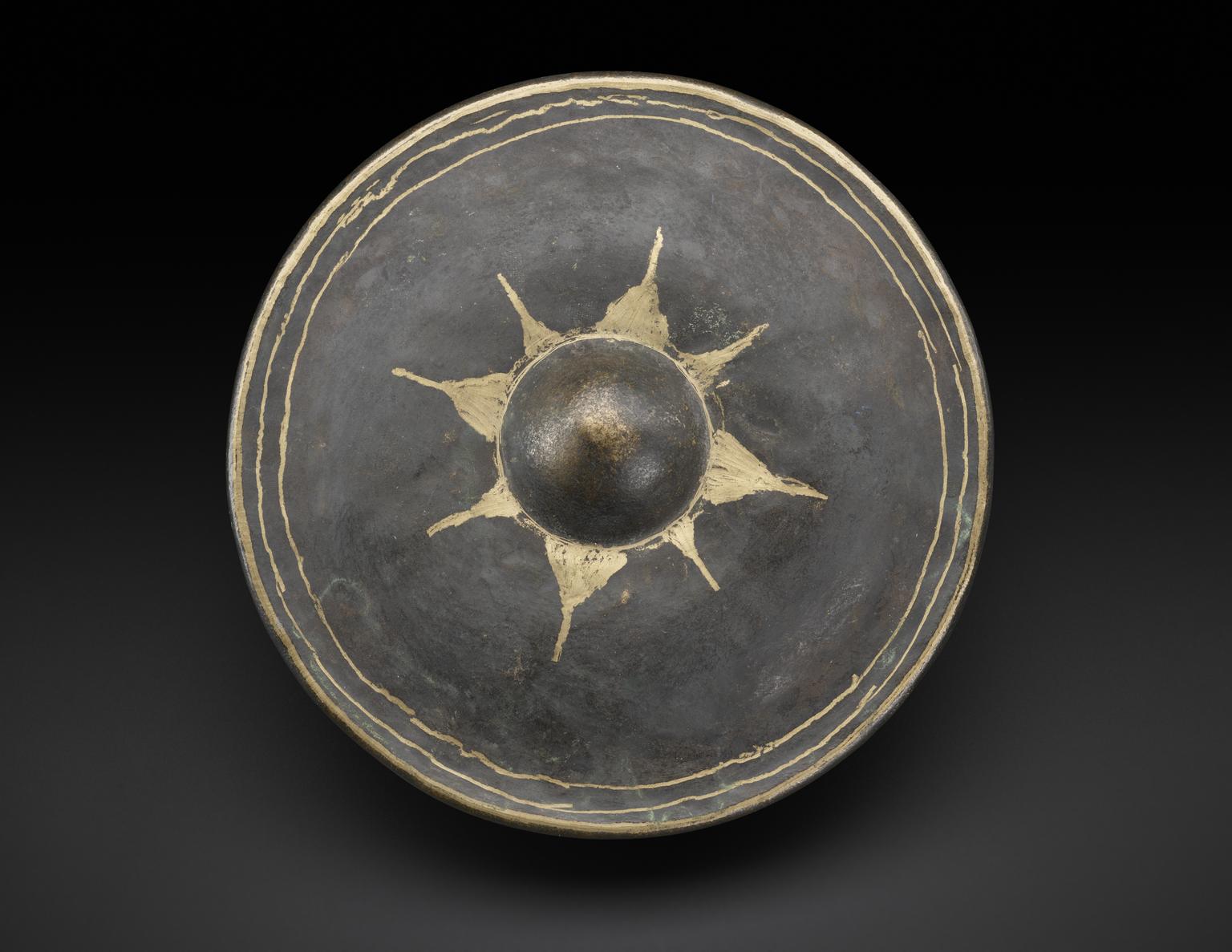
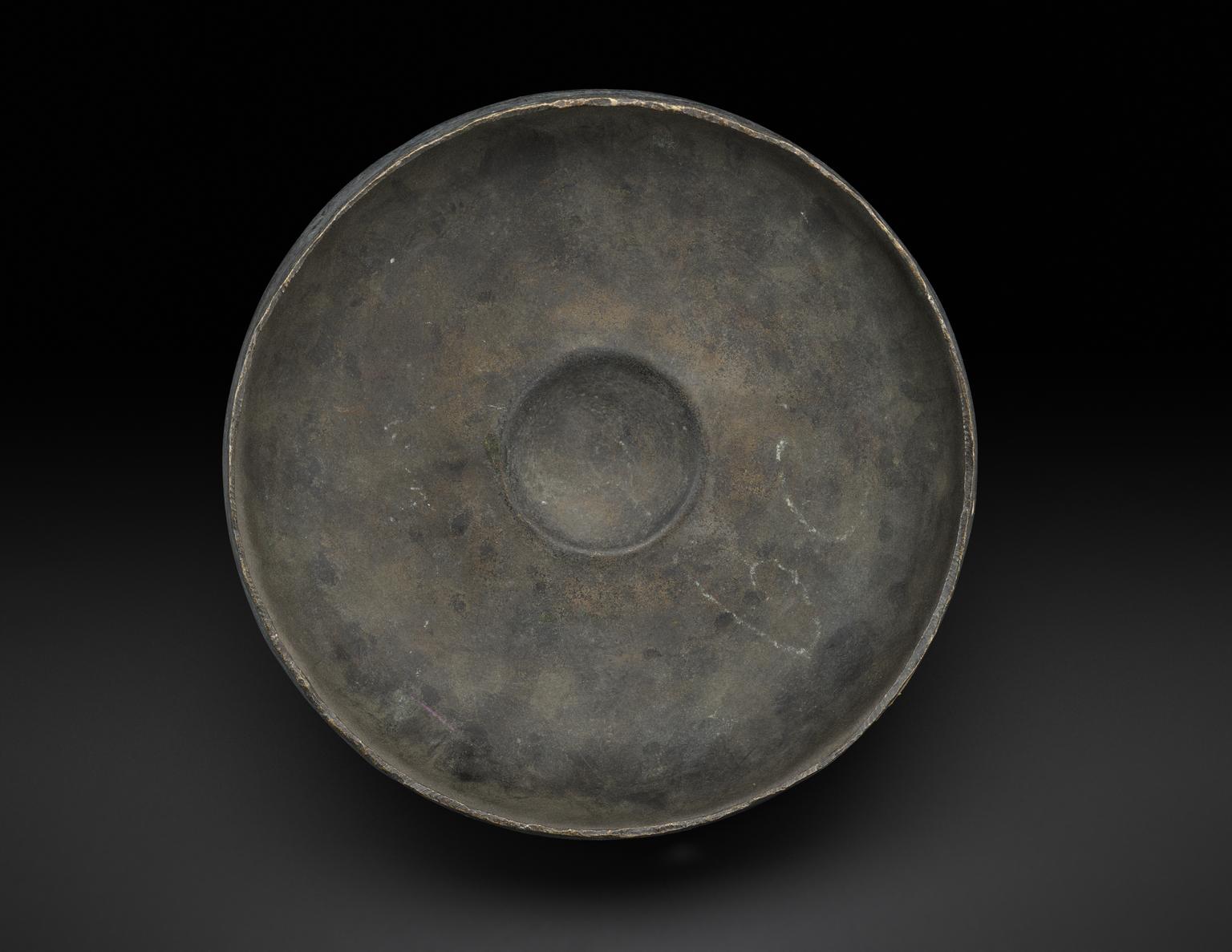
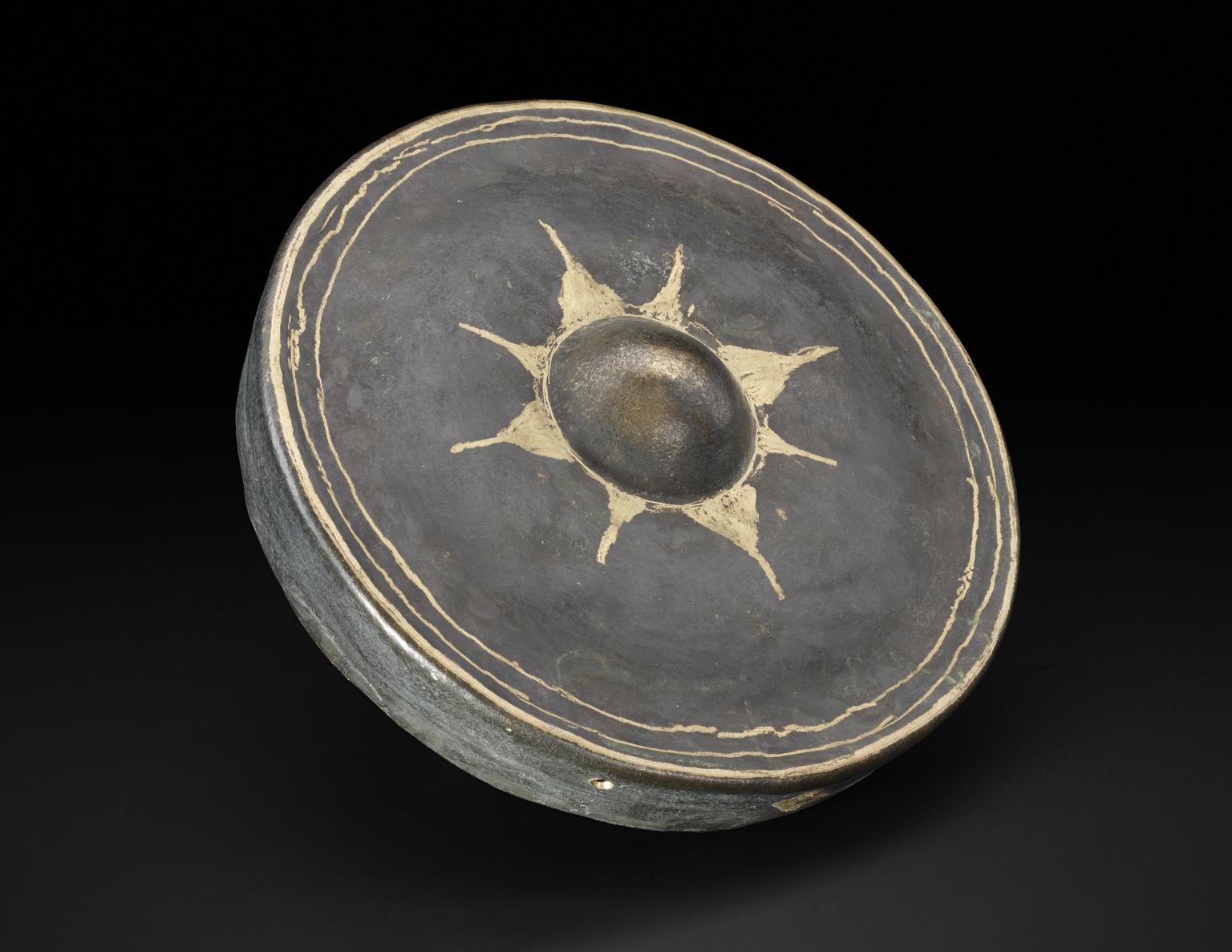
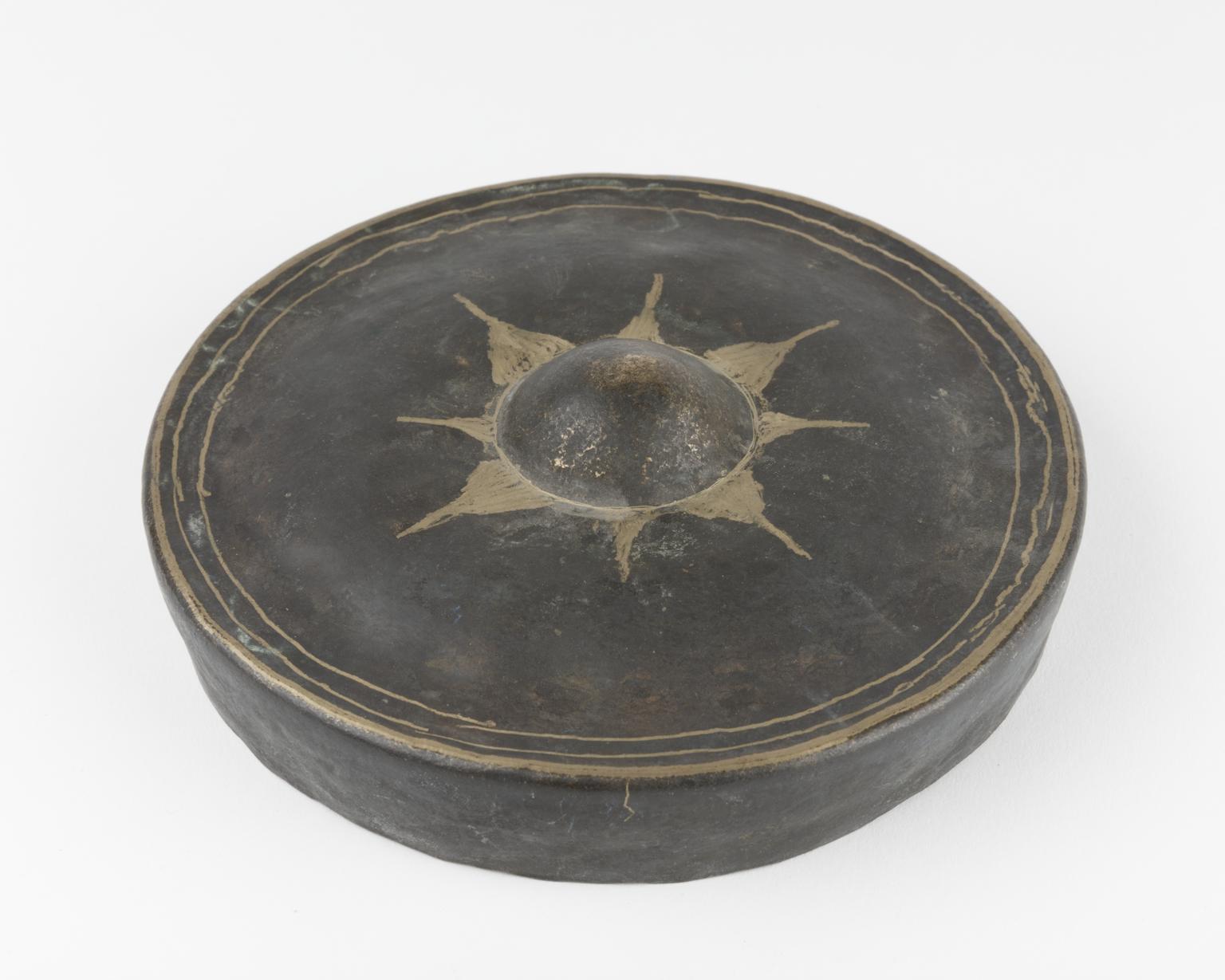
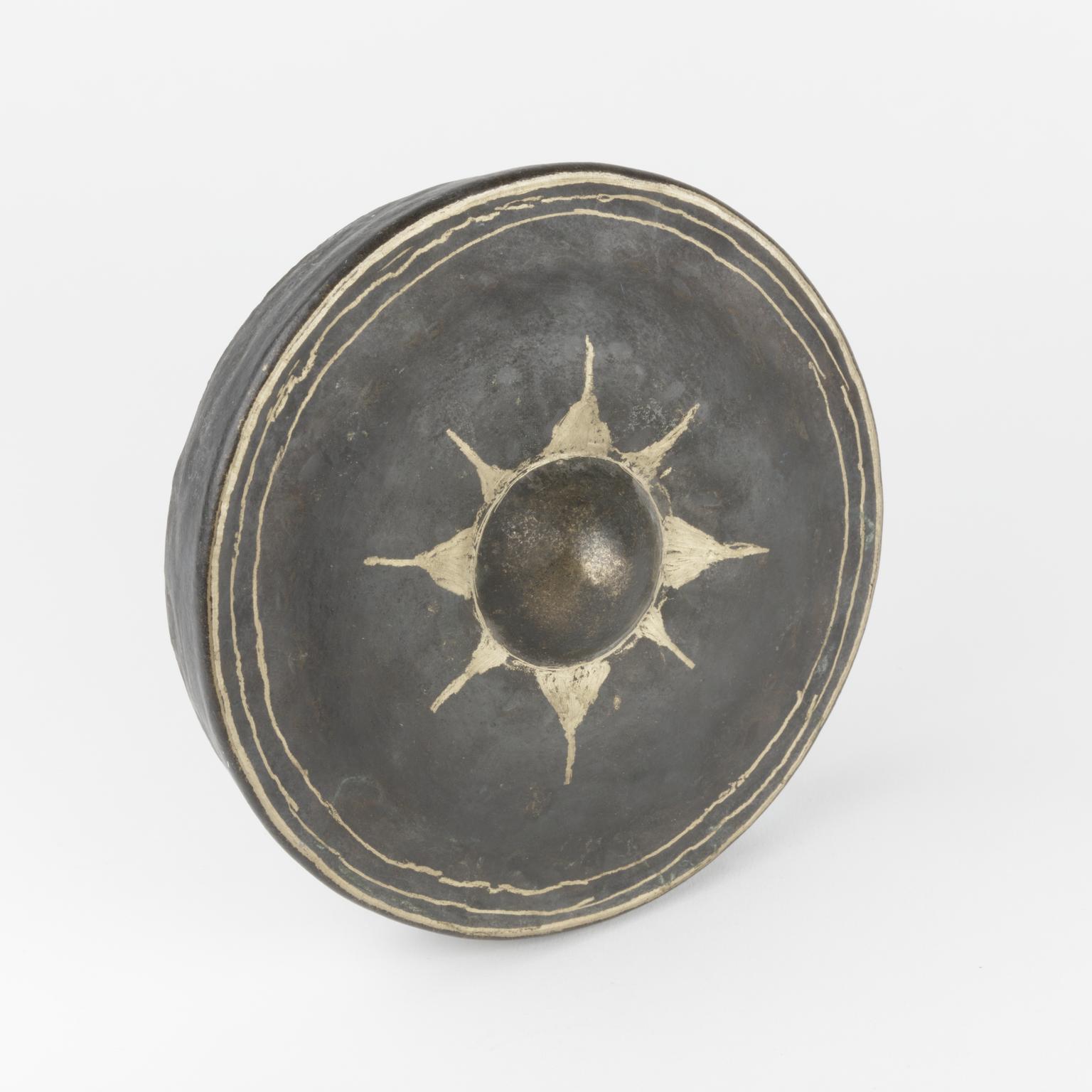
Small metal gong. Part of BBC Radiophonic Workshop collection.
More
This item is part of the objects and instruments used by BBC’s pioneer music studio, the Radiophonic Workshop which operated between 1958 to 1998. Known for creating strange new sounds by using synthesizers, manipulating sound, and using everyday objects, the Radiophonic Workshop created over 100 musical pieces, with Doctor Who’s theme by Delia Derbyshire being their most famous one. Due to their constrained budget, they used all sorts of objects to make their soundscapes from more traditional ones like tambourines and bells, to chopsticks, lamps, and metal spirals.
The BBC Radiophonic Workshop was one of the sound effects units of the BBC, created in 1958 to produce incidental sounds and new music for radio and, later, television. The unit is known for its experimental and pioneering work in electronic music and music technology, as well as its popular scores for programs such as Doctor Who and Quatermass and the Pit during the 1950s and 1960s.
The original Radiophonic Workshop was based in the BBC's Maida Vale Studios in Delaware Road, Maida Vale, London. The Workshop was closed in March 1998, although much of its traditional work had already been outsourced by 1995. Its members included Daphne Oram, Delia Derbyshire, David Cain, John Baker, Paddy Kingsland, Glynis Jones, Maddalena Fagandini and Richard Yeoman-Clark.
Guitar strings and finger cymbals used in BBC Radiophonic Workshop
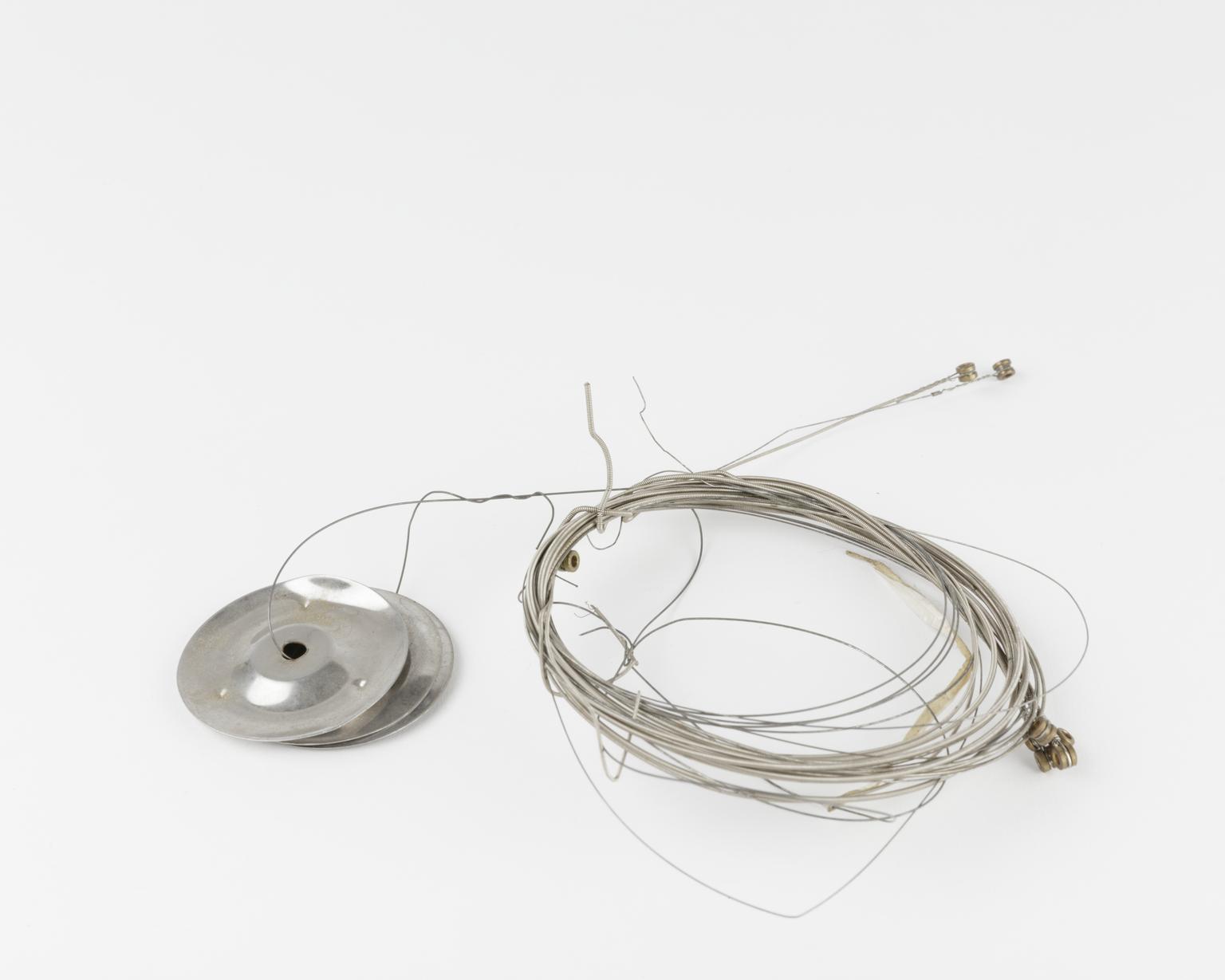
Guitar strings with finger cymbals. Part of BBC Radiophonic Workshop collection.
More
This item is part of the objects and instruments used by BBC’s pioneer music studio, the Radiophonic Workshop which operated between 1958 to 1998. Known for creating strange new sounds by using synthesizers, manipulating sound, and using everyday objects, the Radiophonic Workshop created over 100 musical pieces, with Doctor Who’s theme by Delia Derbyshire being their most famous one. Due to their constrained budget, they used all sorts of objects to make their soundscapes from more traditional ones like tambourines and bells, to chopsticks, lamps, and metal spirals.
The BBC Radiophonic Workshop was one of the sound effects units of the BBC, created in 1958 to produce incidental sounds and new music for radio and, later, television. The unit is known for its experimental and pioneering work in electronic music and music technology, as well as its popular scores for programs such as Doctor Who and Quatermass and the Pit during the 1950s and 1960s.
The original Radiophonic Workshop was based in the BBC's Maida Vale Studios in Delaware Road, Maida Vale, London. The Workshop was closed in March 1998, although much of its traditional work had already been outsourced by 1995. Its members included Daphne Oram, Delia Derbyshire, David Cain, John Baker, Paddy Kingsland, Glynis Jones, Maddalena Fagandini and Richard Yeoman-Clark.
The Board of Trustees of the Science Museum, London
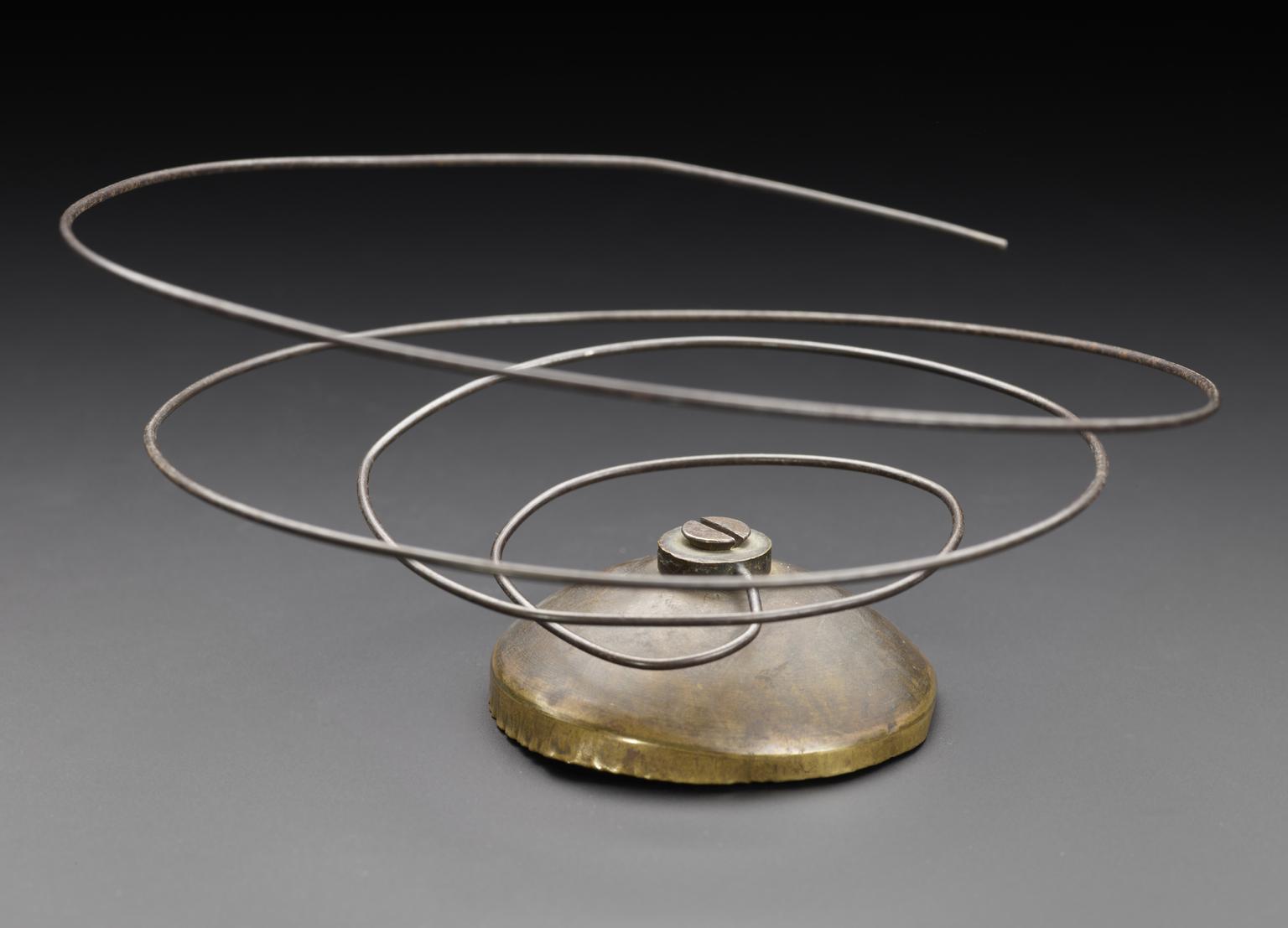
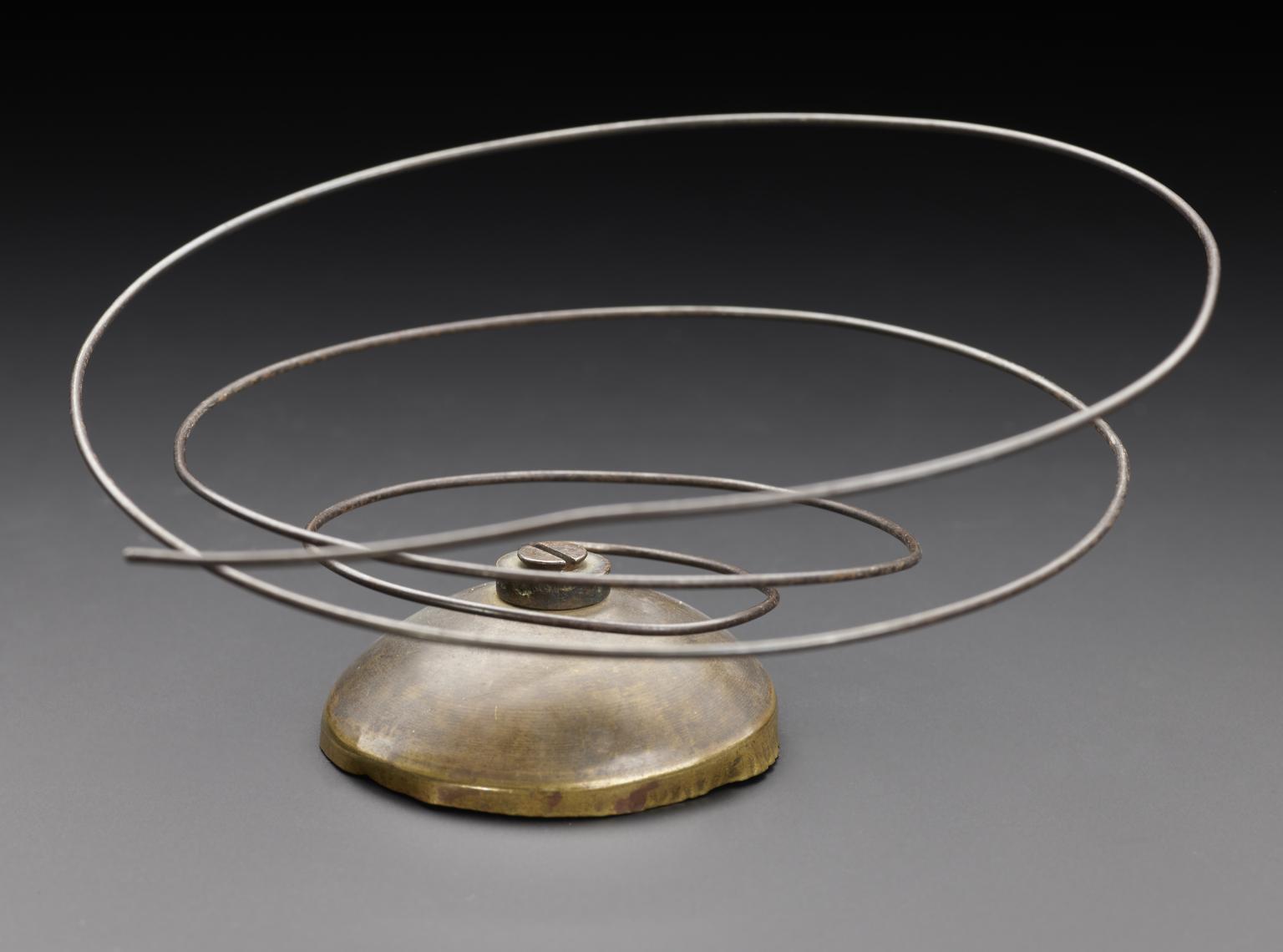
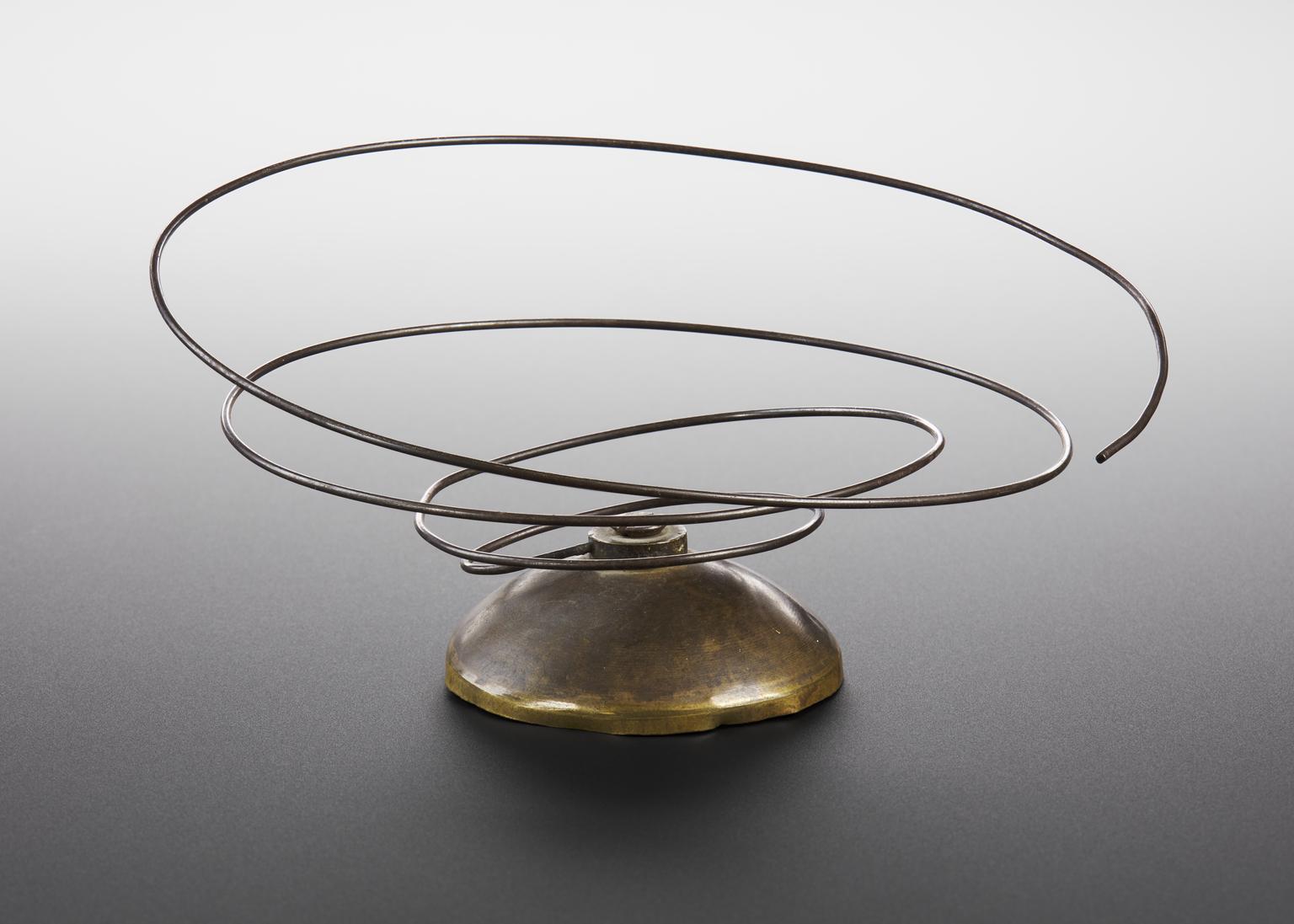
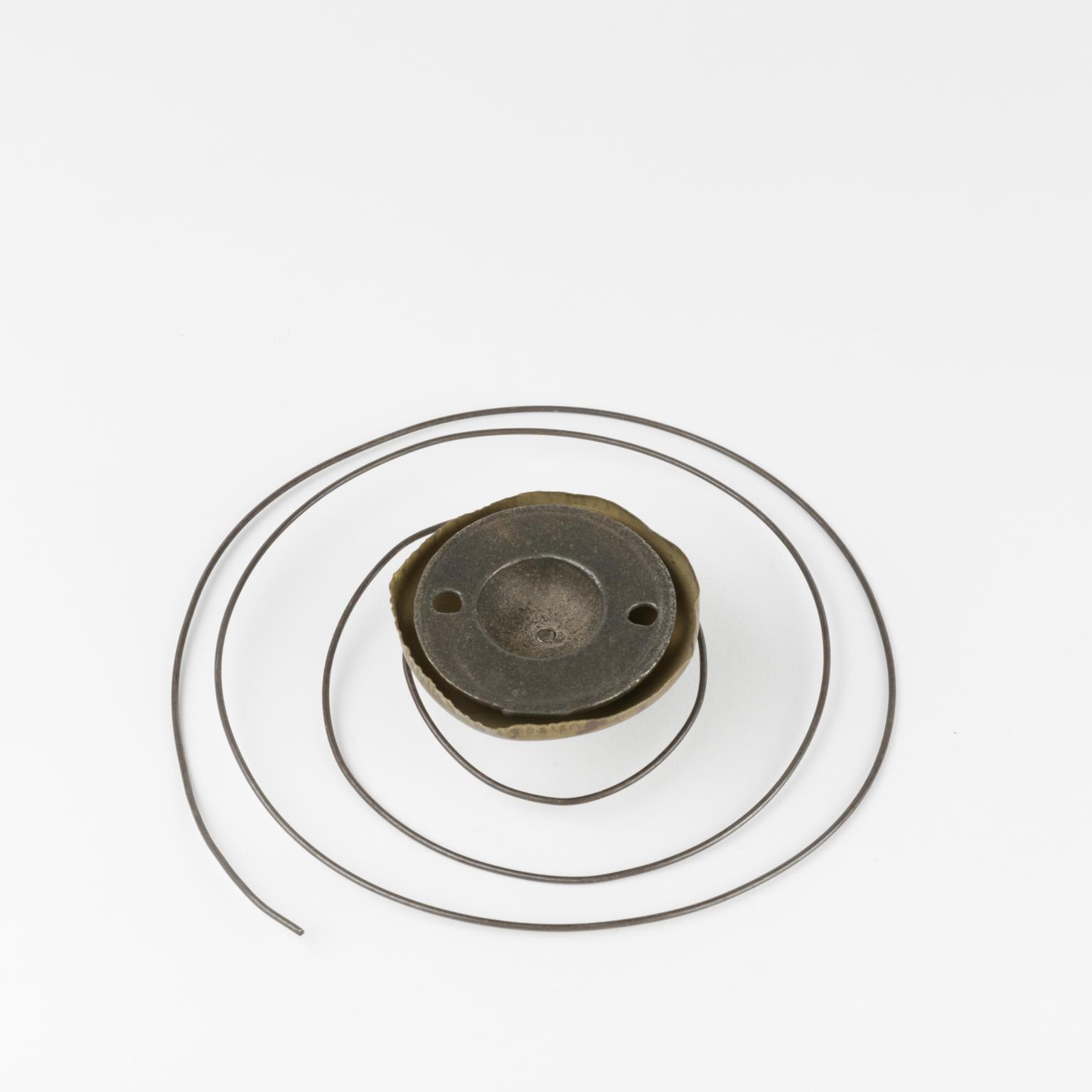
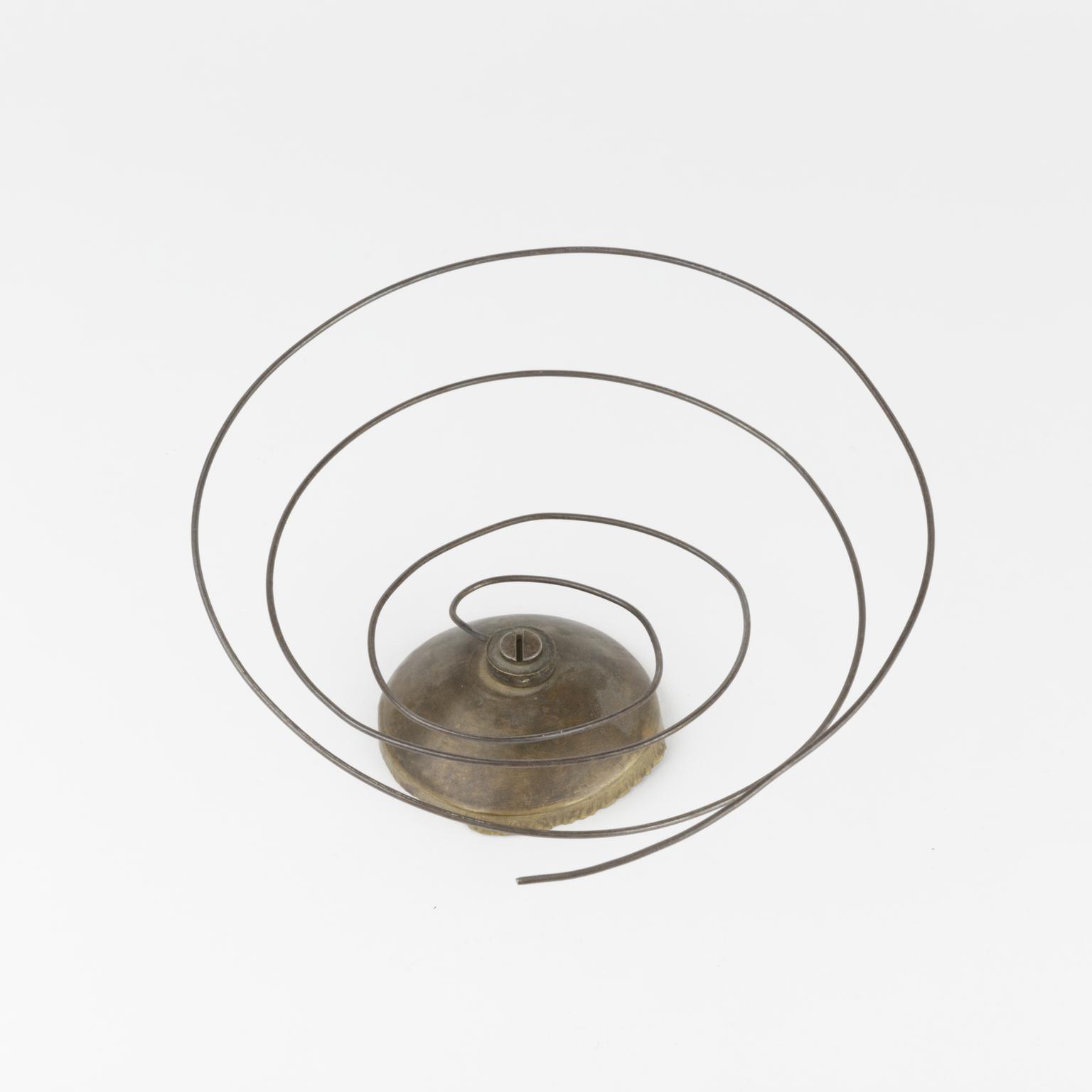
Spiral metal wire used in BBC Radiophonic Workshop
Spiral metal wire on domed metal base. Part of BBC Radiophonic Workshop collection.
More
This item is part of the objects and instruments used by BBC’s pioneer music studio, the Radiophonic Workshop which operated between 1958 to 1998. Known for creating strange new sounds by using synthesizers, manipulating sound, and using everyday objects, the Radiophonic Workshop created over 100 musical pieces, with Doctor Who’s theme by Delia Derbyshire being their most famous one. Due to their constrained budget, they used all sorts of objects to make their soundscapes from more traditional ones like tambourines and bells, to chopsticks, lamps, and metal spirals.
The BBC Radiophonic Workshop was one of the sound effects units of the BBC, created in 1958 to produce incidental sounds and new music for radio and, later, television. The unit is known for its experimental and pioneering work in electronic music and music technology, as well as its popular scores for programs such as Doctor Who and Quatermass and the Pit during the 1950s and 1960s.
The original Radiophonic Workshop was based in the BBC's Maida Vale Studios in Delaware Road, Maida Vale, London. The Workshop was closed in March 1998, although much of its traditional work had already been outsourced by 1995. Its members included Daphne Oram, Delia Derbyshire, David Cain, John Baker, Paddy Kingsland, Glynis Jones, Maddalena Fagandini and Richard Yeoman-Clark.


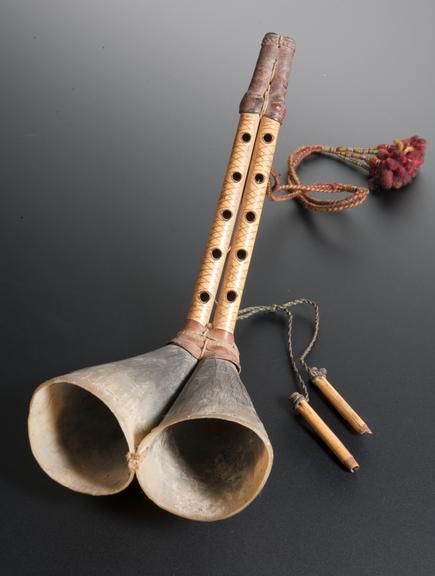
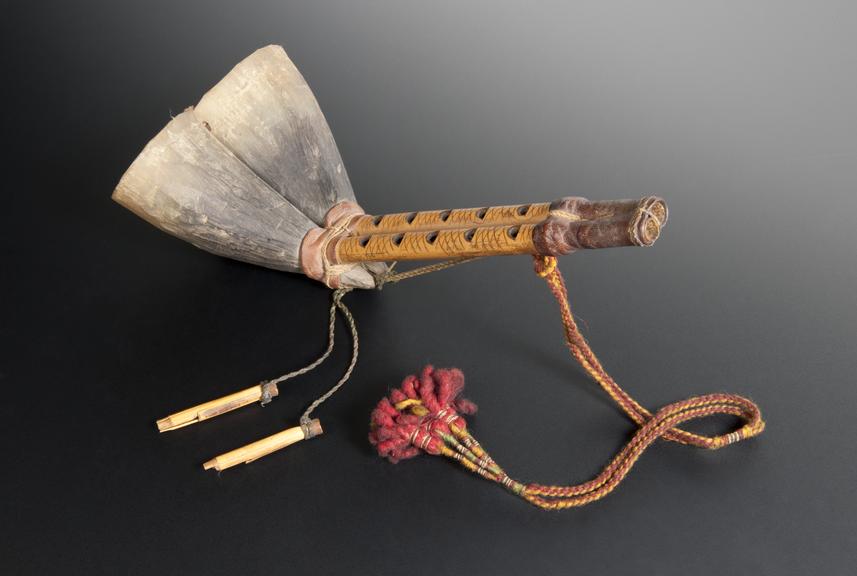
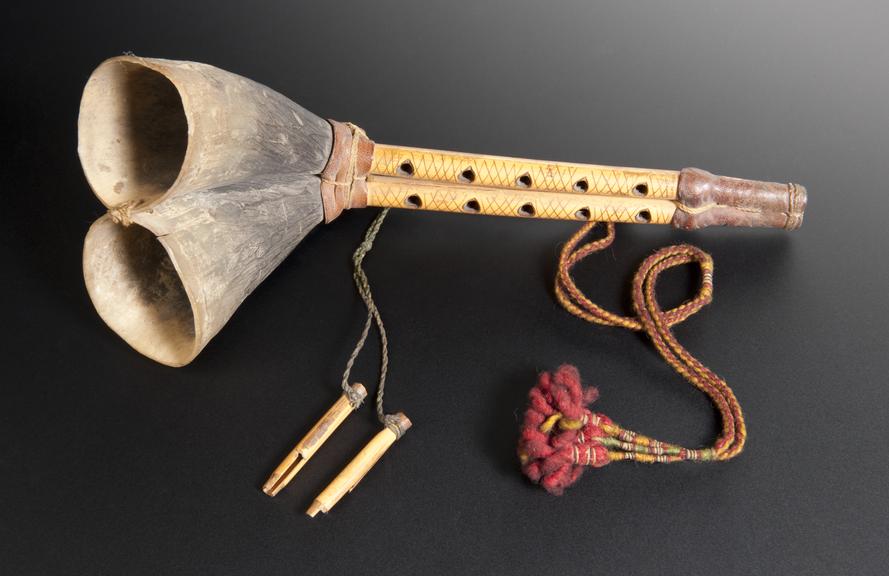
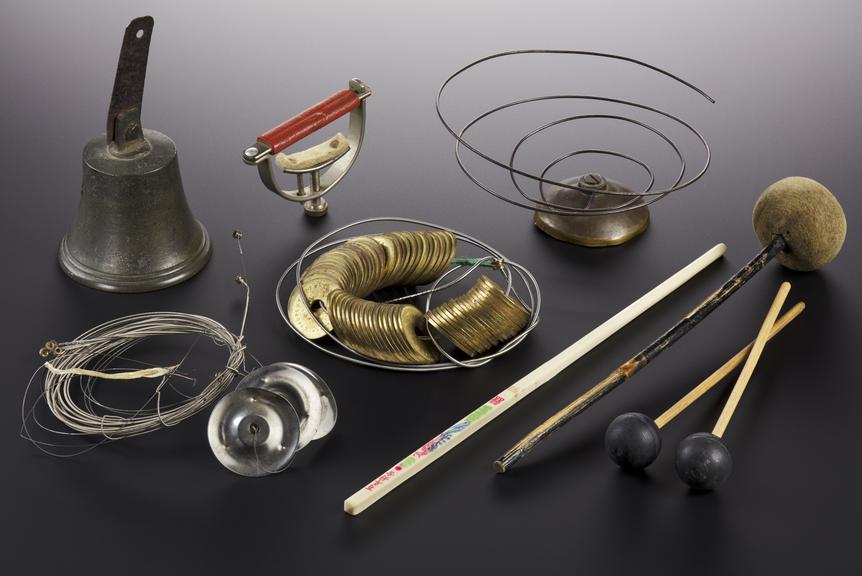
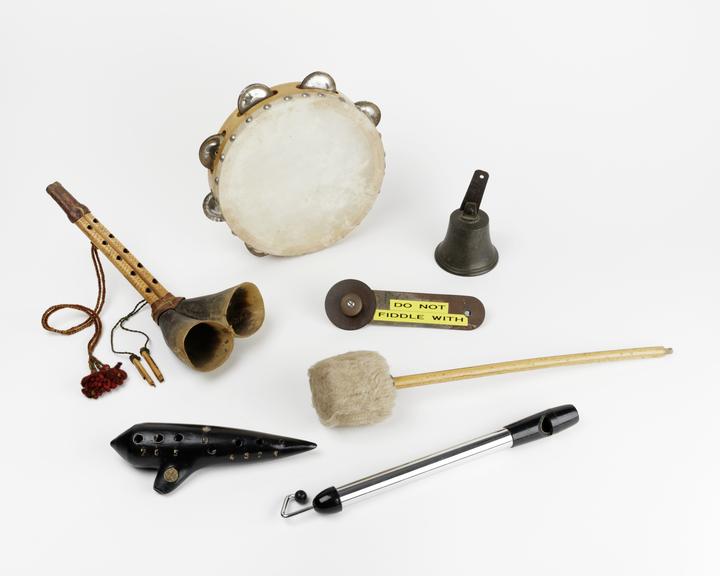
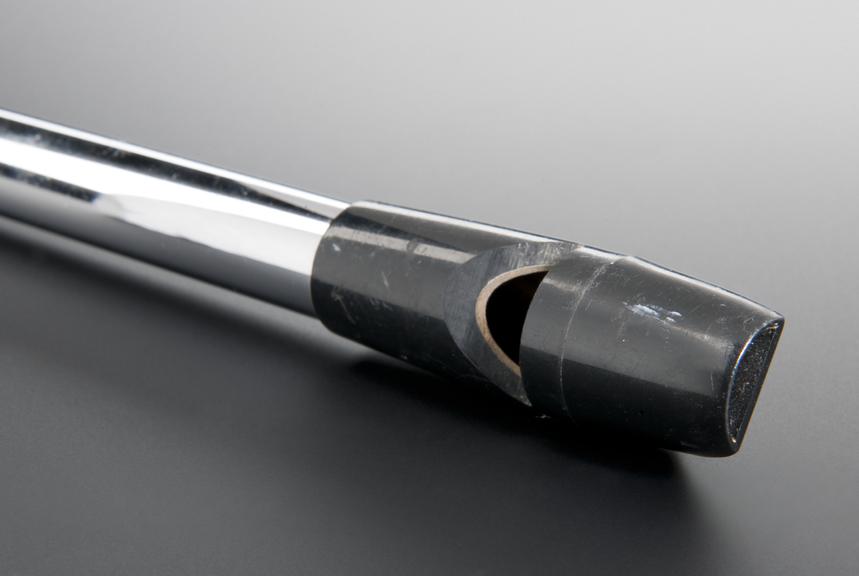
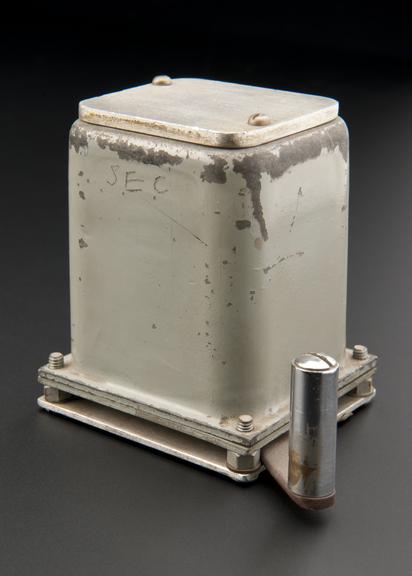
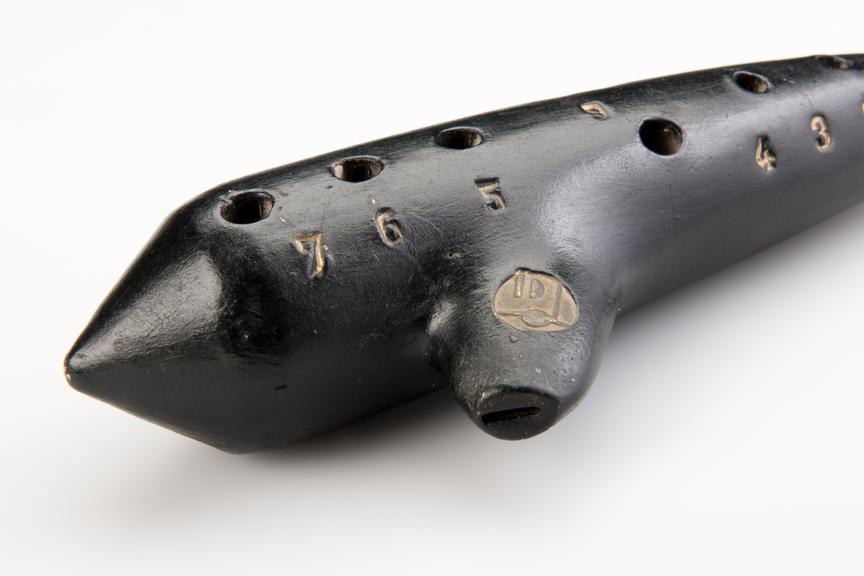
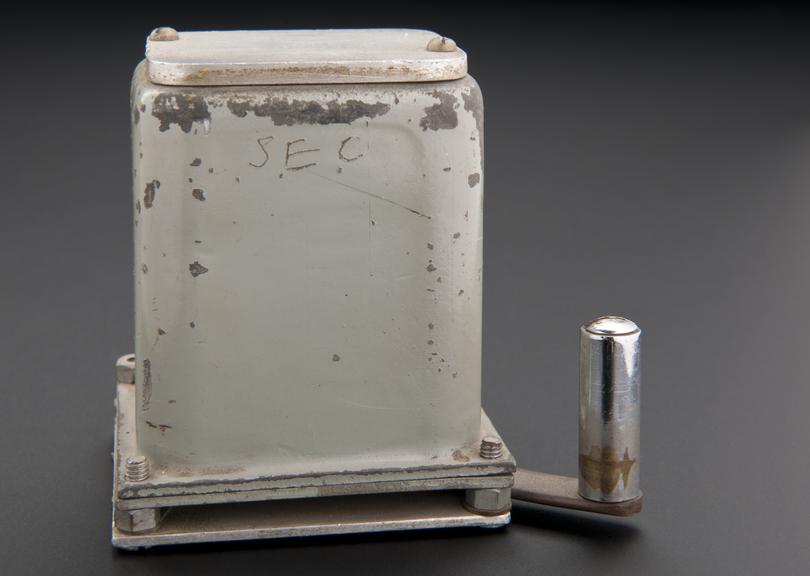
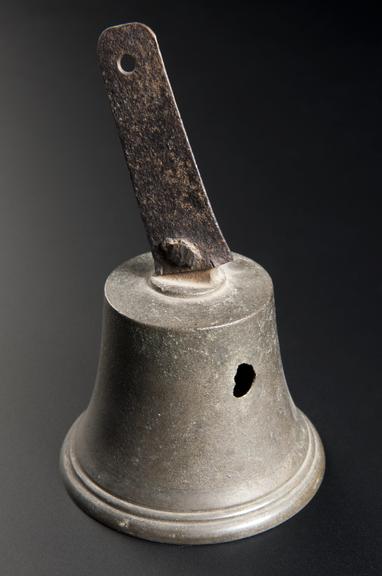
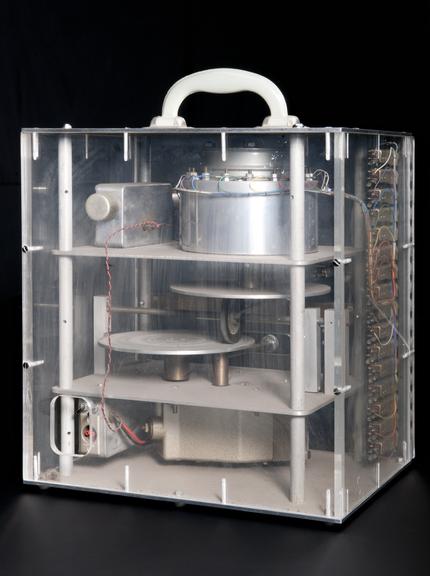
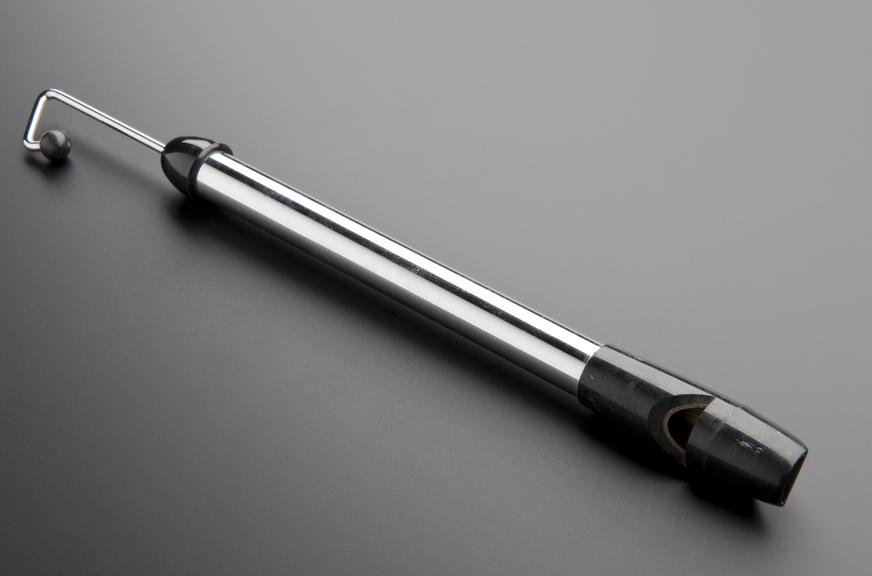
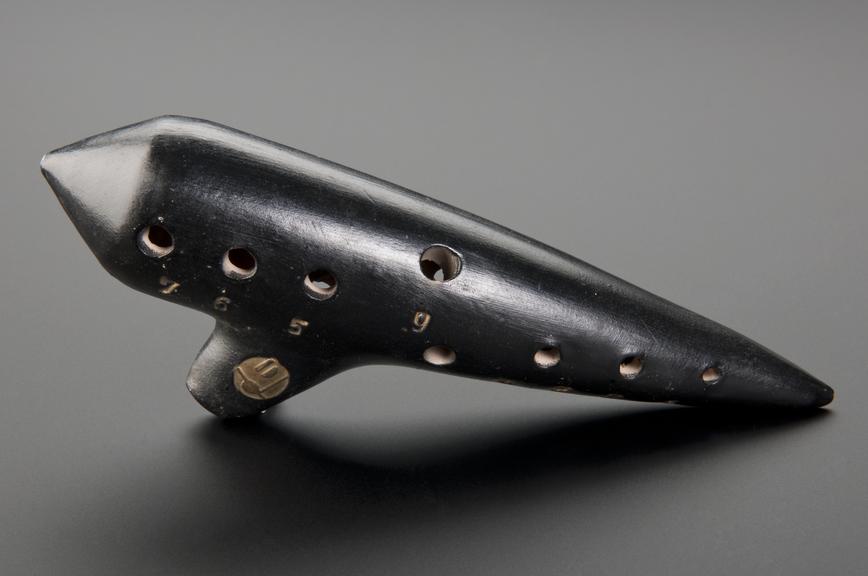
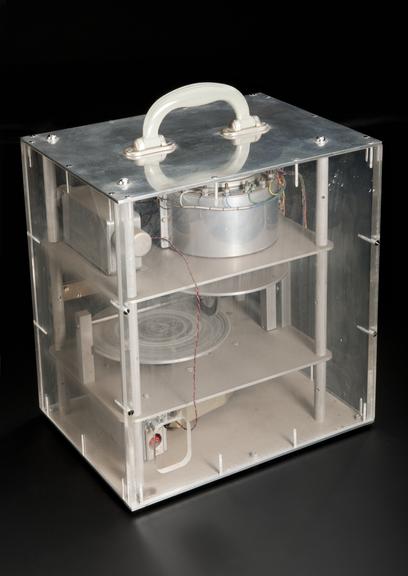
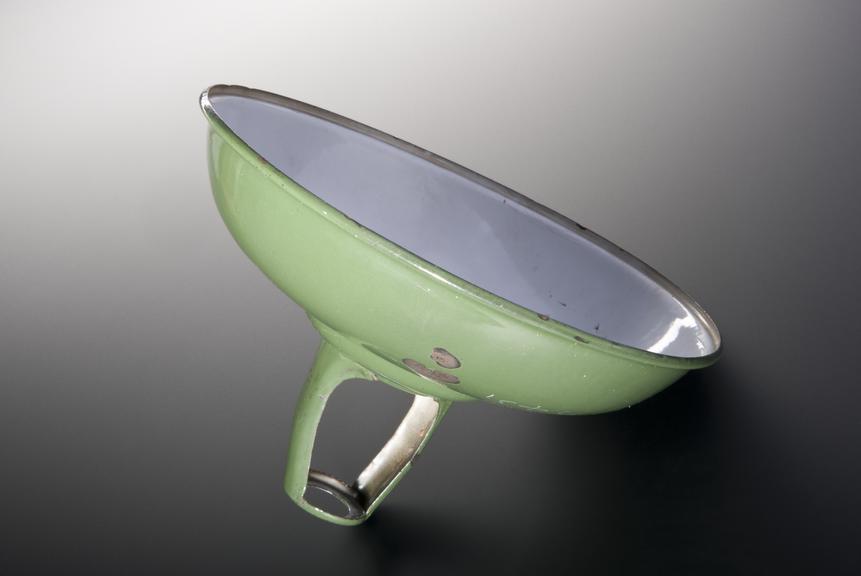
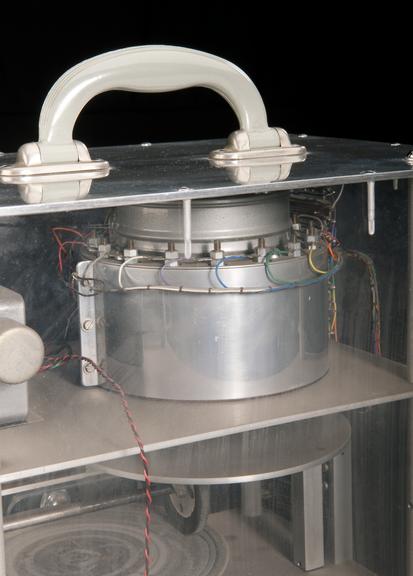
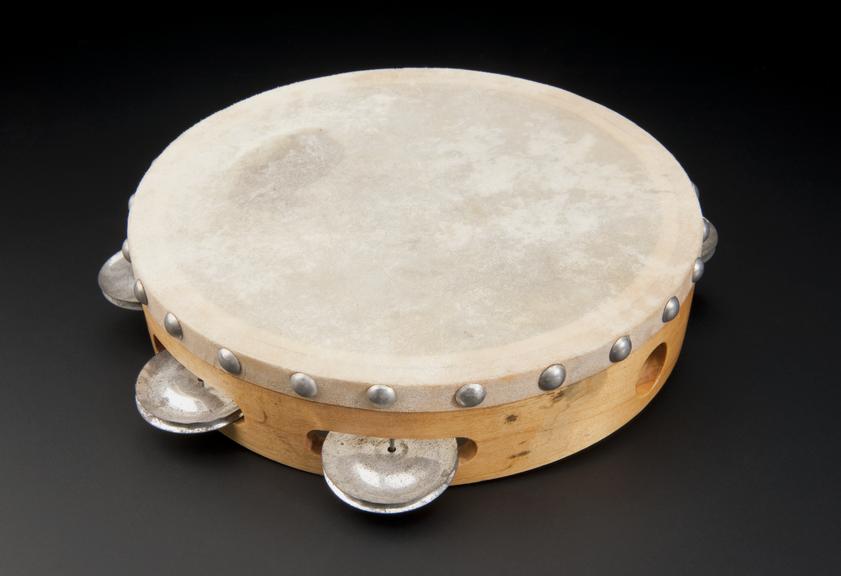
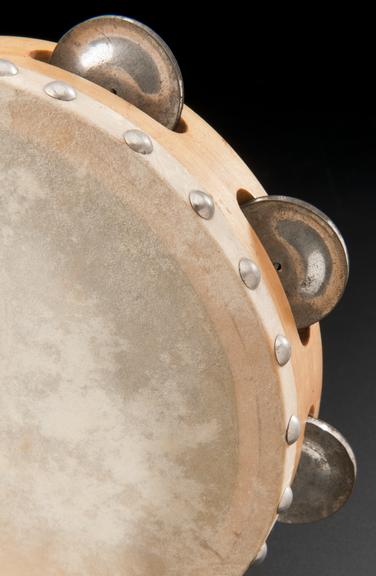
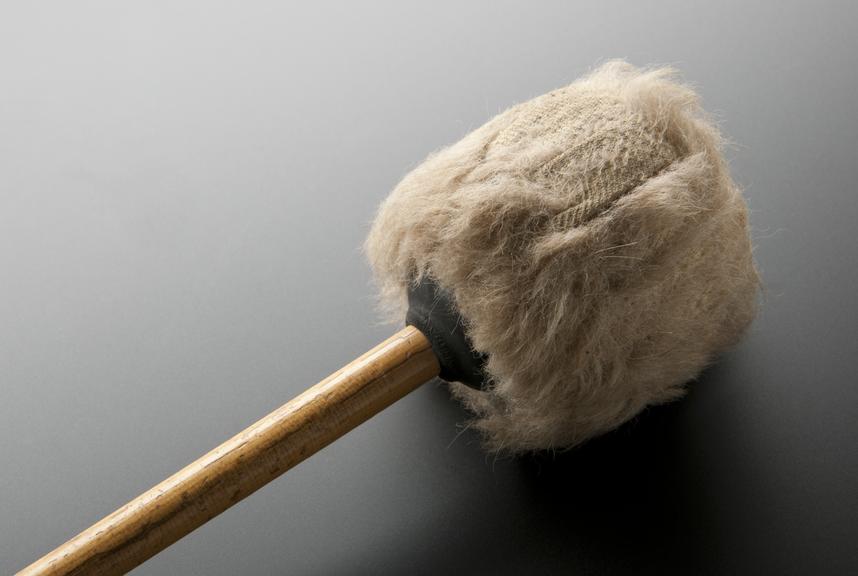
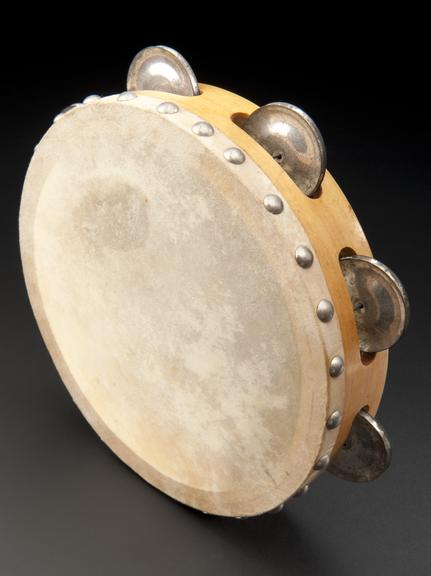
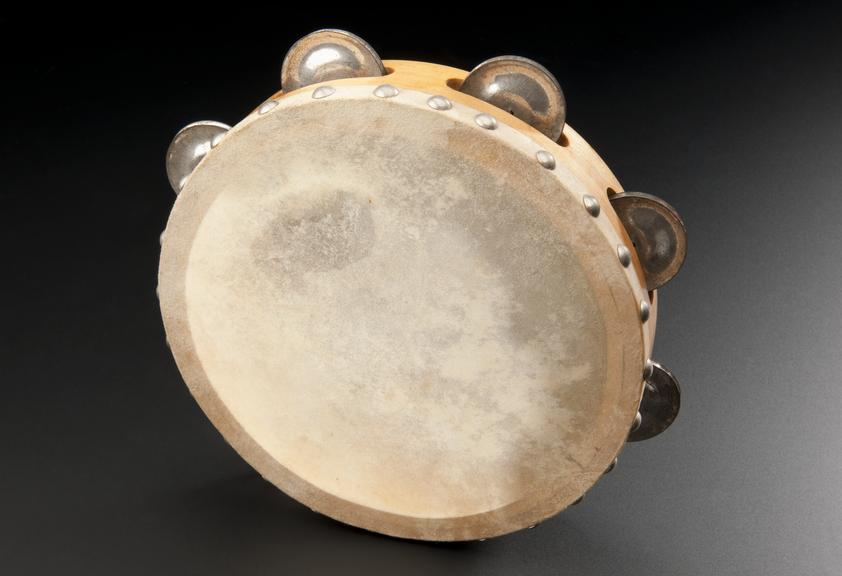
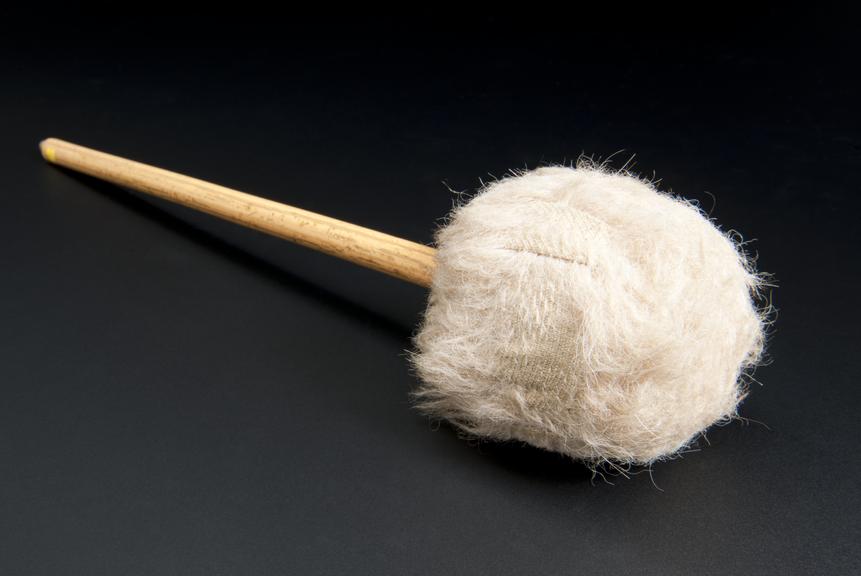
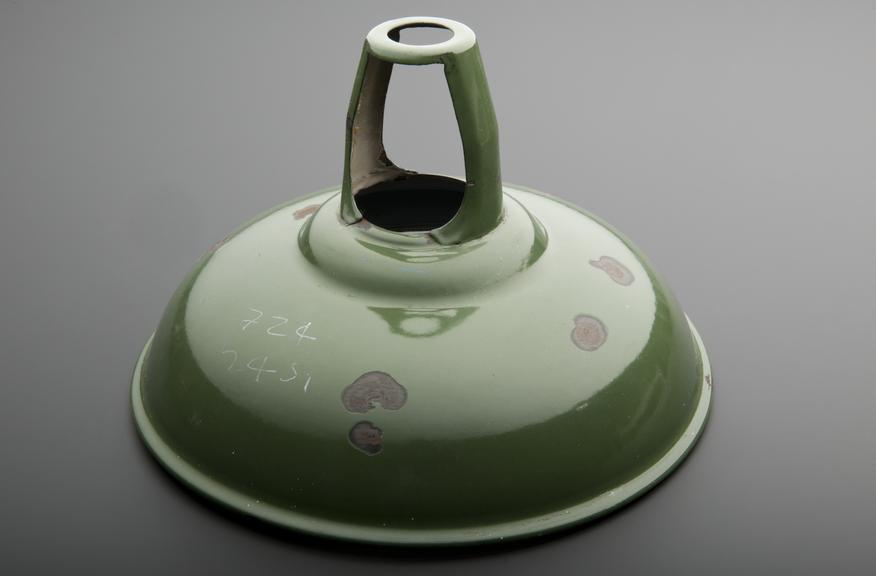
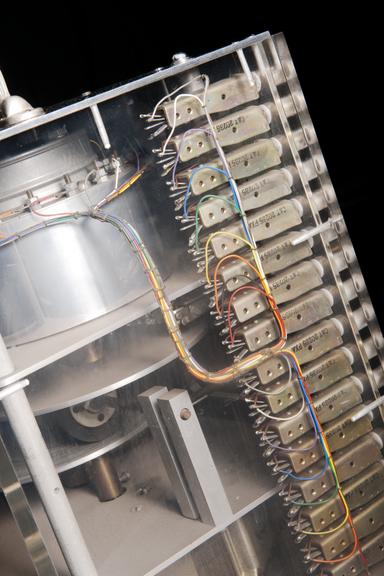
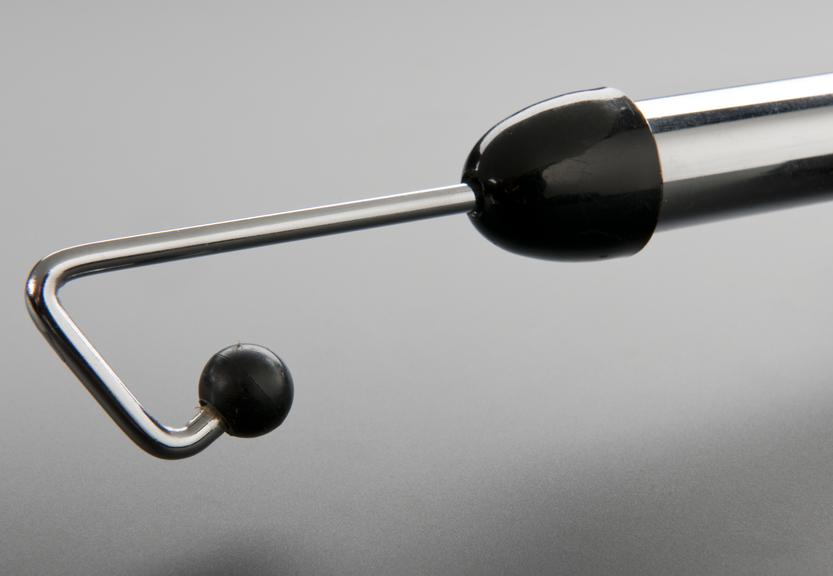
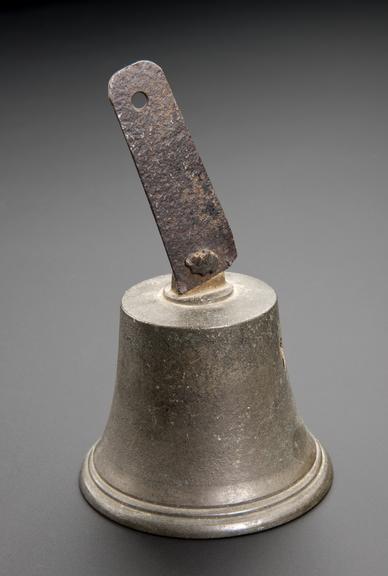
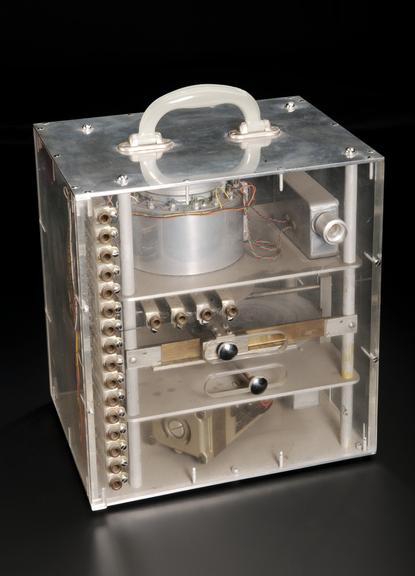
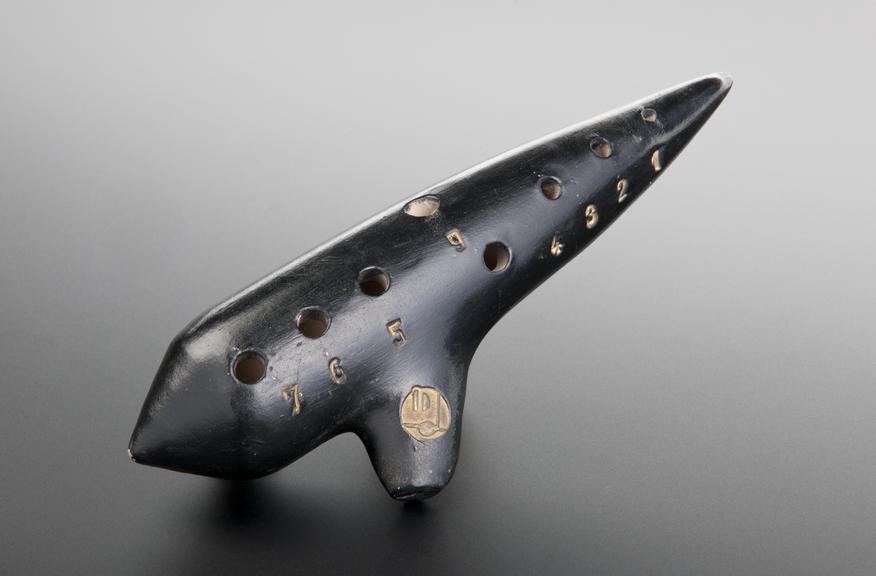
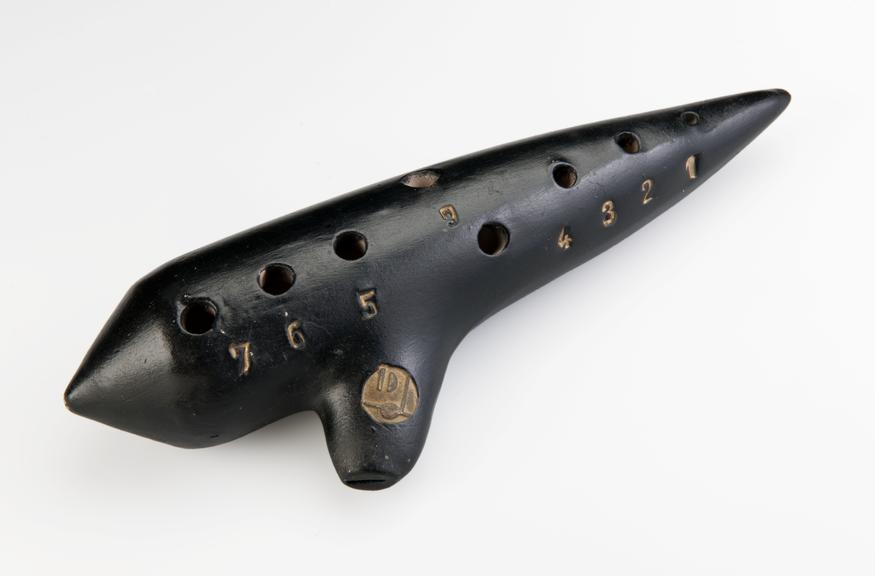
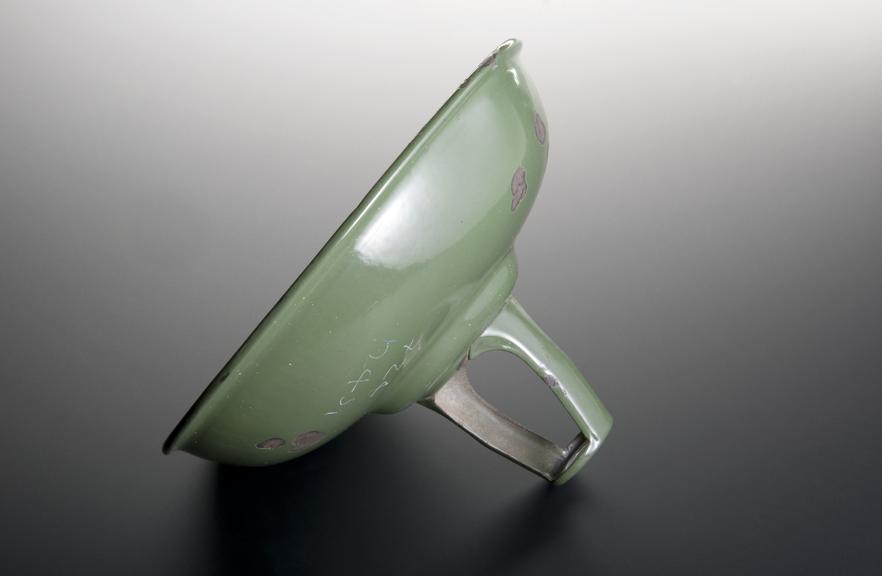
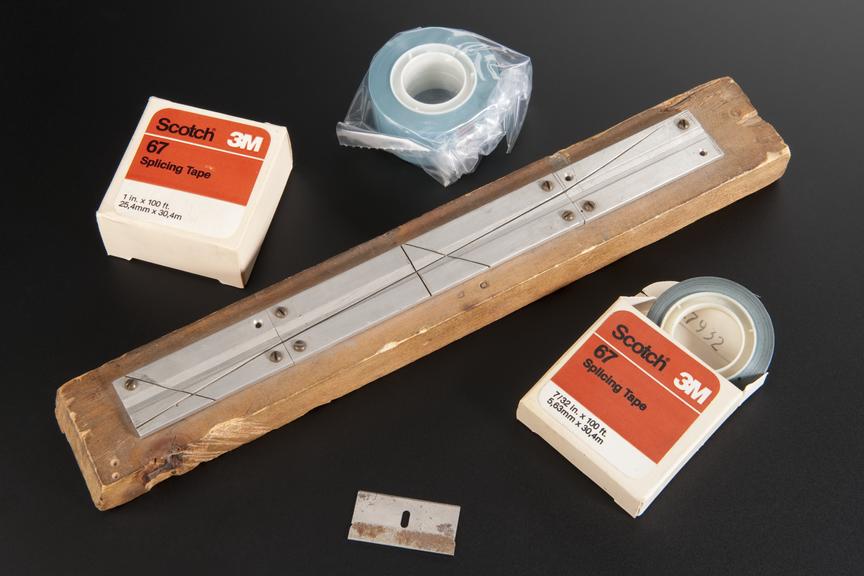
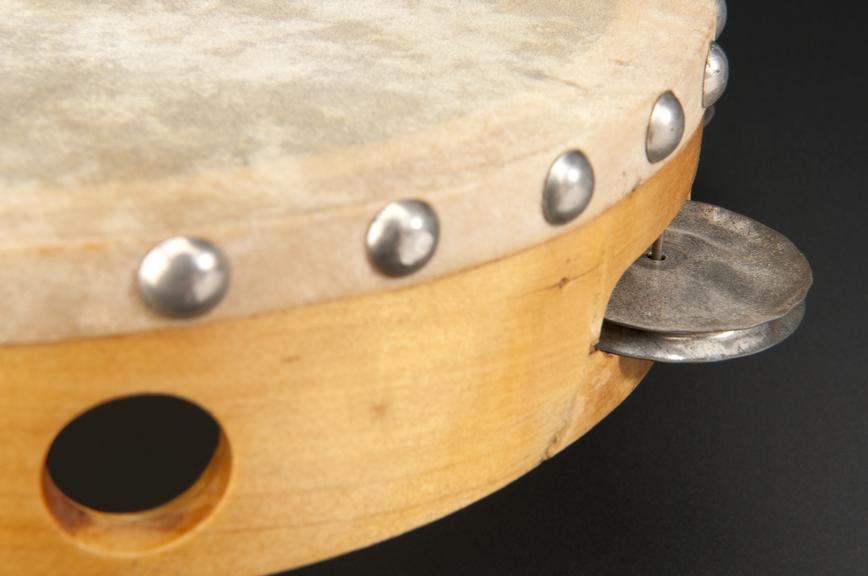
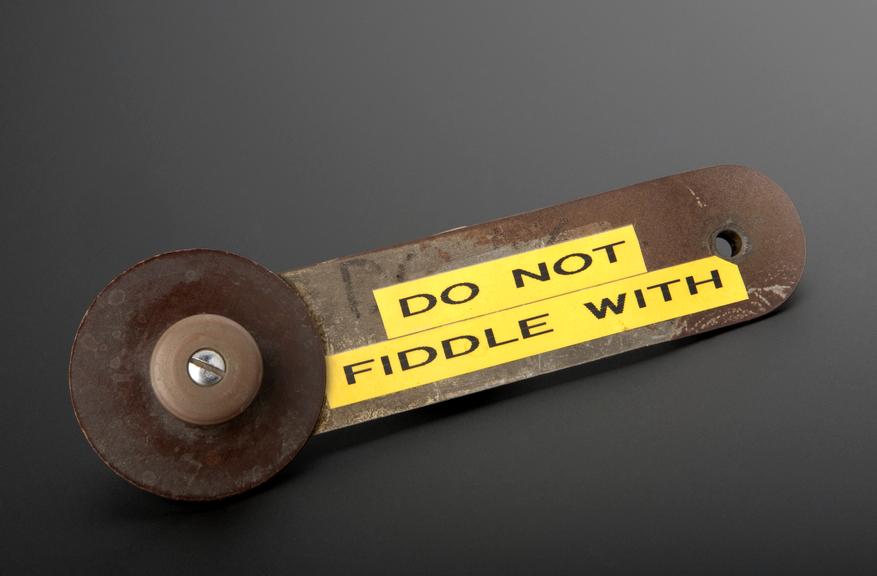
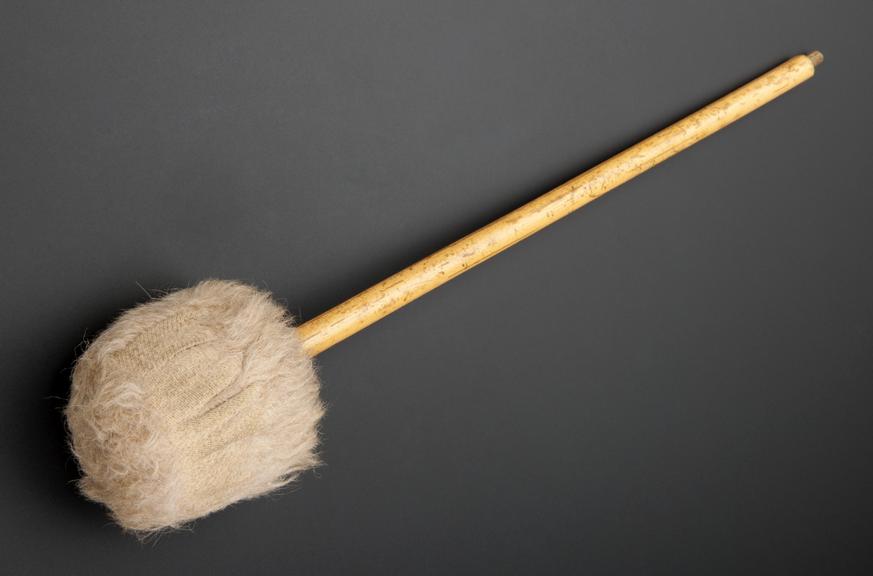
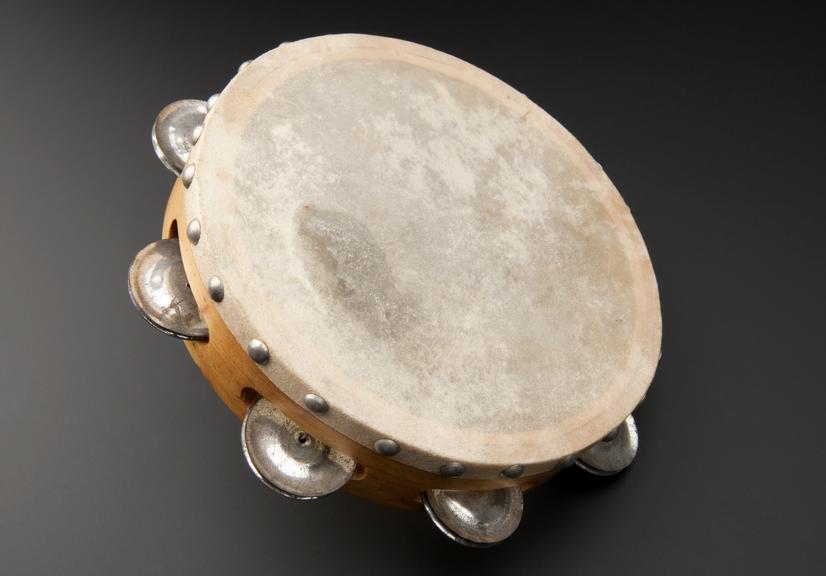
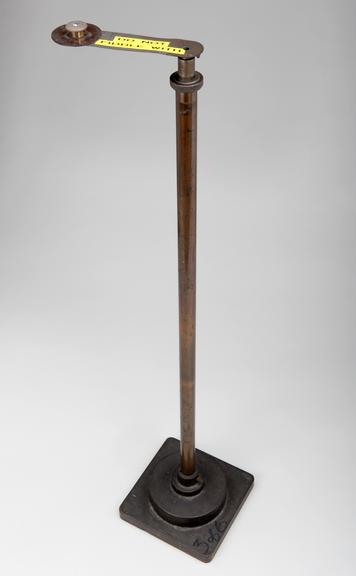
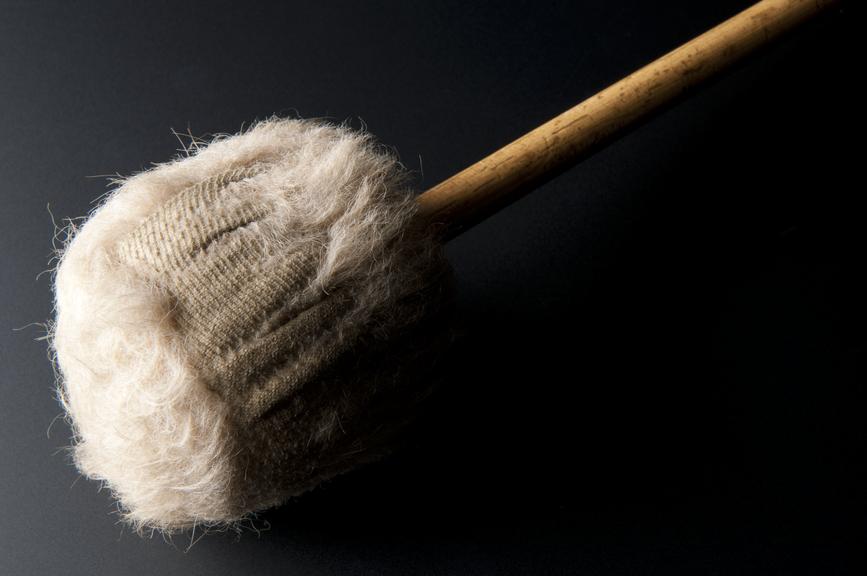
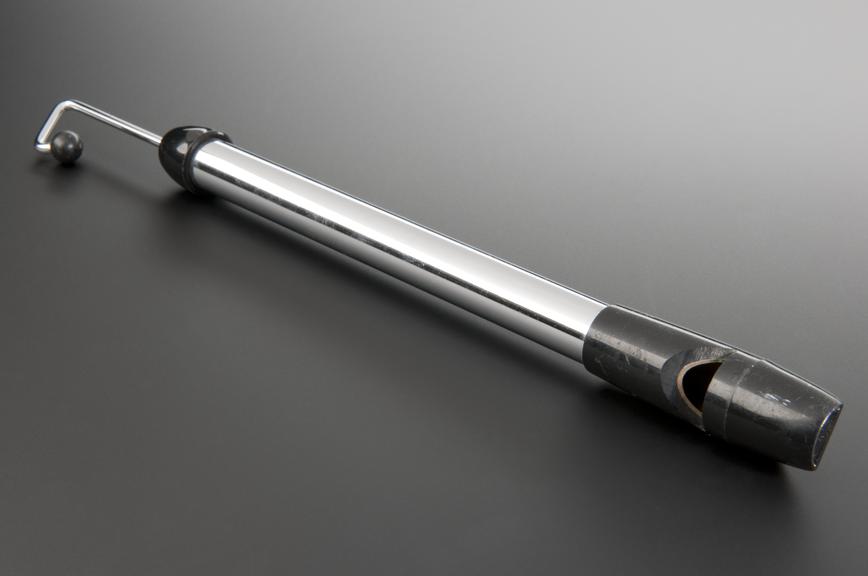
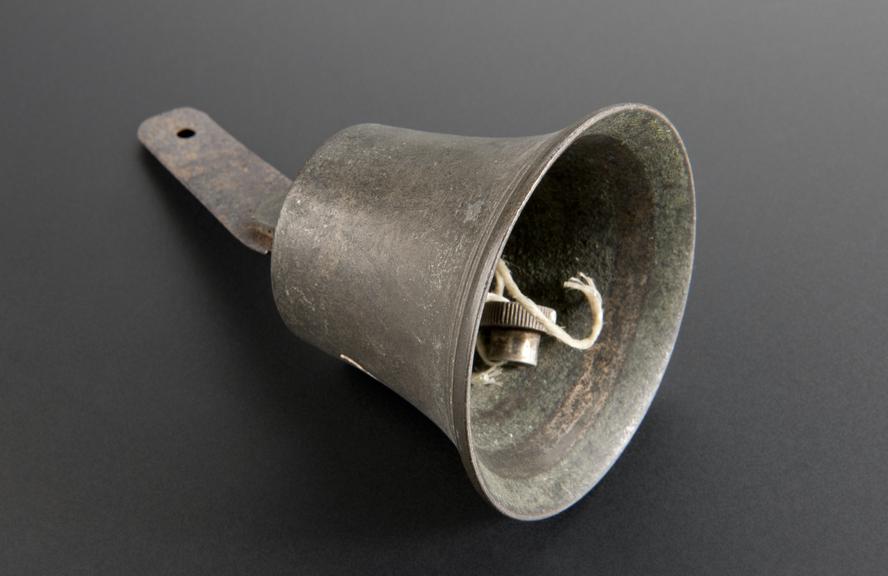
 This image is released under a
  This image is released under a