This image is released under a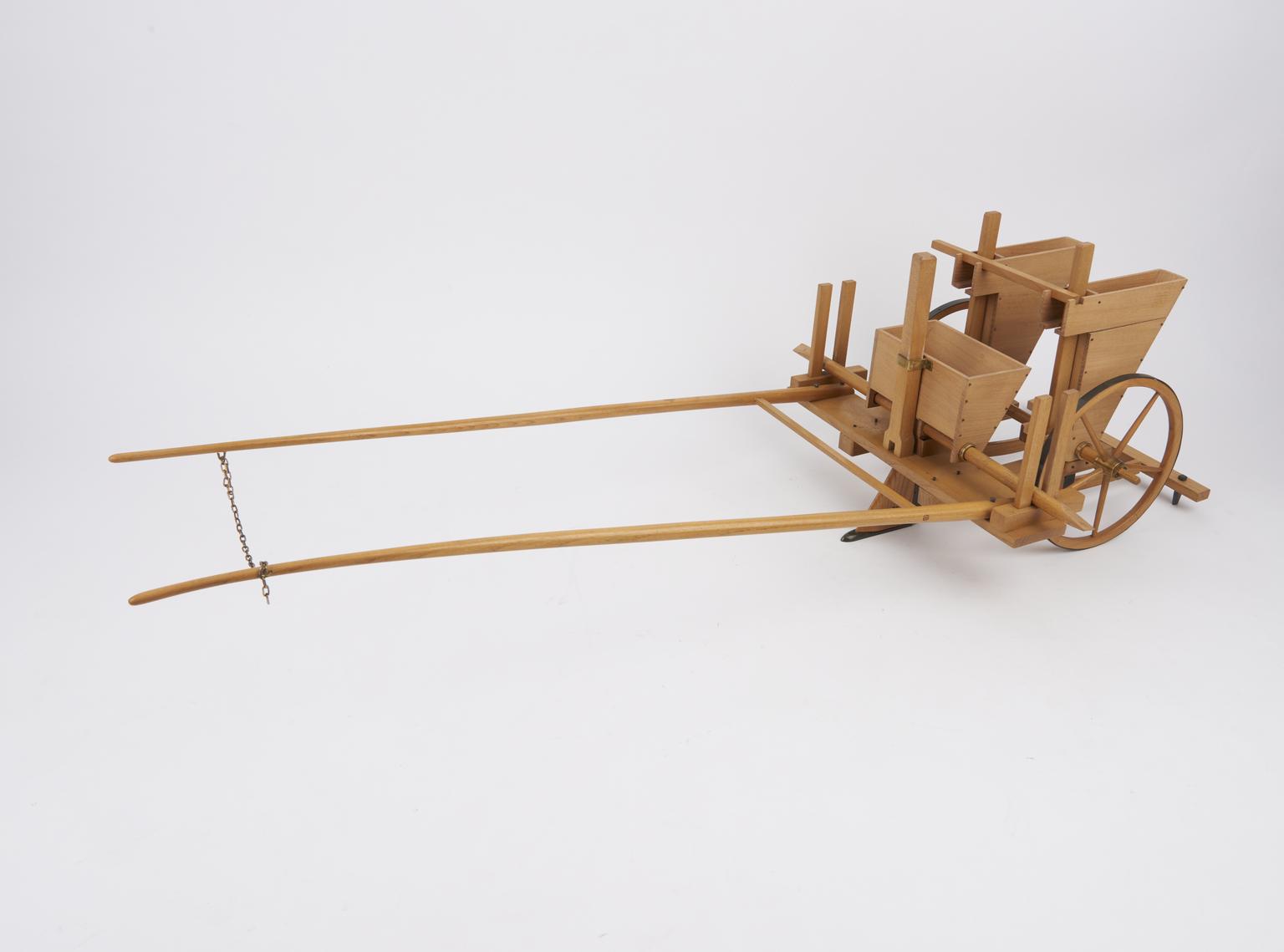
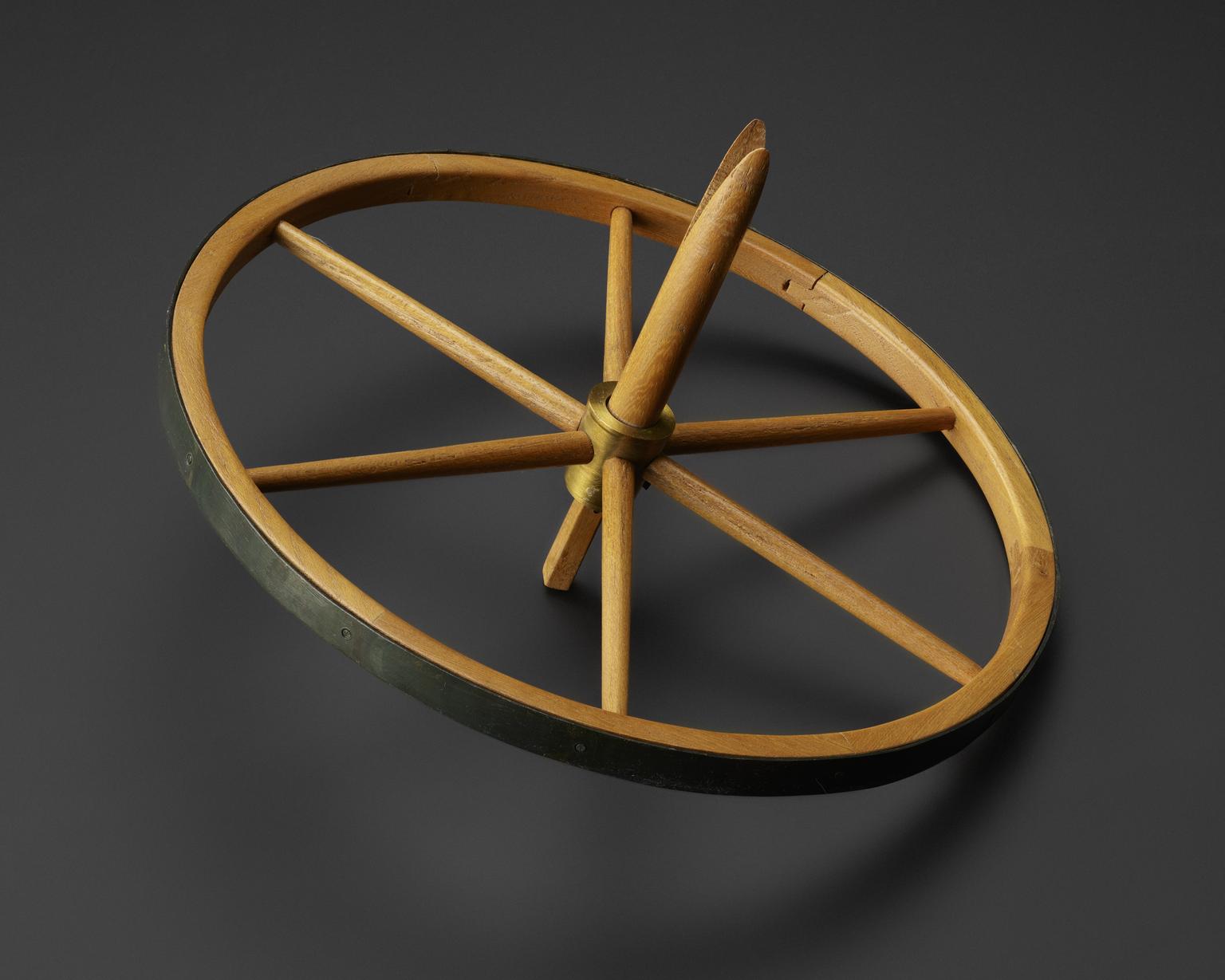
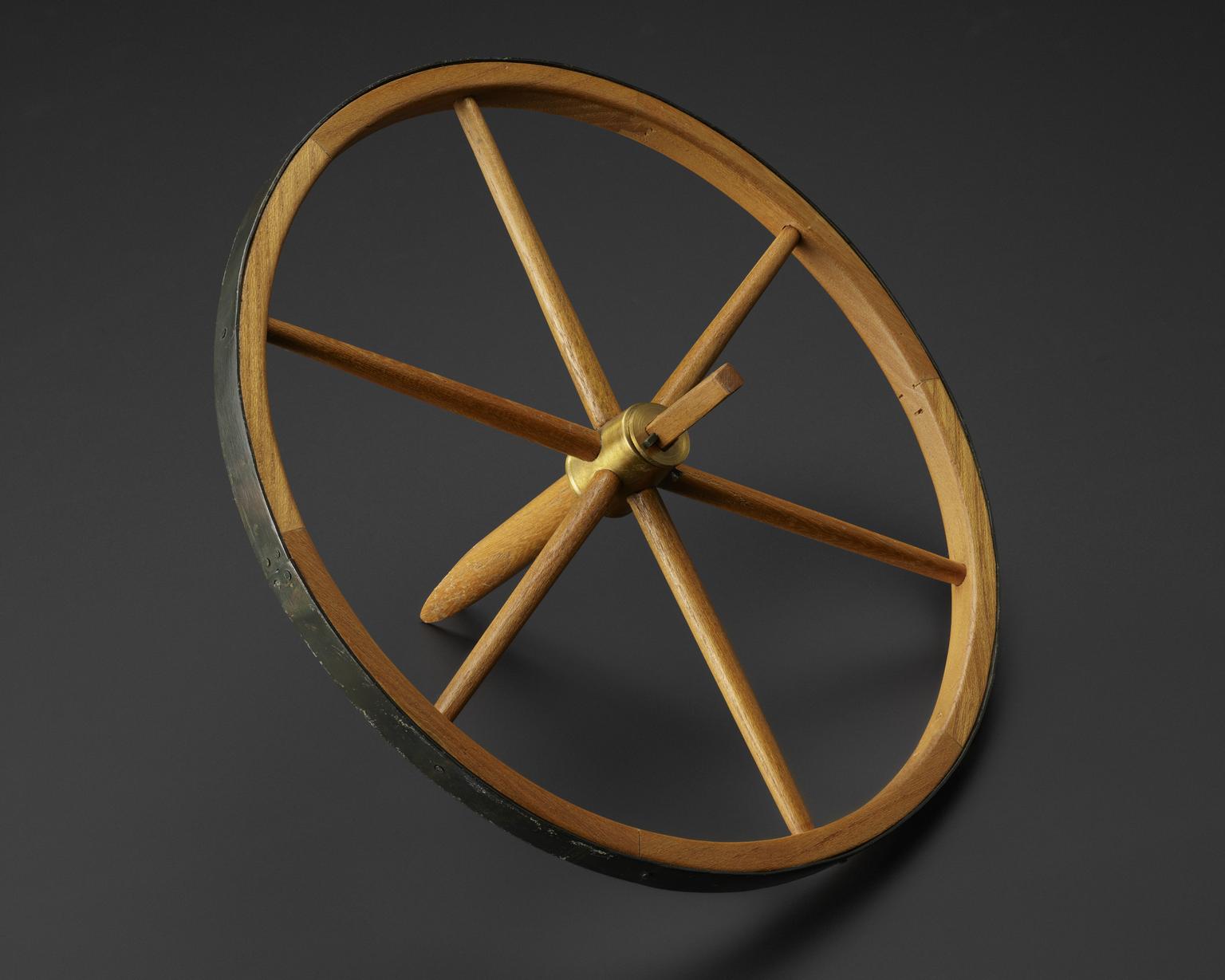
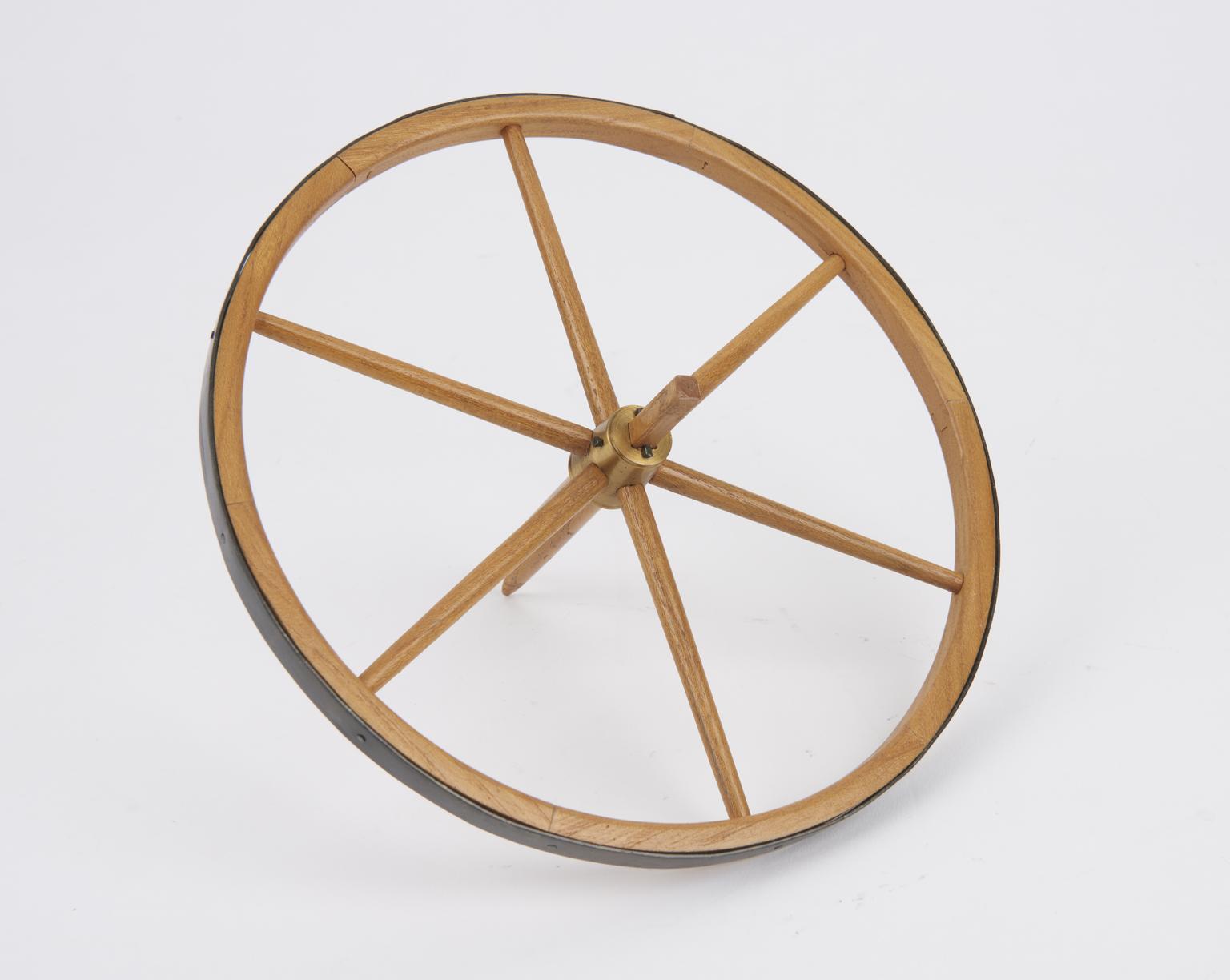
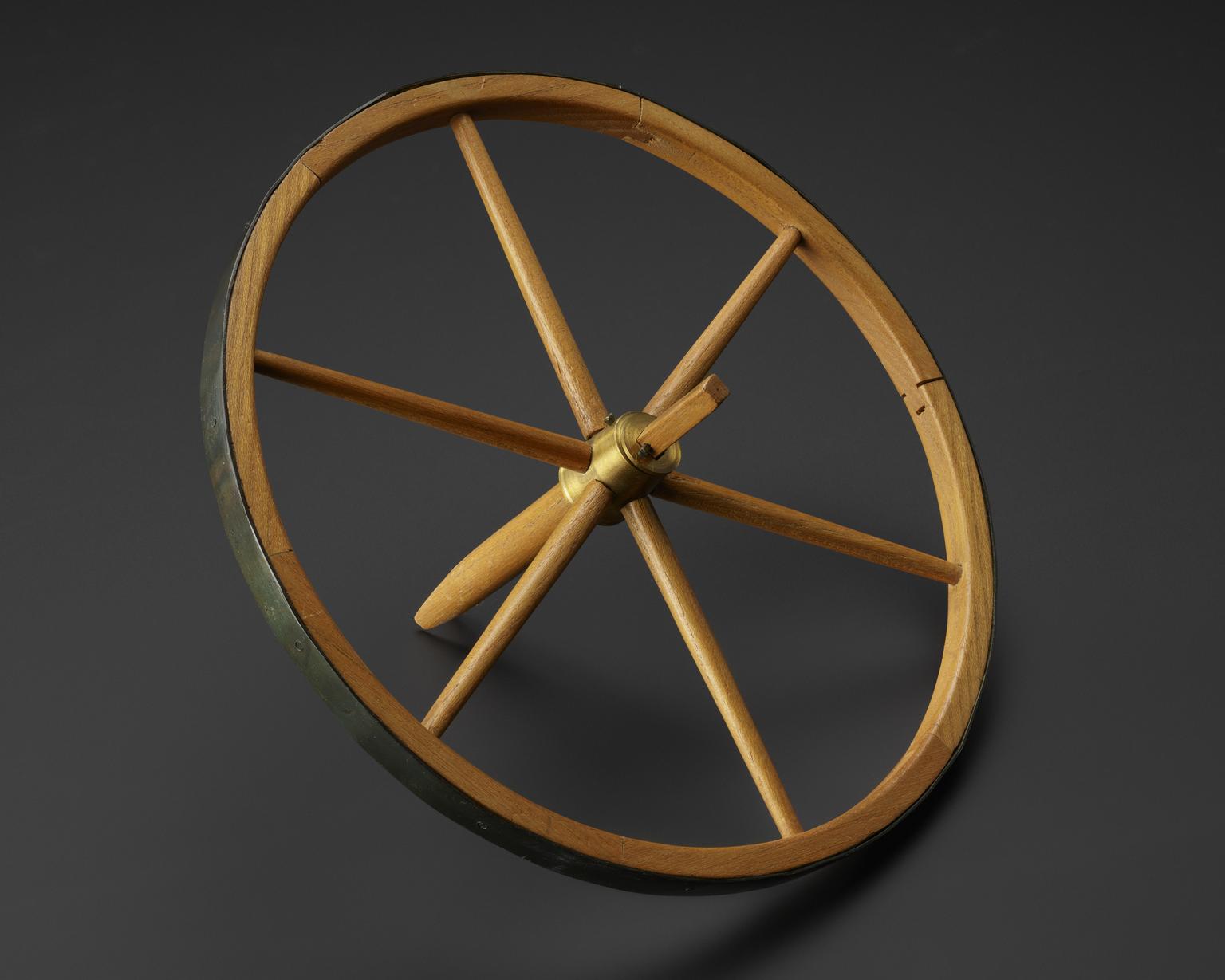
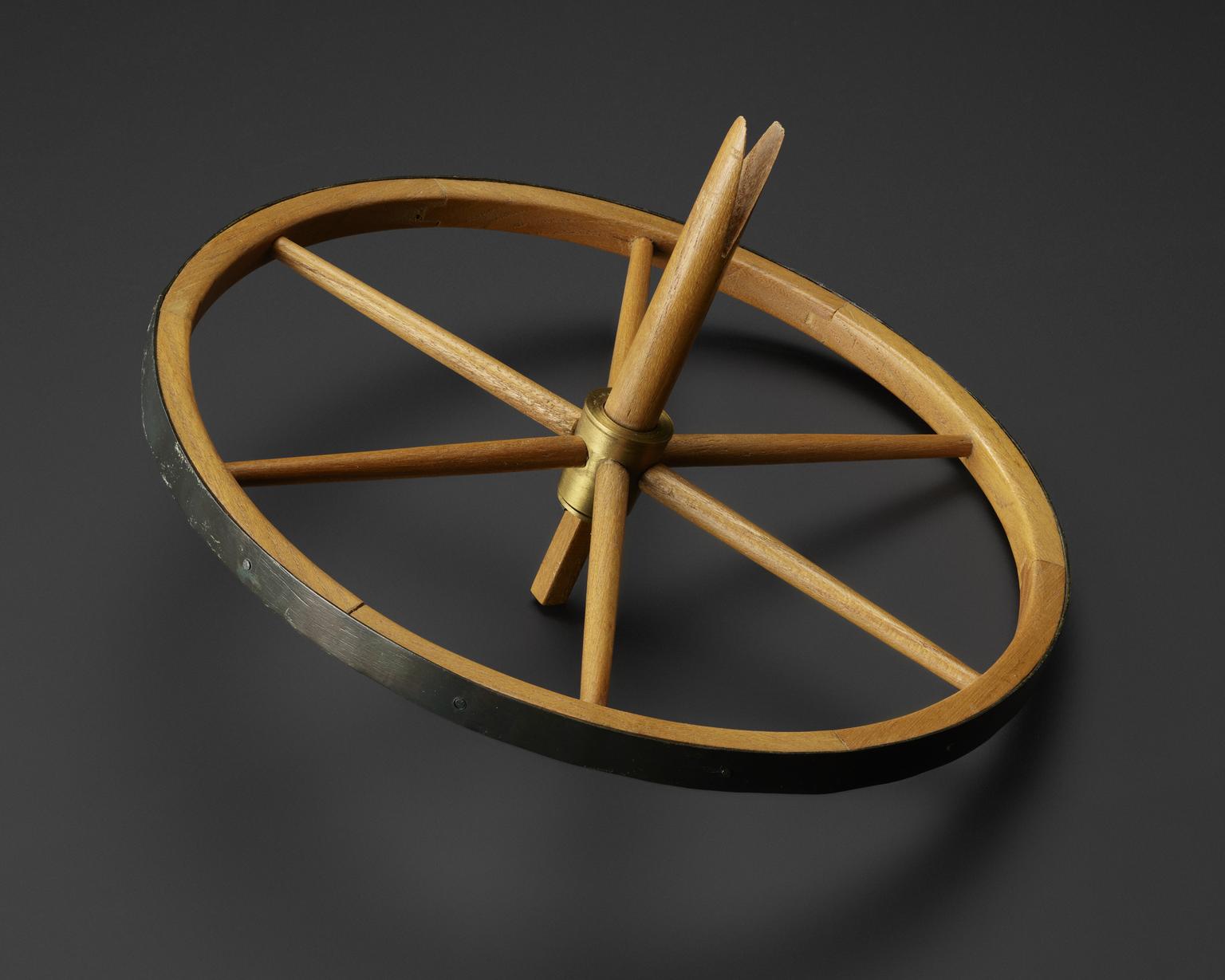
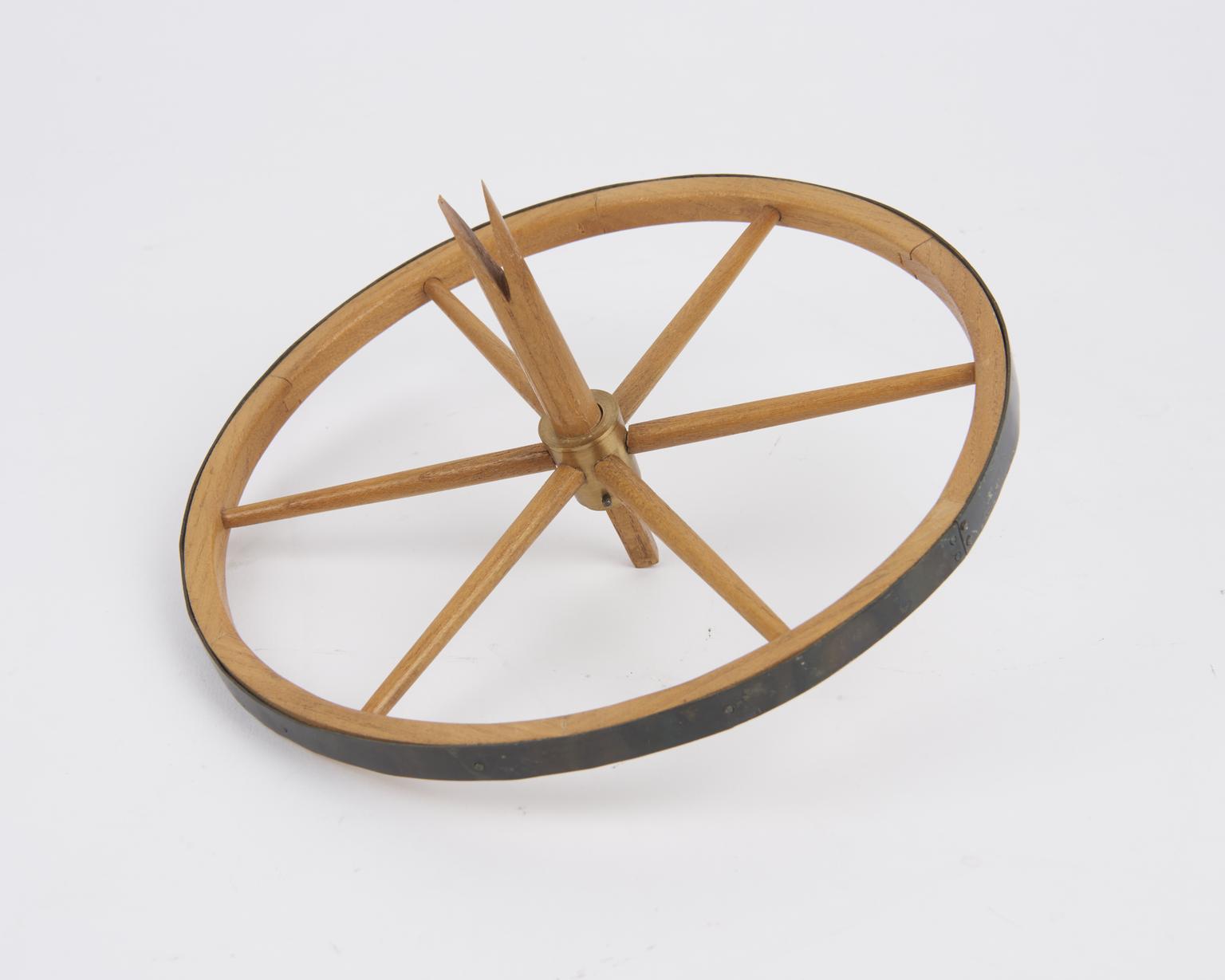
1:4 scale model of Jethro Tull's seed drill
Model, scale 1:4, of Jethro Tull's seed drill. Original design c.1701 and published in 'Horse Hoeing Husbandry', 1733.
This scale model was made by model maker, H. Agutter in 1955.
More
This 1:4 scale model was made using information contained in Jethro Tull's "Horse Hoeing Husbandry" book published in London in 1733. It represented a major step towards the mechanisation of crop cultivation.
Having trained as a lawyer, Jethro Tull (1674-1740) became a farmer rather accidentally, moving to one of his father’s farms in Oxford to replace a bad tenant. When no suitable replacement tenant could be found, Tull stayed. He subsequently moved to another farm called ‘Prosperous Farm’, Berkshire in 1711.
Encouraged by dramatic increases in the cost of seed, Tull first designed his seed drill, an efficient seed sowing machine, in 1701, aged 27. The most advanced version of this machine, as featured in his 1733 book ‘Horse Hoeing Husbandry’, was to be drawn by a horse and sowed three regularly spaced rows of wheat grains. Tull was also an accomplished musician, and the mechanism within the drill was inspired by the groove, tongue and spring of an organ soundboard. He had the first seed box made by a mathematical instrument maker in Soho and tested it out using a wheelbarrow.
The drill had four wheels. The two large wheels at the front carried the seed hopper unit which fed the central coulter, a sharp steel blade used to cut into the soil. The two smaller wheels at the rear carried seed hoppers which supplied the other two coulters. Grooves cut into the wheel axles, beneath the seed hoppers, enabled seeds to be dropped at evenly spaced intervals as the plough moved forwards. The harrow at the back of the drill would then cover the seeds with soil.
Sowing seeds in evenly spaced straight lines enabled the introduction of the horse-drawn hoe, also invented by Tull, which could remove weeds and cultivate the soil between planted rows without damaging the crops.
- Measurements:
-
overall (without wheel attachments: 230 mm x 780 mm x 340 mm, .67 kg
overall (with wheels attached): 230 mm x 780 mm x 525 mm, .85 kg
- Materials:
- wood (unidentified) and metal (unknown)
- Object Number:
- 1955-289/1
- type:
- drill - tool and model - representation
- Image ©
- The Board of Trustees of the Science Museum