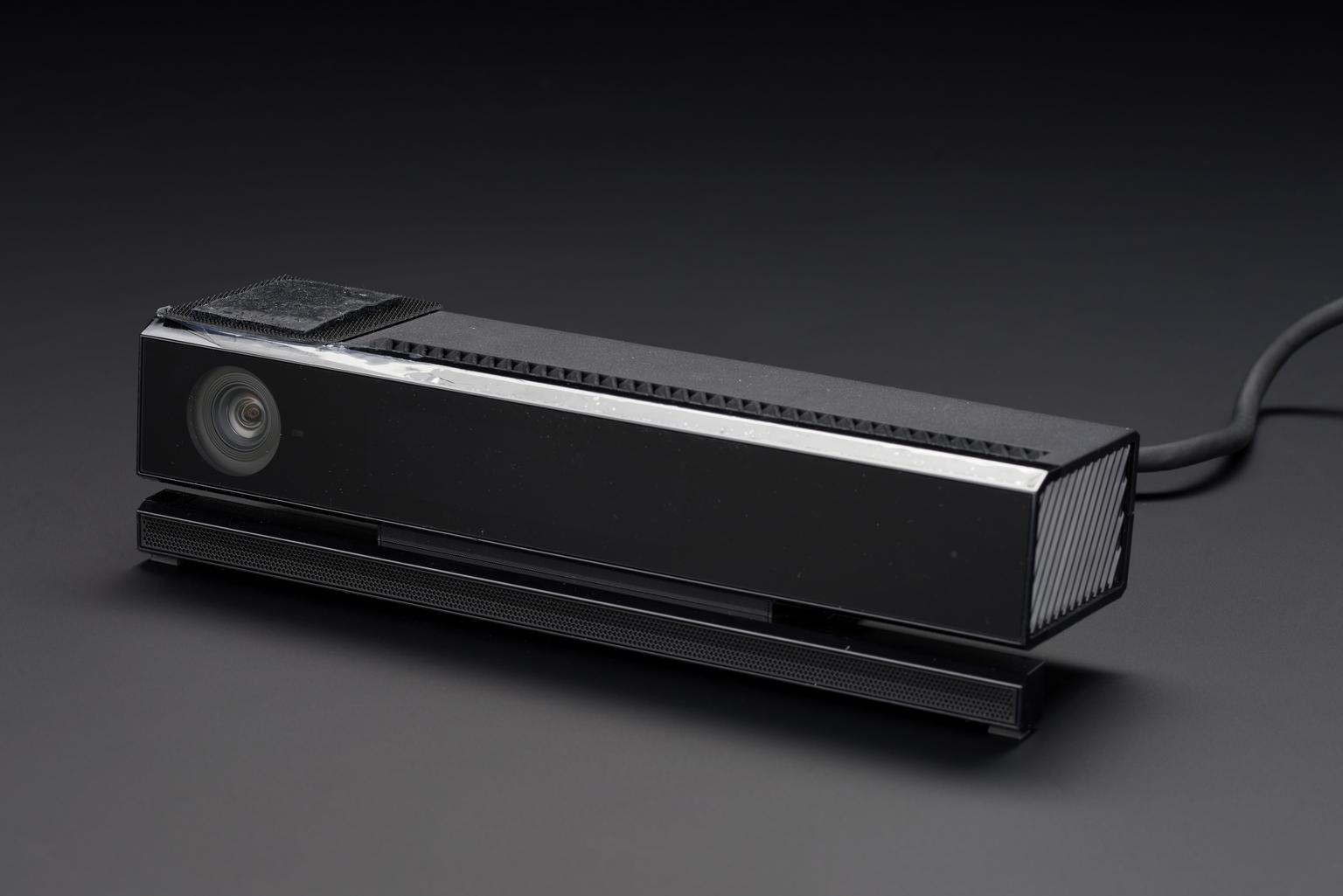
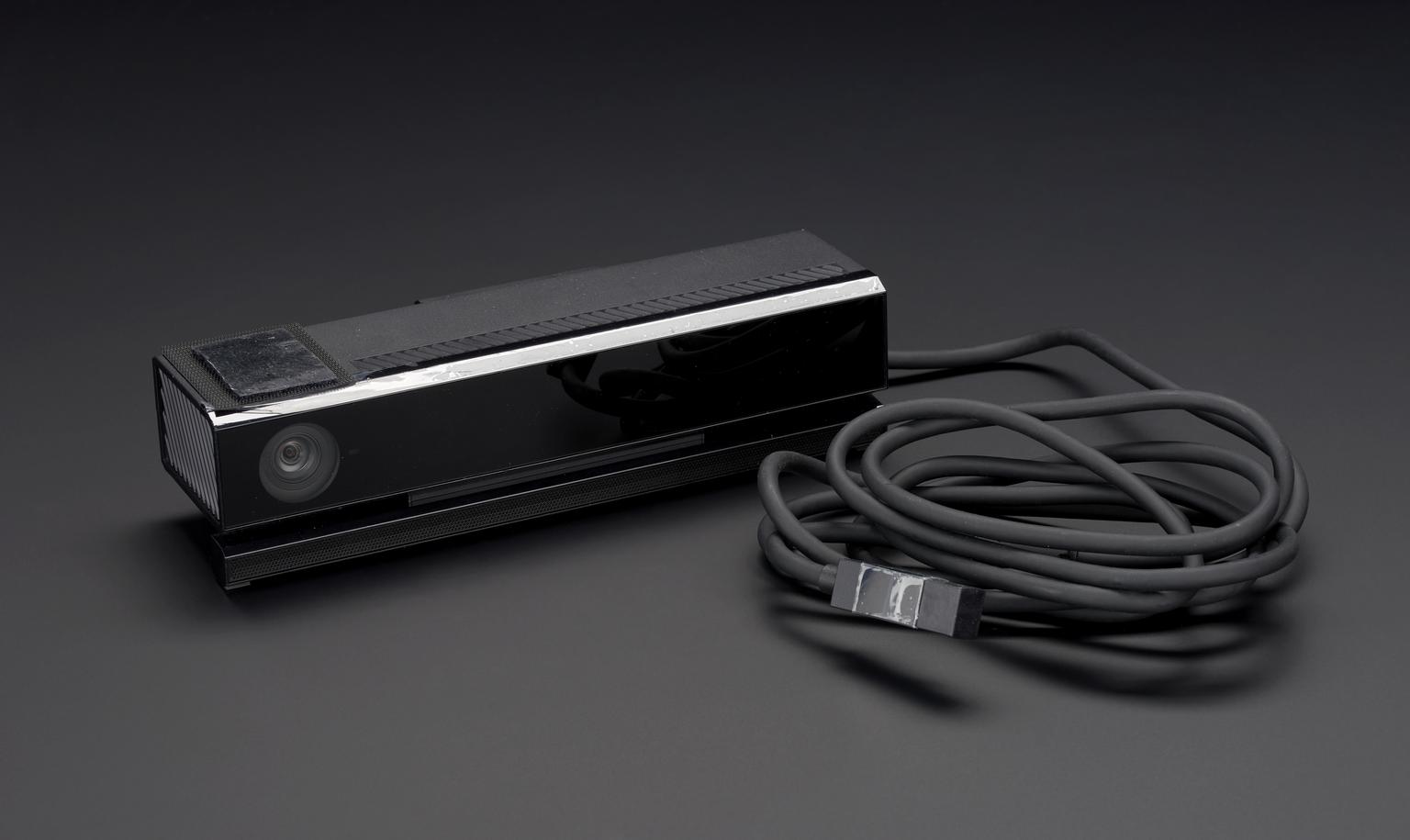
Kinect sensor for communication experiments

Made:
China
Kinect sensor for communication experiments Kinect sensor for communication experiments Kinect sensor for communication experiments Kinect sensor for communication experiments Kinect sensor for communication experiments Kinect sensor for communication experiments Kinect sensor for communication experiments Kinect sensor for communication experiments Kinect sensor for communication experiments Kinect sensor for communication experiments Kinect sensor for communication experiments

Creative Commons LicenseThis image is released under a CC BY-NC-SA 4.0 Licence

License this image for commercial use at Science and Society Picture Library

License

Creative Commons LicenseThis image is released under a CC BY-NC-SA 4.0 Licence

License this image for commercial use at Science and Society Picture Library

License

Creative Commons LicenseThis image is released under a CC BY-NC-SA 4.0 Licence

License this image for commercial use at Science and Society Picture Library

License

Creative Commons LicenseThis image is released under a CC BY-NC-SA 4.0 Licence

License this image for commercial use at Science and Society Picture Library

License

Creative Commons LicenseThis image is released under a CC BY-NC-SA 4.0 Licence

License this image for commercial use at Science and Society Picture Library

License

Creative Commons LicenseThis image is released under a CC BY-NC-SA 4.0 Licence

License this image for commercial use at Science and Society Picture Library

License

Creative Commons LicenseThis image is released under a CC BY-NC-SA 4.0 Licence

License this image for commercial use at Science and Society Picture Library

License

Creative Commons LicenseThis image is released under a CC BY-NC-SA 4.0 Licence

License this image for commercial use at Science and Society Picture Library

License

Creative Commons LicenseThis image is released under a CC BY-NC-SA 4.0 Licence

License this image for commercial use at Science and Society Picture Library

License

Creative Commons LicenseThis image is released under a CC BY-NC-SA 4.0 Licence

License this image for commercial use at Science and Society Picture Library

License

Creative Commons LicenseThis image is released under a CC BY-NC-SA 4.0 Licence

License this image for commercial use at Science and Society Picture Library

License

Science Museum Group
© The Board of Trustees of the Science Museum

Science Museum Group
© The Board of Trustees of the Science Museum

Science Museum Group
© The Board of Trustees of the Science Museum

Science Museum Group
© The Board of Trustees of the Science Museum

Science Museum Group
© The Board of Trustees of the Science Museum

Science Museum Group
© The Board of Trustees of the Science Museum

Science Museum Group
© The Board of Trustees of the Science Museum

Science Museum Group
© The Board of Trustees of the Science Museum

Science Museum Group
© The Board of Trustees of the Science Museum

Science Museum Group
© The Board of Trustees of the Science Museum

Science Museum Group
© The Board of Trustees of the Science Museum

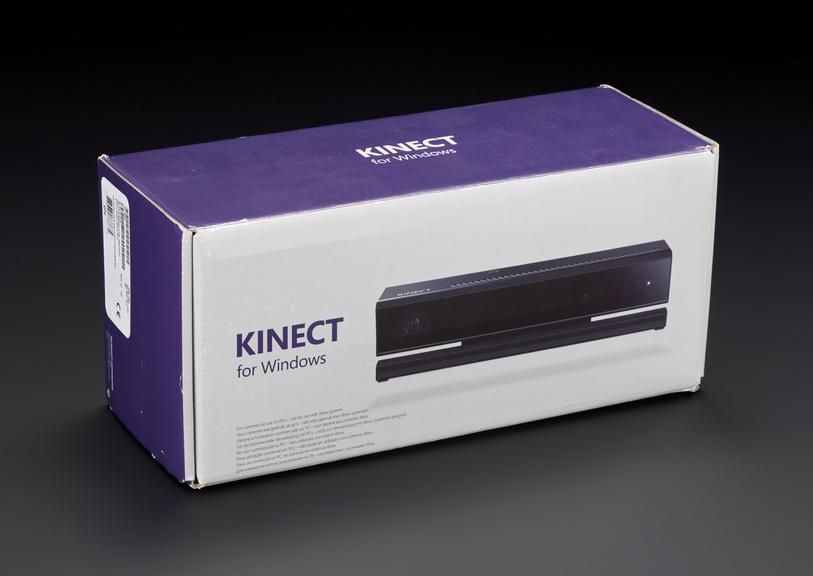
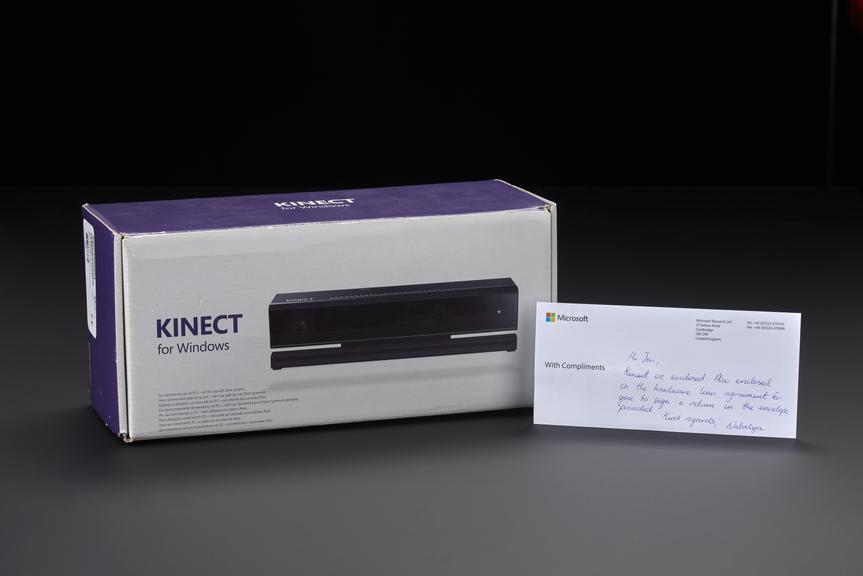
Kinect sensor in box with accessories, made in China by Microsoft.

In addition to the technological objects that were in Hawking’s office in his last years, the Science Museum Group has a significant collection of his wheelchairs and electronic equipment which supported his mobility and communication. These items represent three decades of innovation and tinkering in response to the challenges originating from Hawking’s progressing disability. This comprehensive group of objects bears testament to the technological progress in mobility over a generation, and to Stephen's growing needs as his condition worsened.

When Hawking first started using this office, he could still operate his own wheelchair, and he interacted with his computers using clickers in both hands. Over subsequent years, it became increasingly difficult to use his hands to drive or operate his communications interface, requiring new, creative solutions.

During the two decades in this office, Hawking’s condition worsened. Many different external groups provided solutions, including companies specialising in disability aids, and teams within larger companies such as Intel, Google and Microsoft. Most significant however were the 'tinkering' innovations by Hawking’s 'Graduate Assistants' (GAs), who were in day-to-day charge of these technologies, and constantly tried out improvements. In the last two decades of his life, Hawking went from operating his computers using manual clickers, to a system that detected the movement of his cheek with infrared light. There were also regular attempts to modernise his synthesizer system, a task that turned out quite challenging as Hawking considered the 1980s synthetic voice his own. A quite comprehensive lineage of these technological improvements, which would have been kept in the GA's office next door, are now preserved as part of the collection.

Details

Category:
Stephen Hawking Office
Collection:
Stephen Hawking’s Office
Object Number:
2021-561/560
Materials:
metal (unknown), plastic (unidentified), glass and paper (fibre product)
Measurements:
overall: 145 mm x 364 mm x 185 mm,
type:
sensor
credit:
Accepted in lieu of Inheritance Tax by H M Government from the Estate of Stephen Hawking and allocated to the Science Museum, 2021

Parts

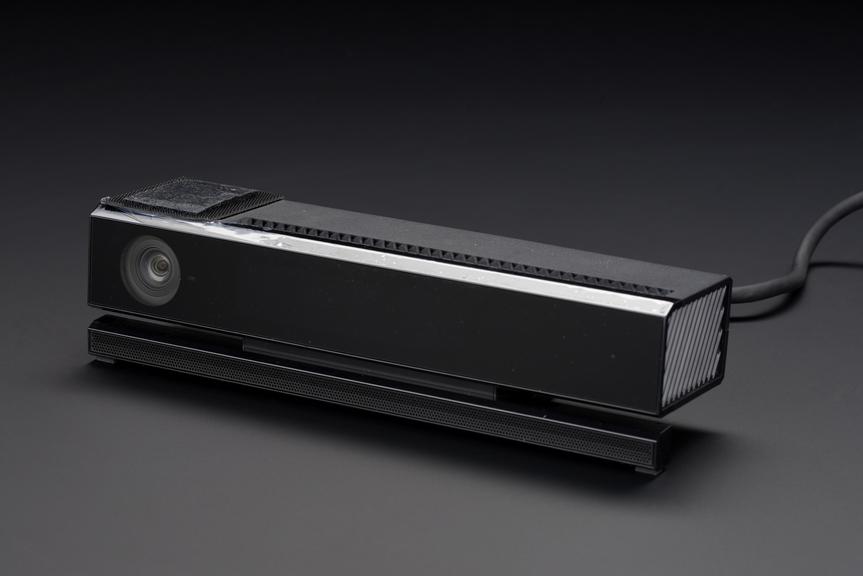
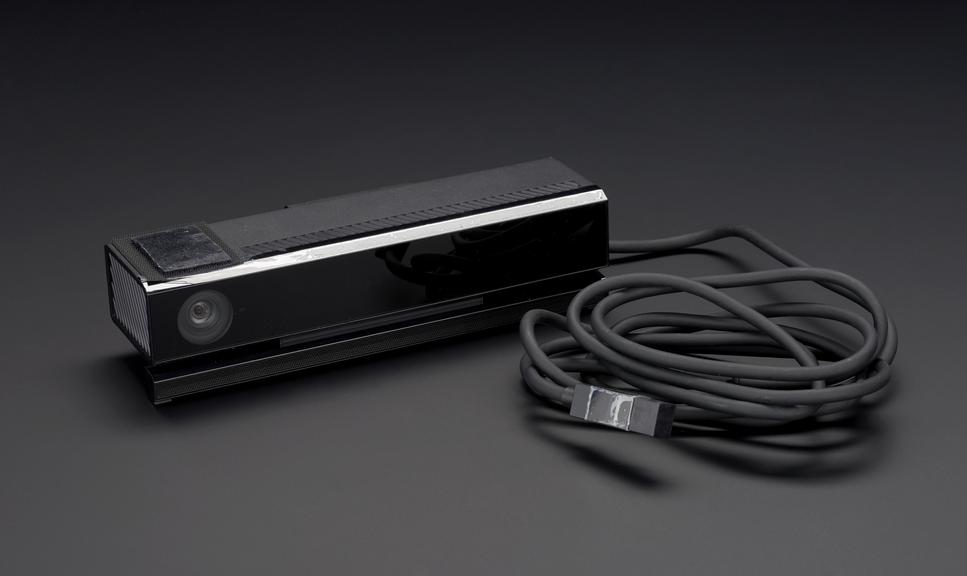
Kinect sensor for facial gestures (JW 30/04/2019 #111)

Kinect sensor for facial gestures (JW 30/04/2019 #111).

Measurements:
overall (wire coiled): 69 mm x 250 mm x 250 mm, .95 kg
Materials:
metal (unknown) and plastic (unidentified)
Object Number:
2021-561/560/1
type:
sensor
Image ©
The Board of Trustees of the Science Museum

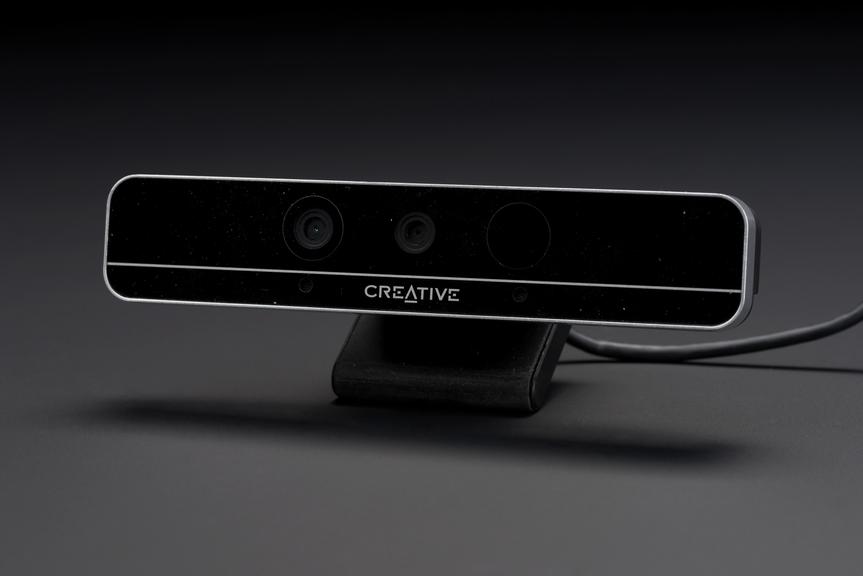
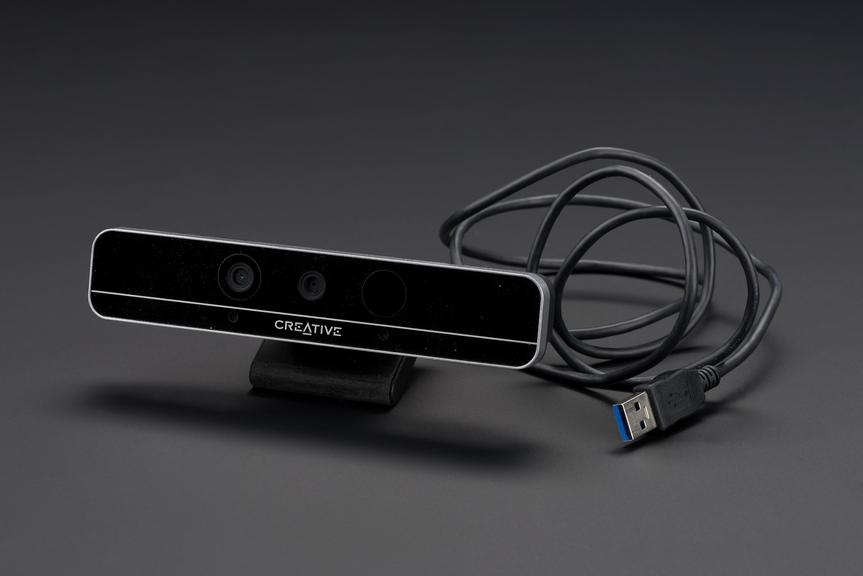
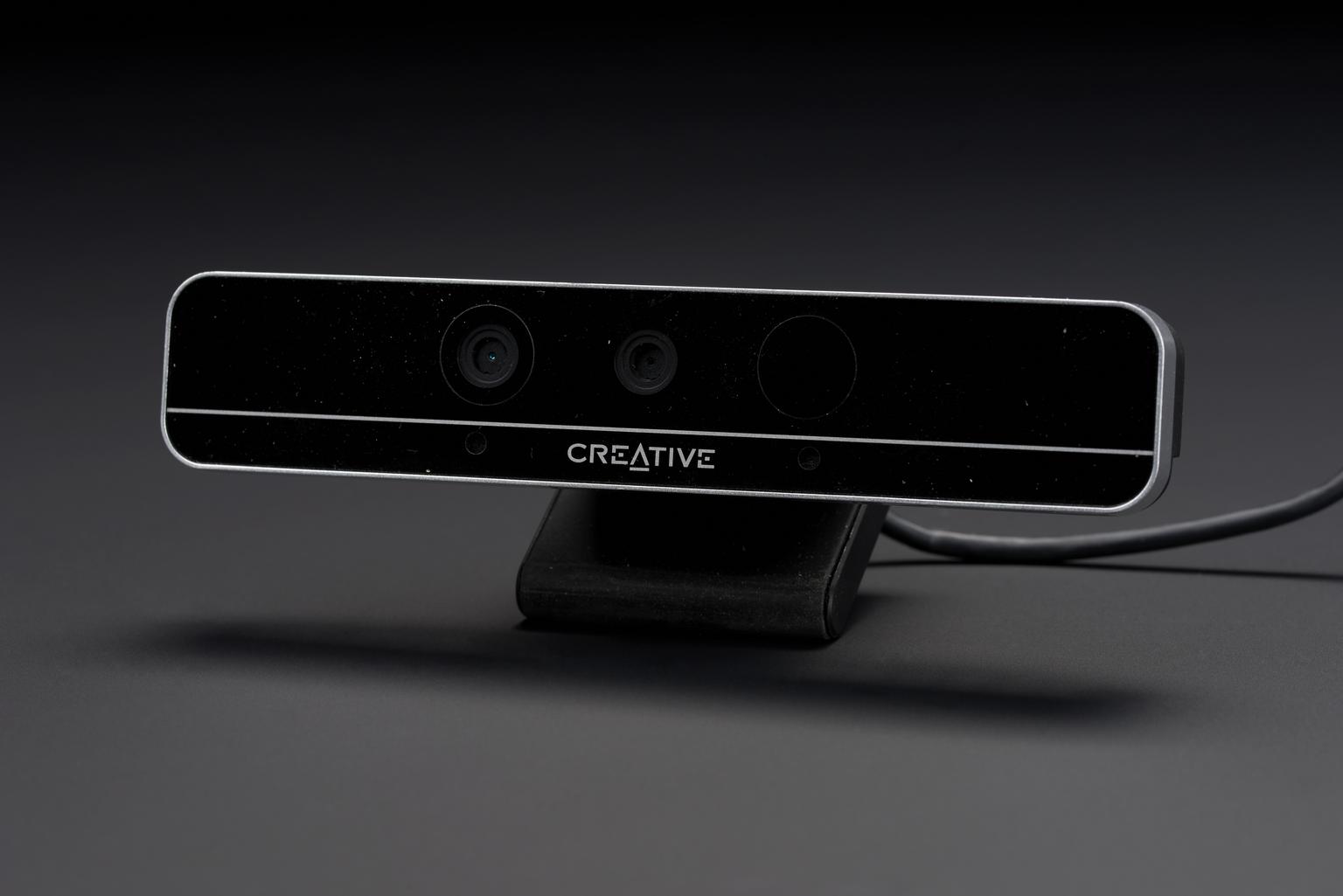
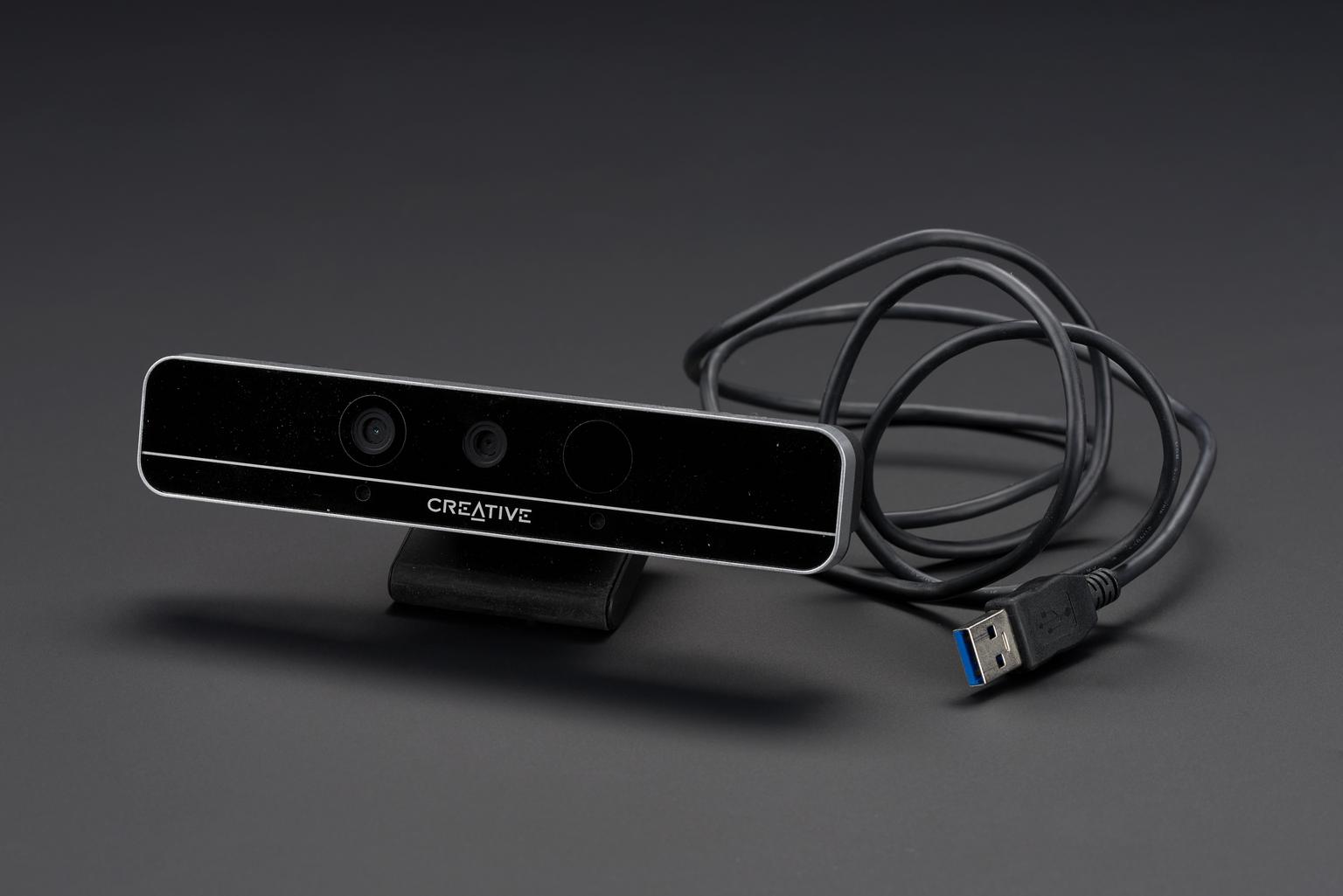
Kinect Creative sensor

Kinect Creative sensor, made by Microsoft in China.

Measurements:
overall (wires coiled as in the box): 87 mm x 160 mm x 105 mm, .18 kg
Materials:
plastic (unidentified) , metal (unknown) and glass
Object Number:
2021-561/560/2
type:
sensor
Image ©
The Board of Trustees of the Science Museum
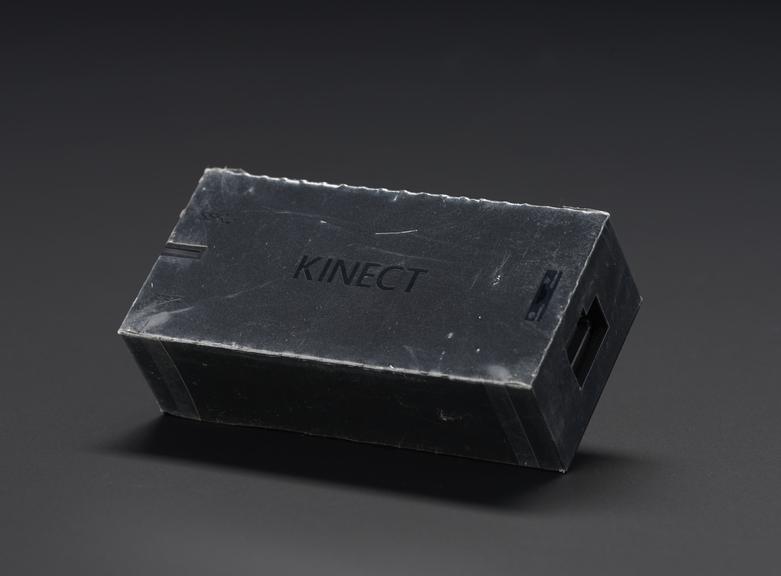
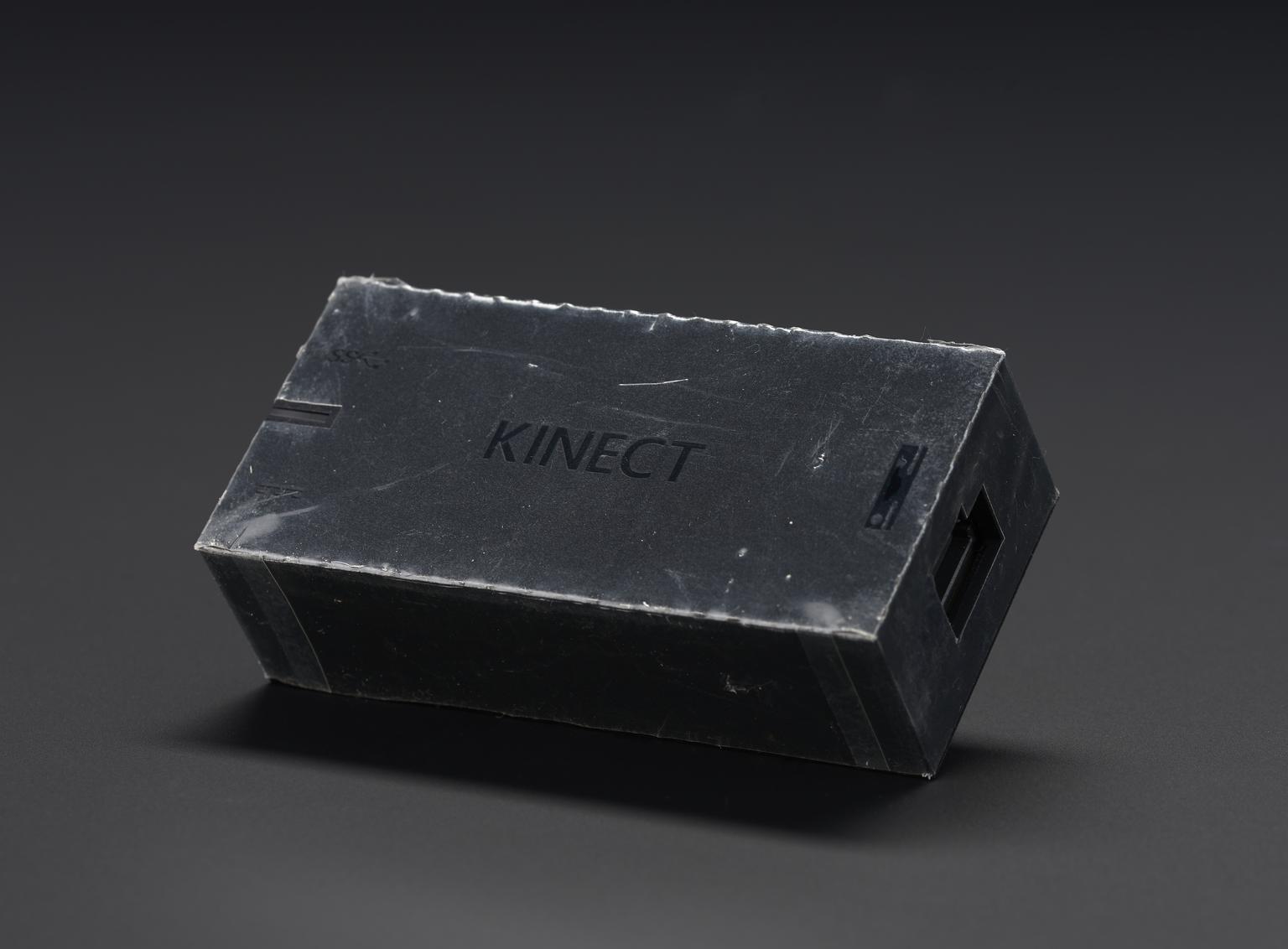
Kinect Hub model 1637

Kinect Hub model 1637

Kinect Hub model 1637, made by Microsoft in China.

Measurements:
overall (wires coiled as in box): 26 mm x 88 mm x 42 mm, .07 kg
Materials:
metal (unknown) and plastic (unidentified)
Object Number:
2021-561/560/3
type:
electronics
Image ©
The Board of Trustees of the Science Museum
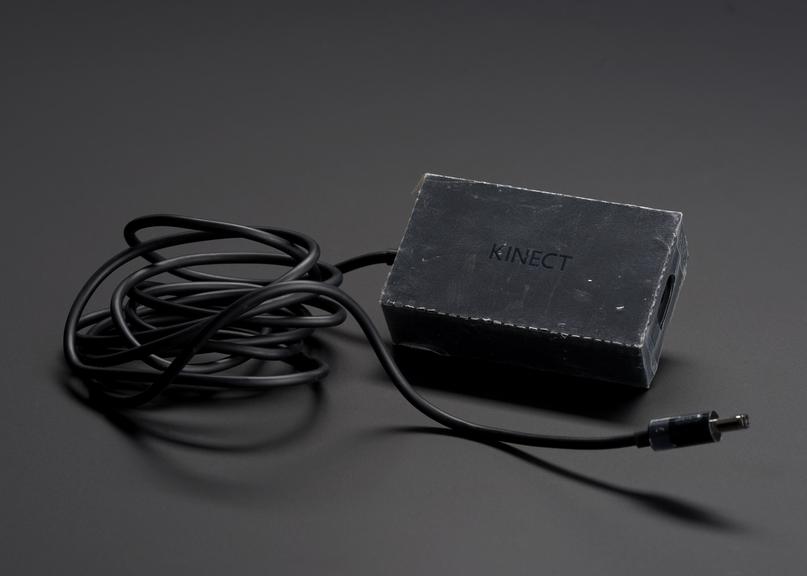
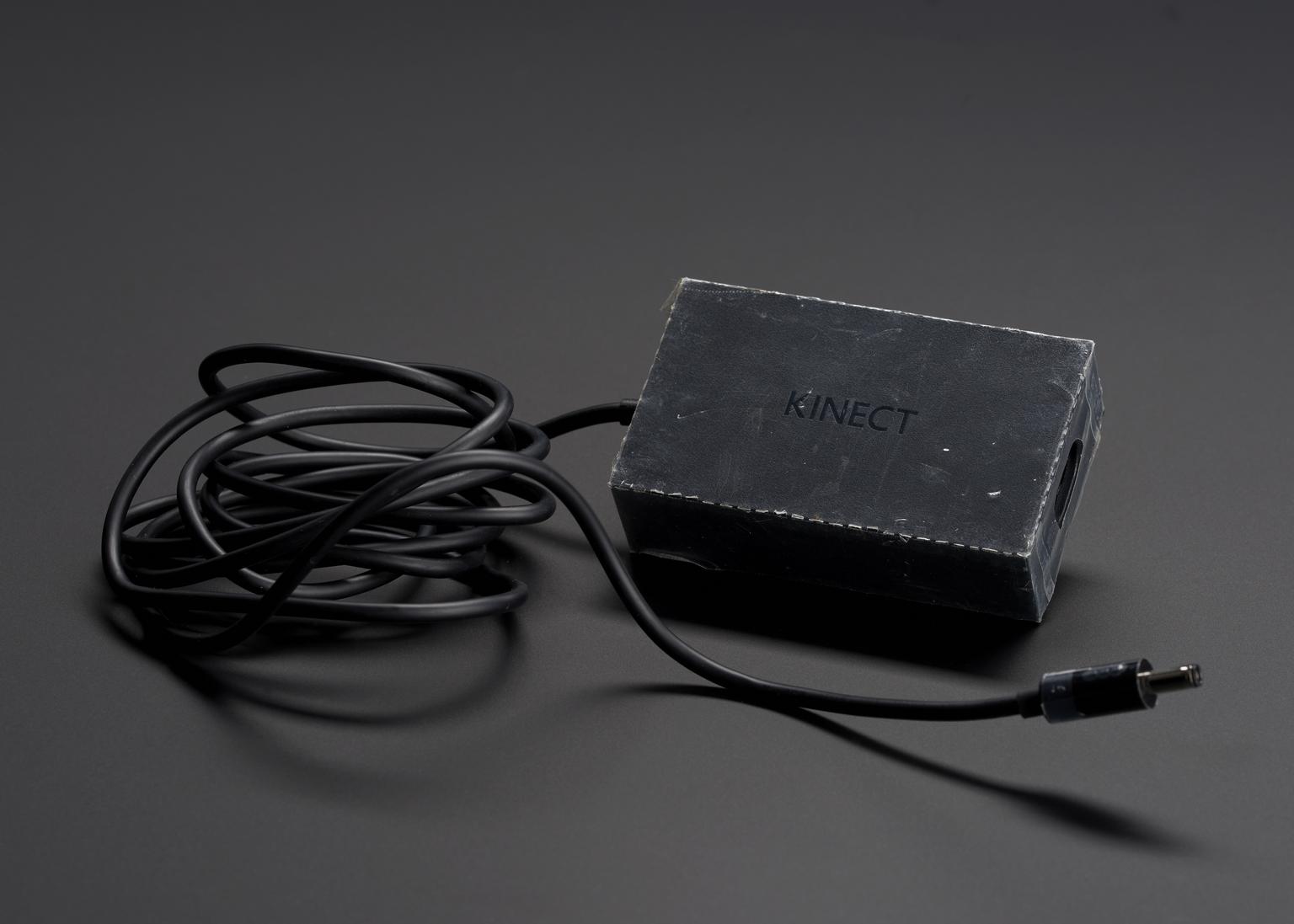
AC adapter model 1649

AC adapter model 1649

AC adapter model 1649, with attached cable. For Kinect sensor, made by Microsoft in China.

Measurements:
overall (wired coiled as in box): 50 mm x 225 mm x 120 mm, .19 kg
Materials:
metal (unknown) and plastic (unidentified)
Object Number:
2021-561/560/4
type:
adapter
Image ©
The Board of Trustees of the Science Museum
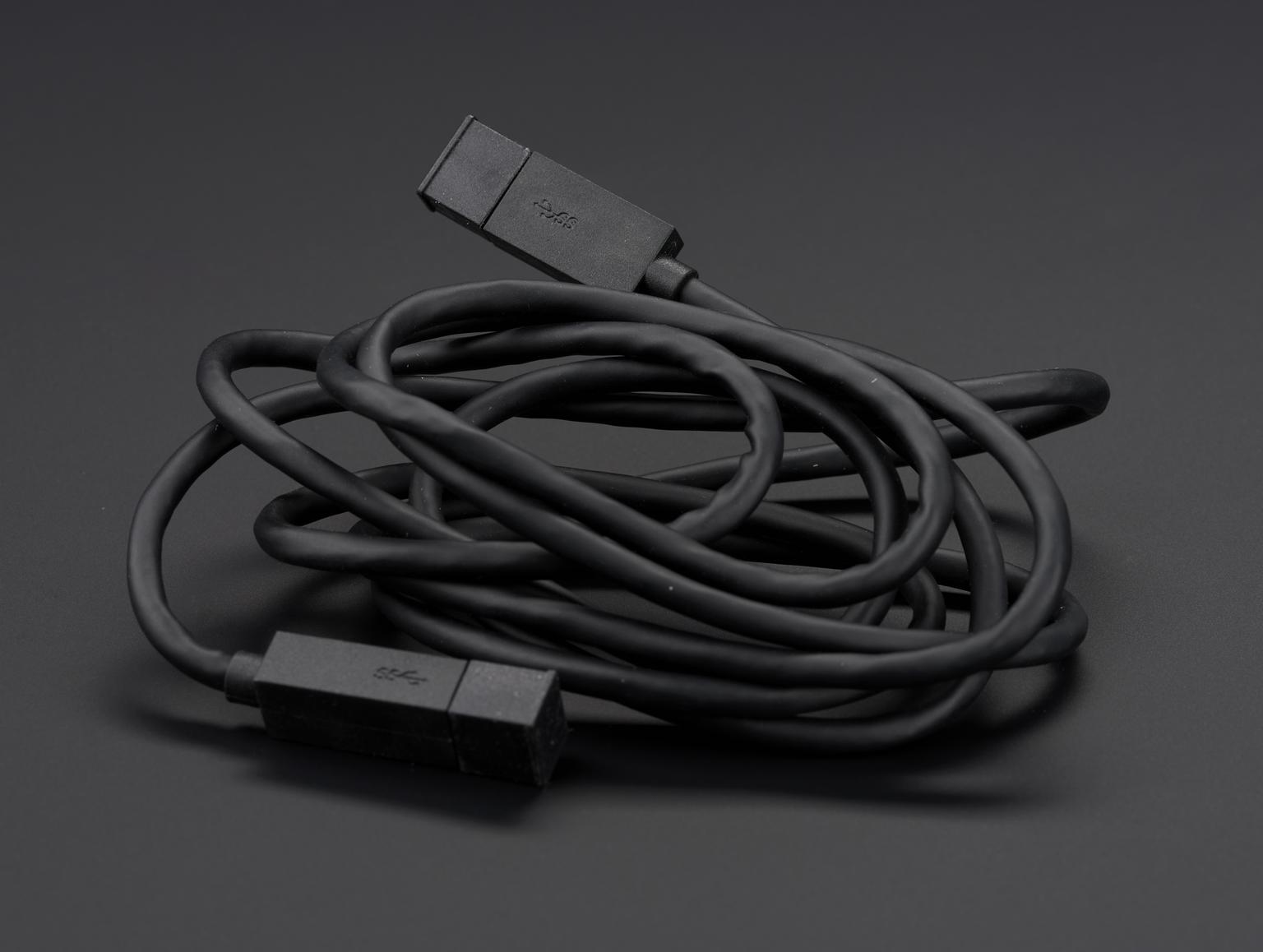
USB cable for Kinect sensor

USB cable for Kinect sensor

USB cable for Kinect sensor, made by Microsoft in China.

Measurements:
overall (wires coiled as in box): 45 mm x 160 mm x 90 mm, .105 kg
Materials:
metal (unknown) and plastic (unidentified)
Object Number:
2021-561/560/5
type:
cables
Image ©
The Board of Trustees of the Science Museum
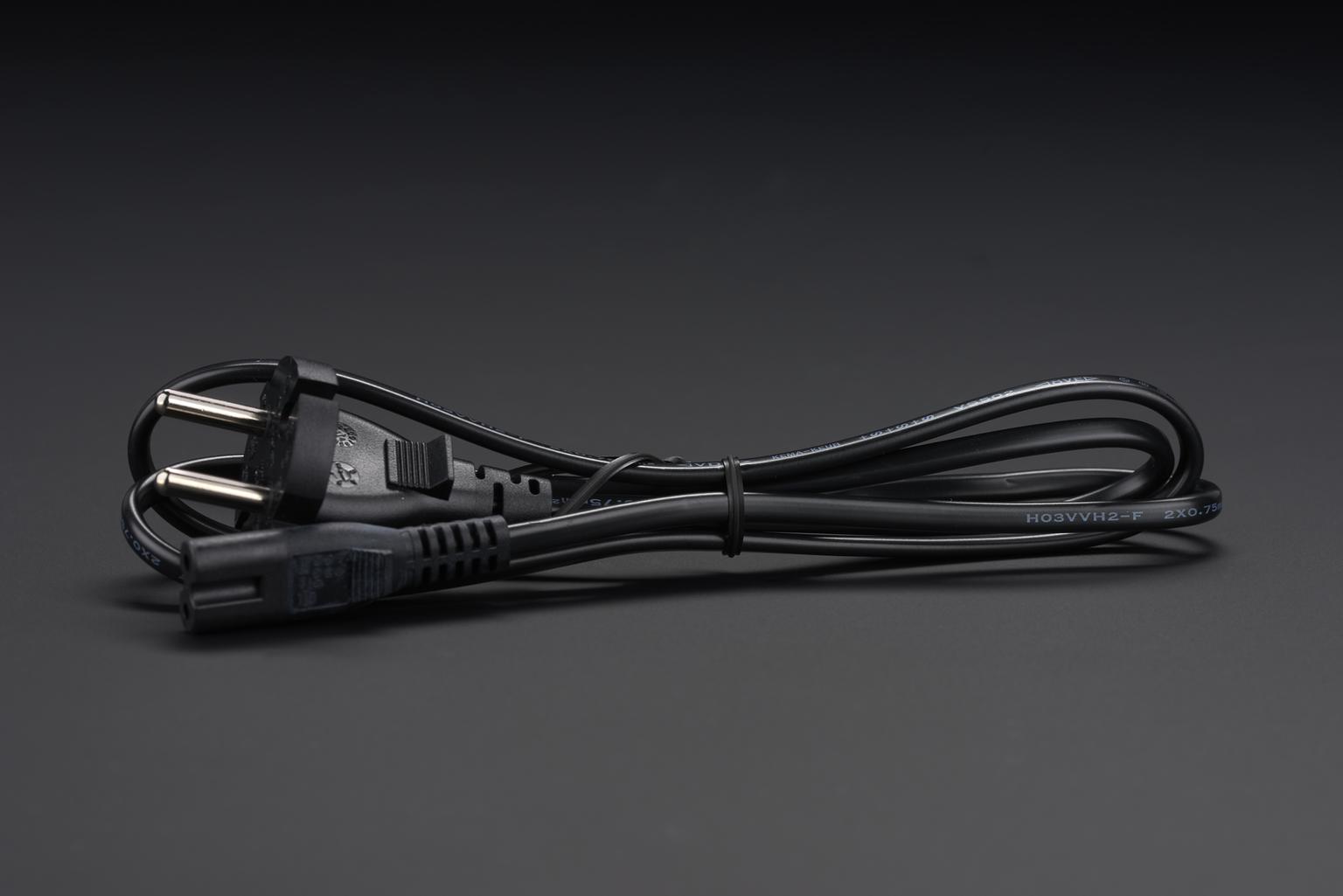
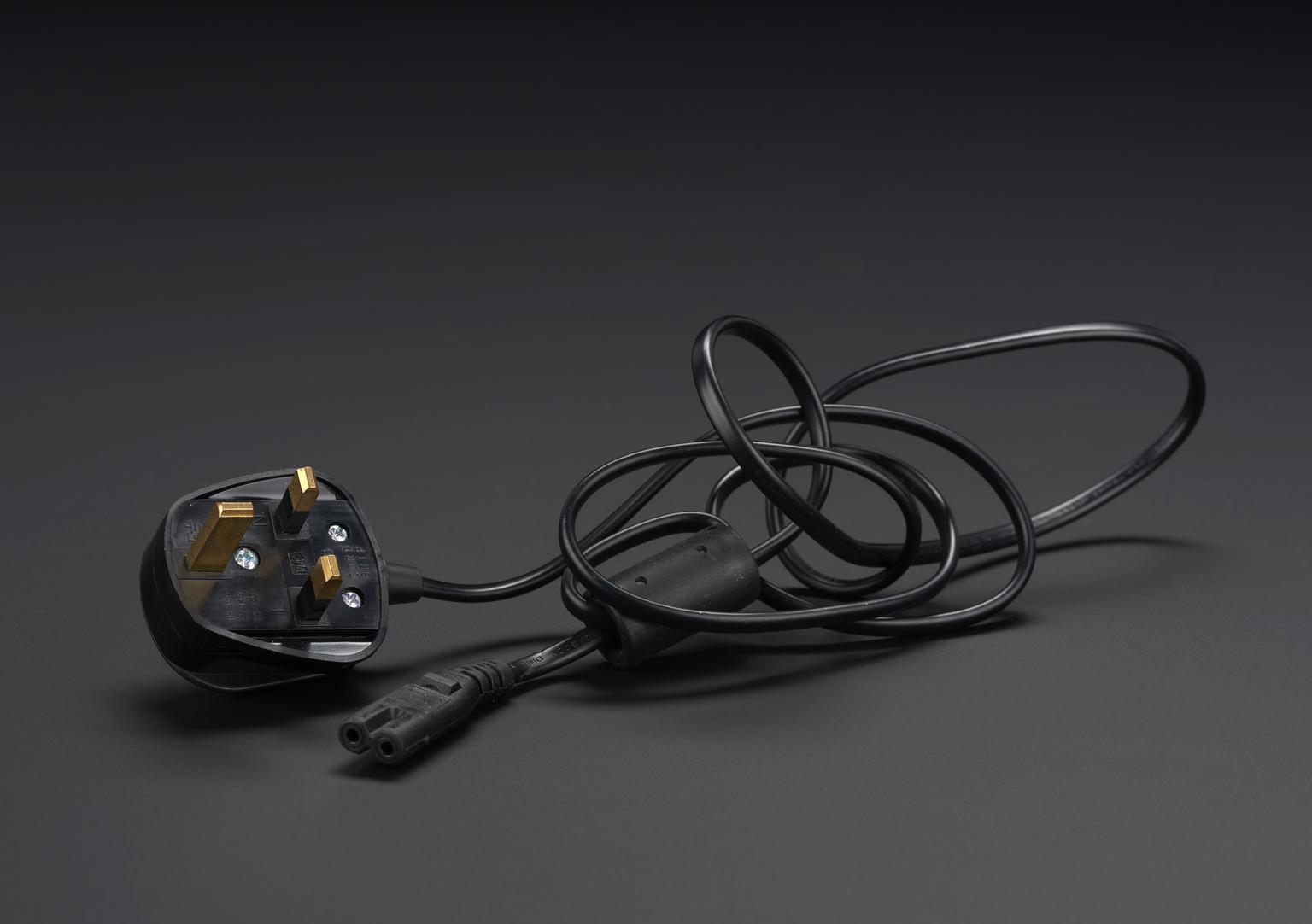
Plug and cable

Plug and cable

Plug and cable, made by Volex.

Measurements:
overall (wires coiiled as in box): 41 mm x 195 mm x 53 mm, .075 kg
Materials:
metal (unknown) and plastic (unidentified)
Object Number:
2021-561/560/6
type:
plug and cable
Image ©
The Board of Trustees of the Science Museum
Plug and cable made by PMS

Plug and cable made by PMS

Plug and cable made by PMS.

Measurements:
overall (wires coiled as in box): 52 mm x 282 mm x 70 mm, .13 kg
Materials:
metal (unknown) and plastic (unidentified)
Object Number:
2021-561/560/7
type:
plug and cable
Image ©
The Board of Trustees of the Science Museum

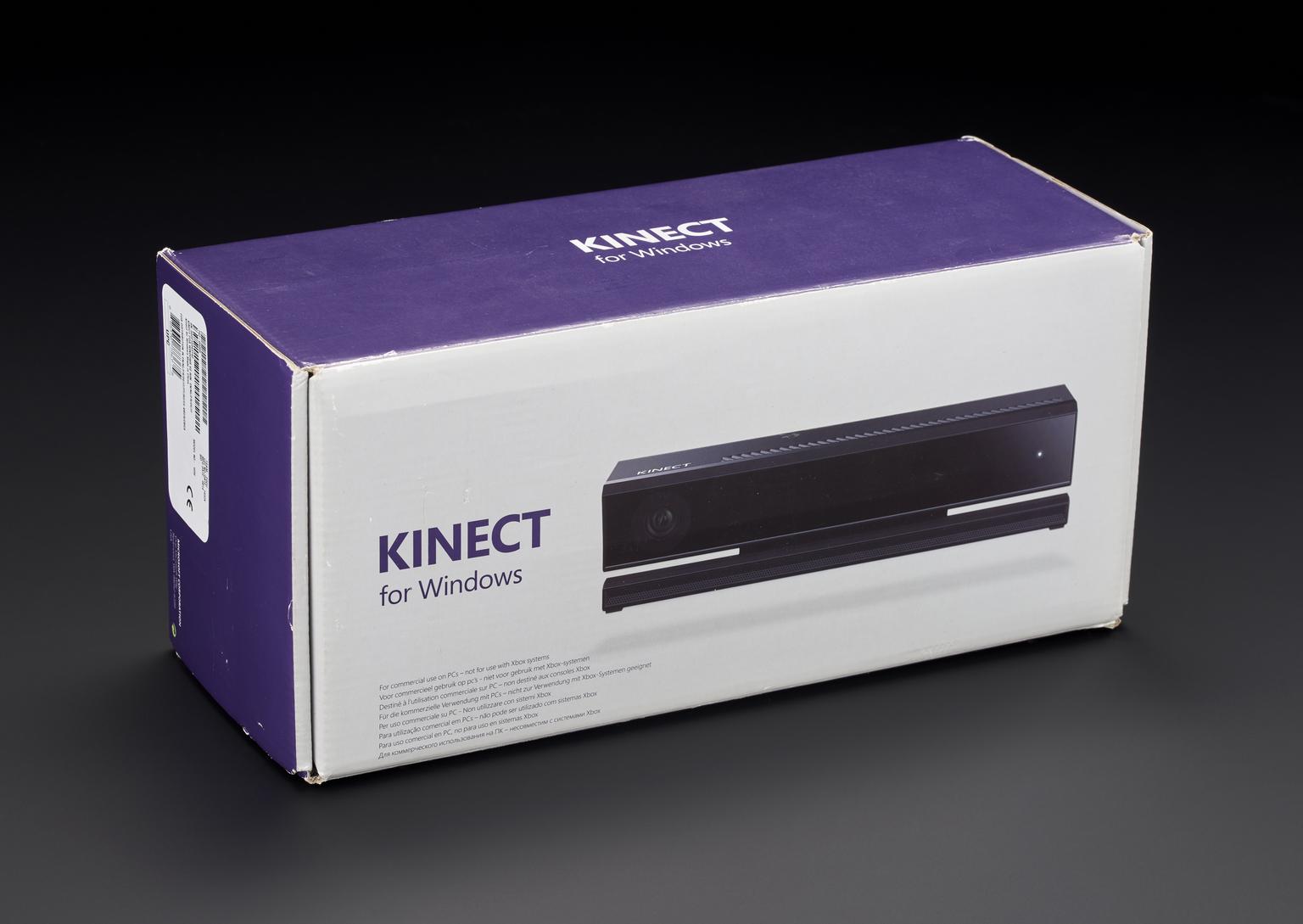
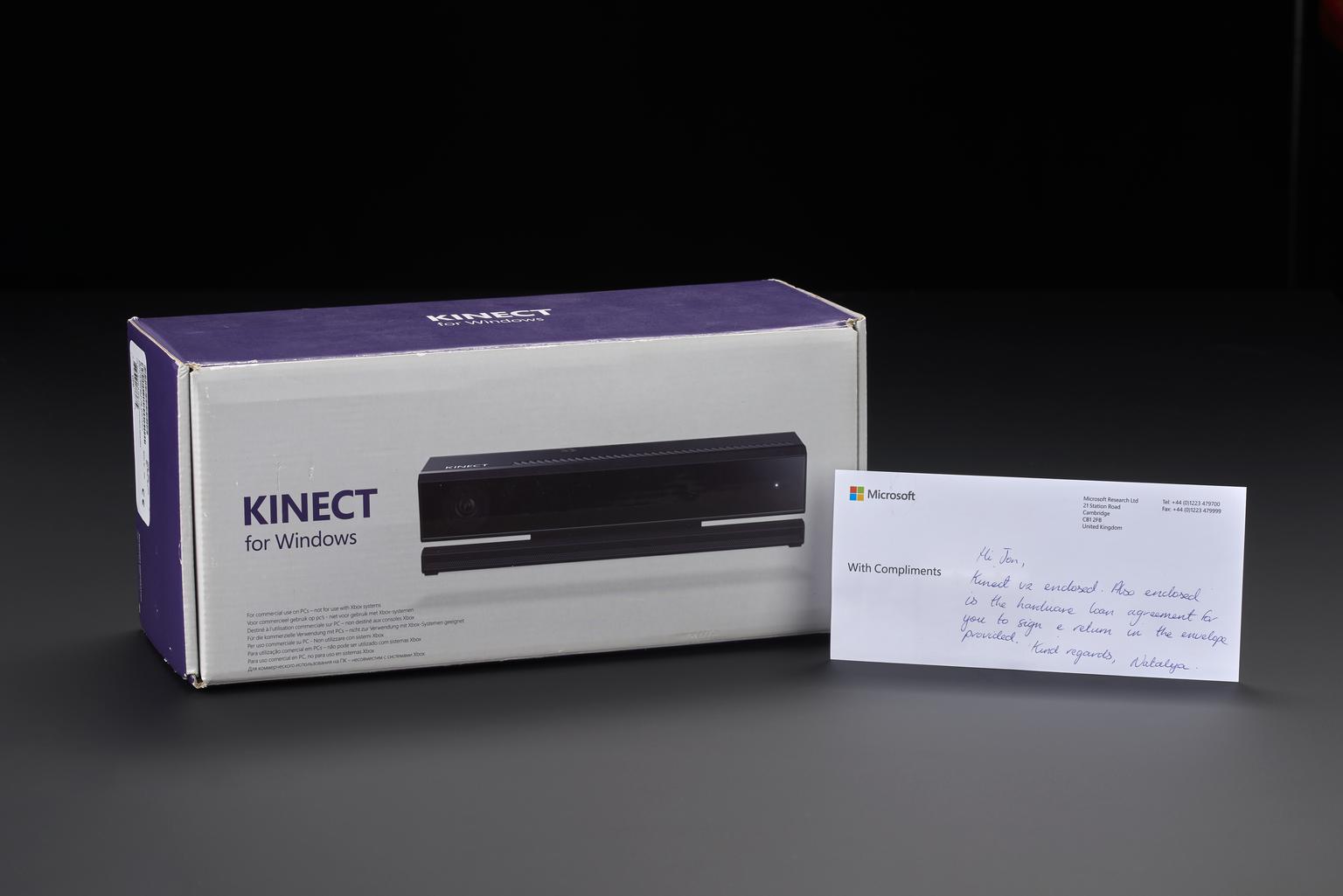
Box and packaging for Kinect sensor

Box and packaging for Kinect sensor, made by Microsoft in China.

Measurements:
overall (closed with contents inside): 145 mm x 364 mm x 185 mm, 2.42 kg
overall (compliments letter): 19 mm x 210 mm
Materials:
paper (fibre product) and plastic (unidentified)
Object Number:
2021-561/560/8
type:
box - container and packaging
Image ©
The Board of Trustees of the Science Museum