Image
Category
Collection
Object type
Material
Maker
Place
Date
Gray-Milne seismograph made by James White

Gray-Milne seismograph made by James White

1885

Double-Boom Seismograph designed by John Milne, 1908

Double-Boom Seismograph designed by John Milne, 1908

1908

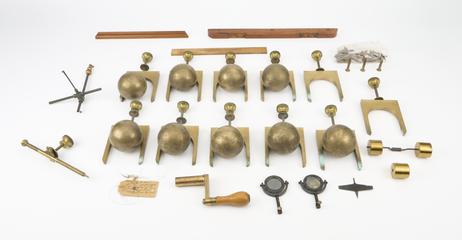
Carton of parts for Gray-Milne seismograph

Carton of parts for Gray-Milne seismograph

1885

Component of Milne-Shaw seismograph

Component of Milne-Shaw seismograph

Component of Milne-Shaw seismograph

Component of Milne-Shaw seismograph

Milne-Shaw seismograph no. 33, c. 1925

Milne-Shaw seismograph no. 33, c. 1925

circa 1925

Component of Milne-Shaw seismograph

Component of Milne-Shaw seismograph

Component of Milne-Shaw seismograph

Component of Milne-Shaw seismograph

Component of Milne-Shaw seismograph

Component of Milne-Shaw seismograph

Component of Milne-Shaw seismograph

Component of Milne-Shaw seismograph

Component of Milne-Shaw seismograph

Component of Milne-Shaw seismograph

Component of Milne-Shaw seismograph

Component of Milne-Shaw seismograph

Component of Milne-Shaw seismograph

Component of Milne-Shaw seismograph

Component of Milne-Shaw seismograph

Component of Milne-Shaw seismograph

Component of Milne-Shaw seismograph

Component of Milne-Shaw seismograph

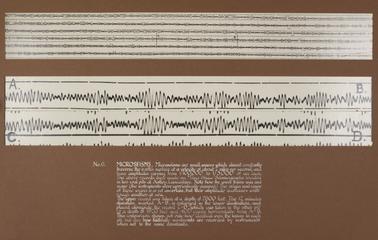
Enlarged recordings of microseisms, 1925

Enlarged recordings of microseisms, 1925

1925

Milne horizontal pendulum seismograph, by R.W. Munro, London, 1899. The instrument was adopted by the British Association as a standard observatory instrument.

Milne horizontal pendulum seismograph, 1899.

1899

Milne-Shaw seismograph no. 33, made by John Johnson Shaw, West Bromwich, UK, and owned by the Safety in Mines Research Board, c. 1925

Milne-Shaw seismograph no. 33, c. 1925

circa 1925

Single boom horizontal pendulum seismograph no.9, designed by John Milne and made by R. W. Munro, 105-149 Cornwall Rd, South Tottenham, London, 1898. This instrument was installed at Kew Observatory and was one of the first such devices in the worldwide network of seismographs established from 1897 by Milne and the British Association for the Advancement of Science (BAAS).

Horizontal pendulum seismograph designed by John Milne and operated at Kew Observatory

1898

Milne-Shaw seismograph, no.45, possibly 1930, see technical file

Milne-Shaw seismograph

Seismogram of two earthquakes, 20 September 1897, recorded on Milne seismograph 1899-63 at Shide, I.O.W.

Seismogram of two earthquakes

1897

Gray-Milne seismograph for recording both horizontal and vertical motion during an earthquake, designed in Japan by Thomas Gray and John Milne, and made by the James White firm, Glasgow, Scotland, 1885. A plaque on the instrument reads: ‘Gray & Milne’s seismograph | No. 3 | James White | Glasgow.

Gray-Milne seismograph

1885

Single boom horizontal pendulum seismograph no.9, designed by John Milne and made by R. W. Munro, 105-149 Cornwall Rd, South Tottenham, London, 1898. This instrument was installed at Kew Observatory and was one of the first such devices in the worldwide network of seismographs established from 1897 by Milne and the British Association for the Advancement of Science (BAAS).

Seismograpg recorder for horizontal pendulum seismograph designed by John Milne and operated at Kew Observatory

1898

Single boom horizontal pendulum seismograph no.9, designed by John Milne and made by R. W. Munro, 105-149 Cornwall Rd, South Tottenham, London, 1898. This instrument was installed at Kew Observatory and was one of the first such devices in the worldwide network of seismographs established from 1897 by Milne and the British Association for the Advancement of Science (BAAS).

Mirror on stand from horizontal pendulum seismograph designed by John Milne and operated at Kew Observatory

1898

Single boom horizontal pendulum seismograph no.9, designed by John Milne and made by R. W. Munro, 105-149 Cornwall Rd, South Tottenham, London, 1898. This instrument was installed at Kew Observatory and was one of the first such devices in the worldwide network of seismographs established from 1897 by Milne and the British Association for the Advancement of Science (BAAS).

Wooden case section for horizontal pendulum seismograph designed by John Milne and operated at Kew Observatory

1898

Single boom horizontal pendulum seismograph no.9, designed by John Milne and made by R. W. Munro, 105-149 Cornwall Rd, South Tottenham, London, 1898. This instrument was installed at Kew Observatory and was one of the first such devices in the worldwide network of seismographs established from 1897 by Milne and the British Association for the Advancement of Science (BAAS).

Brass weights for horizontal pendulum seismograph designed by John Milne and operated at Kew Observatory

1898

Single boom horizontal pendulum seismograph no.9, designed by John Milne and made by R. W. Munro, 105-149 Cornwall Rd, South Tottenham, London, 1898. This instrument was installed at Kew Observatory and was one of the first such devices in the worldwide network of seismographs established from 1897 by Milne and the British Association for the Advancement of Science (BAAS).

Wooden component from horizontal pendulum seismograph designed by John Milne and operated at Kew Observatory

1898

Single boom horizontal pendulum seismograph no.9, designed by John Milne and made by R. W. Munro, 105-149 Cornwall Rd, South Tottenham, London, 1898. This instrument was installed at Kew Observatory and was one of the first such devices in the worldwide network of seismographs established from 1897 by Milne and the British Association for the Advancement of Science (BAAS).

Wooden door for horizontal pendulum seismograph designed by John Milne and operated at Kew Observatory

1898

Single boom horizontal pendulum seismograph no.9, designed by John Milne and made by R. W. Munro, 105-149 Cornwall Rd, South Tottenham, London, 1898. This instrument was installed at Kew Observatory and was one of the first such devices in the worldwide network of seismographs established from 1897 by Milne and the British Association for the Advancement of Science (BAAS).

Pendulum for horizontal pendulum seismograph designed by John Milne and operated at Kew Observatory

1898

Single boom horizontal pendulum seismograph no.9, designed by John Milne and made by R. W. Munro, 105-149 Cornwall Rd, South Tottenham, London, 1898. This instrument was installed at Kew Observatory and was one of the first such devices in the worldwide network of seismographs established from 1897 by Milne and the British Association for the Advancement of Science (BAAS).

Wooden case for horizontal pendulum seismograph designed by John Milne and operated at Kew Observatory

1898

Milne-Shaw seismograph no.1, designed and constructed by John Johnson Shaw, 1914, based on an original design by John Milne. The instrument, which has a horizontal pendulum and electromagnetic damping, was tested at Bidston Observatory, near Liverpool, and in 1918 was transferred to the University Observatory at Oxford.

Milne-Shaw seismograph No.1

1914

Component of Milne-Shaw seismograph, no.45, possibly 1930, see technical file

Component of Milne-Shaw seismograph

Component of Milne-Shaw seismograph, no.45, possibly 1930, see technical file

Milne-Shaw seismograph

Heart-shaped winding key for Gray-Milne seismograph, for recording both horizontal and vertical motion during an earthquake, designed in Japan by Thomas Gray and John Milne, and made by the James White firm, Glasgow, Scotland, 1885.

Heart-shaped winding key for Gray-Milne seismograph

1883-1885

Single boom horizontal pendulum seismograph no.9, designed by John Milne and made by R. W. Munro, 105-149 Cornwall Rd, South Tottenham, London, 1898. This instrument was installed at Kew Observatory and was one of the first such devices in the worldwide network of seismographs established from 1897 by Milne and the British Association for the Advancement of Science (BAAS).

Lantern for horizontal pendulum seismograph designed by John Milne and operated at Kew Observatory

1898

Single boom horizontal pendulum seismograph no.9, designed by John Milne and made by R. W. Munro, 105-149 Cornwall Rd, South Tottenham, London, 1898. This instrument was installed at Kew Observatory and was one of the first such devices in the worldwide network of seismographs established from 1897 by Milne and the British Association for the Advancement of Science (BAAS).

Wooden case section for horizontal pendulum seismograph designed by John Milne and operated at Kew Observatory

1898

Single boom horizontal pendulum seismograph no.9, designed by John Milne and made by R. W. Munro, 105-149 Cornwall Rd, South Tottenham, London, 1898. This instrument was installed at Kew Observatory and was one of the first such devices in the worldwide network of seismographs established from 1897 by Milne and the British Association for the Advancement of Science (BAAS).

Wooden panel from horizontal pendulum seismograph designed by John Milne and operated at Kew Observatory

1898

Single boom horizontal pendulum seismograph no.9, designed by John Milne and made by R. W. Munro, 105-149 Cornwall Rd, South Tottenham, London, 1898. This instrument was installed at Kew Observatory and was one of the first such devices in the worldwide network of seismographs established from 1897 by Milne and the British Association for the Advancement of Science (BAAS).

Wooden case section for horizontal pendulum seismograph designed by John Milne and operated at Kew Observatory

1898

Single boom horizontal pendulum seismograph no.9, designed by John Milne and made by R. W. Munro, 105-149 Cornwall Rd, South Tottenham, London, 1898. This instrument was installed at Kew Observatory and was one of the first such devices in the worldwide network of seismographs established from 1897 by Milne and the British Association for the Advancement of Science (BAAS).

Wooden case section for horizontal pendulum seismograph designed by John Milne and operated at Kew Observatory

1898

Single boom horizontal pendulum seismograph no.9, designed by John Milne and made by R. W. Munro, 105-149 Cornwall Rd, South Tottenham, London, 1898. This instrument was installed at Kew Observatory and was one of the first such devices in the worldwide network of seismographs established from 1897 by Milne and the British Association for the Advancement of Science (BAAS).

Metal stand for horizontal pendulum seismograph designed by John Milne and operated at Kew Observatory

1898

Single boom horizontal pendulum seismograph no.9, designed by John Milne and made by R. W. Munro, 105-149 Cornwall Rd, South Tottenham, London, 1898. This instrument was installed at Kew Observatory and was one of the first such devices in the worldwide network of seismographs established from 1897 by Milne and the British Association for the Advancement of Science (BAAS).

Wooden panel for horizontal pendulum seismograph designed by John Milne and operated at Kew Observatory

1898

Single boom horizontal pendulum seismograph no.9, designed by John Milne and made by R. W. Munro, 105-149 Cornwall Rd, South Tottenham, London, 1898. This instrument was installed at Kew Observatory and was one of the first such devices in the worldwide network of seismographs established from 1897 by Milne and the British Association for the Advancement of Science (BAAS).

Horizontal pendulum seismograph designed by John Milne and operated at Kew Observatory

1898

Part of Milne-Shaw seismograph no. 33, made by John Johnson Shaw, West Bromwich, UK, and owned by the Safety in Mines Research Board, c. 1925

Part of Milne-Shaw seismograph no. 33, c. 1925

circa 1925

Base and main part from Milne horizontal pendulum seismograph, by R.W. Munro, 1899.

Base and main part for Milne horizontal pendulum seismograph

1899

Support pillar and recorder from Milne horizontal pendulum seismograph, by R. W. Munro, London, 1899. Fitted with detachable modified pocket watch.

Support pillar and recorder for Milne horizontal pendulum seismograph

1899

Milne-Shaw seismograph no.1, designed and constructed by John Johnson Shaw, 1914, based on an original design by John Milne. The instrument, which has a horizontal pendulum and electromagnetic damping, was tested at Bidston Observatory, near Liverpool, and in 1918 was transferred to the University Observatory at Oxford.

Milne-Shaw seismograph no.1

1914

Daily Herald photograph by Milne. Image shows American golfer Tony Lema putting during a tournament.

American golfer Tony Lema

05 July 1965

Daily Herald photograph by Milne. Image shows American golfer Tony Lema at St Andrews.

American golfer Tony Lema

08 July 1964