Image
Category
Collection
On Display
Object type
Material
Maker
Place
Date
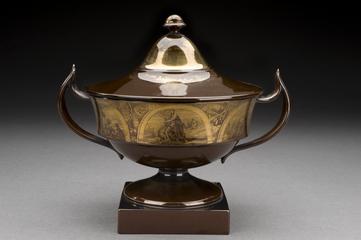
Pottery urn, Staffordshire, England, 1801-1900

Pottery urn, Staffordshire, England, 1801-1900

1801-1900

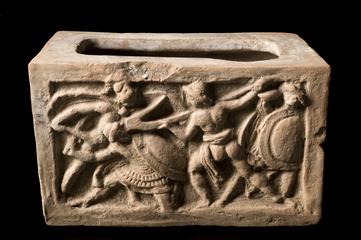
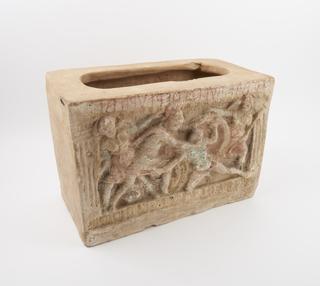
Cinerary urn, Europe, 300-200 BCE

Cinerary urn, Europe, 300-200 BCE

300-200 BCE

Copy of a gold urn

Copy of a gold urn

3000-2000 BCE

Cinerary urn

Cinerary urn

500-200

Glass cinerary urn, Roman, Western Europe, 1-200AD

Glass cinerary urn, Roman, Western Europe, 1-200AD

1-200 CE

Glass cinerary urn

Glass cinerary urn

1-200 CE

Miniature urn

Miniature urn

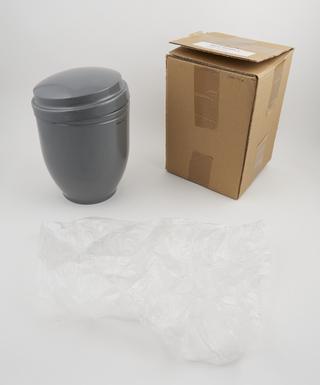
Ashes box, (cinerary urn), Europe, 1999

Ashes box, (cinerary urn), Europe, 1999

1999

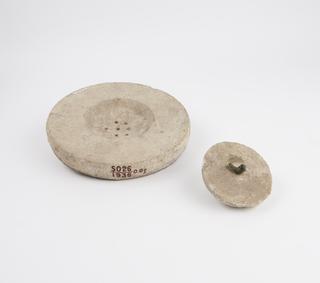
Circular stone cover for cinerary urn

Circular stone cover for cinerary urn

500-400

Cinerary urn, Europe, 500-100 BCE

Cinerary urn, Europe, 500-100 BCE

500-100 BCE

Lid of funerary urn

Lid of funerary urn

700-500

Glass cinerary urn, Roman,  1 - 200 CE

Glass cinerary urn, Roman, 1 - 200 CE

1-200 CE

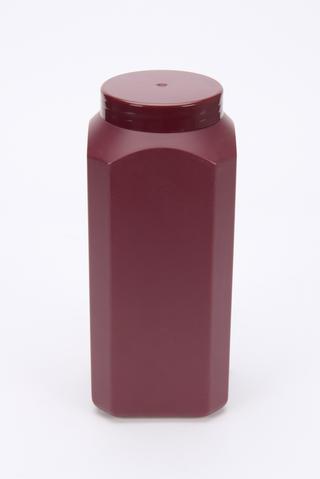
Adult-sized plastic urn, used by crematorium to send remains by post, Europe, 1999

Adult-sized urn

1999

Child-sized metal urn, used by crematorium to send remains by post, Europe, 1999

Child-sized urn

1999

Cylindrical pottery cinerary urn, with 3 feet in form of bears, on 19th century wooden stand, urn is Han dynasty, Chinese, 221 - 206 BCE

Han dynasty pottery cinerary urn

221-206 BCE; 1801-1900

Cylindrical lead cinerary urn? with lid, European, Ancient World, 200BC-200BCE

Cinerary Urn

Pottery cinerary urn that contained cremated remains from Kent, dated to the Iron Age (800 BCE-100 CE)

Pottery cinerary urn that contained cremated remains from Kent

800 BCE-100 CE

Earthenware cinerary urn containing quantity of bones, cracked, broken broken at rim, Roman, 100 BC - 300 AD

Earthenware cinerary urn containing quantity of bones

100 BCE-300 CE

Cardboard box that previously contained fragments

Cardboard box associated with the urn containing cremated remains

Pottery cinerary urn, containing cremated remains, from Kent, Iron Age, 800 BCE-100 CE

Pottery cinerary urn

800 BCE-100 CE

Glass cinerary urn, with bone fragment contents, Roman, Western Europe, 101 to 230 AD

Glass cinerary urn

101-230 CE

Large terracotta cinerary urn containing cremated bones, enclosed in lead box with lid, from Apulia in Italy, Roman, 100 BC-400 AD

Large terracotta cinerary urn containing cremated bones

100 BCE-400 CE

Broken bones from glass cinerary urn filled with , Roman, Western European, 101 to 230 AD

Cinerary urn, Roman, 101-230 AD.

101-230 CE

Earthenware cinerary urn that contained a quantity of bones. The urn is cracked and broken at the rim, Roman, 100 BC - 300 AD

Earthenware cinerary urn that contained a quantity of bones

100 BCE-300 CE

Earthenware container with two handles containing stones and charred bones, inscribed C NUMONIA, Roman, 1st to 3rd centuries AD

Earthenware container with two handles containing stones and charred bones

1-300 CE

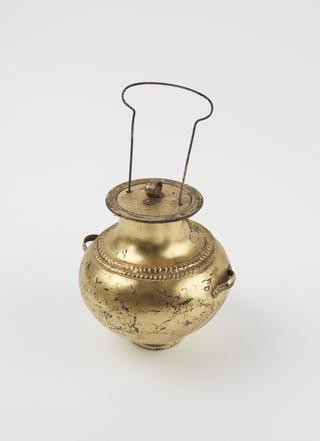
Cinerary urn, lead, with lid, with contents, probably Roman, 600-200BC

Cinerary urn

600-200 BCE

Cremated remains and stones that were found in a pottery cinerary urn from Kent, dated to the Iron Age (800 BCE-100 CE)

Cremated remains and stones that were found in a pottery cinerary urn from Kent

800 BCE-100 CE

Glass cinerary urn that contained bone fragments, made in Western Europe, 101 to 230 AD

Glass cinerary urn that contained bone fragments

101-230 CE

Fragments of the pottery cinerary urn that contained cremated remains from Kent, dated to the Iron Age (800 BCE-100 CE)

Fragments of the pottery cinerary urn that contained cremated remains from Kent

800 BCE-100 CE

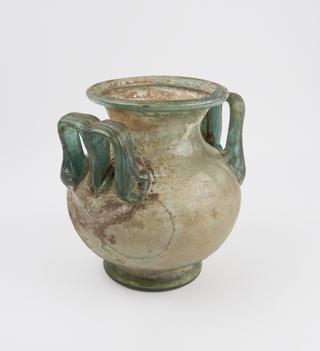
Glass cinerary urn, with double-looped handles, containing ashes, Roman, Western European, 1 to 200 AD

Glass cinerary urn, containing ashes, Roman, 1 - 200 CE

1-200 CE