Image
Category
Collection
Object type
Material
Maker
Place
Date
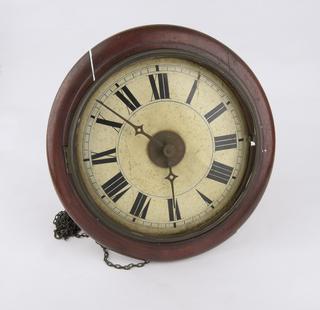
Postman's alarm

Postman's alarm

1875-1900

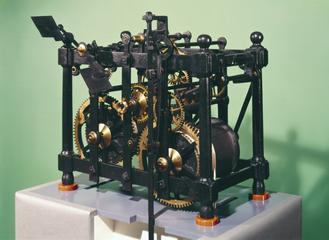
Movement of turret clock

Movement of turret clock

1795

Eleven free pendulum clock components

Eleven free pendulum clock components

1899

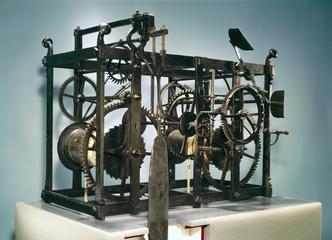
Iron turret clock in wooden frame

Iron turret clock in wooden frame

1675-1685

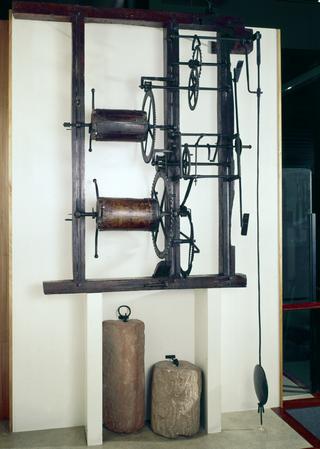
Works of clock (dated 1671) removed from St. Giles Church

Works of clock (dated 1671) removed from St. Giles Church

1671

Free pendulum from the free pendulum clock

Free pendulum from the free pendulum clock

1899

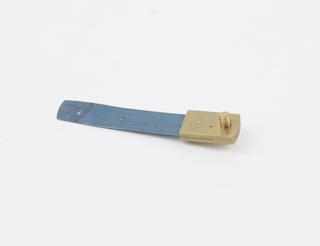
Pendulum suspension spring from the free pendulum clock

Pendulum suspension spring from the free pendulum clock

1899

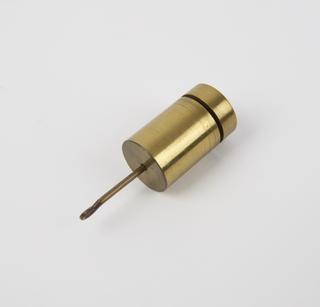
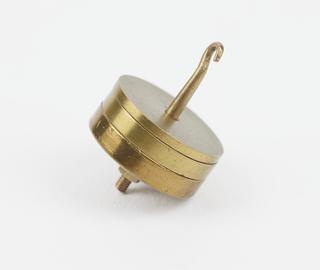
Auxillary driving weight from the free pendulum clock

Auxillary driving weight from the free pendulum clock

1899

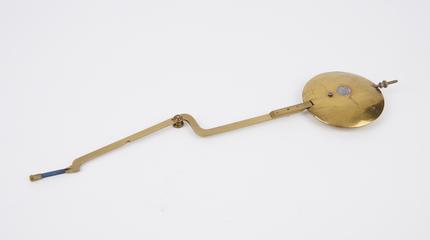
Movement pendulum from the free pendulum clock

Movement pendulum from the free pendulum clock

1899

Winder key from the regulator timepiece

Winder key from the regulator timepiece

1937

Movement screw from free pendulum clock

Movement screw from free pendulum clock

1899

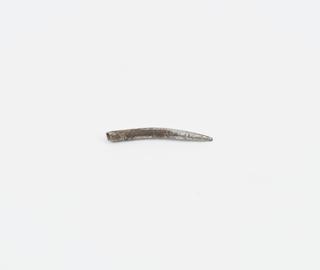
Taper pin from the free pendulum clock

Taper pin from the free pendulum clock

1899

Auxillary counter weight from free pendulum clock

Auxillary counter weight from free pendulum clock

1899

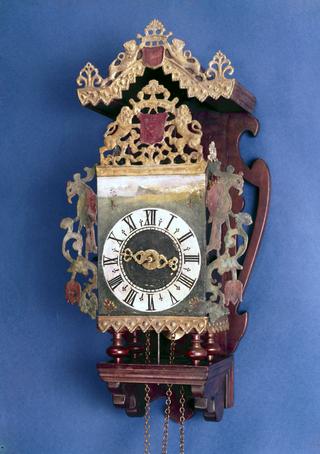
Friesland alarm timepiece

Friesland alarm timepiece

1701-1800

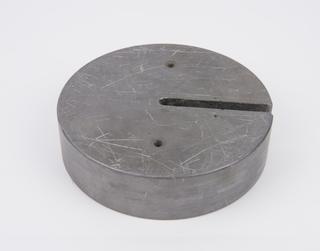
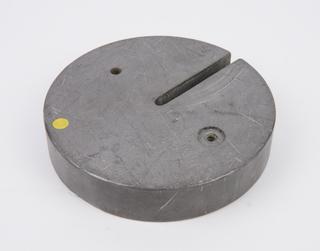
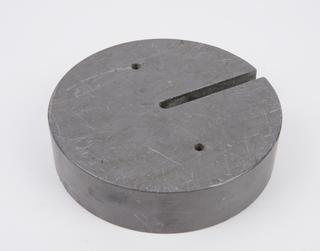
Lead driver weight from the regulator timepiece

Lead driver weight from the regulator timepiece

1937

Winding key for the free pendulum clock

Winding key for the free pendulum clock

1899

Lead driver weight from the regulator timepiece

Lead driver weight from the regulator timepiece

1937

Lead driver weight from the regulator timepiece

Lead driver weight from the regulator timepiece

1937

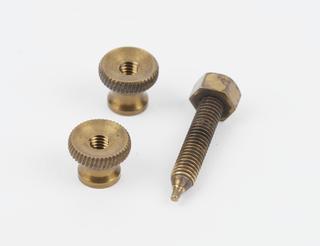
Metal bolts from the regulator timepiece

Metal bolts from the regulator timepiece

1937

Clock made by Benjamin Vulliamy for His Majesty George III, and used in his Observatory at Kew. In polished mahogany case

A clock made by Benjamin Vulliamy for His Majesty George III, c. 1780.

circa 1780

Lantern clock by John Drury, London, with anchor escapement and long pendulum; hours on dial divided into quarters; going and striking trains; one hand

Lantern clock by John Drury, London, with anchor escapement and long pendulum

circa 1700

Italian copper-gilt chamber clock by Camerini of Turin, 1656

Italian copper-gilt chamber clock by Camerini of Turin

1656

Early weight-driven pendulum clock with Huygens continuous rope maintaining power and adjustable cheeks. Dial engraved "JAN V. CALL NEOMAGENS FECIT, CHR. HUGENIUS HAGAE INVENIT, Ao. Dom. 1657".

Early weight-driven pendulum clock with Huygens continuous rope maintaining power and adjustable cheeks

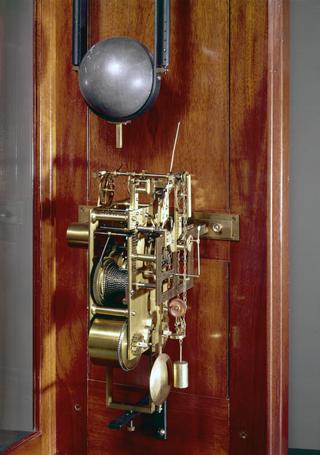
Clock mechanism, the trunk and hood, all part of the regulator timepiece by A.V. Parlby, United Kingdom, 1937

Clock mechanism

Clock mechanism, the trunk and hood, a pendulum, three lead driver weights, a winder key, and bolts, all from the regulator timepiece, by A. V. Parlby, United Kingdom, 1937

Regulator timepiece and ball bearing races

1937

Case for the free pendulum clock, by R. J. Judd, Croydon, London, United Kingdom, 1899

Case for the free pendulum clock

1899

Clock Mechanism from the regulator timepiece, by A. V. Parlby, United Kingdom, 1937

Clock Mechanism from the regulator timepiece

1937

Trunk from the regulator timepiece, by A. V. Parlby, United Kingdom, 1937

Trunk from the regulator timepiece

1937

Pendulum, chains, 3 weights and one pulley for Friesland alarm timepiece.

Pendulum, chains

1701-1800

Friesland alarm timepiece case only.

Friesland alarm timepiece case only

1701-1800

Friesland alarm timepiece, on wooden bracket (1964-225/2).

Friesland alarm timepiece

1701-1800

Hood from the regulator timepiece, by A. V. Parlby, United Kingdom, 1937

Hood from the regulator timepiece

1937

Pendulum from the regulator timepiece, by A. V. Parlby, United Kingdom, 1937

Pendulum from the regulator timepiece

1937