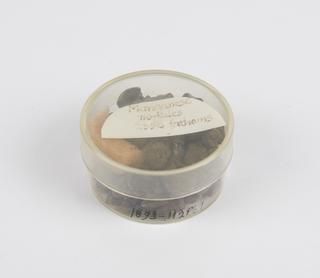
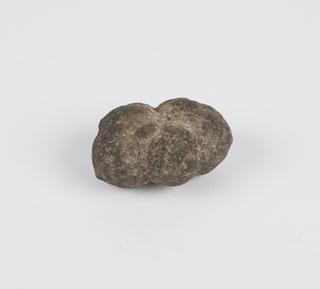
Manganese nodules collected by HMS Challenger, 1872-1876
1872-1876
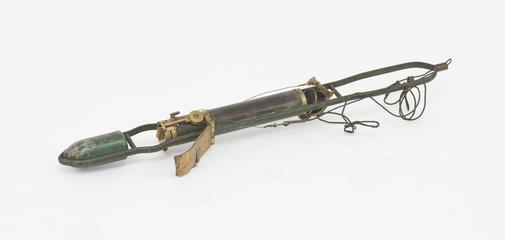
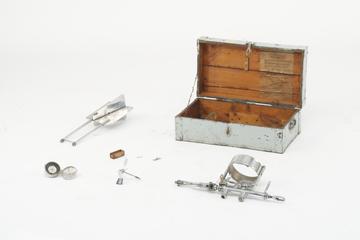
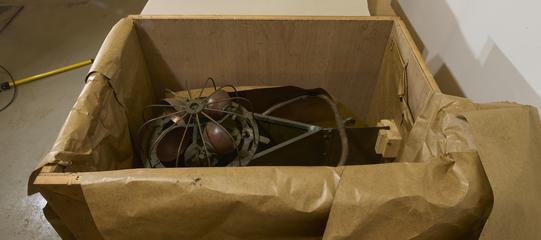
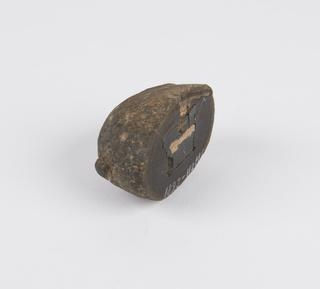
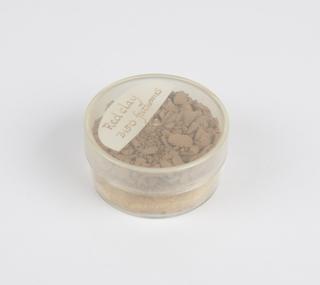
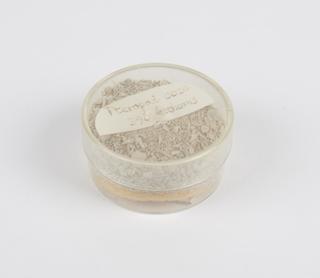
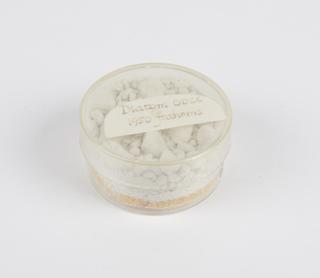
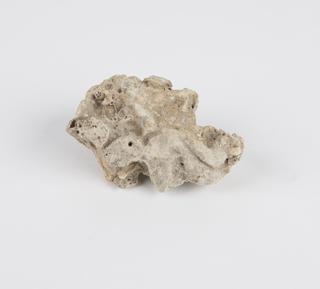
Sea bed sediment samples and nodules collected from various sampling locations around the world by the HMS Challenger expedition, 1872-1876, and HMS Bulldog, 1860.
In 1860, the paddle steamer HMS Bulldog was conducting telegraph survey operations around the Faroe Islands, Iceland and Greenland, collecting samples from the sea bottom to investigate the feasibility for a new submarine cable to be laid. The soundings suggested that there might be living organisms at great depths, fuelling an ongoing debate about whether the deep sea did harbour life or whether it was azoic.
The Challenger Expedition (1872-1876), organised by the Royal Society and UK Hydrographic Office, circumnavigated the globe in order to study the physical, chemical and biological characteristics of the deep sea. Culminating in a series of detailed scientific reports, the expedition has sometimes been claimed to be the origin of modern oceanography. HMS Challenger, after which the expedition was named, was captained by Captain George Strong Nares; Scottish naturalist Charles Wyville Thomson led the six-man scientific team.
Prior to the expedition, HMS Challenger was specially fitted out in order to accommodate the many thousands of specimens and samples collected en route. Geological samples collected from the sea floor, such as this one, were carefully labelled with information about the depth and location from which they had been gathered.
1872-1876
1872-1876
1875-09-16
unknown
1872-1876
1872-1876
1874-09-26

1860
1860
1875-09-16
1872-1876
1872-1876
1872-1876
1872-1876
1872-1876
1872-1876
1872-1876
1872-1876
1872-1876
1872-1876
1872-1876
1872-1876
1872-1876
1872-1876
1872-1876