Image
Category
Object type
Place
Material
Date
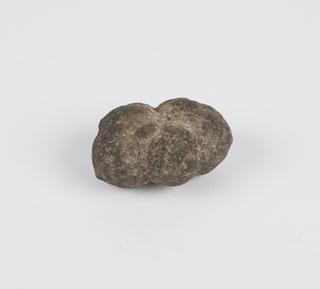
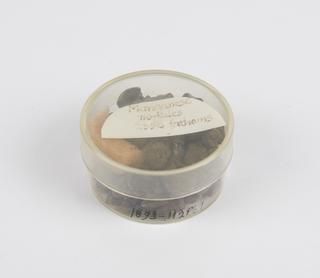
Manganese nodule collected by HMS Challenger, 1872-1876

Manganese nodule collected by HMS Challenger, 1872-1876

1872-1876

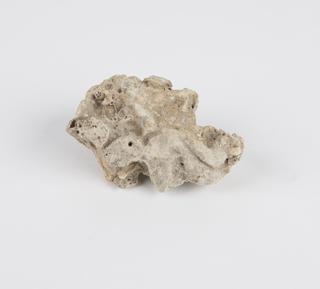
Sample ‘concretion of globigerina ooze’ collected by HMS Challenger, 1874

Sample ‘concretion of globigerina ooze’ collected by HMS Challenger, 1874

1874-09-26

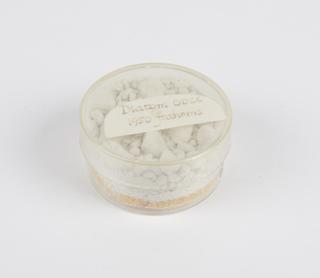
Sample of diatomic ooze, collected by HMS Challenger, 1872-1876

Sample of diatomic ooze, collected by HMS Challenger, 1872-1876

1872-1876

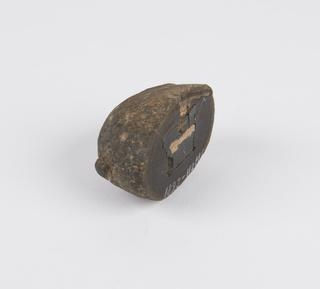
Sectioned manganese nodule collected by HMS Challenger, 1875

Sectioned manganese nodule collected by HMS Challenger, 1875

1875-09-16

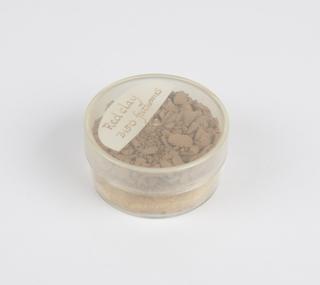
Sample of red clay collected by HMS Challenger, 1872-1876

Sample of red clay collected by HMS Challenger, 1872-1876

unknown

Manganese nodules collected by HMS Challenger, 1872-1876

Manganese nodules collected by HMS Challenger, 1872-1876

1872-1876

Samples of globigerina ooze collected by HMS Bulldog, 1860

Samples of globigerina ooze collected by HMS Bulldog, 1860

1860

Sample of Pteropod ooze collected by HMS Challenger, 1872-1876

Sample of Pteropod ooze collected by HMS Challenger, 1872-1876

1872-1876

Sample of surface layer of Globigerina ooze collected by HMS Bulldog, 1860

Sample of surface layer of Globigerina ooze collected by HMS Bulldog, 1860

1860

Sample of ‘volcanic mud’ containing sponge spicules collected by HMS Challenger from the southern Indian Ocean near the Kerguelen Islands at a depth of 20-120 fathoms, 1872-1876. Collection site was station 149.

Sample of ‘volcanic mud’ collected by HMS Challenger, 1872-1876

1872-1876

Sample of ‘red clay’ collected by HMS Challenger from the Pacific Ocean, north of Tahiti, at a depth of 2350 fathoms, 1872-1876.

Sample of ‘red clay’ collected by HMS Challenger, 1872-1876

1872-1876

Sample of ‘Globigerina ooze with many radiolarians’, collected by HMS Challenger from the Pacific Ocean between Hawaii and Tahiti, at a depth of 2425 fathoms, 1872-1876. Collection site was station 271. Globigerina is a genus of planktonic Foraminifera; shells of these tiny animals dominate vast areas of the deep sea floor.

Sample of Globigerina ooze collected by HMS Challenger, 1872-1876

1872-1876

Sample of ‘blue mud’ collected by HMS Challenger from the South Atlantic Ocean at a depth of 1900 fathoms, 1872-1876. Collection site was station 323.

Sample of ‘blue mud' collected by HMS Challenger, 1872-1876

1872-1876

Sample of ‘Nullipore sand’, collected by HMS Challenger from Long Beach, Ascension Island, 1872-1876.

Sample of ‘Nullipore sand’ collected by HMS Challenger, 1872-1876

1872-1876

Sample of ‘radiolarian ooze’ collected by HMS Challenger from the Pacific Ocean, between Hawaii and Tahiti, at a depth of 2350 fathoms, 1872-1876.

Sample of ‘radiolarian ooze’ collected by HMS Challenger, 1872-1876

1872-1876

Sample of ‘Pteropod ooze’, collected by HMS Challenger from the western Atlantic Ocean, north of Culebra Island, West Indies, at a depth of 390 fathoms, 1872-1876. Collection site was station 24.

Sample of ‘Pteropod ooze' collected by HMS Challenger, 1872-1876

1872-1876

Sample of ‘blue mud’, collected by HMS Challenger from the Western Pacific Ocean, south of Mindanao, Philippines, at a depth of 2050 fathoms, 1872-1876. Collection site was station 213.

Sample of ‘blue mud' collected by HMS Challenger, 1872-1876

1872-1876

Sample of ‘diatomaceous ooze’, collected by HMS Challenger from the ocean between the Kerguelen Islands and Tasmania, at a depth of 1950 fathoms, 1872-1876. Collection site was station 157.

Sample of ‘diatomaceous ooze’ collected by HMS Challenger, 1872-1876

1872-1876

Sample of ‘Chocolate clay’, collected by HMS Challenger from the South Pacific Ocean, south of Tahiti, at a depth of 2385 fathoms, 1872-1876. Collection site was station 281.

Sample of ‘Chocolate clay’collected by HMS Challenger, 1872-1876

1872-1876

Sample of ‘globigerina ooze’ with clay collected by HMS Challenger from the South Pacific Ocean off the coast of Chile, south west of the Juan Fernandez Islands, at a depth of 1825 fathoms, 1872-1876. Collection site was 296. Globigerina is a genus of planktonic Foraminifera; shells of these tiny animals dominate vast areas of the deep sea floor.

Sample of ‘globigerina ooze’ collected by HMS Challenger, 1872-1876

1872-1876

Sample of ‘red clay’ collected by HMS Challenger from the Pacific Ocean, east of Japan, at a depth of 2300 fathoms, 1872-1876. Collection site was station 241.

Sample of ‘red clay’ collected by HMS Challenger, 1872-1876

1872-1876

Sample of ‘red clay’, collected by HMS Challenger from the Pacific Ocean, south of Hawaii, at a depth of 2900 fathoms, 1872-1876.

Sample of ‘red clay' collected by HMS Challenger, 1872-1876

1872-1876

Sample of ‘Globigerina ooze’ collected by HMS Challenger from the Pacific Ocean, Western Caroline Island, at a depth of 1850 fathoms, 1872-1876. Collection site was station 224. Globigerina is a genus of planktonic Foraminifera; shells of these tiny animals dominate vast areas of the deep sea floor.

Sample of 'Globigerina ooze' collected by HMS Challenger, 1872-1876

1872-1876

Sample of small manganese nodules collected by HMS Challenger from the South Pacific Ocean, north of Tahiti, at a depth of 2350 fathoms, on 16 September 1875. Collection site was station 276, at latitude 13°2.8’S and longitude 149°30’W.

Sample of small manganese nodules collected by HMS Challenger, 1875

1875-09-16

Sample of ‘volcanic sand’, collected by HMS Challenger from the Atlantic Ocean near Tenerife, at a depth of 78 fathoms, 1872-1876.

Sample of ‘volcanic sand' collected by HMS Challenger, 1872-1876

1872-1876

Sample of 'red clay' collected by HMS Challenger from the Atlantic Ocean, between the Canary Islands and West Indies, at a depth of 3150 fathoms, 1872-1876.

Sample of 'red clay' collected by HMS Challenger, 1872-1876

1872-1876

Sample of ‘Globigerina ooze’ in dry condition, collected by HMS Challenger from the South Atlantic Ocean, south west of St Helena, between Ascension Island and Tristan da Cunha, at a depth of 1990 fathoms, 1872-1876. Collection site was station 338. Globigerina is a genus of planktonic Foraminifera; shells of these tiny animals dominate vast areas of the deep sea floor.

Sample of ‘Globigerina ooze’ collected by HMS Challenger, 1872-1876

1872-1876

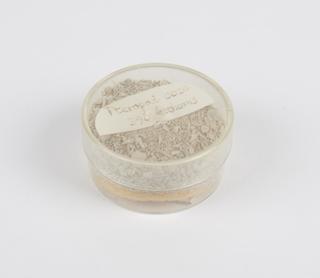
Sample of ‘coral sand’ collected by HMS Challenger from the South Pacific Ocean, off the coast of Tongatapu, Tonga (described in accompanying labels as Tongatabou, Friendly Islands), at a depth of 18 fathoms, 1872-1876. Collection site was station 172.

Sample of ‘coral sand’ collected by HMS Challenger, 1872-1876

1872-1876

Sample of ‘Agulhas shoal’, collected by HMS Challenger from the ocean off the coast of the Cape of Good Hope, South Africa, at a depth of 200 fathoms, 1872-1876.

Sample of ‘Agulhas shoal' collected by HMS Challenger, 1872-1876

1872-1876

Sample of ‘coarse shelly bottom’ collected by HMS Challenger from the South Atlantic Ocean, near Nightingale Island, part of Tristan da Cunha, at a depth of 100-150 fathoms, 17 October 1873. Collection site was station 135.

Sample of ‘coarse shelly bottom’ collected by HMS Challenger, 1873

1873-10-17

Sample of ‘red clay’, collected by HMS Challenger from the South Atlantic Ocean, north of the Sandwich Islands, at a depth of 2950 fathoms, 1872-1876. Collection site was station 256.

Sample of ‘red clay’, collected by HMS Challenger, 1872-1876

1872-1876

Sample of ‘wet globigerina ooze’, collected by HMS Challenger from the South Atlantic Ocean, between Ascension Island and Tristan da Cunha, at a depth of 1990 fathoms, 1872-1876. Collection site was station 338.

Sample of ‘wet globigerina ooze’ collected by HMS Challenger, 1872-1876

1872-1876